Loading subject page…


112,227 views

Video Summary: What Is Paracrine Signaling
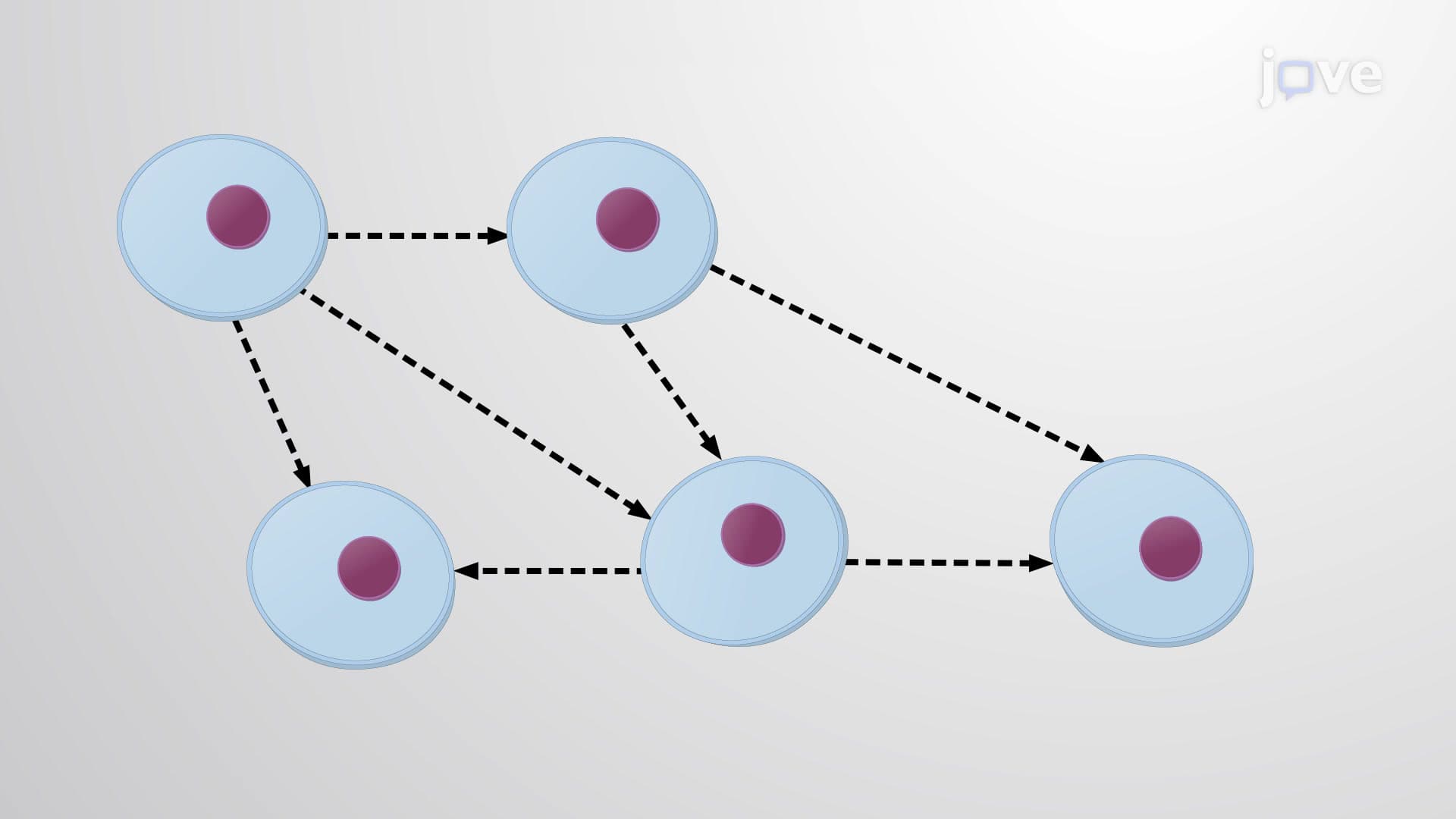
Did you know that when you get a paper cut, your skin cells immediately start "texting" their neighbors to begin healing? Paracrine signaling enables cells to communicate with nearby cells through chemical messages that travel only short distances. Unlike hormones that circulate throughout your bloodstream, paracrine signals work locally-like growth factors released during wound healing in your skin. This crucial communication system controls everything from embryonic development to immune responses. Watch the full video on JoVE Coach to master this concept with expert-led visuals and step-by-step explanations.
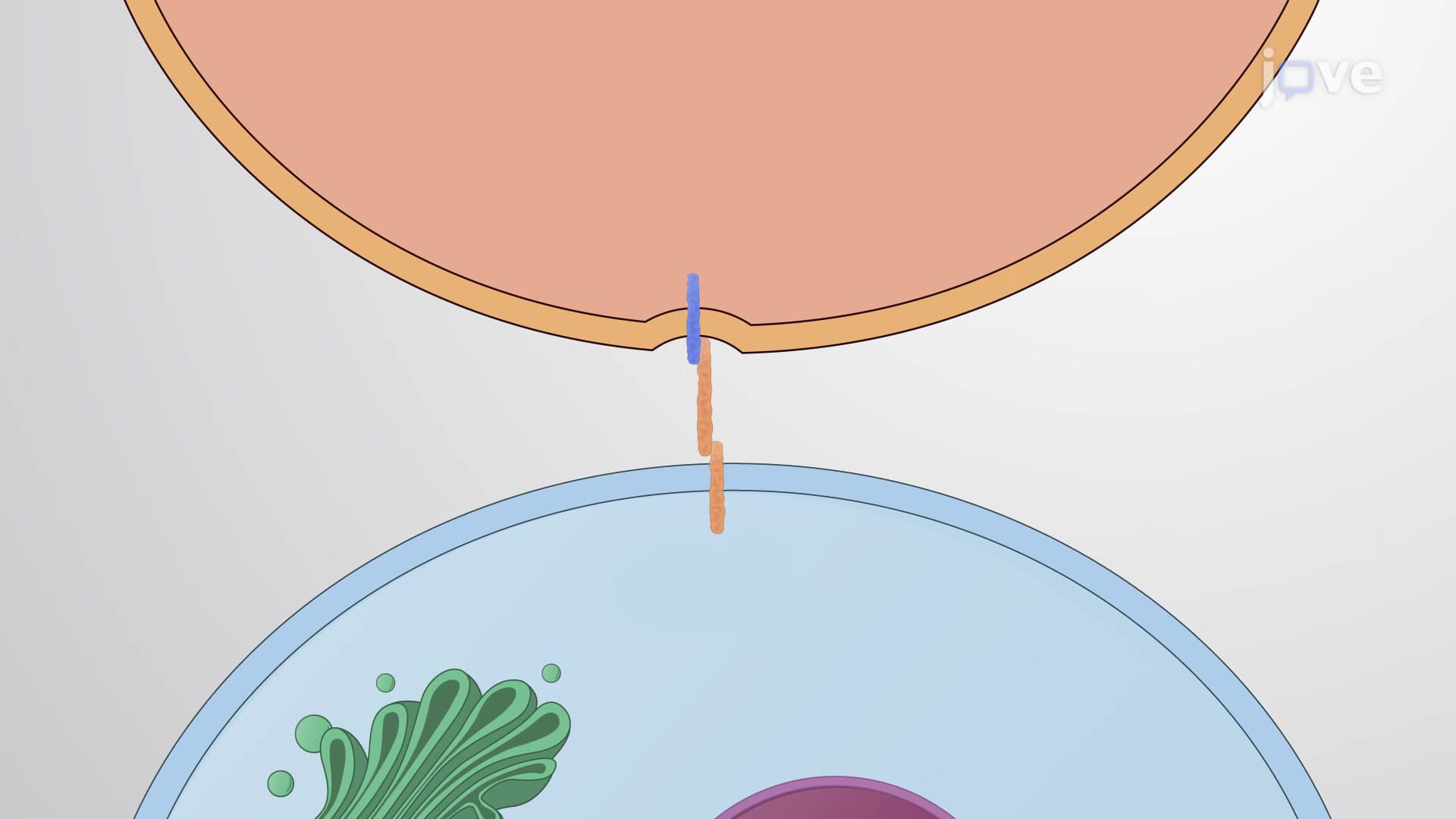
What is paracrine signaling? At its core, paracrine signaling represents a sophisticated cellular communication network where cells release chemical messengers that influence neighboring cells within their immediate vicinity. This communication method stands apart from endocrine signaling (hormones traveling long distances through blood) and autocrine signaling (cells signaling themselves). The term "paracrine" derives from Greek, meaning "beside" and "to secrete," perfectly capturing how these signals work locally.
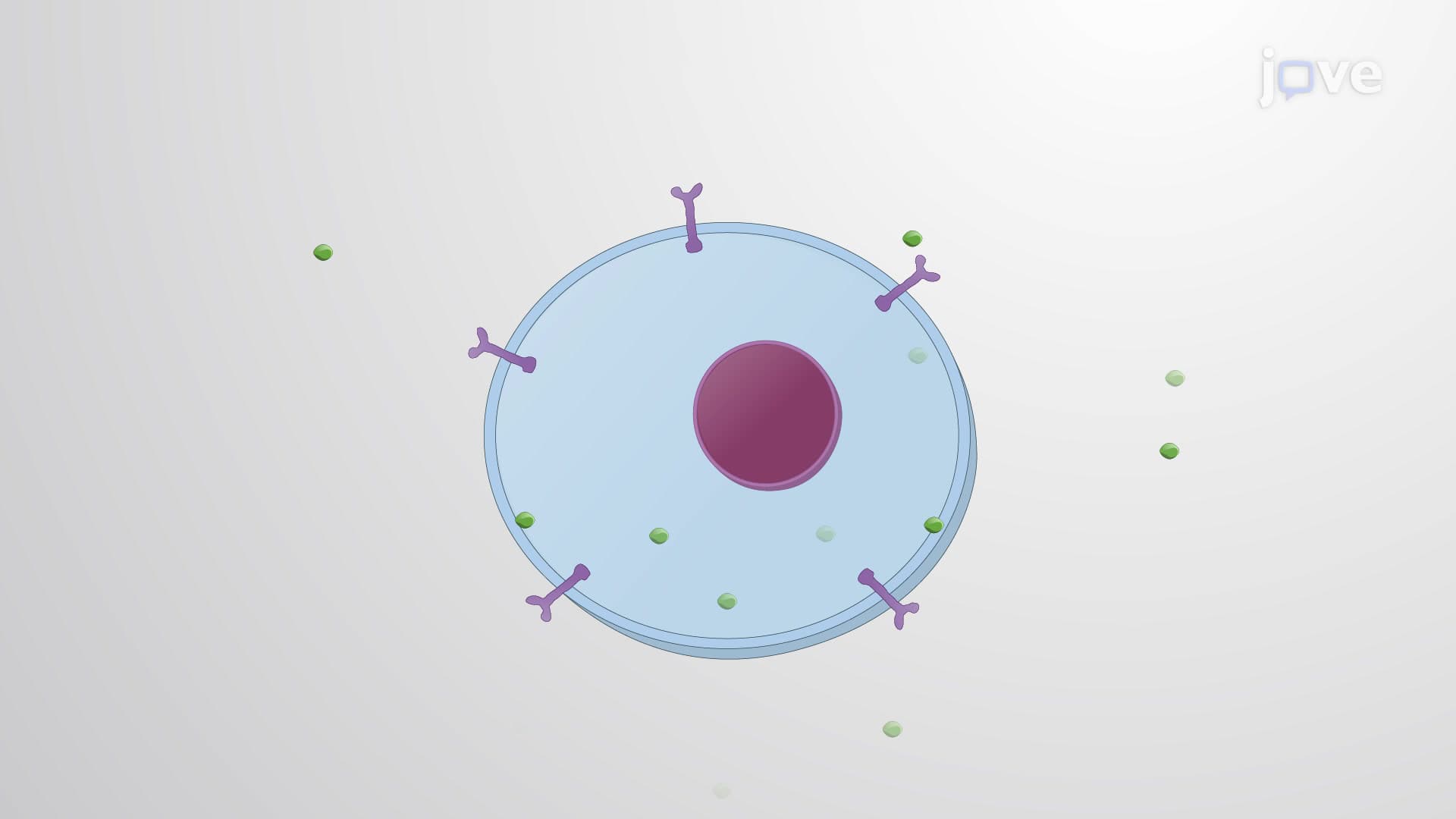
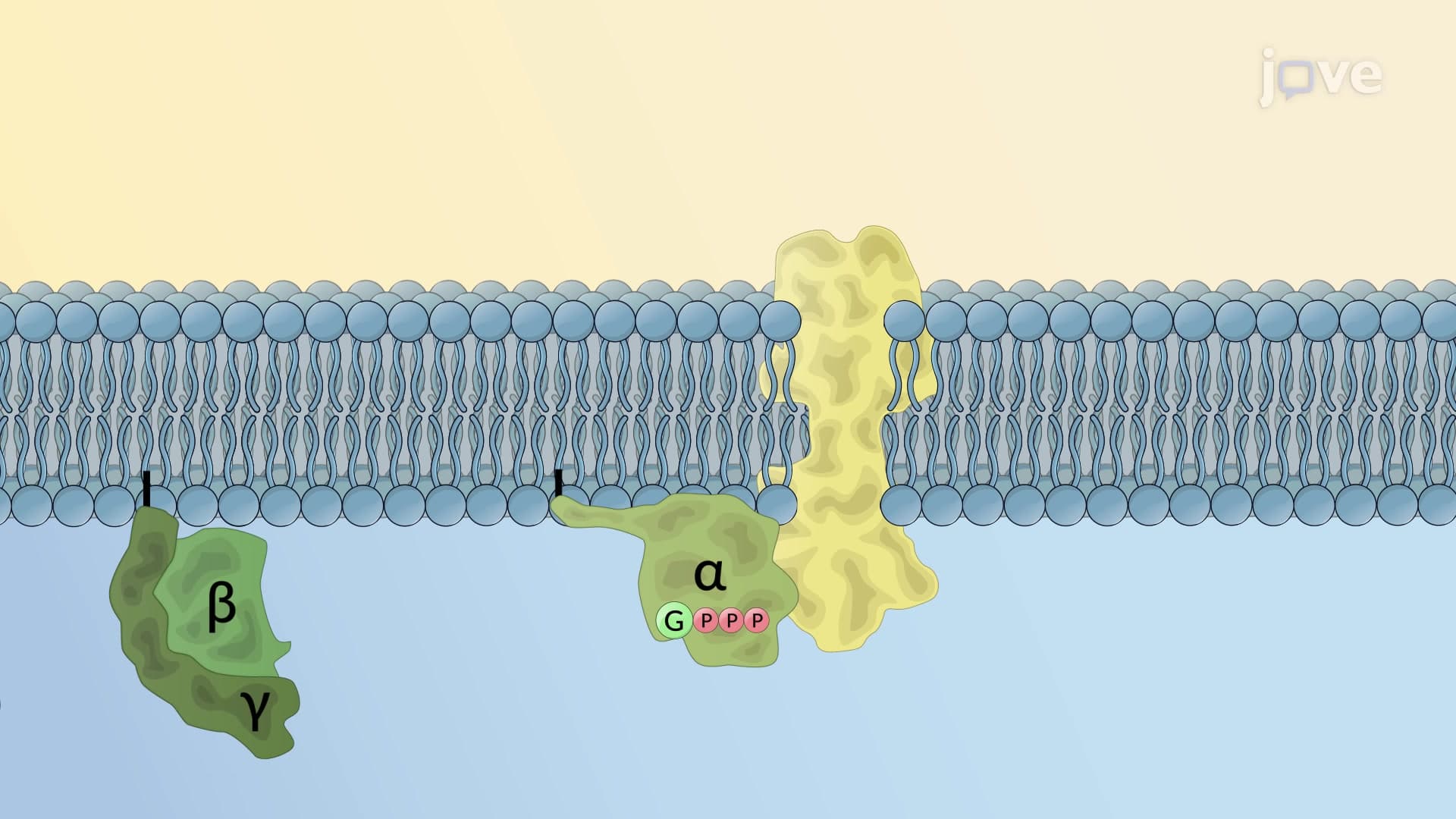
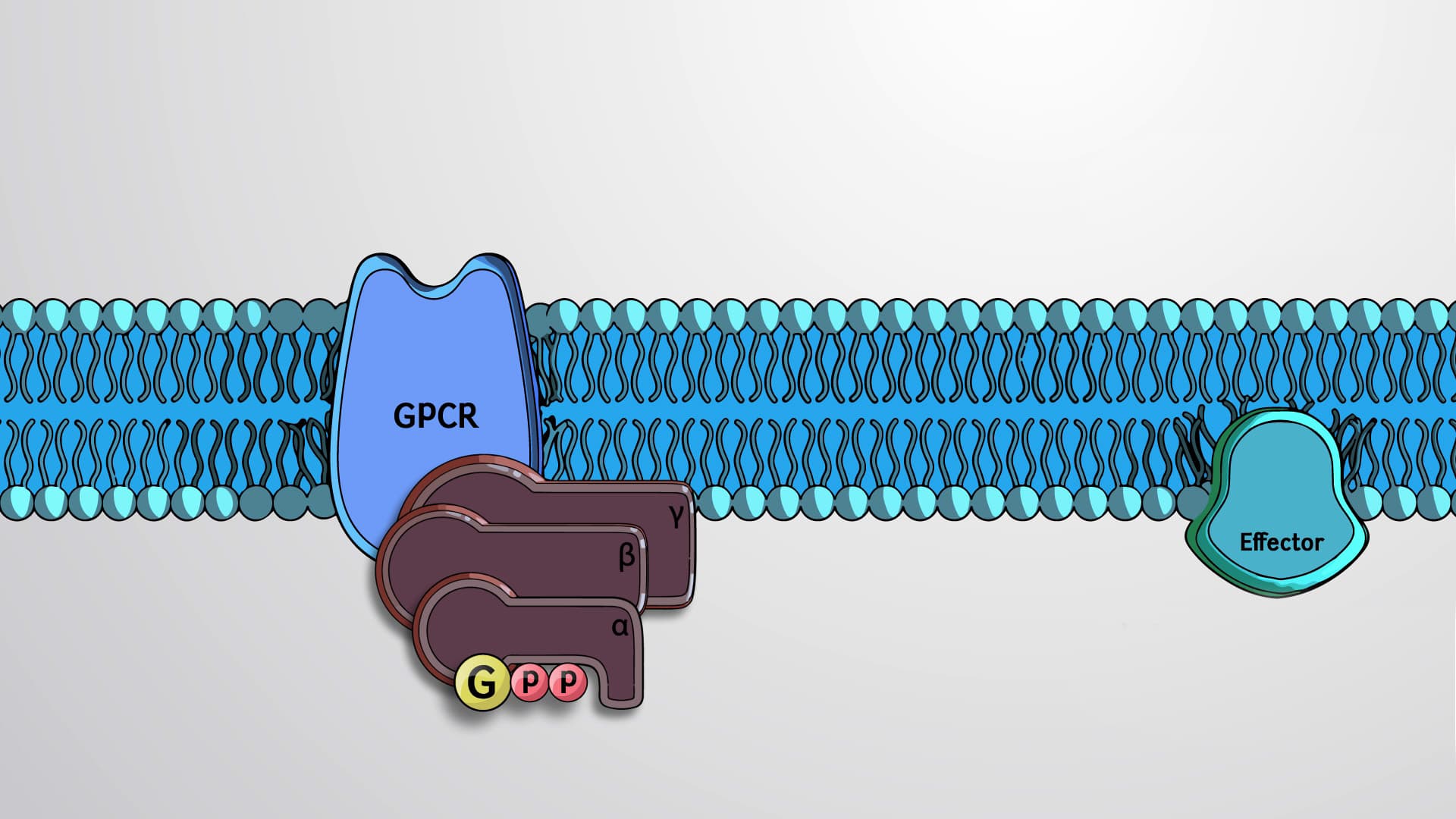
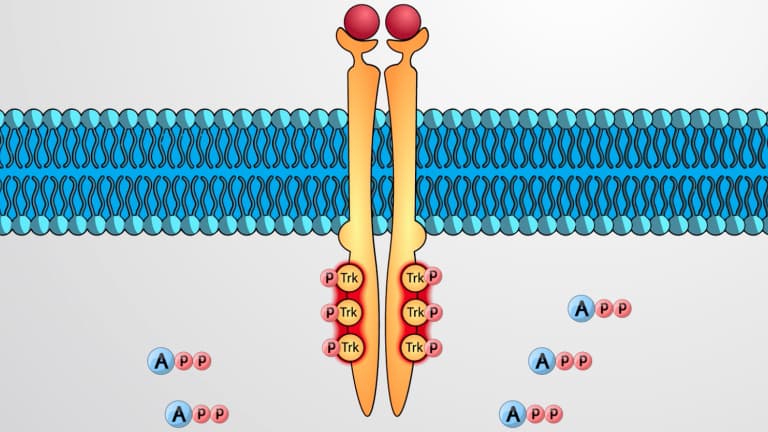
Paracrine signals operate through specific molecular mechanisms that ensure precise, localized communication. The signaling cell releases molecules like growth factors, cytokines, or neurotransmitters into the extracellular space. These molecules diffuse short distances-typically micrometers to millimeters-before binding to specific receptors on target cells. The signals are rapidly degraded by enzymes, taken up by cells, or bound to extracellular matrix components, ensuring their effects remain local and temporary.
Key examples include fibroblast growth factors (FGFs) that stimulate cell division during tissue repair, and interleukins released by immune cells during inflammation. When you experience a bee sting, immune cells at the injury site release paracrine signals like histamine, causing local swelling and redness without affecting your entire body.
Paracrine signaling orchestrates numerous critical biological processes throughout human development and adult life. During embryogenesis, paracrine factors create concentration gradients that guide cell differentiation and organ formation. The Sonic hedgehog protein, for instance, acts as a paracrine signal establishing the body's left-right axis during early development.
In adult physiology, paracrine signaling maintains tissue homeostasis. Skin wound healing exemplifies this perfectly-platelets release platelet-derived growth factor (PDGF), which stimulates nearby fibroblasts to proliferate and produce collagen. Similarly, during immune responses, activated T-cells release cytokines that recruit and activate neighboring immune cells without triggering systemic responses.
For AP Biology and college-level courses, understanding paracrine signaling connects to broader themes in cell biology, physiology, and development. MCAT questions often test students' ability to distinguish between signaling types and predict consequences of receptor mutations. When studying for exams, focus on specific examples, signal characteristics (local action, rapid degradation), and physiological contexts. This concept frequently appears alongside topics like cell cycle regulation, immune system function, and developmental biology, making it essential for comprehensive understanding of biological systems.
Related Micro-courses