Loading subject page…


112,227 views

Video Summary: What Is What are Second Messengers
Did you know that a single hormone molecule can trigger millions of cellular responses within seconds? Second messengers are the cellular amplifiers that make this remarkable feat possible, transforming weak external signals into powerful intracellular cascades. These small molecules, including cAMP and calcium ions, enable cells throughout your body to respond to everything from insulin regulating blood sugar to adrenaline preparing you for fight-or-flight responses. Watch the full video on JoVE Coach to master this concept with expert-led visuals and step-by-step explanations.
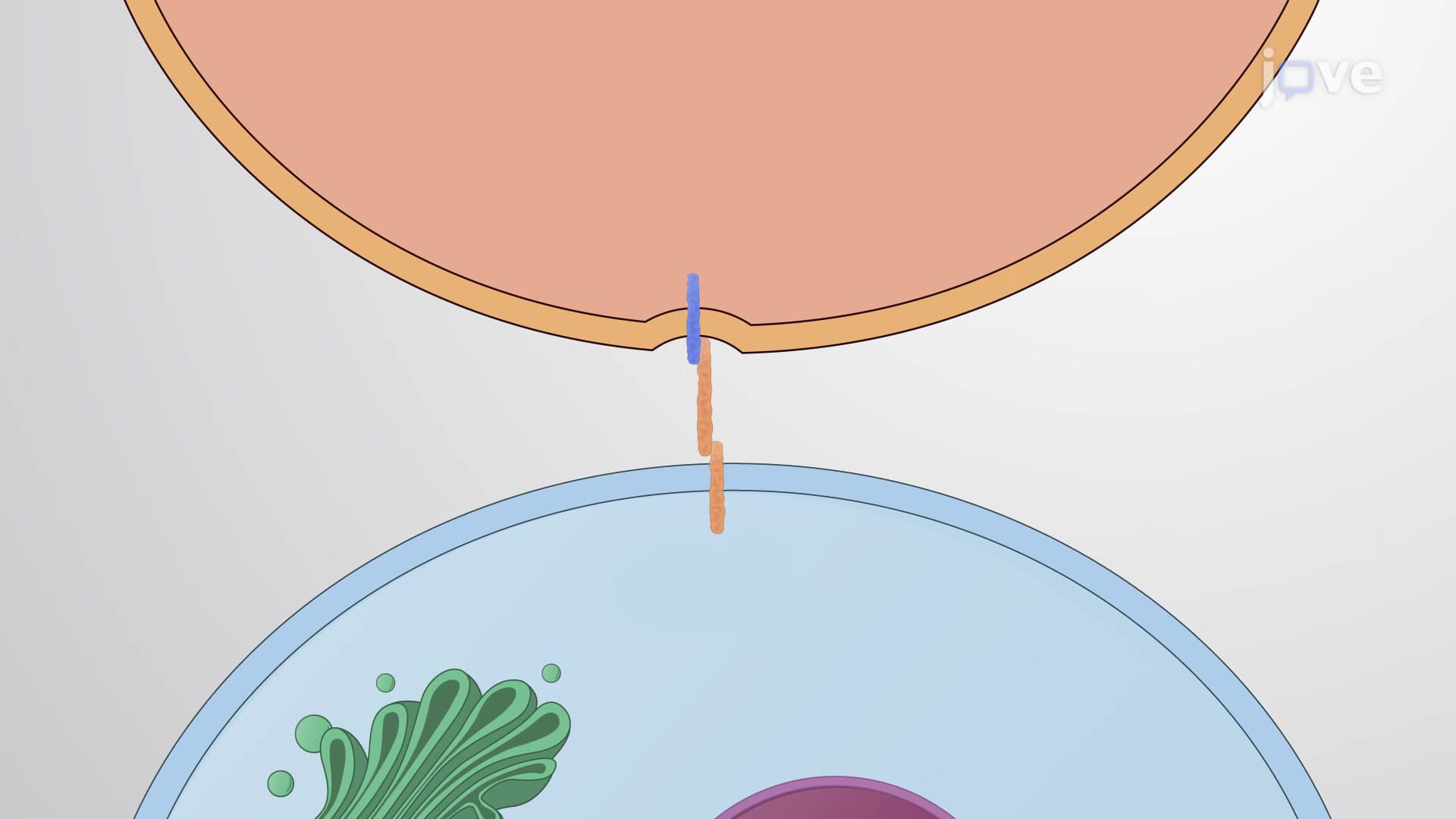
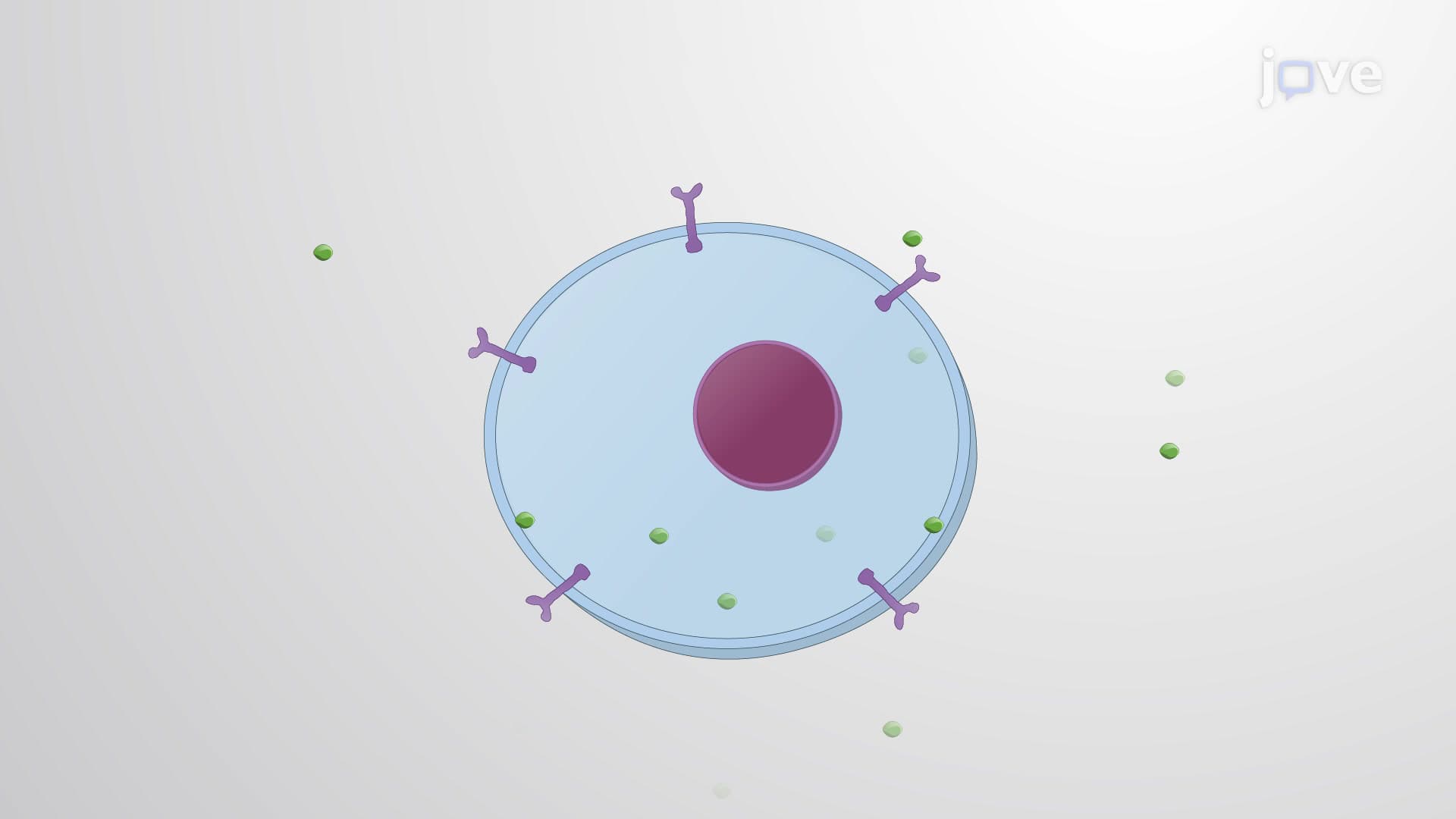
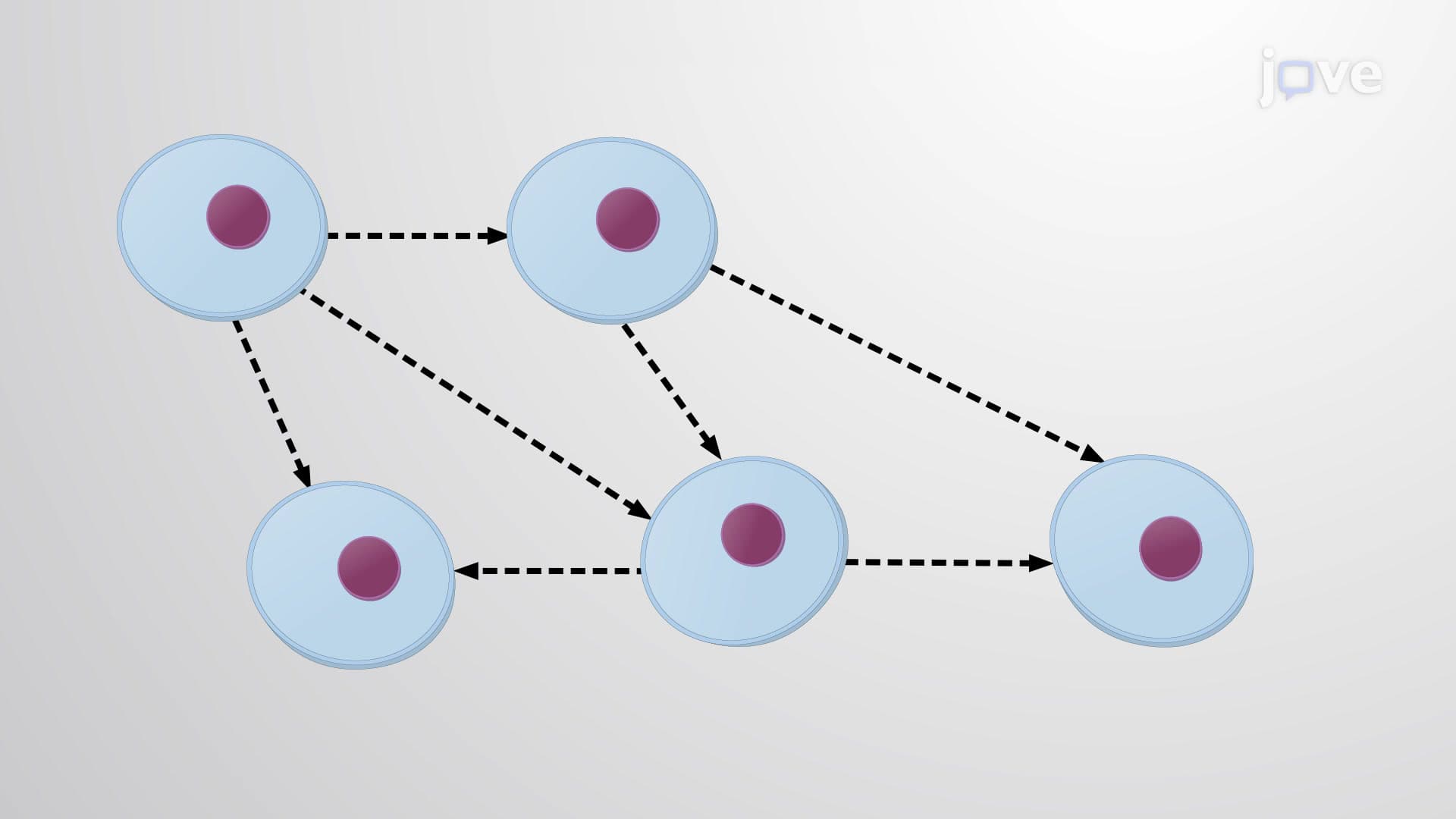
Second messengers represent one of biology's most elegant solutions to a fundamental problem: how can cells detect and respond to the countless signals in their environment? These small intracellular molecules serve as the critical link between external stimuli and internal cellular responses, transforming weak signals into powerful, coordinated cellular actions.
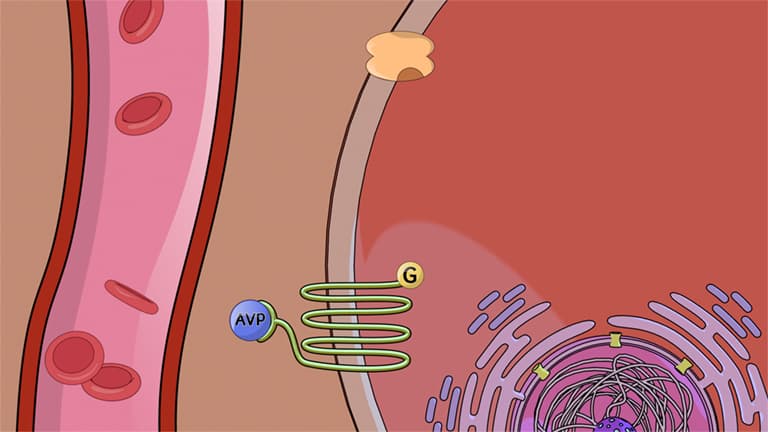
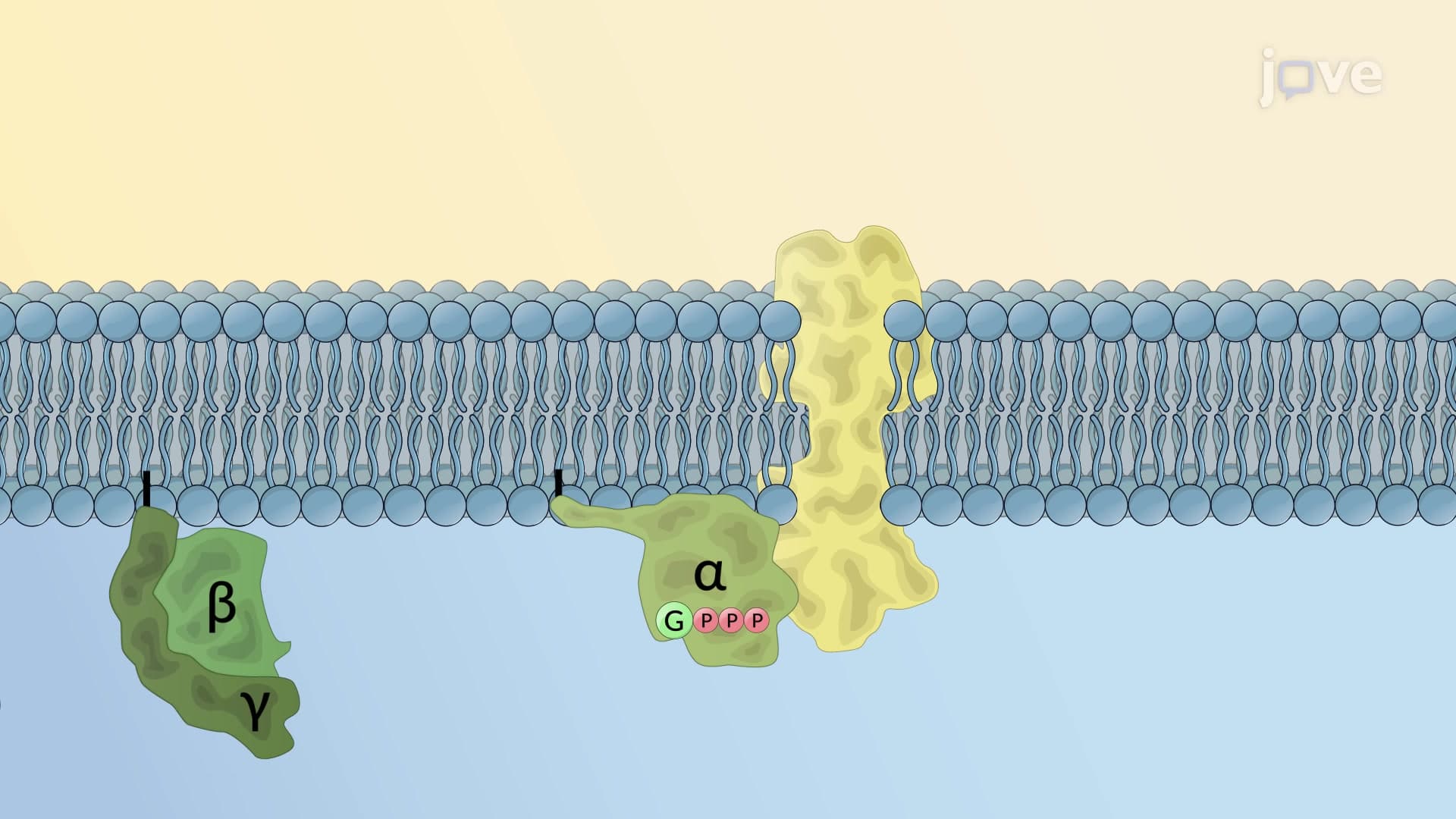
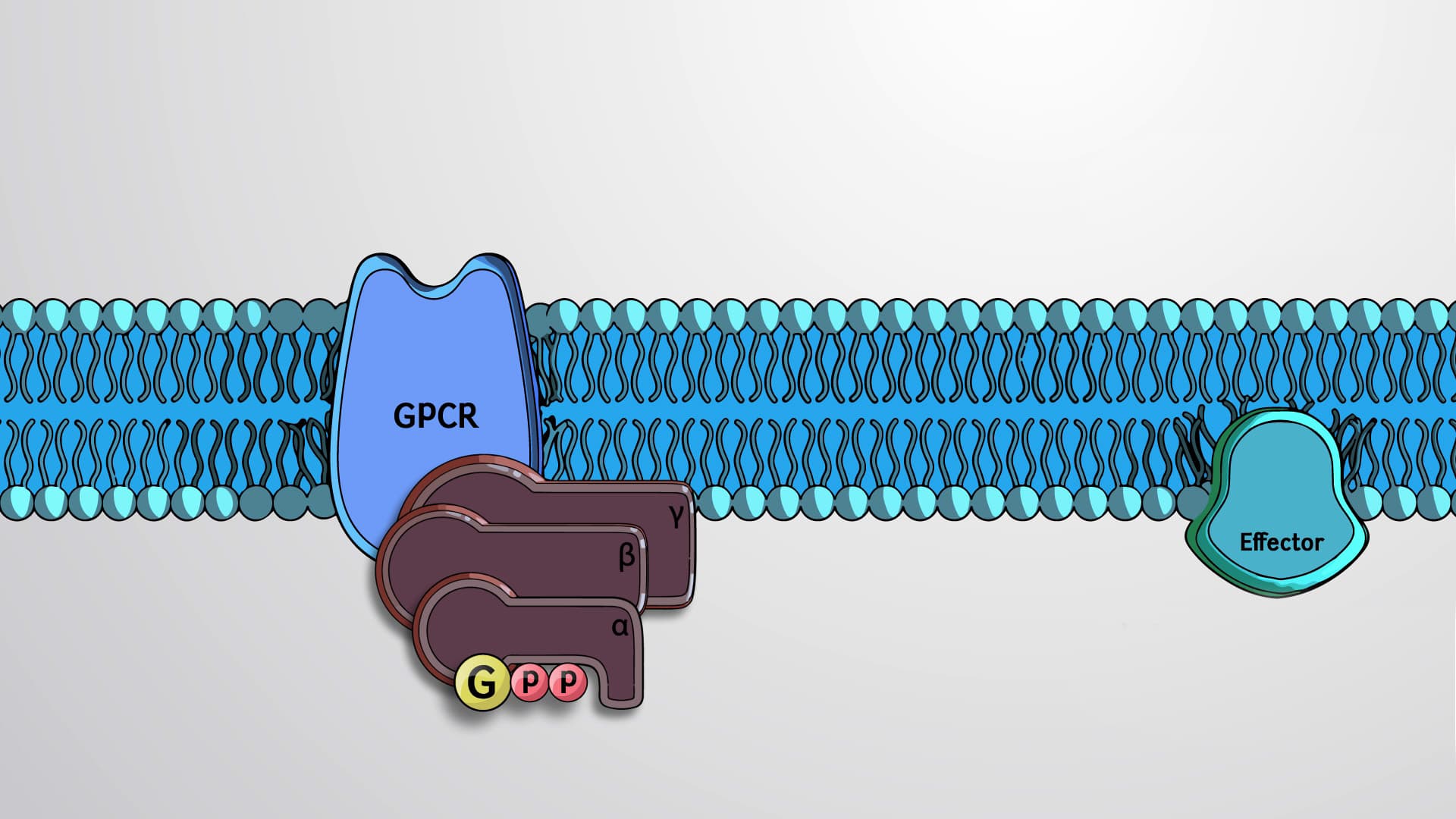
The second messengers definition encompasses several key molecular players, each with distinct roles and mechanisms. Cyclic adenosine monophosphate (cAMP) stands as the most well-studied second messenger, first discovered by Earl Sutherland in his groundbreaking research on hormone action. When hormones like glucagon bind to cell surface receptors, they activate adenylyl cyclase, which converts ATP to cAMP. This cAMP then activates protein kinase A, leading to widespread phosphorylation events that regulate metabolism.
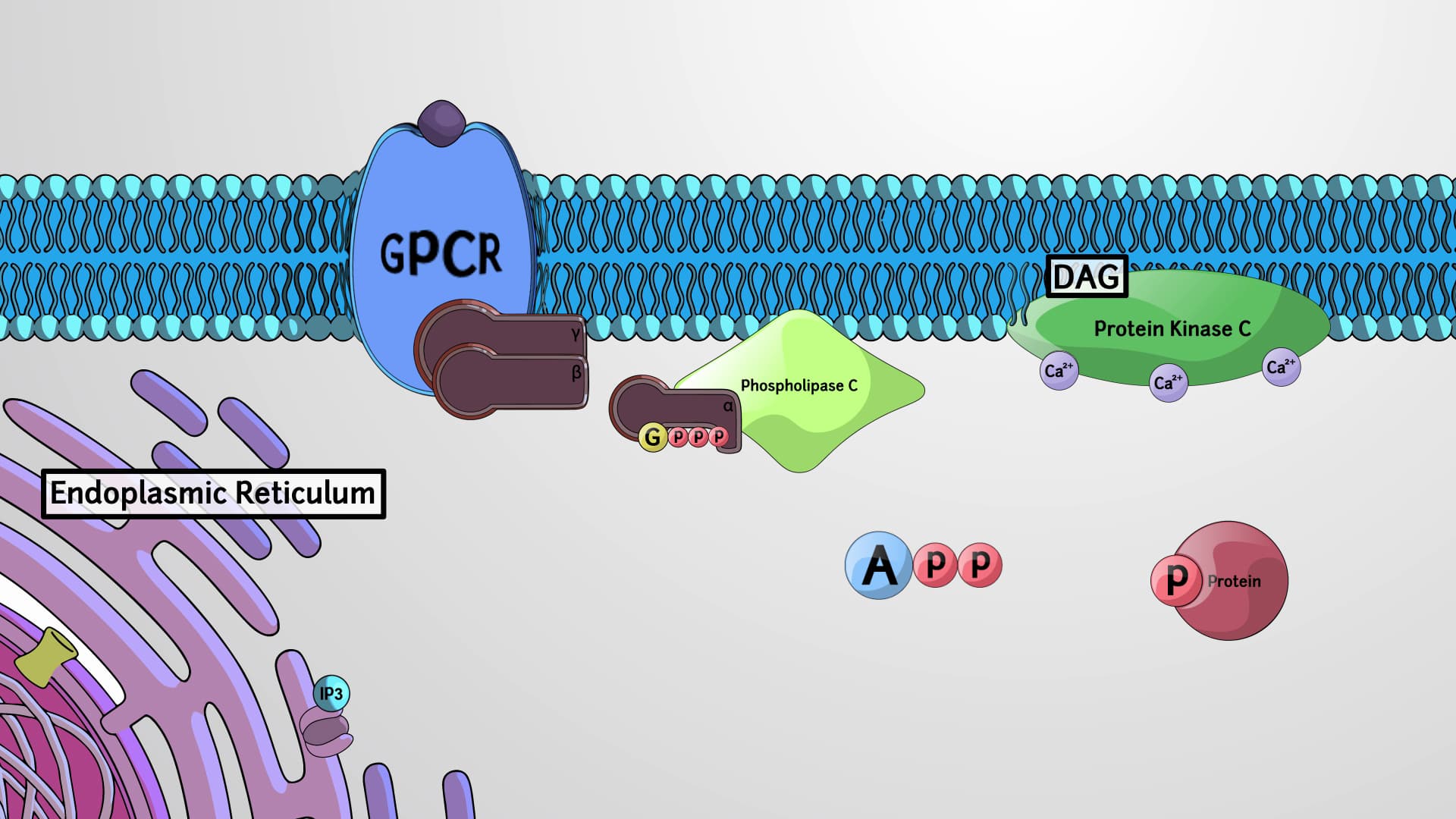
Inositol trisphosphate (IP3) and diacylglycerol (DAG) work as a dynamic duo in many signaling pathways. When certain hormones activate phospholipase C, it cleaves a membrane lipid to generate both IP3 and DAG simultaneously. IP3 travels to the endoplasmic reticulum and triggers massive calcium release, while DAG remains at the membrane to activate protein kinase C.
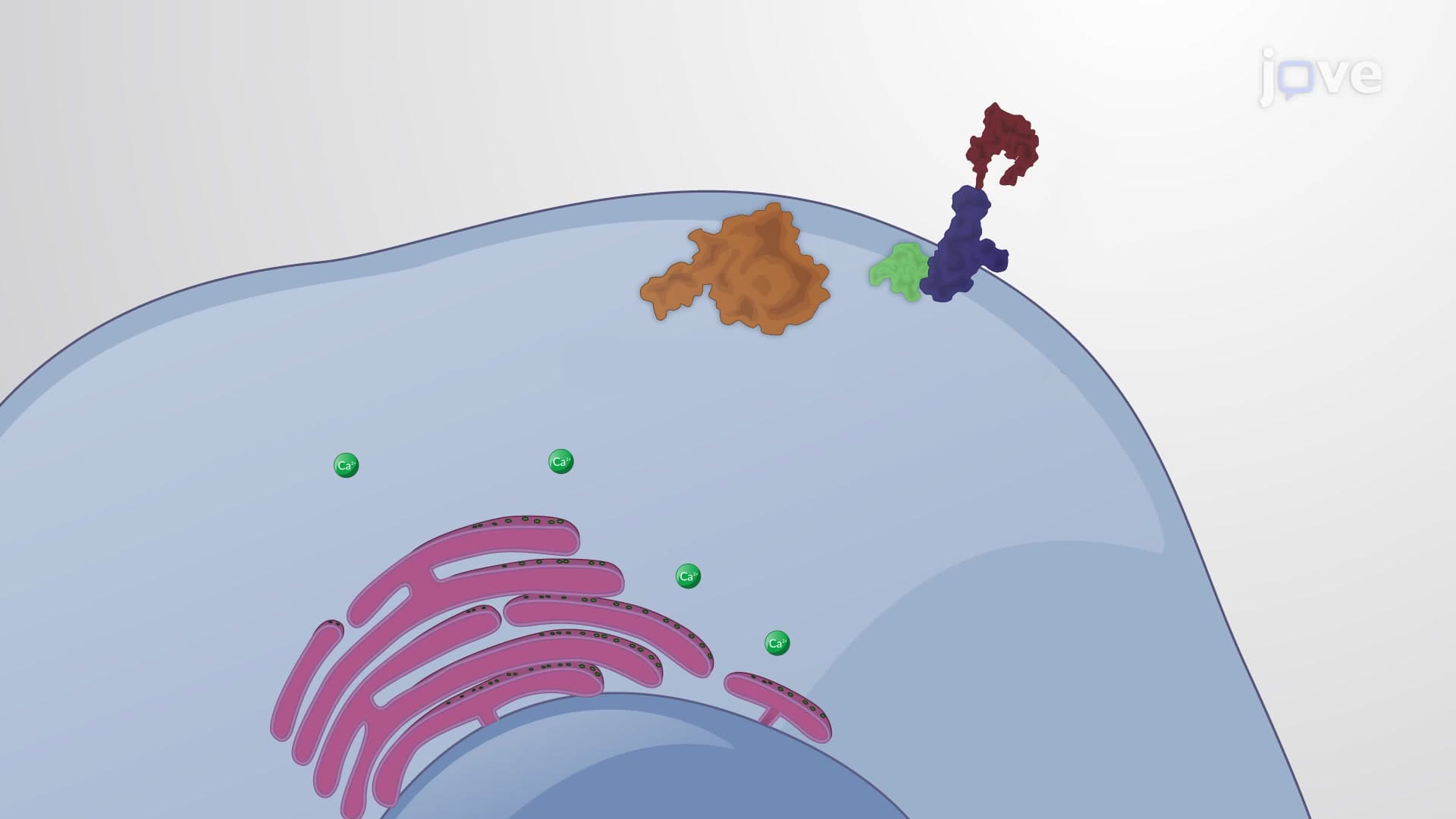
Calcium ions (Ca2+) deserve special recognition as perhaps the most versatile second messenger. From muscle contraction to neurotransmitter release, calcium's ability to bind and activate numerous proteins makes it indispensable. In cardiac muscle cells, calcium release determines the strength of each heartbeat, explaining why calcium channel blockers are crucial medications for treating hypertension.
For students preparing for the MCAT or AP Biology exams, understanding second messenger pathways is crucial for connecting molecular mechanisms to physiological outcomes. These concepts frequently appear in questions about hormone action, neurophysiology, and disease mechanisms. College biochemistry courses extensively cover enzyme kinetics related to second messenger synthesis and degradation, particularly the roles of phosphodiesterases that break down cAMP and cGMP.
In clinical practice, second messenger dysfunction underlies numerous diseases. Heart failure often involves disrupted cAMP signaling, while certain cancers result from aberrant calcium signaling pathways. This makes second messengers not just academic concepts, but practical knowledge for future healthcare professionals.
Related Micro-courses