Loading subject page…


225,811 views
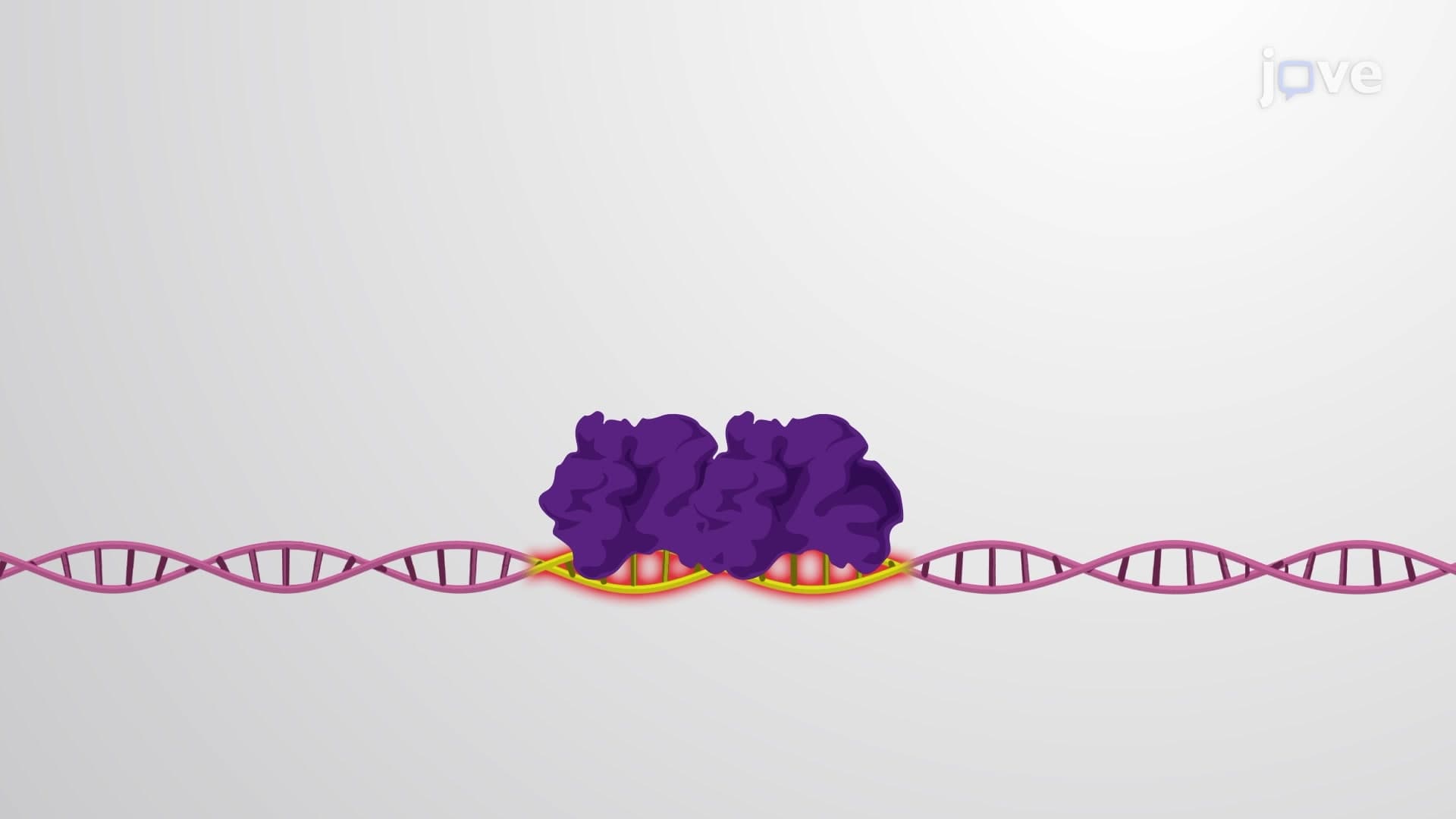

Video Summary: Cooperative Binding of Transcription Regulators Explained
Ever wondered how your cells know exactly when to turn genes on or off? Cooperative binding of transcription regulators creates a powerful "all-or-nothing" switch that prevents random gene activation across your 3 billion DNA base pairs. This sophisticated mechanism allows proteins like the lac repressor in E. coli bacteria to form tight dimers that recognize specific DNA sequences with incredible precision, similar to how pharmaceutical companies design targeted cancer therapies. Watch the full video on JoVE Coach to master this concept with expert-led visuals and step-by-step explanations.
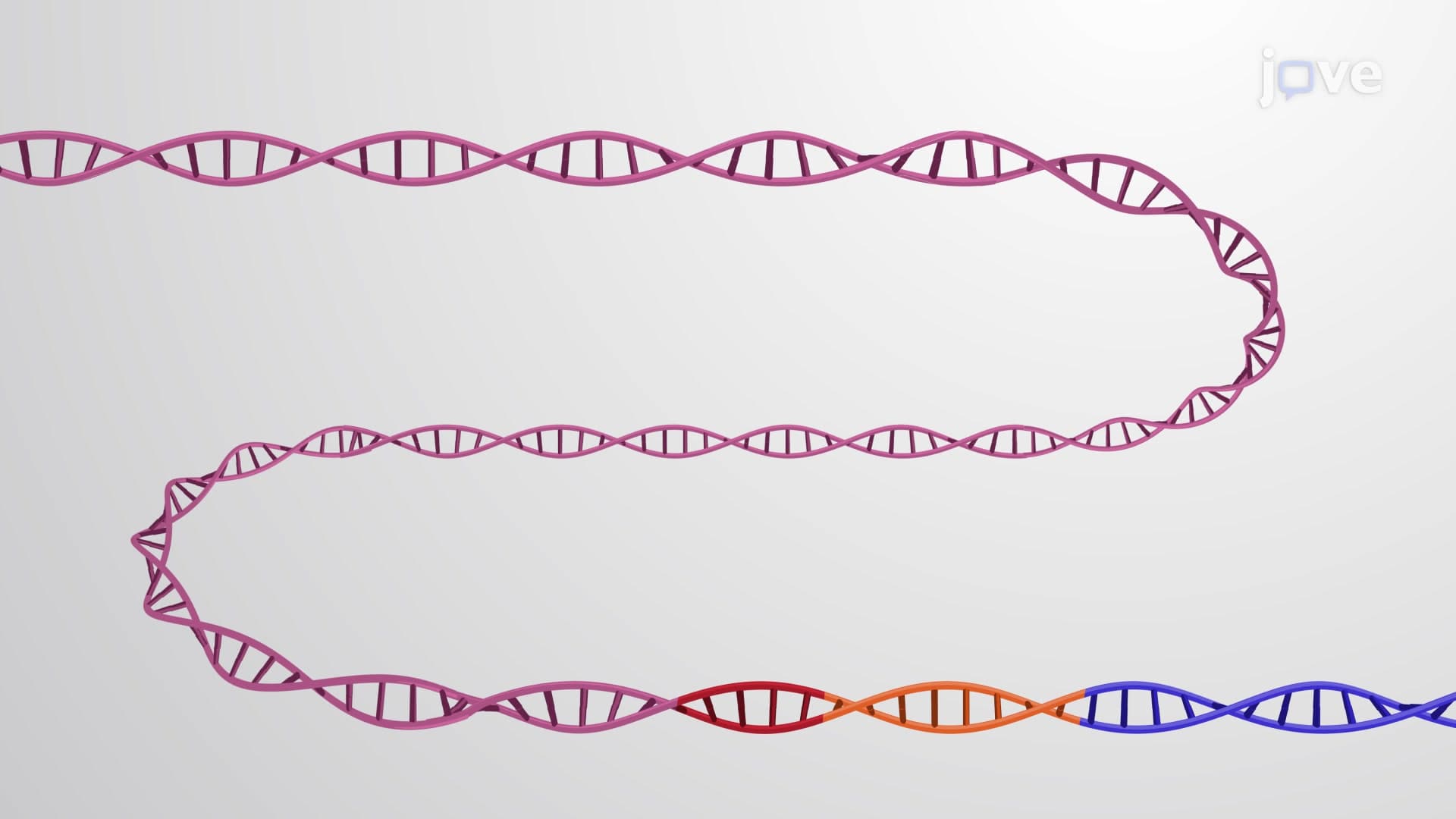
Cooperative binding of transcription regulators represents one of biology's most elegant solutions to a fundamental challenge: how to achieve precise gene control in a genome containing billions of nucleotides. This mechanism ensures that transcriptional regulators bind specifically to their target sequences rather than randomly attaching to similar-looking DNA segments throughout the genome.
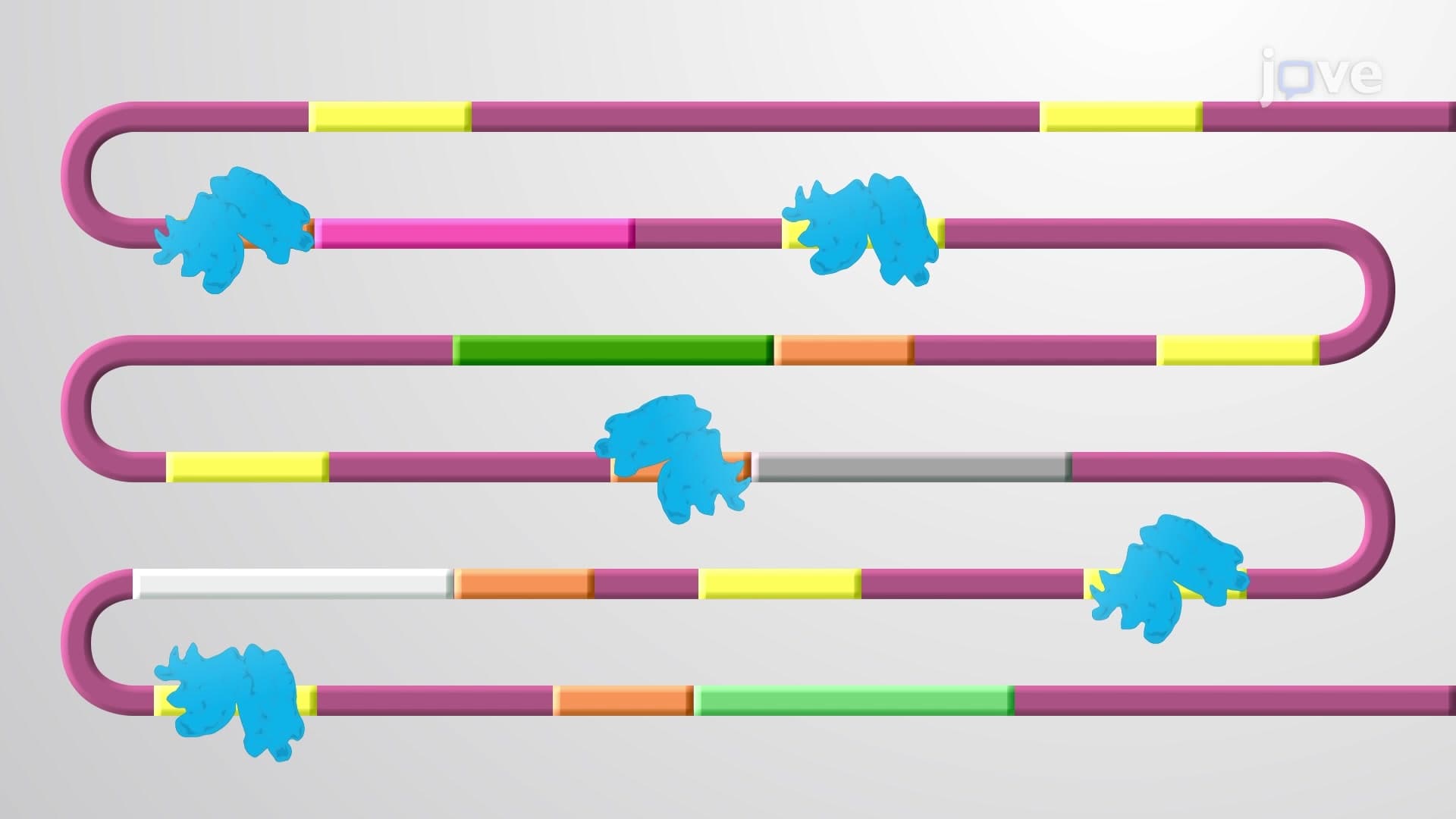
Consider this mathematical reality: if a transcription regulator recognizes a 6-nucleotide sequence, that sequence would randomly appear approximately every 4,096 base pairs in the human genome-resulting in over 732,000 potential binding sites. This creates a specificity nightmare for cellular regulation. Cooperative binding solves this through dimer formation, where two regulatory proteins work together to recognize longer DNA sequences (typically 12-20 nucleotides), dramatically reducing random binding events to manageable levels.
The FDA's approval process for gene therapies like Zolgensma (for spinal muscular atrophy) relies heavily on understanding these precise binding mechanisms, as therapeutic genes must be expressed only in specific cell types to avoid harmful side effects.
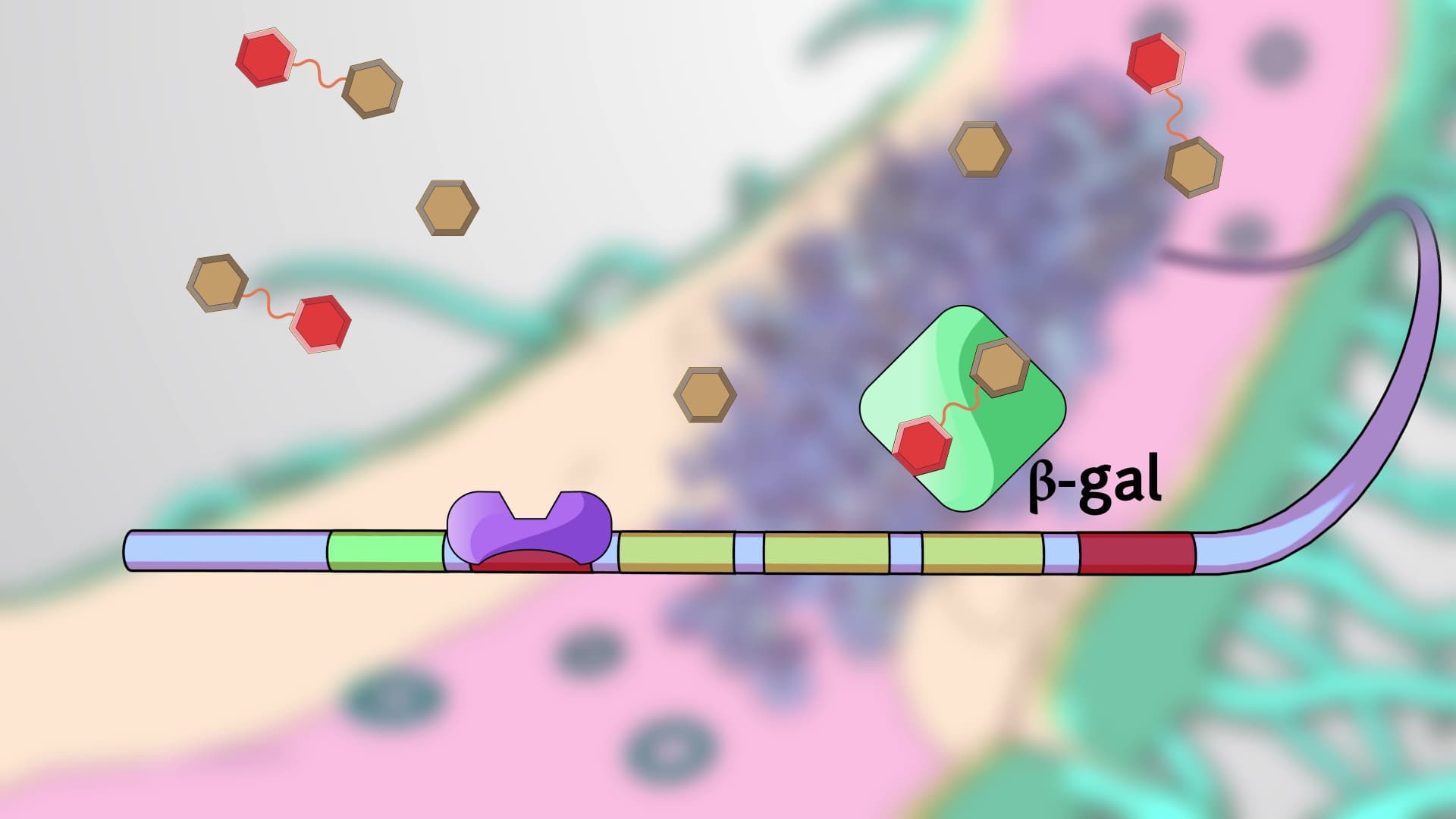
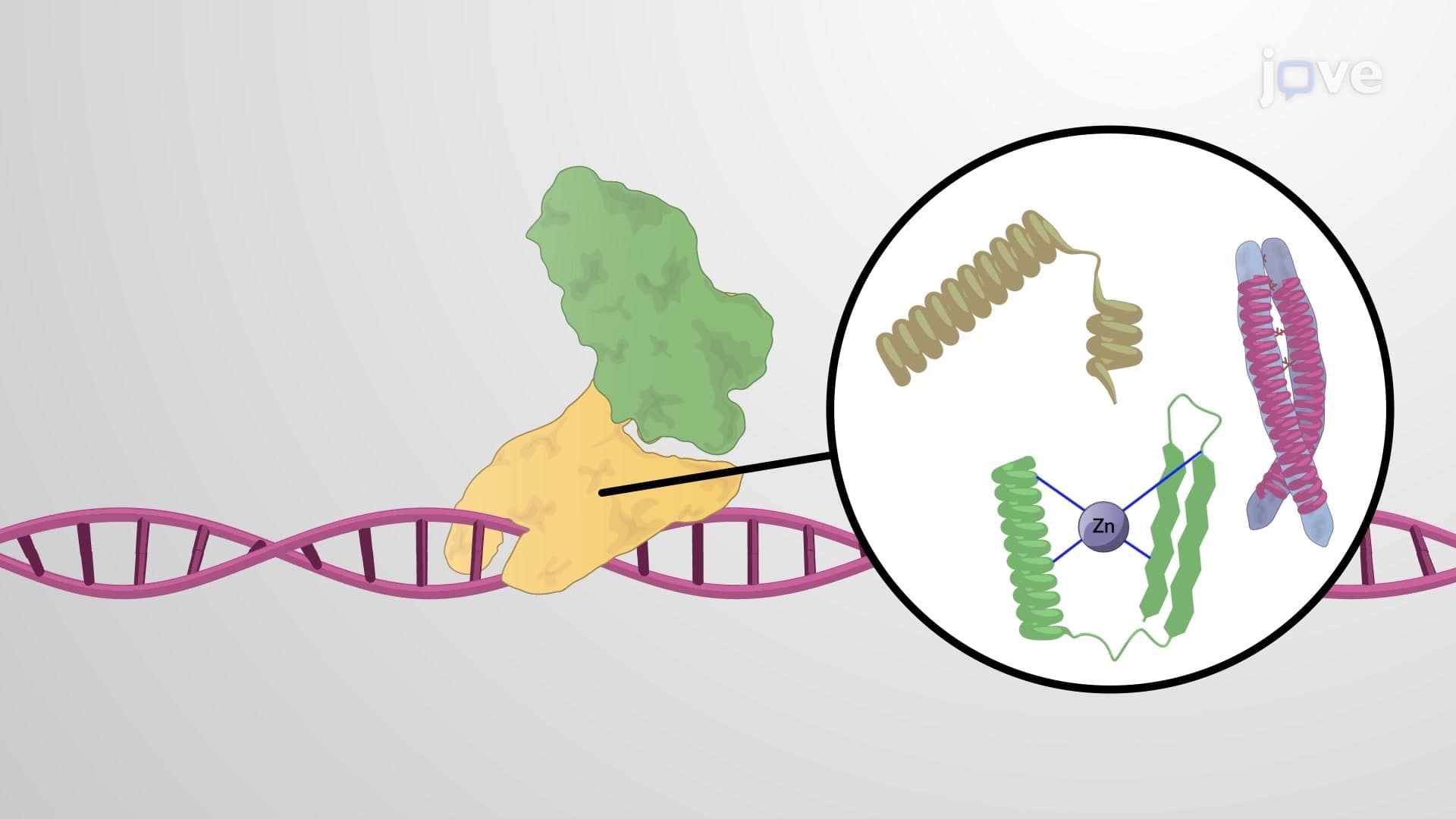
Homodimers consist of identical protein subunits, like the lac repressor that controls lactose metabolism in bacteria-a classic example studied in AP Biology courses nationwide. These structures provide consistent, predictable regulation for essential cellular processes. Heterodimers, composed of different protein subunits, offer exponentially greater regulatory possibilities. For instance, the human transcription factor AP-1 can form multiple heterodimeric combinations (Jun-Fos, Jun-ATF, etc.), each recognizing distinct DNA sequences and controlling different gene sets.
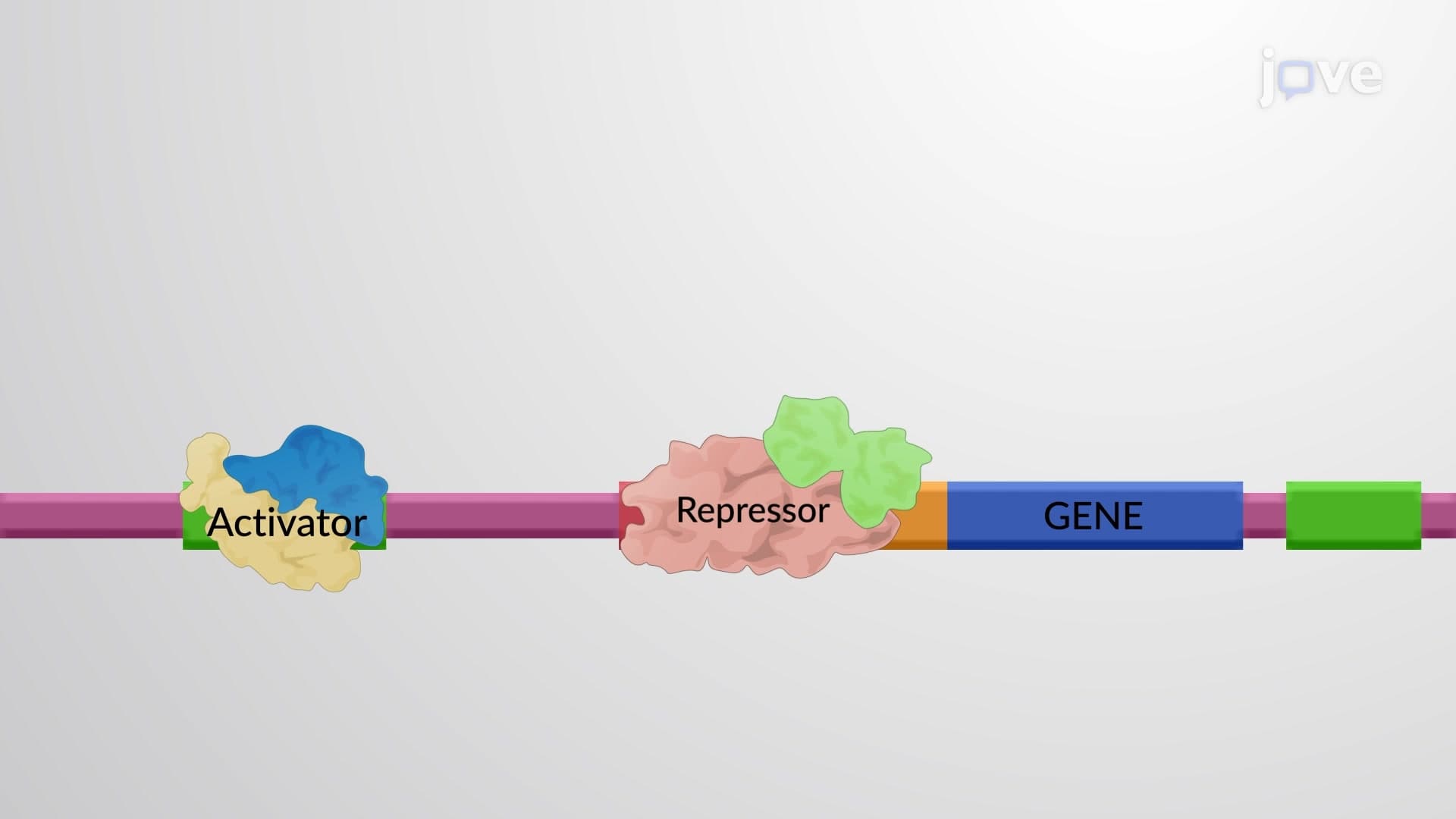
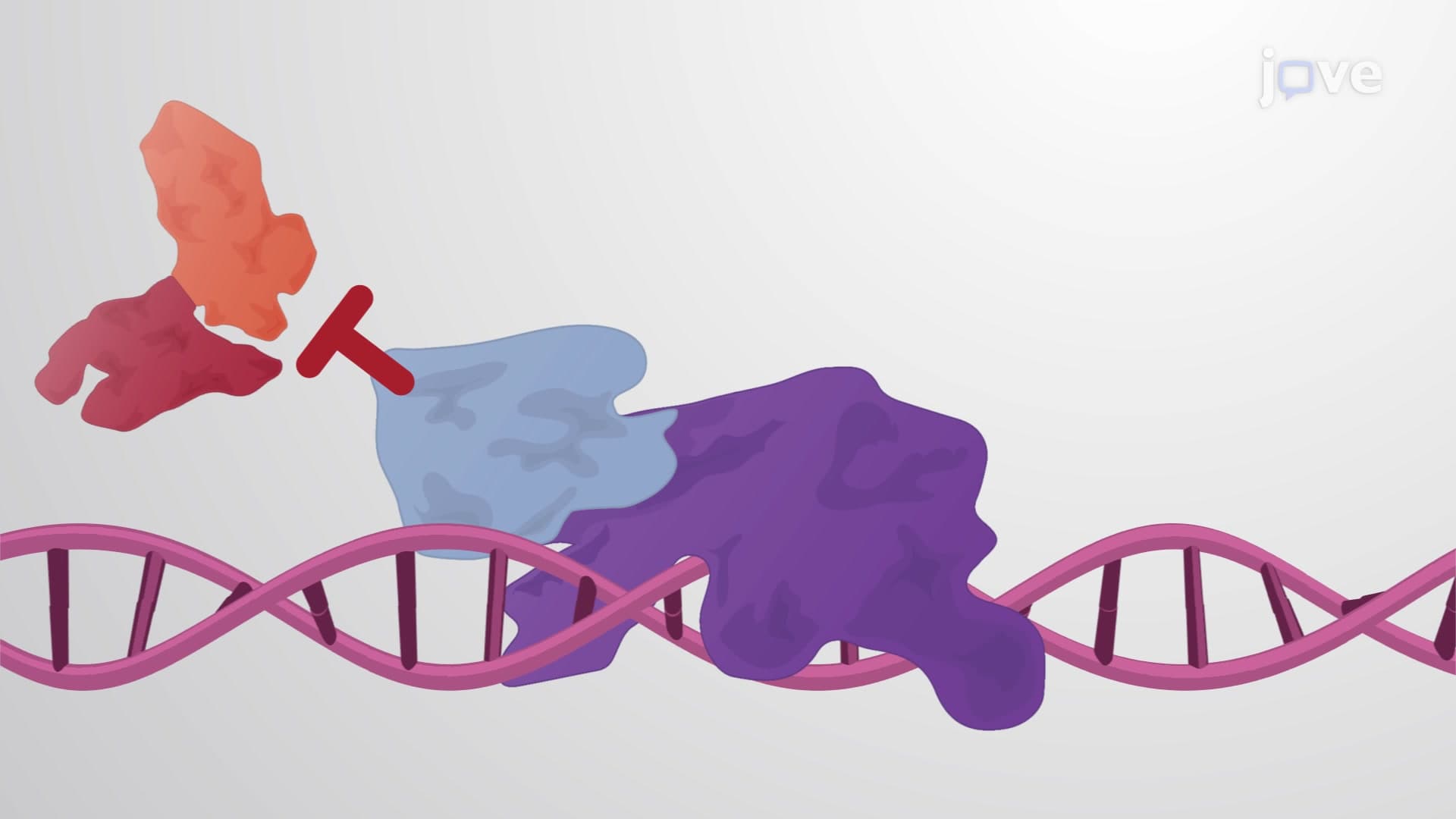
Cooperative binding creates a digital-like regulatory system where genes are either fully "on" or completely "off." This occurs because once one protein binds to DNA, it undergoes conformational changes that dramatically increase the binding affinity of its partner protein. Students preparing for the MCAT often encounter questions about this phenomenon, particularly regarding how small changes in protein concentration can produce dramatic shifts in gene expression-a concept crucial for understanding cancer biology and developmental disorders.
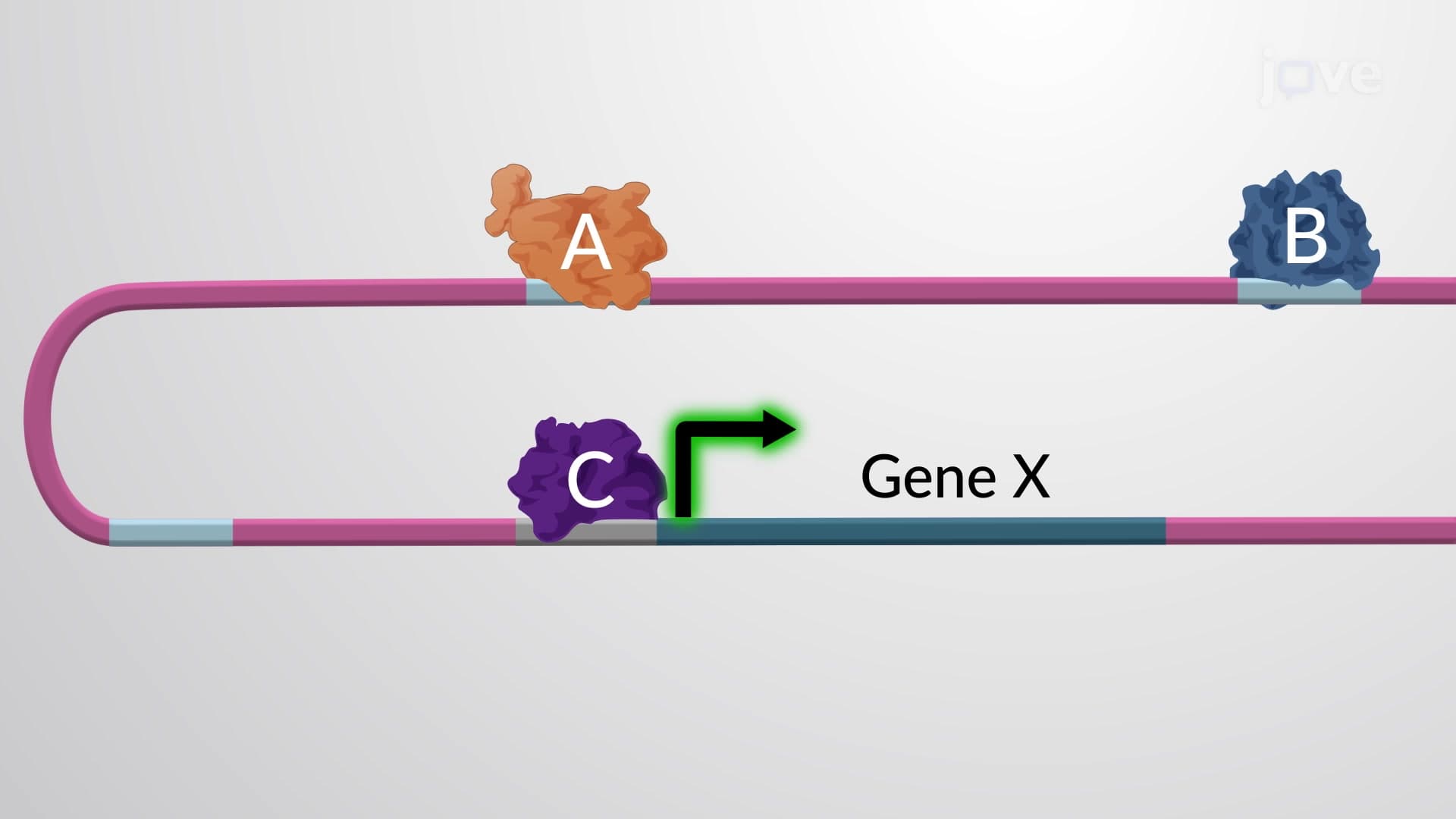
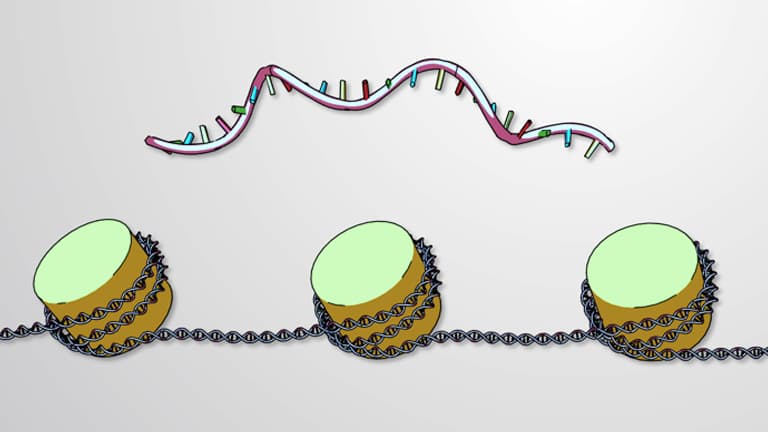
This mechanism also explains how cells overcome chromatin packaging. In eukaryotic cells, DNA wraps tightly around histone proteins, making regulatory sequences largely inaccessible. However, cooperative binding allows the first regulator to bind at loosely packaged regions and subsequently "unwind" the chromatin structure, enabling additional regulators to access their binding sites.
Related Micro-courses