Loading subject page…

- Molecular Biology
- Gene Expression
- Epigenetic Regulation
Micro-course: Gene Expression
225,811 views
Learn key concepts and earn your certificate.

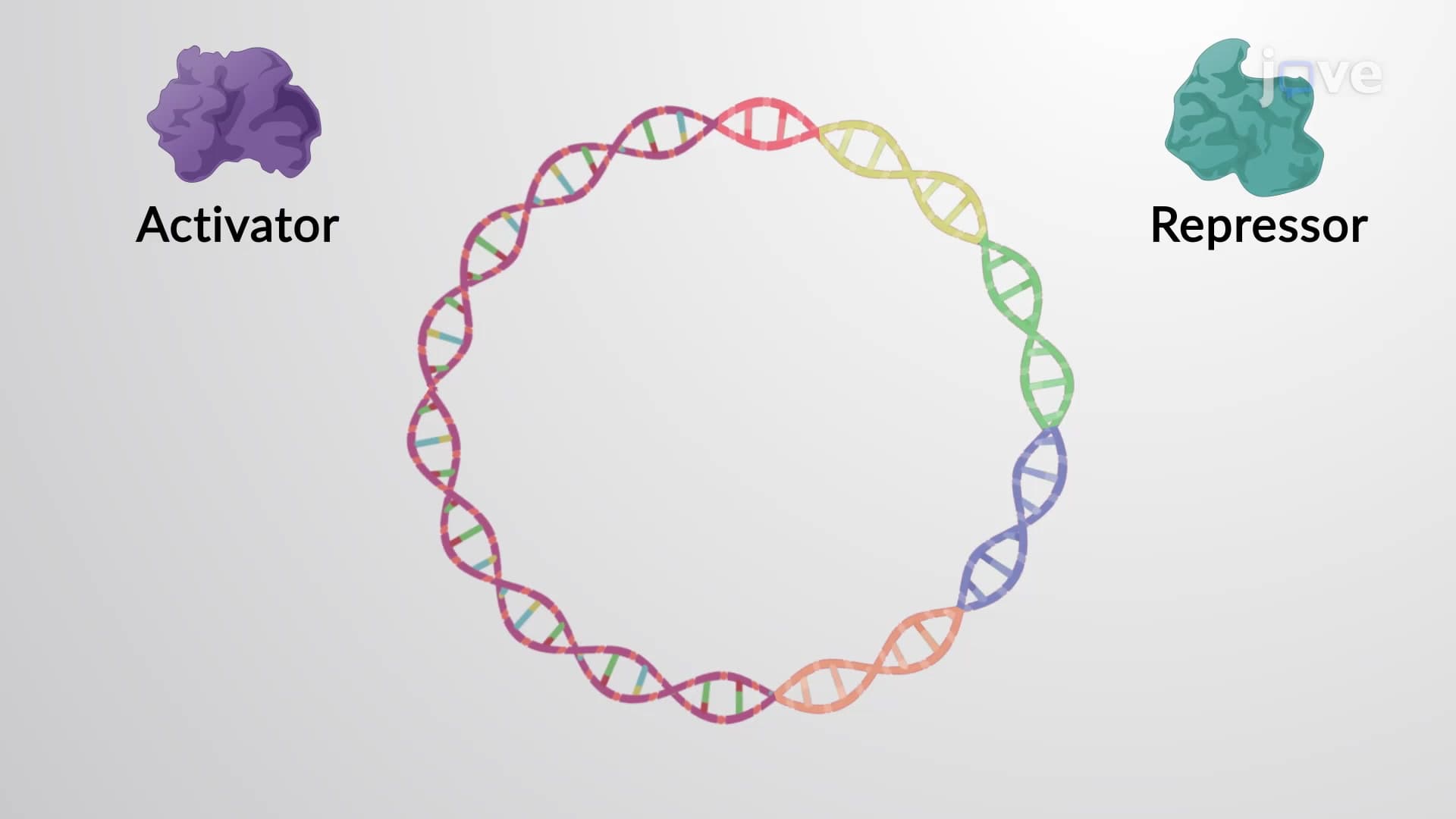
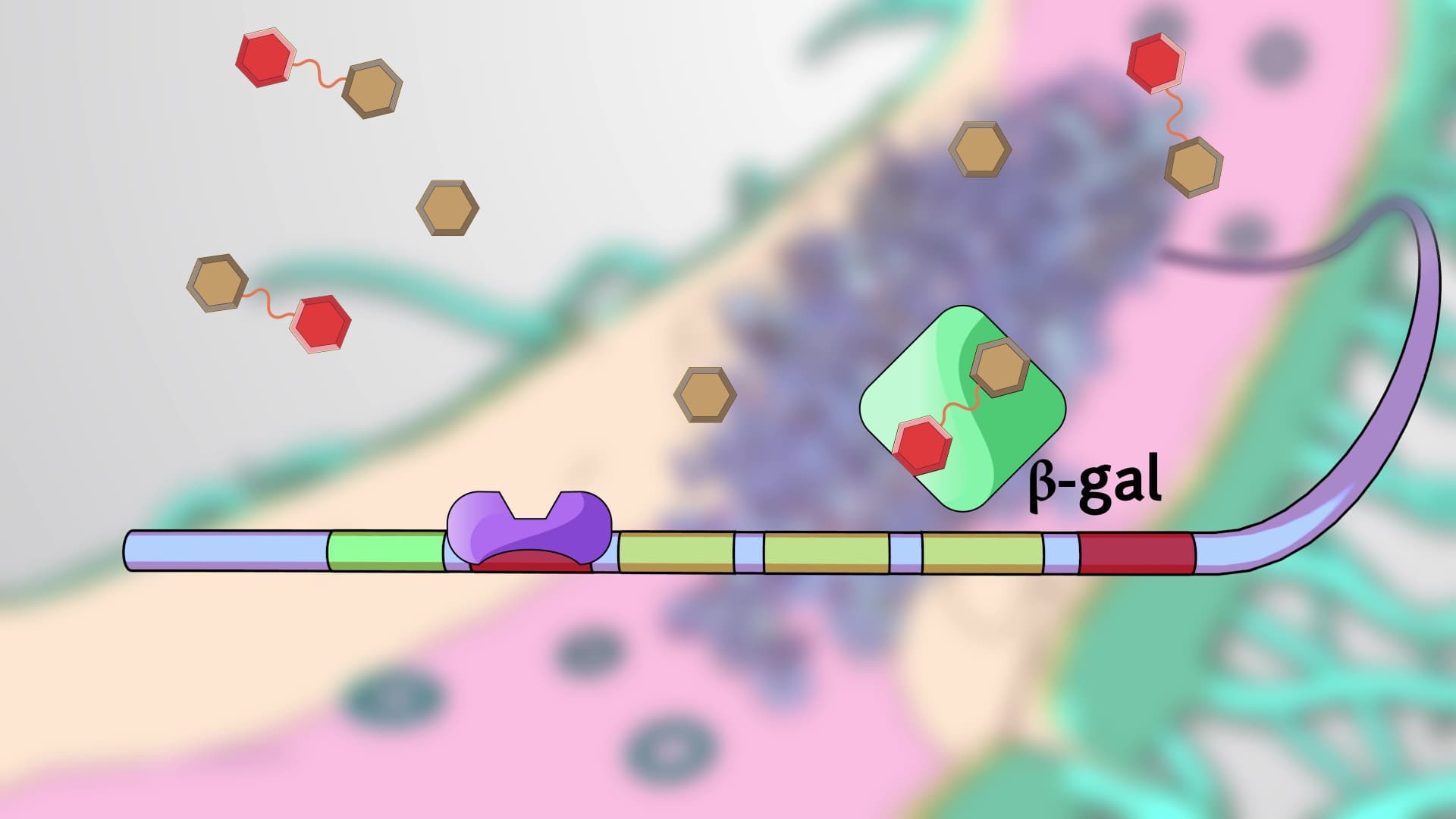
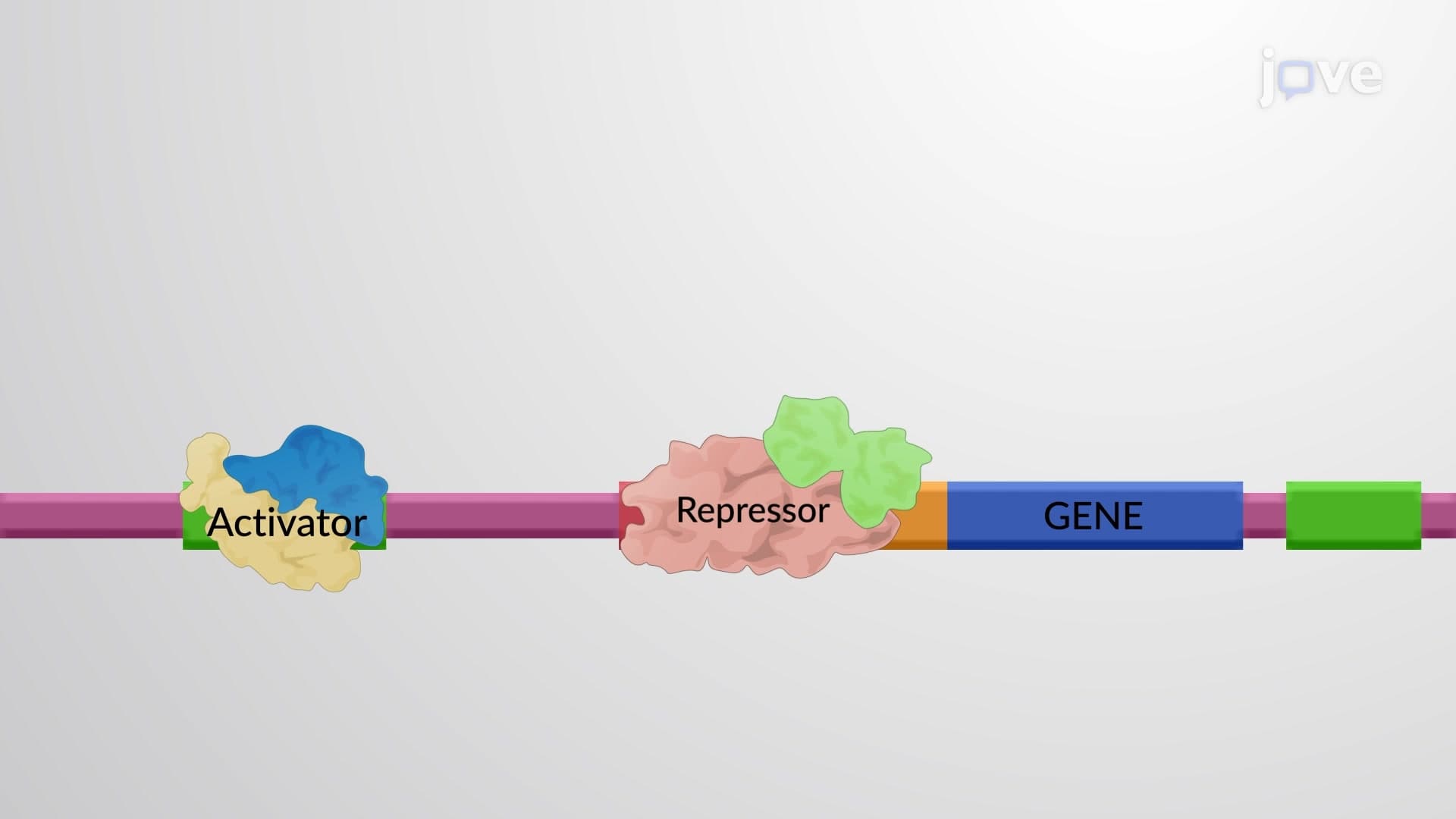

Epigenetic Regulation

00:00
01:46
Video Summary: What Is Epigenetic Regulation
Did you know that identical twins can develop different diseases despite having the same DNA? Epigenetic regulation explains how genes can be turned "on" or "off" without changing the actual genetic code. This fascinating process controls which genes are expressed in our cells through mechanisms like DNA methylation and histone modifications. For example, when cancer researchers at Johns Hopkins University discovered that tumor suppressor genes could be silenced through epigenetic changes, it revolutionized our understanding of disease development. Watch the full video on JoVE Coach to master this concept with expert-led visuals and step-by-step explanations.
- Understand what is epigenetic regulation and how it differs from genetic mutations in controlling gene expression
- Identify the four main mechanisms of epigenetic control: DNA methylation, histone modifications, chromatin remodeling, and non-coding RNA activity
- Analyze how environmental factors like diet, stress, and toxin exposure can influence epigenetic modifications
- Compare normal epigenetic processes in development versus disease-associated epigenetic dysregulation
- Evaluate the role of epigenetic regulation in cellular differentiation, X-chromosome inactivation, and genomic imprinting
- Apply knowledge of epigenetic mechanisms to understand cancer development and potential therapeutic targets
- Recognize key research techniques used to study epigenetic modifications, including bisulfite sequencing and ChIP assays
- Explore the reversible nature of epigenetic changes and their implications for personalized medicine
Understanding Epigenetic Regulation Fundamentals
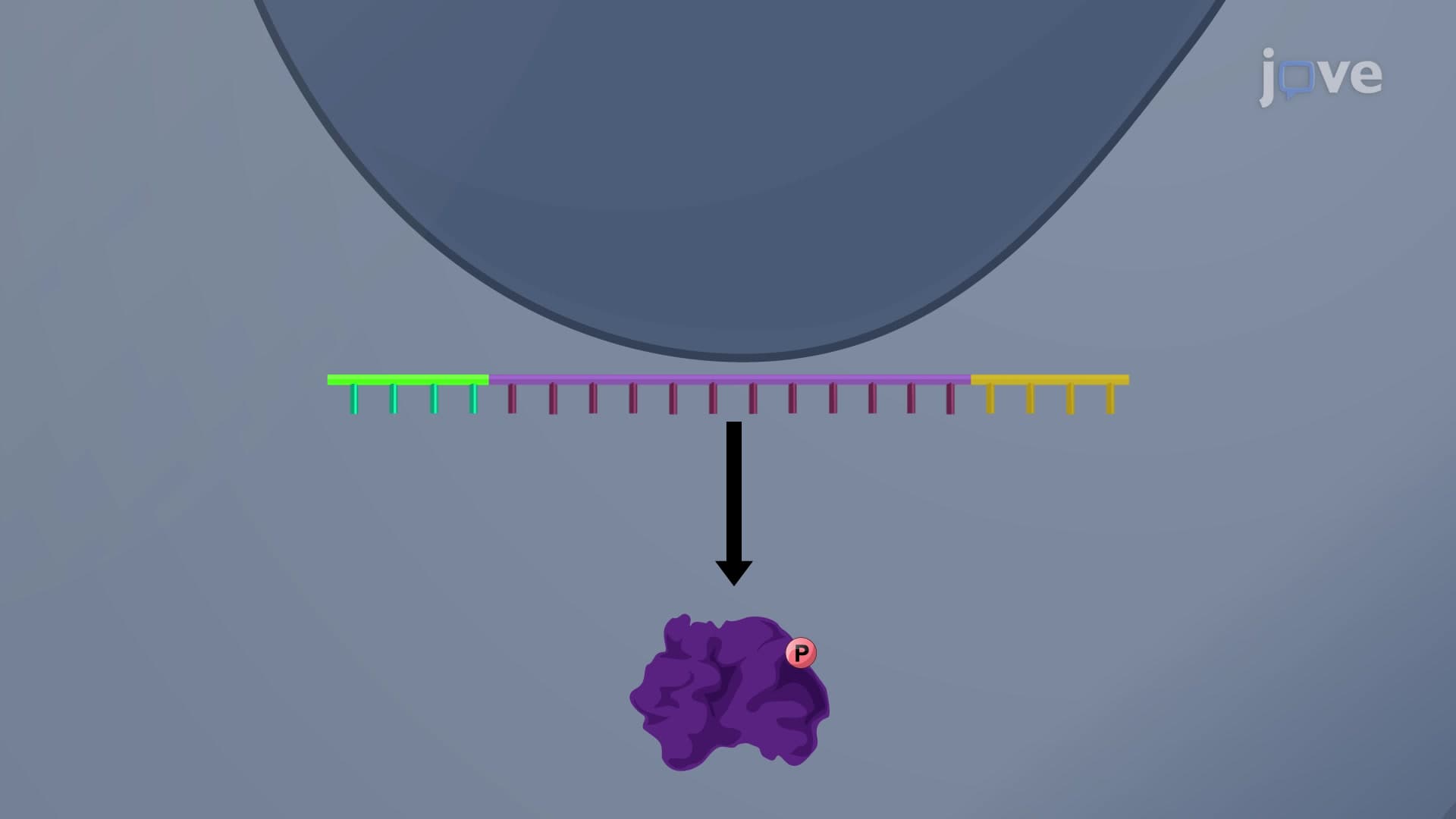
Epigenetic regulation represents a sophisticated cellular control system that manages gene expression without altering the DNA sequence itself. Think of it as a complex filing system where genes are organized and labeled for easy access or storage. Unlike genetic mutations that permanently change DNA, epigenetic modifications are like removable sticky notes that tell the cell which genes to read and which to ignore.
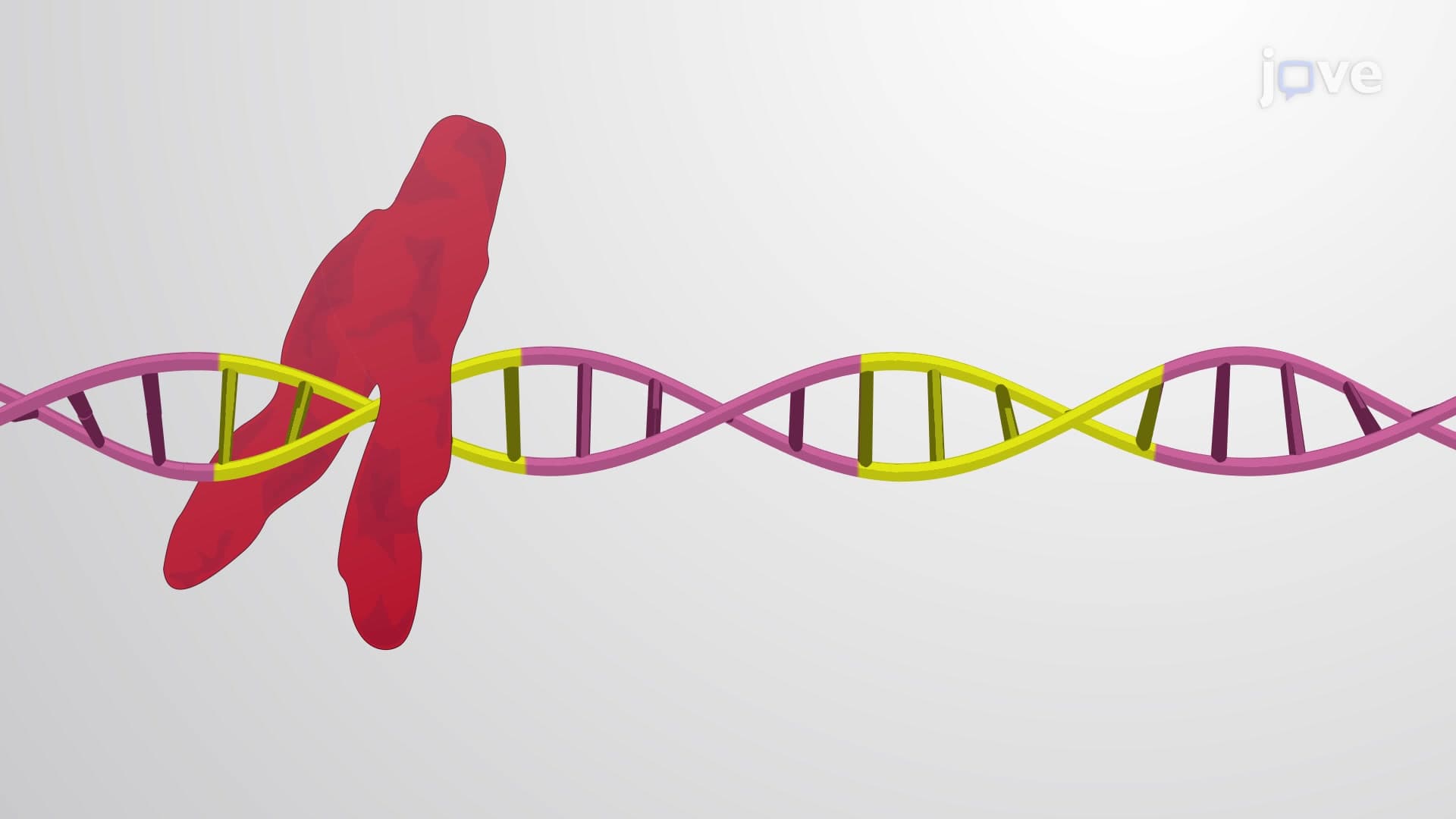
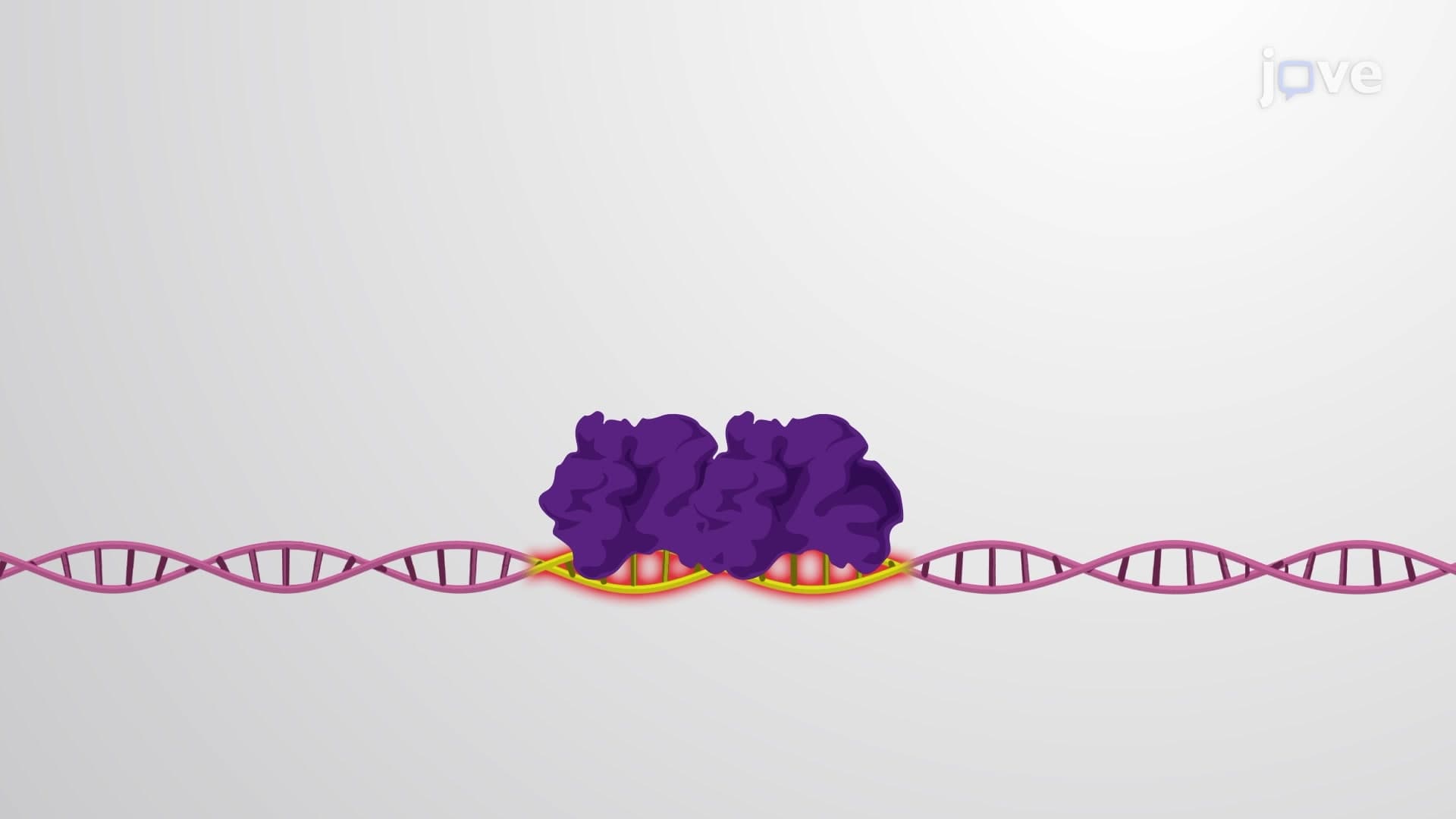
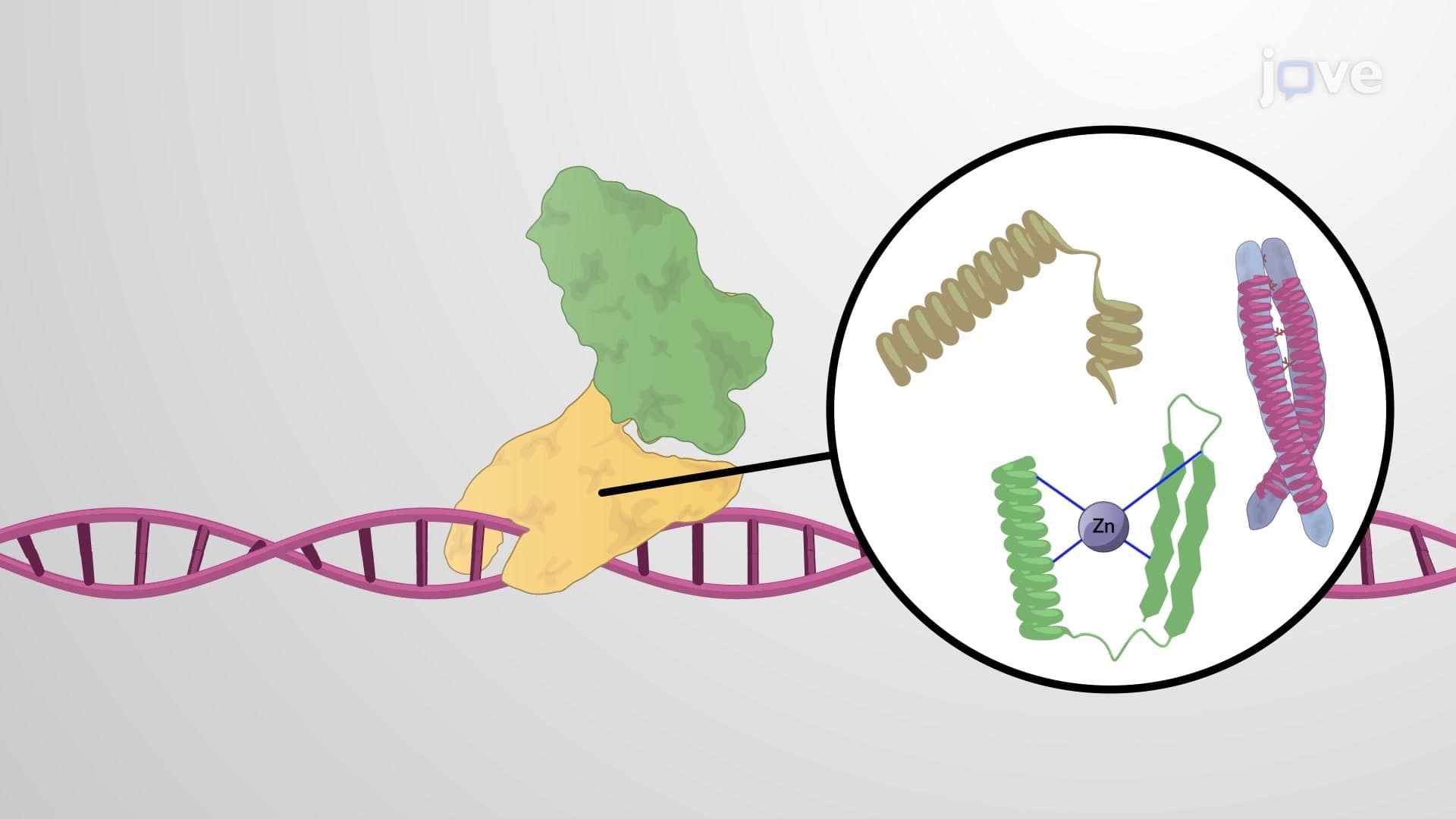
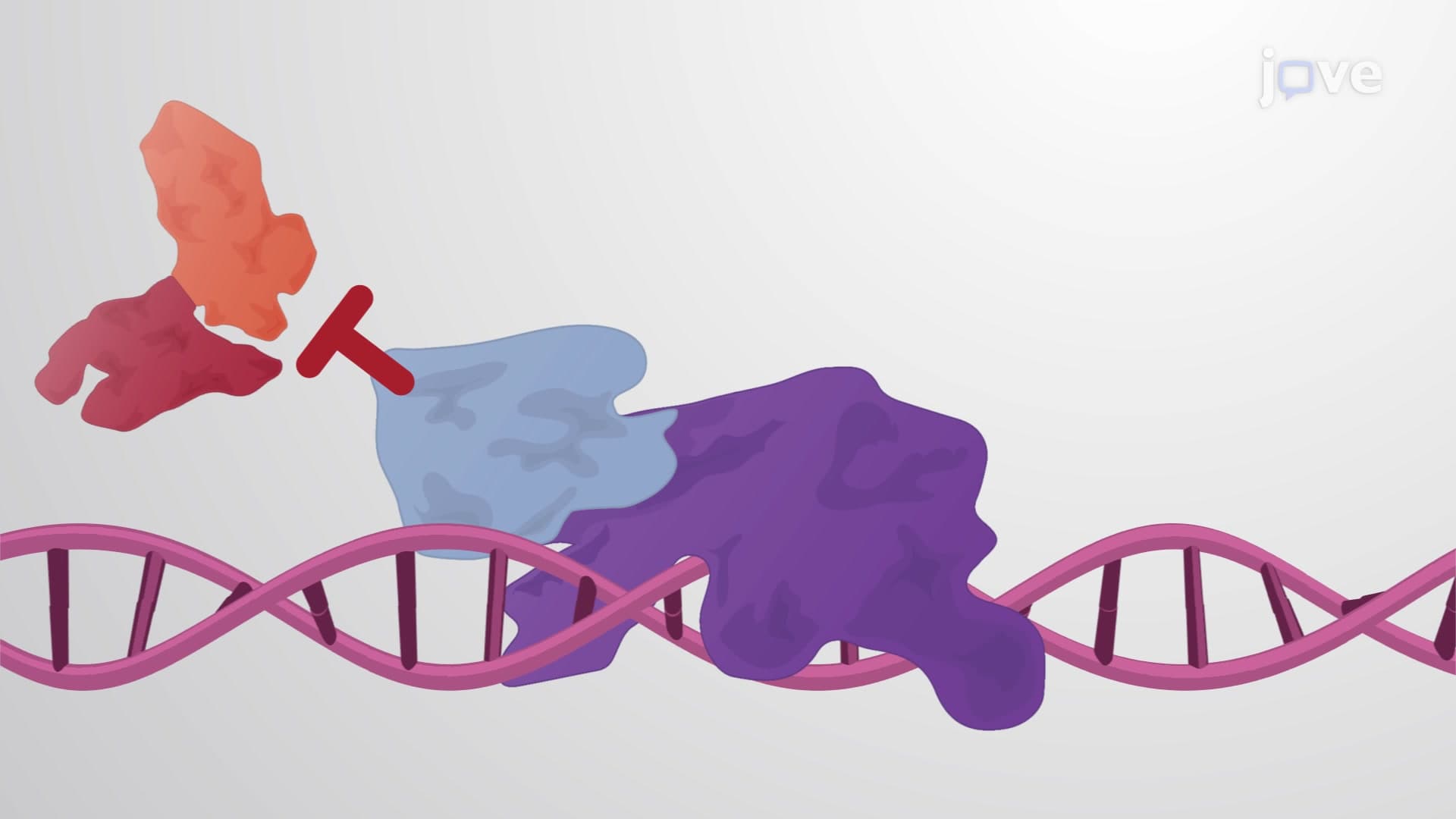
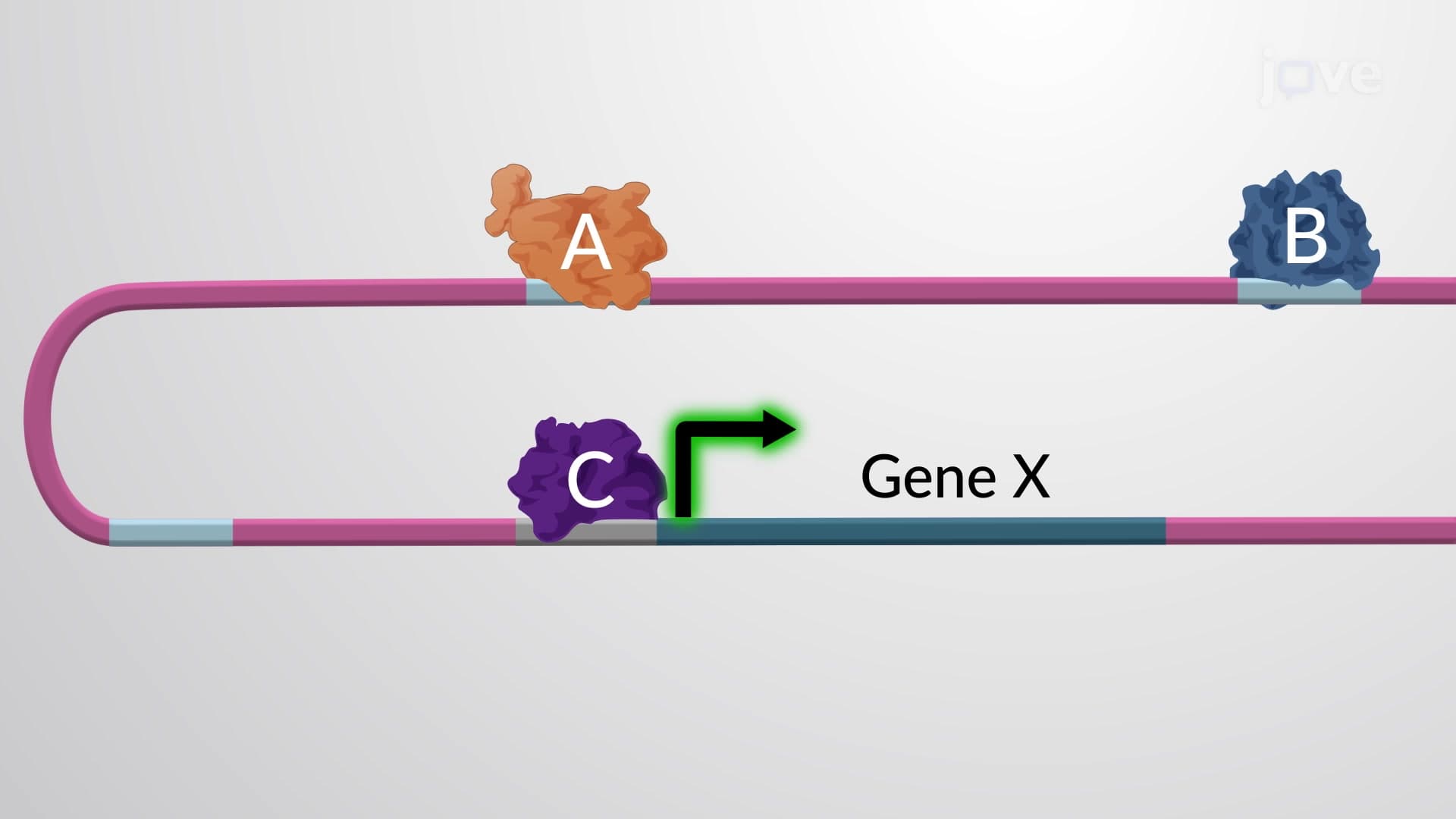
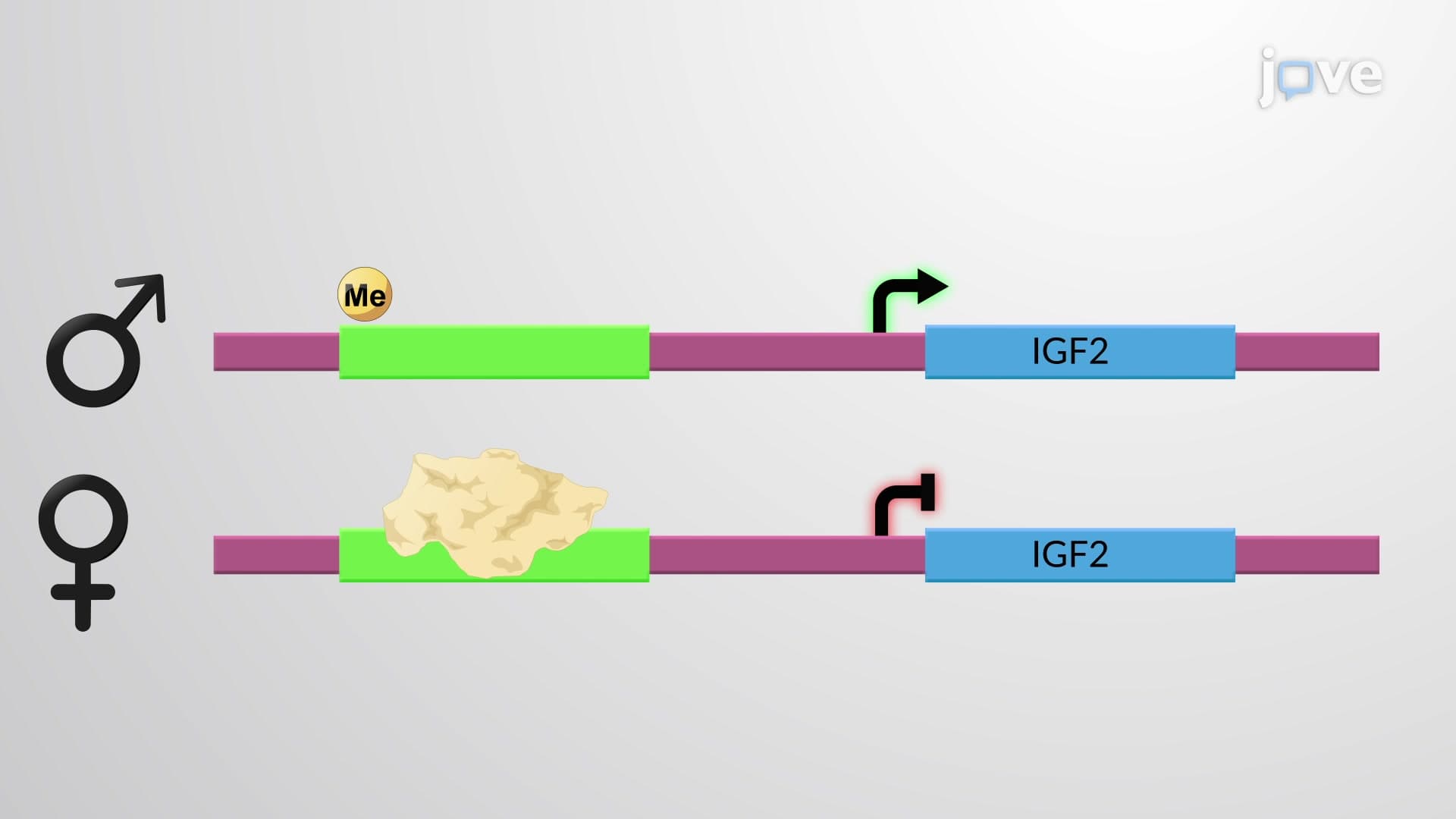
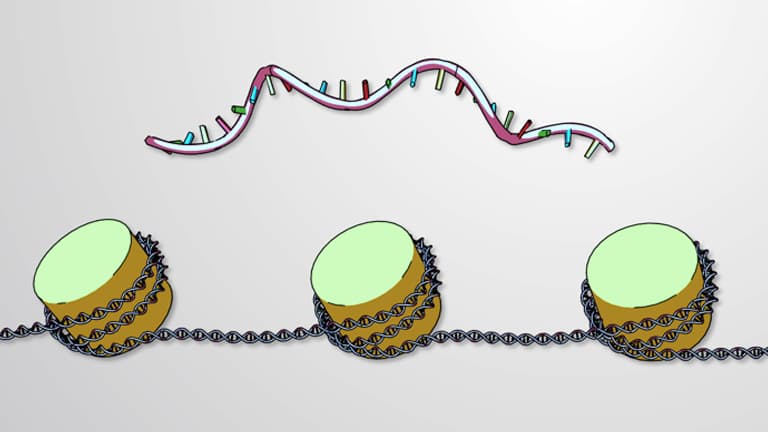
This regulatory mechanism operates through four primary pathways. DNA methylation involves adding methyl groups to cytosine bases, typically silencing gene expression. Histone modifications alter the proteins around which DNA wraps, either tightening or loosening chromatin structure. Chromatin remodeling complexes physically move nucleosomes to expose or hide gene promoters. Finally, non-coding RNAs can bind to specific DNA regions and recruit other regulatory proteins.
Biological Significance and Development
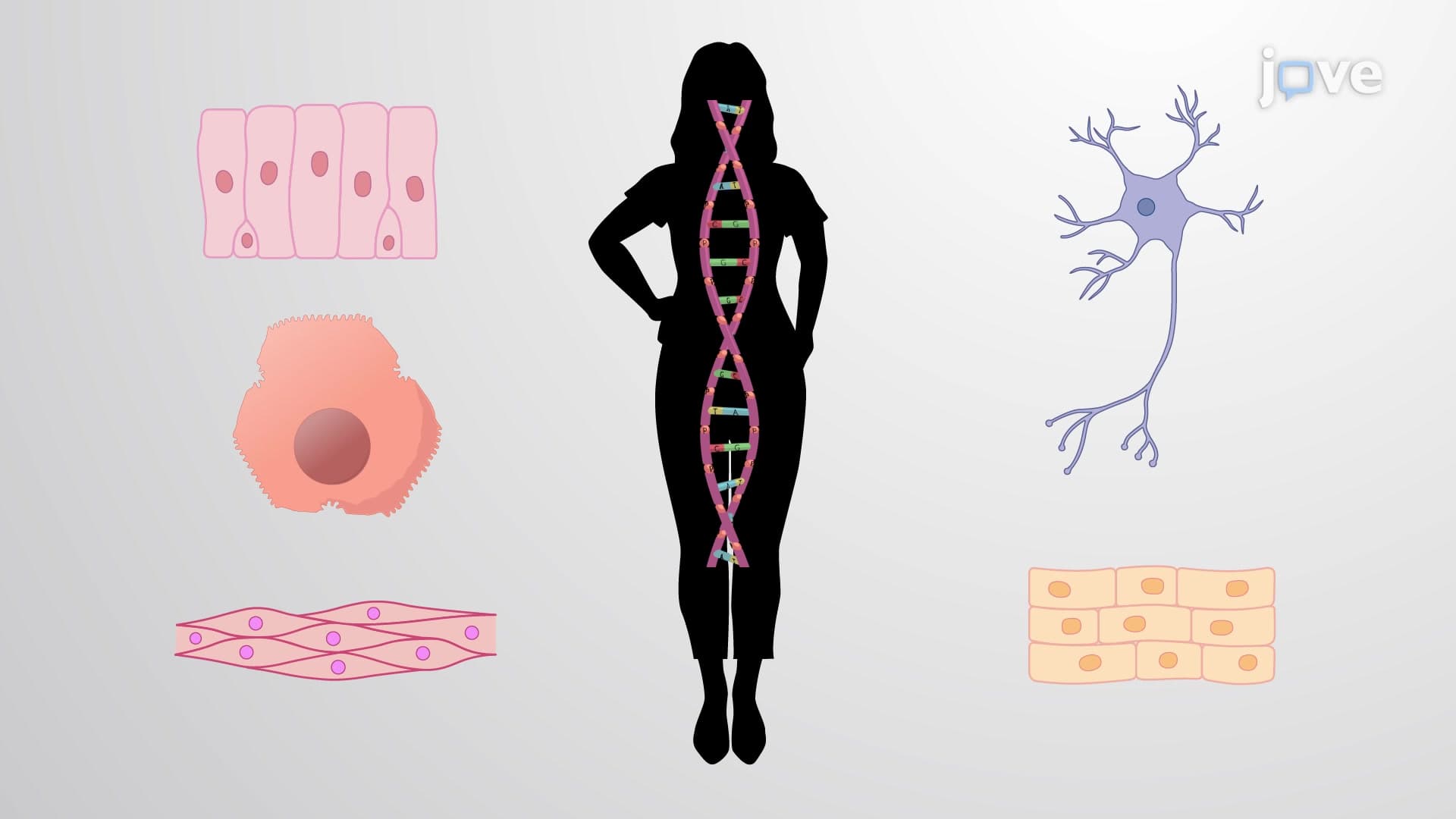
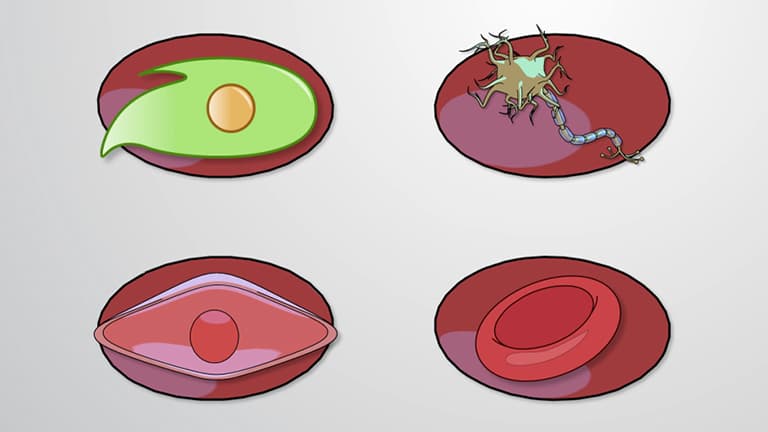
Epigenetic regulation drives crucial developmental processes that AP Biology and college genetics courses emphasize extensively. During embryonic development, epigenetic modifications guide cellular differentiation, transforming a single fertilized egg into specialized cell types like neurons, muscle cells, and liver cells. Each cell type maintains its unique identity through distinct epigenetic patterns, despite containing identical DNA.
X-chromosome inactivation exemplifies epigenetic regulation in action. In female mammals, one X chromosome becomes heavily methylated and silenced in each cell, ensuring equal gene expression between males (XY) and females (XX). This process, discovered at Harvard Medical School, demonstrates how epigenetic mechanisms maintain cellular balance.
Environmental Influences and Disease Connections
Environmental factors significantly impact epigenetic states, creating a bridge between external stimuli and gene expression changes. The Dutch Hunger Winter studies revealed how maternal malnutrition during pregnancy caused lasting epigenetic changes in offspring, affecting metabolism and disease susceptibility decades later. Similarly, chronic stress can alter DNA methylation patterns in genes regulating the immune system.
Cancer research has uncovered extensive epigenetic dysregulation in tumor development. The tumor suppressor gene p16, frequently silenced through promoter hypermethylation in various cancers, illustrates how epigenetic changes can drive disease progression. Understanding these mechanisms has led to FDA-approved epigenetic therapies like 5-azacytidine for certain blood cancers.
Research Applications and Clinical Relevance
Modern epigenetic research employs sophisticated techniques that students encounter in advanced biology courses and MCAT preparation. Bisulfite sequencing maps DNA methylation patterns genome-wide, while chromatin immunoprecipitation (ChIP) identifies protein-DNA interactions. These tools have revealed epigenetic biomarkers for disease diagnosis and treatment response prediction.
The reversible nature of epigenetic modifications offers therapeutic promise. Unlike genetic mutations, epigenetic changes can potentially be corrected through targeted interventions, making this field increasingly relevant for personalized medicine approaches.
Frequently Asked Questions
Epigenetic regulation controls gene expression through reversible modifications that don't alter the DNA sequence itself. Unlike genetic mutations that permanently change DNA, epigenetic modifications act like molecular switches that can turn genes on or off. These changes can be influenced by environmental factors and are potentially reversible, making them distinct from inherited genetic variations.
Yes, epigenetic regulation is included in the AP Biology curriculum under gene expression and regulation topics. You'll likely encounter questions about DNA methylation, histone modifications, and their roles in development and disease. Focus on understanding mechanisms and being able to compare epigenetic regulation with other forms of gene control for exam success.
MCAT questions often test your ability to analyze experimental data involving epigenetic modifications. Practice interpreting ChIP-seq and bisulfite sequencing results, understand the relationship between chromatin structure and gene accessibility, and review specific examples like X-inactivation. Connect epigenetic concepts to cancer biology and development for comprehensive preparation.
Epigenetic research has led to breakthrough cancer treatments like DNA methyltransferase inhibitors used at major US cancer centers including MD Anderson and Memorial Sloan Kettering. Scientists are also studying how lifestyle factors like diet and exercise influence epigenetic patterns, potentially explaining why identical twins can develop different diseases despite having the same DNA.
Basic high school chemistry is sufficient to grasp fundamental epigenetic concepts. You should understand chemical groups like methyl groups and basic protein structure, but complex biochemical pathways aren't necessary initially. Focus on the biological significance and regulatory mechanisms rather than detailed chemical reactions when starting your studies.
Create concept maps connecting the four main mechanisms (DNA methylation, histone modifications, chromatin remodeling, and ncRNAs) to specific biological processes like development and disease. Practice drawing simplified diagrams showing how epigenetic modifications affect chromatin structure. Use active recall by explaining concepts aloud and connecting them to clinical examples from recent research.
Epigenetic regulation serves as a foundation for understanding development, cancer biology, neuroscience, and evolutionary biology. This knowledge becomes crucial in upper-level courses like molecular biology, genetics, and biochemistry. Many graduate programs and medical schools emphasize epigenetics as a key mechanism linking environmental factors to human health and disease.
Build on epigenetic regulation by exploring gene regulatory networks, stem cell biology, and cancer genetics. Consider studying specific diseases like Alzheimer's or diabetes where epigenetic mechanisms play important roles. Advanced topics include epigenome editing technologies and transgenerational epigenetic inheritance, which are active areas of current research.
Related Micro-courses