Loading subject page…

- New Manager Essentials
- Building a Managerial Mindset
- Bias Awareness for Better Decision-Making
Micro-course: Building a Managerial Mindset
3,071 views
Learn key concepts and earn your certificate.





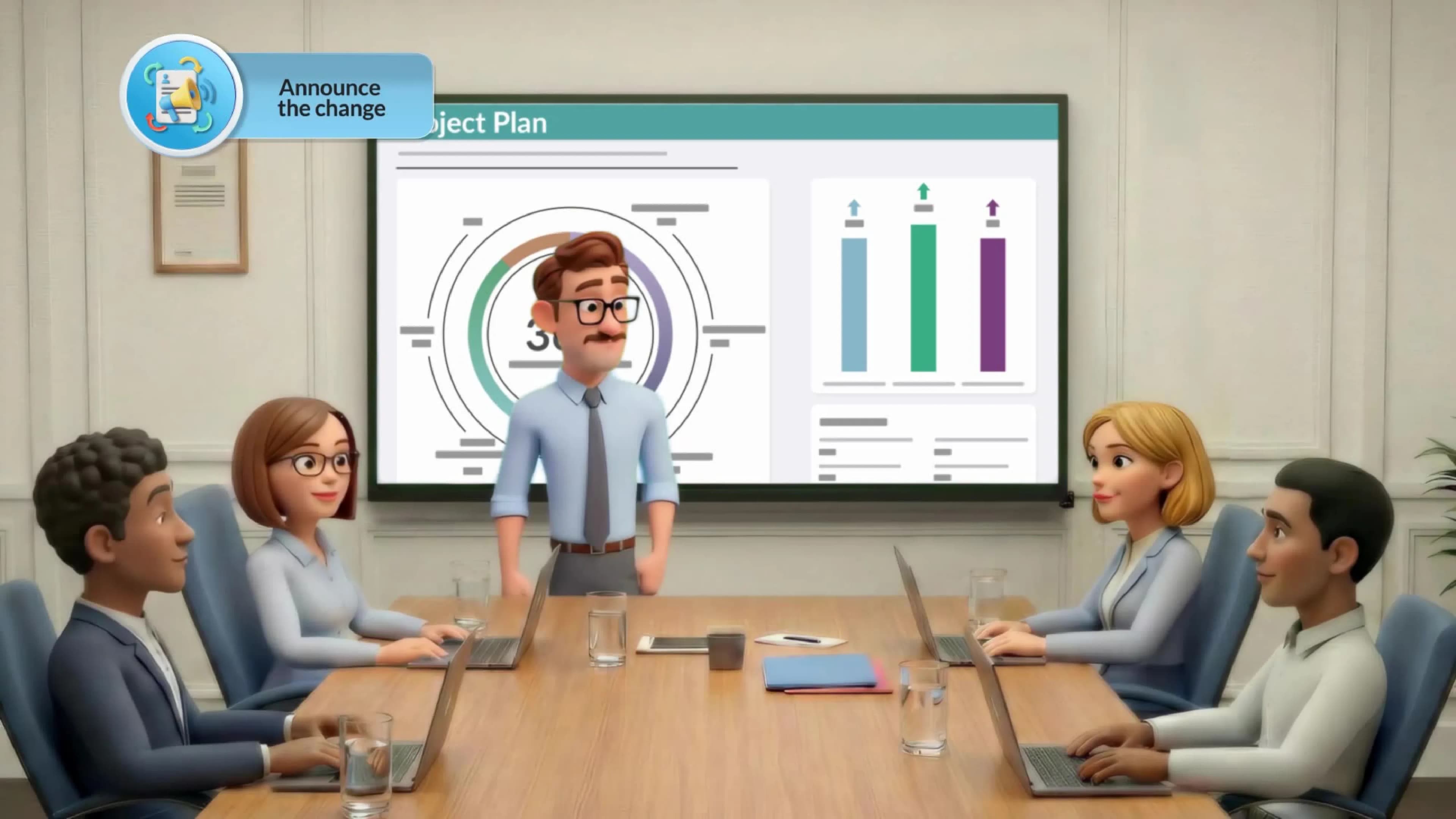

Bias Awareness for Better Decision-Making


00:00
01:25
Video Summary: Bias Awareness for Better Decision Making
First-time managers consistently struggle with bias awareness in management when conducting performance evaluations, often favoring highly visible team members over consistent performers. This creates unfair outcomes that damage team morale and retention. The challenge intensifies during promotion cycles when subjective impressions override objective data. Effective managers learn to recognize their evaluation patterns, implement structured assessment criteria, and separate personality from performance. Watch the full video on JoVE Coach to master this concept with expert-led visuals and step-by-step explanations.
- Recognize unconscious bias at work by identifying when visibility overshadows actual performance outcomes in your evaluation process
- Build structured evaluation frameworks using consistent criteria, documented evidence, and measurable performance standards across all team members
- Navigate fair performance evaluation by separating personal impressions from objective data when making bonus, promotion, and development decisions
- Set bias checkpoints throughout performance review cycles to pause, reflect, and verify your assessment reasoning before finalizing ratings
- Facilitate evaluation bias prevention by creating standardized templates that force focus on deliverables, timelines, and quality metrics
- Handle confirmation bias by actively seeking contradictory evidence and diverse perspectives before reaching performance conclusions
- Lead inclusive performance discussions that account for different communication styles and work approaches while maintaining consistent standards
- Manage data-driven decisions by establishing clear documentation practices that support objective performance conversations year-round
How Managers Recognize and Overcome Bias in Decision-Making
Picture this: You're reviewing quarterly performance ratings and realize you've consistently rated your most outspoken team member higher than someone who quietly delivers exceptional work. Sound familiar? This scenario plays out in management teams worldwide, costing organizations their best talent and undermining team trust.
Why Most Managers Fall Into Evaluation Bias
Unconscious bias at work manifests most dangerously during performance evaluations because these decisions directly impact careers. The availability heuristic-our tendency to overweight easily recalled information-means managers naturally favor employees who speak up in meetings or handle visible projects. Meanwhile, consistent performers working behind the scenes get overlooked despite superior results.
Research shows extroverted employees receive 25% higher performance ratings on average, not because they perform better, but because their contributions are more memorable. This creates a systematic disadvantage for analytical, process-oriented, and culturally diverse team members who contribute differently.
The FAIR Framework for Bias-Free Evaluations
Implement this four-step approach for every performance review:
Focus on Facts: Before opening any employee file, list three specific, measurable outcomes you expect to see. These become your evaluation criteria, not personality impressions.
Audit Your Assumptions: When you notice positive or negative feelings about an employee's performance, write down the specific behaviors or outcomes driving that feeling. If you can't cite concrete examples, it's likely bias.
Investigate Systematically: Use the same evaluation sequence for every team member. Review project completion rates, quality metrics, client feedback, and peer collaboration evidence in identical order.
Rate Consistently: Apply predetermined performance standards uniformly. If "exceeds expectations" requires 95% on-time delivery for one employee, it requires 95% for everyone.
Implementing Bias Checkpoints in Daily Management
Fair performance evaluation starts long before annual reviews. Build bias awareness into your weekly management routine:
During team meetings, track speaking time and idea attribution. Rotate meeting facilitation to surface different leadership styles. In project assignments, document your reasoning for role selections-are you defaulting to familiar faces or spreading opportunities equitably?
Create performance documentation systems that capture quiet contributions: code reviews completed, process improvements suggested, mentoring provided to junior colleagues. These data points prevent recency bias from dominating year-end evaluations.
Most importantly, establish skip-level conversations and peer feedback mechanisms. Your direct reports often see performance patterns you miss, especially for team members whose working style differs from yours.
Frequently Asked Questions
It means recognizing that your brain naturally creates shortcuts when evaluating team performance, often favoring memorable over meaningful contributions. Bias-aware managers build systems to catch these shortcuts before they influence promotion, development, or recognition decisions. This includes documenting performance patterns, seeking diverse input, and using consistent evaluation criteria across all team members.
Track participation patterns using simple techniques like noting who speaks first, who builds on others' ideas, and whose suggestions get implemented. Create meeting structures that rotate leadership opportunities and use anonymous input methods like digital polling. Notice if you consistently call on the same people or if certain team members' ideas need "translation" by others to gain traction.
Separate what gets done from how it gets done by focusing on measurable outcomes first. Create role-specific performance criteria that account for different contribution styles-public presentation skills for client-facing roles, detailed analysis for backend work. Use multiple assessment methods including peer feedback, client reviews, and project metrics rather than relying solely on your observations.
Create multiple visibility channels beyond group meetings: one-on-one presentations, written strategic recommendations, or leading smaller working groups. Document their contributions in performance records and explicitly communicate their impact to senior leadership. Consider that leadership potential manifests differently-strong individual contributors often become excellent coaches and technical leaders.
No, but you need commitment to systematic evaluation practices over gut instinct. First-time managers often have fewer preconceived notions about performance patterns, which can be an advantage. Focus on building consistent documentation habits, seeking multiple perspectives, and using structured evaluation frameworks from day one rather than trying to unlearn biased practices later.
Teams with bias-aware managers show 12% higher retention rates and 15% better performance outcomes because people trust the promotion process. You'll make better talent decisions, develop a more diverse leadership pipeline, and avoid the costly mistakes of promoting based on visibility rather than capability. Your team members will also be more likely to bring their authentic working styles rather than performing for recognition.
Focus on inclusive delegation-ensuring development opportunities, challenging projects, and high-visibility assignments are distributed equitably across your team. This builds on your bias awareness by applying fair evaluation principles to real-time decision-making about who gets which opportunities to grow and showcase their capabilities.
Related Micro-courses


