Loading subject page…

- New Manager Essentials
- Building a Managerial Mindset
- Facilitating Team Decisions with Confidence
Micro-course: Building a Managerial Mindset
3,043 views
Learn key concepts and earn your certificate.





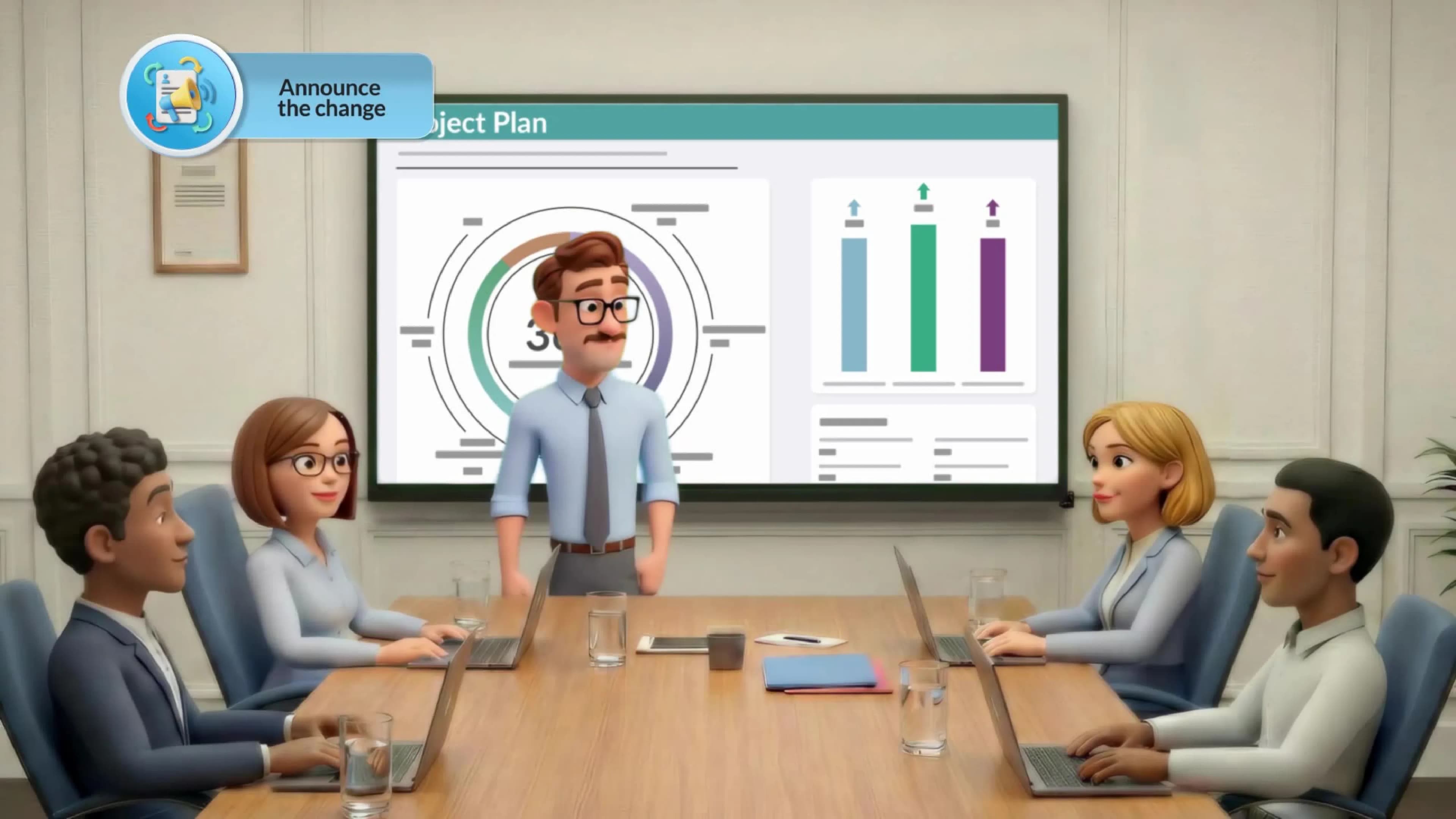

Facilitating Team Decisions with Confidence


00:00
01:07
Video Summary: Facilitating Team Decisions with Confidence
When cross-functional teams struggle to reach consensus, facilitating team decisions becomes a critical leadership skill that separates effective managers from overwhelmed ones. Different stakeholders bring competing priorities-budget constraints, timeline pressures, quality standards-creating decision paralysis that derails project momentum. Successful managers learn to guide these complex discussions by structuring conversations, ensuring all perspectives are heard, and building genuine alignment before moving to action. This approach transforms chaotic debates into productive decision-making sessions that teams can execute confidently. Watch the full video on JoVE Coach to master this concept with expert-led visuals and step-by-step explanations.
- Structure productive team discussions by defining clear decision criteria and conversation boundaries before meetings begin
- Facilitate balanced participation ensuring all team members contribute their expertise without dominating the discussion
- Navigate conflicting priorities between departments by helping teams understand each perspective's business value
- Build consensus through active listening techniques that validate concerns while maintaining forward momentum
- Manage decision fatigue by establishing clear timelines and preventing endless debate cycles
- Align cross-functional stakeholders around shared outcomes rather than individual departmental goals
- Delegate clear next steps with specific ownership to ensure decisions translate into measurable action
- Handle resistance to group decisions by addressing concerns transparently and reinforcing collective commitment
How Managers Facilitate Team Decisions Confidently
Picture this: Your quarterly planning session has devolved into a three-way argument between engineering (demanding more time), sales (pushing aggressive deadlines), and finance (questioning every resource allocation). Sound familiar? Most managers face this exact scenario regularly, yet few have systematic approaches for navigating these complex group dynamics effectively.
Why Cross-Functional Decision Making Breaks Down
The challenge isn't that team members disagree-it's that they're optimizing for different success metrics. Engineering prioritizes technical excellence, sales focuses on customer commitments, and operations emphasizes resource efficiency. Without skilled facilitation, these conversations become zero-sum battles rather than collaborative problem-solving sessions.
Research from Harvard Business School shows that diverse teams make better decisions 87% of the time, but only when properly facilitated. The key lies in structured decision-making processes that harness different perspectives rather than letting them create gridlock.
The DECIDE Framework for Team Facilitation
Effective managers use the DECIDE model to structure complex group decisions:
Define the problem clearly with specific success criteria Establish ground rules for discussion and participation Consider all alternatives without immediate judgment Identify the best alternatives using agreed-upon criteria Develop action plans with clear ownership Evaluate and monitor the decision's effectiveness
This framework prevents common facilitation mistakes like rushing to solutions, allowing dominant voices to steamroll others, or making decisions without clear implementation paths.
Practical Facilitation Techniques That Work
Start meetings by explicitly stating the decision that needs to be made and the criteria for success. Use techniques like round-robin discussions to ensure equal participation, and the "five whys" method to uncover underlying concerns. When conflict emerges, reframe disagreements around business outcomes rather than personal positions.
The RACI matrix becomes invaluable here-clearly defining who is Responsible, Accountable, Consulted, and Informed for each decision element. This prevents the common scenario where everyone feels responsible for everything, leading to either paralysis or duplicated effort.
Most importantly, end every decision-making session by confirming what was decided, who owns what actions, and when you'll reconvene to assess progress. This creates accountability and prevents decisions from dissolving into good intentions.
Frequently Asked Questions
It means guiding your team through complex choices without dictating the outcome. You structure conversations, ensure all voices are heard, help navigate conflicts, and build genuine consensus that leads to committed action rather than reluctant compliance.
Use structured facilitation techniques like time-boxed speaking turns or written brainstorming before verbal discussion. Directly redirect: "Thanks Sarah, now let's hear from others before we build on that idea." Strong facilitation requires managing airtime as much as managing content.
Start by having each person explain their priorities and the business reasons behind them. Use a decision matrix to score options against multiple criteria, making trade-offs visible and objective. Focus discussions on shared goals rather than departmental interests.
Virtual facilitation requires more structure than in-person meetings. Use collaborative tools like digital whiteboards, implement clear speaking protocols, and send pre-work to ensure everyone comes prepared. Break large decisions into smaller, manageable chunks with clear checkpoints.
Acknowledge their concern briefly, then redirect: "I hear your concern about the Q3 budget decision. Let's capture that for our retrospective next week, but today we need to focus on our current timeline challenge." Document their concern to address later, but maintain meeting focus.
No, but you do need to prepare thoroughly and practice structured approaches. Start with smaller, lower-stakes decisions to build confidence. The key is following proven frameworks rather than winging it, and being comfortable with silence while teams process complex information.
Teams that make better decisions faster become more autonomous and confident, reducing your daily firefighting. Strong facilitation builds trust in your leadership judgment and creates a collaborative culture where difficult conversations happen productively rather than being avoided or escalated.
Focus on conflict resolution and difficult conversation management. Many team decisions involve navigating interpersonal tensions or competing interests, so building skills in addressing conflict directly while maintaining relationships becomes crucial for advanced leadership effectiveness.
Related Micro-courses


