Loading subject page…


6 Concepts
7 Concepts
9 Concepts
5 Concepts
7 Concepts
7 Concepts
13 Concepts
5 Concepts
5 Concepts
8 Concepts
9 Concepts
6 Concepts
6 Concepts
 6 Concepts
 2.8K Views
 Popular topics



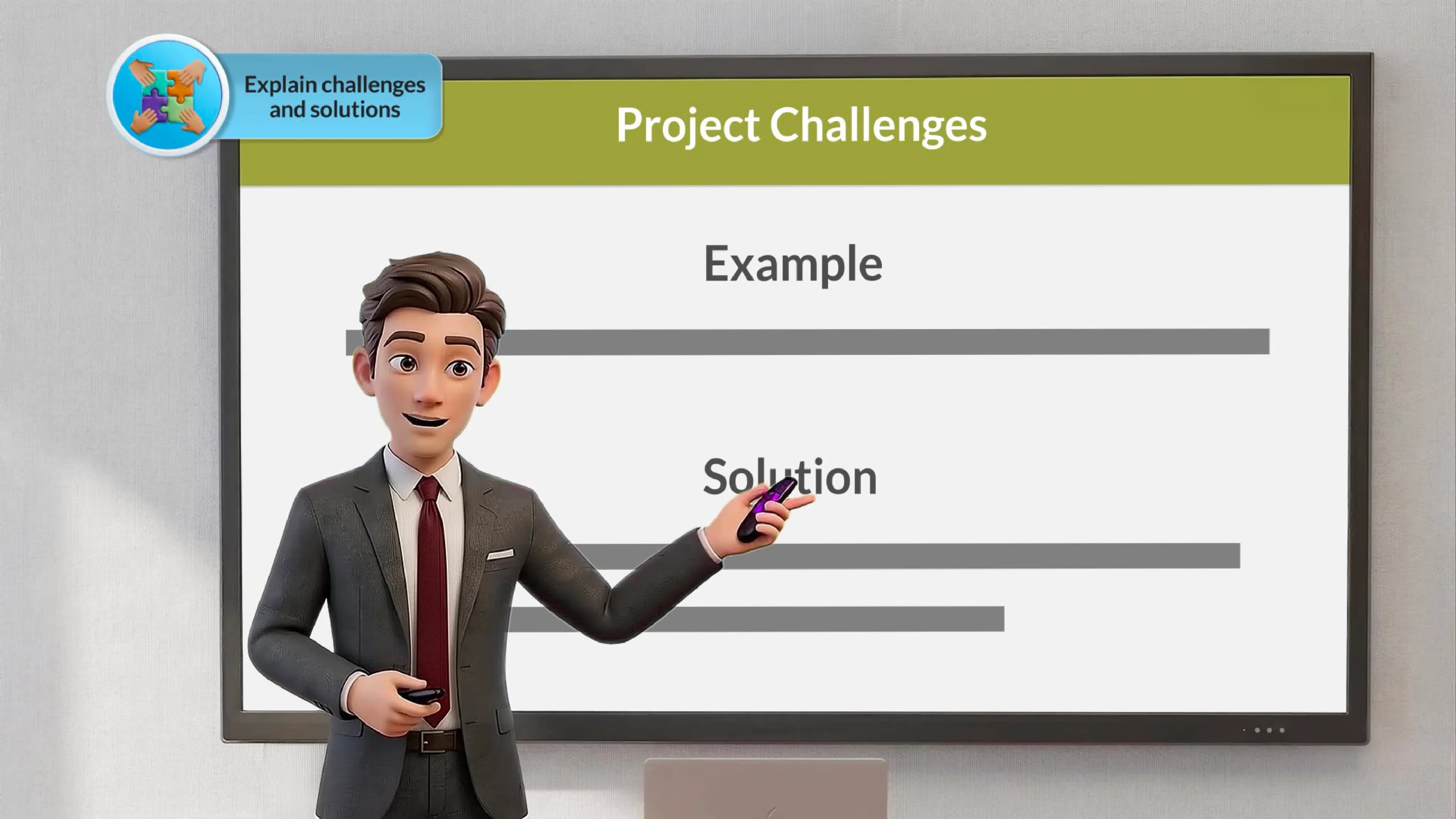
Managing upward and across teams presents complex challenges when you're caught between conflicting priorities, unclear expectations from senior leaders, and resource constraints across departments. First-time managers often struggle with building influence without direct authority while maintaining alignment with executive objectives. This JoVE Coach micro-course teaches practical frameworks for navigating these multi-directional relationships through structured communication protocols and strategic stakeholder management approaches.
1. Understanding Manager Expectations Establishing clear role boundaries and performance standards prevents costly miscommunication and project delays. Effective upward management begins with structured conversations about deliverables, decision authority, and communication preferences. A department head managing multiple team leads, for example, needs explicit clarity on which budget decisions require approval versus independent action. This proactive approach eliminates the guesswork that often leads to missed targets and frustrated stakeholders, while creating accountability frameworks that support both manager and direct report success.
2. Executive Communication Strategies Senior leaders require different communication approaches depending on context, urgency, and organizational hierarchy. Successful managers master channel selection-knowing when to use email for routine updates versus face-to-face meetings for sensitive issues. A operations manager reporting on supply chain disruptions, for instance, would provide executives with concise bullet points highlighting key risks and proposed solutions rather than detailed technical explanations. This strategic communication builds trust and positions you as someone who understands leadership priorities and time constraints.
3. Cross-Team Influence and Resource Alignment Managing across teams without direct authority requires understanding each group's objectives and finding mutual value propositions. Effective lateral management involves learning other teams' constraints, timelines, and success metrics to identify collaboration opportunities. When a marketing manager needs engineering support for a product launch, they succeed by demonstrating how the request advances shared company goals rather than simply making demands. This influence-building approach creates sustainable partnerships that improve project outcomes and organizational effectiveness.
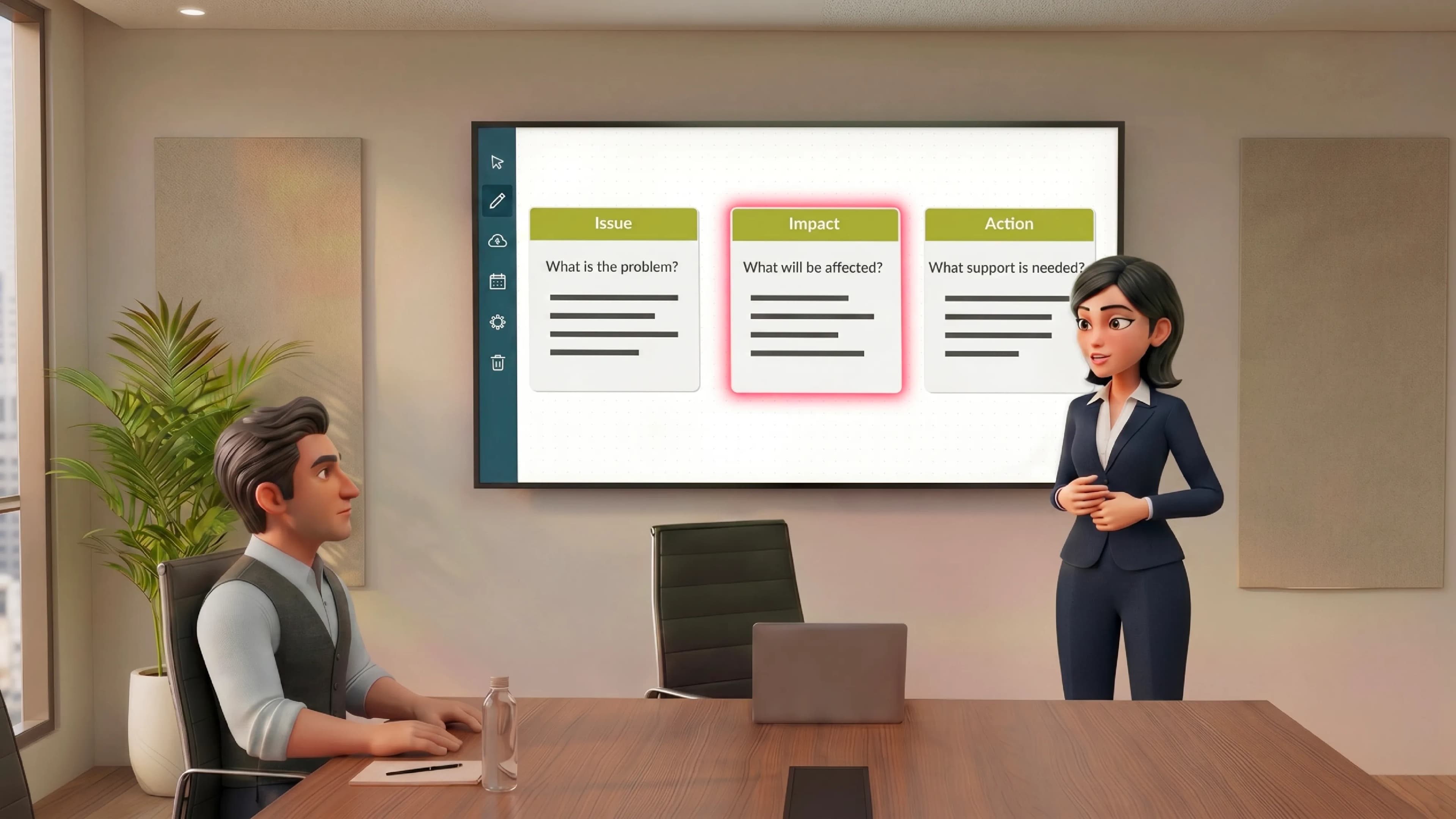
4. Professional Issue Escalation The Issue-Impact-Action framework provides managers with a systematic approach for raising concerns before they become critical problems. This structured methodology helps teams communicate challenges clearly while proposing solutions rather than simply reporting difficulties. A production manager facing equipment delays, for example, would identify the specific issue, explain potential schedule impacts, and request specific support or decisions from leadership. This professional escalation builds credibility while ensuring problems receive appropriate attention and resources for resolution.