Loading video…


 6 Concepts
 2.7K views

Video Summary: Common Mistakes First Time Managers Make
First-time managers tend to repeat a predictable set of errors that quietly undermine their teams. These include absorbing too much work personally, leaving priorities undefined, checking in too often, ignoring team members as individuals, and accepting timelines that cannot realistically be met. Recognizing these patterns early, especially during the period of transitioning from individual contributor to manager, gives you a practical foundation for stronger leadership.
When you absorb tasks that could go to your team, you limit their ability to contribute and push yourself toward overload. Effective management means distributing work appropriately, not doing it all yourself. Practicing delegating work with clarity and accountability helps correct this quickly.
Assigning tasks without explaining what matters most, or why, leaves team members guessing. That confusion slows progress and creates avoidable friction. During your first 90 days as a manager, establishing the habit of communicating clear priorities pays off quickly.
Constant check-ins interrupt focused work and gradually reduce team members' sense of ownership over their tasks. The goal is to stay informed without breaking momentum. Building a managerial mindset involves trusting your team to work without continuous supervision.
Managing only tasks and deadlines, without seeing team members as individuals, lowers motivation and weakens engagement over time. People work better when they feel seen. Making space for genuine connection is as important as tracking deliverables, and it directly supports motivating and recognizing team members.
Accepting timelines you cannot actually meet creates sustained pressure, compromises output quality, and damages team morale. Saying yes to every deadline may feel cooperative, but it sets the team up to fall short. Honest, early pushback protects both results and trust.
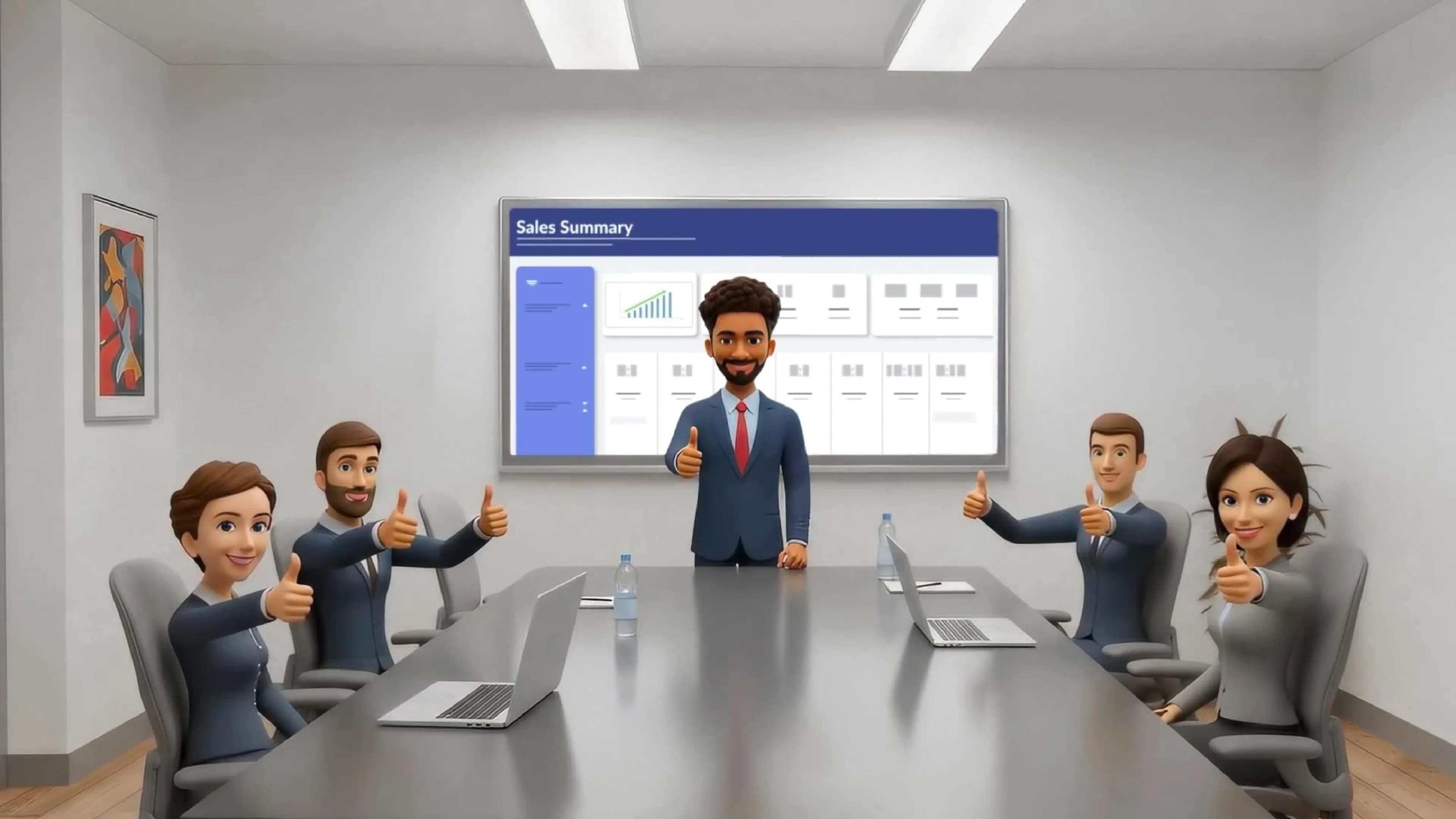
Nathan, a first-time manager, can improve his performance and prevent potential challenges for his team by actively avoiding these common mistakes.
One mistake Nathan avoids is taking on too much work himself instead of sharing tasks appropriately with his team. This can make Nathan feel overloaded and limit the team’s ability to contribute effectively.
Nathan also avoids assigning tasks without clear priorities and expectations. Unclear priorities and vague expectations may create confusion within the team and ultimately slow progress.
Another mistake he avoids is checking in too frequently, as this can be counterproductive. Constant interruptions often break focus and gradually reduce ownership among team members.
Further, Nathan also avoids focusing only on tasks and deadlines while failing to connect with team members as individuals. By doing this, he may lower team motivation and weaken engagement.
Finally, he avoids agreeing to unrealistic timelines, as this can create work pressure, reduce work quality, and affect team morale.
Avoiding these mistakes helps Nathan build a strong foundation for effective leadership.
Related Micro-courses