Loading…
Loading video…

53,706 views
Why do some healthcare workers risk their lives treating Ebola patients while others prioritize their own safety? Professional values serve as the moral compass that guides ethical decision-making in careers like nursing, medicine, and social work. These core principles—including altruism, autonomy, human dignity, integrity, and social justice—shape how professionals interact with clients and colleagues. For instance, nurses at Emory University Hospital demonstrated professional values when they volunteered to care for Ebola patients in 2014, putting patient needs above personal risk. Watch the full video on JoVE Coach to master this concept with expert-led visuals and step-by-step explanations.
Professional values represent the fundamental ethical principles that define how individuals should conduct themselves within their chosen careers. These values transcend personal beliefs and cultural differences, creating universal standards that ensure public trust and service excellence. In healthcare professions like nursing, medicine, and physical therapy, professional values form the backbone of patient care and clinical decision-making.
The concept of professional values gained prominence in the United States during the mid-20th century as healthcare became more complex and specialized. Professional organizations like the American Nurses Association (ANA) and American Medical Association (AMA) developed formal codes of ethics that articulate these values, making them essential knowledge for students preparing for licensure exams like the NCLEX-RN or USMLE.
The five core professional values each serve distinct but interconnected purposes. Altruism drives professionals to place others' welfare above their own interests—evident when emergency room nurses work double shifts during staffing shortages or when social workers advocate for vulnerable clients despite bureaucratic obstacles. This value frequently appears on nursing school exams and HESI A2 assessments as scenario-based questions.
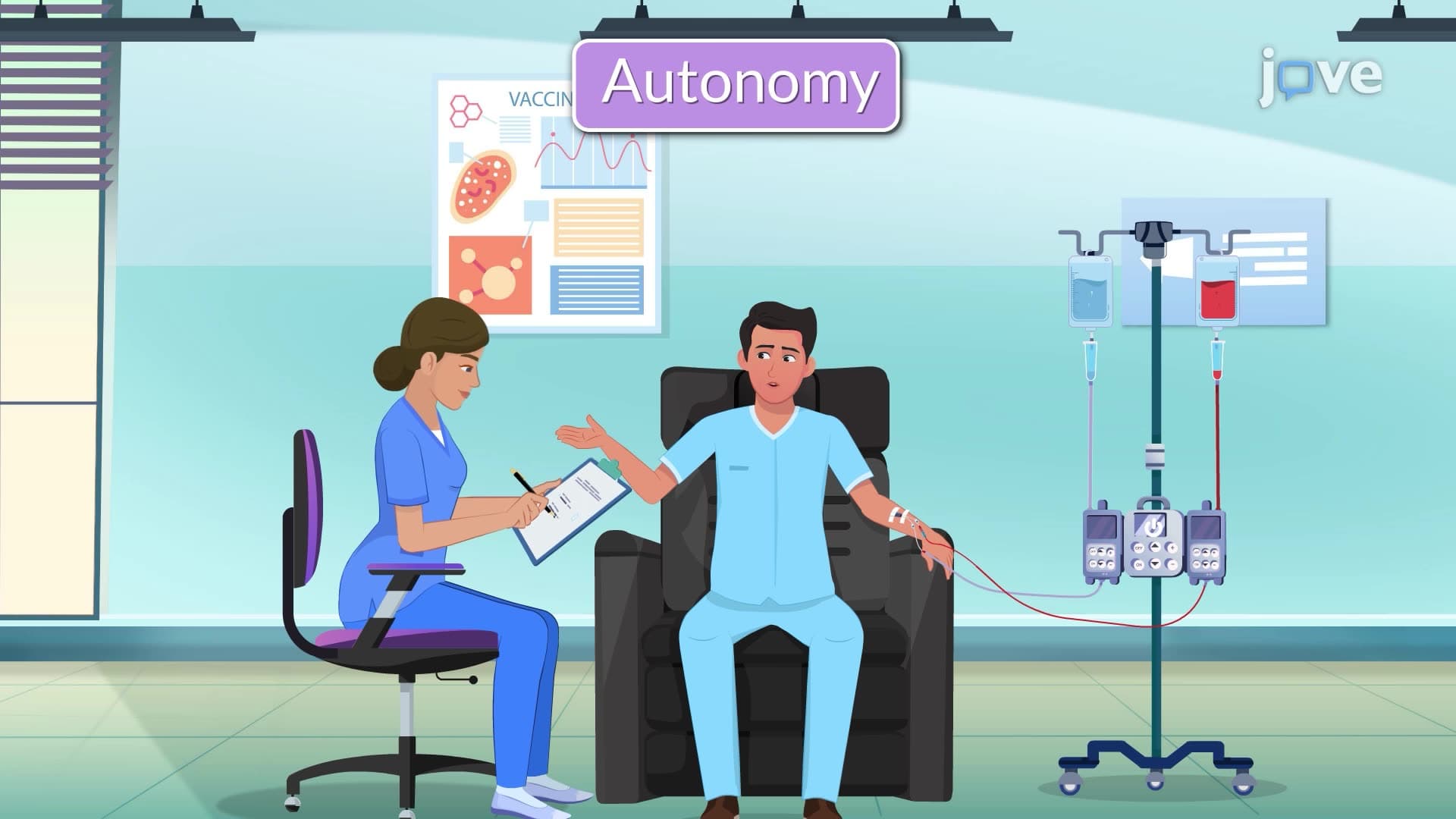
Autonomy respects individuals' right to self-determination, particularly crucial in healthcare settings where patients must make informed decisions about treatment options. This principle underlies informed consent procedures and shared decision-making models used throughout US healthcare systems. Students studying for AP Psychology or college ethics courses often encounter autonomy in discussions about medical ethics and patient rights.
Human dignity ensures that all individuals receive respectful, compassionate treatment regardless of their socioeconomic status, race, religion, or lifestyle choices. This value gained particular attention following civil rights movements and now influences diversity training in professional programs nationwide.
Integrity demands honesty, transparency, and adherence to professional standards—qualities assessed through clinical evaluations and professional behavior requirements in programs accredited by bodies like the Commission on Collegiate Nursing Education (CCNE). Students must demonstrate integrity through academic honesty policies and clinical performance standards.
Social justice addresses systemic inequalities and advocates for fair distribution of resources and opportunities. This value has become increasingly important in healthcare policy discussions and community health initiatives. Pre-med students often encounter social justice concepts in MCAT passages about healthcare disparities and public health interventions.
Understanding these professional values proves essential for success in healthcare career pathways and serves as foundational knowledge for advanced coursework in bioethics, healthcare management, and clinical practice.
Frequently Asked Questions
Professional values are ethical principles that guide decision-making and behavior in professional settings, particularly healthcare. They matter because they ensure consistent, ethical care that builds public trust and protects vulnerable populations. These values form the foundation of professional codes of ethics and are essential for passing licensure exams like NCLEX or USMLE.
The NCLEX-RN frequently tests professional values through scenario-based questions that require you to prioritize patient care decisions. You'll encounter situations involving patient advocacy, informed consent, and ethical dilemmas where you must apply values like altruism and integrity. Practice questions often present conflicts between personal beliefs and professional obligations.
HESI A2 includes professional values in its Learning Style and Personality Profile sections, assessing your understanding of healthcare ethics and patient interaction principles. Expect questions about patient confidentiality, cultural sensitivity, and professional boundaries. The exam evaluates whether you understand how these values translate into clinical practice behaviors.
Yes, the MCAT Psychology/Sociology section includes healthcare ethics and professional behavior concepts. You'll encounter passages about physician-patient relationships, healthcare disparities, and ethical decision-making frameworks. Understanding professional values helps answer questions about medical professionalism and social determinants of health.
Professional values guide daily decisions in hospitals, clinics, and community health centers nationwide. For example, Mayo Clinic's patient-first philosophy reflects altruism, while Cleveland Clinic's emphasis on patient partnership demonstrates autonomy. During the COVID-19 pandemic, healthcare workers exemplified these values by continuing to provide care despite personal risks.
Not at all—professional values are based on fundamental concepts of respect, honesty, and fairness that most students already understand from daily life. The key is learning how these universal principles apply specifically to professional settings and patient care situations. Start with basic examples and gradually work toward more complex ethical scenarios.
Create scenario flashcards that present ethical dilemmas and practice identifying which professional values apply to each situation. Review real case studies from US healthcare settings and analyze how professionals demonstrated these values. Focus on understanding the practical application rather than just memorizing definitions, as exams typically test critical thinking skills.
Consider studying healthcare ethics committees, professional liability and malpractice law, cultural competency frameworks, and healthcare policy analysis. These topics build on professional values knowledge and are valuable for students planning careers in healthcare administration, bioethics, or advanced clinical practice roles.
Related Micro-courses
Related Subjects
 Anatomy and Physiology 31 micro-courses›
 Medical-Surgical Nursing 28 micro-courses›