Loading subject page…

- Organic Chemistry
- Aromatic Compounds
- Nomenclature of Aromatic Compounds with a Single Substituent
Micro-course: Aromatic Compounds
89,601 views
Learn key concepts and earn your certificate.




Nomenclature of Aromatic Compounds with a Single Substituent

00:00
01:23
Video Summary: Naming Monosubstituted Aromatic Compounds Rules and Examples
Ever wondered why aspirin's chemical name includes "phenyl" while Tylenol contains "benzyl" groups? The nomenclature aromatic compounds single substituent system follows specific IUPAC rules that determine whether we name compounds as substituted benzenes or phenyl-substituted alkanes. For instance, toluene (found in paint thinners) represents methylbenzene under common naming conventions, while 2-phenylheptane demonstrates the phenyl approach for larger carbon chains. Watch the full video on JoVE Coach to master this concept with expert-led visuals and step-by-step explanations.
- Understand the fundamental rules for naming monosubstituted aromatic compounds using both IUPAC and common nomenclature systems
- Identify when to use alkyl-substituted benzene naming versus phenyl-substituted compound naming based on substituent size
- Analyze the structural differences between phenyl (C6H5-), benzyl (C6H5CH2-), and aryl (Ar-) substituent groups
- Compare IUPAC systematic names with accepted common names like toluene, phenol, and aniline
- Apply the six-carbon rule to determine appropriate naming conventions for aromatic compounds
- Recognize abbreviations Ph, Bn, and Ar in chemical structures and nomenclature
- Evaluate complex aromatic structures to choose the correct parent chain designation
- Explore how substituent priority affects naming decisions in monosubstituted benzene derivatives
Understanding Monosubstituted Aromatic Compound Nomenclature
The systematic naming of aromatic compounds with single substituents follows a logical framework that balances historical convention with modern IUPAC standards. This nomenclature of aromatic compounds with a single substituent system serves as the foundation for organic chemistry understanding, particularly crucial for students preparing for AP Chemistry exams and college-level organic chemistry courses.
IUPAC Systematic Naming Rules
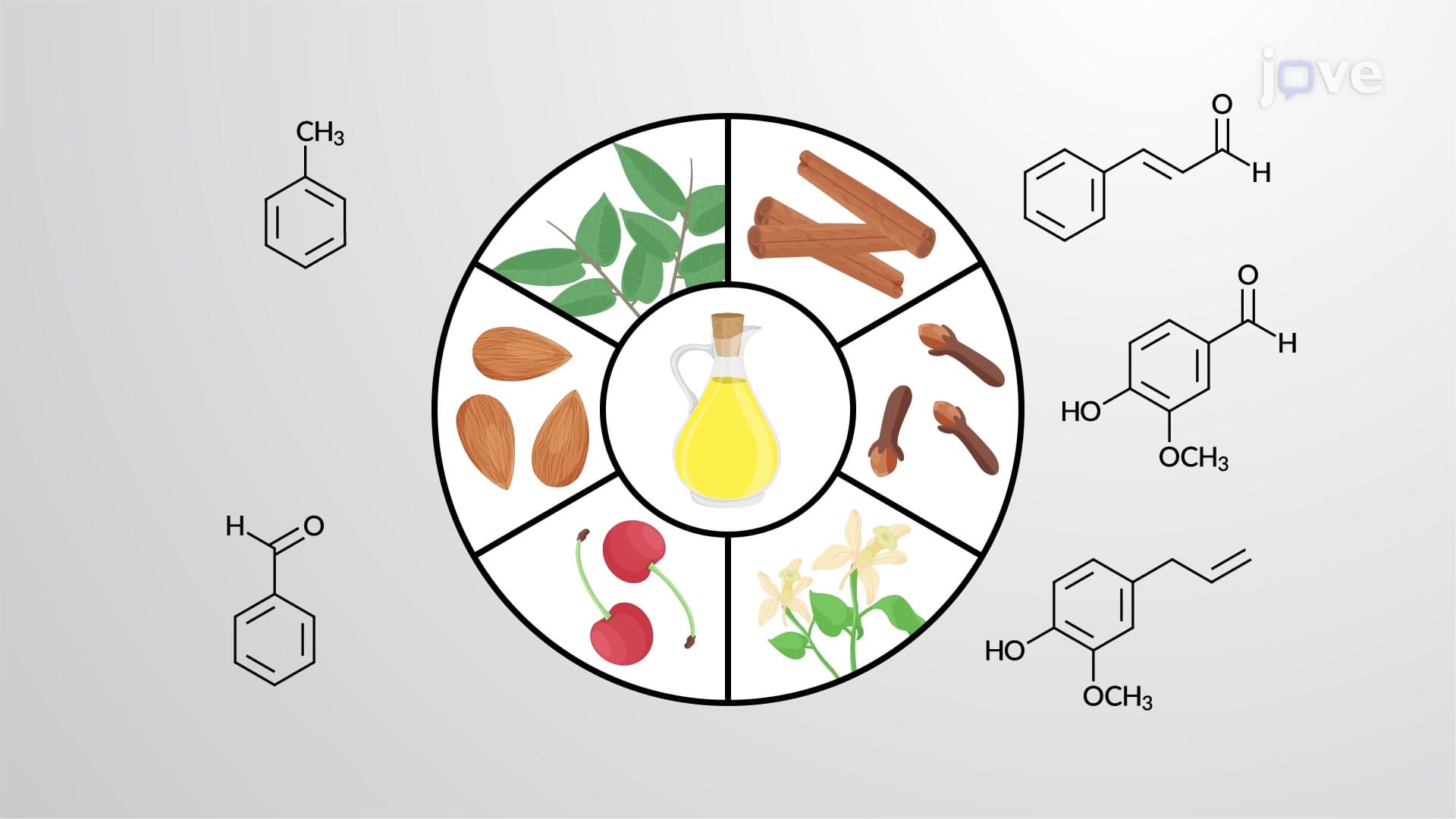
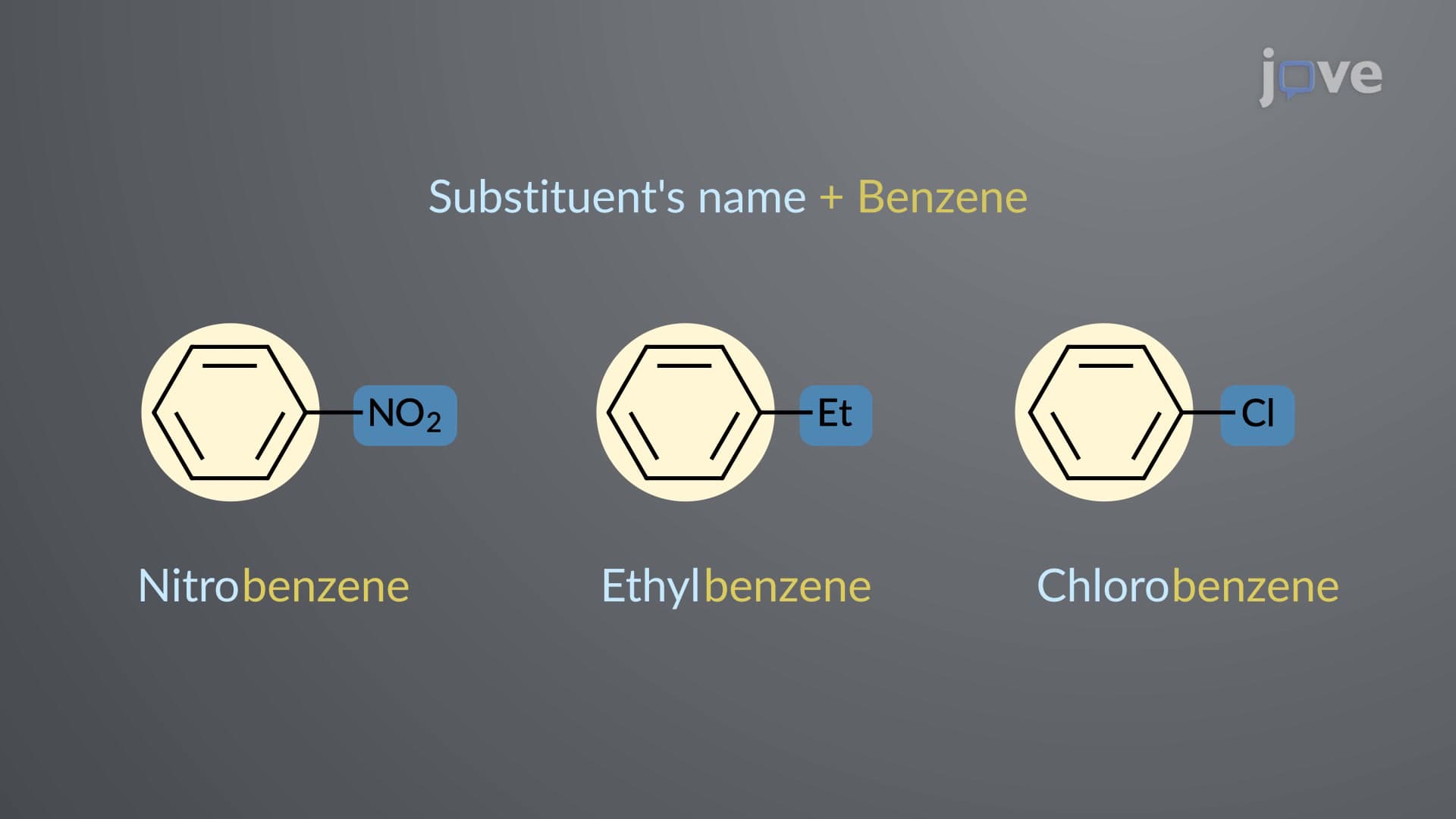
What is nomenclature of aromatic compounds with a single substituent in systematic terms? The IUPAC approach treats benzene as the parent structure, with substituents named as prefixes. Simple alkyl groups like methyl, ethyl, and propyl attach directly to create methylbenzene, ethylbenzene, and propylbenzene respectively. However, pharmaceutical chemistry often employs accepted common names-toluene for methylbenzene appears in everything from adhesives to nail polish removers, while phenol (hydroxybenzene) serves as a key antiseptic component.
The Six-Carbon Decision Rule
A critical nomenclature aromatic compounds definition principle involves substituent size evaluation. When alkyl chains contain six or fewer carbons, chemists name the compound as an alkyl-substituted benzene (like butylbenzene). Beyond six carbons, or when complex functional groups exist, the benzene ring becomes the substituent, creating phenyl-substituted compounds. Consider 2-phenylheptane: the seven-carbon heptane chain takes precedence as the parent, with benzene serving as a phenyl substituent at position two.
Essential Substituent Groups and Abbreviations
Three fundamental aromatic substituents dominate organic chemistry nomenclature. The phenyl group (Ph = C6H5-) represents benzene minus one hydrogen, commonly found in pharmaceuticals like phenylephrine nasal decongestants. Benzyl (Bn = C6H5CH2-) adds a methylene bridge, appearing in benzyl alcohol antiseptics and benzyl chloride industrial solvents. The general term aryl (Ar) encompasses any aromatic substituent, frequently used in synthetic organic chemistry mechanisms taught in advanced college courses and referenced in MCAT preparation materials.
Understanding these naming conventions proves essential for success in standardized exams, laboratory work, and pharmaceutical applications throughout American chemistry education.
Frequently Asked Questions
Single substituent aromatic nomenclature follows IUPAC rules where substituents attach as prefixes to benzene (like methylbenzene) or benzene becomes a phenyl substituent on larger chains (like 2-phenyloctane). The six-carbon rule determines which approach to use. Common names like toluene and phenol are also accepted for simple compounds.
Use benzene as the parent when the substituent has six or fewer carbons and no complex functional groups, creating names like ethylbenzene or propylbenzene. Switch to phenyl nomenclature when substituents exceed six carbons or contain multiple functional groups, such as 3-phenylnonane or phenylacetic acid.
Phenyl (Ph) is C6H5- (benzene minus one hydrogen), benzyl (Bn) is C6H5CH2- (phenyl plus methylene), and aryl (Ar) represents any aromatic substituent group. Think of aspirin containing a phenyl group, benzyl alcohol as an antiseptic, and aryl as the general term covering all aromatic substituents.
Exams frequently test the six-carbon naming rule, phenyl versus benzene parent selection, and common name recognition (toluene, phenol, aniline). MCAT questions often involve pharmaceutical examples with phenyl groups, while college midterms emphasize systematic IUPAC naming and abbreviation usage (Ph, Bn, Ar).
Drug naming relies heavily on phenyl and benzyl terminology-phenylephrine in decongestants, benzyl groups in preservatives, and aryl substituents in synthetic pathways. Chemical engineers use toluene nomenclature for solvents, while pharmaceutical chemists must master systematic naming for patent applications and FDA documentation.
Basic high school chemistry knowledge of molecular structure and bonding suffices as prerequisites. Understanding benzene's six-carbon ring structure and simple alkyl groups (methyl, ethyl, propyl) provides the foundation needed to master single substituent aromatic naming rules successfully.
Create flashcards linking common names to IUPAC names (toluene = methylbenzene), practice the six-carbon decision rule with various examples, and memorize the three key abbreviations (Ph, Bn, Ar). Focus on pharmaceutical examples since they appear frequently on standardized tests and provide memorable real-world connections.
Progress to polysubstituted benzene naming with ortho/meta/para positions, then explore heterocyclic aromatics like pyridine and furan. Advanced topics include aromatic substitution mechanisms, resonance effects, and complex pharmaceutical structures containing multiple aromatic rings.
Related Micro-courses