Loading subject page…

- Organic Chemistry
- Aromatic Compounds
- Nomenclature of Aromatic Compounds with Multiple Substituents
Micro-course: Aromatic Compounds
89,601 views
Learn key concepts and earn your certificate.




Nomenclature of Aromatic Compounds with Multiple Substituents


00:00
01:11
- Understand the fundamental principles behind Naming Polysubstituted Aromatic Compounds: Rules and Examples using both traditional and numerical IUPAC systems
- Identify ortho (1,2-), meta (1,3-), and para (1,4-) positioning patterns in disubstituted benzene derivatives through systematic analysis
- Apply alphabetical ordering rules when naming compounds with different substituents while assigning the lowest possible numerical locants
- Recognize when common names take precedence over systematic nomenclature, requiring specific substituents to receive locant position one
- Analyze polysubstituted aromatic compounds with three or more substituents using numerical positioning exclusively rather than ortho/meta/para designations
- Compare systematic IUPAC naming conventions with traditional common names to determine the most appropriate nomenclature approach
- Evaluate complex aromatic structures to determine parent molecules and derivative relationships in pharmaceutical and industrial compounds
- Explore real-world applications of aromatic nomenclature in drug development, materials science, and chemical manufacturing processes
Understanding Naming Polysubstituted Aromatic Compounds Fundamentals
The nomenclature of aromatic compounds with multiple substituents represents a cornerstone of organic chemistry that students encounter throughout high school AP Chemistry and college-level courses. This systematic approach ensures chemists worldwide can unambiguously identify complex aromatic molecules, from simple industrial solvents to sophisticated pharmaceutical compounds developed by major US drug manufacturers like Pfizer and Johnson & Johnson.
Disubstituted Benzene Nomenclature Systems
When naming aromatic compounds with exactly two substituents, chemists employ two complementary systems. The traditional approach uses positional prefixes: ortho (o-) for adjacent substituents, meta (m-) for substituents separated by one carbon, and para (p-) for substituents directly opposite each other. Alternatively, the numerical system assigns positions 1,2- (ortho), 1,3- (meta), and 1,4- (para). For example, para-dichlorobenzene, commonly used as a moth repellent sold in US hardware stores, can be named either p-dichlorobenzene or 1,4-dichlorobenzene.
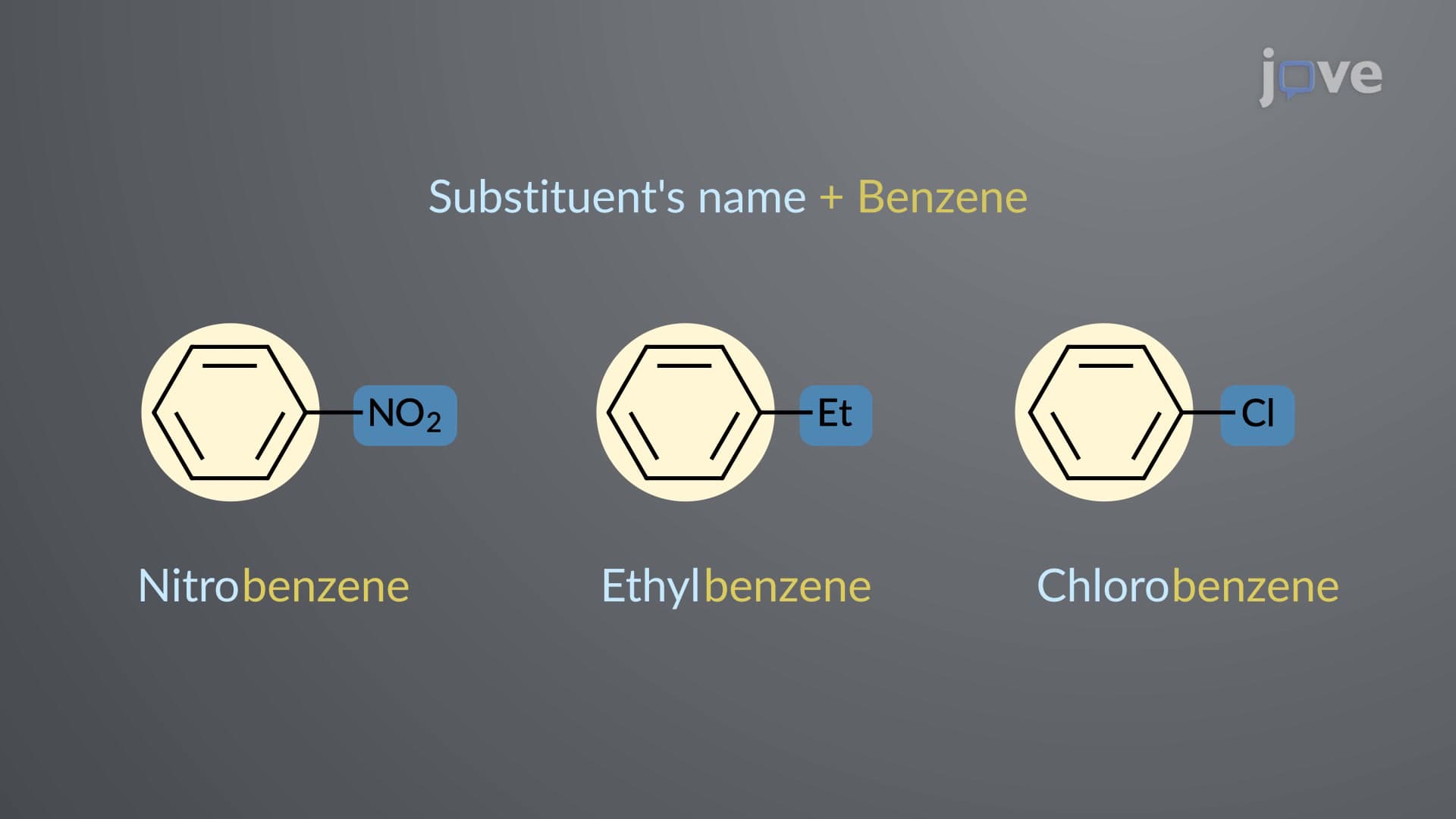
When substituents differ, alphabetical ordering determines naming priority. Consider a compound with both a chlorine and methyl group in para positions: this becomes 4-chlorotoluene, not 4-methylchlorobenzene, because the methyl group creates the toluene parent name, which takes precedence over systematic alphabetical ordering.
Polysubstituted Aromatic Nomenclature Strategies
Compounds containing three or more substituents exclusively use numerical positioning, abandoning ortho/meta/para terminology entirely. The nomenclature aromatic compounds multiple substituents strategy prioritizes assigning the lowest possible numbers to all substituents collectively. This often requires testing different starting positions to determine which numbering sequence yields the smallest numerical combination.
For instance, when naming 2,4,6-trinitrotoluene (TNT), the methyl group of toluene automatically receives position 1, and the three nitro groups occupy positions 2, 4, and 6—the lowest possible numbering sequence from that starting point.
Common Names and Parent Molecule Recognition
Certain substituents impart well-established common names that override systematic nomenclature rules. Compounds containing these recognizable parent structures—such as toluene (methylbenzene), aniline (aminobenzene), or phenol (hydroxybenzene)—are named as derivatives of these familiar molecules. This principle proves especially important for pre-med students preparing for the MCAT, where pharmaceutical nomenclature frequently appears in passage-based questions about drug mechanisms and metabolic pathways.
Understanding these naming conventions becomes crucial for success in advanced chemistry courses and standardized exams, where accurate structural interpretation often determines problem-solving success in both multiple-choice and free-response sections.
Frequently Asked Questions
The nomenclature of aromatic compounds with multiple substituents follows IUPAC rules that prioritize lowest numerical positioning and alphabetical ordering. For disubstituted compounds, you can use ortho/meta/para prefixes or numerical positions (1,2-/1,3-/1,4-), while polysubstituted compounds exclusively use numbers. When common names apply (toluene, aniline, phenol), these parent structures receive priority positioning.
The MCAT frequently includes aromatic nomenclature in biochemistry passages about drug metabolism and pharmaceutical chemistry, requiring students to interpret complex molecular structures. AP Chemistry exams test these concepts through both multiple-choice questions about IUPAC naming rules and free-response problems involving structure-to-name conversions. Both exams emphasize understanding systematic naming principles rather than memorizing specific compound names.
Lowest possible numbering always takes precedence over alphabetical order when assigning positions to substituents. However, once positions are determined using the lowest-number rule, substituents are listed alphabetically in the final name. For example, in 2-chloro-4-methylphenol, the numbering (2,4) gives the lowest possible combination, and "chloro" comes before "methyl" alphabetically in the name.
Pharmaceutical companies like Merck and Bristol Myers Squibb rely on precise aromatic nomenclature for drug development and FDA approval processes. For example, aspirin's chemical name (acetylsalicylic acid) immediately indicates its aromatic structure and functional groups, enabling chemists to predict its properties and metabolic pathways. Similarly, environmental chemists use systematic naming to identify aromatic pollutants in EPA monitoring reports.
You only need basic understanding of benzene structure and fundamental organic chemistry concepts typically covered in high school chemistry or college general chemistry courses. The nomenclature rules themselves are logical and systematic—once you master the ortho/meta/para patterns and alphabetical ordering principles, naming becomes straightforward. Most students successfully learn these concepts during sophomore or junior year of high school.
Focus on understanding the logical patterns rather than memorizing individual names. Practice with common pharmaceutical examples like ibuprofen and acetaminophen to make the concepts concrete and memorable. Create systematic flowcharts for decision-making: first identify the parent structure, then assign lowest possible numbers, finally arrange substituents alphabetically. Regular practice with diverse examples builds pattern recognition essential for exam success.
Mastering aromatic nomenclature provides the foundation for understanding electrophilic aromatic substitution mechanisms, drug design principles, and polymer chemistry concepts covered in upper-level courses. The naming patterns you learn directly apply to biochemical pathways involving aromatic amino acids and pharmaceutical chemistry principles tested in professional school entrance exams. This foundational knowledge becomes increasingly valuable as you progress through advanced STEM coursework.
Advance to electrophilic aromatic substitution reactions and their mechanisms, which explain how aromatic compounds form and react in biological systems. Additionally, explore aromatic compound spectroscopy (NMR and IR) to understand how chemists identify unknown aromatic structures in research and quality control applications. These topics frequently appear together in organic chemistry courses and standardized exams.
Related Micro-courses

Related Subjects

Analytical Chemistry16 micro-courses
›