Loading subject page…

- Organic Chemistry
- Aromatic Compounds
- Aromatic Compounds: Overview
Micro-course: Aromatic Compounds
89,601 views
Learn key concepts and earn your certificate.



Aromatic Compounds: Overview

00:00
01:25
Video Summary: What are Aromatic Compounds
Ever wondered why your medicine cabinet contains benzene rings? Aromatic compounds are special ring-shaped molecules that form the backbone of everything from aspirin to gasoline additives. These unique hydrocarbon structures, including benzene and its derivatives, behave completely differently from other unsaturated compounds despite having multiple bonds. From the acetylsalicylic acid in Bayer aspirin to the toluene used in US petroleum refining, aromatic compounds surround us daily. Watch the full video on JoVE Coach to master this concept with expert-led visuals and step-by-step explanations.
- Understand what aromatic compounds are and how their ring structure with conjugated bonds makes them unique from other hydrocarbons
- Identify the key characteristics that distinguish aromatic compounds from alkenes, alkynes, and open-chain polyenes
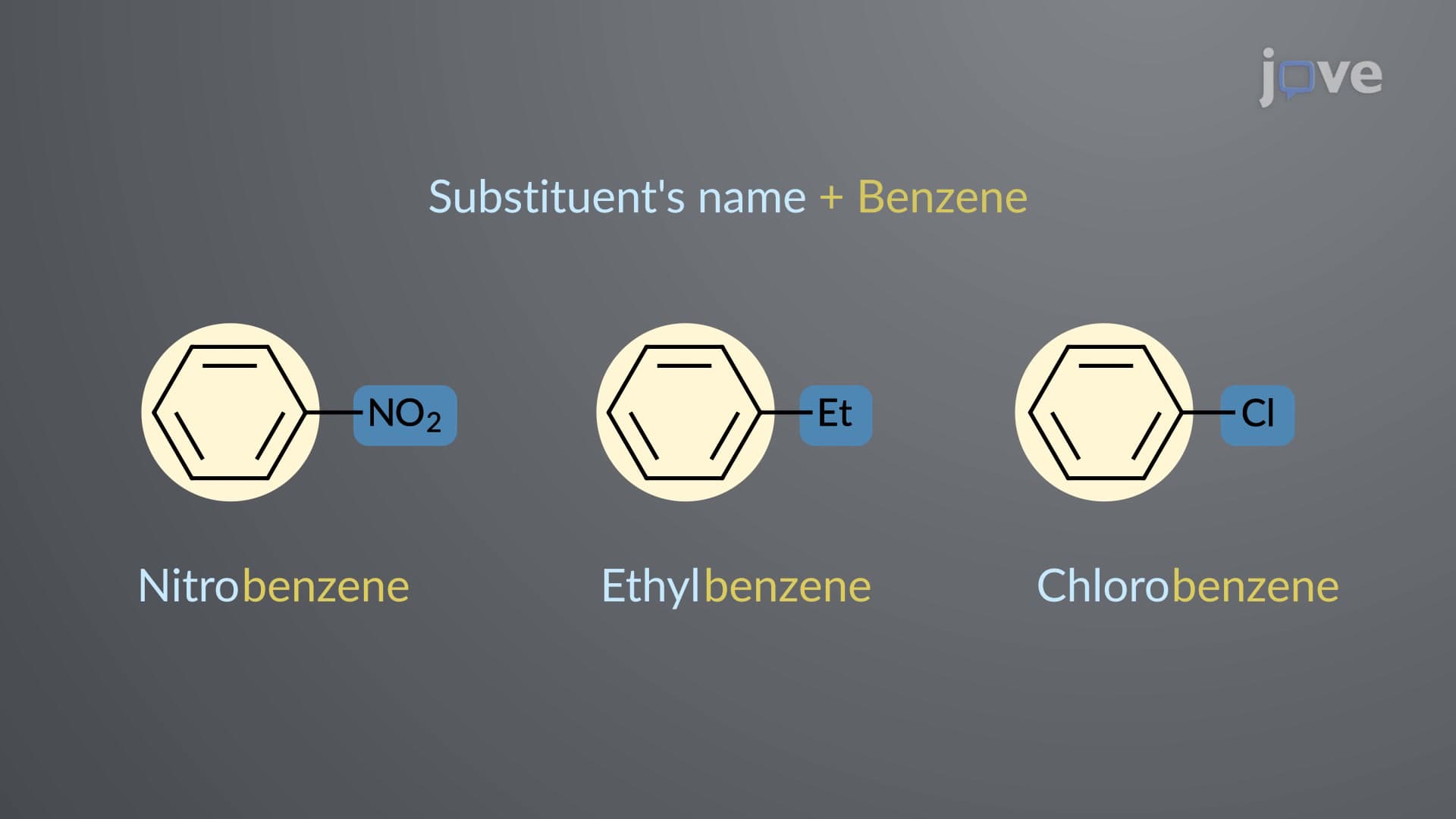
- Recognize common aromatic compounds like benzene, toluene, xylene, and naphthalene in everyday products and industrial applications
- Analyze why the term "aromatic" persists for all benzene derivatives, regardless of their actual smell or odor properties
- Compare the chemical behavior of aromatic compounds to other unsaturated hydrocarbons and explain their stability
- Apply knowledge of aromatic compound sources, including coal tar fractional distillation and petroleum refining processes
- Evaluate real-world examples of aromatic compounds in pharmaceuticals, from odorless aspirin to naturally fragrant compounds like eugenol from cloves
- Explore how aromatic compounds are produced industrially through alkane conversion during petroleum refining in the United States
Understanding Aromatic Compounds: Structure and Bonding
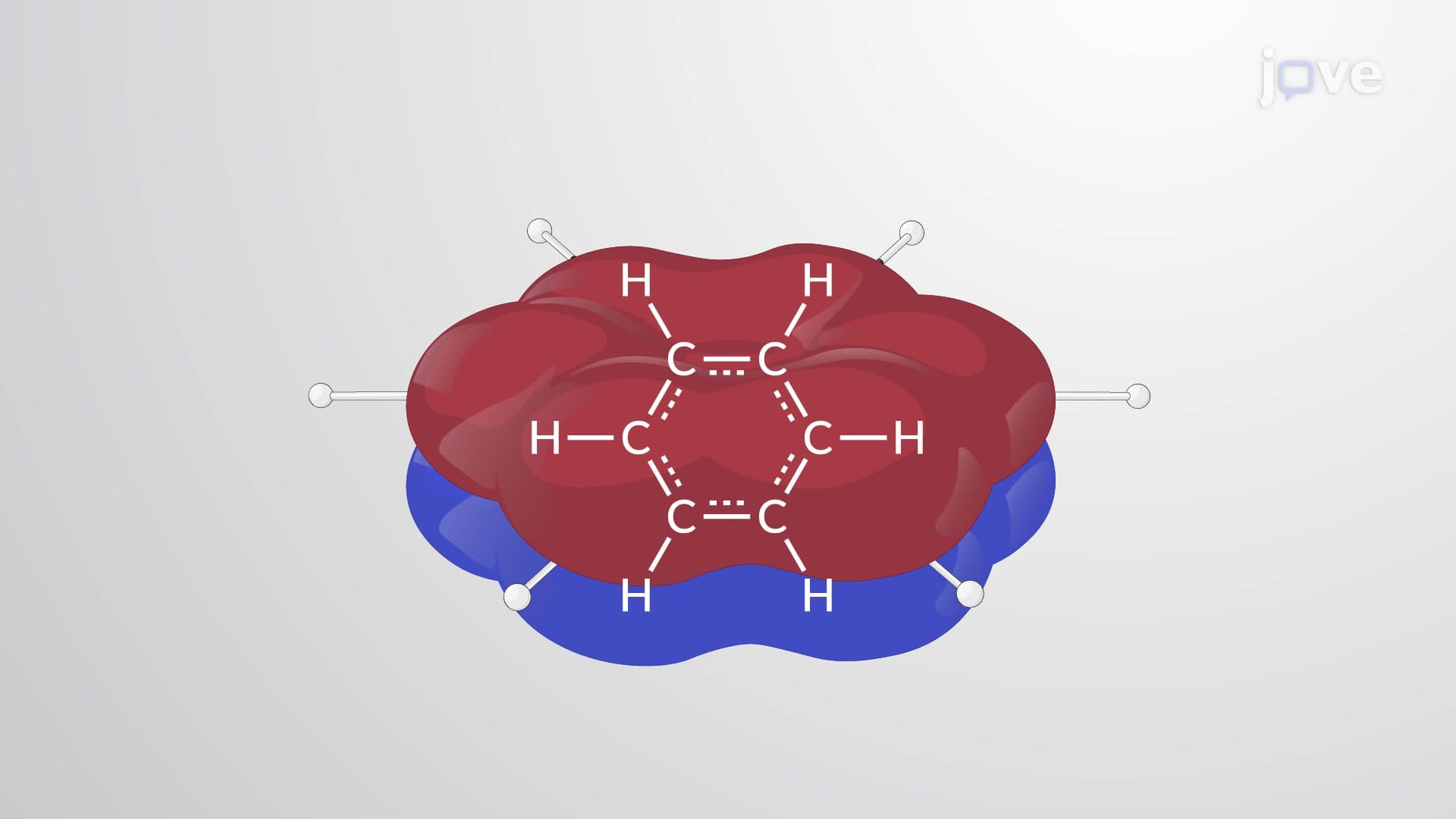
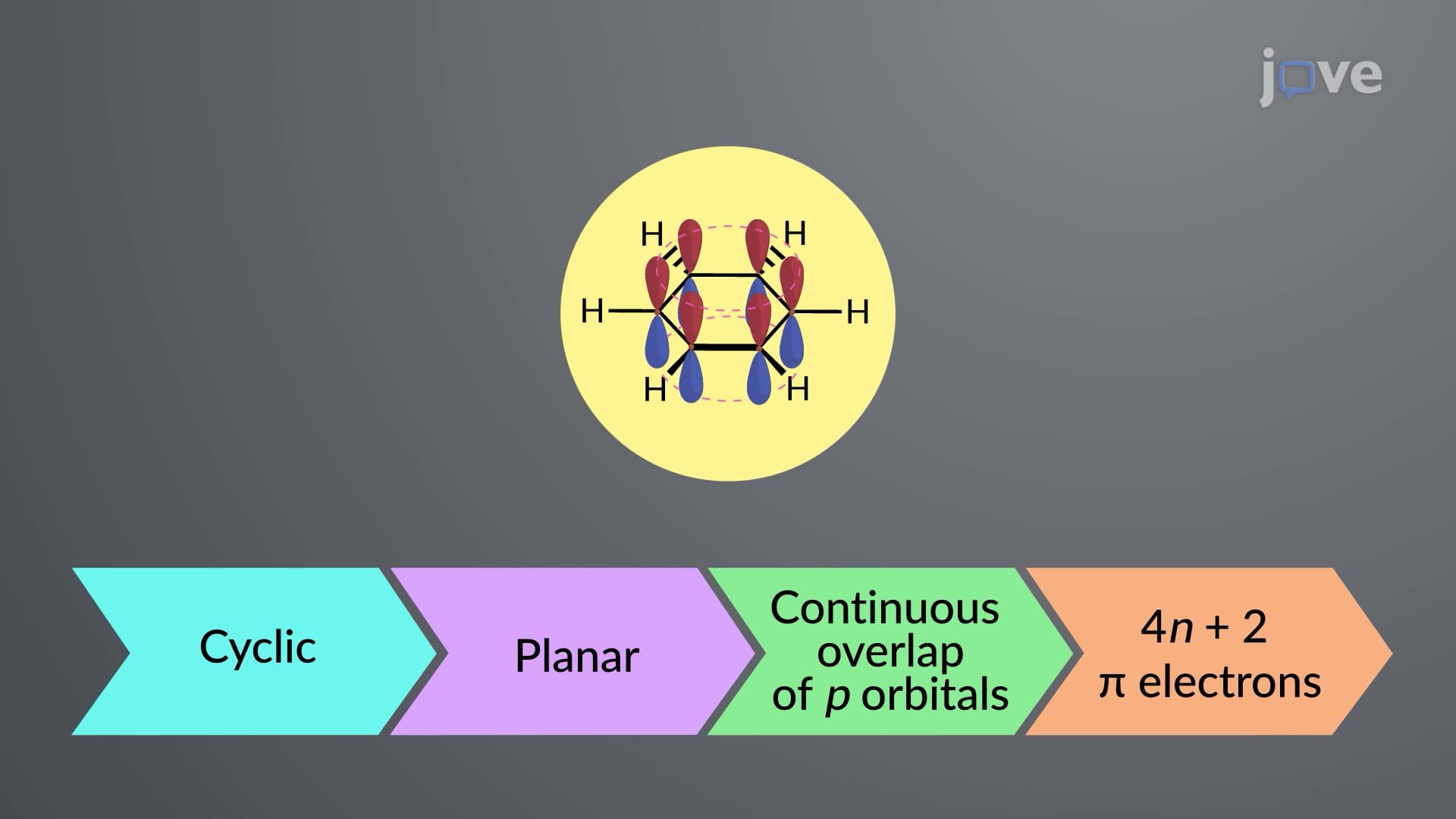
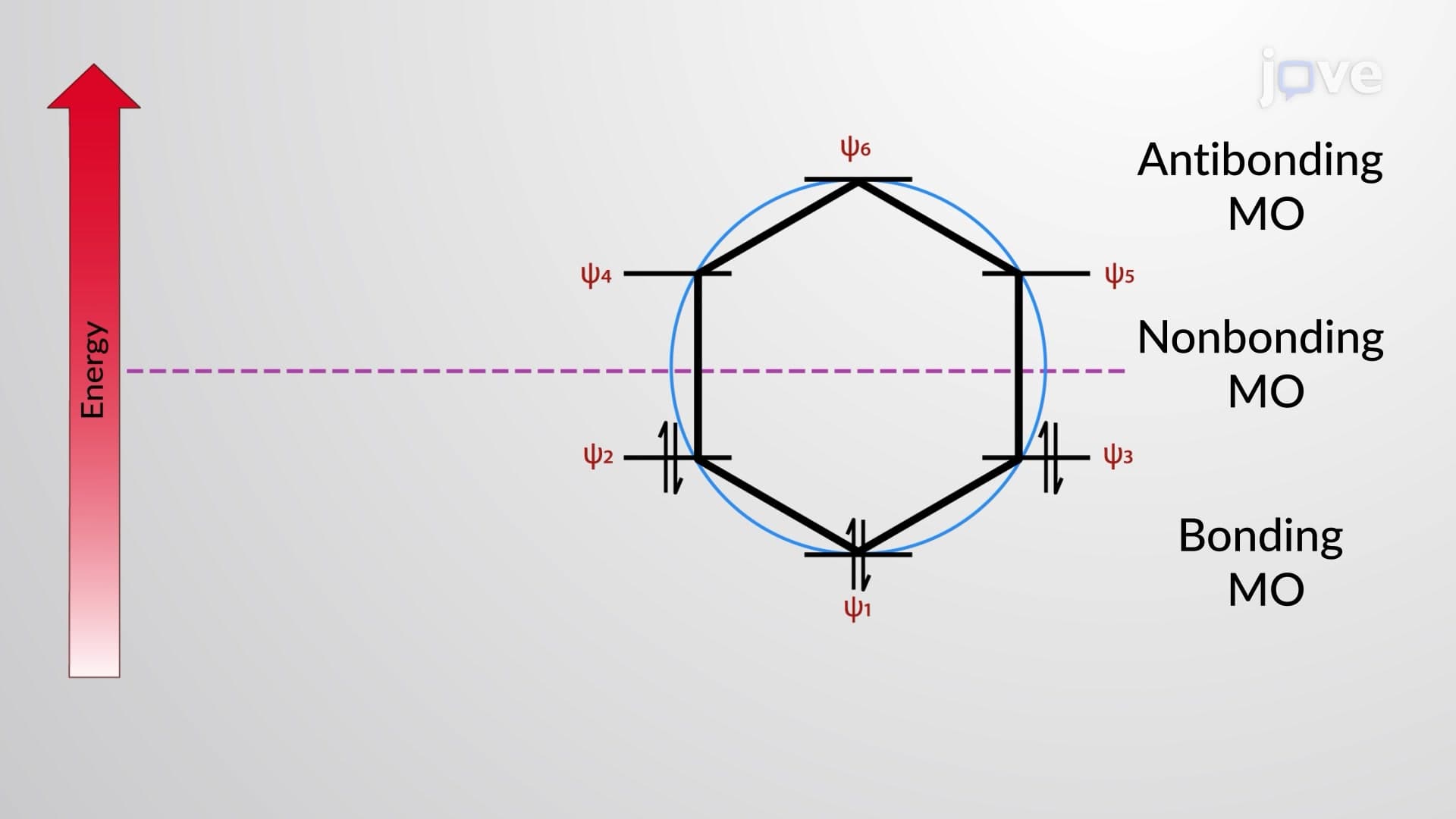
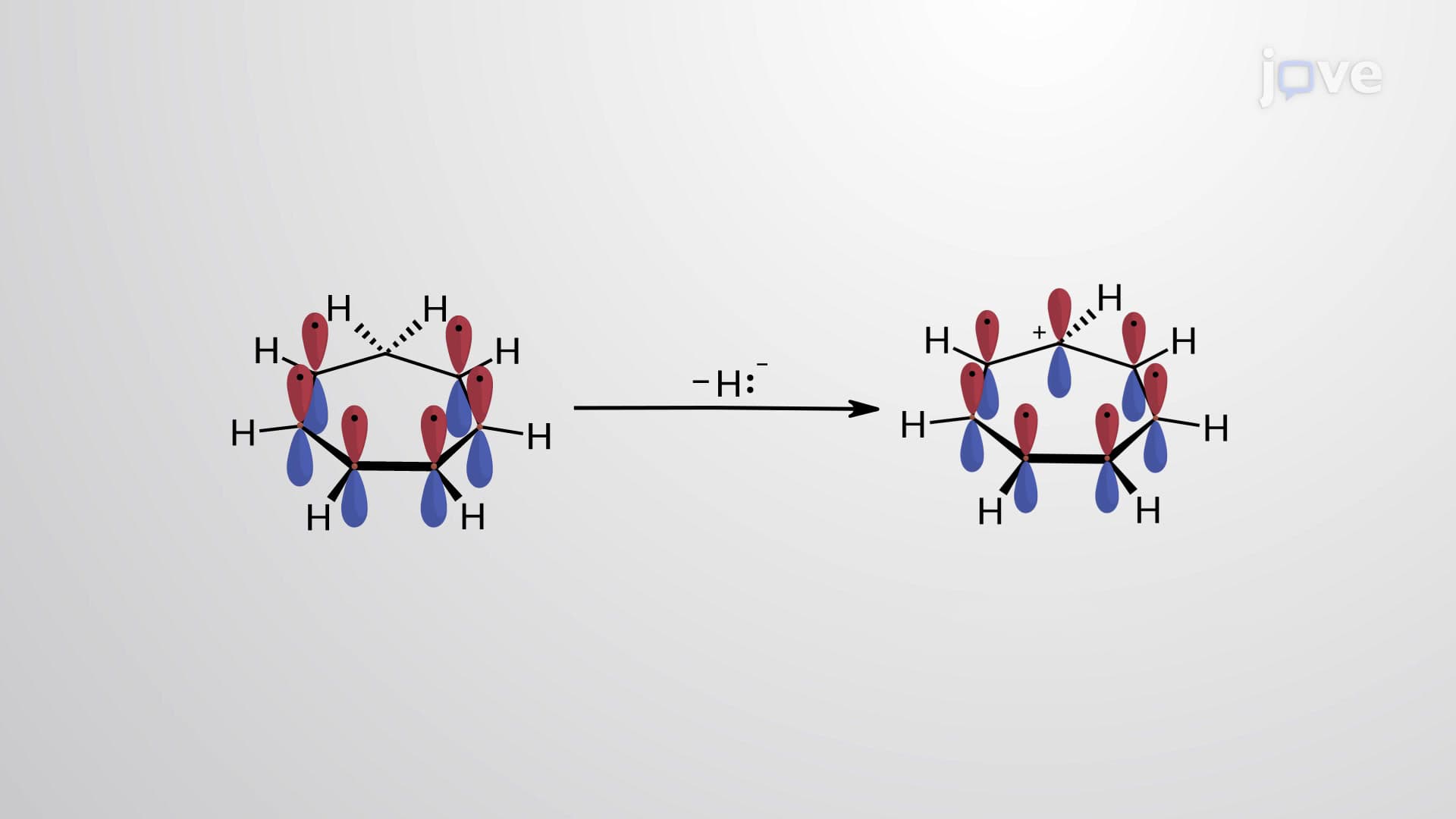
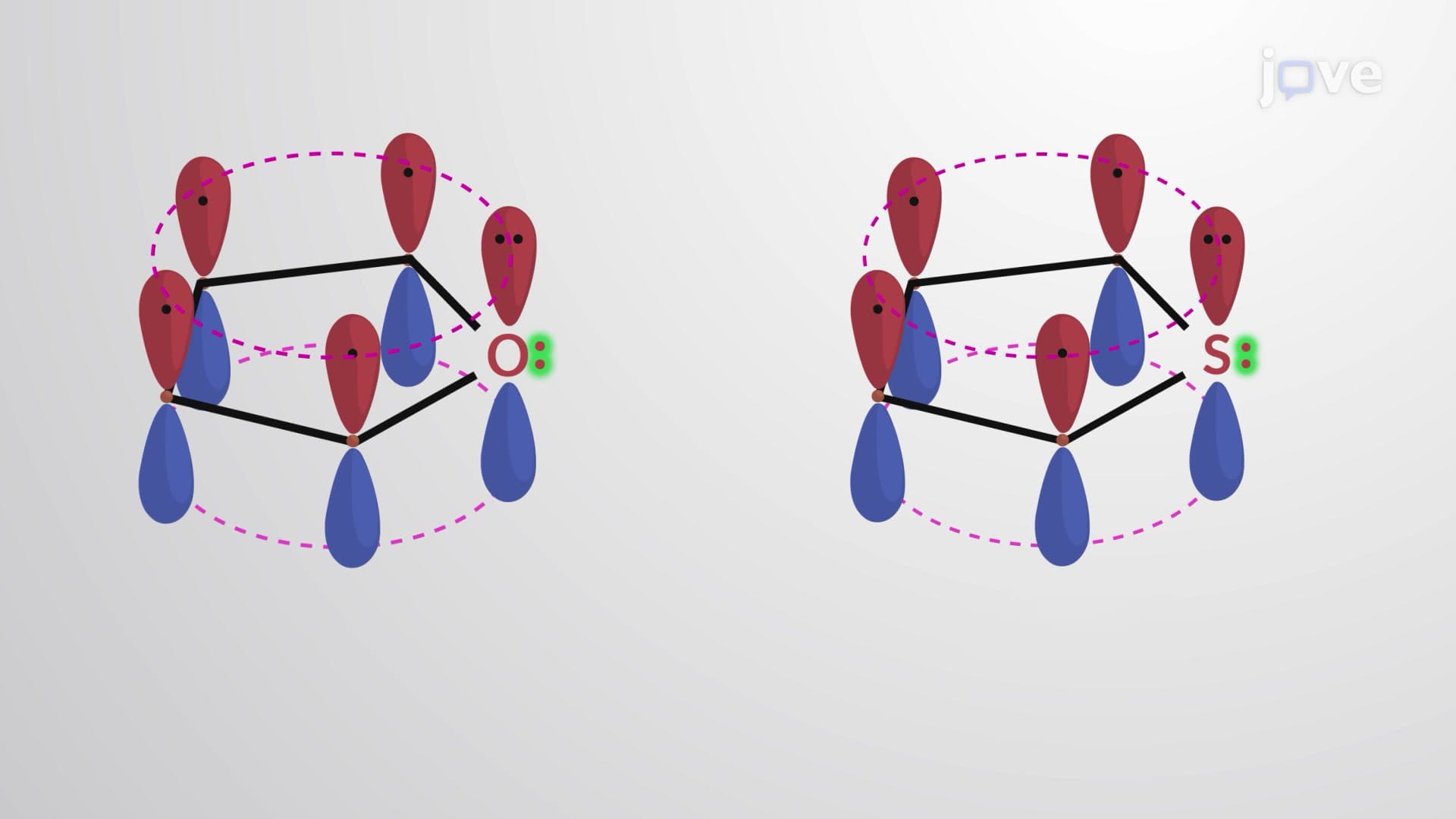
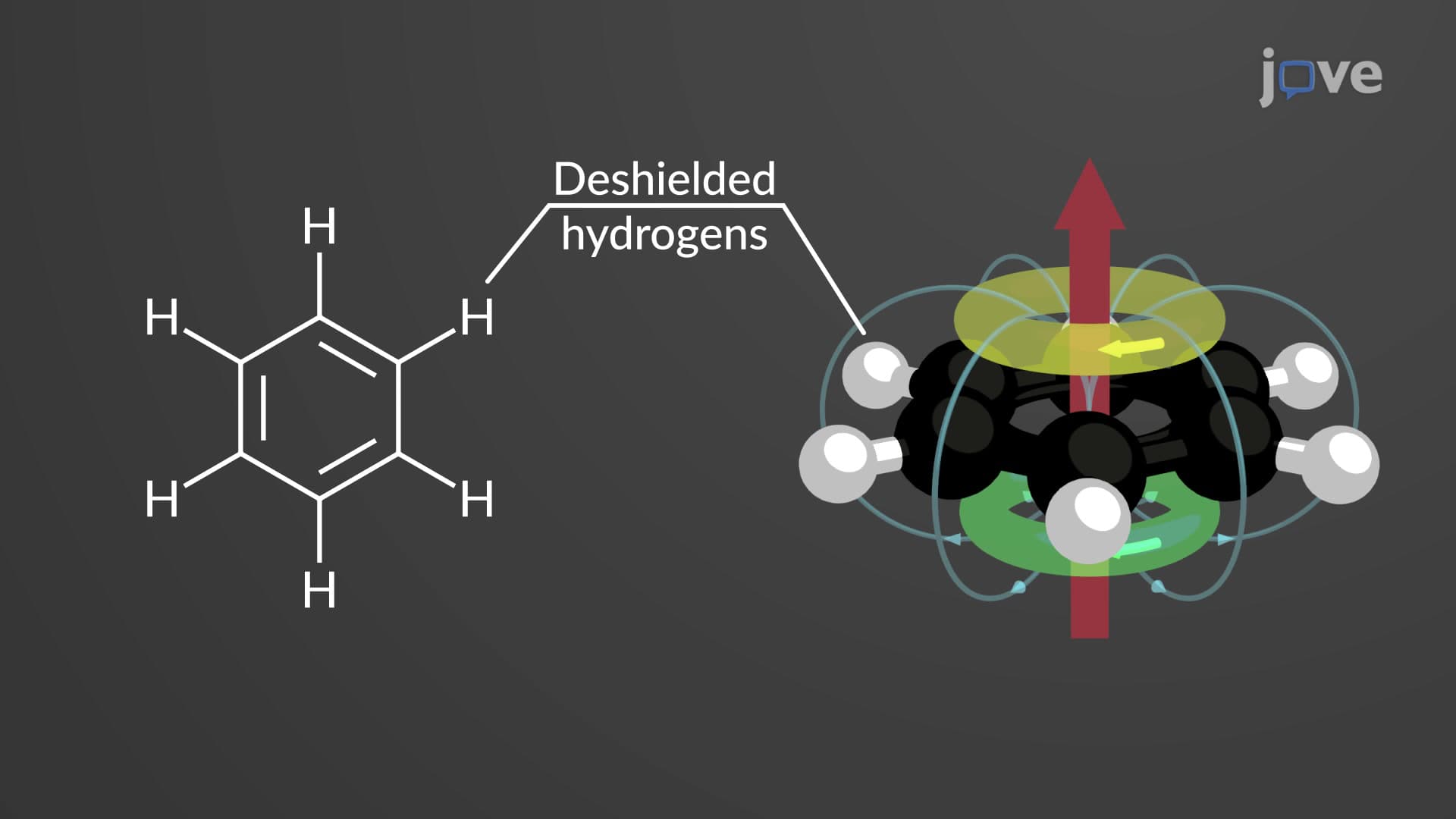
Aromatic compounds represent a fascinating class of organic molecules characterized by their distinctive ring structures containing conjugated double bonds. Unlike typical alkenes or alkynes, these compounds exhibit remarkable stability due to electron delocalization around the ring system. The most famous example, benzene (C6H6), serves as the parent compound for this entire family of molecules.
The term "aromatic" originates from early organic chemistry when scientists first isolated these compounds from natural sources with distinctive fragrances. However, modern chemistry defines aromaticity based on structural criteria rather than odor. This explains why odorless pharmaceutical compounds like acetylsalicylic acid (aspirin) are still classified as aromatic—they contain the characteristic benzene ring system that defines this molecular family.
Industrial Sources and Production Methods
In the United States, aromatic compounds primarily come from two major industrial sources: coal tar and petroleum refining. Coal tar fractional distillation, a process perfected during America's industrial expansion, yields numerous aromatic compounds including benzene, toluene, xylene, and naphthalene. These compounds serve as building blocks for everything from pharmaceuticals to polymers.
Petroleum refining represents the larger source of aromatic compounds in modern US industry. Through catalytic reforming processes, petroleum companies convert straight-chain alkanes into aromatic compounds, particularly for gasoline production. Major US refineries like those operated by ExxonMobil and Chevron use these processes to produce millions of tons of aromatic compounds annually.
Chemical Behavior and Stability
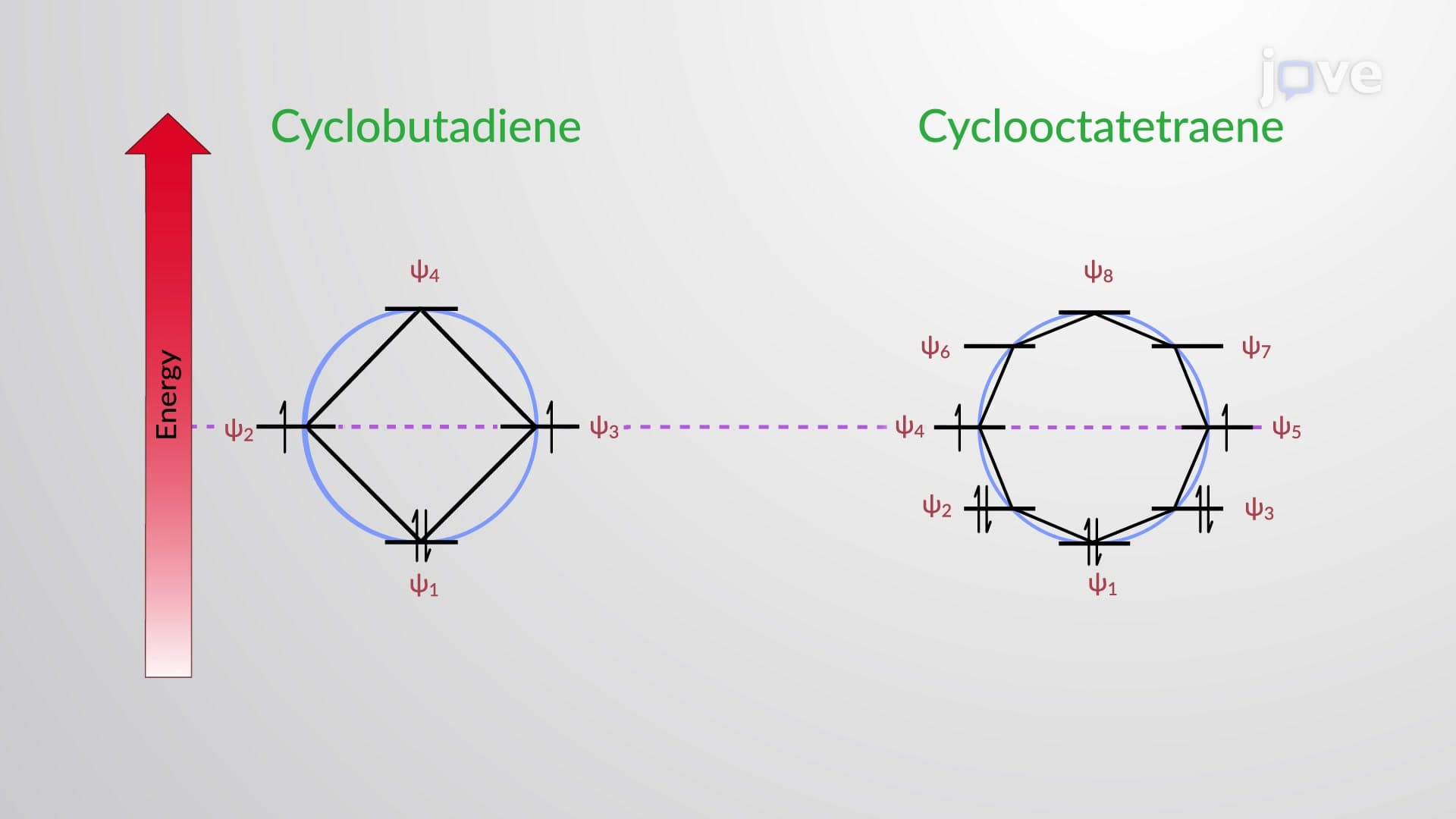
What makes aromatic compounds unique is their chemical behavior compared to other unsaturated hydrocarbons. While alkenes readily undergo addition reactions, aromatic compounds prefer substitution reactions that preserve their stable ring structure. This stability, known as aromatic stabilization energy, makes benzene about 36 kcal/mol more stable than expected for a hypothetical cyclohexatriene structure.
Understanding this concept proves crucial for AP Chemistry and college organic chemistry courses, where students must predict reaction outcomes and explain molecular stability. The resonance structures of benzene, showing electron delocalization, frequently appear on standardized tests including the MCAT and advanced placement exams.
Real-World Applications in American Industry
Aromatic compounds permeate American commerce and daily life. The pharmaceutical industry relies heavily on aromatic compounds—from aspirin manufactured by major US companies to complex drug molecules developed by firms like Pfizer and Merck. In the petrochemical sector, companies like Dow Chemical and DuPont use aromatic compounds as precursors for plastics, synthetic fibers, and industrial solvents.
Frequently Asked Questions
Aromatic compounds are ring-shaped hydrocarbons with conjugated double bonds that exhibit unique stability and chemical behavior. Unlike alkenes or alkynes, they resist addition reactions and prefer substitution reactions that preserve their stable ring structure. This stability comes from electron delocalization around the ring system, making them fundamentally different from other unsaturated compounds.
AP Chemistry frequently tests aromatic compound recognition, stability concepts, and reaction predictions. Students must identify benzene derivatives, explain resonance stabilization, and predict whether compounds undergo addition or substitution reactions. Practice with College Board released exams shows these concepts appear in both multiple-choice and free-response sections.
Absolutely—aromatic compounds represent a major topic on MCAT organic chemistry, comprising roughly 15% of the chemical processes questions. You'll need to identify aromatic systems, predict reaction mechanisms, and understand how aromaticity affects molecular stability and reactivity. Strong foundation knowledge directly improves your subsection score.
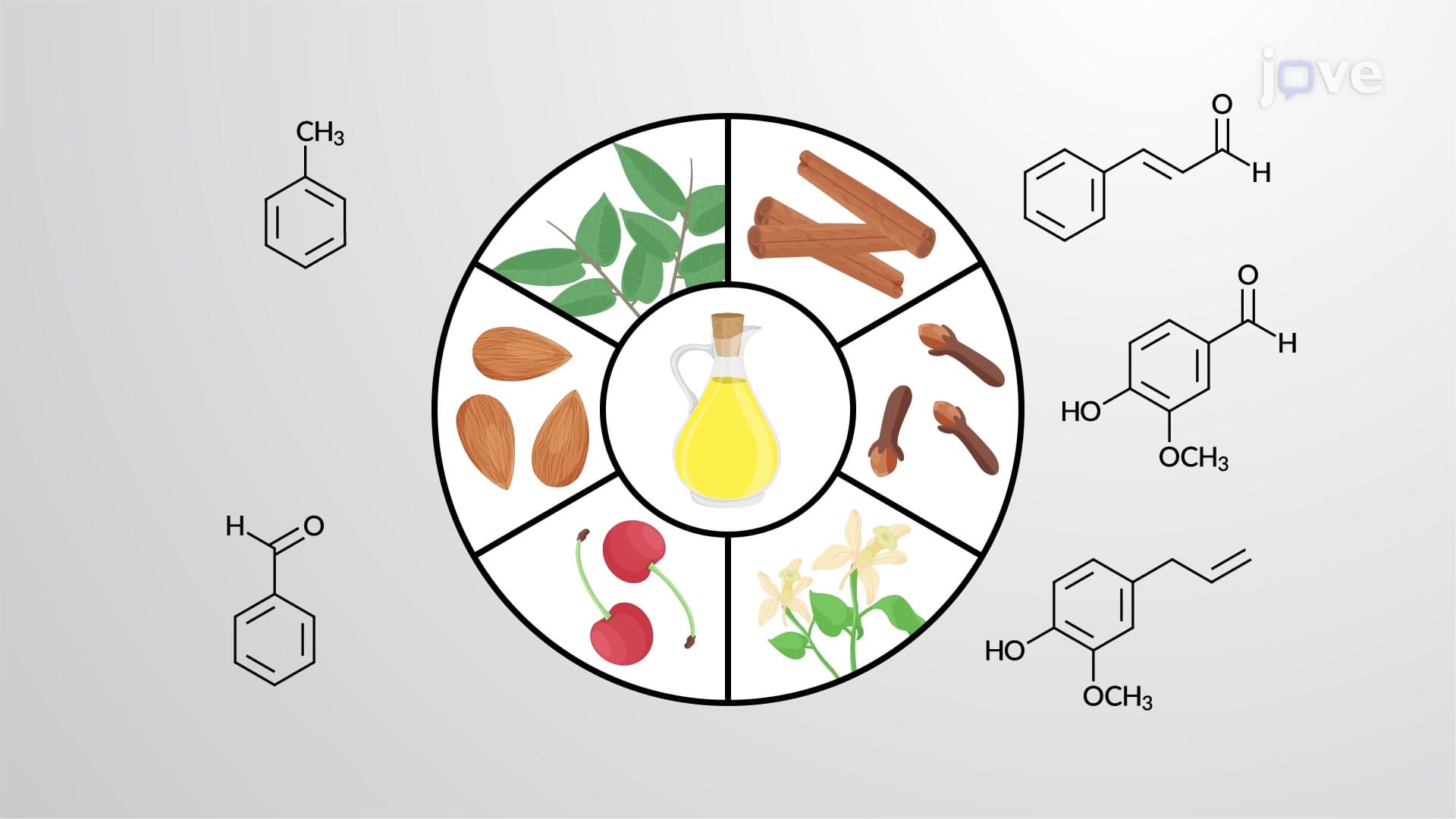
Aromatic compounds appear throughout daily life in the US—from aspirin in your medicine cabinet to the toluene in gasoline at American gas stations. Food flavoring companies use aromatic compounds like benzaldehyde (almond flavor) and eugenol (clove spice), while major manufacturers incorporate them into plastics, synthetic fabrics, and cleaning products.
Not at all—aromatic compounds require only basic chemistry knowledge and pattern recognition skills. While electron delocalization involves some theoretical concepts, high school students can master this topic by focusing on structure identification and reaction patterns. The key is understanding ring systems and stability concepts rather than complex calculations.
Create visual flashcards linking structures to real-world sources—benzaldehyde with almonds, toluene with petroleum, eugenol with cloves. Practice drawing benzene rings repeatedly until automatic, then add substituents systematically. Many students find success using molecular model kits to build three-dimensional understanding before exams.
Aromatic compounds play significant roles in environmental chemistry, particularly in air quality monitoring around US industrial areas. Compounds like benzene are tracked as air pollutants by the EPA, while aromatic hydrocarbons in petroleum products affect groundwater contamination studies. Understanding their stability helps explain their environmental persistence.
Build toward electrophilic aromatic substitution reactions, polycyclic aromatic hydrocarbons, and heterocyclic compounds containing nitrogen or oxygen in the ring. These concepts prepare you for advanced organic chemistry courses and professional programs like pharmacy or chemical engineering at major US universities.
Related Micro-courses