Loading subject page…

- Organic Chemistry
- Aromatic Compounds
- Aromatic Hydrocarbon Cations: Structural Overview
Micro-course: Aromatic Compounds
89,601 views
Learn key concepts and earn your certificate.


Aromatic Hydrocarbon Cations: Structural Overview

00:00
01:18
Video Summary: What Is Aromatic Hydrocarbon Cations Structural
Why do some molecular ions exhibit extraordinary stability while their neutral counterparts remain unreactive? Understanding aromatic hydrocarbon cations structural properties reveals how removing electrons can transform ordinary molecules into remarkably stable charged species. Consider cycloheptatrienyl cation, found in advanced organic chemistry research at institutions like MIT and Stanford-this seven-carbon ring system gains exceptional stability through electron delocalization despite carrying a positive charge. The structural requirements for aromatic hydrocarbon cations structural formation involve specific electron counts and orbital arrangements that follow Hückel's rule. Watch the full video on JoVE Coach to master this concept with expert-led visuals and step-by-step explanations.
- Understand what is aromatic hydrocarbon cations structural and how they differ from neutral aromatic compounds in electron count and stability patterns
- Identify the specific structural requirements for cation formation, including the conversion from sp³ to sp² hybridization and creation of empty p orbitals
- Analyze how Hückel's 4n+2 rule applies to charged aromatic systems and determines their stability compared to neutral precursors
- Compare the electronic properties of cycloheptatrienyl cation with its neutral cycloheptatriene form to understand aromaticity differences
- Evaluate resonance structures and electrostatic potential maps as evidence for aromatic character in positively charged hydrocarbon systems
- Apply knowledge of orbital overlap and delocalization to predict which cationic species will exhibit aromatic stability
- Recognize the role of molecular orbital theory and Frost diagrams in explaining the bonding patterns of aromatic cations
- Explore real-world applications of aromatic cations in organic synthesis and pharmaceutical chemistry research
Understanding Aromatic Hydrocarbon Cations Structural Framework
Aromatic hydrocarbon cations represent a fascinating class of organic ions where positive charge paradoxically creates exceptional molecular stability. Unlike their neutral counterparts, these charged species achieve aromaticity through carefully balanced electron systems that satisfy Hückel's fundamental rule while maintaining continuous orbital overlap.
Electronic Requirements and Hückel's Rule Application
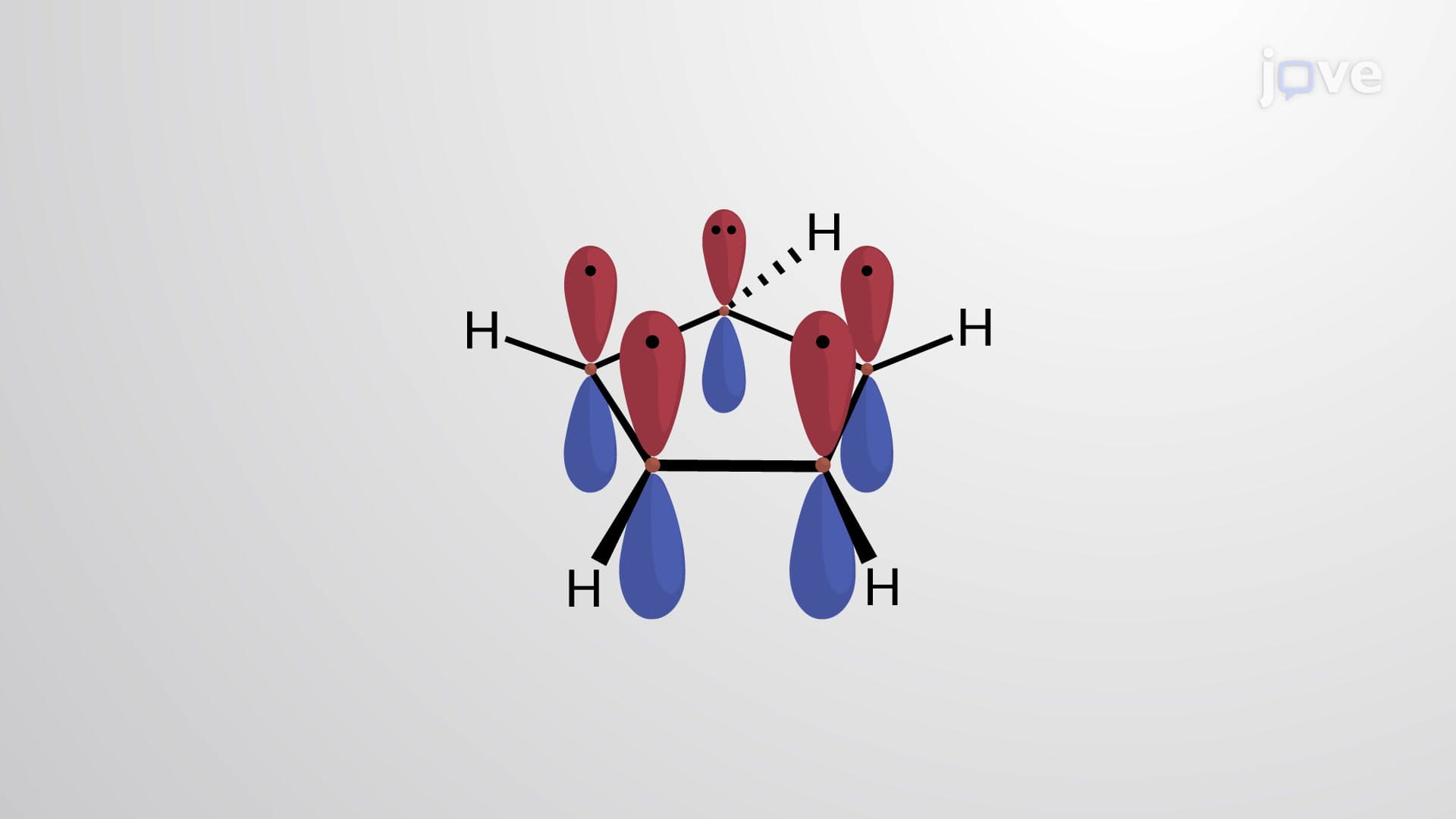
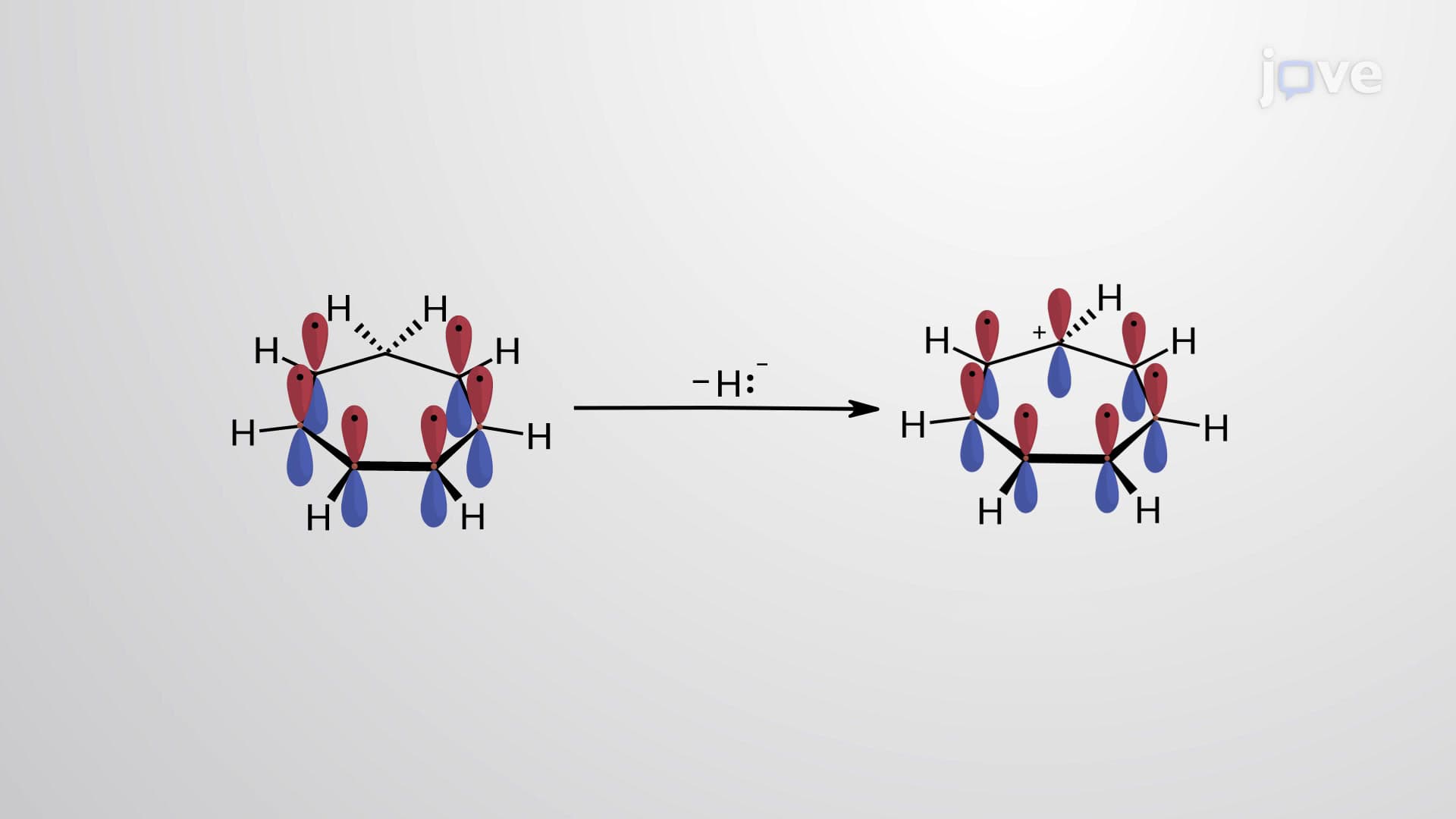
The formation of aromatic cations follows specific electronic criteria. Cycloheptatrienyl cation exemplifies this principle-while neutral cycloheptatriene contains seven carbons with six π electrons, the presence of an sp³ carbon disrupts complete conjugation. Upon losing a hydrogen atom and forming a cation, the system transforms: the sp³ carbon becomes sp² hybridized, creating an empty p orbital that enables continuous overlap around the ring.
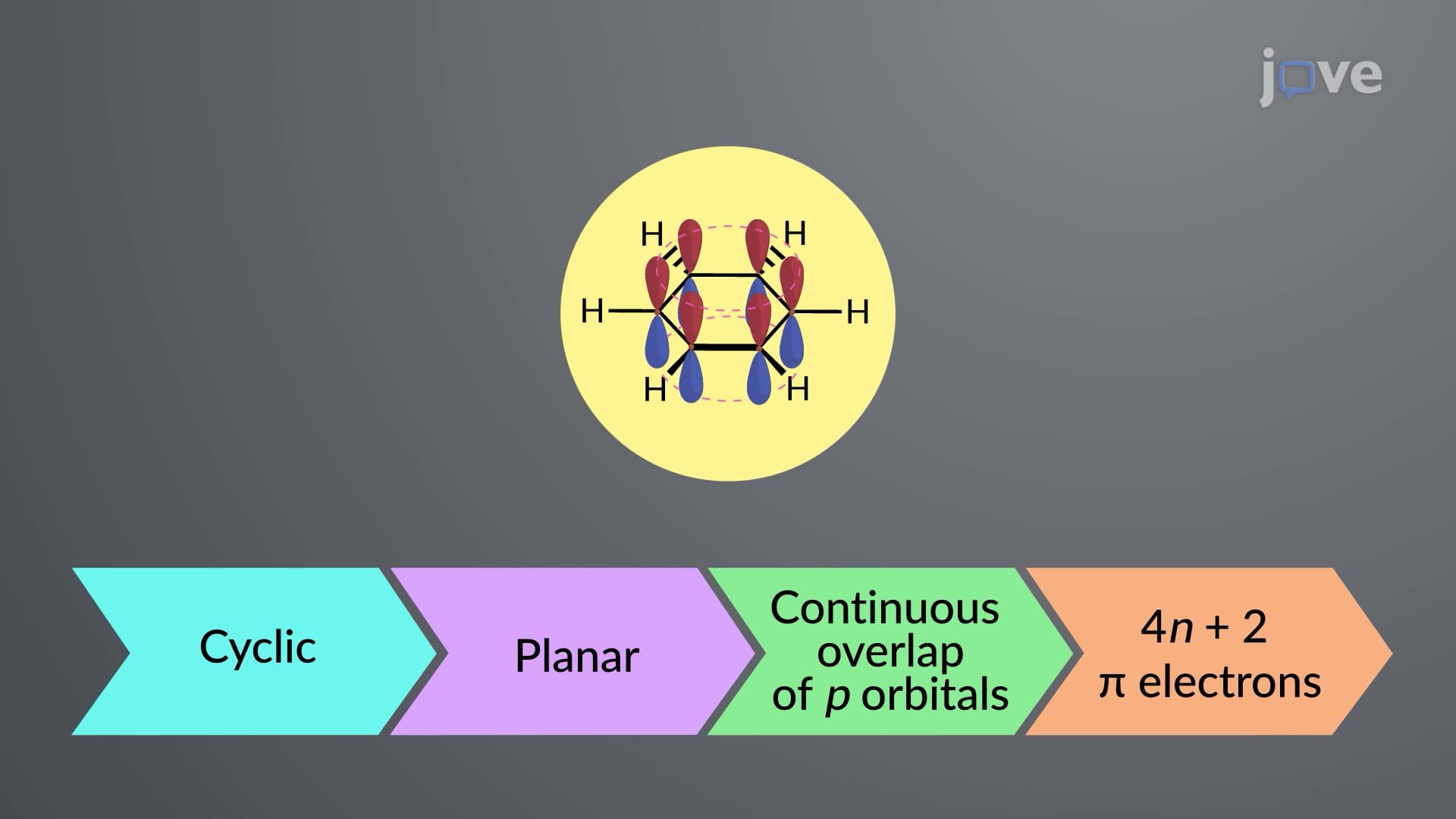
This structural change is crucial for AP Chemistry and college organic chemistry courses. Students preparing for the MCAT encounter these concepts when studying advanced bonding theories. The resulting six-electron system perfectly fits Hückel's 4n+2 rule (where n=1), establishing true aromatic character through complete delocalization.
Experimental Evidence for Aromatic Character
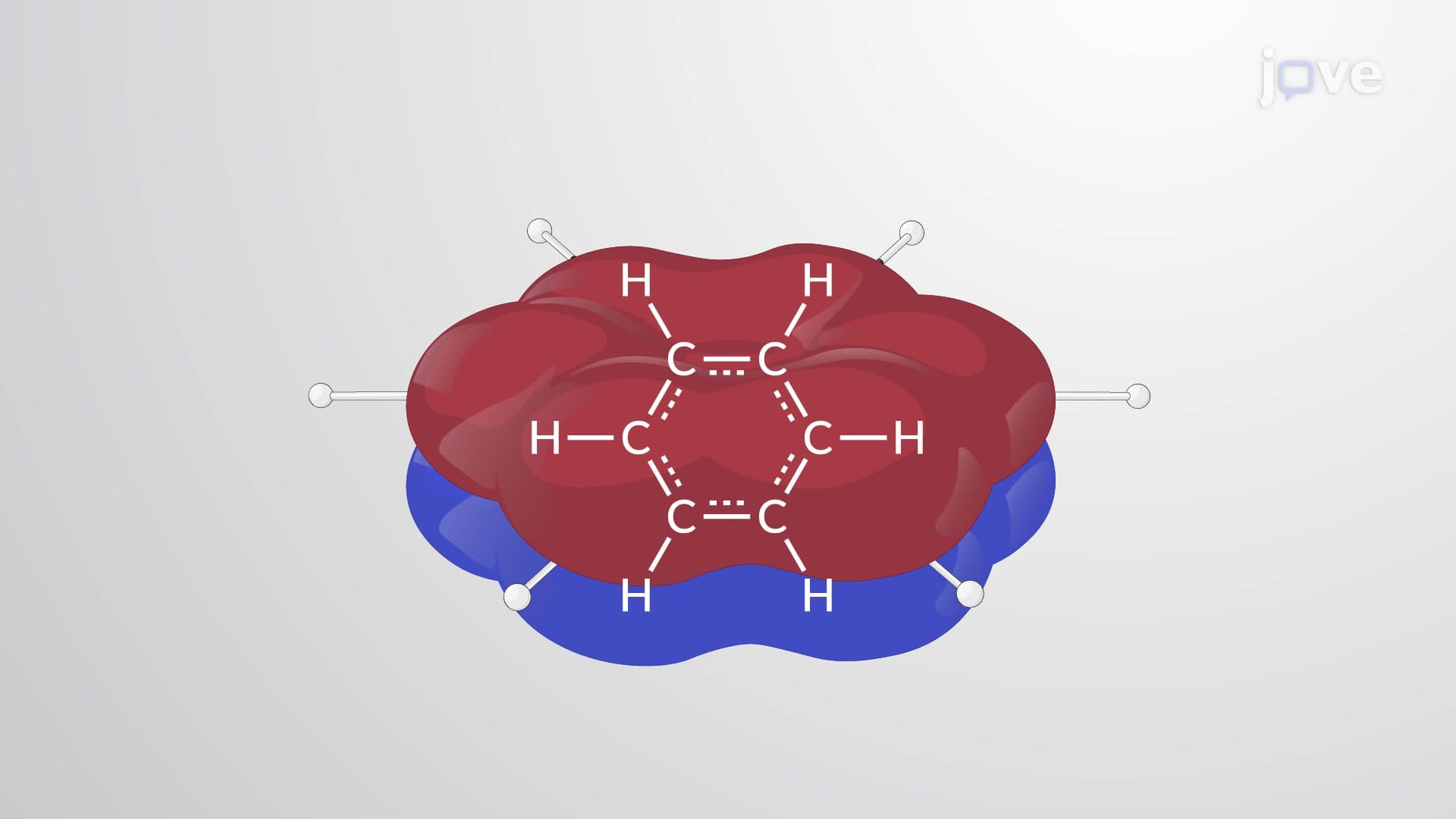
Multiple analytical techniques confirm the aromatic nature of these cations. Resonance structures demonstrate charge distribution-cycloheptatrienyl cation exhibits seven equivalent resonance forms, indicating complete delocalization. Electrostatic potential mapping reveals symmetrical charge distribution, unlike localized carbocations studied in introductory chemistry courses.
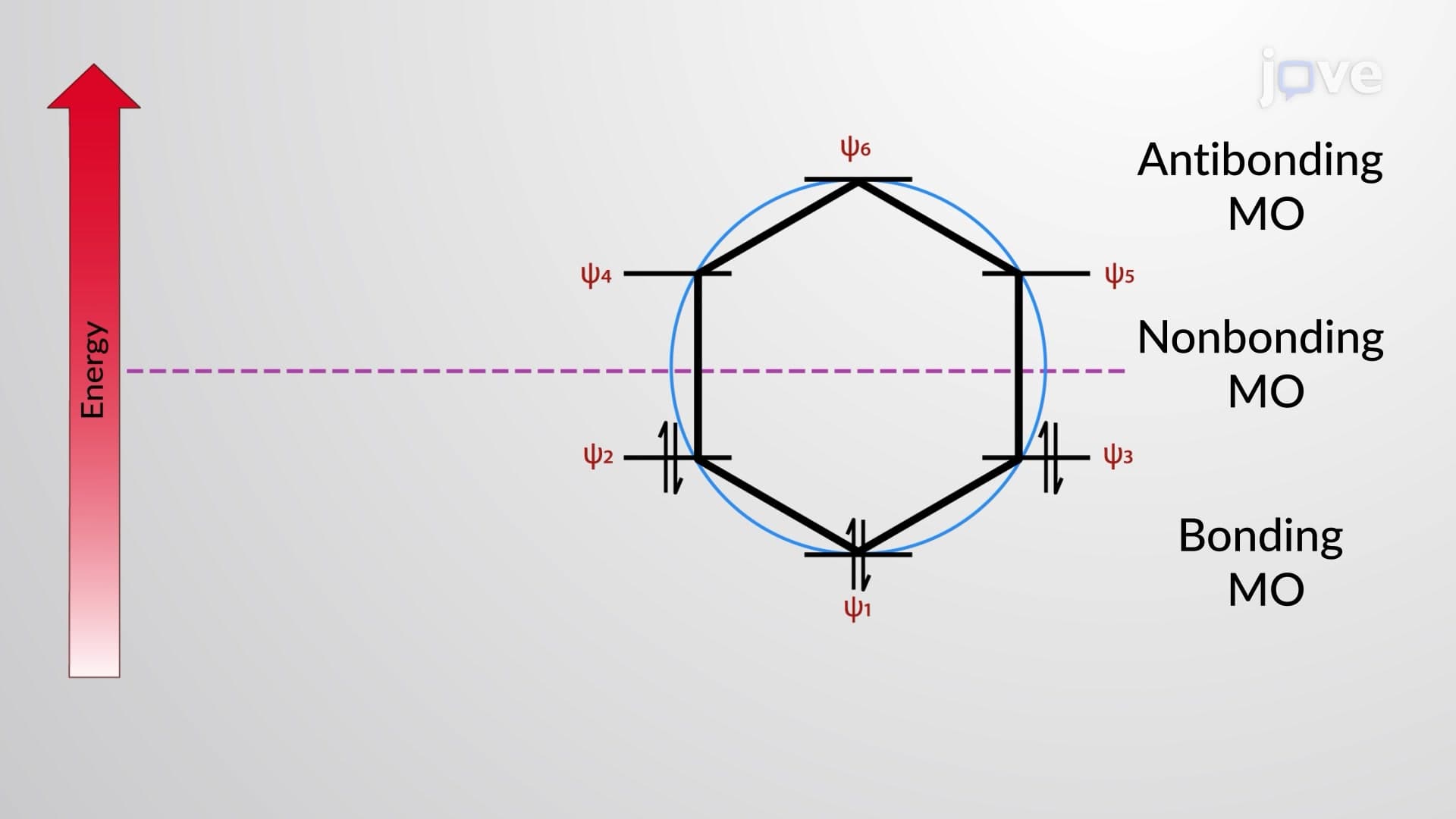
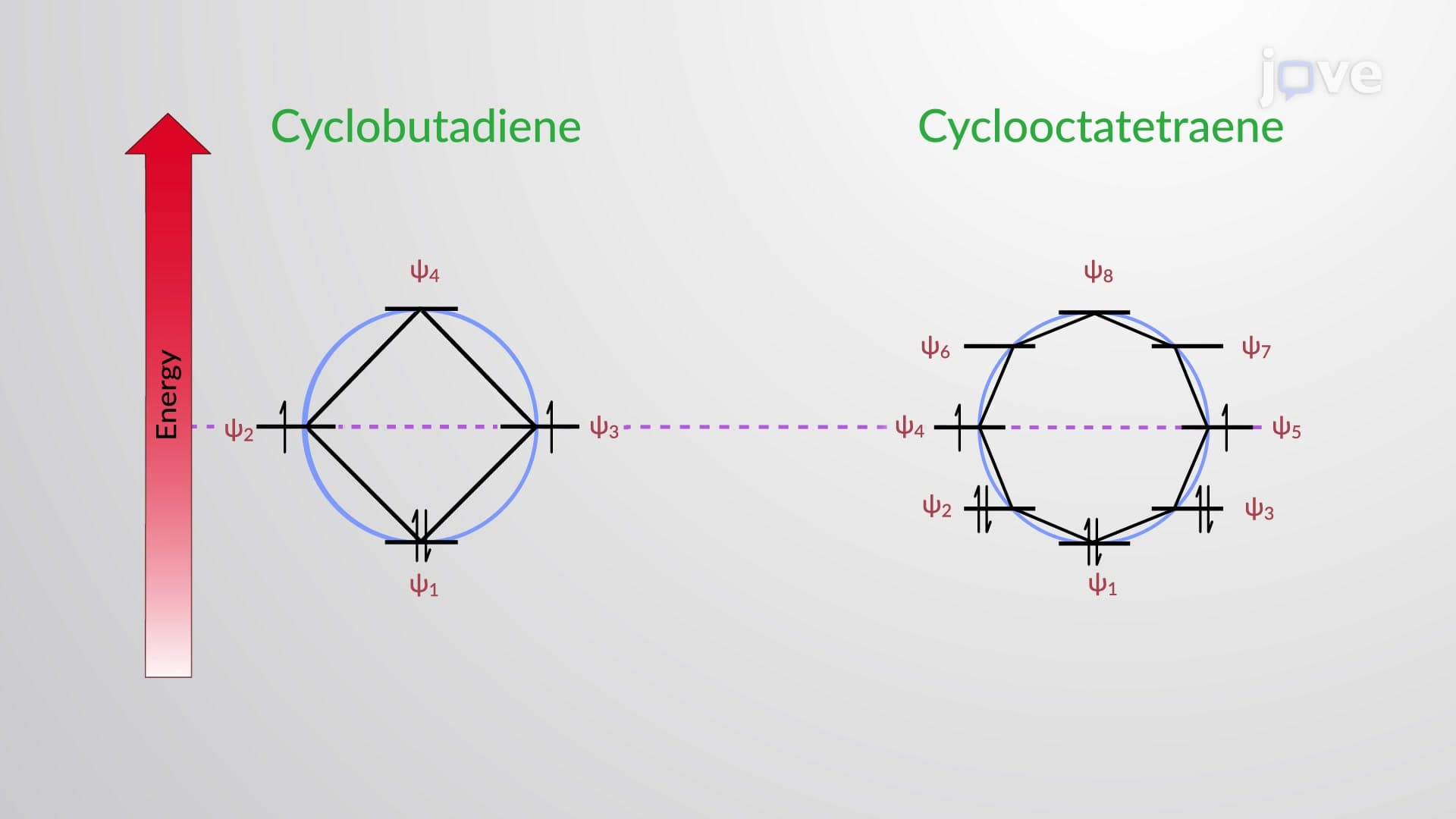
Frost diagrams provide molecular orbital evidence, showing all bonding orbitals filled while antibonding orbitals remain empty. This electronic arrangement explains the remarkable stability observed experimentally, often surprising students familiar with typical carbocation instability.
Applications in Modern Chemistry
Understanding aromatic cations proves essential for pharmaceutical research conducted at universities like Harvard Medical School and pharmaceutical companies across the United States. These stable cationic intermediates appear in drug synthesis pathways and materials science applications. Students pursuing chemistry careers will encounter these concepts in advanced coursework and research settings.
For standardized test preparation, mastering aromatic cation recognition helps on SAT Subject Tests and college placement exams. The ability to identify when charge formation creates rather than destroys stability represents sophisticated chemical thinking valued in competitive academic programs.
Frequently Asked Questions
Aromatic hydrocarbon cations structural refers to positively charged ring systems that achieve stability through complete electron delocalization following Hückel's 4n+2 rule. They form when neutral hydrocarbons lose hydrogen atoms, converting sp³ carbons to sp² and creating empty p orbitals for continuous conjugation. This process often increases molecular stability compared to the neutral precursor.
Cycloheptatrienyl cation achieves aromaticity by satisfying Hückel's rule with six π electrons (4n+2, n=1) in a planar ring system. The cation formation converts an sp³ carbon to sp² hybridization, eliminating the conjugation break present in neutral cycloheptatriene. Seven resonance structures and symmetrical charge distribution confirm its aromatic stability.
Yes, aromatic cation concepts frequently appear on advanced chemistry exams including the MCAT, AP Chemistry, and college organic chemistry midterms. These questions test understanding of Hückel's rule, resonance stabilization, and molecular orbital theory. Students should practice identifying when cation formation creates aromatic systems and explaining the underlying electronic principles.
Aromatic cations must meet three criteria: planar cyclic structure, complete conjugation through overlapping p orbitals, and 4n+2 π electrons. Look for ring systems where cation formation eliminates conjugation breaks and creates continuous orbital overlap. Calculate total π electrons including the positive charge-aromatic cations follow Hückel's rule despite being charged species.
Pharmaceutical companies like Pfizer and Merck utilize aromatic cations as synthetic intermediates in drug development. These stable charged species appear in synthesis pathways for medications treating cancer, neurological disorders, and infectious diseases. Materials science research at universities nationwide explores aromatic cations for developing advanced polymers and electronic devices.
No advanced mathematics required-focus on electron counting and basic orbital concepts from general chemistry. Understanding sp² vs sp³ hybridization, recognizing planar structures, and applying Hückel's 4n+2 rule covers most essential concepts. Practice with molecular models helps visualize orbital overlap patterns without complex calculations.
Explore aromatic anions and radicals to complete your understanding of charged aromatic systems. Study tropylium ion reactions and their role in organic synthesis mechanisms. Advanced topics include non-benzenoid aromatics, antiaromatic systems, and applications in organometallic chemistry relevant for graduate-level coursework.
Create comparison charts showing neutral vs cationic forms of various ring systems, emphasizing electron counts and orbital arrangements. Practice drawing resonance structures and identifying Hückel rule applications. Use flashcards for key examples like tropylium ion, and work through practice problems from college organic chemistry textbooks used at major US universities.
Related Micro-courses