Loading video…


 15 Concepts
 116.4K views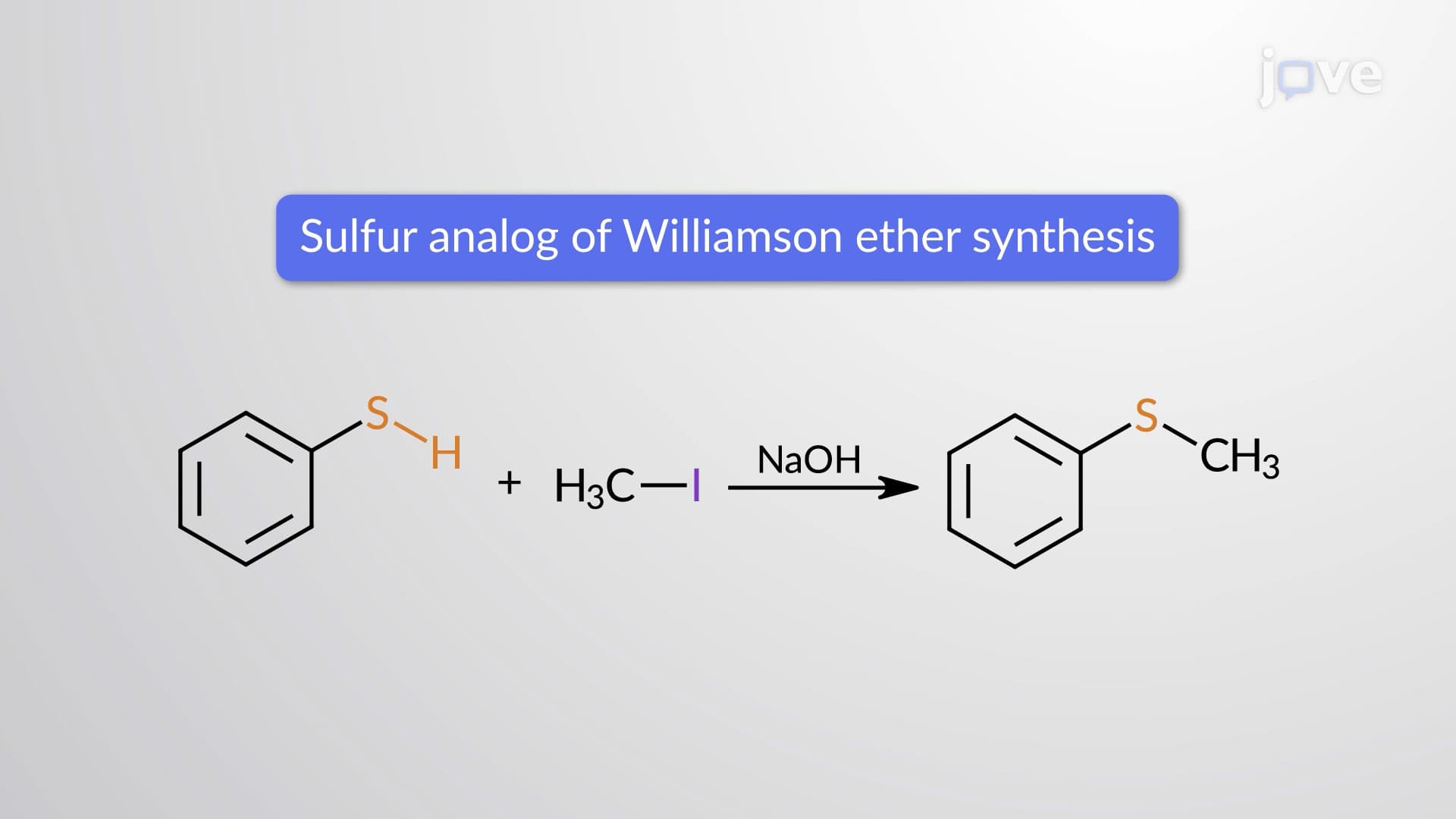

Video Summary: Preparation and Reactions of Sulfides Explained
Ever wondered why garlic's pungent smell comes from sulfur compounds, yet these same molecules serve as powerful solvents in pharmaceutical manufacturing? The preparation and reactions of sulfides involves creating organic compounds where sulfur atoms bond to hydrocarbon groups through nucleophilic substitution reactions. Companies like Pfizer use dimethyl sulfoxide (DMSO), a sulfide derivative, as a solvent in drug formulation processes across their US facilities. Watch the full video on JoVE Coach to master this concept with expert-led visuals and step-by-step explanations.
Sulfides, also known as thioethers, represent a crucial class of organosulfur compounds where a central sulfur atom forms covalent bonds with two hydrocarbon groups. These versatile molecules play essential roles in biochemistry, pharmaceutical synthesis, and industrial processes across the United States. Unlike their oxygen analogs (ethers), sulfides exhibit unique reactivity patterns due to sulfur's position in the periodic table and its ability to accommodate multiple oxidation states.
The structural classification of sulfides depends on the nature of the attached hydrocarbon groups. Symmetrical sulfides contain identical alkyl or aryl groups, while asymmetrical sulfides feature different substituents. This distinction becomes particularly important when considering synthetic strategies and reaction mechanisms in advanced organic chemistry courses at universities like MIT and Stanford.
The most straightforward approach to preparation and reactions of sulfides involves treating sodium sulfide with alkyl halides in a 1:2 molar ratio. This SN2 reaction proceeds through nucleophilic substitution, where the sulfide ion attacks the electrophilic carbon center, displacing the halide ion. The reaction works exceptionally well with primary alkyl halides and methyl halides, making it a reliable method taught in undergraduate organic chemistry laboratories across US institutions.
Cyclic sulfides present unique synthetic opportunities, particularly in medicinal chemistry. When 1,4-dichlorobutane reacts with sodium sulfide, the resulting five-membered ring (tetrahydrothiophene) finds applications in pharmaceutical intermediates. Similarly, 1,5-dichloropentane yields six-membered cyclic sulfides used in polymer chemistry applications by companies like DuPont in their Delaware facilities.
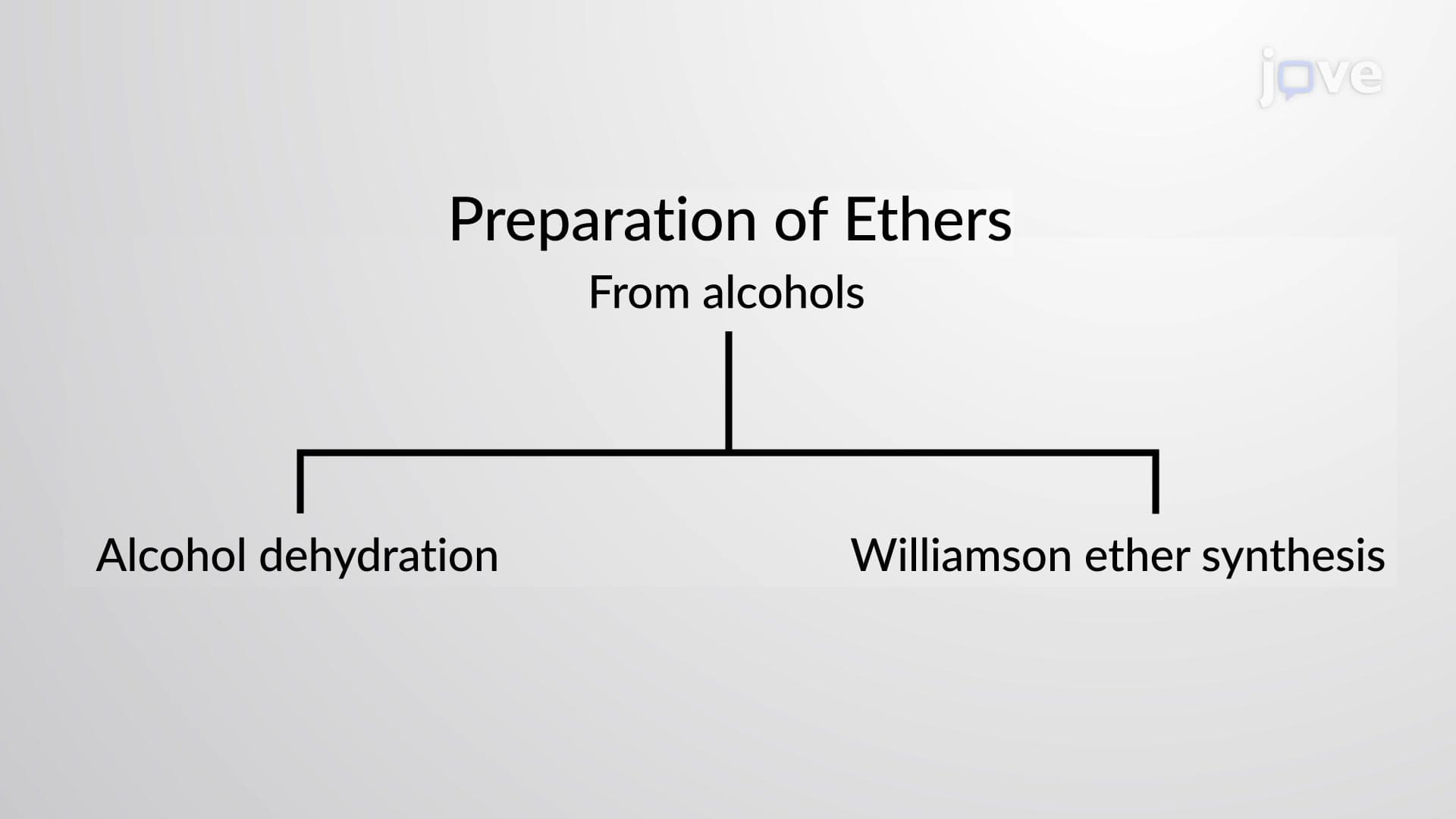
The preparation of asymmetrical sulfides employs a different strategy, utilizing the sulfur analog of the Williamson ether synthesis. This method begins with a thiol (R-SH) and requires a strong base like sodium hydroxide to generate the thiolate anion (R-S⁻). The resulting nucleophile then attacks an alkyl halide through an SN2 mechanism, forming the desired asymmetrical sulfide.
This reaction proves particularly valuable in pharmaceutical synthesis, where companies like Johnson & Johnson utilize asymmetrical sulfides as building blocks for drug molecules. The reaction's selectivity for primary and methyl halides ensures high yields and minimal side product formation, making it economically viable for large-scale production.
Perhaps the most distinctive feature of sulfide chemistry involves their oxidation behavior. Unlike ethers, which resist oxidation at the heteroatom, sulfides readily undergo oxidation at sulfur to form sulfoxides and sulfones. This reactivity stems from sulfur's ability to expand its valence shell beyond eight electrons.
Controlled oxidation using one equivalent of hydrogen peroxide at room temperature converts sulfides to sulfoxides, while two equivalents or treatment with peroxy acids yields sulfones. These oxidized products serve critical roles in industry: dimethyl sulfoxide (DMSO) acts as a versatile aprotic solvent in pharmaceutical manufacturing, while various sulfones function as high-temperature solvents in polymer processing.
Students preparing for the MCAT or advanced placement chemistry exams should understand these oxidation patterns, as they frequently appear in mechanism-based questions. The ability to predict oxidation outcomes based on reagent stoichiometry represents a key skill for success in graduate-level organic chemistry programs.
Related Micro-courses