Loading video…


 15 Concepts
 116.4K views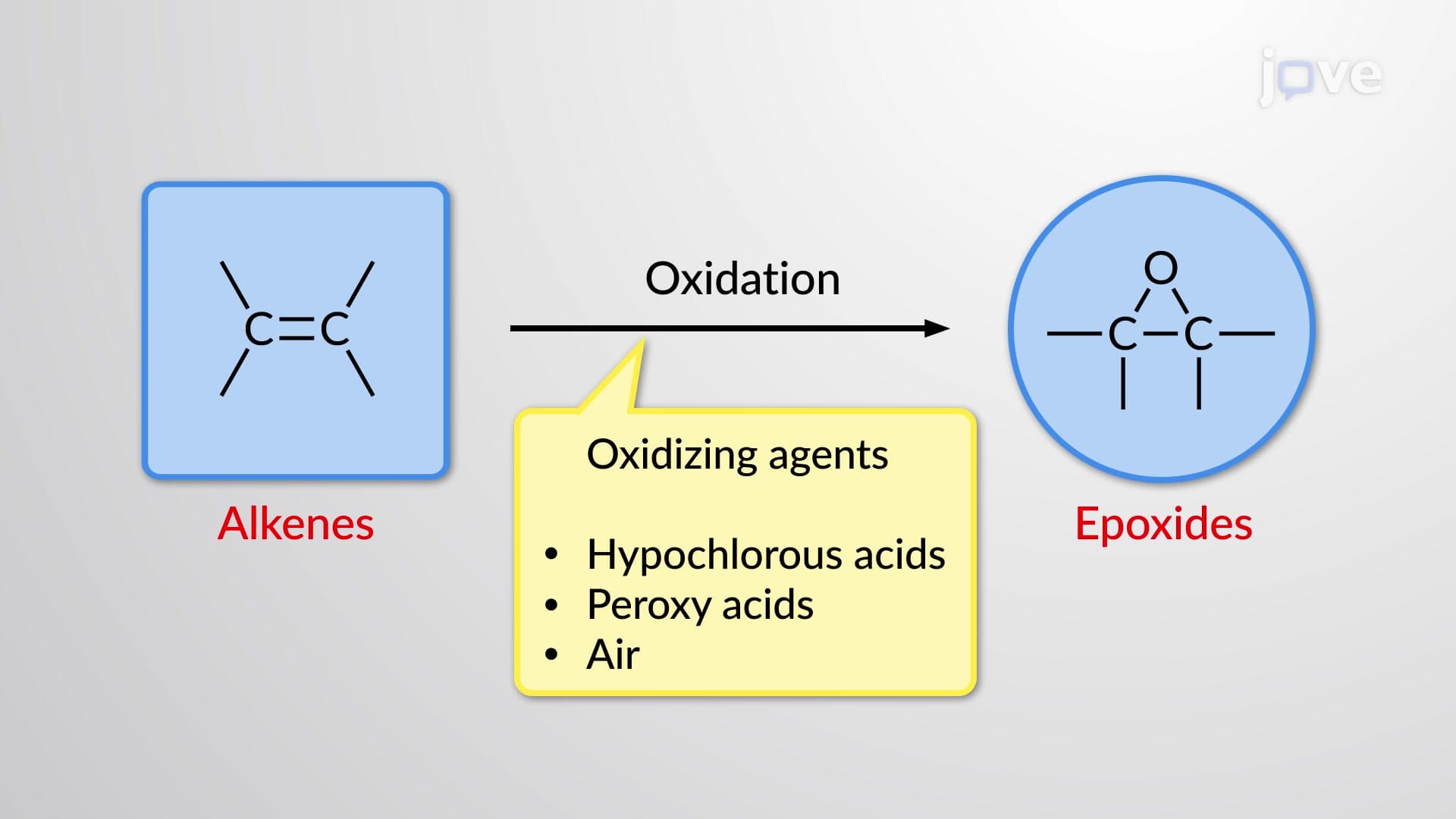

Video Summary: What are Preparation of Epoxides
Ever wonder how pharmaceutical companies create the building blocks for life-saving medications? The preparation of epoxides represents one of organic chemistry's most elegant transformations, converting simple alkenes into highly reactive three-membered oxygen rings. Companies like Pfizer routinely use these epoxidation reactions to synthesize complex drug molecules, including certain heart medications and antibiotics. Understanding what are preparation of epoxides reveals the sophisticated chemistry behind everyday medicines we depend on. Watch the full video on JoVE Coach to master this concept with expert-led visuals and step-by-step explanations.
The preparation of epoxides encompasses two fundamental synthetic approaches that transform readily available starting materials into these highly strained, three-membered oxygen rings. Epoxides serve as crucial intermediates in pharmaceutical manufacturing, with companies like Johnson & Johnson using these methods to create components for cardiovascular drugs and anti-inflammatory medications.
The most widely used method involves treating alkenes with peroxyacids such as meta-chloroperoxybenzoic acid (mCPBA). This reaction proceeds through a concerted mechanism where the alkene's π-electrons attack the electrophilic oxygen of the peroxyacid simultaneously with C-O bond formation on both carbons. The stereochemical outcome follows syn addition rules: cis-alkenes yield cis-epoxides, while trans-alkenes produce trans-epoxides. This stereochemical control proves essential in pharmaceutical synthesis, where incorrect stereochemistry can render a drug inactive or even harmful.
Students preparing for AP Chemistry exams should recognize that this concerted mechanism distinguishes epoxidation from multi-step reactions. The cyclic transition state ensures that both C-O bonds form simultaneously, preserving the original alkene's geometry. Industrial applications leverage this predictability-Merck uses controlled epoxidations to synthesize steroid intermediates where stereochemical precision determines biological activity.
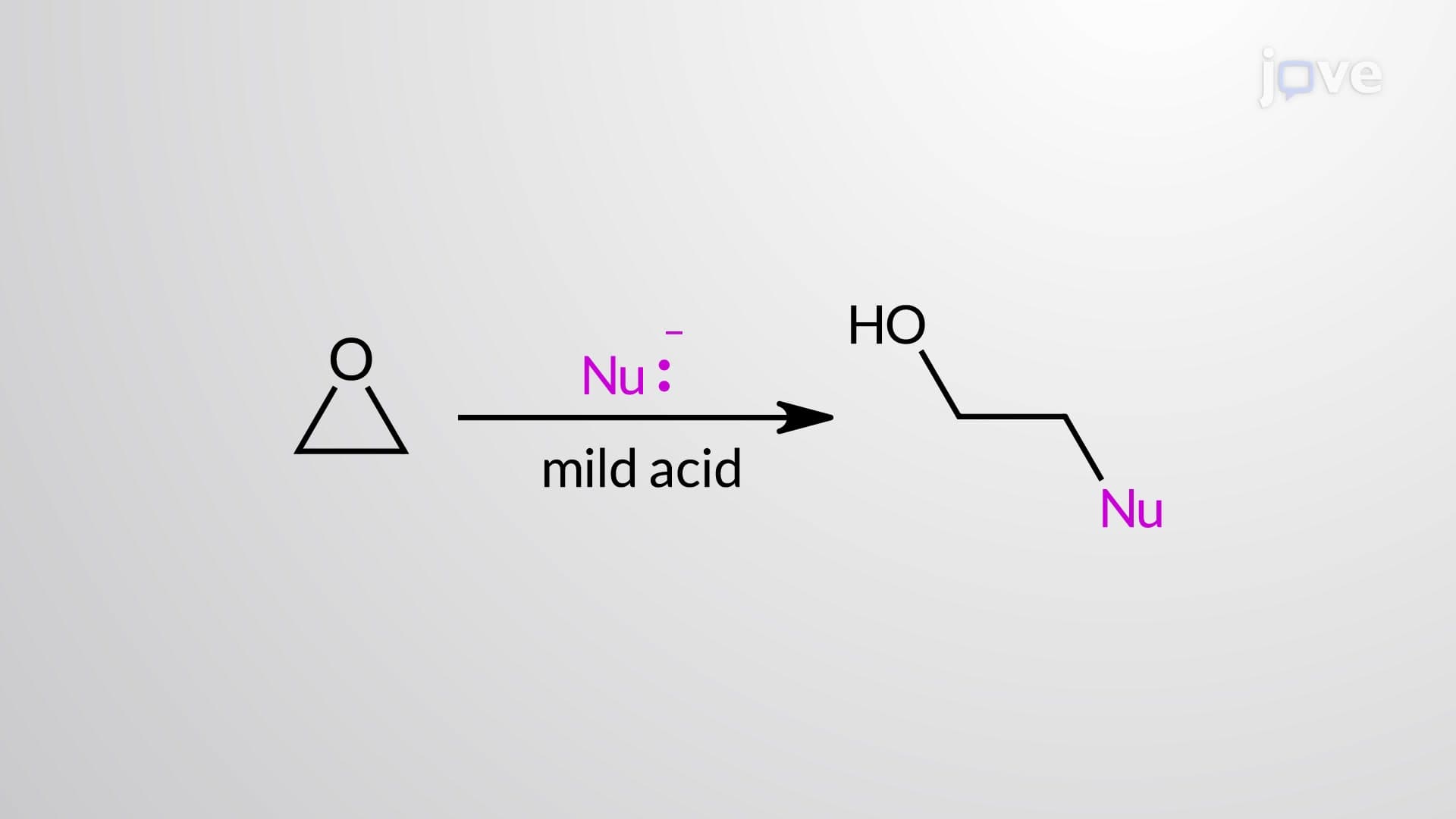
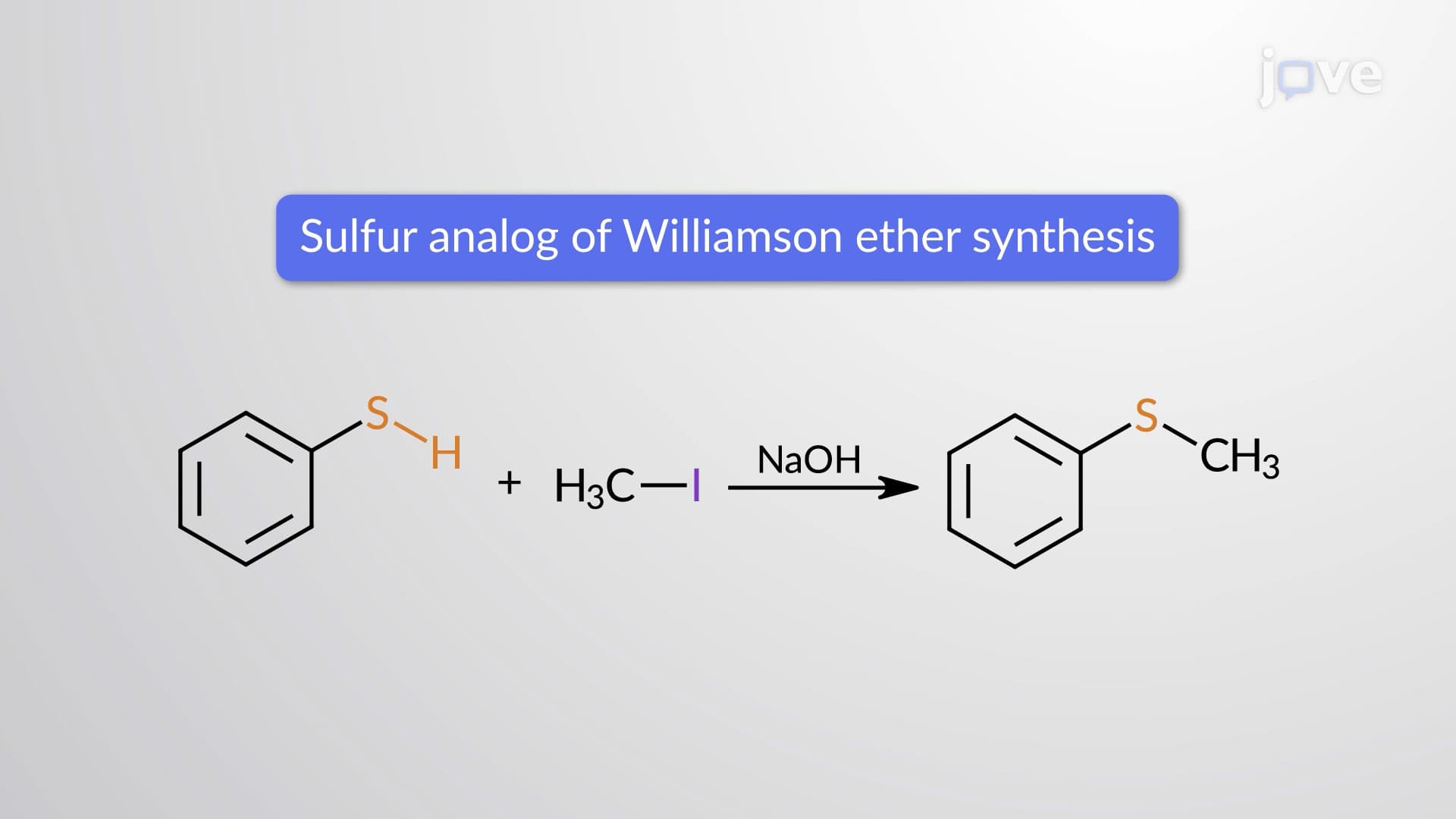
The second major route involves treating halohydrins with base in an intramolecular Williamson ether synthesis. When 3-chloro-2-butanol encounters hydroxide ion, deprotonation creates an alkoxide nucleophile that attacks the adjacent carbon bearing chlorine via an SN2 mechanism. This backside attack displaces chloride while forming the epoxide ring, again preserving stereochemical relationships from the original alkene.
This method proves particularly valuable when the alkene substrate contains electron-withdrawing groups that might interfere with direct peroxyacid oxidation. Pharmaceutical companies often employ halohydrin cyclization when synthesizing complex natural product analogs where functional group compatibility becomes critical.
MCAT preparation requires understanding both electronic and steric factors governing these reactions. The peroxyacid method works best with electron-rich alkenes, while halohydrin cyclization tolerates a broader range of substituents. College organic chemistry courses emphasize predicting reaction outcomes based on starting material structure-skills directly applicable to pharmaceutical process development where reaction optimization determines commercial viability.
Related Micro-courses