Loading subject page…


14 Concepts
11 Concepts
29 Concepts
19 Concepts
24 Concepts
20 Concepts
13 Concepts
10 Concepts
12 Concepts
12 Concepts
7 Concepts
6 Concepts
8 Concepts
6 Concepts
8 Concepts
8 Concepts
8 Concepts
6 Concepts
9 Concepts
8 Concepts
8 Concepts
10 Concepts
7 Concepts
5 Concepts
16 Concepts
 11 Concepts
 17.4K Views
 Popular topics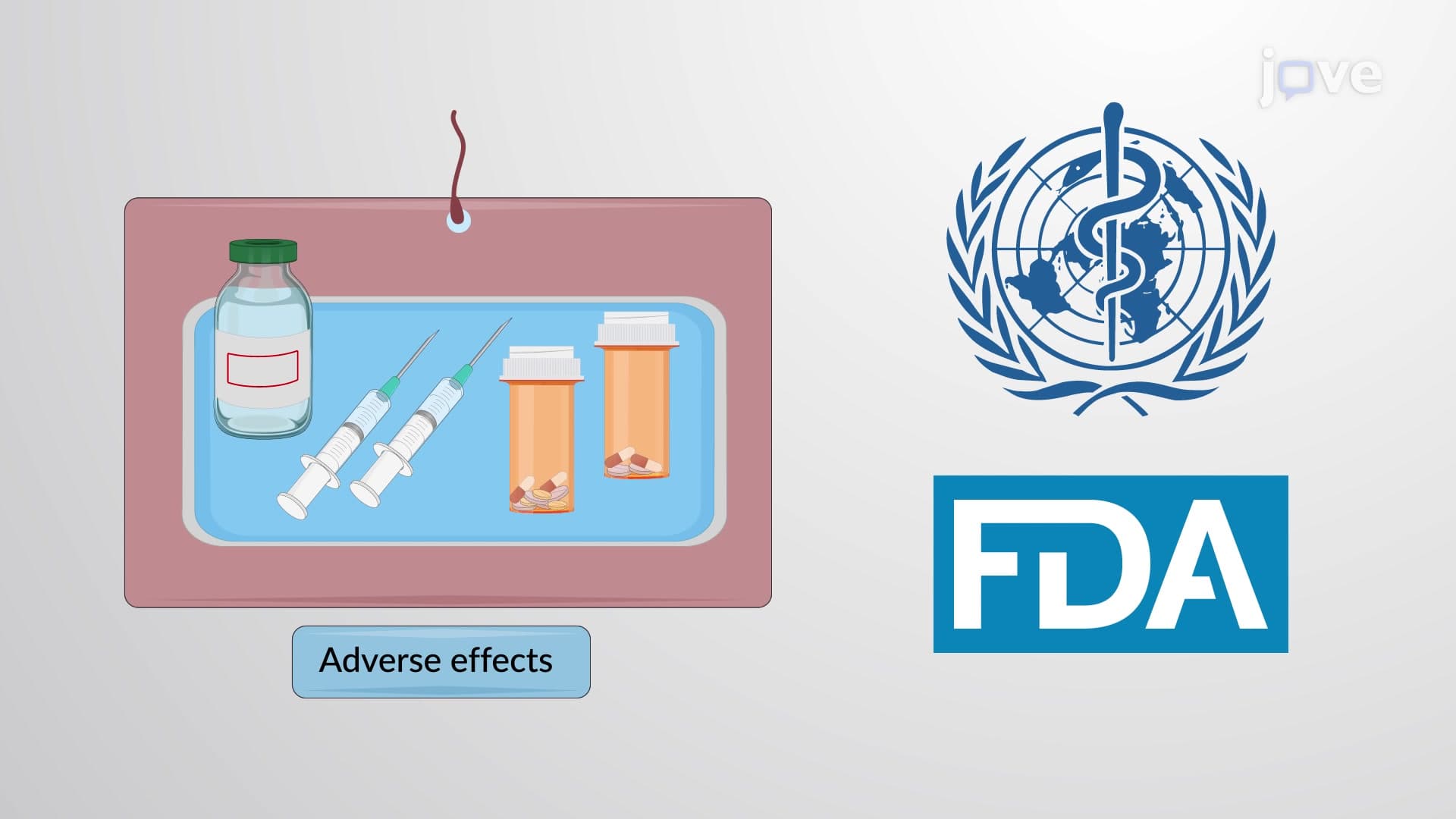




Adverse drug effects and chemical toxicity represent critical concerns in healthcare and environmental safety. This comprehensive course examines how medications and toxic substances cause harmful reactions in the human body, from immediate side effects to long-term carcinogenic changes. Students explore pharmacovigilance systems used by the FDA, drug dependence mechanisms, and various toxicological principles essential for understanding drug safety. Through JoVE Coach, learners gain practical knowledge applicable to clinical practice and toxicology assessments.
1. Pharmacovigilance and Drug Safety Monitoring Pharmacovigilance represents the systematic monitoring of drug safety after FDA approval and market release. The FDA's Adverse Event Reporting System (FAERS) collects voluntary and mandatory reports from healthcare providers, patients, and pharmaceutical companies. Causality assessment determines whether adverse events relate to specific medications through temporal relationships, pharmacological plausibility, and dechallenge/rechallenge protocols. Regulatory responses include safety communications, black box warnings, label updates, or market withdrawal. Notable examples include the withdrawal of Vioxx due to cardiovascular risks and ongoing monitoring of opioid-related adverse events.
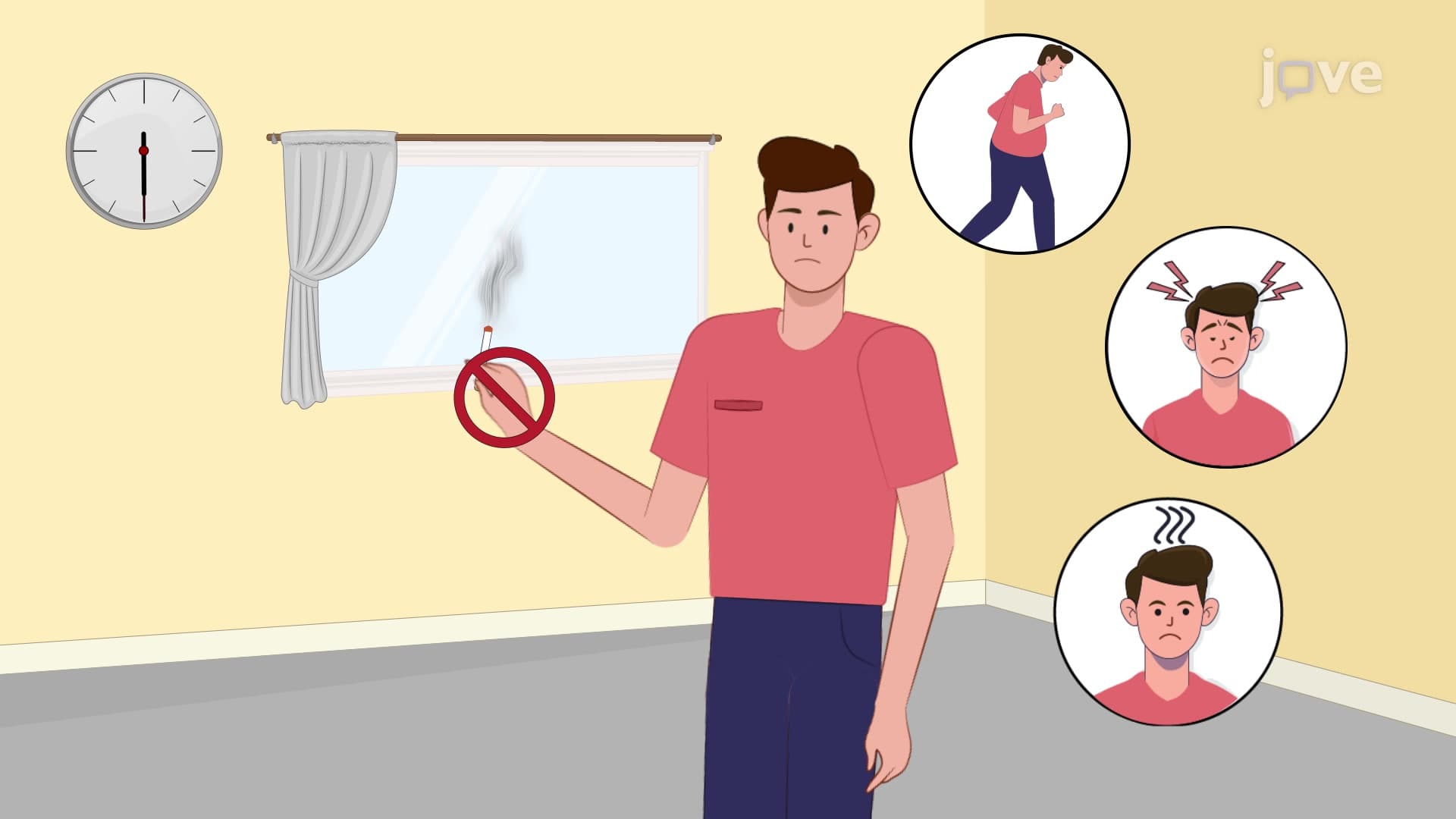
2. Drug Dependence and Addiction Mechanisms Drug dependence encompasses both psychological and physical components that drive compulsive substance use. Psychological dependence involves reward pathway activation in the brain's limbic system, creating strong cravings and relapse potential. Physical dependence manifests as withdrawal symptoms when drug levels decrease, disrupting normal homeostatic balance. Nicotine addiction exemplifies both types, where cessation triggers physical withdrawal symptoms like irritability and psychological cravings. The opioid crisis in the United States demonstrates how prescription medications can lead to dependence, affecting millions of Americans and highlighting the importance of understanding addiction mechanisms.
3. Chemical Toxin Classification and Exposure Routes Environmental chemical exposure occurs through inhalation, ingestion, and dermal contact across various settings. Air pollutants like carbon monoxide and particulate matter cause respiratory complications and cardiovascular disease. Persistent organic pollutants, including PCBs banned in the US since 1979, bioaccumulate through food chains and cause endocrine disruption. Agricultural chemicals like organochlorine pesticides, though restricted, persist in ecosystems and contribute to cancer risk. Heavy metals from lead paint, contaminated water, and industrial sources affect neurological development, particularly in children. Occupational exposure to organic solvents in manufacturing creates CNS depression and cancer risks.
4. Toxic Reaction Mechanisms and Organ Effects Toxic reactions manifest as local effects at exposure sites or systemic effects following absorption and distribution. Local toxicity includes chemical burns from caustic substances or respiratory irritation from inhaled toxins. Systemic toxicity involves target organ damage through specific biochemical pathway disruption. The liver's metabolic capacity makes it susceptible to hepatotoxicity from acetaminophen overdose, while the kidneys face nephrotoxicity from aminoglycoside antibiotics. CNS injuries prove particularly concerning due to limited neuronal regeneration capacity, as seen with lead poisoning causing permanent cognitive impairment. Some toxins exhibit delayed effects, like asbestos-induced mesothelioma developing decades after exposure.
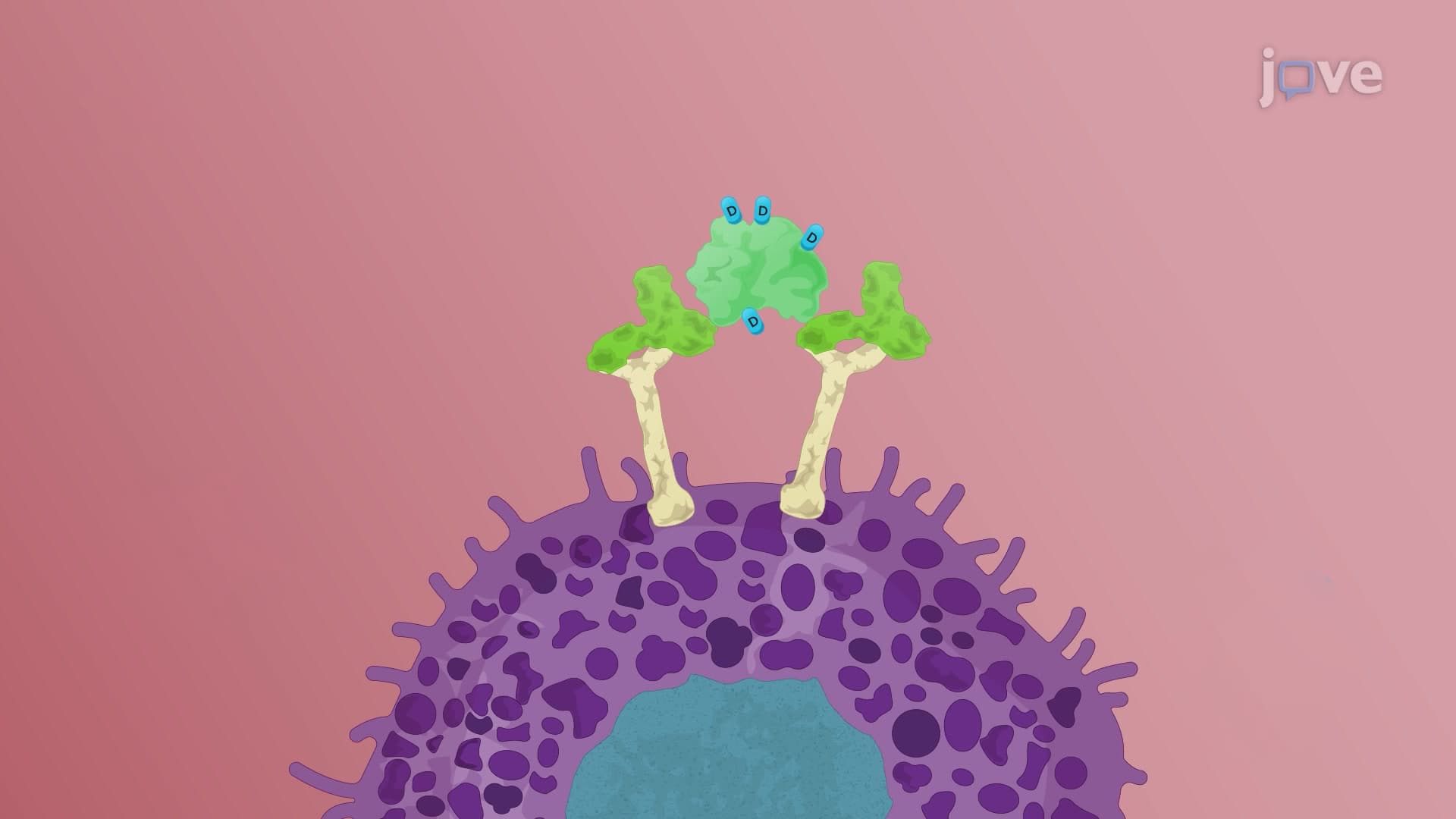
5. Allergic Drug Reactions and Hypersensitivity Drug allergies represent immune-mediated adverse reactions unrelated to therapeutic effects, affecting approximately 10% of hospitalized patients in the US. Type I hypersensitivity involves IgE antibodies bound to mast cells, triggering immediate reactions like anaphylaxis from penicillin exposure. Type II reactions involve IgG/IgM antibodies targeting drug-modified cells, causing conditions like drug-induced hemolytic anemia. Type III reactions create immune complexes that deposit in tissues, causing inflammation and conditions like drug-induced lupus. Type IV delayed hypersensitivity involves T-cell activation, producing skin reactions like Stevens-Johnson syndrome. Healthcare providers must distinguish true allergies from predictable side effects to ensure appropriate treatment decisions.
6. Teratogenicity and Fetal Development Effects Teratogenicity describes a drug's ability to cause structural malformations or functional abnormalities in developing embryos or fetuses. The FDA pregnancy categories (A, B, C, D, X) help guide medication decisions during pregnancy, with Category X drugs like thalidomide strictly contraindicated. Critical periods of vulnerability correspond to specific developmental stages: implantation (weeks 1-2), organogenesis (weeks 3-8), and fetal growth (weeks 9-40). Thalidomide exposure during limb bud formation causes characteristic phocomelia, while isotretinoin causes craniofacial and CNS defects. Alcohol represents a common teratogen causing fetal alcohol spectrum disorders, highlighting the importance of avoiding unnecessary drug exposure during pregnancy.
7. Mutagenicity, Carcinogenicity, and Risk Assessment Drug-induced DNA modifications can lead to mutagenicity and potential carcinogenesis through tumor suppressor gene or oncogene alterations. The two-stage carcinogenesis model involves initiation by genotoxic agents causing DNA mutations, followed by promotion by epigenetic factors supporting abnormal cell growth. The International Agency for Research on Cancer (IARC) classifies chemicals into four carcinogenicity categories, with Group 1 representing known human carcinogens like asbestos and benzene. The Ames test provides rapid in vitro screening for mutagenic potential using bacterial cultures, while chronic animal studies offer comprehensive but expensive carcinogenicity assessment. These testing protocols inform regulatory decisions and public health policies protecting Americans from cancer-causing substances.
8. Antidotes and Emergency Poisoning Treatment Antidotes counteract toxic effects through various mechanisms, including receptor blockade, enzyme inhibition, metabolite binding, and enhanced elimination. Atropine blocks muscarinic receptors to treat organophosphate poisoning from pesticide exposure, while naloxone reverses opioid overdoses by competitive antagonism. Chelation therapy uses agents like dimercaprol for heavy metal poisoning, forming stable complexes for urinary excretion. Enzyme reactivation occurs with pralidoxime treatment for cholinesterase inhibitor poisoning. Some antidotes enhance detoxification pathways, like N-acetylcysteine replenishing glutathione stores in acetaminophen overdose. Poison control centers across the United States provide 24/7 guidance for antidote selection and dosing in emergency situations.
9. Poison Absorption Prevention and Gastrointestinal Decontamination Immediate intervention following acute poisoning focuses on preventing further toxin absorption from the gastrointestinal tract through various decontamination methods. Induced emesis using ipecac syrup helps remove recently ingested poisons, though contraindications include caustic substances, petroleum products, and unconscious patients due to aspiration risks. Gastric lavage through orogastric tubes removes stomach contents but requires airway protection in compromised patients. Activated charcoal effectively adsorbs many drugs and toxins due to its large surface area, though it poorly binds metals, alcohols, and small molecules like cyanide. Whole bowel irrigation using polyethylene glycol solutions helps eliminate sustained-release medications and toxic substances throughout the intestinal tract.
10. Enhanced Poison Elimination Techniques Enhanced elimination techniques accelerate toxin removal from the body through renal, hepatic, and extracorporeal methods. Forced diuresis increases urine flow to enhance excretion of water-soluble toxins, while pH manipulation takes advantage of ion trapping principles. Alkalinization with sodium bicarbonate enhances elimination of acidic drugs like salicylates and phenobarbital, while acidification improves basic drug elimination like amphetamines. Hemodialysis effectively removes small, water-soluble molecules with low protein binding, proving lifesaving in severe poisonings from methanol, ethylene glycol, or lithium. Hemoperfusion using activated charcoal or resin cartridges removes protein-bound toxins that resist dialysis. These techniques require careful patient selection and monitoring in specialized medical centers equipped for emergency toxicology management.