Loading subject page…


14 Concepts
11 Concepts
29 Concepts
19 Concepts
24 Concepts
20 Concepts
13 Concepts
10 Concepts
12 Concepts
12 Concepts
7 Concepts
6 Concepts
8 Concepts
6 Concepts
8 Concepts
8 Concepts
8 Concepts
6 Concepts
9 Concepts
8 Concepts
8 Concepts
10 Concepts
7 Concepts
5 Concepts
16 Concepts
 7 Concepts
 2.6K Views
 Popular topics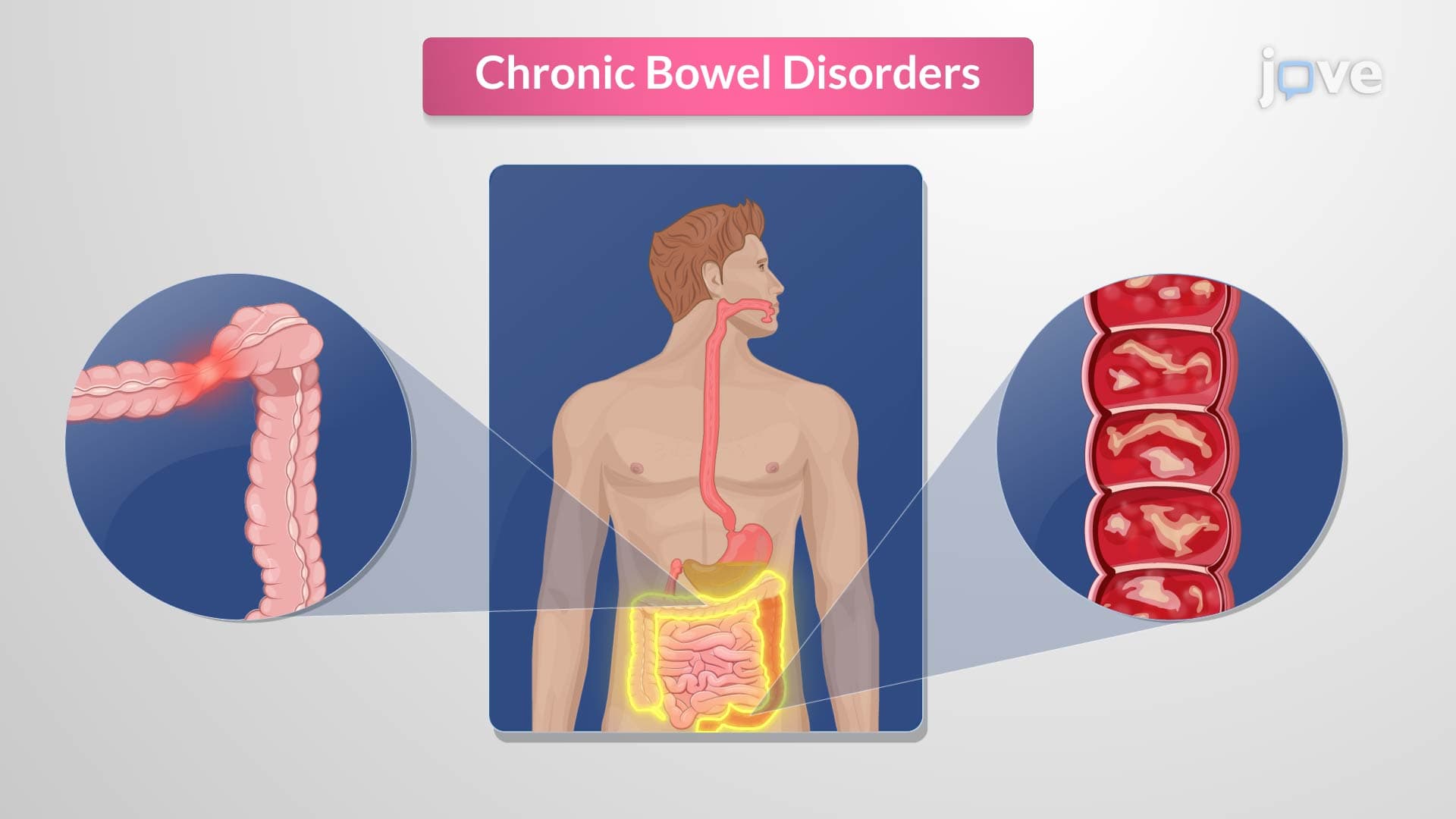
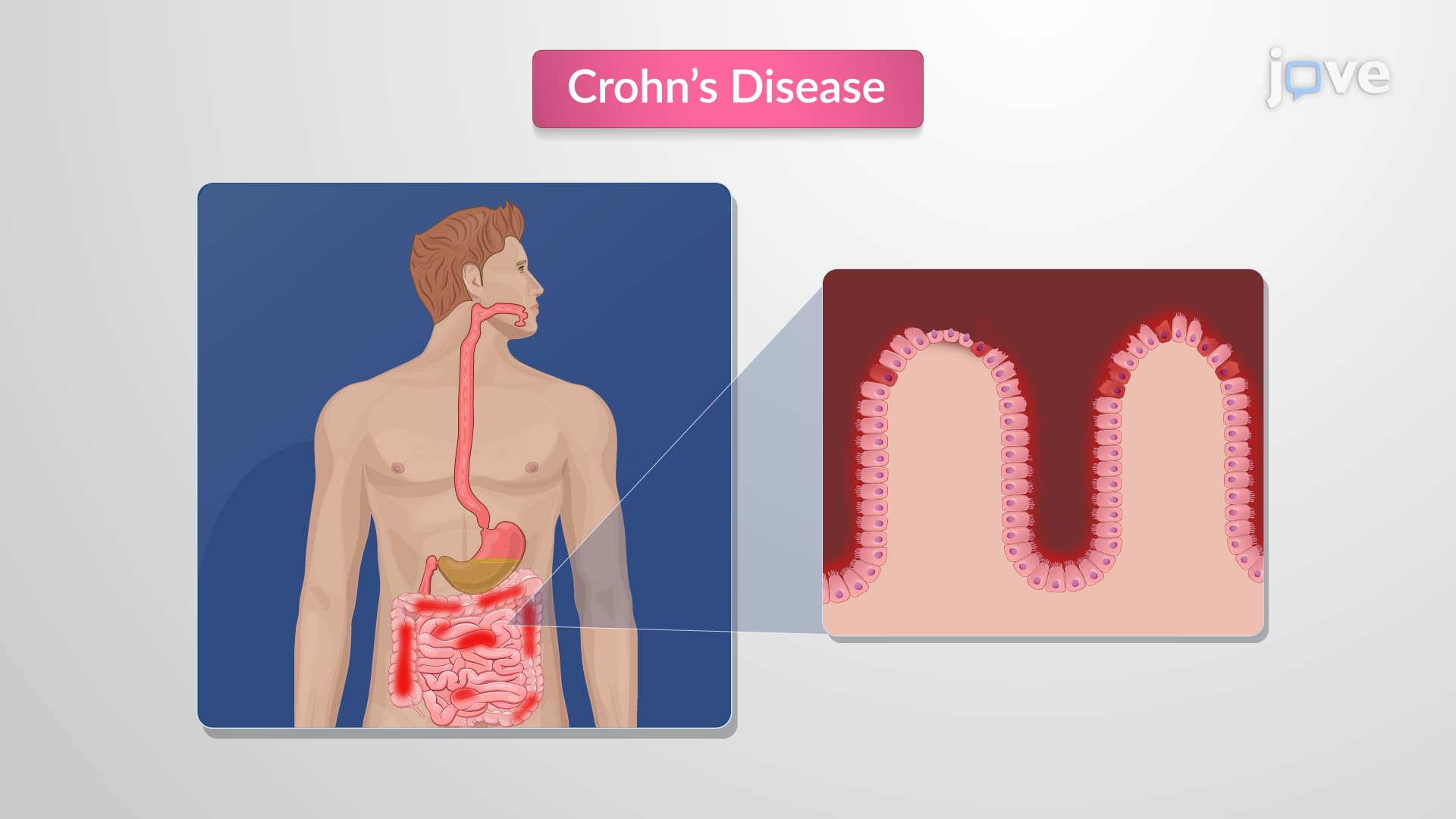


Drugs for chronic bowel disorders encompass targeted therapies for irritable bowel syndrome (IBS) and inflammatory bowel disease (IBD). This JoVE Coach course examines pharmacological management of chronic bowel diseases, including IBS medications like alosetron and eluxadoline, IBD Crohn's pharmacotherapy with immunomodulators and biologics, and aminosalicylates corticosteroids IBD treatments for ulcerative colitis management in US clinical practice.
1. IBS Pathophysiology and Classification: Irritable bowel syndrome represents a functional gastrointestinal disorder affecting approximately 10-15% of US adults, characterized by chronic abdominal pain and altered bowel habits. The condition manifests as either constipation-predominant (IBS-C) with fewer than three bowel movements weekly, or diarrhea-predominant (IBS-D) with loose stools occurring more than 25% of the time. Unlike IBD, IBS lacks inflammatory markers and structural abnormalities, making symptom-based diagnosis essential. Treatment focuses on symptom management rather than disease modification, with drug selection based on predominant symptoms and severity.
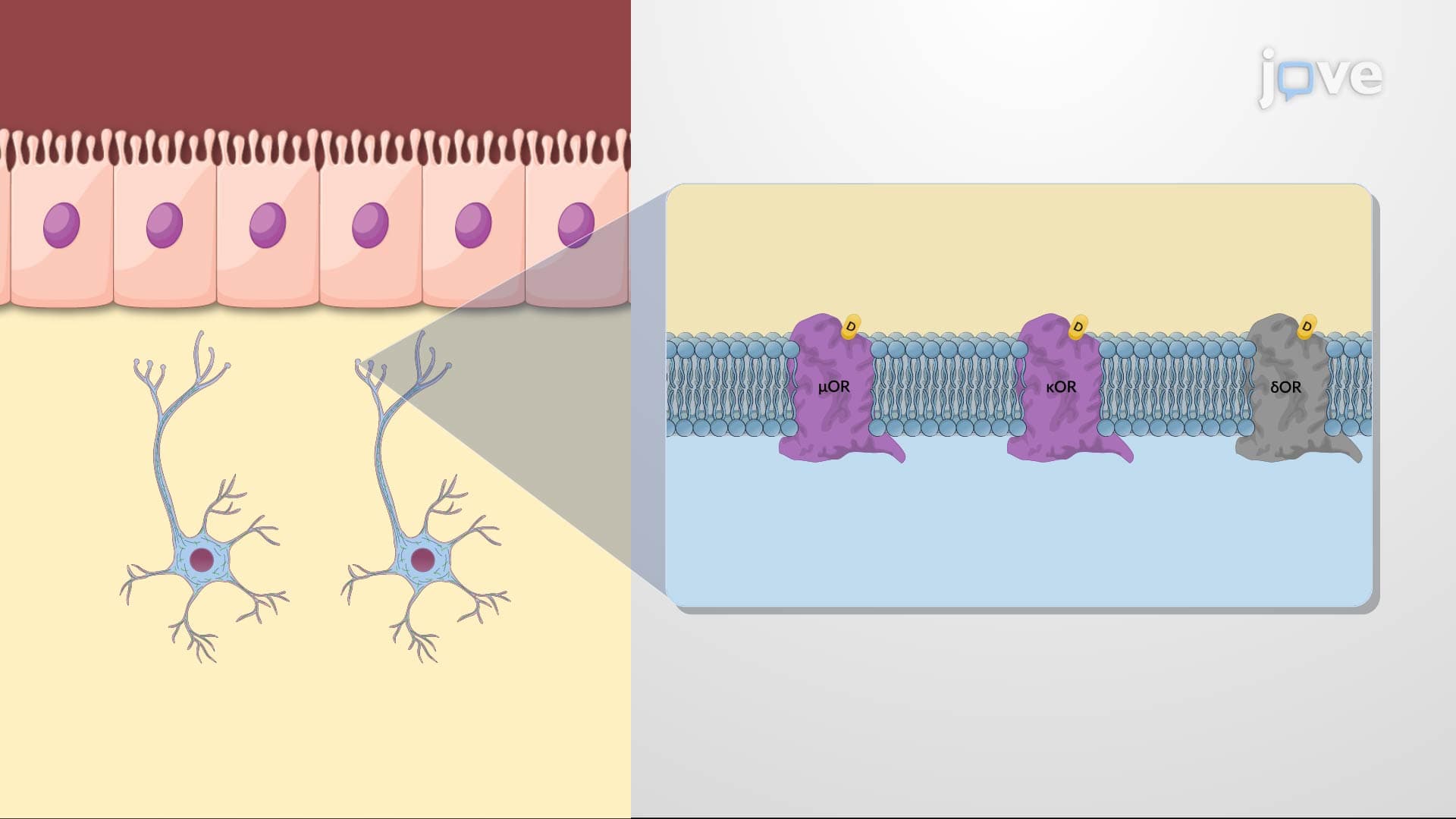
2. Diarrhea-Predominant IBS Pharmacotherapy: Alosetron functions as a selective 5-HT3 receptor antagonist, blocking serotonin-mediated intestinal motility and pain sensation. By inhibiting these receptors on enteric neurons, alosetron reduces colonic transit speed and enhances fluid absorption, effectively managing diarrhea and abdominal pain. Eluxadoline represents a mixed opioid receptor modulator, combining μ-opioid receptor agonism with δ-opioid receptor antagonism. This dual mechanism slows intestinal transit while minimizing traditional opioid side effects. Both medications require careful monitoring due to risks including ischemic colitis with alosetron and pancreatitis with eluxadoline.
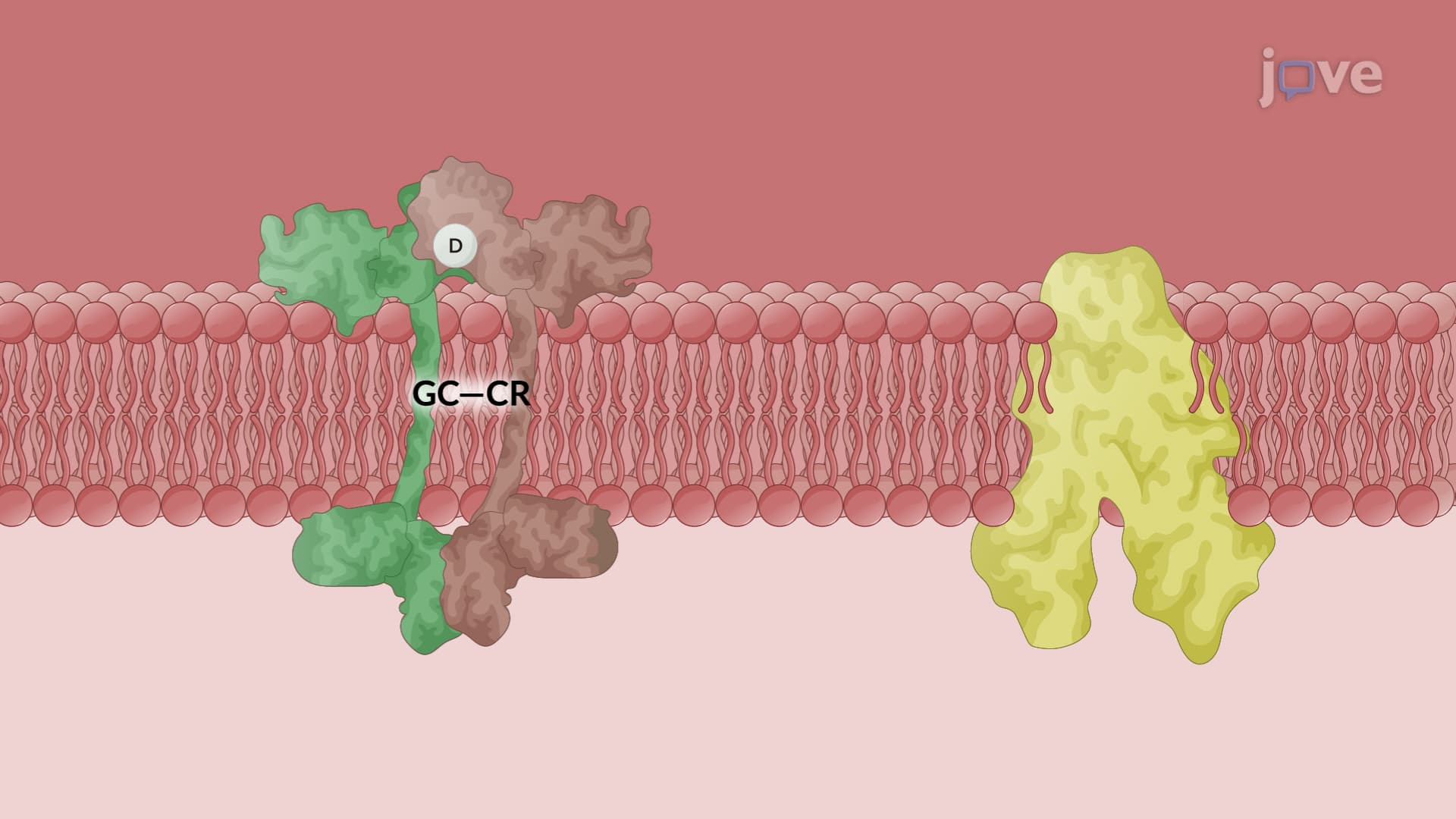
3. Constipation-Predominant IBS Treatment Strategies: Linaclotide activates guanylate cyclase-C receptors on intestinal epithelial cells, increasing intracellular cGMP levels. This elevation stimulates the cystic fibrosis transmembrane conductance regulator (CFTR), promoting chloride secretion into the intestinal lumen. The resulting osmotic gradient draws water into the bowel, softening stool and facilitating passage. Lubiprostone targets type-2 chloride channels through prostanoid receptor activation, similarly promoting intestinal fluid secretion. Both agents address the underlying pathophysiology of reduced intestinal secretions characteristic of IBS-C, providing symptomatic relief while improving quality of life.
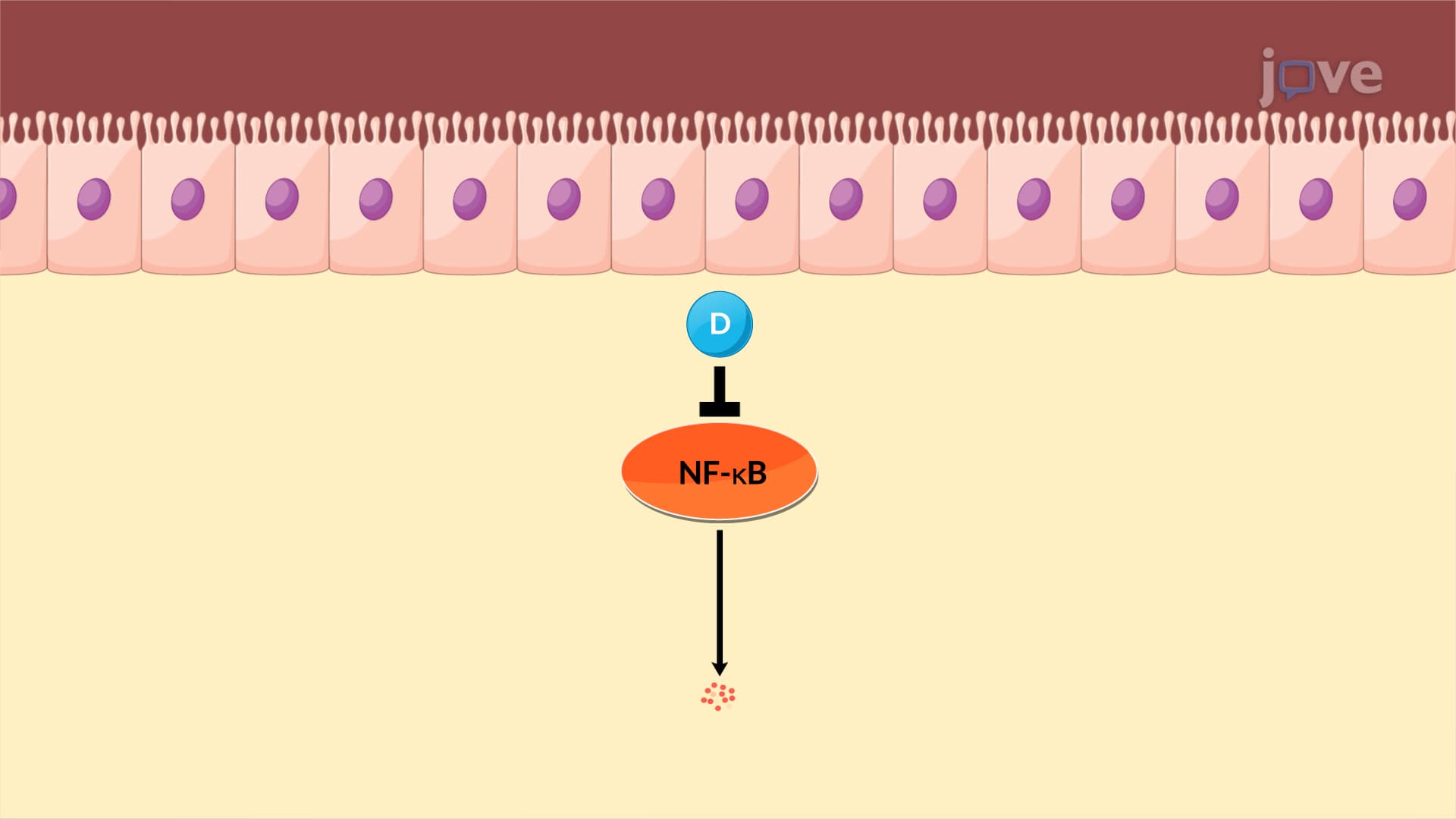
4. Ulcerative Colitis Pharmacological Management: 5-aminosalicylic acid (5-ASA) serves as the cornerstone therapy for ulcerative colitis, targeting multiple inflammatory pathways simultaneously. The drug inhibits cyclooxygenase and lipoxygenase enzymes, reducing prostaglandin and leukotriene production while scavenging reactive oxygen species. Various formulation strategies overcome 5-ASA's rapid small bowel absorption, including azo prodrugs like sulfasalazine that release active drug through bacterial cleavage in the colon. pH-dependent and time-release formulations like mesalamine ensure targeted colonic delivery. These approaches maximize therapeutic efficacy while minimizing systemic exposure and associated side effects in US patients.
5. Crohn's Disease Immunomodulatory Therapy: Azathioprine and 6-mercaptopurine function as purine antimetabolites, converting to active 6-thioguanine nucleotides that inhibit DNA synthesis and cell proliferation. These agents preferentially target rapidly dividing immune cells, reducing inflammatory responses while maintaining remission in Crohn's patients. Methotrexate inhibits dihydrofolate reductase, blocking folate-dependent DNA synthesis and cytokine production. Genetic polymorphisms in thiopurine methyltransferase (TPMT) affect drug metabolism, requiring enzyme testing before treatment initiation. These immunomodulators often serve as steroid-sparing agents, allowing glucocorticoid dose reduction while maintaining therapeutic efficacy in chronic inflammatory conditions.
6. Anti-TNF Biologic Agents in IBD: Tumor necrosis factor-alpha represents a key inflammatory mediator in Crohn's disease pathogenesis, making it an ideal therapeutic target. Monoclonal antibodies including infliximab, adalimumab, and golimumab bind circulating and membrane-bound TNF, preventing receptor interaction and downstream inflammatory cascades. These biologics additionally promote antibody-dependent cellular cytotoxicity through their Fc portions, eliminating activated immune cells contributing to chronic inflammation. Certolizumab pegol lacks the Fc region, potentially reducing immunogenicity while maintaining therapeutic efficacy. Regular monitoring for infections, including tuberculosis screening, remains essential given the increased infection risk associated with TNF inhibition in US clinical practice.