Loading subject page…


14 Concepts
11 Concepts
29 Concepts
19 Concepts
24 Concepts
20 Concepts
13 Concepts
10 Concepts
12 Concepts
12 Concepts
7 Concepts
6 Concepts
8 Concepts
6 Concepts
8 Concepts
8 Concepts
8 Concepts
6 Concepts
9 Concepts
8 Concepts
8 Concepts
10 Concepts
7 Concepts
5 Concepts
16 Concepts
 6 Concepts
 3.4K Views
 Popular topics

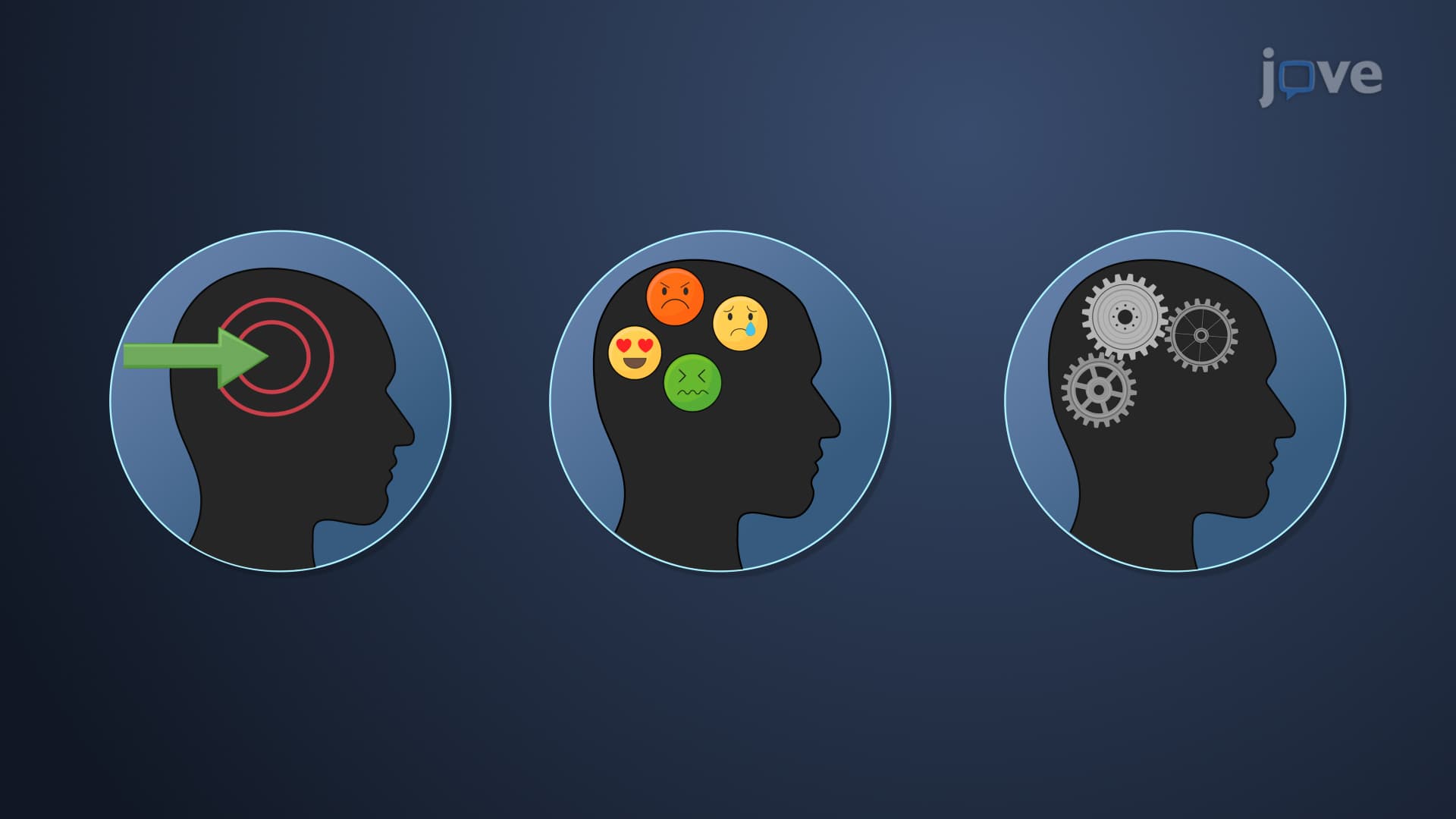

Drug abuse and addiction represent complex pharmacological phenomena affecting millions of Americans through harmful substance overuse and compulsive drug-seeking behaviors. This comprehensive course explores how drugs of abuse manipulate the brain's mesolimbic dopamine system, leading to tolerance, physical dependence, and withdrawal symptoms. Students will examine CNS depressants like alcohol and benzodiazepines, stimulants including cocaine and amphetamines, psychedelic agents, and cognitive enhancers, understanding their mechanisms of action and clinical implications with JoVE Coach.
1. Neurobiological Basis of Addiction: The mesolimbic dopamine system serves as the primary reward pathway in drug abuse and addiction. Drugs of abuse stimulate this system, releasing dopamine in the nucleus accumbens and creating pleasurable effects that drive continued use. Repeated exposure leads to neuroadaptations including tolerance, where higher doses are required for the same effect, and physical dependence, characterized by withdrawal symptoms upon cessation. Understanding these mechanisms is crucial for developing effective treatment strategies and explains why addiction is considered a chronic brain disease rather than simply a lack of willpower.
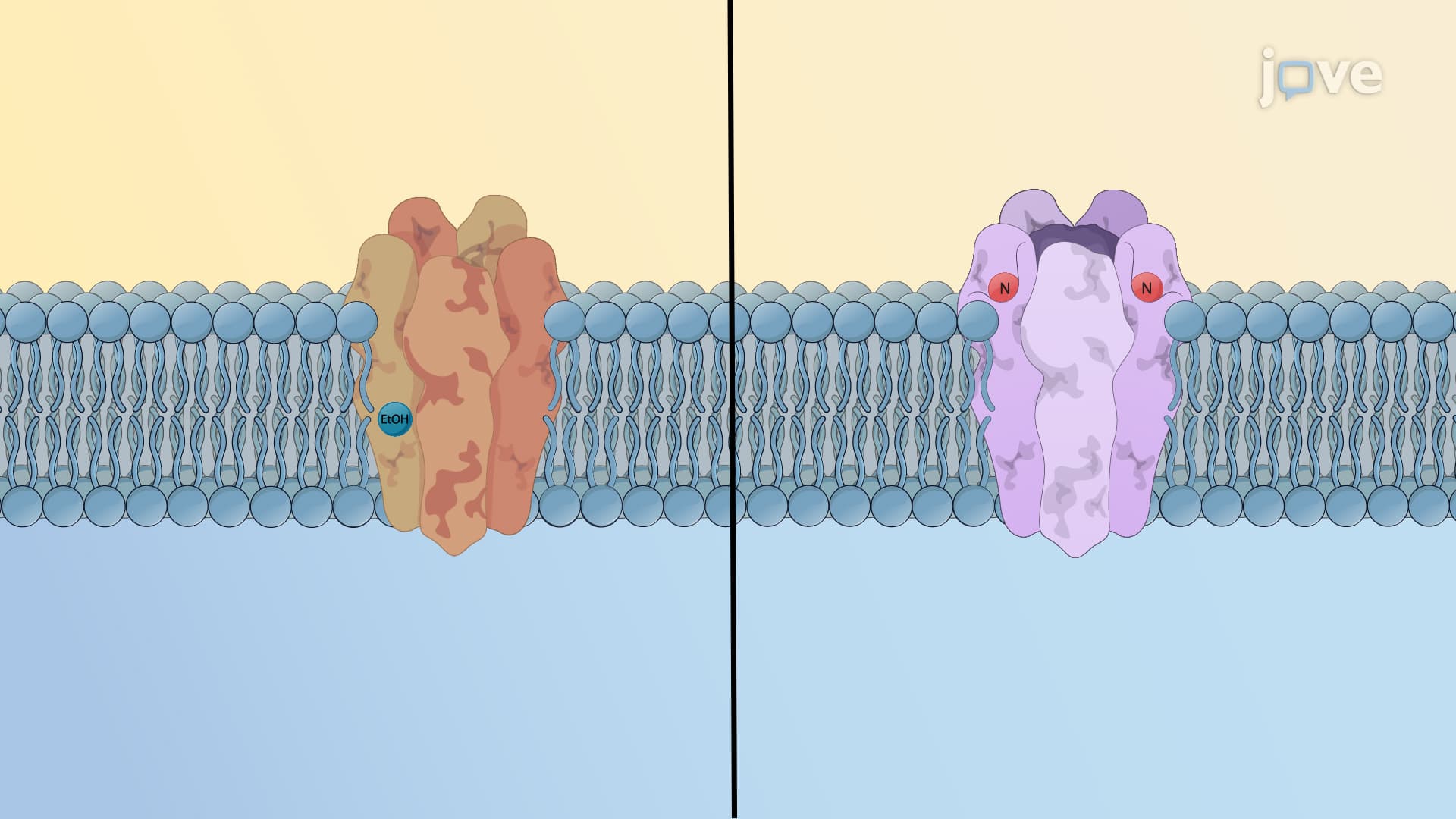
2. CNS Depressants - Alcohol and Nicotine: Ethanol acts as a GABA receptor agonist while simultaneously inhibiting glutamate's excitatory effects, resulting in the characteristic sedation and motor impairment seen in alcohol intoxication. Chronic use leads to tolerance and potentially life-threatening withdrawal symptoms including tremors, anxiety, and seizures. Treatment involves detoxification with benzodiazepines, followed by maintenance therapy using disulfiram, naltrexone, or acamprosate. Nicotine paradoxically acts as both a stimulant and depressant, binding to nicotinic acetylcholine receptors and triggering dopamine release, which explains tobacco's addictive potential and the effectiveness of varenicline in smoking cessation.
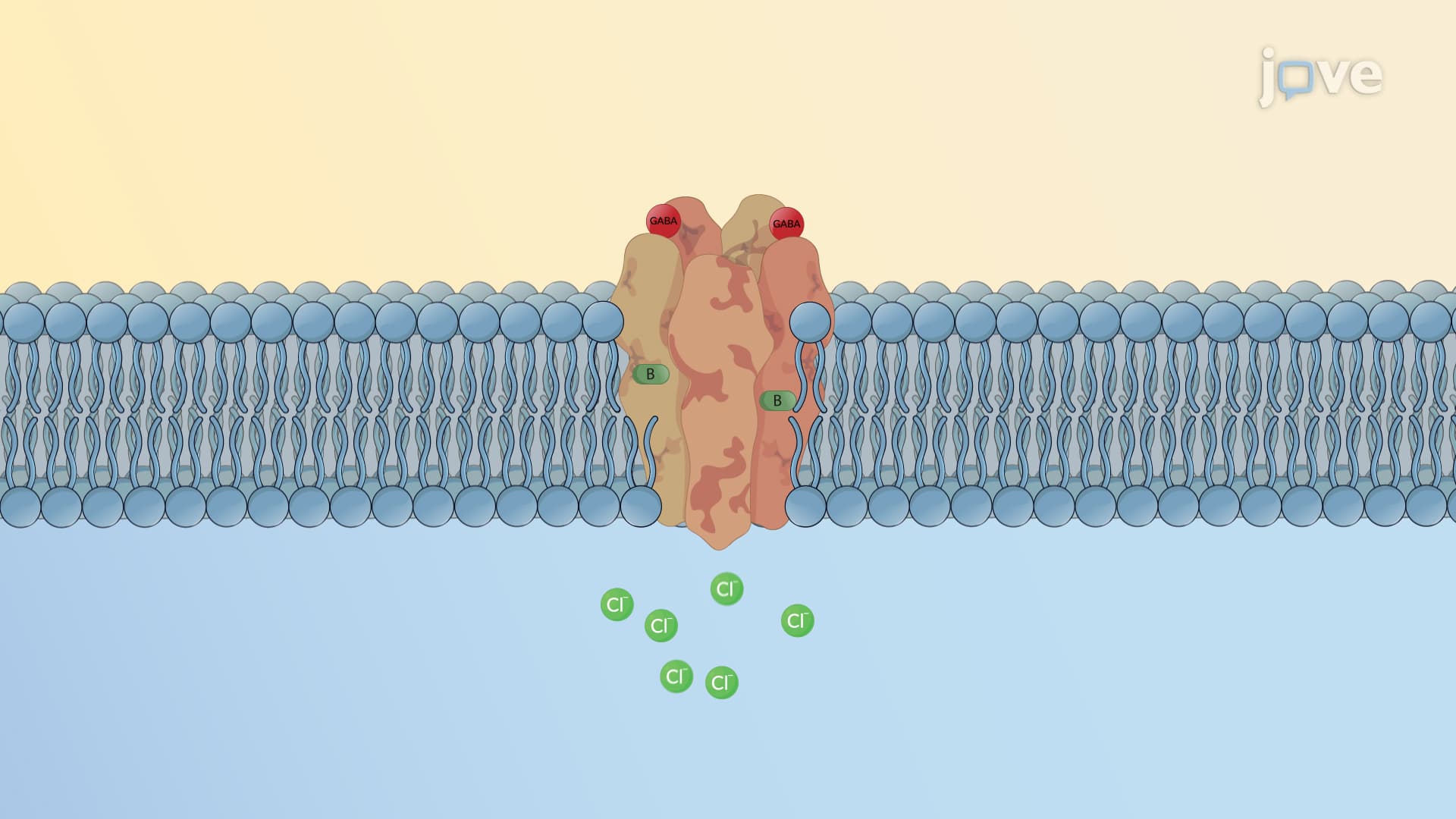
3. CNS Depressants - Barbiturates and Benzodiazepines: Both drug classes enhance GABA-mediated inhibition but through different mechanisms. Barbiturates prolong chloride channel opening duration and can cause fatal respiratory depression at high doses, making them particularly dangerous. Benzodiazepines increase the frequency of chloride channel opening and have a wider therapeutic window, making them safer alternatives for treating insomnia and anxiety. However, both classes can lead to physical dependence with withdrawal symptoms including seizures and cardiac arrest, requiring careful tapering protocols and medical supervision during discontinuation.
4. CNS Stimulants - Cocaine, Amphetamines, and Cannabinoids: Cocaine blocks dopamine reuptake transporters, dramatically increasing synaptic dopamine concentrations and producing intense euphoria followed by dysphoria and craving. This mechanism underlies cocaine's high abuse potential and associated cardiovascular risks including arrhythmias and cerebral vasoconstriction. Amphetamines, particularly methamphetamine, share similar mechanisms but have longer half-lives and additional therapeutic uses in ADHD and narcolepsy. Cannabinoids like THC activate CB1 receptors, producing cognitive impairment and memory effects while also having legitimate medical applications in glaucoma treatment and as antiemetics.
5. Psychedelic Agents and Hallucinogens: Unlike other drugs of abuse, hallucinogens are generally non-addictive but produce profound alterations in perception through 5-HT2A receptor activation. Indoleamines like LSD and psilocybin cause sensory distortions and altered consciousness states, while phenethylamines such as MDMA combine stimulant and psychedelic properties. PCP, originally developed as an anesthetic, can cause dangerous dissociative effects and aggression. Although physical dependence doesn't occur, rapid tolerance development and potential for psychological distress require medical monitoring and supportive care during adverse reactions.
6. Cognitive Enhancers and Nootropics: Acetylcholinesterase inhibitors improve cognitive function in Alzheimer's disease by increasing acetylcholine availability, though they can cause unwanted cholinergic side effects including excessive salivation and urinary retention. NMDA receptor antagonists like memantine protect against excitotoxicity while preserving normal synaptic function, making them valuable in treating moderate to severe dementia. Other agents like modafinil enhance alertness through dopamine and glutamate modulation, while piracetam acts as an AMPA receptor positive allosteric modulator to improve memory formation and recall.