Loading subject page…
- Pharmacology
- Insulin and Hypoglycemic Drugs
Pharmacology
All Micro-courses:25

1.
General Pharmacological Principles
14 Concepts
2.
Adverse Drug Effects and Chemical Toxicity
11 Concepts
3.
Pharmacokinetics
29 Concepts
4.
Pharmacodynamics
19 Concepts
5.
Drugs Acting on Autonomic Nervous System: Cholinergic Agonists and Antagonists Agents
24 Concepts
6.
Drugs Acting on Autonomic Nervous System: Adrenergic Agonists and Antagonists Agents
20 Concepts
7.
Skeletal Muscle Relaxants
13 Concepts
8.
Local Anesthetics
10 Concepts
9.
Cardiovascular Drugs: Antihypertensive Drugs
12 Concepts
10.
Cardiovascular Drugs: Antiarrhythmic and Heart Failure Drugs
12 Concepts
11.
Cardiovascular Drugs: Anticoagulants and Antianginal Agents
7 Concepts
12.
Drug Abuse and Addiction
6 Concepts
13.
Drugs for Pain Management: Opioid Analgesics and General Anesthetics
8 Concepts
14.
Pharmacotherapy of Psychosis and Mania
6 Concepts
15.
Pharmacotherapy of Depression and Anxiety Disorders
8 Concepts
16.
Anxiolytics, Sedatives and Hypnotics
8 Concepts
17.
Pharmacotherapy of the Epilepsies
8 Concepts
18.
Introduction to Respiratory System Drugs
6 Concepts
19.
Lower Respiratory Disorders
9 Concepts
20.
Other Respiratory Disorders
8 Concepts
21.
Drugs for Peptic Ulcer Disease
8 Concepts
22.
Drugs Affecting Gastrointestinal Motility
10 Concepts
23.
Drugs for Chronic Bowel Disorders
7 Concepts
24.
Drugs for Nausea and Vomiting
5 Concepts
25.
Insulin and Hypoglycemic Drugs
16 Concepts
Insulin and Hypoglycemic Drugs
 16 Concepts
 15.3K Views
 Popular topics
Concepts: 16

01:02
3K views

01:27
1.6K views

01:28
1.9K views
01:20
2.3K views

01:15
1.4K views

01:15
663 views
01:25
747 views
01:27
359 views
01:16
361 views
01:17
470 views

01:26
400 views
01:06
354 views

01:19
349 views
01:24
519 views
01:23
323 views

01:15
506 views
Insulin and hypoglycemic drugs are essential therapeutic agents for managing diabetes mellitus in the United States, where over 37 million Americans live with this condition. This comprehensive course explores glucose homeostasis, insulin signaling pathways, diabetes pathophysiology, and the pharmacotherapy of various antidiabetic medications. Through JoVE Coach's expertly designed content, you'll master the mechanisms behind insulin formulations, oral hypoglycemic agents, and emergency treatments for hypoglycemia.
- Understand the physiological regulation of blood glucose through insulin and glucagon
- Learn the structure and function of pancreatic islets in glucose homeostasis
- Identify insulin receptor signaling pathways and cellular mechanisms
- Explore the pathophysiology underlying Type 1 and Type 2 diabetes mellitus
- Analyze diagnostic criteria and clinical complications of diabetes
- Apply knowledge of insulin biosynthesis and pharmaceutical preparations
- Understand the mechanisms of action for oral hypoglycemic drug classes
- Learn emergency management protocols for hypoglycemia using glucagon
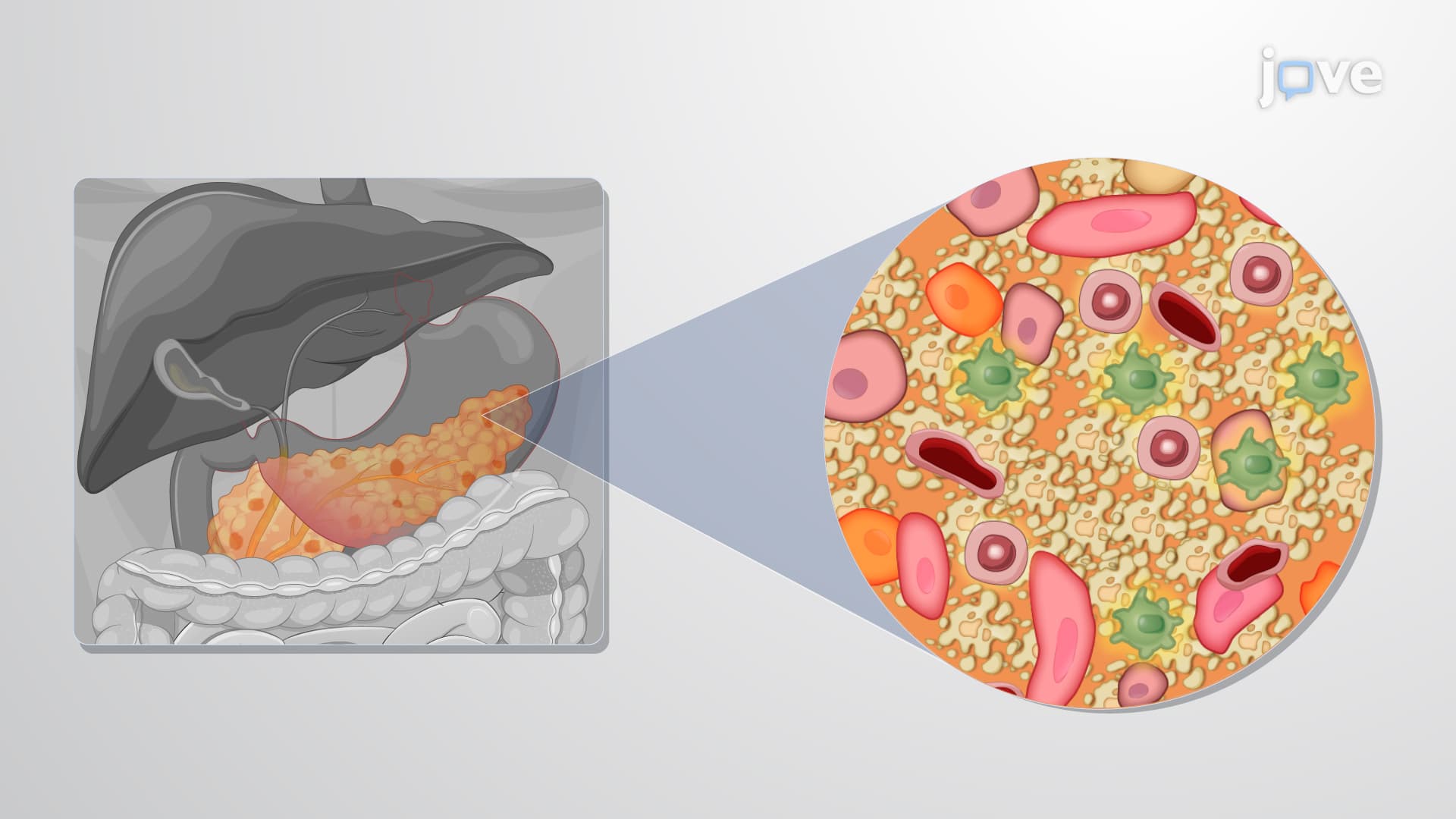
1. Glucose Homeostasis and Pancreatic Function The pancreas maintains blood glucose through coordinated hormone release from specialized islet cells. Beta cells secrete insulin during fed states when glucose levels rise above 100 mg/dL, promoting cellular glucose uptake and glycogen storage. Alpha cells release glucagon during fasting states, stimulating hepatic glucose production through gluconeogenesis and glycogenolysis. This delicate balance ensures stable blood glucose levels between 70-100 mg/dL in healthy individuals, with disruption leading to diabetes mellitus.
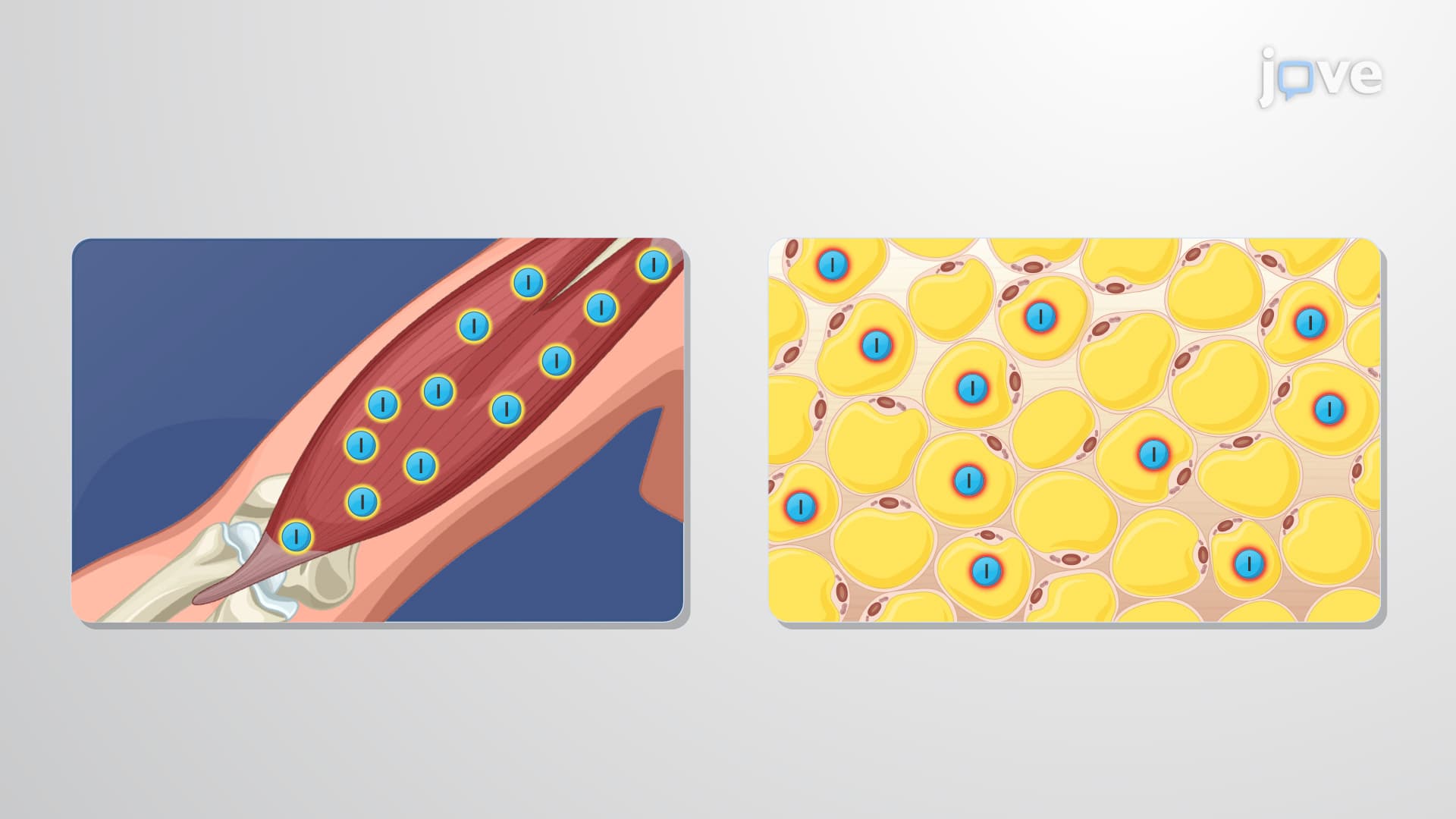
2. Insulin Signaling and Cellular Mechanisms Insulin binds to receptor tyrosine kinases on target tissues, particularly skeletal muscle, adipose tissue, and liver. The activated receptor phosphorylates intracellular proteins including IRS and Shc, triggering downstream pathways involving PI3-kinase and MAP kinase. This cascade promotes GLUT4 translocation to cell membranes, facilitating glucose uptake and metabolism. Understanding these pathways is crucial for comprehending insulin resistance mechanisms in Type 2 diabetes and therapeutic targets for intervention.
3. Diabetes Pathophysiology and Diagnosis Type 1 diabetes results from autoimmune destruction of pancreatic beta cells, requiring lifelong insulin replacement. Type 2 diabetes involves insulin resistance and progressive beta cell dysfunction, affecting over 90% of diabetic Americans. Diagnosis relies on fasting plasma glucose ≥126 mg/dL, oral glucose tolerance test ≥200 mg/dL, or HbA1c ≥6.5%. Early recognition prevents complications including diabetic ketoacidosis, retinopathy, nephropathy, and cardiovascular disease, which significantly impact healthcare costs in the United States.
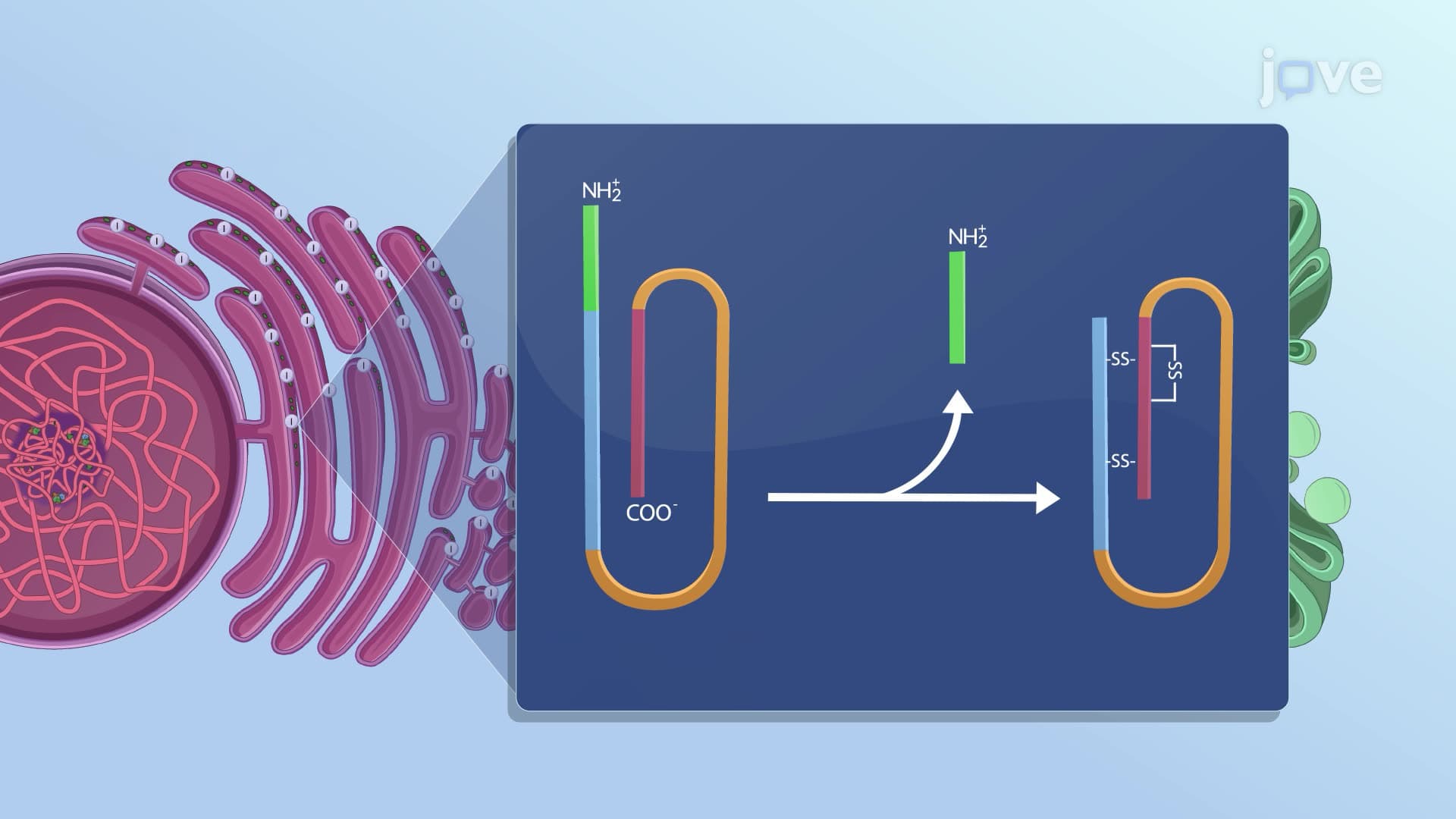
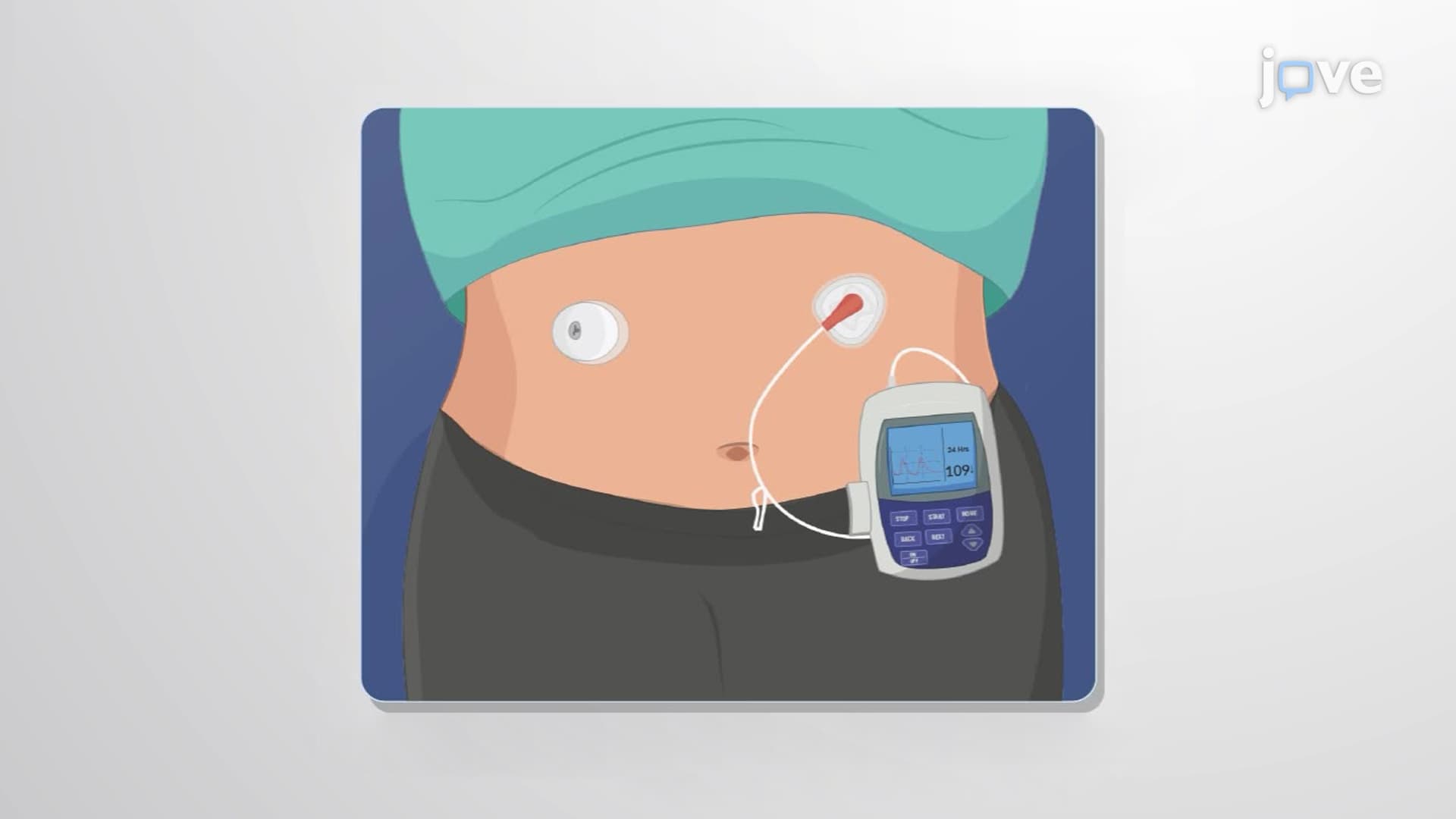
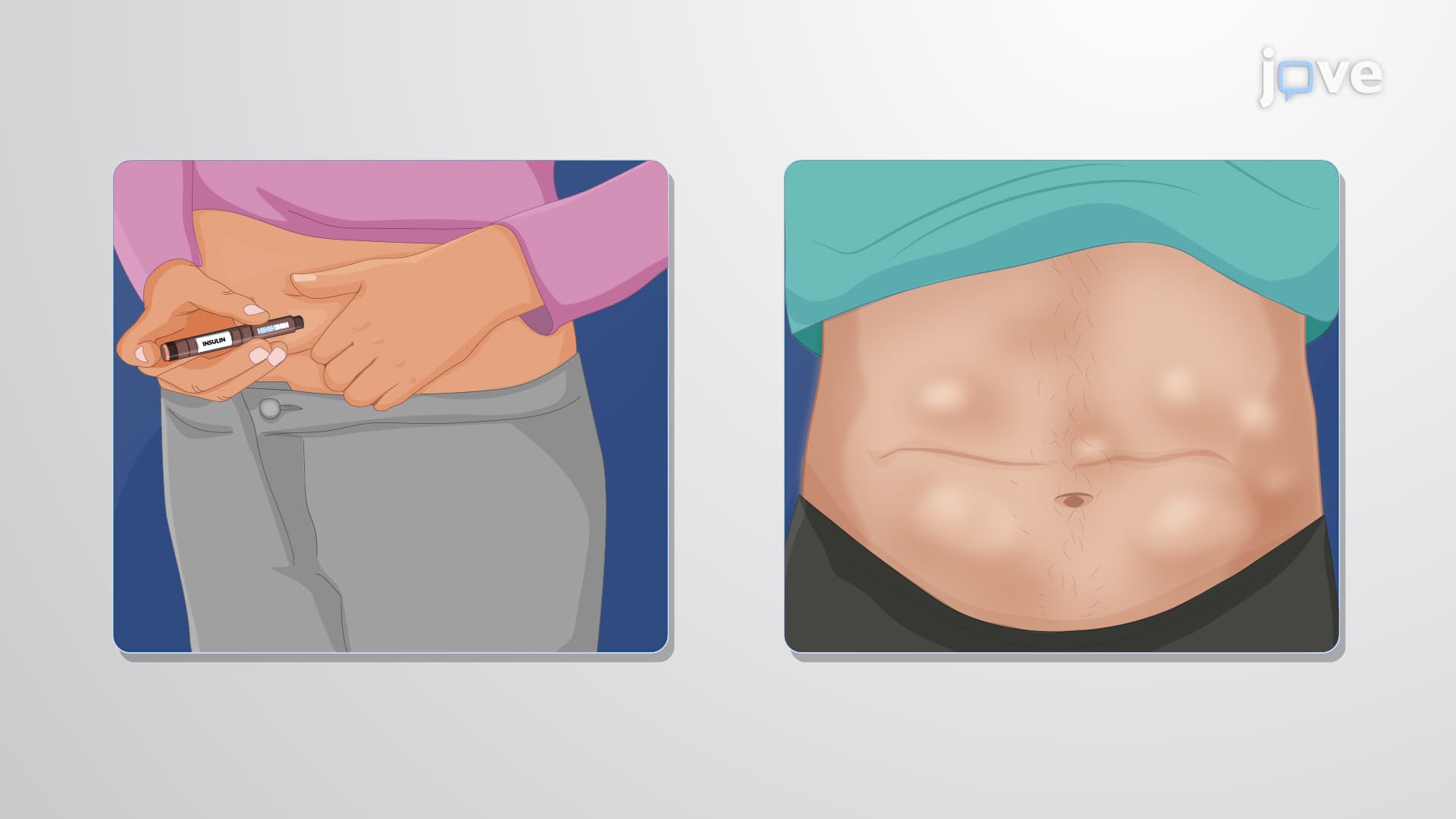
4. Insulin Preparations and Delivery Systems Modern insulin therapy utilizes recombinant human insulin in various formulations. Rapid-acting analogs (lispro, aspart, glulisine) provide mealtime coverage, while long-acting forms (glargine, detemir, degludec) supply basal insulin needs. Delivery methods include subcutaneous injections, insulin pens, and continuous infusion pumps. Proper timing and dosing prevent hypoglycemia, the most dangerous acute complication. American diabetes management typically combines long-acting insulin (40-50% of daily dose) with rapid-acting insulin for meals.
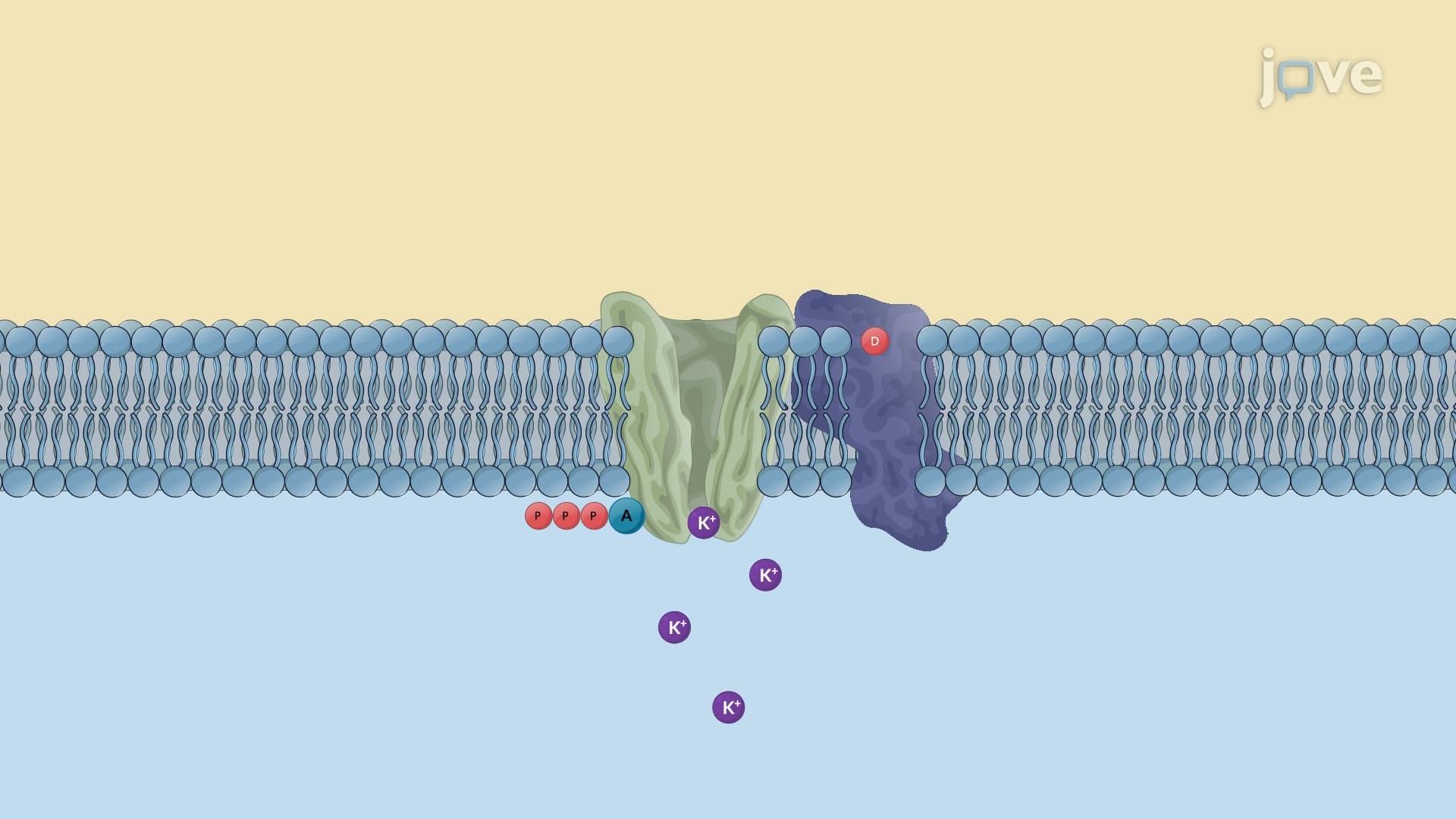
5. Oral Hypoglycemic Agents: Sulfonylureas and Insulin Secretagogues Sulfonylureas like glyburide and glipizide bind to ATP-sensitive potassium channels on pancreatic beta cells, stimulating insulin release. Second-generation agents show improved efficacy and fewer drug interactions compared to first-generation compounds like tolbutamide. Glinides (repaglinide, nateglinide) provide shorter-acting insulin secretion for postprandial glucose control. Both classes risk hypoglycemia and weight gain but remain important options for Type 2 diabetes management when metformin alone proves insufficient for glycemic control.
6. Insulin Sensitizers: Metformin and Thiazolidinediones Metformin, the first-line treatment for Type 2 diabetes in American guidelines, reduces hepatic glucose production and improves peripheral insulin sensitivity without causing hypoglycemia. It promotes weight loss and has cardiovascular benefits, making it ideal for overweight diabetic patients. Thiazolidinediones like pioglitazone act as PPAR-gamma agonists, improving insulin sensitivity but causing weight gain and edema. Careful patient selection avoids complications like heart failure, particularly important given the high cardiovascular risk in American diabetic populations.
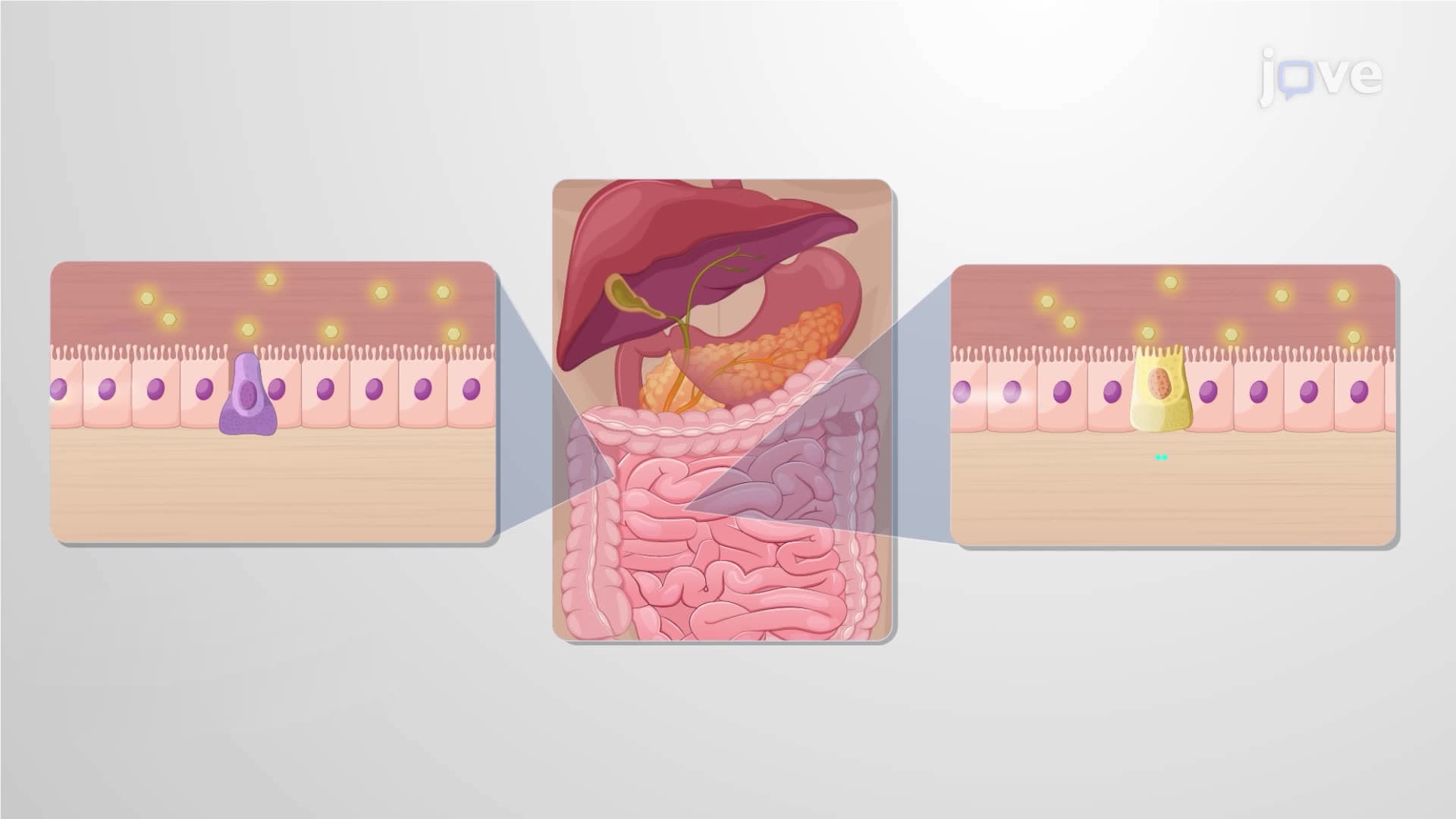
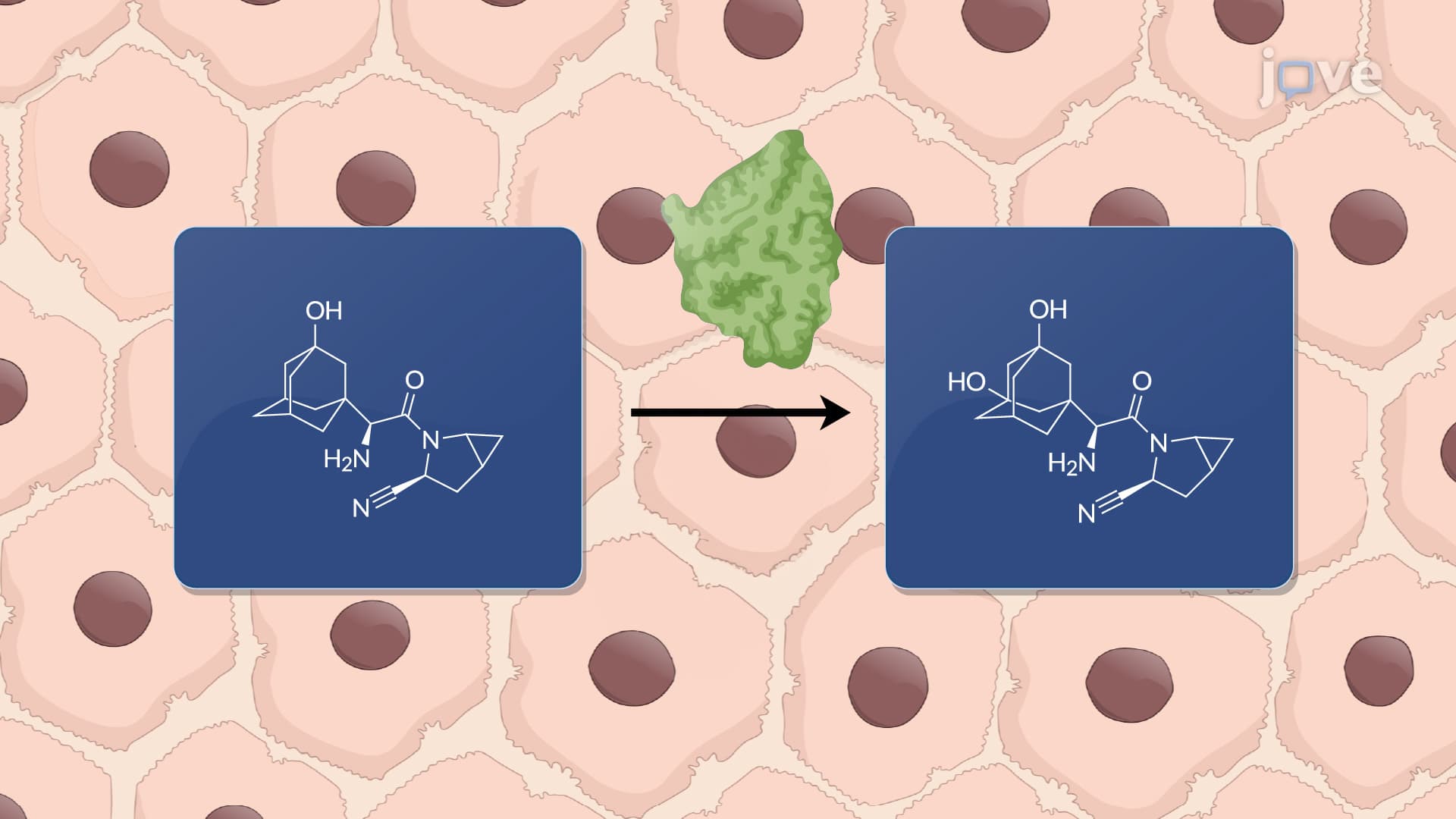
7. Incretin-Based Therapies and Novel Approaches GLP-1 receptor agonists (liraglutide, dulaglutide) mimic incretin hormones, providing glucose-dependent insulin secretion and glucagon suppression. These agents promote weight loss, addressing the obesity epidemic affecting 80% of Type 2 diabetics in America. DPP-4 inhibitors (sitagliptin, saxagliptin) prevent incretin degradation with minimal side effects. Alpha-glucosidase inhibitors (acarbose, miglitol) delay carbohydrate absorption, reducing postprandial glucose spikes. These newer therapies expand treatment options for personalized diabetes care in diverse American populations.