Loading subject page…


14 Concepts
11 Concepts
29 Concepts
19 Concepts
24 Concepts
20 Concepts
13 Concepts
10 Concepts
12 Concepts
12 Concepts
7 Concepts
6 Concepts
8 Concepts
6 Concepts
8 Concepts
8 Concepts
8 Concepts
6 Concepts
9 Concepts
8 Concepts
8 Concepts
10 Concepts
7 Concepts
5 Concepts
16 Concepts
 9 Concepts
 11K Views
 Popular topics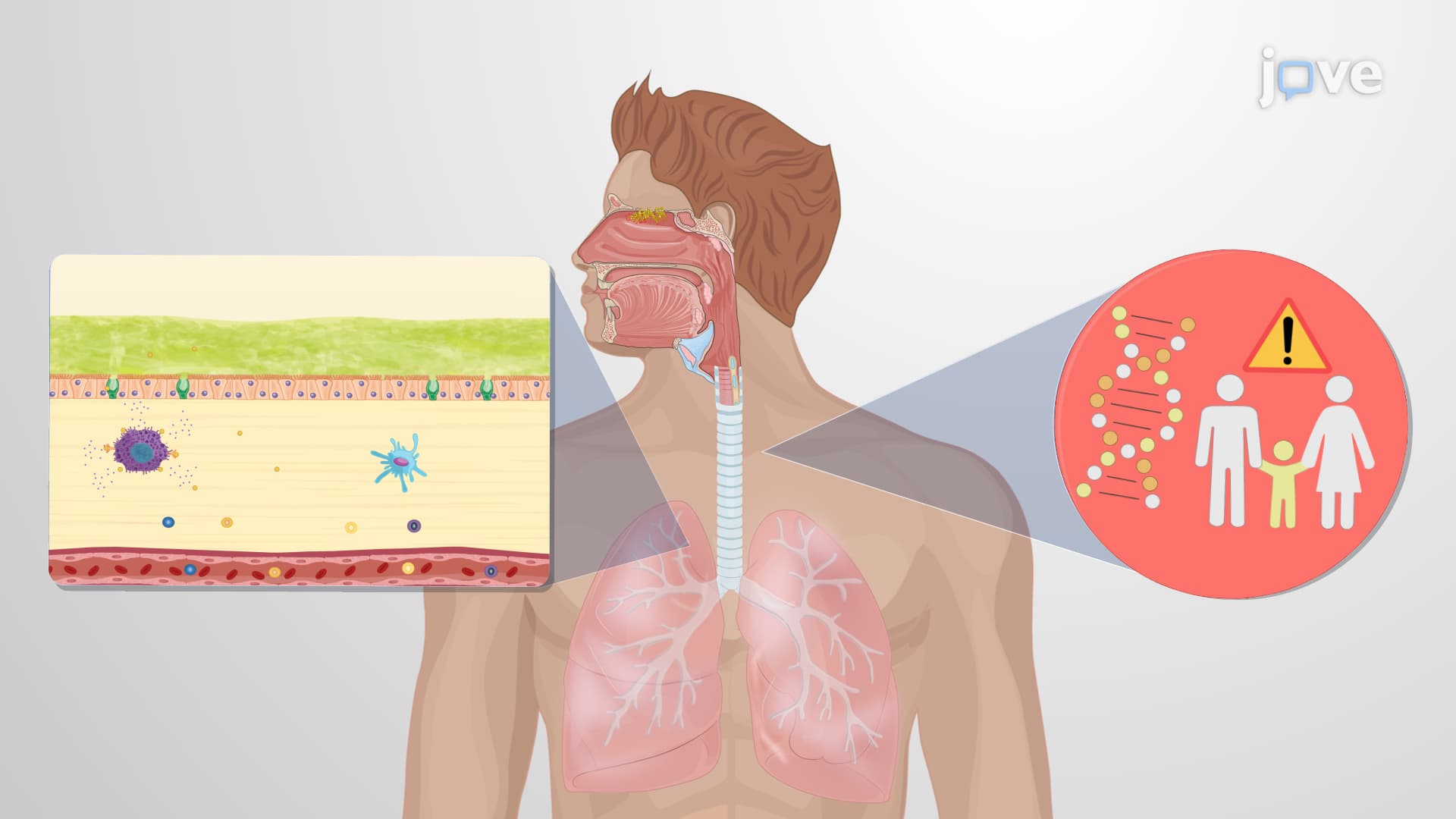



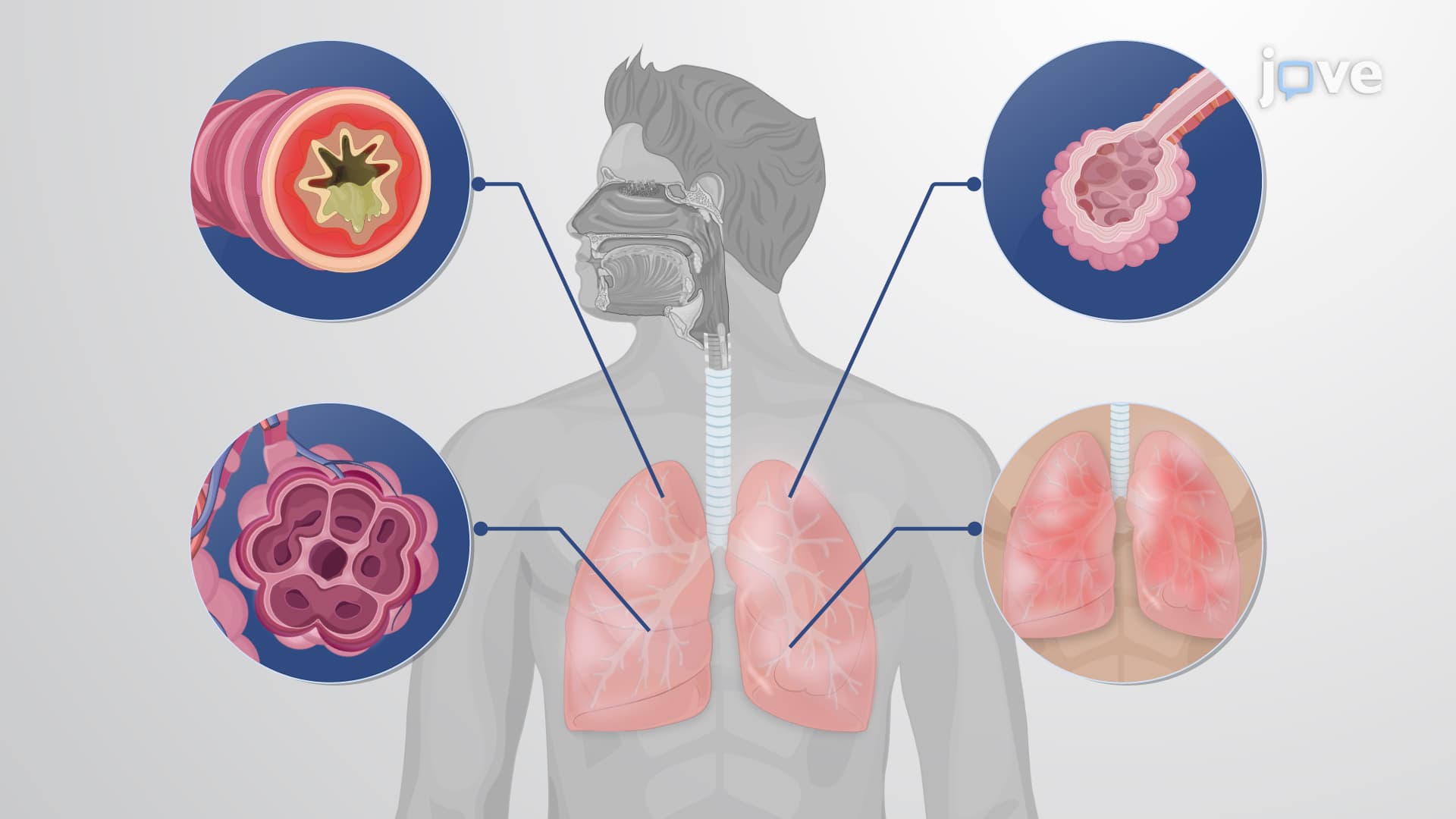

Lower respiratory disorders, including asthma and COPD, represent major healthcare challenges requiring comprehensive pharmacological management. This course examines evidence-based drug treatment for lower respiratory disorders, covering bronchodilators, anti-inflammatory agents, and combination therapies used in US clinical practice. Students will explore mechanisms of action, therapeutic applications, and adverse effects of medications like beta-2 agonists, inhaled corticosteroids, and leukotriene modifiers through JoVE Coach's interactive learning platform.
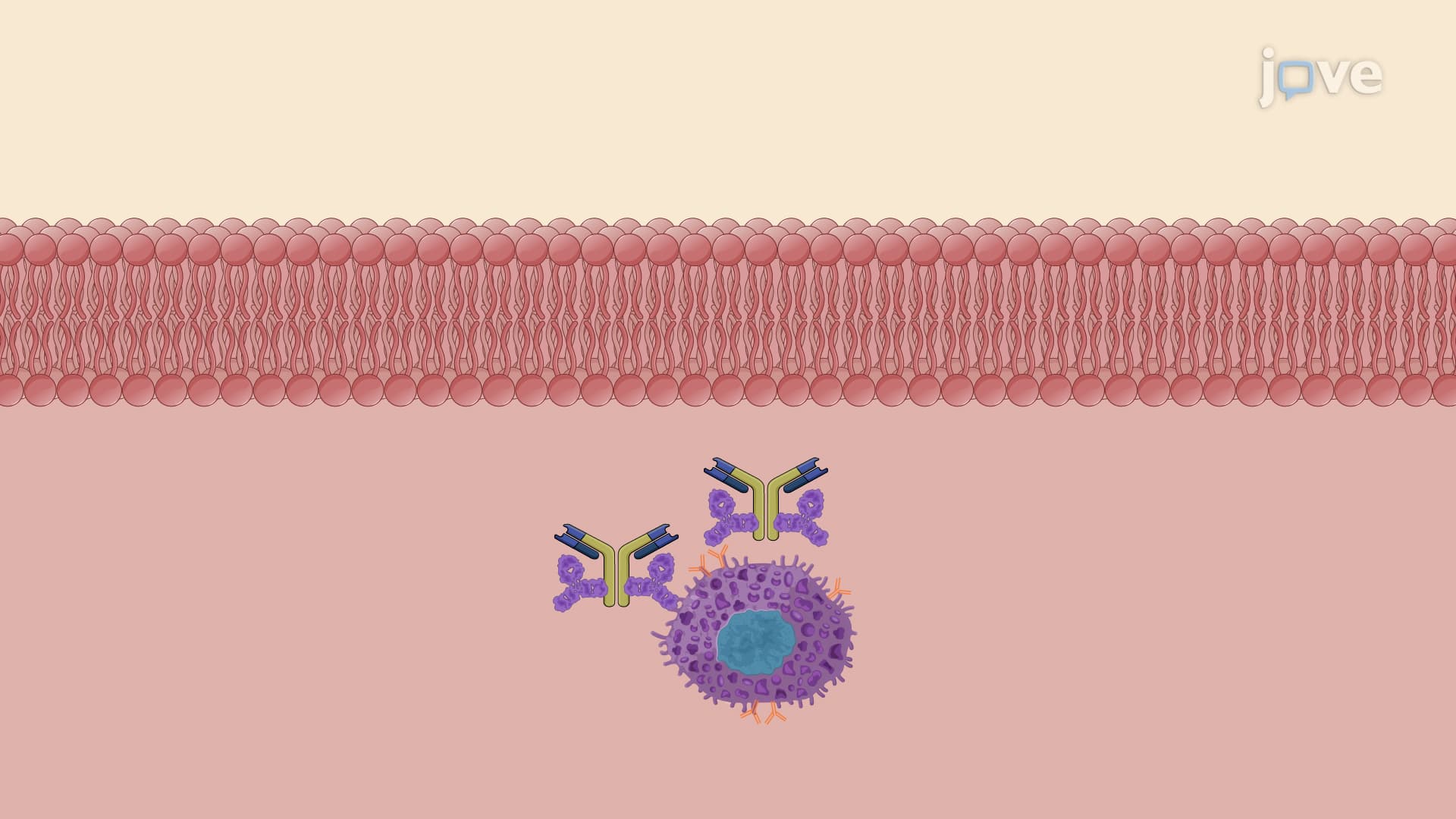
1. Asthma Pathophysiology and Classification Asthma involves chronic airway inflammation, hyperresponsiveness, and reversible obstruction affecting over 25 million Americans. The condition manifests through allergic responses triggered by environmental allergens like dust mites and pet dander, or non-allergic triggers including cold air and emotional stress. The pathogenesis involves initial sensitization where allergen exposure prompts IgE antibody production, followed by mast cell priming in airway mucosa. Upon re-exposure, inflammatory mediators cause bronchial smooth muscle contraction, excessive mucus secretion, and vascular permeability changes. A delayed late-phase response involves inflammatory cell infiltration and sustained bronchoconstriction, establishing the chronic inflammatory cycle characteristic of persistent asthma.
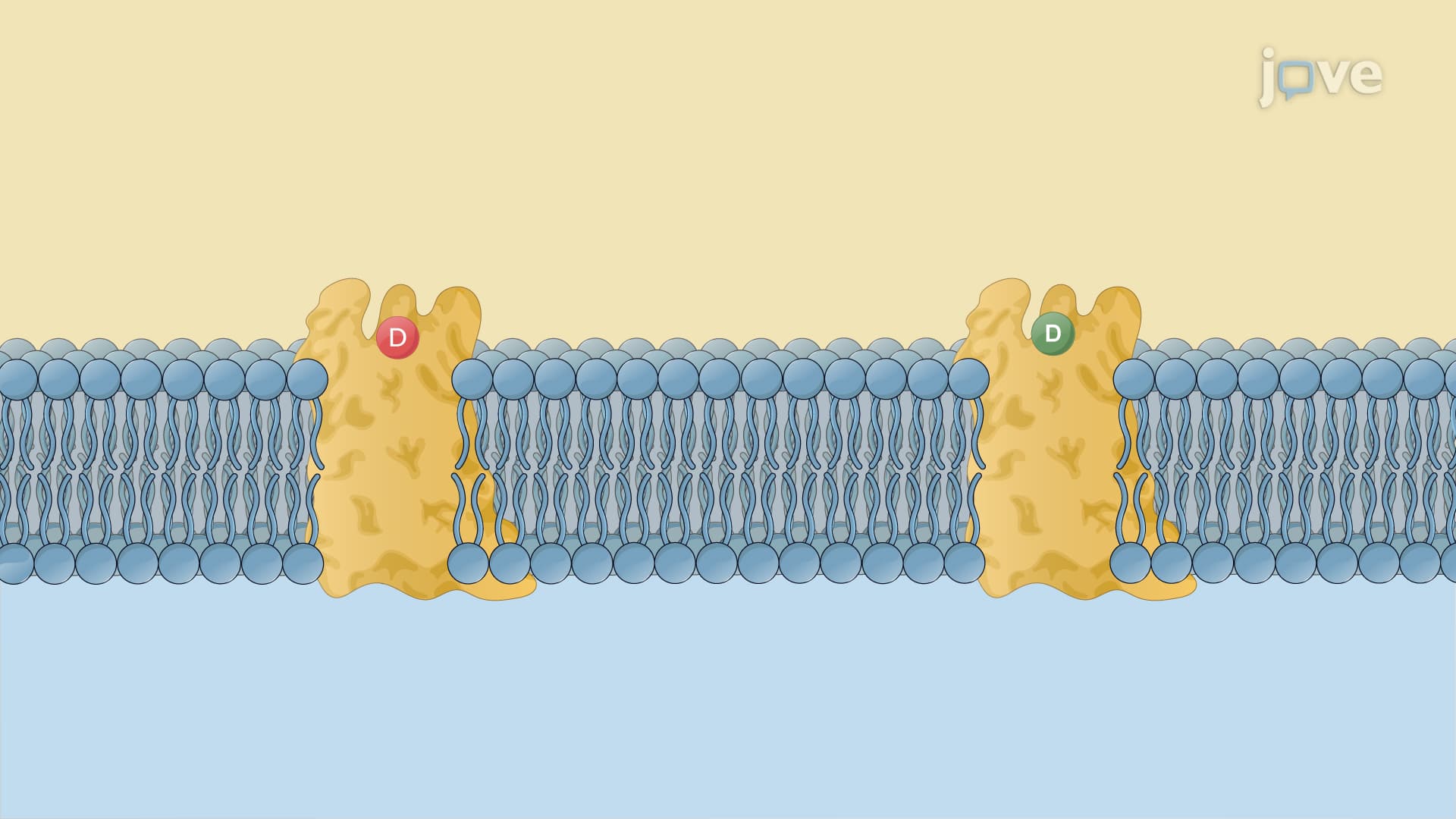
2. Beta-2 Adrenoceptor Agonists: SABAs and LABAs Beta-2 agonists represent cornerstone bronchodilators in US respiratory medicine, functioning through selective stimulation of beta-2 adrenergic receptors on bronchial smooth muscle. These medications activate adenylate cyclase, increasing cyclic AMP levels and promoting muscle relaxation for effective bronchodilation. Short-acting beta-2 agonists like albuterol provide rapid relief within minutes and remain first-line rescue therapy for acute bronchospasm episodes. Long-acting formulations including salmeterol and formoterol offer 12-hour duration for maintenance therapy, often combined with inhaled corticosteroids in products like Advair and Symbicort. Common adverse effects include skeletal muscle tremors, tachycardia, and hypokalemia, requiring careful monitoring in elderly patients with cardiovascular comorbidities.
3. Anticholinergic Bronchodilators and LAMA Therapy Muscarinic receptor antagonists block acetylcholine-mediated bronchoconstriction through competitive inhibition at parasympathetic nerve terminals. Ipratropium bromide, a short-acting muscarinic antagonist, provides complementary bronchodilation to beta-2 agonists and proves particularly effective in COPD management where parasympathetic tone contributes significantly to airflow limitation. Long-acting muscarinic antagonists (LAMAs) like tiotropium offer once-daily dosing and sustained bronchodilation for COPD maintenance therapy. These quaternary ammonium compounds exhibit minimal systemic absorption when inhaled, reducing anticholinergic side effects. Combination LABA-LAMA inhalers represent current standard care for moderate-to-severe COPD, providing dual bronchodilation mechanisms while improving patient adherence through simplified dosing regimens.
4. Inhaled Corticosteroids and Anti-inflammatory Therapy Inhaled corticosteroids serve as controller medications for persistent asthma through potent local anti-inflammatory effects while minimizing systemic exposure. These medications suppress multiple inflammatory pathways including T-helper cell activation, cytokine production, and eosinophil mediator release. Common ICS medications including fluticasone, budesonide, and mometasone demonstrate varying potencies and pharmacokinetic profiles affecting dosing strategies. Local adverse effects include oropharyngeal candidiasis and dysphonia, preventable through spacer device use and post-inhalation mouth rinsing. High-dose ICS may cause systemic effects including adrenal suppression and growth retardation in pediatric patients. Current US guidelines recommend ICS as first-line controller therapy for all persistent asthma severities, often combined with LABAs for enhanced efficacy.
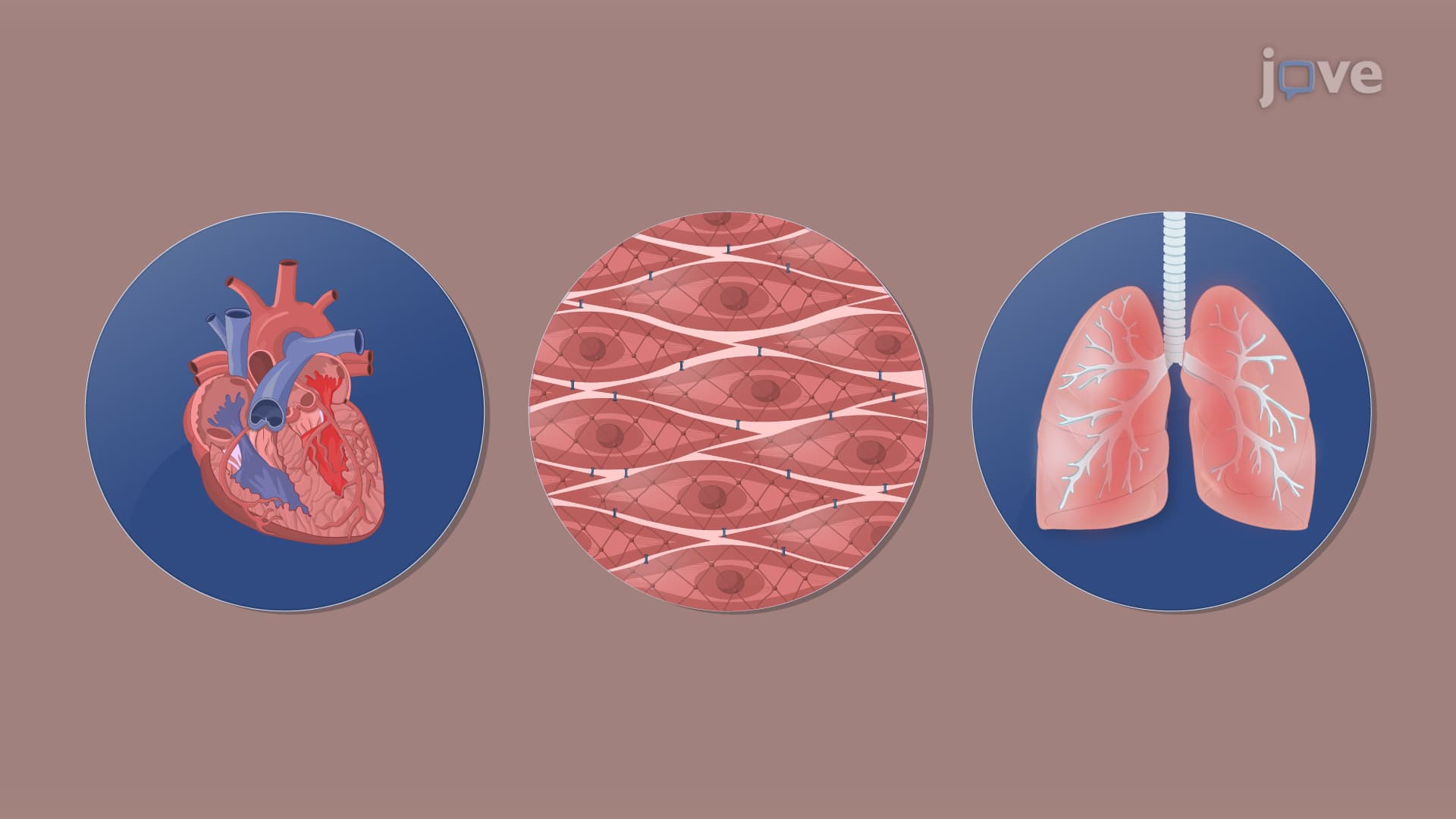
5. COPD Pathophysiology and Pharmacological Management Chronic obstructive pulmonary disease affects over 16 million Americans, characterized by progressive airflow limitation due to small airway remodeling and parenchymal destruction. Unlike asthma's reversible obstruction, COPD involves irreversible structural changes including emphysematous alveolar destruction and chronic bronchitis with airway fibrosis. Cigarette smoking remains the primary risk factor, causing oxidative stress and protease-antiprotease imbalance leading to lung tissue degradation. COPD management focuses on symptom control and exacerbation prevention through bronchodilator therapy, with inhaled corticosteroids reserved for patients with frequent exacerbations or eosinophilic inflammation. Combination therapies including triple therapy with ICS-LABA-LAMA demonstrate superior outcomes in reducing exacerbations and hospitalizations compared to monotherapy approaches in US clinical trials.