Loading subject page…


14 Concepts
11 Concepts
29 Concepts
19 Concepts
24 Concepts
20 Concepts
13 Concepts
10 Concepts
12 Concepts
12 Concepts
7 Concepts
6 Concepts
8 Concepts
6 Concepts
8 Concepts
8 Concepts
8 Concepts
6 Concepts
9 Concepts
8 Concepts
8 Concepts
10 Concepts
7 Concepts
5 Concepts
16 Concepts
 8 Concepts
 2.8K Views
 Popular topics






Other respiratory disorders treatment encompasses comprehensive therapeutic approaches for pulmonary arterial hypertension (PAH) and cystic fibrosis, two complex conditions affecting millions of Americans. Treatment strategies include phosphodiesterase inhibitors, endothelin receptor antagonists, prostacyclin receptor agonists, calcium channel blockers, oxygen therapy, and CFTR modulators. This JoVE Coach micro-course explores evidence-based management protocols used in US healthcare settings.
1. Pulmonary Hypertension Classification and Mechanisms: Pulmonary arterial hypertension represents a fatal condition where mean pulmonary arterial pressure exceeds 25 mmHg at rest. The pathophysiology involves four key mechanisms: pulmonary vascular remodeling, sustained vasoconstriction, in situ thrombosis, and vascular wall stiffening. PAH differs from other forms of pulmonary hypertension caused by left heart disease, lung diseases, or chronic thromboembolic events. American patients typically present with dyspnea, fatigue, chest pain, and syncope. Early recognition and classification are crucial for appropriate treatment selection in US medical centers.
2. Phosphodiesterase Inhibitor Therapy: Sildenafil and tadalafil work by selectively inhibiting phosphodiesterase-5 (PDE5) enzymes in pulmonary artery smooth muscle cells. These medications prevent cyclic GMP degradation, enhancing the cGMP-PKG signaling pathway that promotes vasodilation. Sildenafil reaches peak plasma concentration within one hour and undergoes hepatic metabolism via CYP3A and CYP2C9 enzymes. Common side effects include headaches, flushing, and transient blue-green vision changes. Tadalafil offers longer duration of action, making it suitable for once-daily dosing in American clinical practice.
3. Endothelin Receptor Antagonist Mechanisms: Bosentan, macitentan, and ambrisentan block endothelin-1 (ET-1) receptors to prevent pulmonary vasoconstriction. ET-1 production involves endothelin-converting enzyme, with ECE-1 serving as the rate-limiting step. These oral medications interact with ETA and ETB receptors differently - bosentan and macitentan block both receptor types, while ambrisentan selectively targets ETA receptors. US physicians monitor liver transaminases regularly due to hepatotoxicity risks. These medications are contraindicated during pregnancy and require careful patient counseling regarding teratogenic effects in American healthcare settings.
4. Prostacyclin Pathway Therapeutics: Prostacyclin receptor agonists mimic prostaglandin I2 and activate adenylyl cyclase pathways in pulmonary vascular smooth muscle. Epoprostenol requires continuous IV infusion due to its short half-life, while treprostinil offers multiple administration routes including subcutaneous, inhaled, and oral formulations. Iloprost provides targeted pulmonary delivery through inhalation, and selexipag offers oral convenience with longer duration. American patients may experience musculoskeletal pain, headaches, and systemic hypotension. Treatment selection depends on patient lifestyle, compliance ability, and insurance coverage in the US healthcare system.
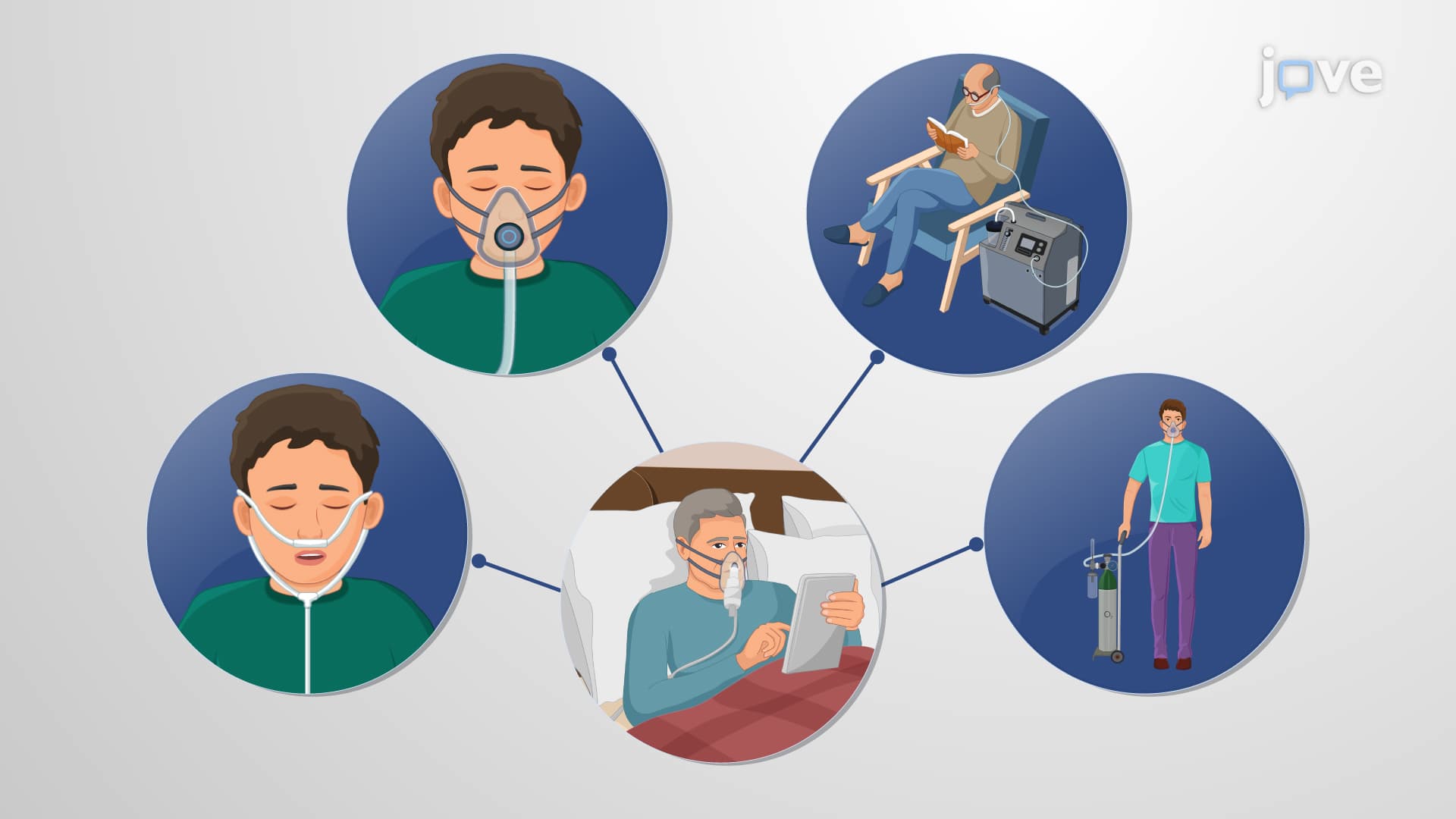
5. Advanced PAH Pharmacotherapy: Calcium channel blockers target voltage-dependent and receptor-operated calcium channels in pulmonary artery smooth muscle cells, preventing calcium influx and subsequent vasoconstriction. Nifedipine, amlodipine, diltiazem, and verapamil are titrated from low initial doses to maximum tolerated levels. Imatinib, a receptor tyrosine kinase inhibitor, targets PDGF receptors to prevent cell proliferation and migration. However, severe adverse effects like subdural hematoma limit its use. Oxygen therapy serves as adjunctive treatment, acting as a pulmonary vasodilator while improving tissue oxygenation in American PAH patients.
6. Cystic Fibrosis Pathophysiology and Management: Cystic fibrosis results from over 2,000 mutations in the CFTR gene on chromosome 7, affecting chloride and sodium transport in mucus-producing cells. This autosomal recessive disorder leads to thick, viscous secretions that obstruct airways and promote bacterial infections, particularly Pseudomonas aeruginosa. American CF patients undergo sweat chloride testing, genetic analysis, and pulmonary function monitoring. Treatment combines airway clearance techniques, antibiotics, anti-inflammatory drugs, bronchodilators, and CFTR modulators like ivacaftor and lumacaftor. Dornase alfa reduces sputum viscosity by breaking down extracellular DNA, while advanced cases may require lung transplantation at specialized US centers.