Loading subject page…


14 Concepts
11 Concepts
29 Concepts
19 Concepts
24 Concepts
20 Concepts
13 Concepts
10 Concepts
12 Concepts
12 Concepts
7 Concepts
6 Concepts
8 Concepts
6 Concepts
8 Concepts
8 Concepts
8 Concepts
6 Concepts
9 Concepts
8 Concepts
8 Concepts
10 Concepts
7 Concepts
5 Concepts
16 Concepts
 8 Concepts
 5.8K Views
 Popular topics
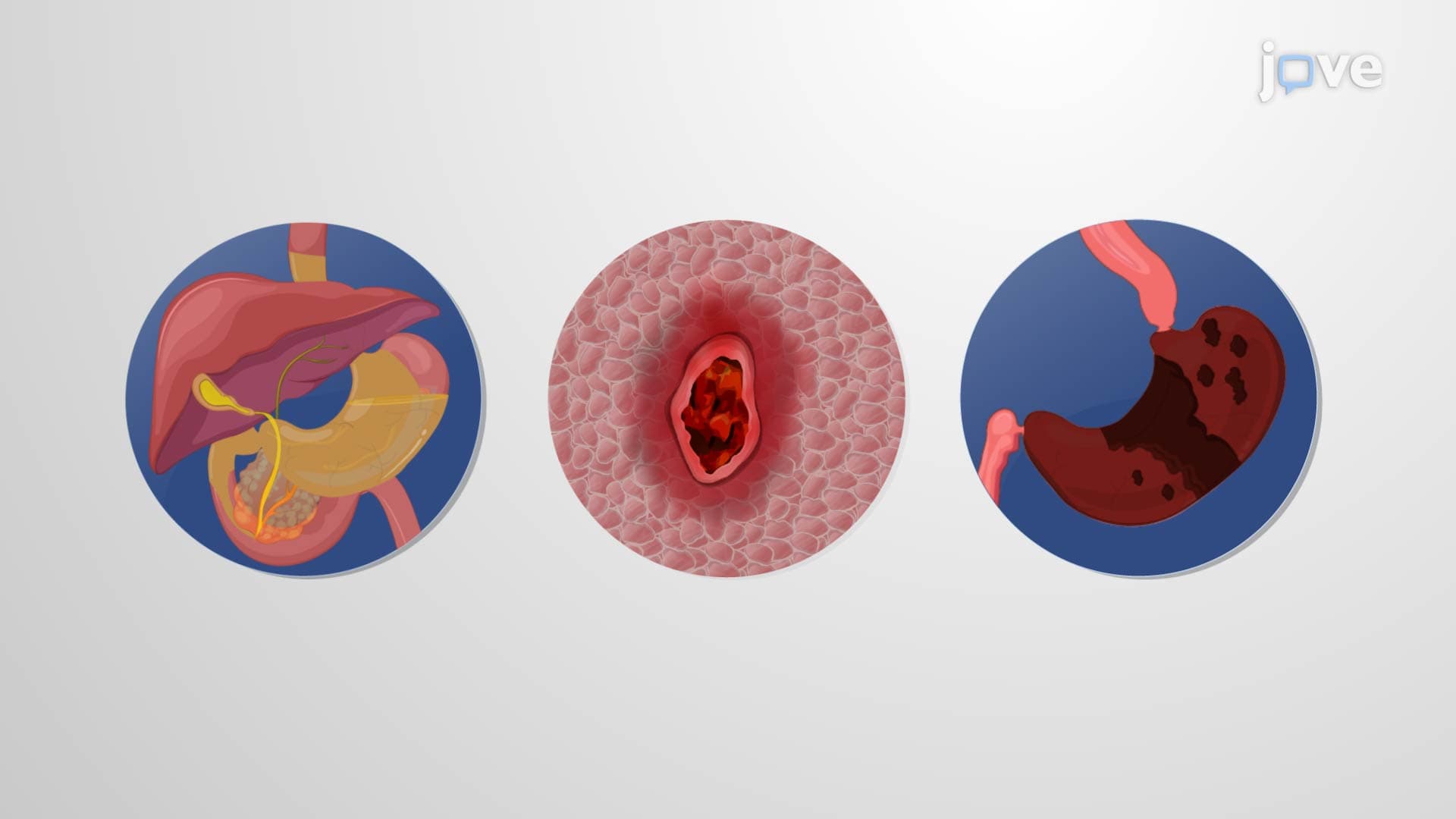



Drugs for peptic ulcer disease target the fundamental imbalance between aggressive acid secretion and protective mucosal defense mechanisms. This comprehensive JoVE Coach micro-course covers the complete pharmacological arsenal used in US clinical practice, including proton pump inhibitors, H2 receptor antagonists, antacids, cytoprotective agents, and antimicrobial therapy for H. pylori eradication, providing essential knowledge for healthcare students and professionals.
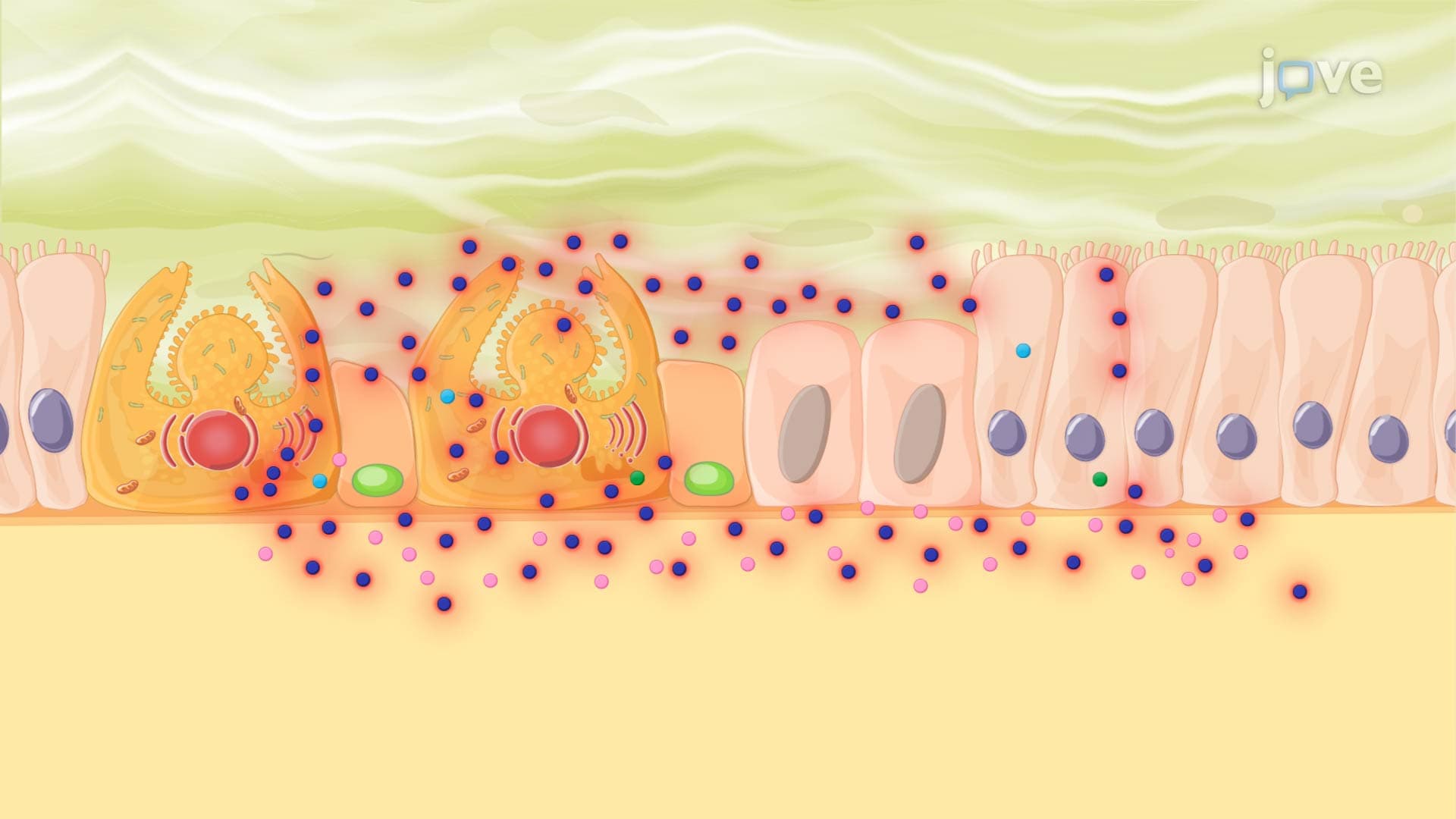
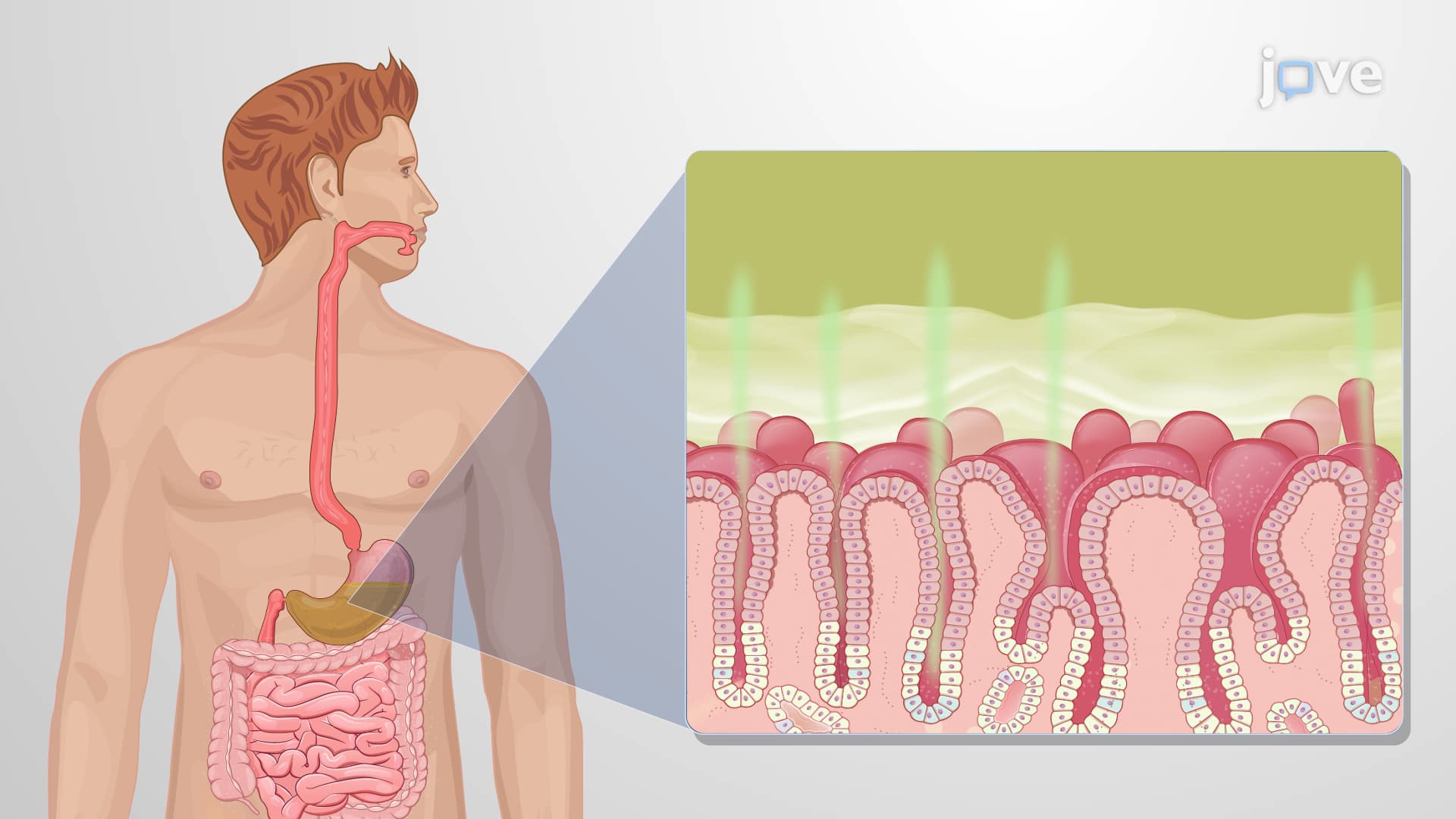
1. Peptic Ulcer Pathophysiology and Drug Targets - Peptic ulcers develop when aggressive factors like gastric acid, pepsin, and H. pylori infection overwhelm protective mechanisms including the mucus-bicarbonate barrier and prostaglandin-mediated cytoprotection. The pathophysiology involves complex interactions between vagal stimulation, gastrin release from G cells, and histamine secretion from enterochromaffin-like cells, all converging on parietal cell acid secretion. Understanding this cascade is crucial for selecting appropriate therapeutic interventions, as drugs target different points in this pathway to restore the balance between mucosal defense and aggressive factors.
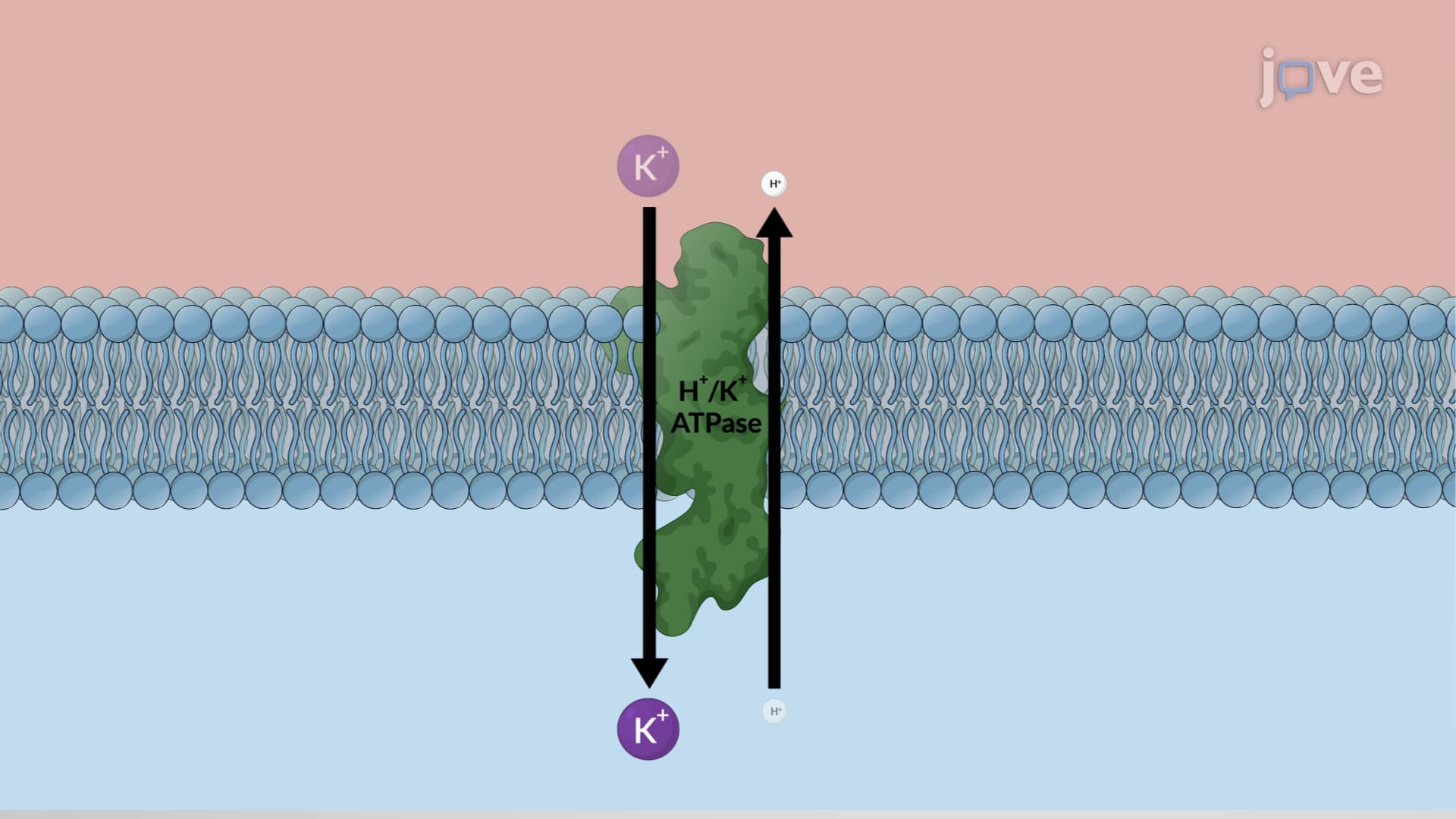
2. Proton Pump Inhibitors: Mechanism and Clinical Applications - Proton pump inhibitors represent the most potent acid suppressive drugs available, including omeprazole, lansoprazole, and esomeprazole commonly prescribed in US hospitals. These prodrugs require enteric coating to survive gastric acid, then accumulate in acidic parietal cell canaliculi where they convert to active sulfenamide forms. The activated drug irreversibly binds to sulfhydryl groups on the H+/K+-ATPase enzyme, permanently inactivating proton pumps and requiring new enzyme synthesis for acid recovery. This mechanism provides superior acid suppression compared to H2 blockers, making PPIs first-line therapy for peptic ulcers in American clinical guidelines.
3. H2 Receptor Antagonists and Competitive Inhibition - H2 receptor antagonists like famotidine, ranitidine (withdrawn from US market), and cimetidine competitively block histamine binding to H2 receptors on parietal cell basolateral membranes. This interrupts the cAMP-PKA signaling cascade that normally activates proton pumps, reducing acid secretion by approximately 70%. These drugs are particularly effective for nocturnal acid suppression and healing duodenal ulcers, though they're less potent than PPIs. US pharmacists must counsel patients about drug interactions, especially with cimetidine, which inhibits cytochrome P450 enzymes and can affect metabolism of warfarin and phenytoin commonly prescribed in American healthcare settings.
4. Antacids and Acid Neutralization Chemistry - Antacids provide rapid but temporary relief by directly neutralizing gastric acid through simple chemical reactions, raising gastric pH from 1 to approximately 5. Aluminum hydroxide and magnesium hydroxide combinations like Maalox dominate the US over-the-counter market, with aluminum providing constipating effects balanced by magnesium's laxative properties. Calcium carbonate antacids like Tums offer additional calcium supplementation but can cause acid rebound and CO2 production leading to belching. The effectiveness depends on dissolution rate, gastric emptying, and food presence, with duration extending from 30 minutes on empty stomach to 3 hours when taken with meals.
5. Cytoprotective Agents and Mucosal Defense Enhancement - Sucralfate represents a unique approach to ulcer therapy, functioning as a cytoprotective agent rather than acid suppressant. This aluminum hydroxide-sucrose sulfate complex polymerizes in acidic conditions, forming a protective barrier that adheres selectively to ulcerated tissue for up to 6 hours. Beyond physical protection, sucralfate stimulates local prostaglandin production, enhances bicarbonate secretion, and promotes mucosal blood flow. While effective for ulcer healing, sucralfate requires multiple daily dosing and can interfere with absorption of other medications, requiring careful timing of administration in US clinical practice where polypharmacy is common.
6. Prostaglandin Analogs for NSAID-Induced Ulcer Prevention - Misoprostol, a synthetic prostaglandin E1 analog, addresses the fundamental problem of NSAID-induced ulcers by replacing protective prostaglandins that NSAIDs deplete through cyclooxygenase inhibition. This drug simultaneously reduces acid secretion, stimulates mucus and bicarbonate production, and maintains mucosal blood flow, effectively reversing NSAID-induced gastric injury. In US practice, misoprostol is specifically indicated for preventing gastric ulcers in patients requiring long-term NSAID therapy who are at high risk for ulcer complications. However, its use is limited by gastrointestinal side effects including diarrhea and abdominal cramping, plus strict contraindication in pregnancy due to its ability to induce uterine contractions and potential abortion.
7. H. pylori Eradication Protocols and Antimicrobial Strategies - H. pylori eradication requires combination therapy to overcome antibiotic resistance and achieve cure rates above 90% as recommended by American Gastroenterological Association guidelines. Standard triple therapy combines a PPI with clarithromycin and either amoxicillin or metronidazole for 10-14 days, while quadruple therapy adds bismuth subsalicylate to enhance eradication rates. Sequential therapy, gaining popularity in US practice, uses PPI plus amoxicillin for 5 days followed by PPI, clarithromycin, and metronidazole for another 5 days. Treatment selection depends on local resistance patterns, with areas of high clarithromycin resistance in the United States requiring bismuth-based quadruple therapy as first-line treatment to achieve optimal eradication rates.