Loading…
Loading video…

46,055 views
Ever wondered how your smartphone's capacitive touchscreen detects your finger without physical contact? The potential due to a polarized object explains this phenomenon through electric field interactions with dielectric materials. When polarized materials create bound charges at surfaces and within volumes, they generate electric potentials that modern devices exploit. From medical imaging equipment at Johns Hopkins Hospital to semiconductor manufacturing in Silicon Valley, understanding how polarized dielectrics create electric potential fields is fundamental to countless technologies. Watch the full video on JoVE Coach to master this concept with expert-led visuals and step-by-step explanations.
When dielectric materials encounter external electric fields, they don't just passively respond—they actively reshape the field through polarization. This potential due to a polarized object represents one of electromagnetism's most practically important phenomena, governing everything from capacitor design to medical imaging technology.
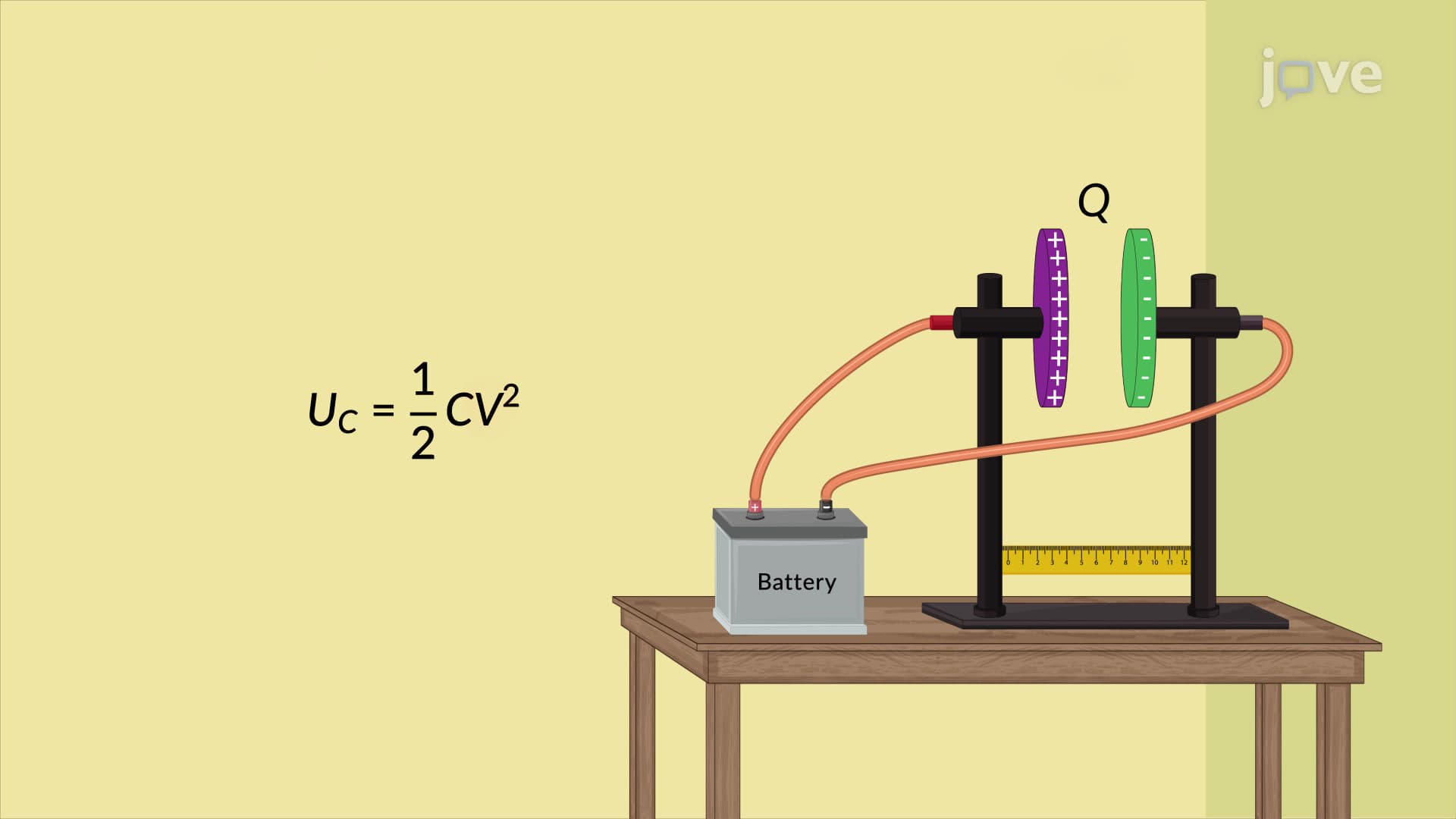
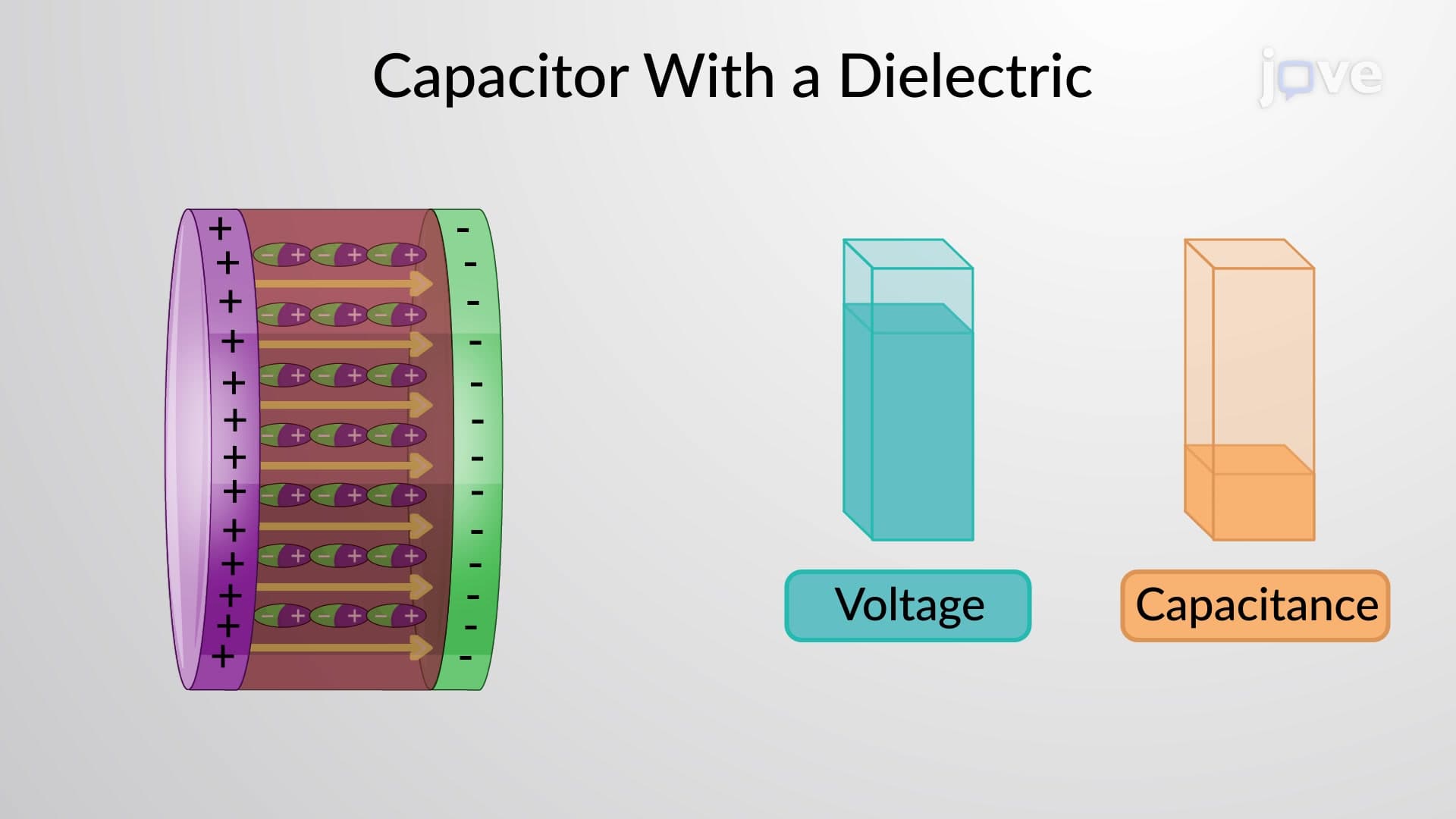
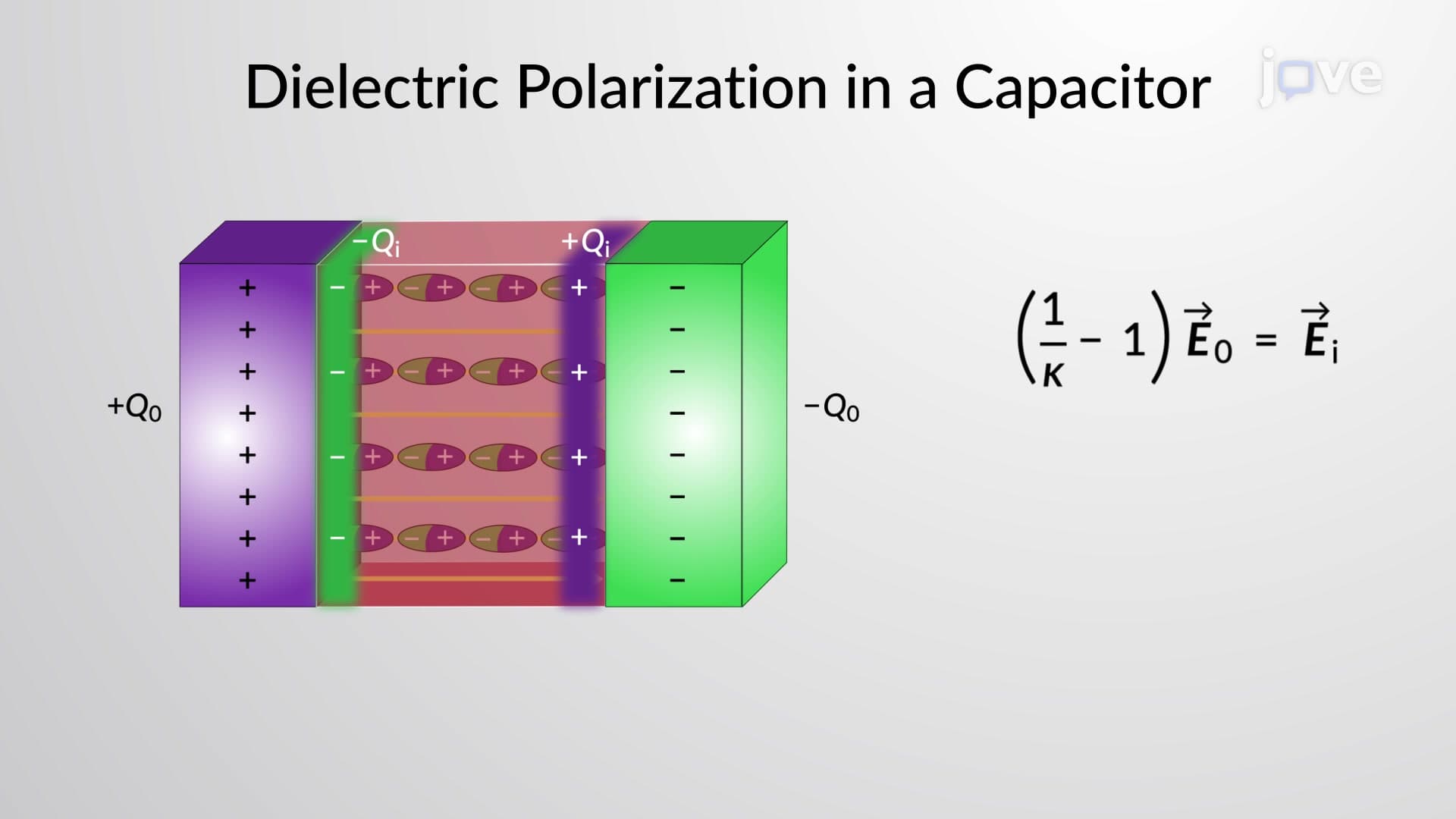
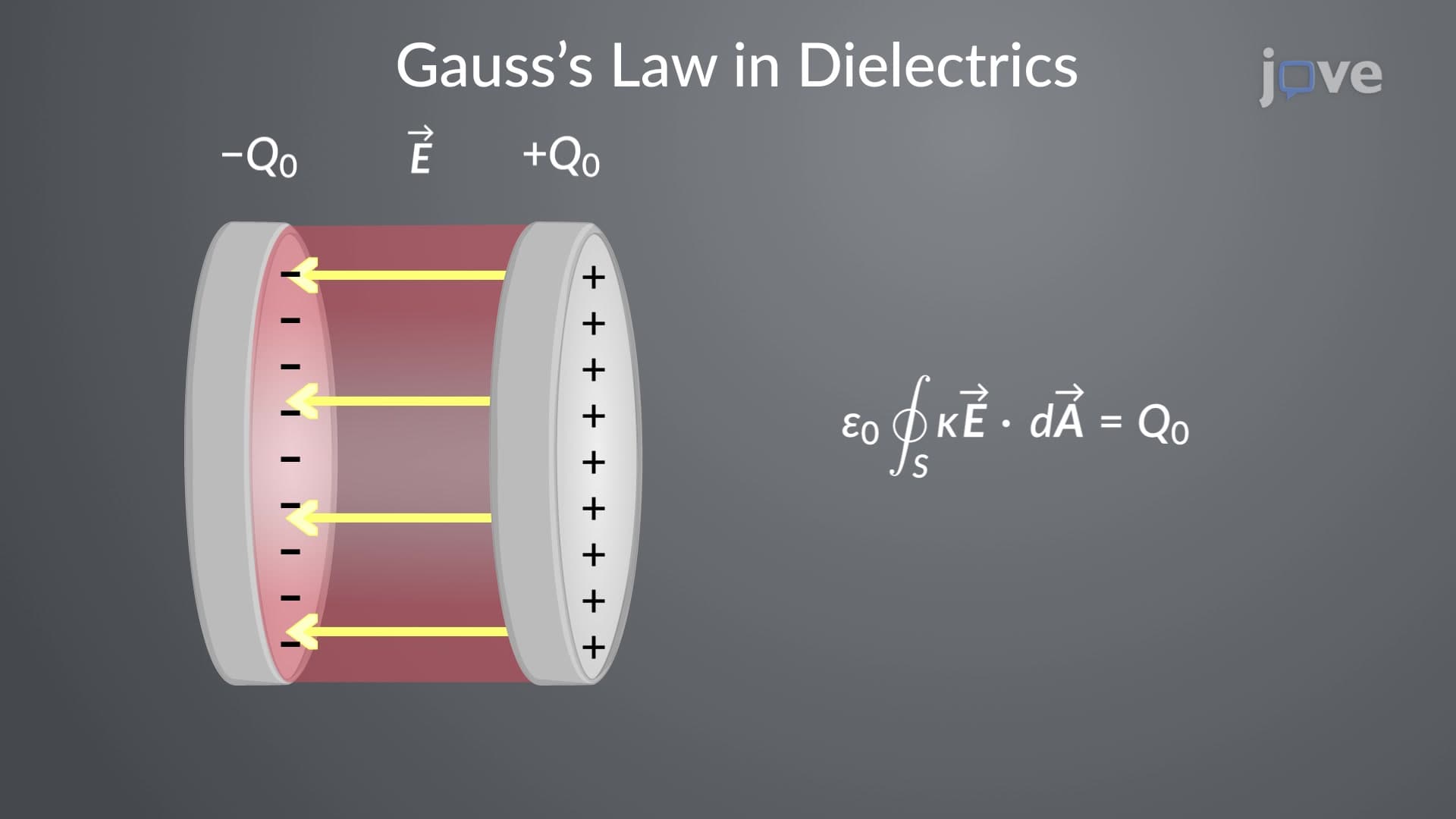
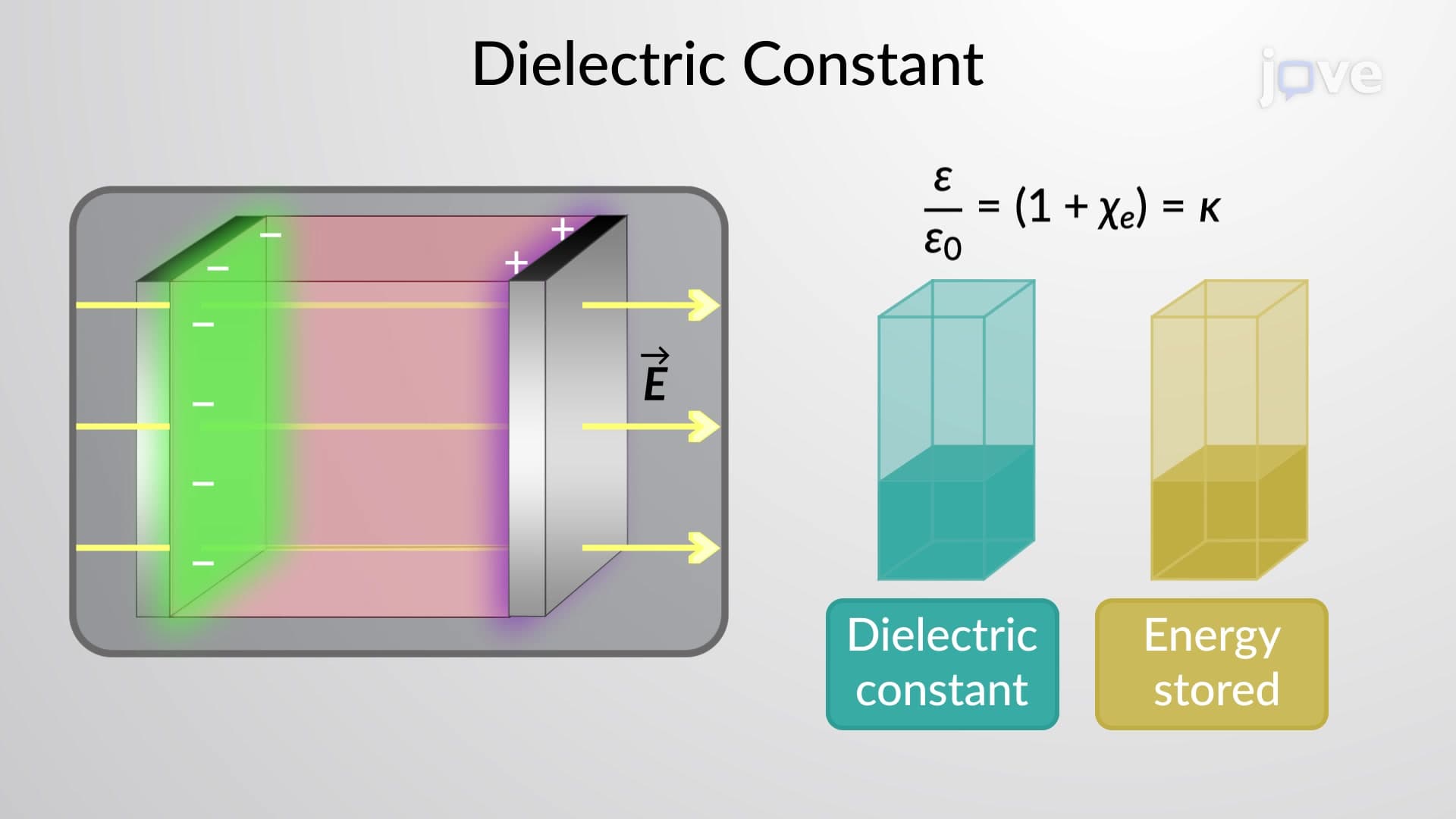
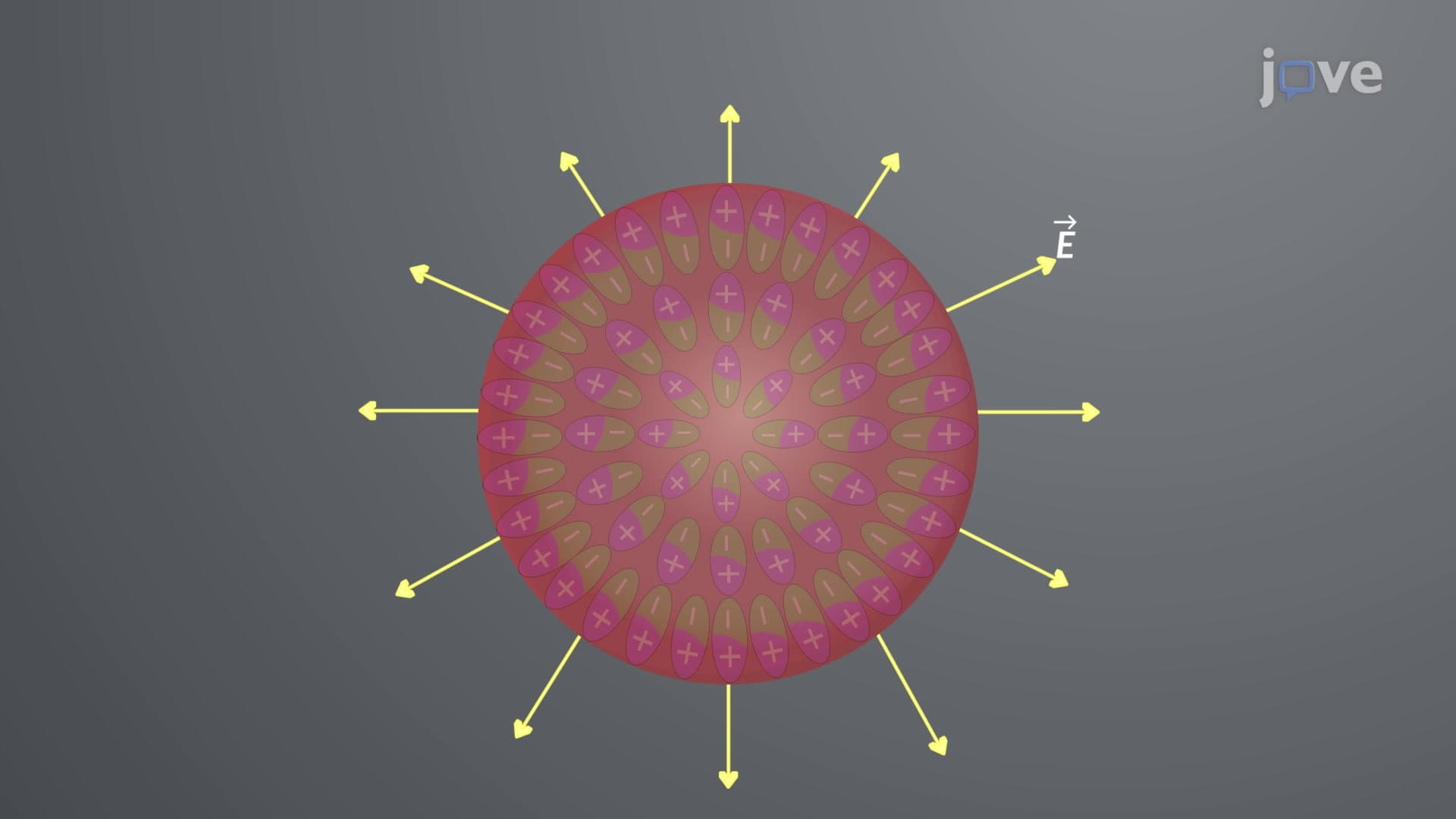
The polarization process creates fascinating charge distributions. Imagine a dielectric slab placed between parallel plates in a laboratory capacitor at MIT's physics department. As dipoles align with the external field, adjacent dipoles effectively cancel each other's charges internally, but at the surfaces, uncompensated charges accumulate. These surface-bound charges create their own electric field and potential.
The surface-bound charge density σ(bound) relates directly to the polarization vector P through the relationship σ(bound) = P · n̂, where n̂ represents the outward normal to the surface. This mathematical elegance appears frequently on AP Physics C exams and college-level electromagnetism courses, making it essential for students pursuing STEM careers.
When polarization varies spatially—common in real-world applications like the dielectric materials in smartphone capacitors—volume-bound charges emerge. These charges satisfy ρ(bound) = -∇ · P, creating a complete picture of how polarized materials generate electric potentials.
Consider medical imaging equipment used at UCLA Medical Center. The varying dielectric properties of different tissues create non-uniform polarization patterns, generating volume-bound charges that contribute to the imaging contrast. Understanding these contributions helps biomedical engineers optimize imaging protocols.
The potential due to a polarized object follows superposition principles, combining contributions from both surface and volume distributions. For practical calculations—whether on MCAT physics sections or college midterm exams—students must recognize that V(total) = V(surface-bound) + V(volume-bound).
This approach proves invaluable in engineering applications. Semiconductor manufacturers in California's Silicon Valley rely on these principles when designing integrated circuits with multiple dielectric layers. Each layer contributes to the total potential field, affecting device performance and reliability.
The mathematical framework extends beyond academic exercises, forming the foundation for capacitor design, electromagnetic simulation software, and advanced materials research across American universities and technology companies.
Frequently Asked Questions
Potential due to a polarized object is the electric potential created by bound charges that form when dielectric materials become polarized in electric fields. It's crucial for understanding capacitors, touchscreens, medical imaging, and semiconductor devices. This concept bridges fundamental physics with practical engineering applications you encounter daily.
AP Physics C frequently tests this through free-response questions involving dielectric-filled capacitors or polarized spheres. Students typically calculate surface-bound charge densities, apply Gauss's law with dielectrics, and determine potential differences. The College Board emphasizes both conceptual understanding and mathematical problem-solving skills.
Yes, the MCAT Physics section includes dielectric behavior and electric potential calculations. Questions often connect to biological contexts, like nerve signal transmission or medical device operation. Focus on understanding polarization mechanisms and their effects on electric fields in biological tissues.
MRI machines at hospitals like Cleveland Clinic use polarized dielectric materials to focus and shape electromagnetic fields for imaging. Defibrillators rely on polarized capacitor dielectrics to store and deliver precise energy doses. Understanding these applications helps pre-med students connect physics to clinical practice.
Not at all! While the mathematics can be complex, the core concepts are accessible with solid algebra and basic calculus knowledge. Start with simple uniform polarization cases, then progress to non-uniform situations. Many high school AP Physics C students successfully master these concepts.
Practice drawing field line diagrams showing bound charge distributions, work through capacitor problems with dielectrics, and solve potential calculations step-by-step. Focus on connecting mathematical expressions to physical mechanisms. Create summary sheets linking surface-bound and volume-bound charge formulas.
Explore electromagnetic wave propagation in dielectric materials, antenna design principles, and optical properties of materials. These topics appear in advanced undergraduate courses and graduate-level physics programs. Consider how polarization affects wireless communication and fiber optic technology.
Smartphone capacitive touchscreens detect finger proximity through changes in dielectric polarization and resulting potential fields. The phone's processor calculates touch positions by measuring potential variations across the screen surface. Camera lens coatings also exploit polarized material properties to reduce reflections.
Related Micro-courses



Related Subjects
 Math Fundamentals 11 micro-courses›
 Statistics 17 micro-courses›