Loading…
Loading video…

46,055 views
Ever wonder how Tesla's wireless charging technology calculates electric fields through complex surfaces? Gauss's law provides the mathematical framework that makes this possible, relating electric flux through any closed surface to the charge enclosed within. This fundamental principle of electromagnetism governs everything from capacitor design in smartphones to the electric field mapping used by MIT researchers studying atmospheric physics. The law becomes even more powerful when applied to dielectric materials, where bound charges alter field behavior in predictable ways. Watch the full video on JoVE Coach to master this concept with expert-led visuals and step-by-step explanations.
Gauss's law stands as one of Maxwell's four fundamental equations governing electromagnetism. At its core, this law establishes that the electric flux passing through any closed surface is directly proportional to the total electric charge enclosed within that surface. Mathematically expressed as Φ = Q(enclosed)/ε₀, where Φ represents electric flux, Q(enclosed) is the net charge inside the surface, and ε₀ is the permittivity of free space.
This principle proves invaluable for students tackling AP Physics C or introductory college electromagnetism courses. Unlike Coulomb's law, which requires vector addition for multiple charges, Gauss's law leverages symmetry to simplify calculations dramatically. Stanford University physics professors often emphasize how choosing the right Gaussian surface—an imaginary closed surface—transforms complex problems into manageable calculations.
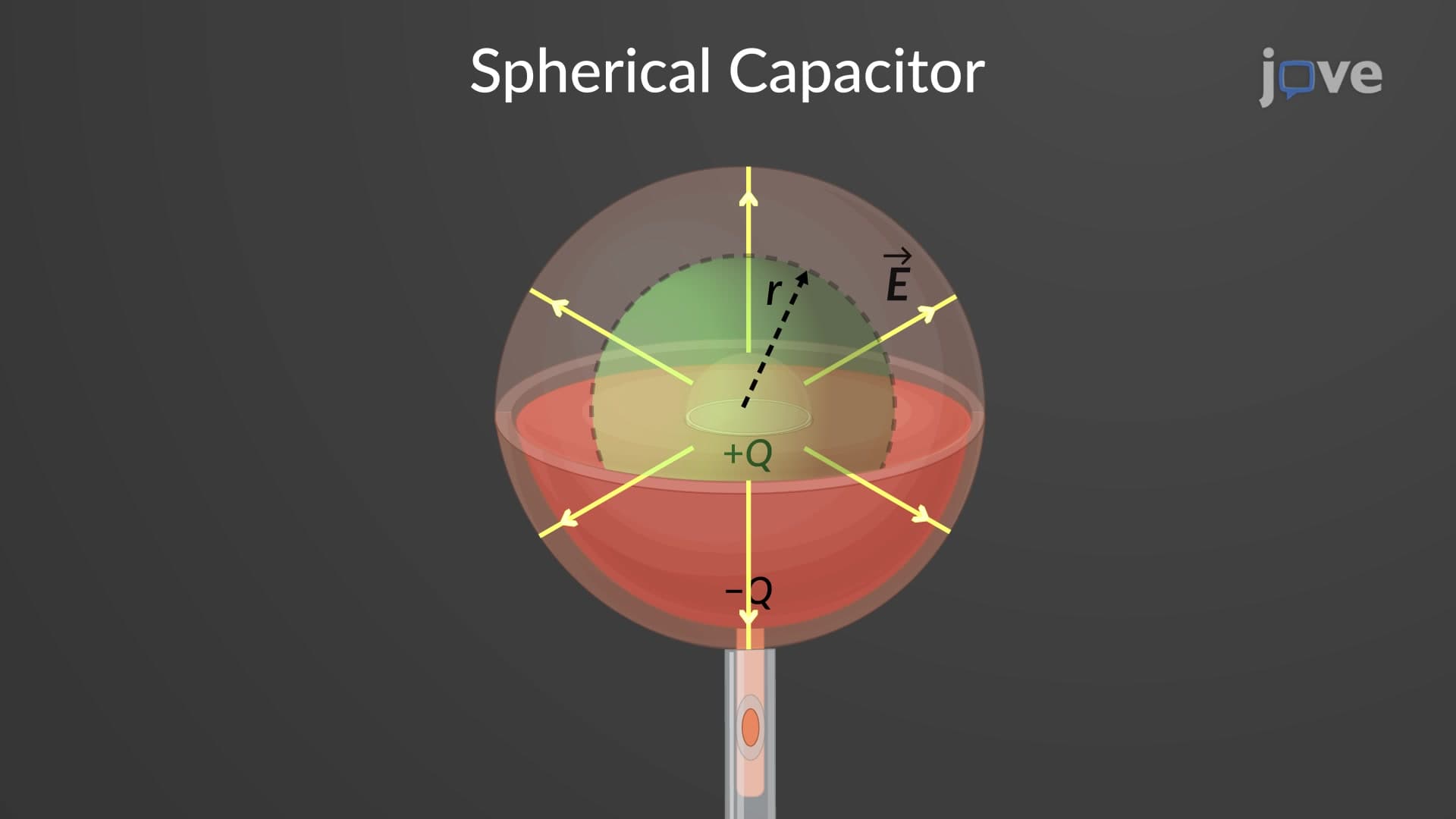
The genius of Gauss's law lies in strategic surface selection. For spherically symmetric charge distributions, imagine a concentric sphere as your Gaussian surface. The electric field maintains constant magnitude and points radially outward at every point on this surface, making flux calculations straightforward. Similarly, for infinite line charges, cylindrical Gaussian surfaces exploit the inherent symmetry.
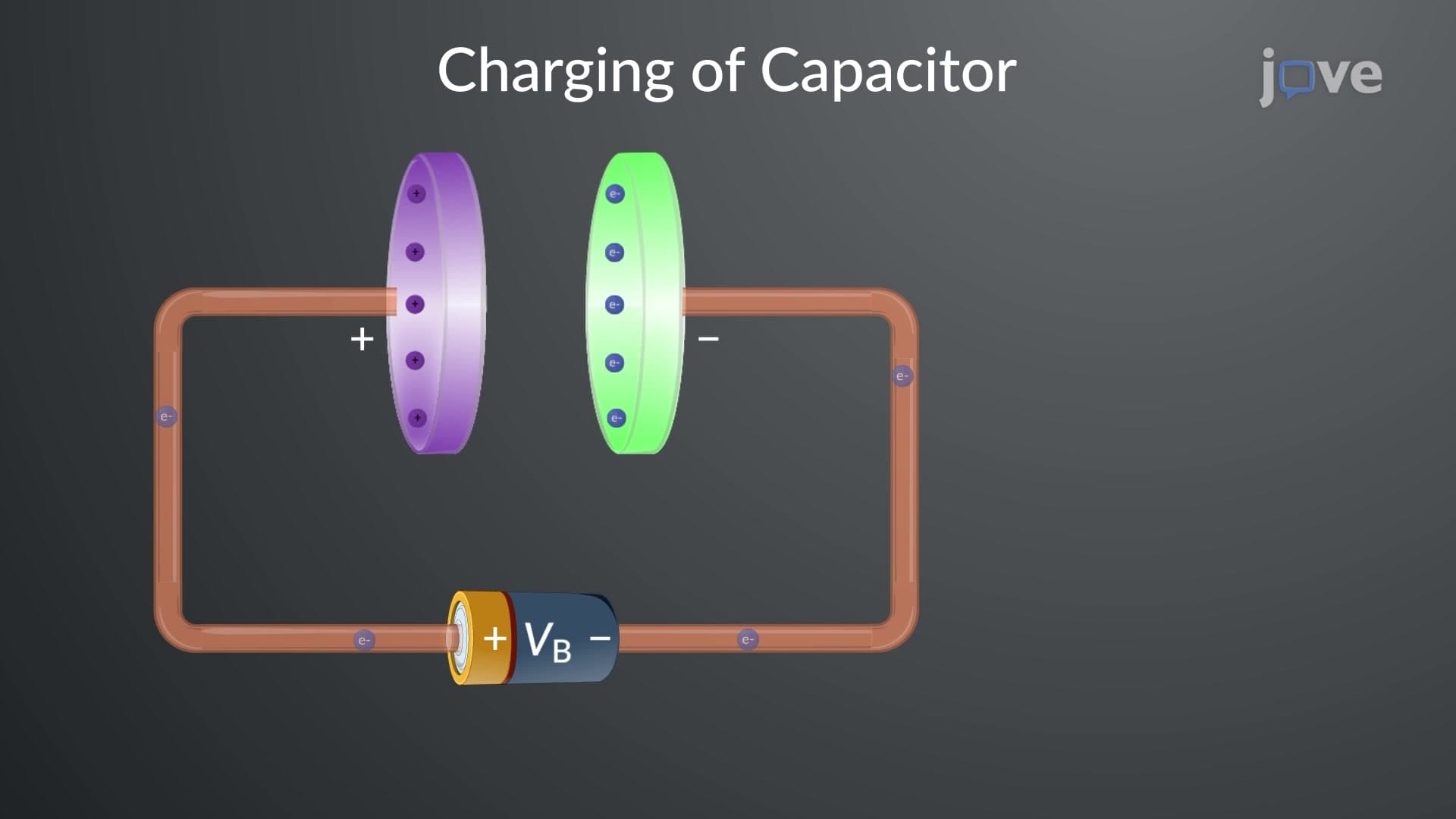
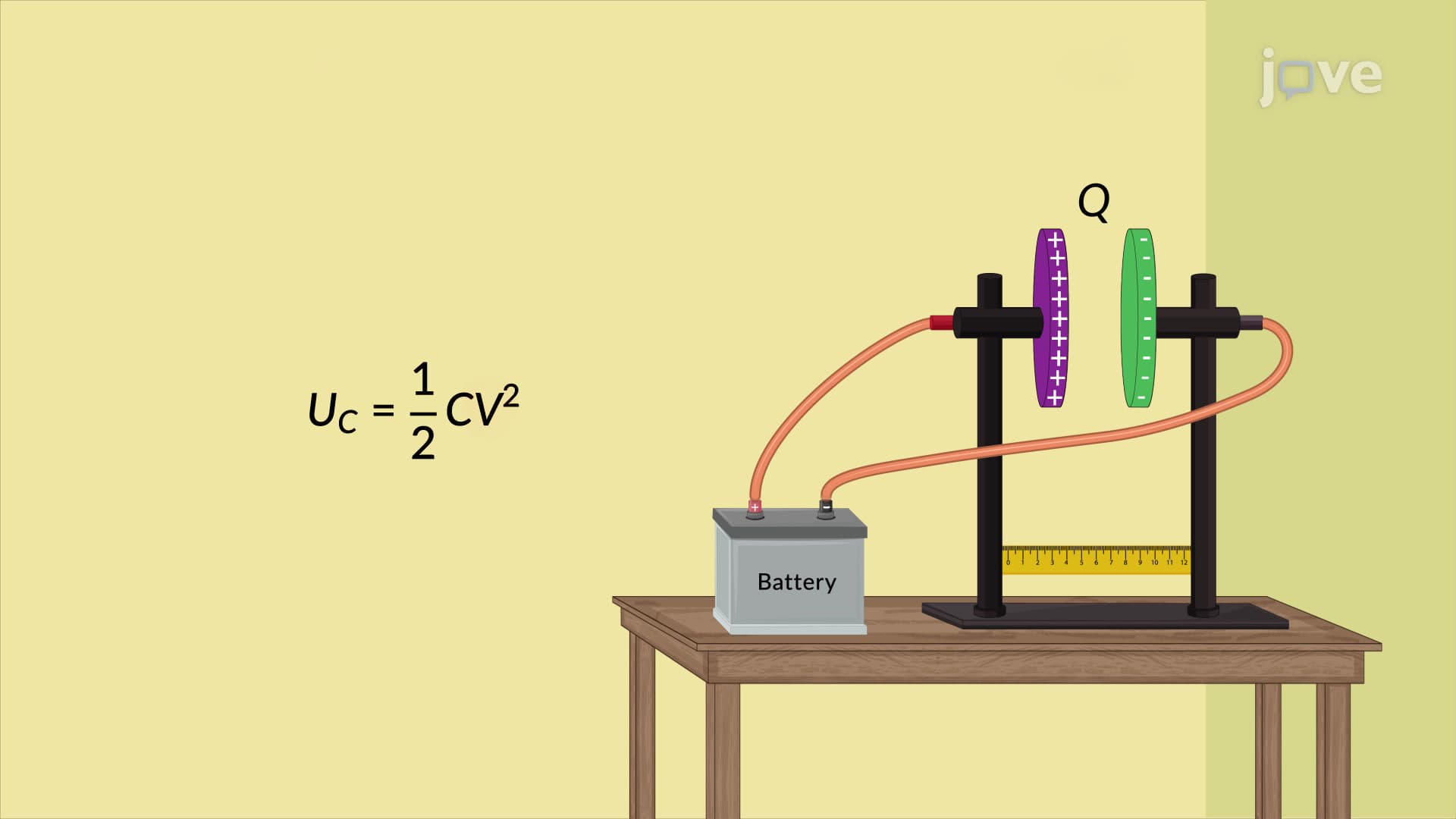
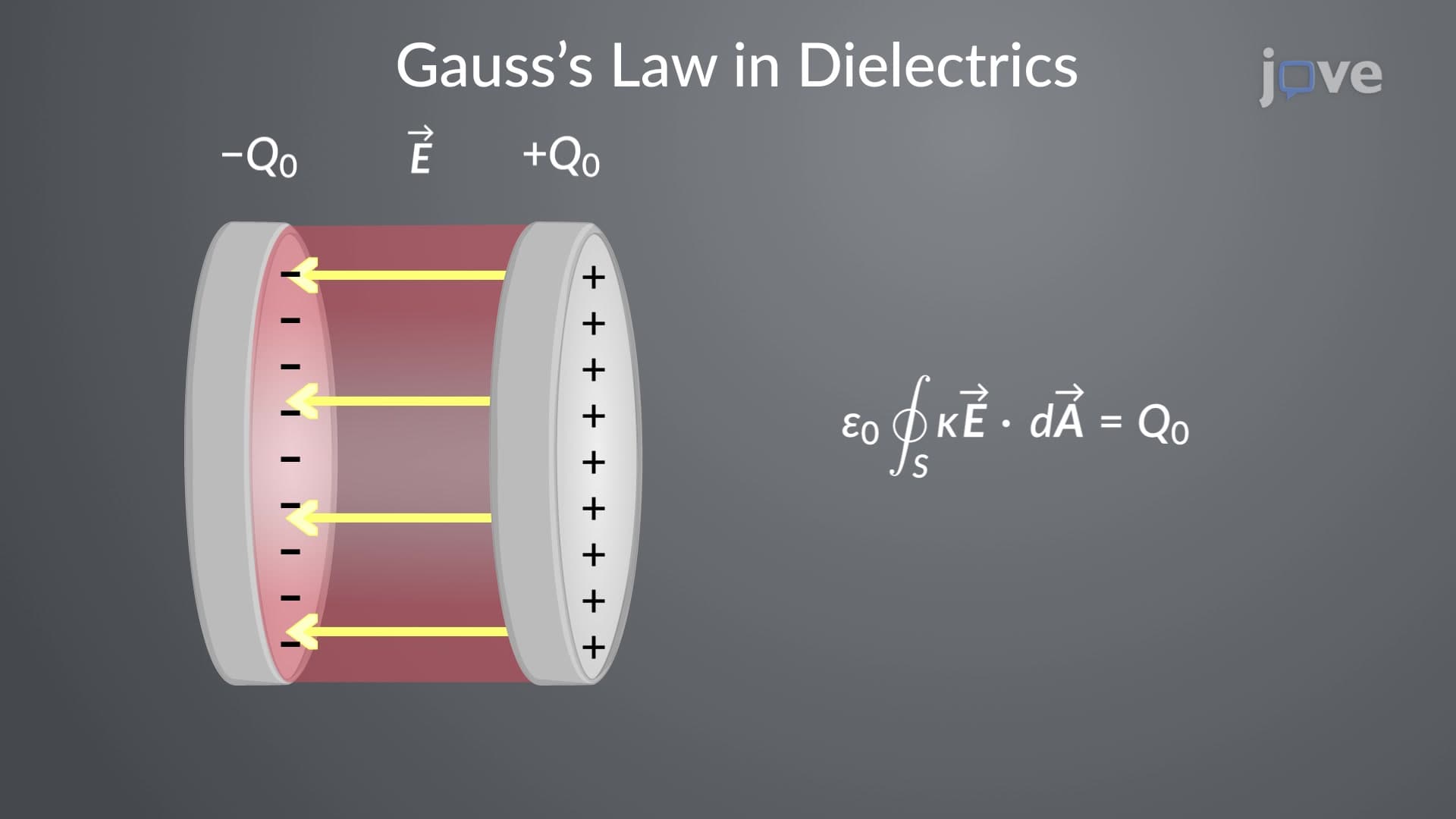
Consider practical applications in electrical engineering at universities like Georgia Tech. When designing capacitors for electronic circuits, engineers use Gauss's law to predict field behavior between parallel plates. The law reveals that electric field lines originate from positive charges and terminate on negative charges, with the total flux depending only on enclosed charge—regardless of surface shape or size.
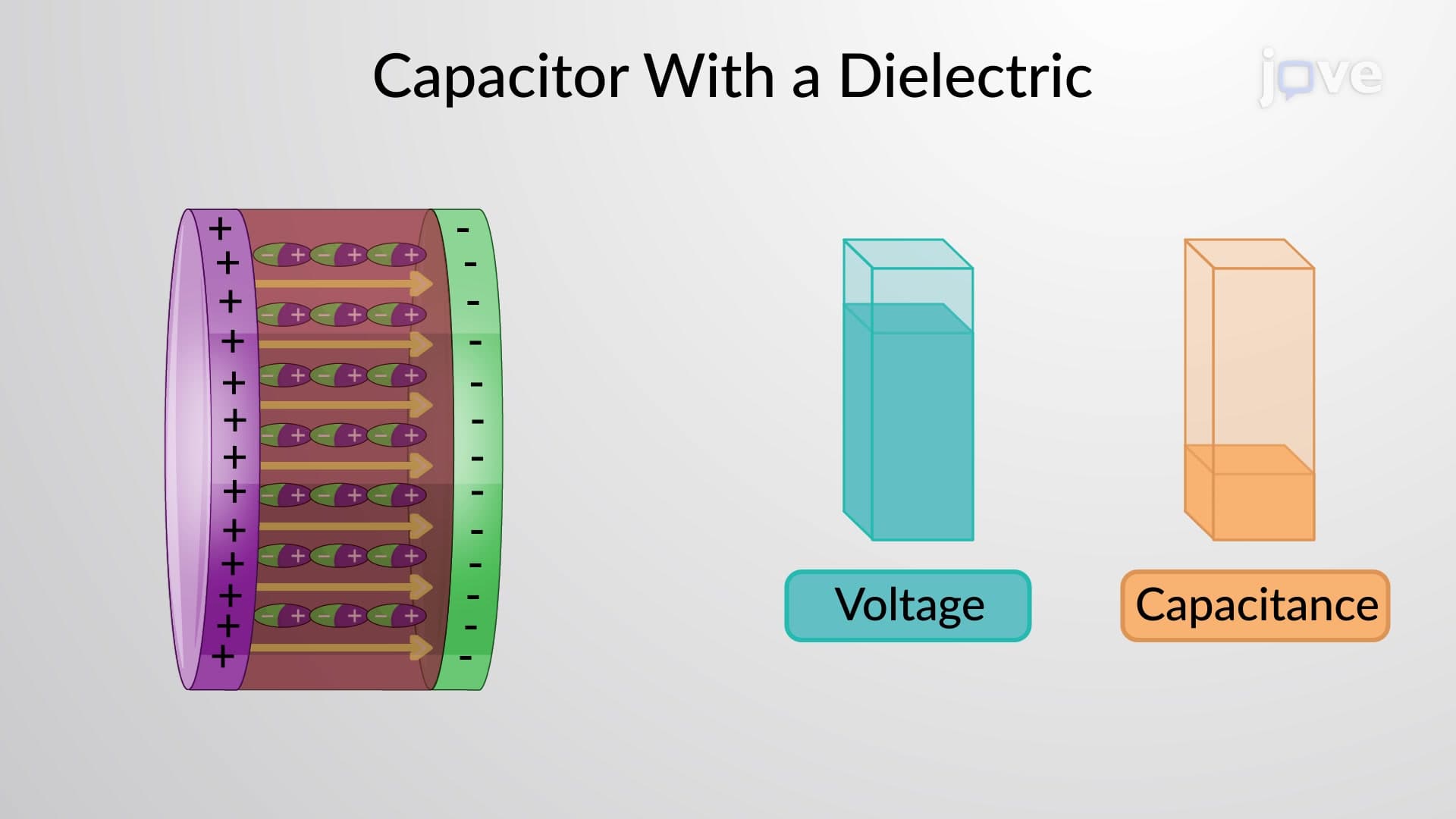
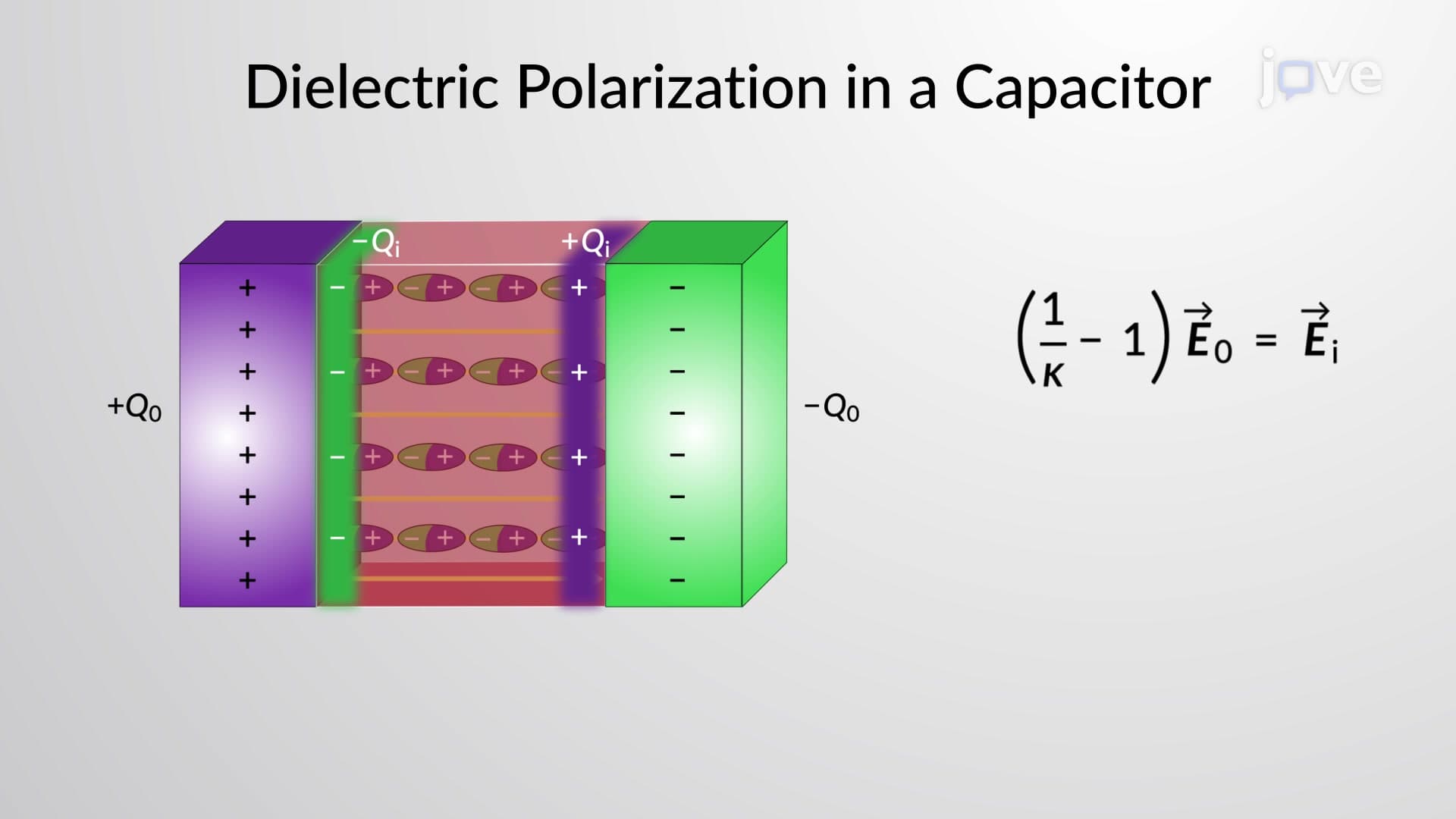
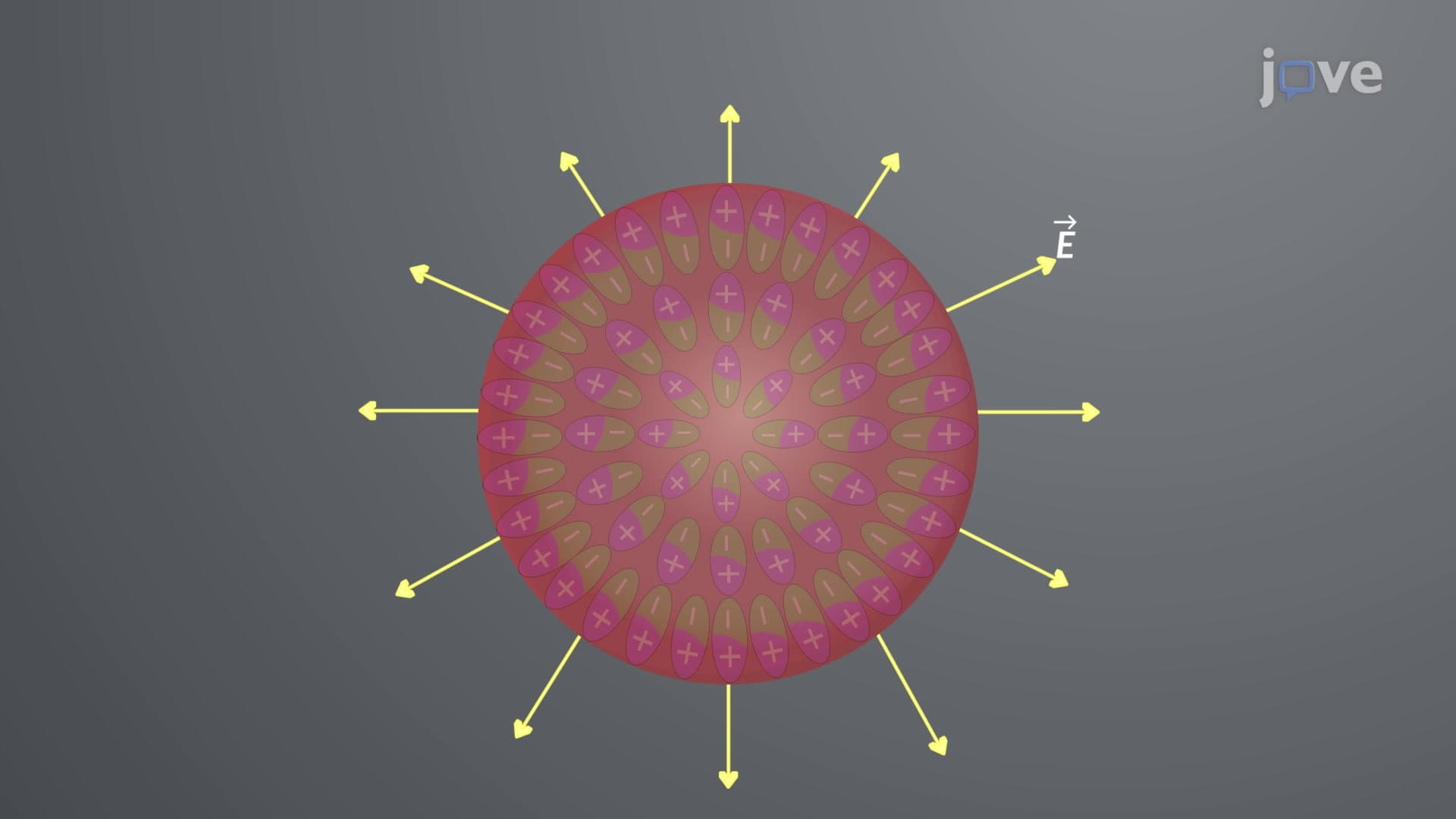
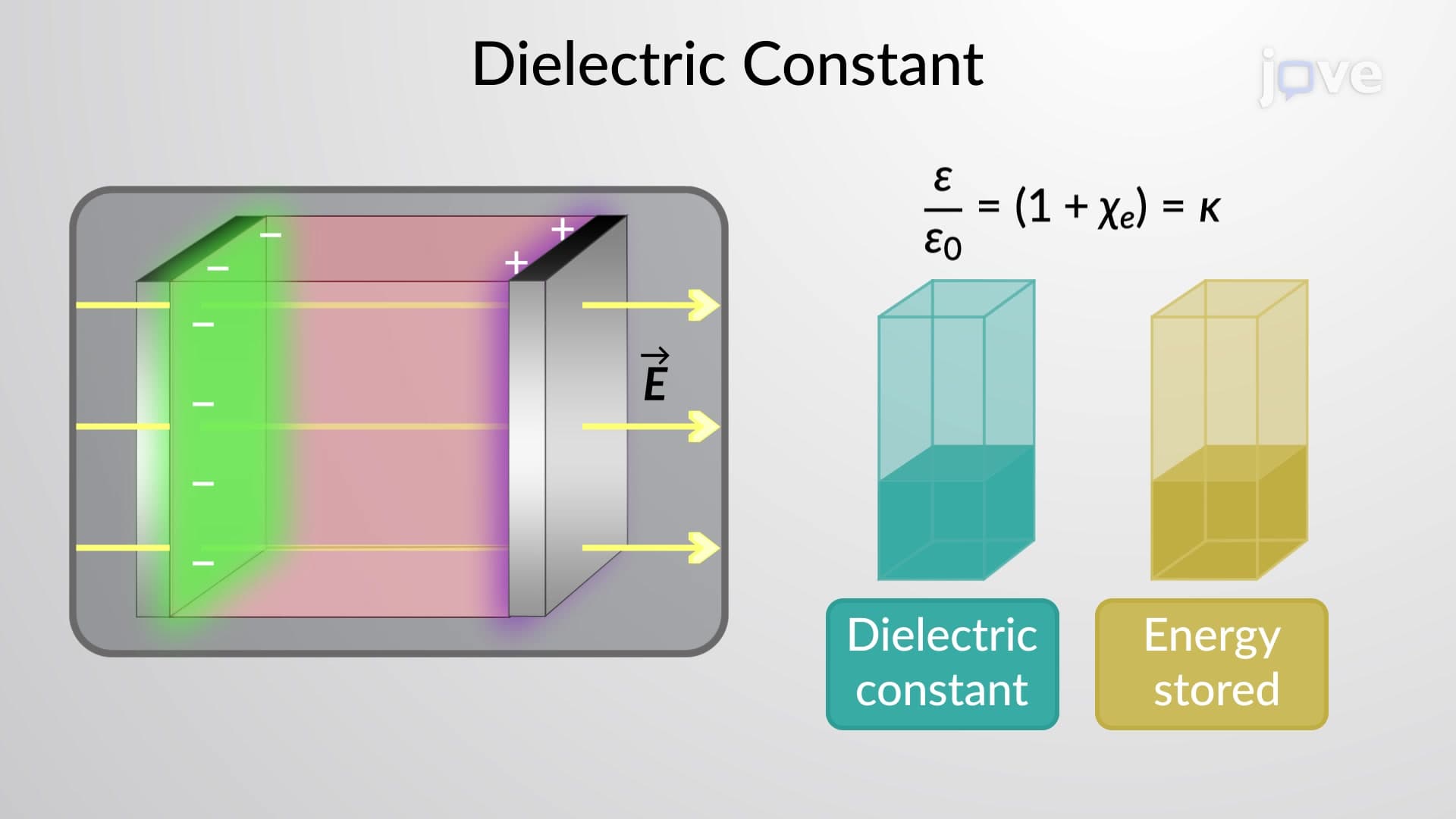
When dielectric materials fill the space between capacitor plates, Gauss's law requires modification. Dielectric polarization creates bound charges on material surfaces, effectively reducing the net electric field by a factor equal to the dielectric constant (κ). This phenomenon explains why ceramic capacitors in smartphone circuits can store more energy than air-filled equivalents.
The modified form introduces electric displacement field D = κε₀E, where D represents electric displacement. This formulation proves essential for materials science students studying at institutions like MIT or Caltech, particularly when analyzing how different materials respond to electric fields. The displacement field accounts for both free charges (those we can control) and bound charges (induced by polarization).
Understanding these principles becomes crucial for MCAT preparation, where students encounter questions about biological membranes acting as dielectric barriers, or for electrical engineering students designing high-voltage equipment where dielectric breakdown determines operational limits.
Frequently Asked Questions
Gauss's law states that the total electric flux through any closed surface equals the enclosed charge divided by the permittivity of free space. Think of it as a relationship between electric field lines passing through an imaginary surface and the charges trapped inside that surface.
AP Physics C frequently tests Gauss's law through problems involving spherical conductors, infinite planes of charge, or cylindrical charge distributions. Students typically need to choose appropriate Gaussian surfaces and apply the integral form ∮E·dA = Q/ε₀ to solve for electric fields.
While Coulomb's law calculates forces between point charges, Gauss's law determines electric fields using symmetry and surface integrals. Gauss's law proves more efficient for symmetric charge distributions like spheres, cylinders, or planes, whereas Coulomb's law works better for discrete point charges.
Dielectric materials become polarized in electric fields, creating bound charges that partially cancel the original field. The modified form D = κε₀E accounts for this effect, where κ is the dielectric constant and D is the electric displacement field that depends only on free charges.
Engineers at companies like Intel use Gauss's law to design capacitors in computer processors, calculate electric fields around high-voltage power lines, and analyze electromagnetic shielding in electronic devices. The law helps predict how electric fields behave in complex geometries essential for modern technology.
Gauss's law builds naturally on concepts you already know about electric fields and charges. While the mathematical formulation involves calculus, the underlying concept—that electric field lines must start and end somewhere—remains intuitive and accessible to students with basic physics background.
Focus next on Gauss's law for magnetism (which states magnetic flux through closed surfaces always equals zero), then progress to Faraday's law and Ampère's law to complete Maxwell's equations. This foundation prepares you for advanced electromagnetism courses and engineering applications.
Practice identifying symmetry in charge distributions, then selecting appropriate Gaussian surfaces. Work through problems involving conducting spheres, infinite wires, and parallel plates. Focus on understanding when to use spherical, cylindrical, or cubic Gaussian surfaces based on the charge geometry.
Related Micro-courses


Related Subjects
 Math Fundamentals 11 micro-courses›
 Statistics 17 micro-courses›