Loading…
Loading video…

46,055 views
Ever wonder how your smartphone maintains power for hours after charging, or how camera flashes produce that brilliant burst of light? The secret lies in capacitors and capacitance – electrical components that store and release energy on demand. From the backup power systems in hospitals across America to the timing circuits in your microwave, capacitors are everywhere. These remarkable devices work by accumulating electrical charge between conducting plates, creating a temporary energy reservoir that can be discharged when needed. Watch the full video on JoVE Coach to master this concept with expert-led visuals and step-by-step explanations.
Capacitors and capacitance form one of the most practical and widely-applied concepts in electrical engineering and physics. A capacitor is essentially an electrical component designed to store electrical energy temporarily, much like a rechargeable battery but with fundamentally different characteristics. The capacitance represents the capacity of this device to store electrical charge for a given voltage.
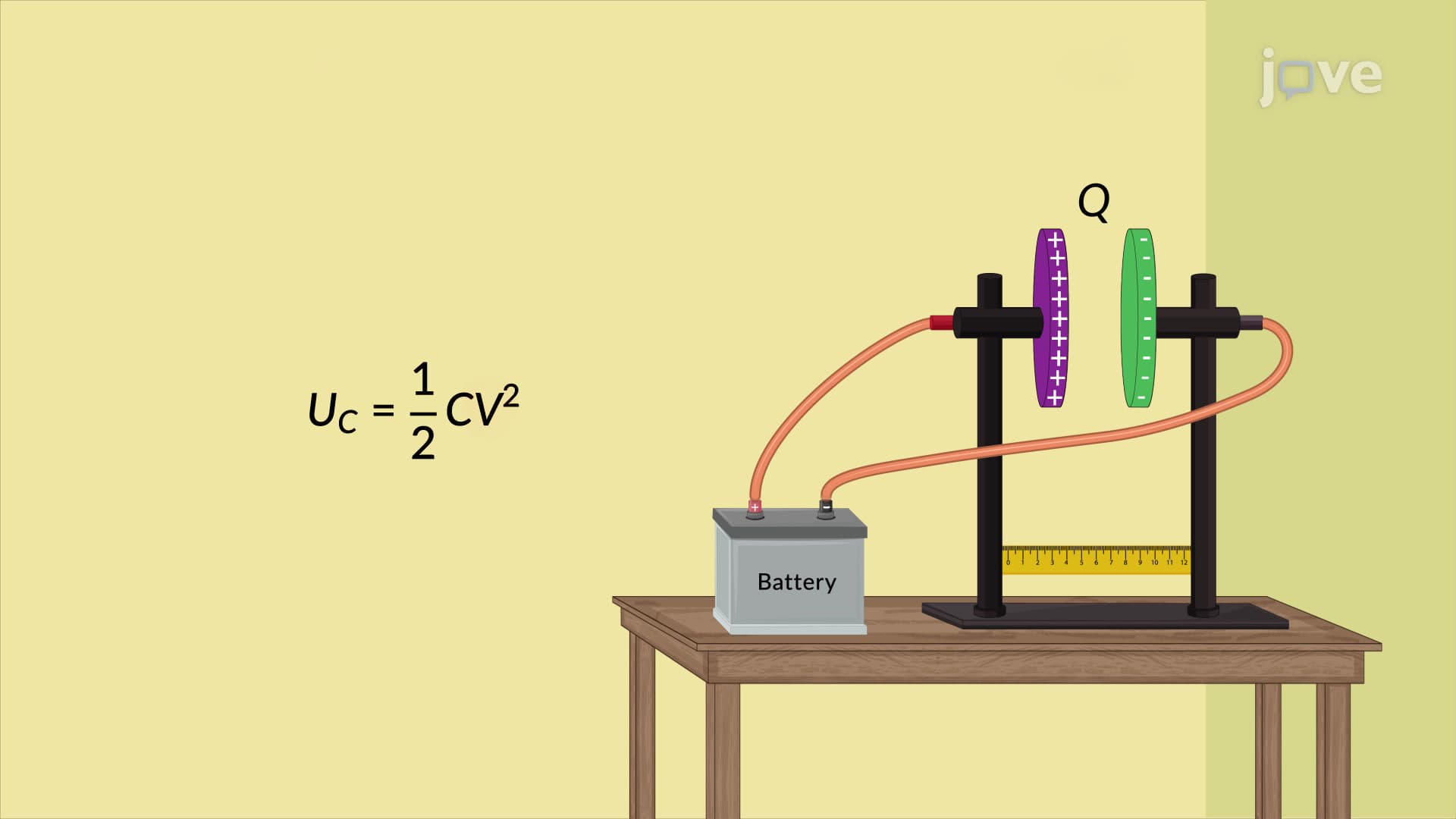
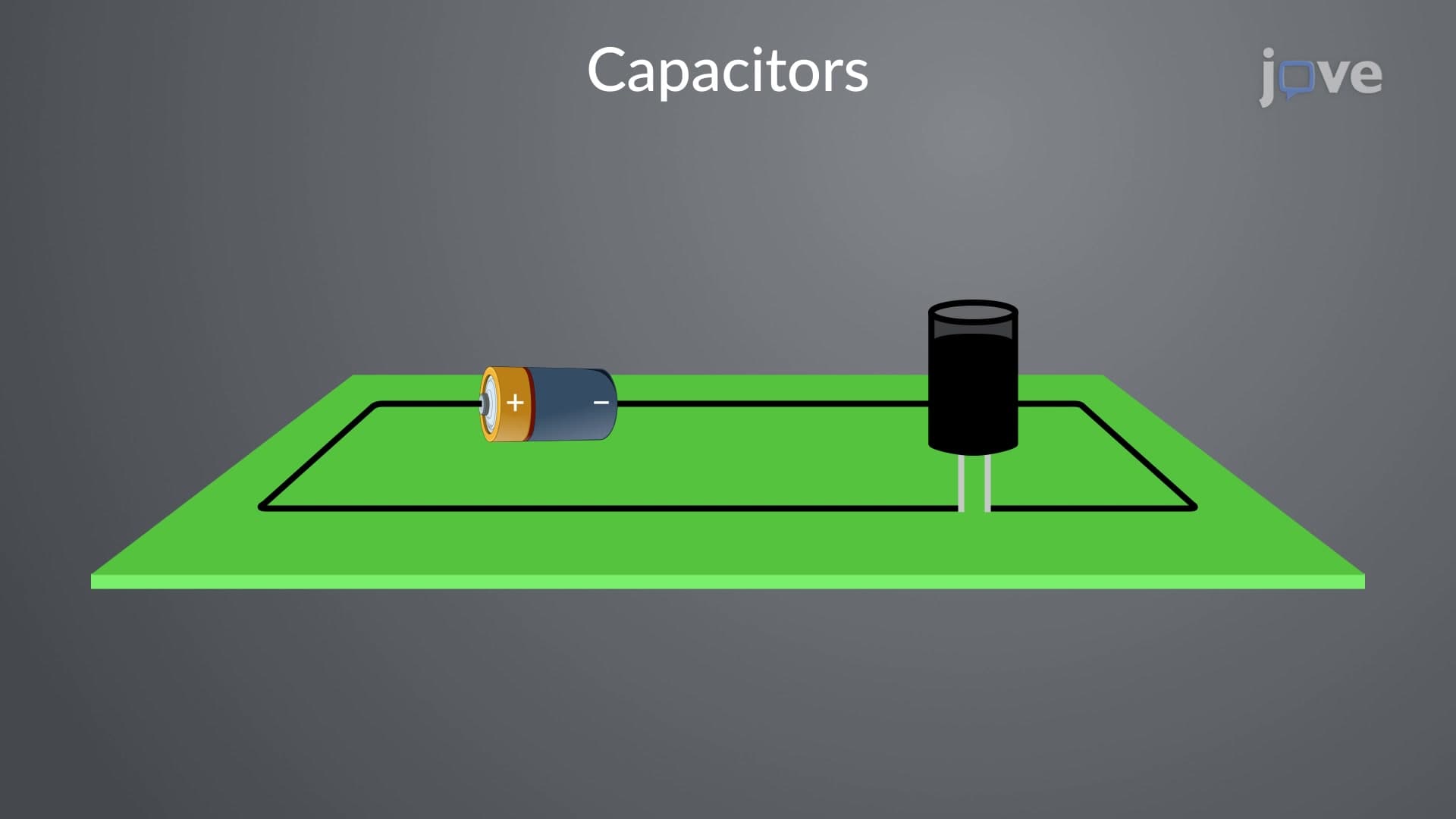
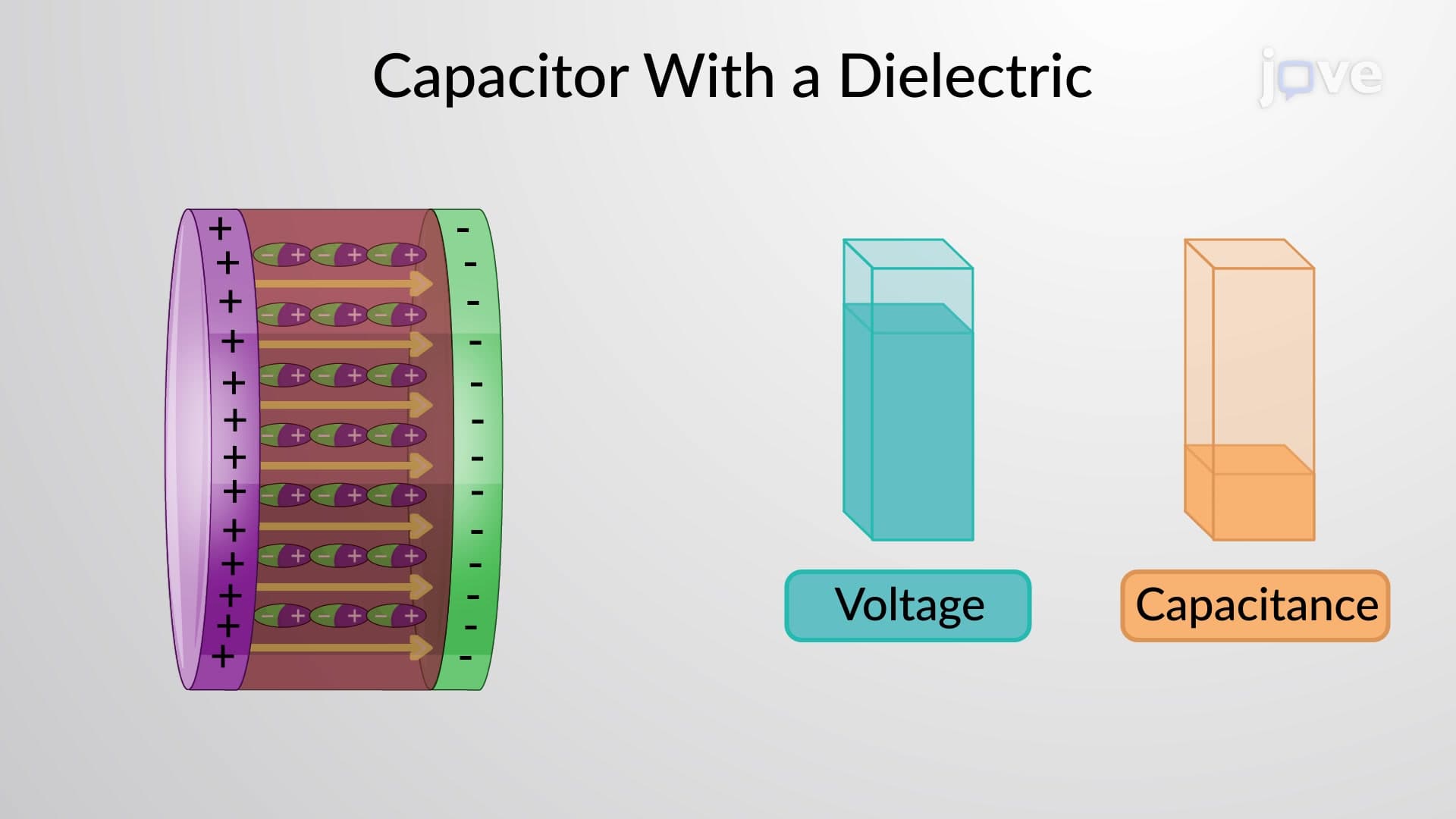
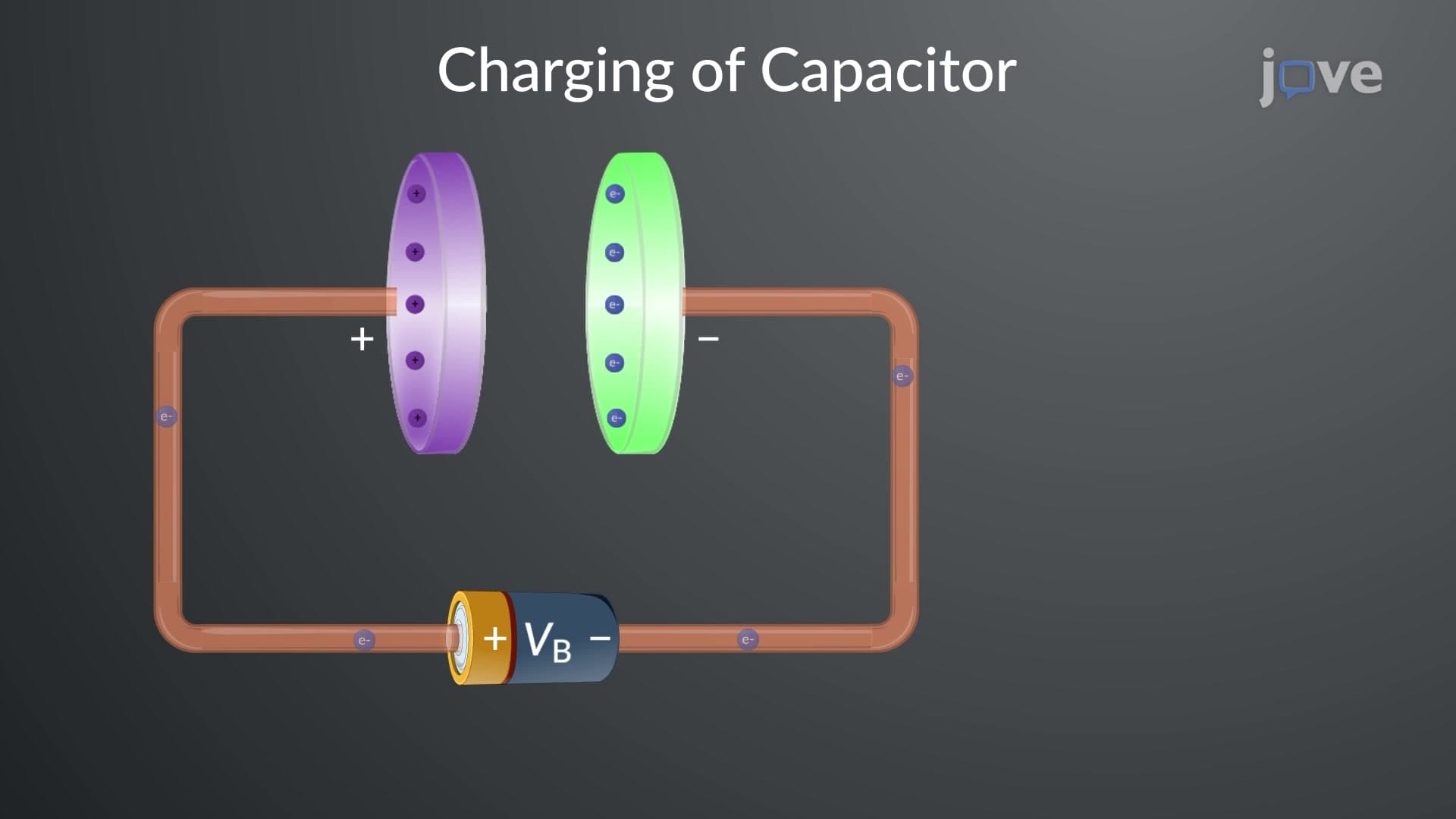
The simplest capacitor design consists of two parallel conducting plates separated by an insulating material (dielectric) or vacuum. When connected to a voltage source like a battery, electrons accumulate on one plate while the other plate loses electrons, creating a charge imbalance. This separation of charge creates an electric field between the plates and establishes a potential difference.
The key relationship governing capacitor behavior is C = Q/V, where C represents capacitance (measured in farads), Q is the stored charge (in coulombs), and V is the voltage across the plates. For parallel plate capacitors specifically, capacitance depends on three factors: C = ε₀A/d, where A is the plate area, d is the distance between plates, and ε₀ is the permittivity of free space.
Capacitors play crucial roles throughout American infrastructure and technology. In power grids across states like Texas and California, massive capacitor banks help stabilize voltage and improve power factor efficiency. The flash units in cameras used by photographers from New York to Los Angeles rely on capacitors to store energy and release it rapidly. Even the touchscreens on tablets and smartphones utilize capacitive sensing technology.
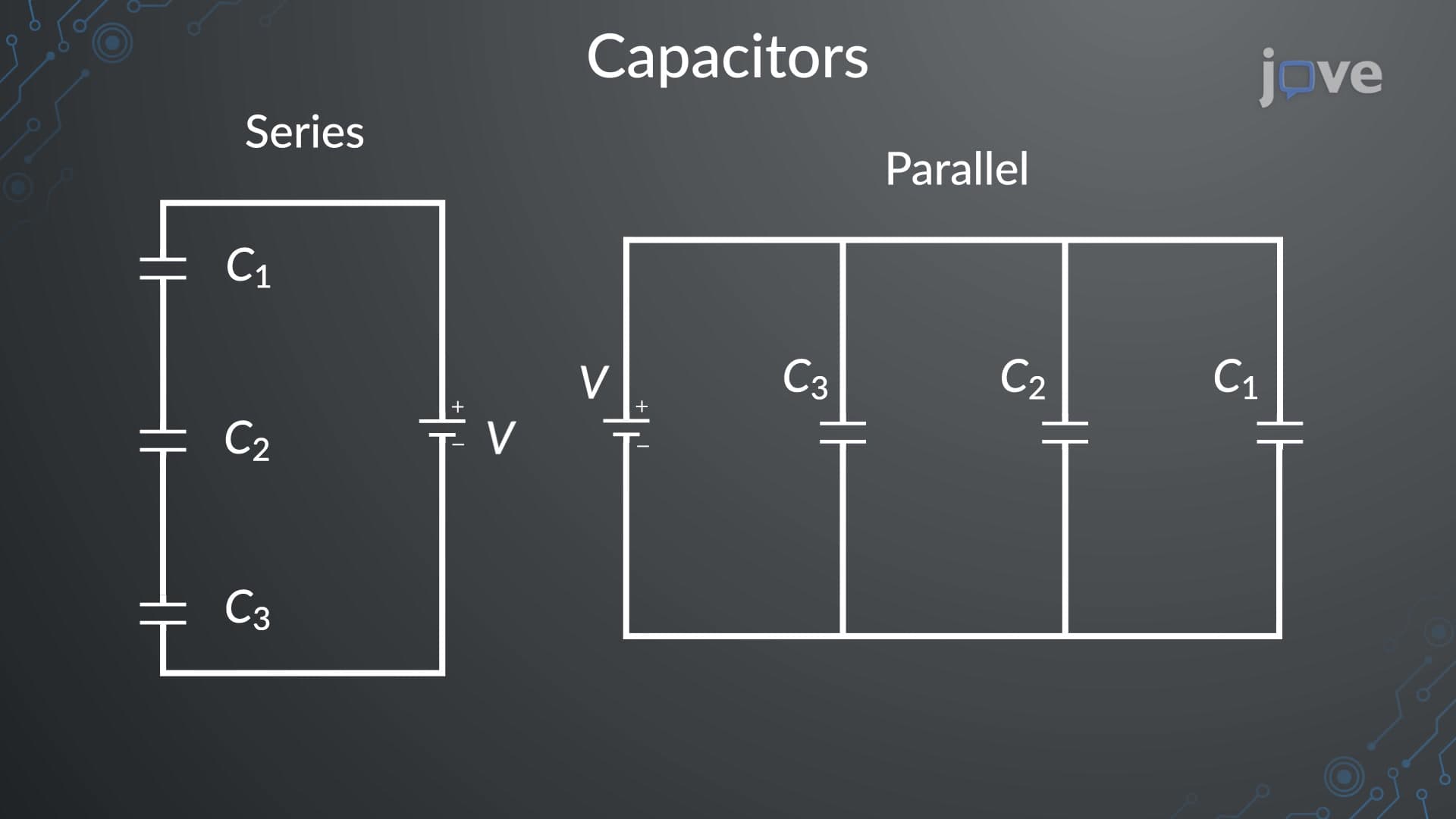
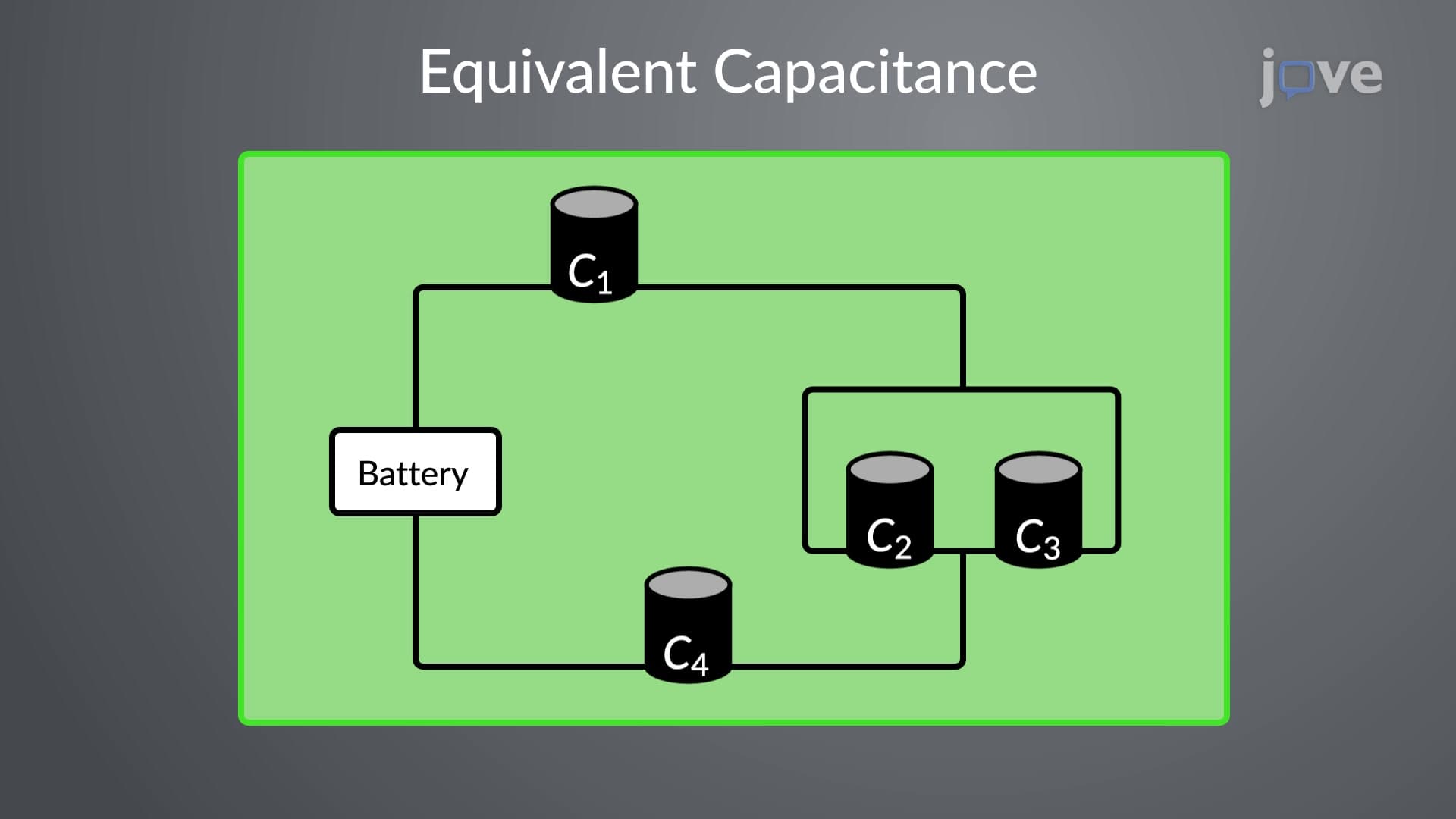
Students preparing for AP Physics exams encounter capacitor problems involving energy storage calculations (U = ½CV²) and series/parallel combinations. College-level courses like Physics 212 at universities such as MIT or Stanford dive deeper into capacitive reactance and AC circuit analysis. The MCAT includes capacitor questions in its physics sections, particularly focusing on biological applications like defibrillators and neural membrane potentials.
Understanding capacitors proves essential for engineering students at institutions like UC Berkeley or Georgia Tech, where circuit design and power electronics form core curriculum components. The concept bridges theoretical physics with practical electrical engineering applications.
Frequently Asked Questions
Capacitors are electrical components that store energy by accumulating electric charge on conducting plates, while capacitance measures how much charge a capacitor can store per unit voltage. Think of capacitance like the size of a water tank – larger capacitance means more charge storage capacity for the same voltage.
AP Physics 2 frequently tests capacitor charging/discharging, energy calculations using U = ½CV², and series/parallel combinations. Students must solve for unknown capacitance values, calculate stored energy, and analyze RC circuit time constants. Practice with College Board released exams helps master these problem types.
The MCAT Physics section includes capacitors in circuit analysis and bioelectricity contexts. Test-takers encounter problems about cell membrane capacitance, defibrillator energy storage, and parallel plate calculations. Understanding C = Q/V and energy formulas proves essential for achieving competitive scores.
Capacitors are everywhere in US technology – from the power supply circuits in laptops and desktop computers to the motor start capacitors in home air conditioning units. Camera flash units, microwave oven timers, and even the backup power systems in hospitals all rely on capacitive energy storage for proper operation.
Basic algebra and understanding of electric charge concepts are sufficient for introductory capacitor studies. High school students can master fundamental relationships like C = Q/V and energy calculations. More advanced applications involving differential equations appear in college-level courses but aren't necessary for foundational understanding.
Focus on memorizing key formulas (C = Q/V, U = ½CV², C = ε₀A/d), practice series/parallel combination problems, and work through charging/discharging scenarios. Create concept maps linking capacitance to electric fields and potential energy. Solve problems from textbooks like Halliday & Resnick regularly.
Mastering basic capacitance opens doors to AC circuit analysis, including capacitive reactance and impedance calculations. Students can progress to studying dielectric materials, capacitor frequency response, and applications in filter circuits and oscillators used throughout electrical engineering programs.
Capacitors store energy in electric fields and discharge rapidly, while batteries store energy chemically and provide steady current over longer periods. Capacitors excel in applications requiring quick energy bursts, like camera flashes, whereas batteries power devices requiring sustained energy delivery.
Capacitance knowledge forms the foundation for power electronics, signal processing, and control systems taught in engineering programs at schools like Purdue and Virginia Tech. Modern electronics rely heavily on capacitive elements for filtering, timing, and energy storage applications across virtually all engineering disciplines.
Related Micro-courses



Related Subjects
 Math Fundamentals 11 micro-courses›
 Statistics 17 micro-courses›