Loading…
Loading video…

46,055 views
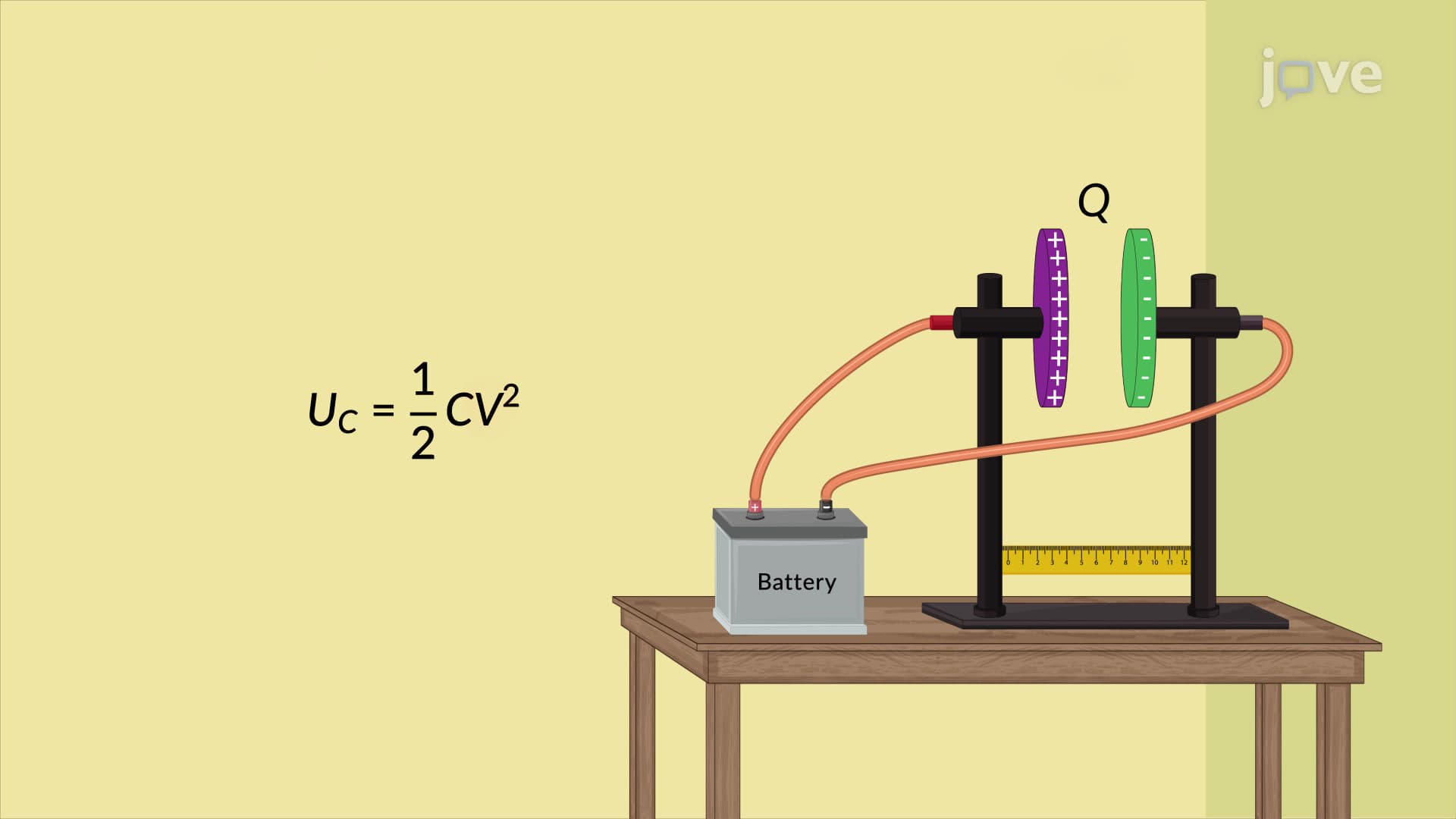
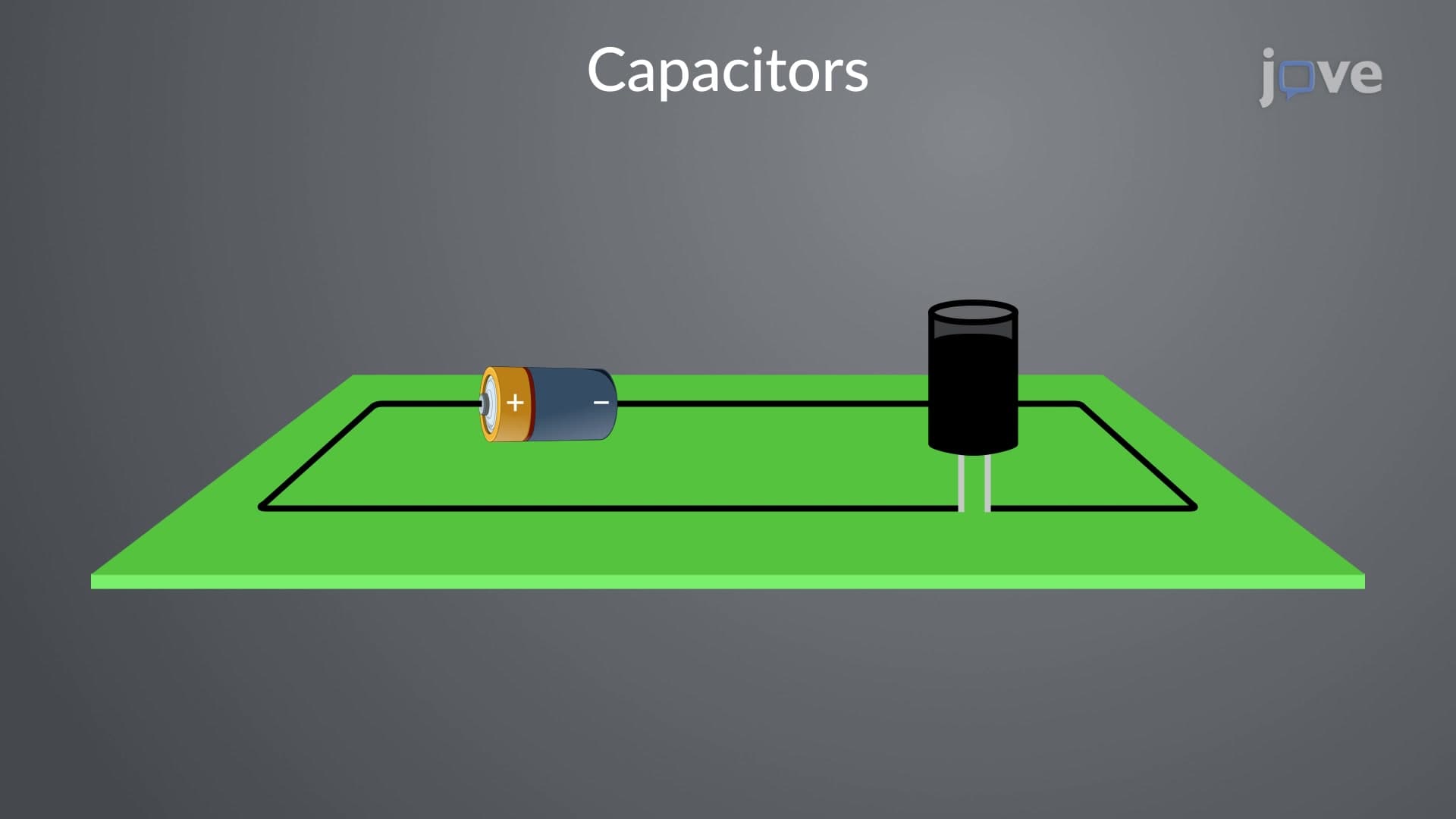
Ever wonder why smartphone capacitors can store incredible amounts of energy in tiny spaces? The secret lies in understanding susceptibility permittivity and dielectric constant - fundamental properties that determine how materials respond to electric fields. Materials like barium titanate, used in Samsung phone capacitors, can have dielectric constants over 1,000 times higher than air, enabling massive energy storage in compact devices. These interconnected concepts explain why some materials excel at storing electrical energy while others barely respond to electric fields. Watch the full video on JoVE Coach to master this concept with expert-led visuals and step-by-step explanations.
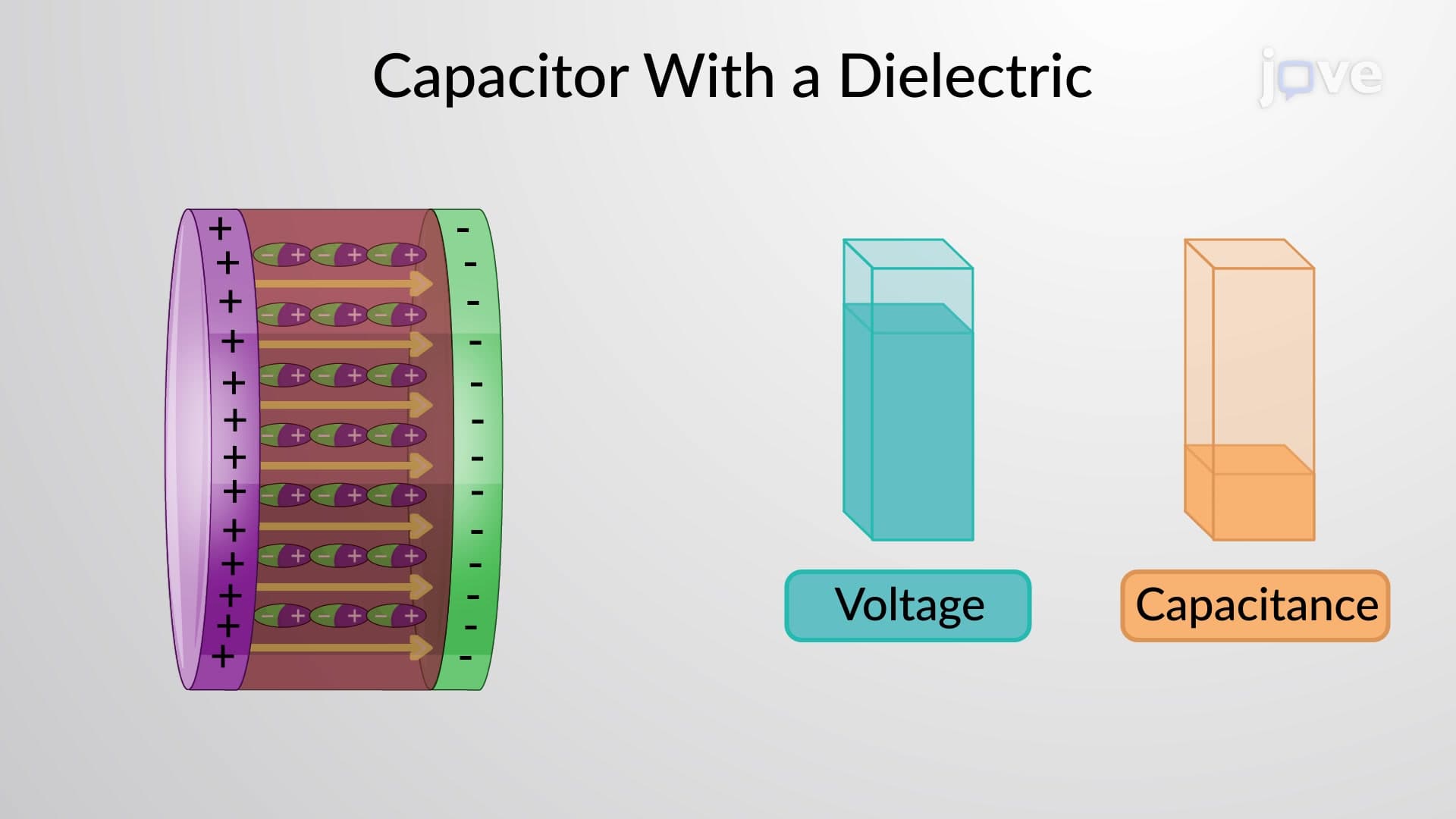
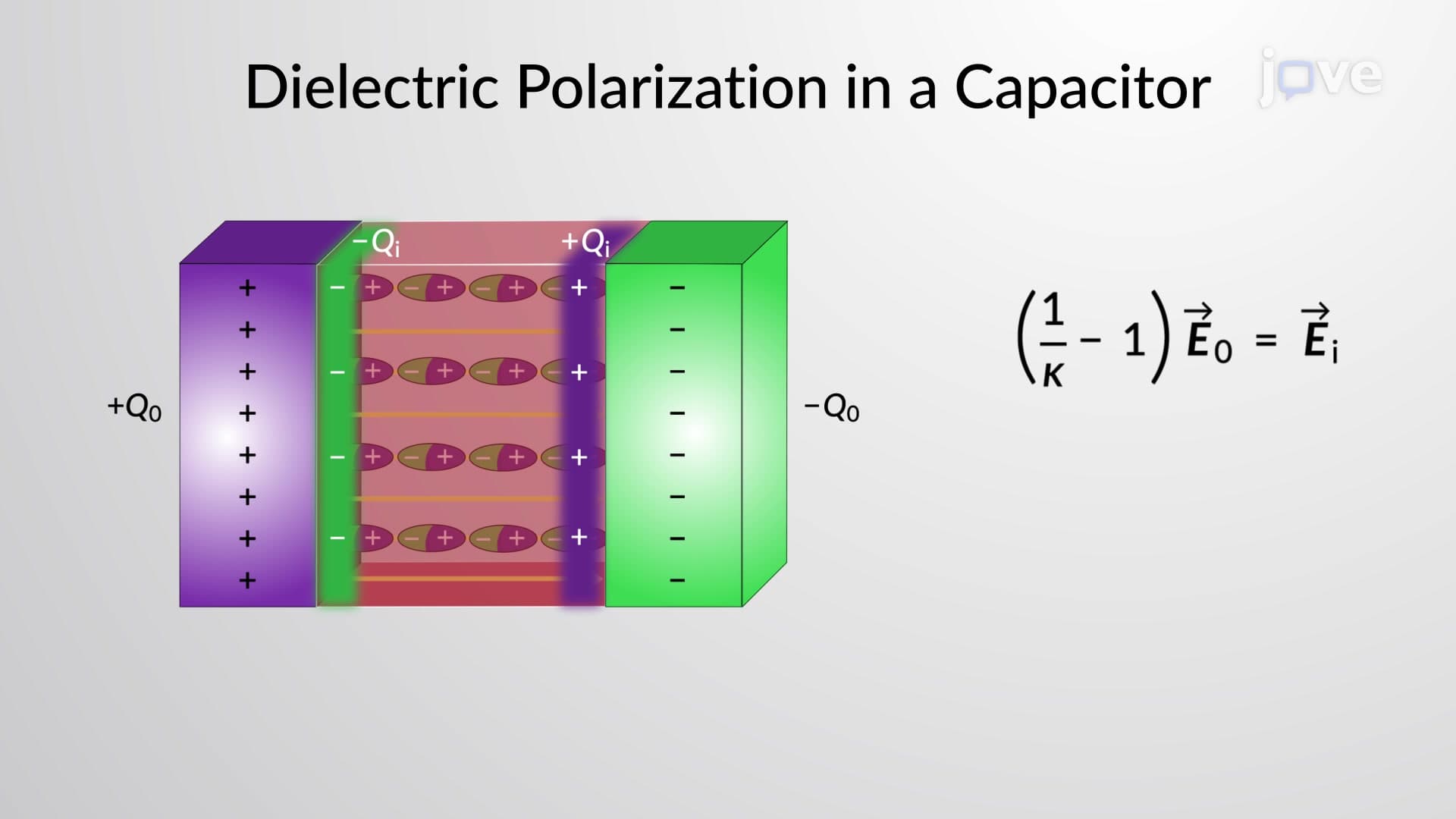
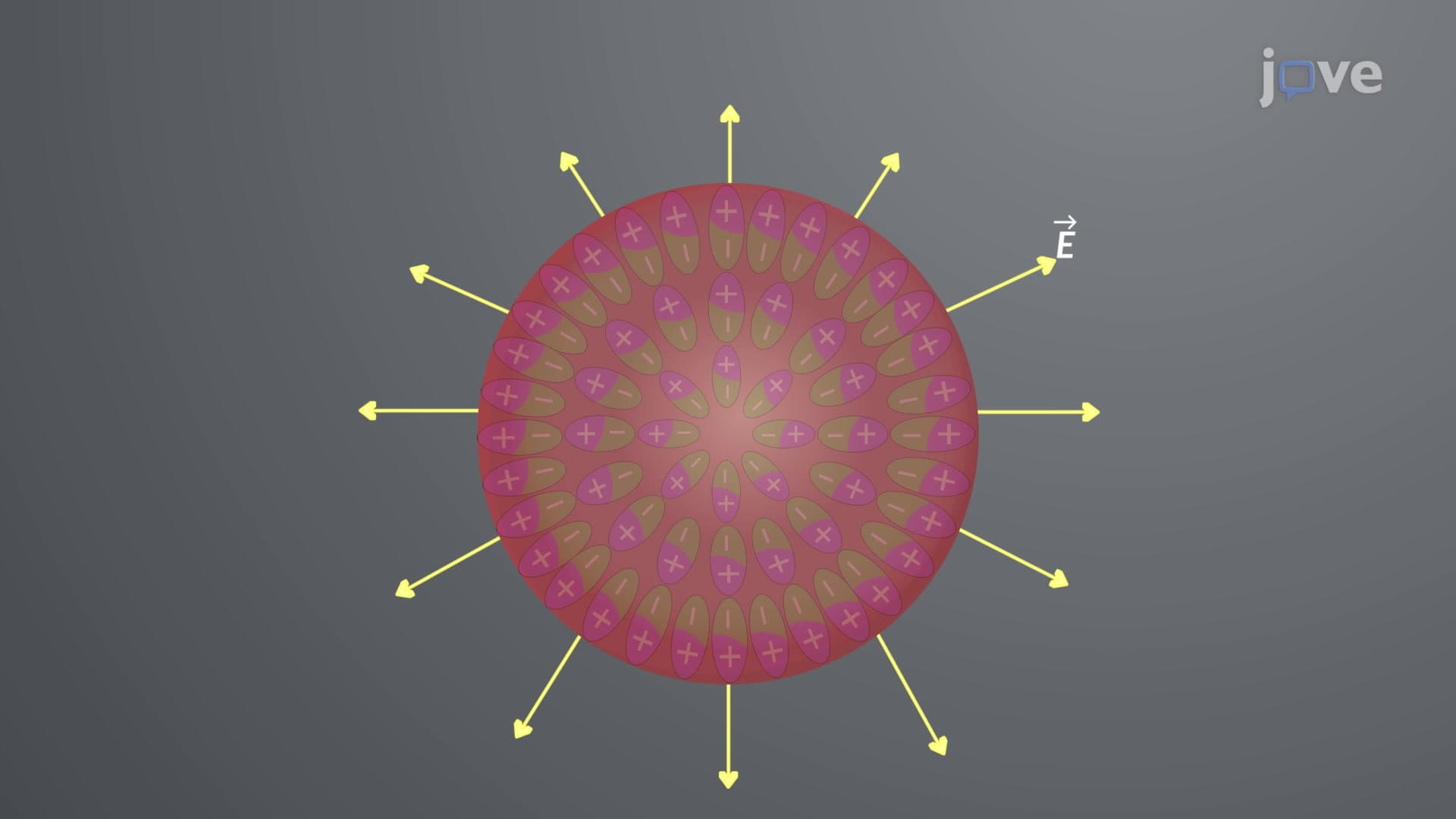
The relationship between susceptibility, permittivity, and dielectric constant forms the cornerstone of dielectric theory in physics and electrical engineering. When an external electric field is applied to a dielectric material, the material becomes polarized as bound charges within atoms and molecules shift slightly from their equilibrium positions. This polarization creates an internal electric field that opposes the applied field, fundamentally altering how the material stores and responds to electrical energy.
Electric susceptibility (χ) quantifies how easily a material becomes polarized when exposed to an electric field. It represents the proportionality constant between polarization (P) and the total electric field (E) in linear dielectric materials. Materials like water have relatively high susceptibility values, making them excellent for applications requiring significant polarization, such as in biological systems and certain types of sensors used in medical devices across US hospitals.
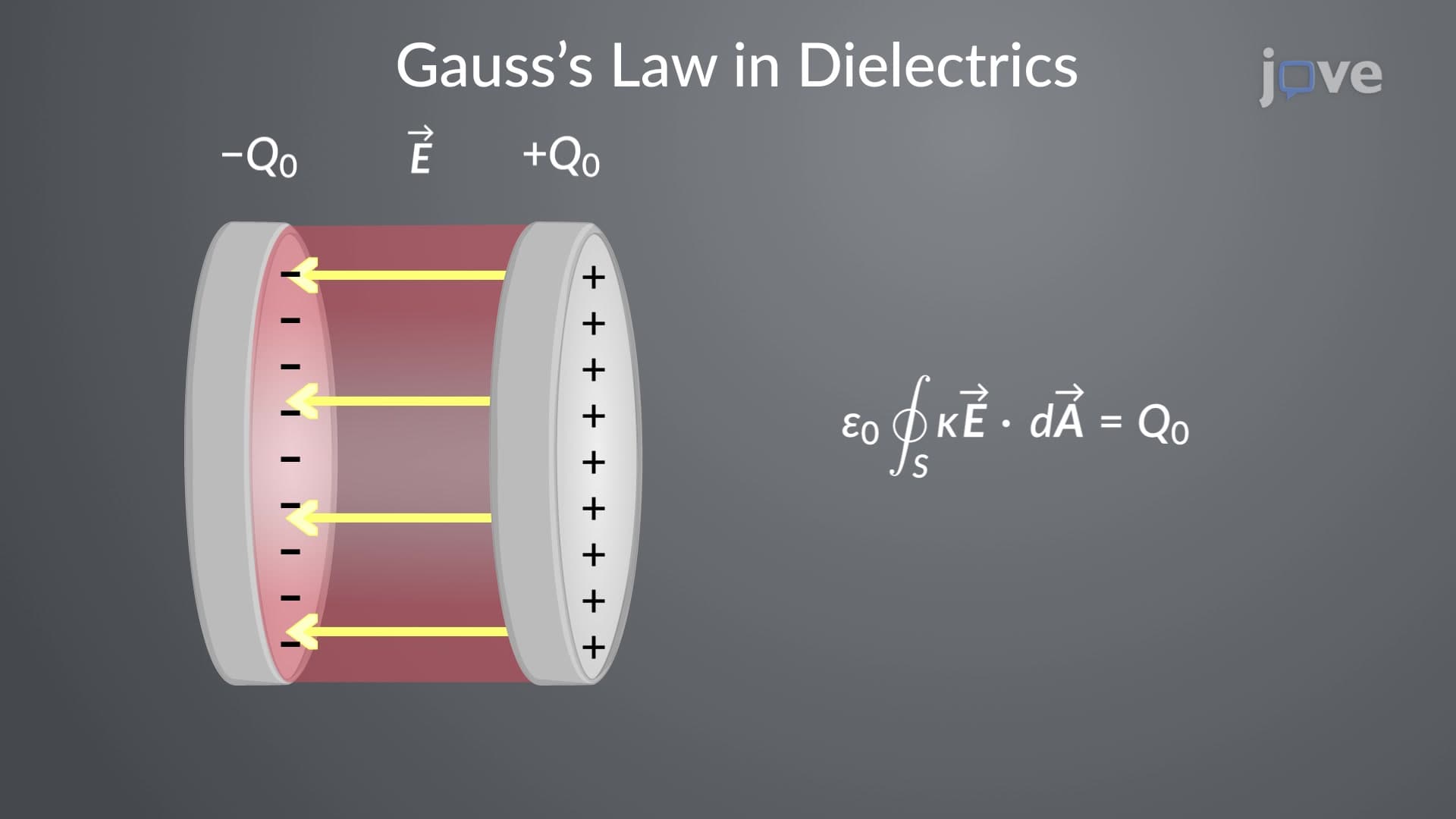
The mathematical relationship connecting these concepts begins with the total charge density, which combines both bound charges (created by polarization) and free charges (external charges). The electric displacement field (D) emerges from this relationship: D = ε₀E + P, where ε₀ represents the permittivity of free space. For linear dielectrics, since P = ε₀χE, we can rewrite this as D = ε₀(1 + χ)E = εE, where ε is the material's absolute permittivity.
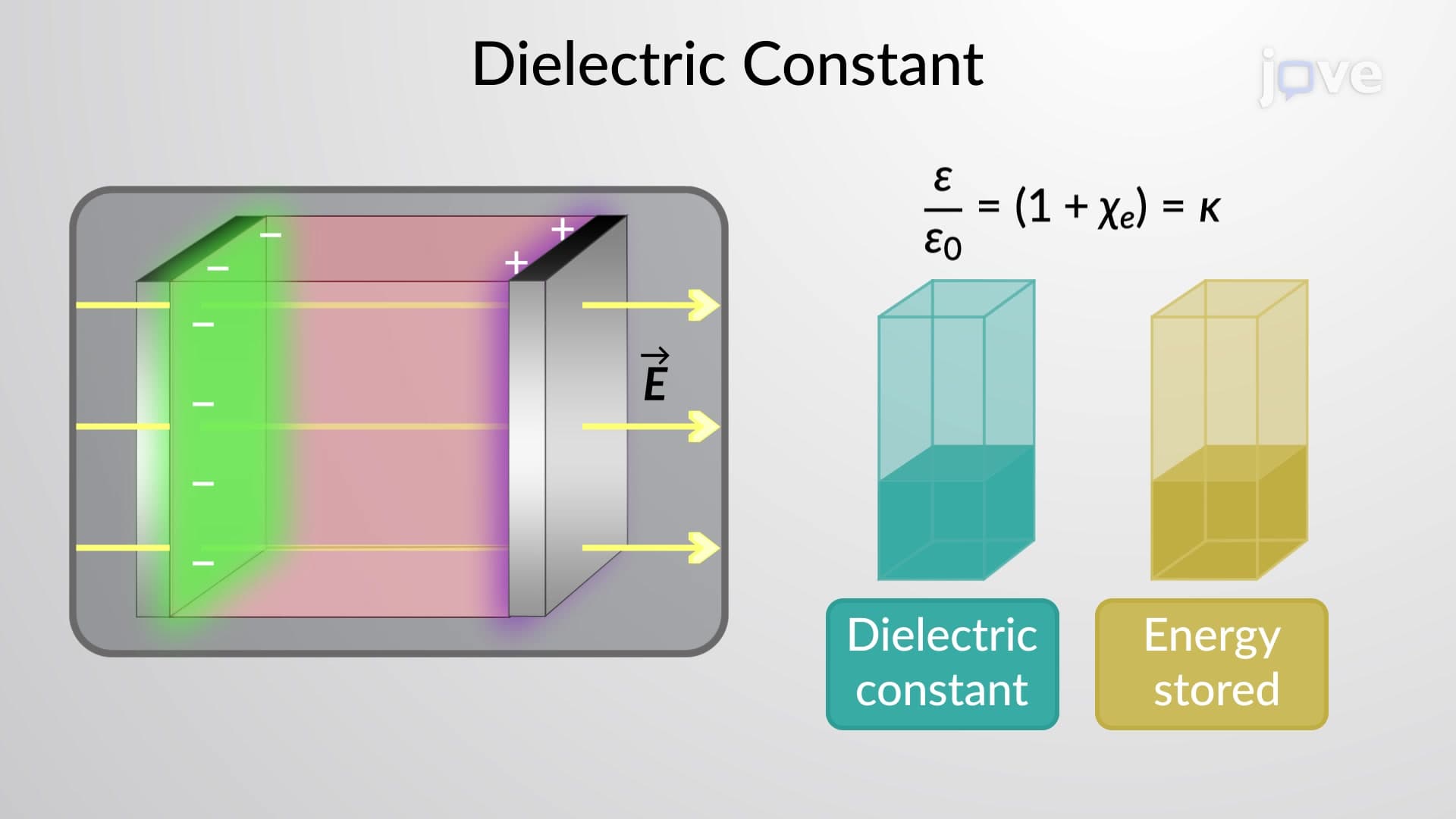
The dielectric constant (εᵣ), also called relative permittivity, equals ε/ε₀ = 1 + χ. This dimensionless quantity directly indicates how much better a material stores electrical energy compared to vacuum. For example, silicon dioxide (used in computer processors manufactured by Intel and AMD) has a dielectric constant around 3.9, while specialized ceramic materials used in military radar systems can exceed values of 10,000.
These concepts directly impact numerous US industries and technologies. In the semiconductor industry, companies like Texas Instruments and Analog Devices carefully select dielectric materials for integrated circuits based on their dielectric constants. High-κ (high dielectric constant) materials like hafnium oxide have revolutionized transistor design, enabling the continued miniaturization predicted by Moore's Law.
The automotive industry leverages these principles in electric vehicle capacitors. Tesla's Supercharger stations use high-dielectric-constant materials in their power conditioning systems to achieve rapid charging capabilities. Similarly, General Electric's wind turbines incorporate specialized dielectric materials in their power conversion systems to maximize efficiency during energy transmission to the electrical grid.
Students preparing for Advanced Placement (AP) Physics exams frequently encounter problems involving dielectric constant calculations and capacitor energy storage. The College Board emphasizes understanding how dielectric materials affect electric field strength and energy density. Similarly, pre-med students taking the MCAT encounter these concepts when studying bioelectricity and medical imaging technologies like MRI, where dielectric properties of tissues significantly impact image quality and diagnostic accuracy.
Frequently Asked Questions
These are three interconnected properties that describe how materials respond to electric fields. Electric susceptibility measures how easily a material becomes polarized, permittivity indicates the material's ability to store electrical energy, and dielectric constant compares this storage ability to vacuum. Think of them as different ways to measure how "electrically responsive" a material is.
The College Board frequently tests these concepts through capacitor problems where you calculate energy storage, electric field strength, and charge distribution. You'll typically see questions asking you to compare capacitor performance with different dielectric materials or determine how inserting a dielectric affects capacitance. Practice problems often involve calculating relative permittivity from given susceptibility values.
The MCAT tests these concepts in biological contexts, particularly in questions about cell membrane capacitance, nerve signal transmission, and medical imaging physics. You might encounter passages about defibrillators, where understanding dielectric properties helps explain energy storage and delivery. Practice identifying how tissue dielectric constants affect electromagnetic wave propagation in MRI or ultrasound imaging.
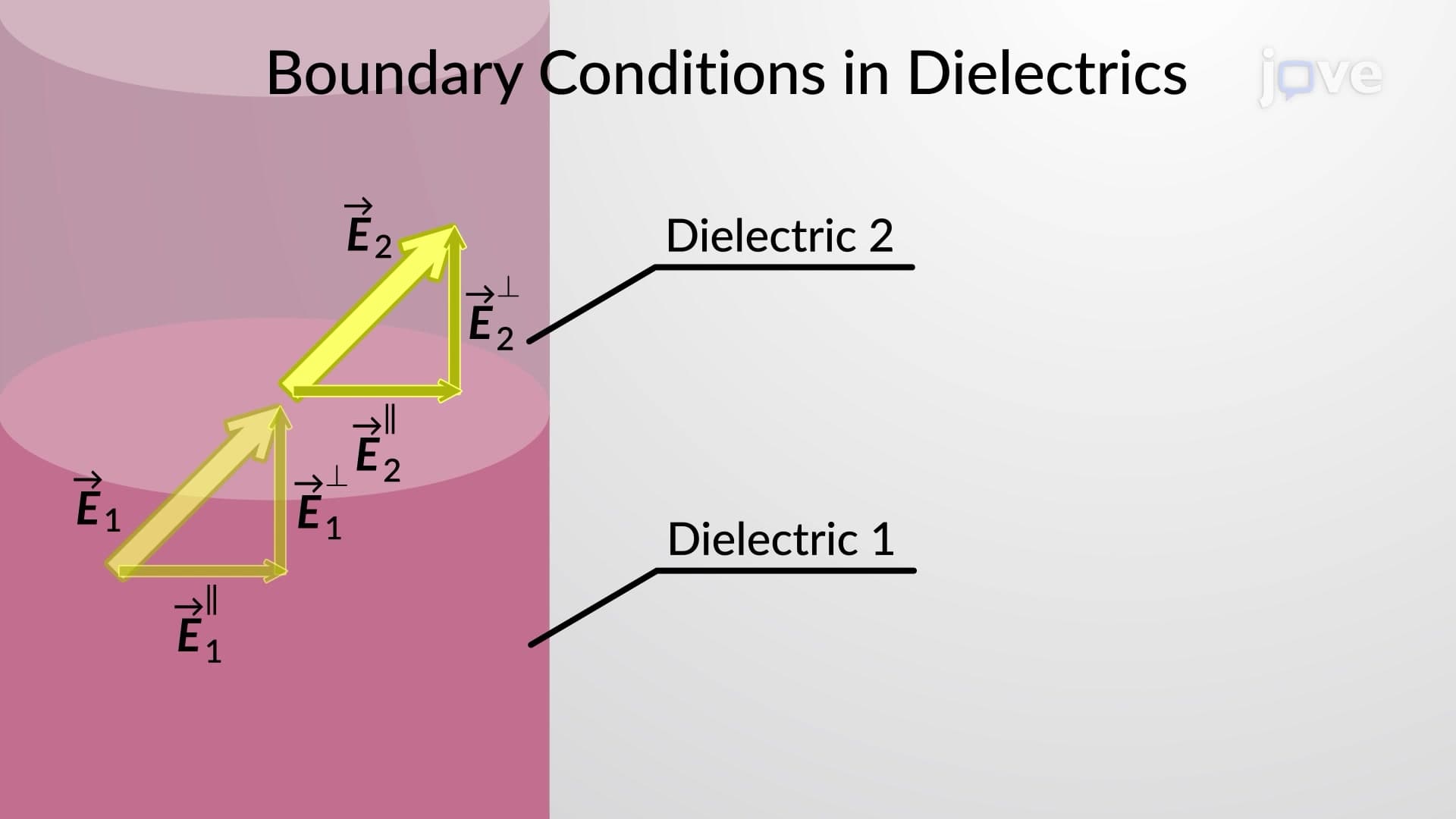
College exams typically focus on mathematical problem-solving using the relationships D = εE, εᵣ = 1 + χ, and energy density calculations. Expect multi-step problems involving parallel plate capacitors with multiple dielectric layers, or determining electric field distributions in composite dielectric systems. Many professors emphasize unit analysis and dimensional consistency when working with these equations.
Smartphone screens use high-dielectric-constant materials for touch sensitivity, while laptop batteries rely on specialized dielectrics for energy storage. Credit card chips contain dielectric layers for data protection, and even microwave ovens use dielectric heating principles. Tesla charging stations, LED lighting systems, and smart home devices all depend on carefully engineered dielectric materials for optimal performance.
Not at all! While the complete mathematical derivations require calculus, the core concepts only need basic algebra and proportional reasoning skills. High school students can successfully master these ideas by focusing on the physical meanings and practicing with numerical examples. Start with understanding what each term represents physically before diving into complex calculations.
Create a concept map showing χ (susceptibility) leads to P (polarization), which affects D (displacement), ultimately determining ε (permittivity) and εᵣ (dielectric constant). Use the mnemonic "Susceptible Polar Dielectric" to remember the sequence: susceptibility → polarization → dielectric response. Practice deriving one quantity from others rather than memorizing isolated formulas.
These fundamentals prepare you for electromagnetic wave propagation, antenna design theory, and quantum mechanics applications in materials science. Advanced courses explore frequency-dependent dielectric properties, nonlinear dielectric effects, and ferroelectric materials used in computer memory systems. Understanding these basics is essential for careers in electrical engineering, materials science, and medical device development.
Related Micro-courses



Related Subjects
 Math Fundamentals 11 micro-courses›
 Statistics 17 micro-courses›