Loading…
Loading video…

46,055 views
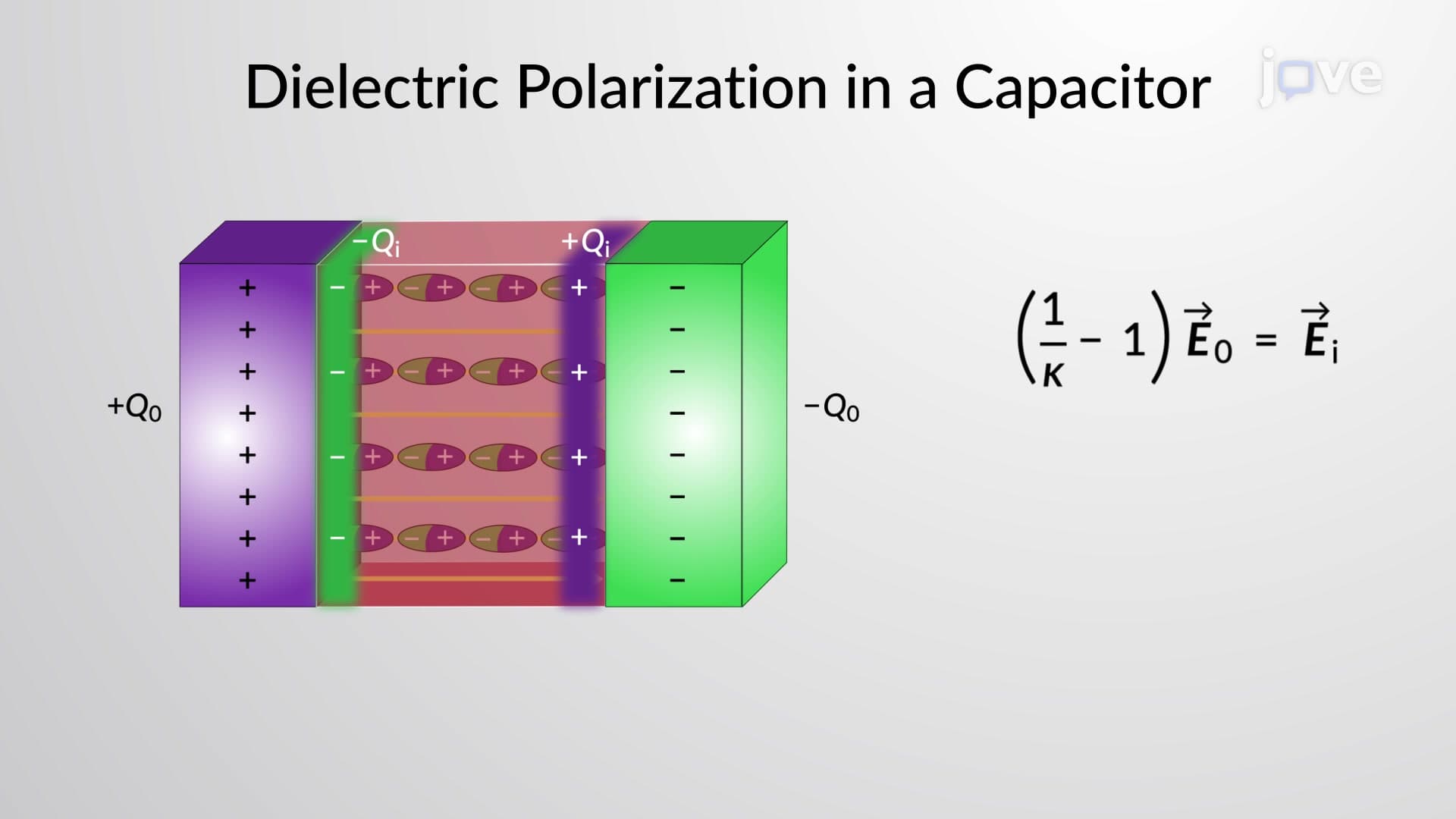
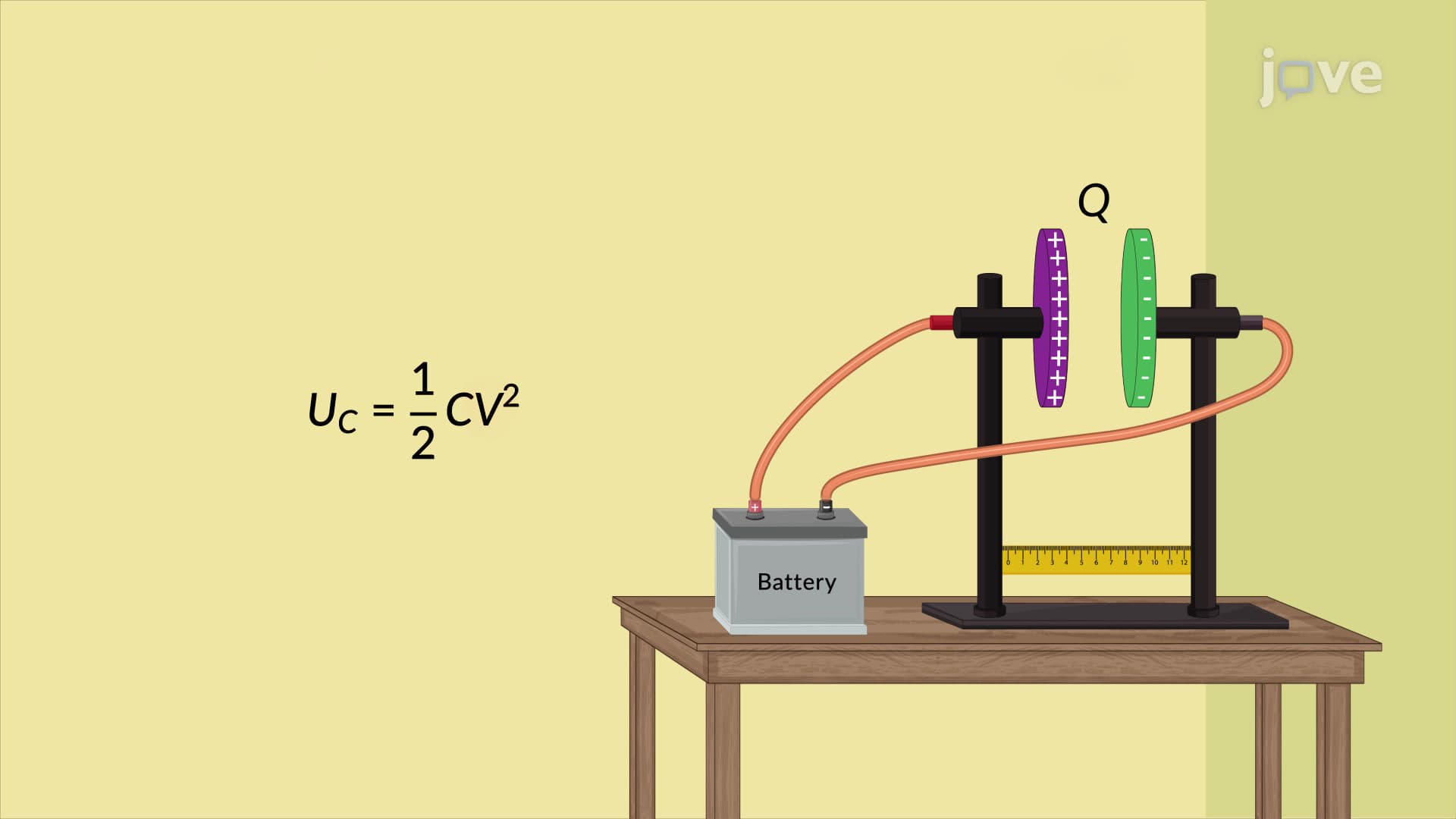
Ever wonder why your smartphone's capacitor can store charge without breaking down? Dielectric polarization is the key phenomenon that allows materials like ceramic capacitors in Apple iPhones to function reliably. When an electric field is applied to dielectric materials, their molecules align and create opposing surface charges, fundamentally changing how the material responds to electrical forces. This process occurs in both polar molecules (which have permanent charge separation) and nonpolar molecules (which develop temporary charge separation). Understanding what is dielectric polarization reveals how everyday electronics maintain their electrical properties and why dielectric breakdown can cause device failure. Watch the full video on JoVE Coach to master this concept with expert-led visuals and step-by-step explanations.
What is dielectric polarization represents one of the most crucial concepts in electrostatics and electronics engineering. At its core, dielectric polarization describes how insulating materials respond to external electric fields by developing internal charge distributions that oppose the applied field. This phenomenon enables capacitors to store electrical energy efficiently while maintaining electrical isolation between conducting plates.
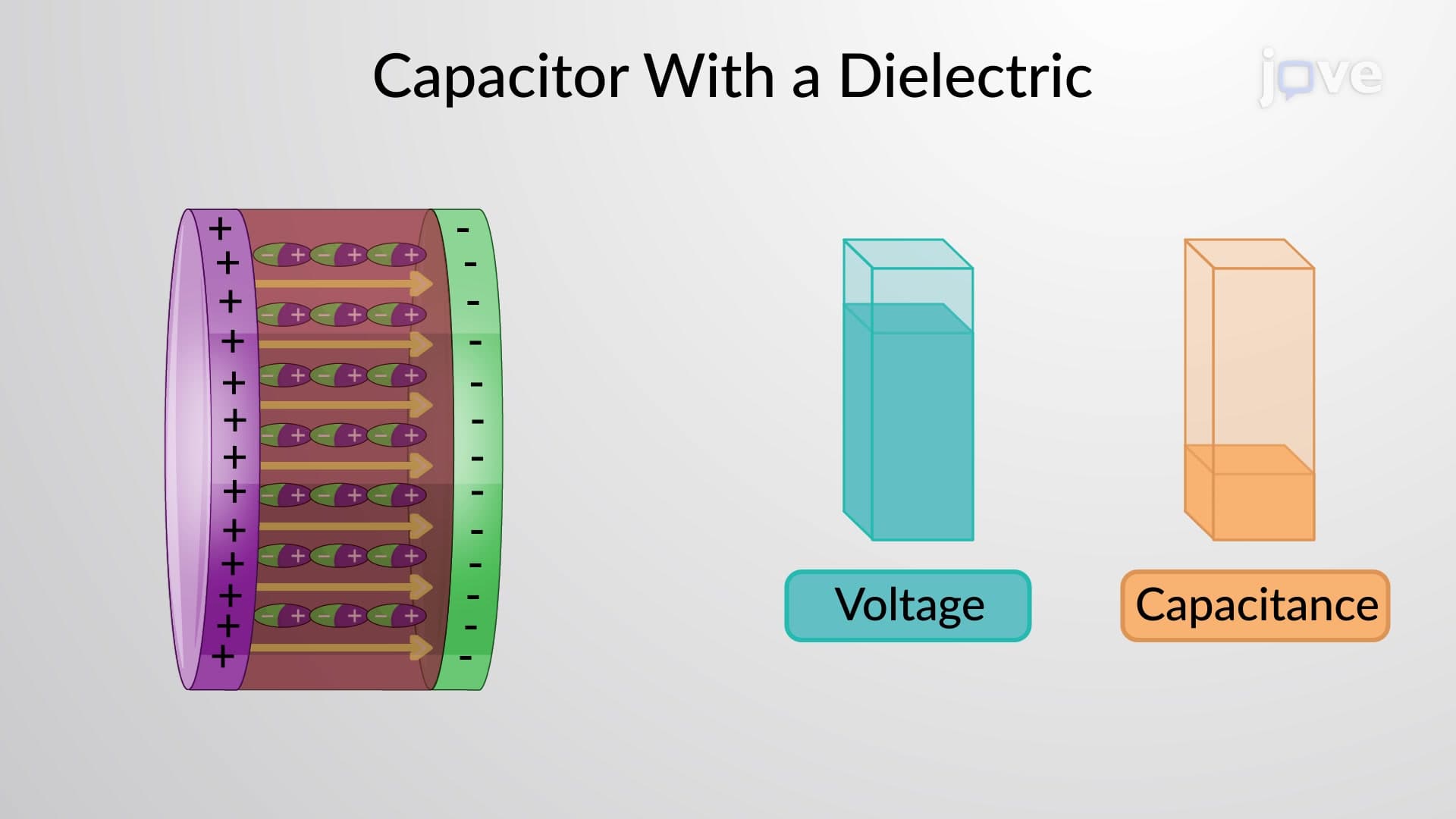
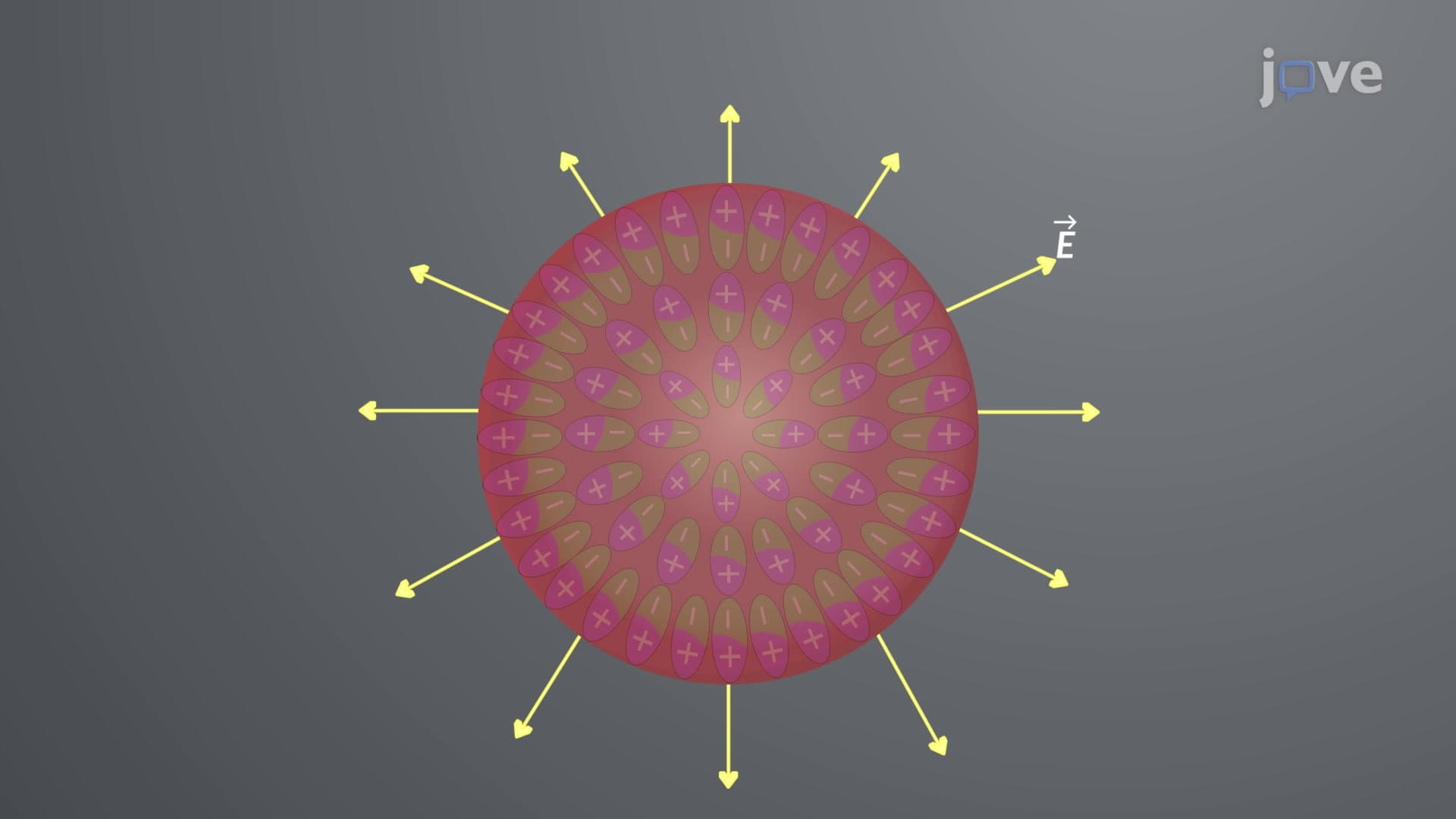
The process begins when an external electric field encounters dielectric molecules. In polar dielectrics—materials like water or certain polymers used in high-performance capacitors—molecules possess permanent electric dipole moments due to unequal charge distribution. When these materials experience an external field, the randomly oriented dipoles rotate and align with the field direction, creating organized charge separation across the material's surface.
Nonpolar dielectrics, such as polyethylene used in coaxial cable insulation, initially lack permanent charge separation. However, under electric field influence, these materials undergo induced polarization. The external field stretches electron clouds away from atomic nuclei, creating temporary dipoles that align with the applied field. This induced polarization generates surface charges that modify the overall electric field within the dielectric.
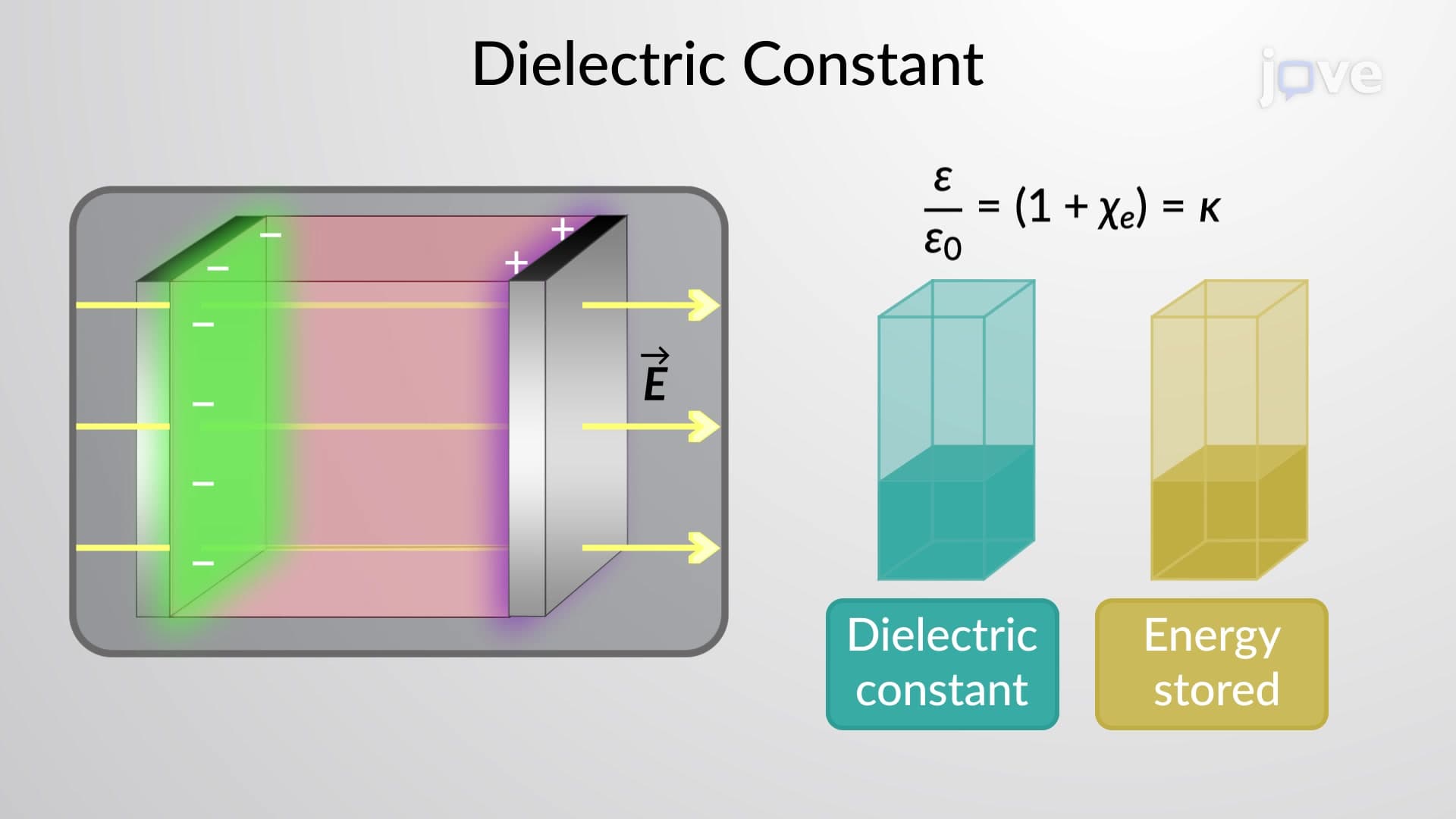
Students preparing for AP Physics or college-level electromagnetism courses should recognize that both mechanisms result in similar outcomes: surface charge development that reduces the net electric field within the dielectric material. This reduction factor, quantified by the dielectric constant (εᵣ), determines how effectively the material can store electrical energy.
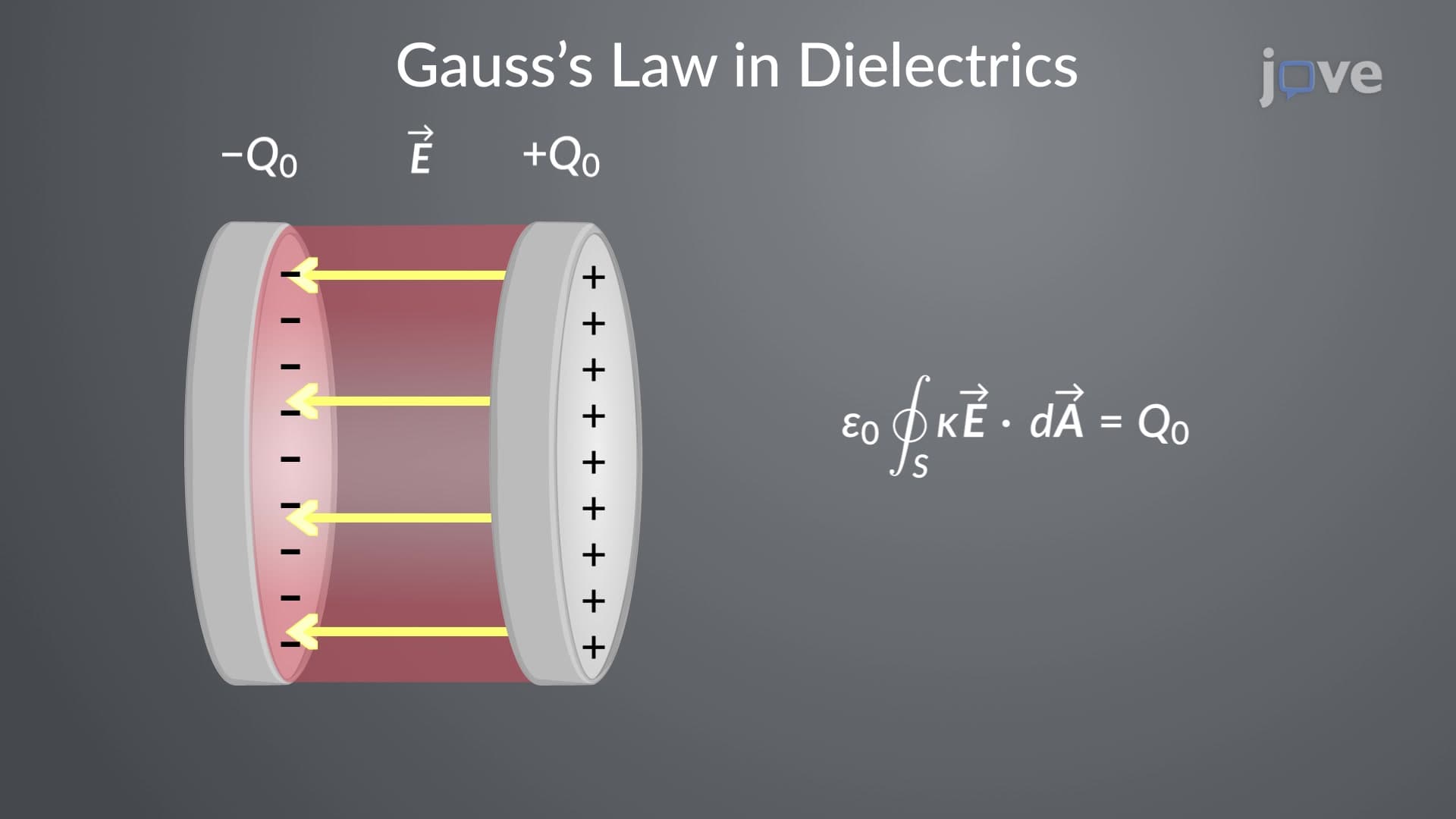
The relationship between external fields (E₀), induced fields (Eᵢₙd), and net fields (Eₙₑₜ) follows the expression: Eₙₑₜ = E₀/εᵣ. This fundamental relationship appears frequently on MCAT physics sections and engineering qualifying exams. The dielectric constant εᵣ varies significantly among materials—from approximately 2.1 for polyethylene to over 10,000 for specialized ceramic materials used in multilayer ceramic capacitors (MLCCs) found in smartphones and automotive electronics.
Understanding dielectric breakdown becomes critical for practical applications. When electric field strength exceeds material-specific threshold values, molecular ionization occurs, converting the insulator into a conductor. This phenomenon explains why high-voltage transmission lines require careful insulator selection and why capacitor voltage ratings must never be exceeded in circuit design.
Major US technology companies like Intel and Texas Instruments rely heavily on dielectric polarization principles for semiconductor device fabrication. Gate oxides in MOSFETs, interconnect dielectrics in microprocessors, and decoupling capacitors in power management circuits all depend on controlled dielectric polarization behavior. Students pursuing electrical engineering or materials science careers will encounter these principles throughout coursework at institutions like MIT, Stanford, or UC Berkeley, where advanced semiconductor physics courses explore polarization effects in nanoscale devices.
Frequently Asked Questions
Dielectric polarization occurs when insulating materials develop internal charge separation in response to external electric fields. This process allows molecules to align with applied fields, creating surface charges that reduce the net electric field within the material. The phenomenon enables capacitors to store electrical energy while maintaining insulation between conducting plates.
For AP Physics exams, dielectric polarization is defined as the alignment of molecular dipoles (permanent or induced) within insulating materials when subjected to external electric fields. This alignment creates equal and opposite surface charges that modify field strength according to the dielectric constant relationship E = E₀/εᵣ. Students should memorize that higher dielectric constants indicate greater polarization capability.
MCAT questions typically focus on capacitor energy storage calculations involving dielectric materials and polarization effects on electric field strength. Students encounter problems requiring dielectric constant applications, breakdown voltage calculations, and energy density comparisons between different dielectric materials. Practice with parallel-plate capacitor configurations and field modification calculations proves essential for success.
Dielectric polarization enables smartphone touchscreens, computer memory storage, automotive ignition systems, and medical defibrillator devices. Companies like Apple use specialized dielectric materials in iPhone capacitors, while Tesla incorporates high-voltage dielectric systems in electric vehicle battery management. Understanding polarization principles helps explain how these everyday technologies store and manage electrical energy safely.
Students with basic knowledge of atomic structure and electric fields can grasp dielectric polarization concepts effectively. The topic builds naturally on electrostatics principles covered in introductory physics courses, requiring only vector addition skills and proportional reasoning abilities. Visual demonstrations using parallel-plate capacitors help clarify abstract molecular alignment processes.
Focus on drawing electric field diagrams showing before and after dielectric insertion scenarios, practice calculating net fields using dielectric constant formulas, and work through multiple capacitor energy problems. Create comparison charts distinguishing polar versus nonpolar dielectric behaviors, and memorize common dielectric constant values for materials like glass, ceramic, and plastic polymers.
Students should explore ferroelectric materials, piezoelectric effects, and semiconductor physics for deeper understanding. Advanced coursework in materials science covers crystal structure influences on polarization, while electromagnetic theory courses examine frequency-dependent dielectric responses. These topics prove valuable for engineering majors pursuing careers in electronics design or materials research.
Related Micro-courses



Related Subjects
 Math Fundamentals 11 micro-courses›
 Statistics 17 micro-courses›