Loading…
Loading video…

52,444 views
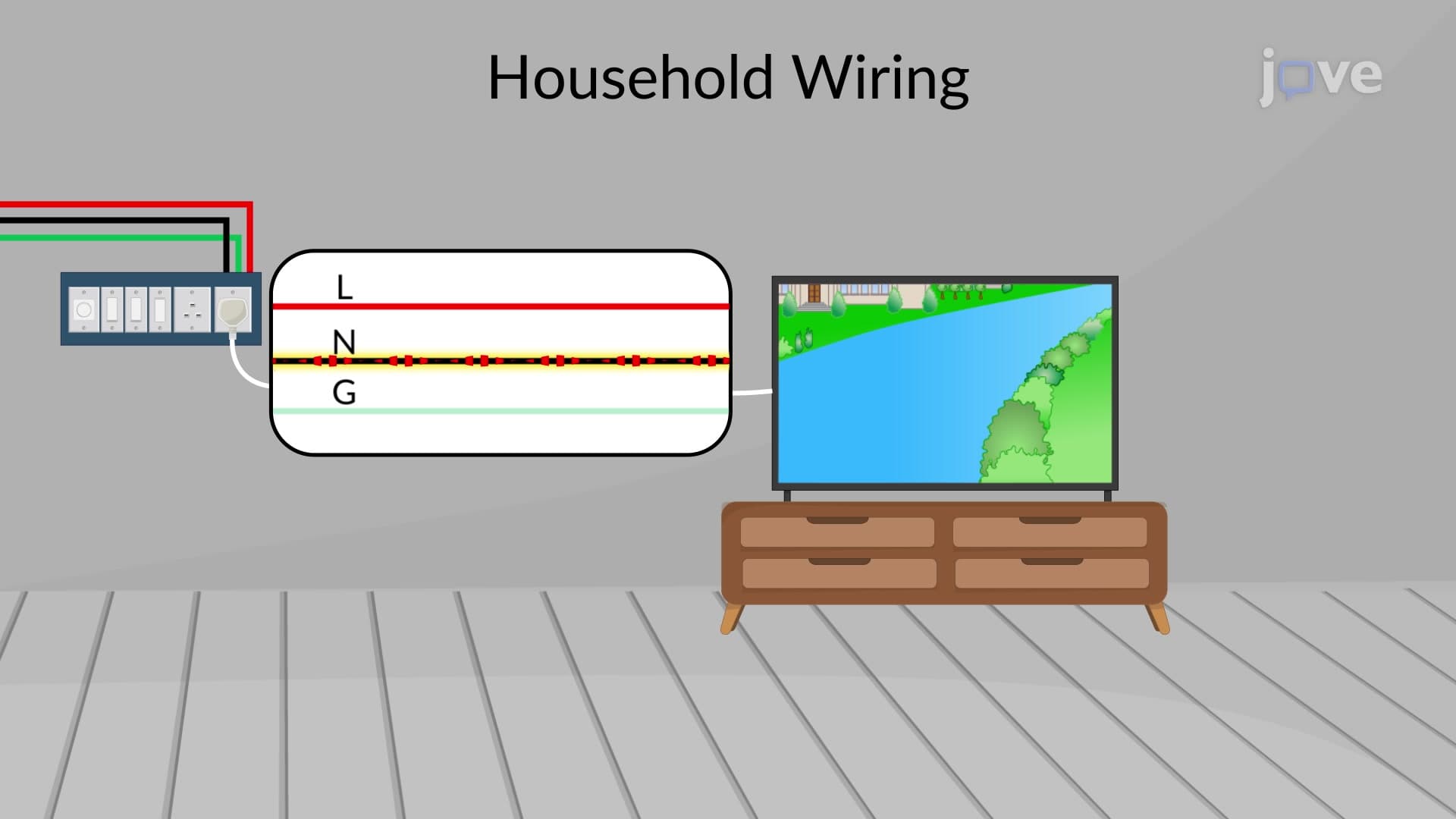
Ever wonder why flipping a light switch doesn't shut off your refrigerator? Household wiring and electrical safety systems use parallel circuits to ensure each appliance operates independently. In US homes, a three-wire system (hot, neutral, ground) with color-coded insulation prevents dangerous short circuits that could spark house fires. Modern safety features like circuit breakers protect against overcurrent conditions that damage expensive electronics. Watch the full video on JoVE Coach to master this concept with expert-led visuals and step-by-step explanations.
Household wiring and electrical safety represents one of the most critical aspects of modern residential construction and maintenance. Unlike simple educational circuits that might connect components in series, real homes require sophisticated parallel wiring systems that ensure reliability, safety, and functionality.
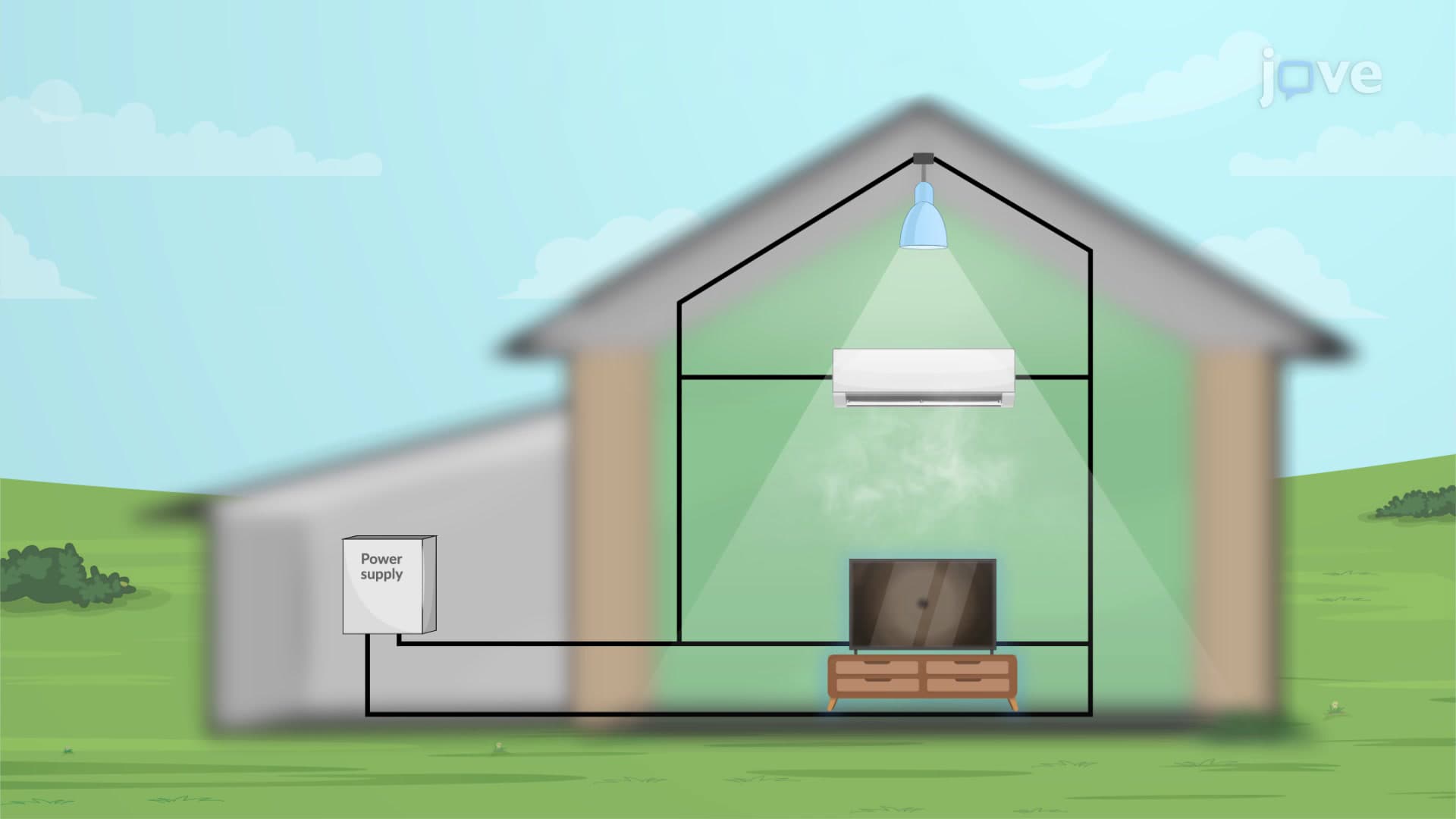
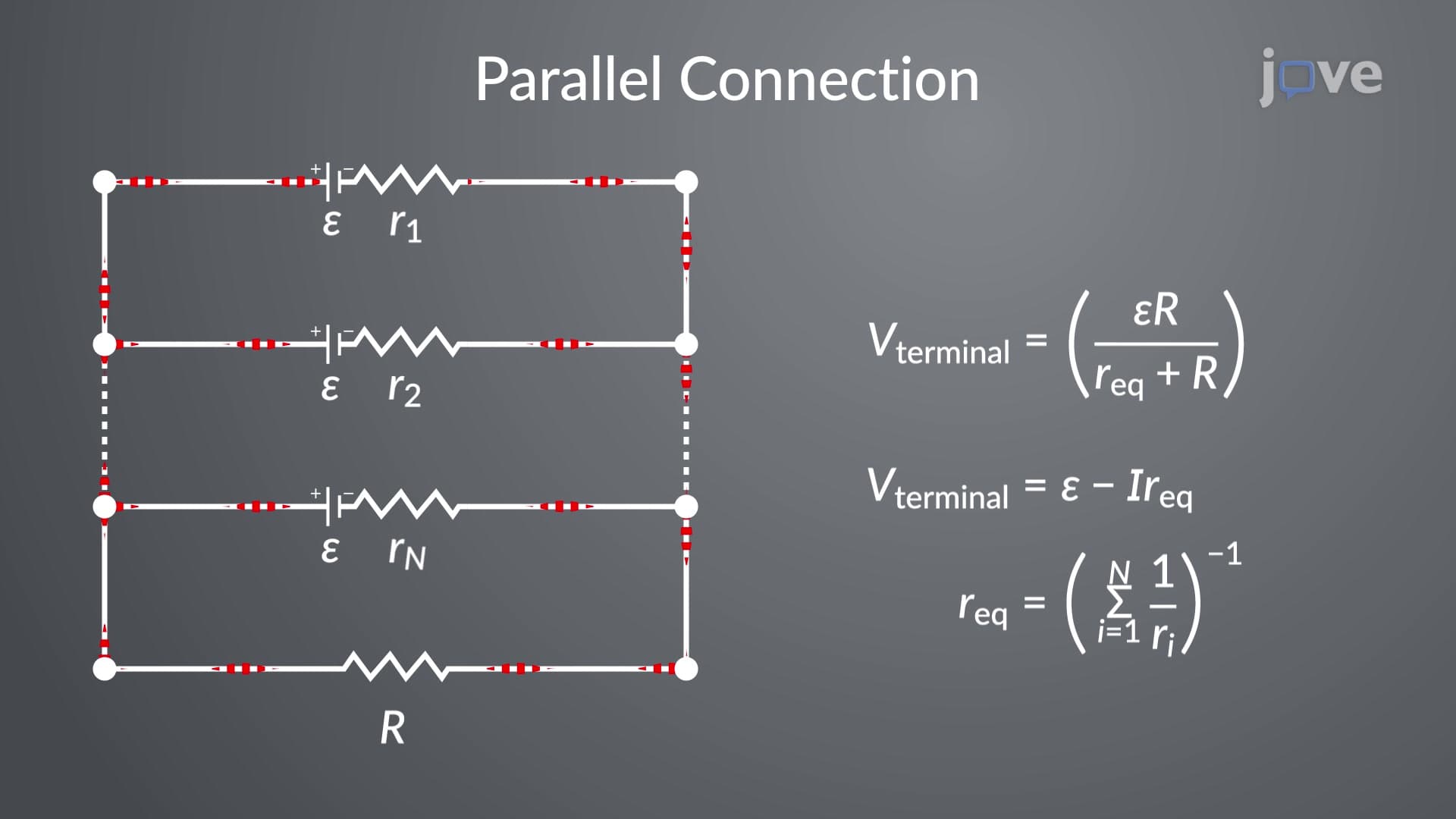
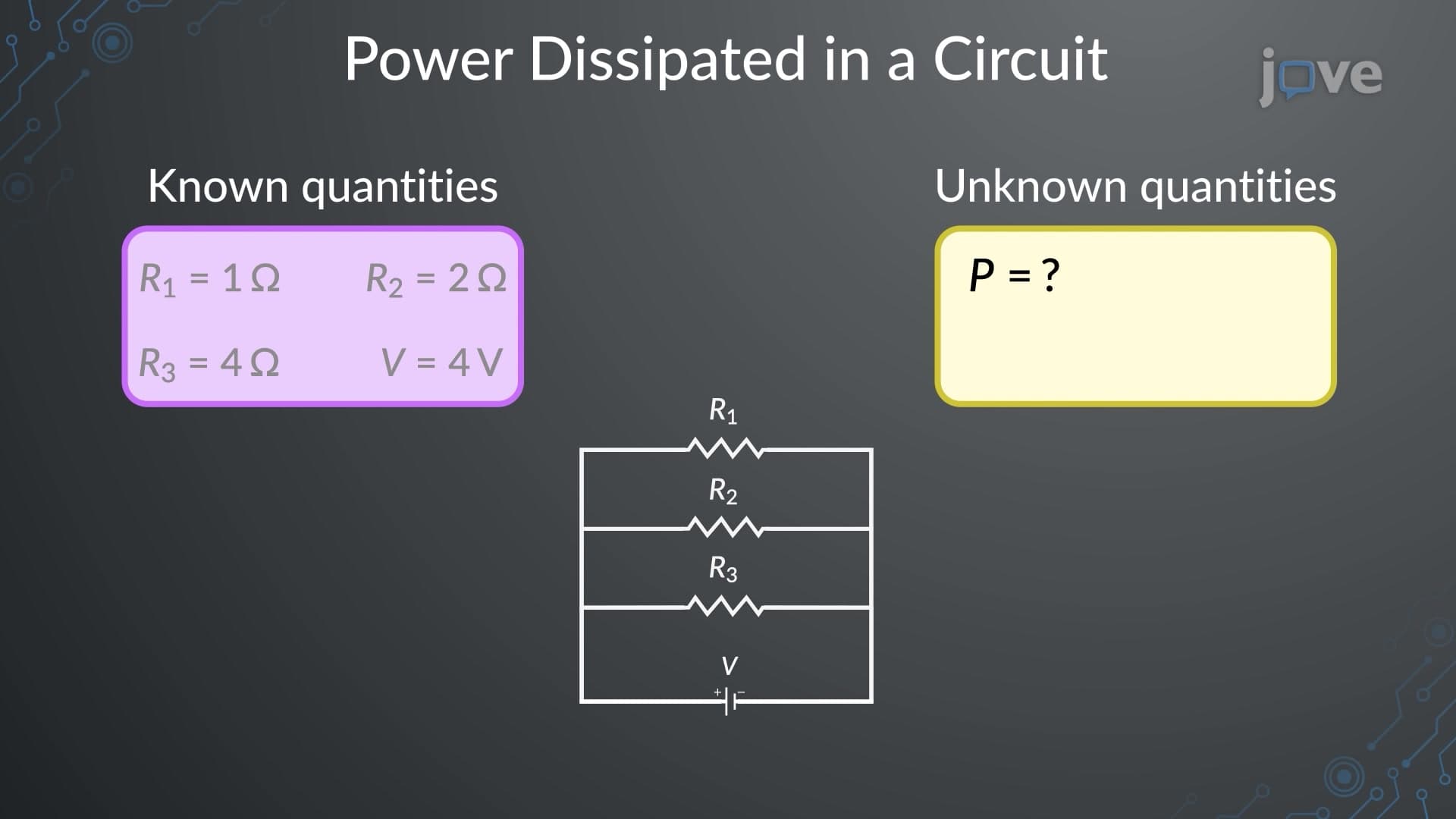
The cornerstone of safe household electrical systems lies in parallel circuit design. When appliances connect in series, they share the same current path—meaning if your kitchen microwave fails, your living room television would also lose power. This impractical arrangement explains why residential circuits always use parallel configurations.
In parallel circuits, each appliance receives the full household voltage (typically 120V in the US) through independent current paths. Your dishwasher, air conditioning unit, and bedroom lights all operate on separate branches stemming from the main electrical panel. This design ensures that when you unplug your coffee maker, every other appliance continues functioning normally—a convenience we often take for granted.
Modern US homes utilize a three-conductor wiring system mandated by the National Electrical Code (NEC). The hot wire (typically black or red insulation) carries electrical current from the breaker panel to appliances. The neutral wire (white insulation) provides the return path, completing the electrical circuit. The ground wire (green or bare copper) serves as a critical safety backup, directing dangerous fault currents safely into the earth.
This color-coding system prevents dangerous wiring mistakes during installation and repairs. Electricians across all 50 states follow these standardized colors, ensuring consistency whether you're in a Maine farmhouse or a California apartment complex.
Short circuits occur when hot and neutral wires make unintended contact, creating a low-resistance pathway that allows excessive current flow. Without protection, this surge generates dangerous heat that can ignite surrounding materials—a leading cause of residential fires according to the National Fire Protection Association.
Modern homes employ circuit breakers rather than traditional fuses for overcurrent protection. When current exceeds safe limits (typically 15-20 amperes for household circuits), breakers automatically "trip," immediately stopping electricity flow. Unlike fuses that require replacement after activation, breakers simply reset with a switch flip after resolving the underlying problem.
These concepts frequently appear on AP Physics exams, SAT Subject Tests, and introductory college electrical engineering courses, making thorough understanding essential for academic success.
Frequently Asked Questions
Household wiring and electrical safety encompasses the systems and practices that deliver electricity safely throughout residential buildings. Understanding these principles helps homeowners identify potential hazards, make informed decisions about electrical work, and communicate effectively with professional electricians. This knowledge can prevent dangerous situations like electrical fires, electrocution, and costly equipment damage.
AP Physics exams frequently test parallel circuit analysis, Ohm's law applications in household settings, and power calculations for residential appliances. Students might encounter problems calculating current draw for multiple appliances, determining safe wire gauges, or analyzing circuit breaker ratings. The MCAT also includes electrical safety concepts in physics sections, particularly regarding current flow and resistance.
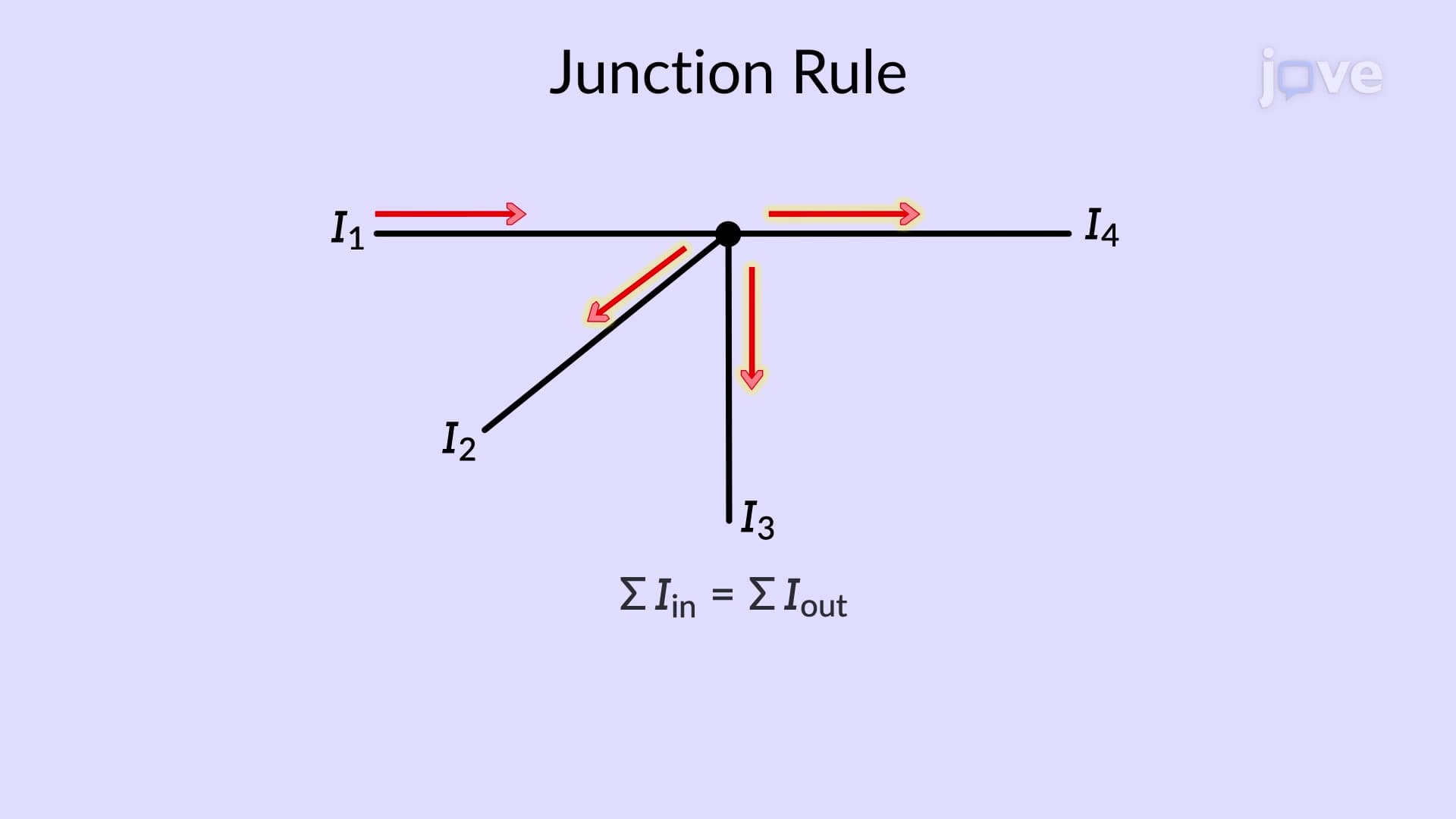
Focus on parallel circuit analysis, current division principles, and power dissipation calculations. Review Kirchhoff's laws as applied to household circuits, understand the relationship between voltage, current, and resistance in residential settings, and practice problems involving multiple appliances operating simultaneously. Many professors include real-world applications like calculating electric bills or determining appropriate circuit protection.
US building codes require GFCI (Ground Fault Circuit Interrupter) outlets in bathrooms, kitchens, and outdoor areas to prevent electrocution. Arc fault circuit interrupters (AFCIs) detect dangerous electrical arcs that could start fires. Many states mandate whole-house surge protectors to protect expensive electronics from lightning strikes and power grid fluctuations.
Basic algebra and understanding of ratios suffice for most household electrical calculations. You'll work with Ohm's law (V = IR) and power equations (P = VI), but complex calculus isn't necessary. Most practical applications involve straightforward arithmetic with real-world values like 120V outlets and common appliance power ratings.
Create practice problems using real appliance specifications from your home—calculate current draw for your refrigerator, determine if multiple devices can safely share a circuit, and practice circuit analysis with actual household scenarios. Drawing circuit diagrams helps visualize current flow and identify potential safety issues.
Consider studying three-phase power systems used in commercial buildings, motor control circuits for HVAC systems, and renewable energy integration like solar panel installations. Industrial electrical safety practices and power distribution systems build naturally on residential wiring fundamentals.
While local electrical codes may vary slightly, the National Electrical Code (NEC) provides consistent standards across the US. National exams like the AP Physics test focus on fundamental principles that apply universally—parallel circuits, Ohm's law, and basic safety concepts remain constant regardless of local variations.
Many students struggle because they try to apply simple series circuit rules to complex parallel household systems. Remember that household circuits involve multiple current paths, shared neutral wires, and varying loads that change throughout the day. Start with single-appliance analysis before tackling whole-house electrical systems.
Related Micro-courses


Related Subjects
 Math Fundamentals 11 micro-courses›
 Statistics 17 micro-courses›