Loading…
Loading video…

52,444 views
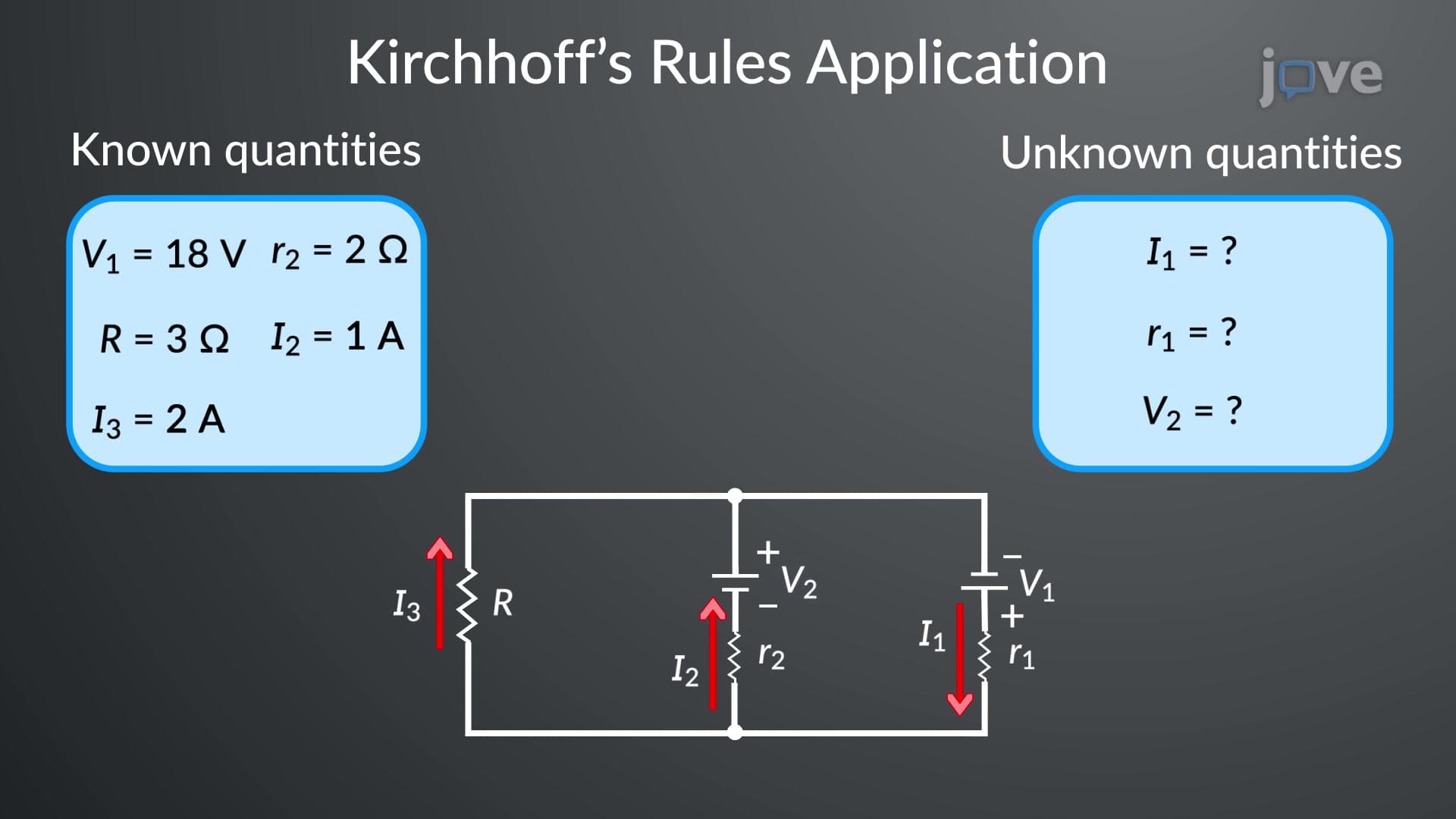
Ever wonder how Tesla's Supercharger network manages to charge electric vehicles so efficiently without overloading circuits? Kirchhoff's rules application provides the fundamental framework for analyzing complex electrical circuits like these charging stations. This powerful problem-solving technique uses systematic equations to determine unknown currents, voltages, and resistances in multi-loop circuits found throughout American infrastructure—from home electrical panels to hospital equipment. Understanding What is Kirchhoff's Rules Application enables students to tackle sophisticated circuit analysis problems step-by-step. Watch the full video on JoVE Coach to master this concept with expert-led visuals and step-by-step explanations.
Kirchhoff's rules application represents one of the most powerful analytical tools in electrical engineering and physics. Named after German physicist Gustav Kirchhoff, these rules provide a systematic approach to analyzing electrical circuits that are too complex for simple series and parallel resistance formulas. Students encounter this concept extensively in AP Physics courses and college-level electrical engineering programs across American universities.
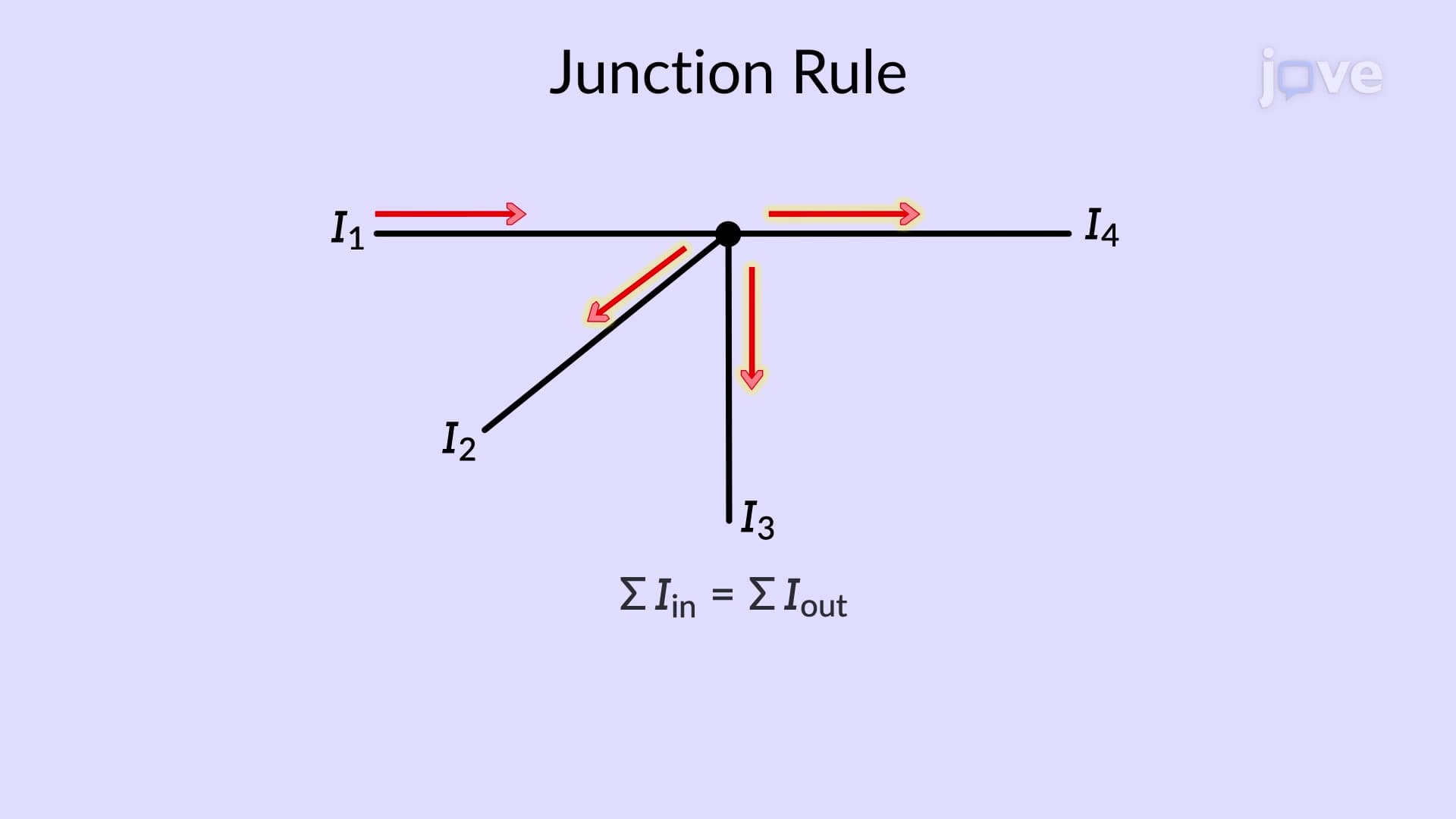
Kirchhoff's Current Law (KCL), also known as the junction rule, states that the algebraic sum of currents entering any junction equals zero. This reflects the conservation of electric charge—electrons cannot accumulate at a junction point. In practical terms, current flowing into a junction must equal current flowing out.
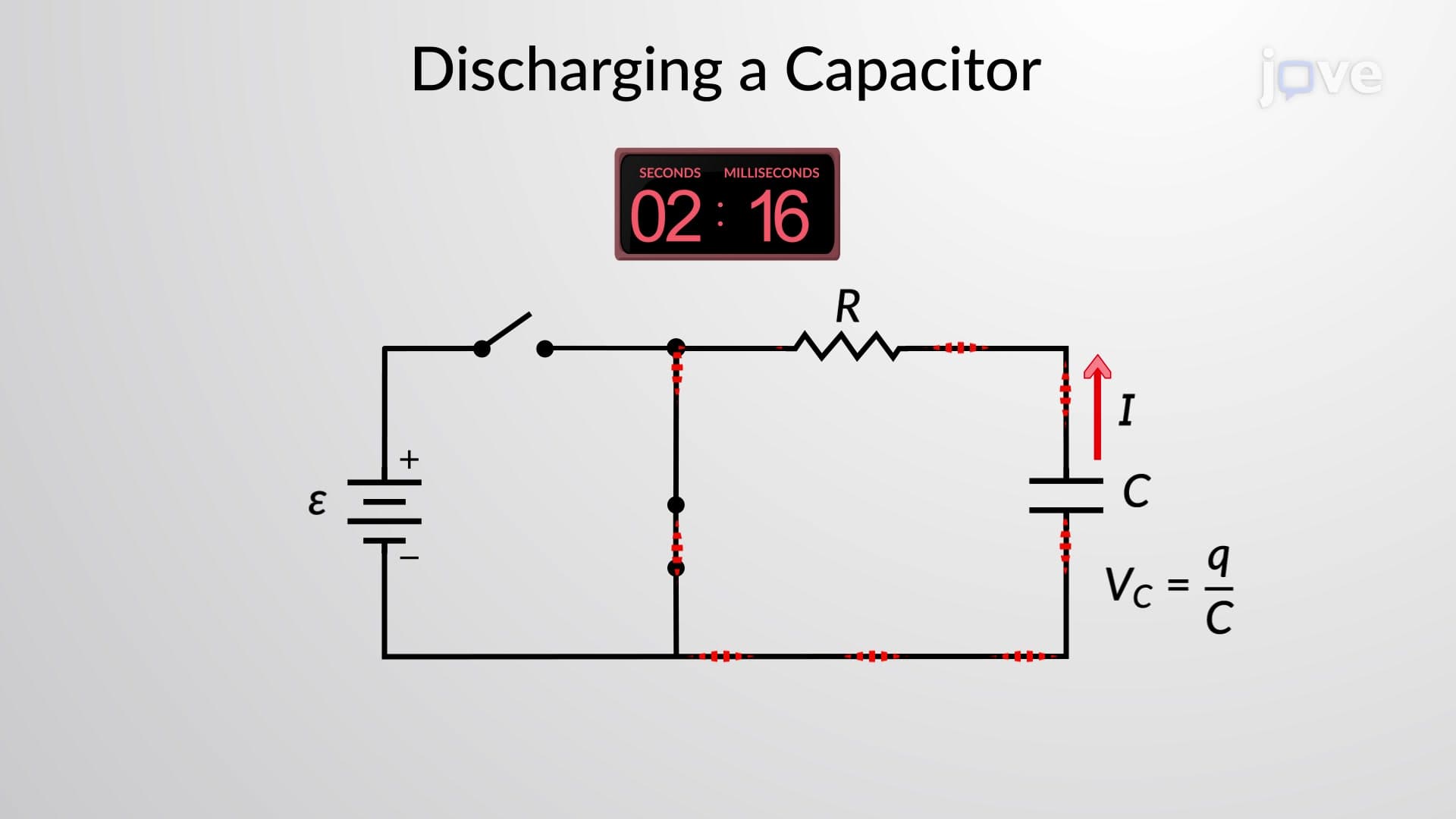
Kirchhoff's Voltage Law (KVL), or the loop rule, declares that the algebraic sum of potential differences around any closed loop equals zero. This embodies conservation of energy in electrical systems. As you traverse a complete loop in a circuit, the total energy gained from voltage sources must equal the energy lost across resistive elements.
When applying Kirchhoff's rules to complex circuits, students follow a structured methodology. First, identify all unknown quantities—currents, resistances, or EMFs. Next, assign current directions arbitrarily for each branch; if your assumption proves incorrect, the calculated value will be negative, indicating opposite flow direction.
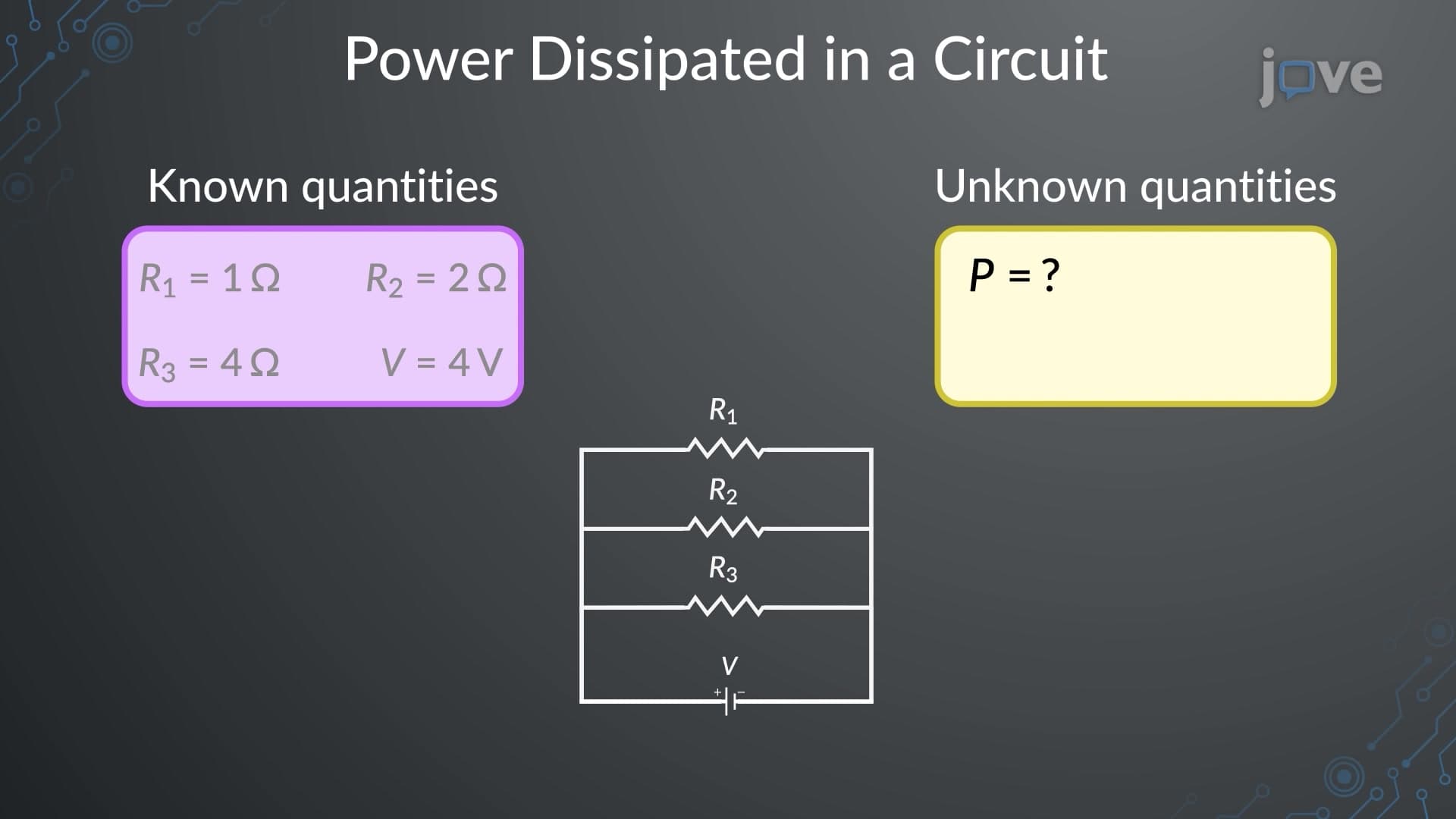
Create one equation using KCL for each junction where three or more conductors meet. Then apply KVL around independent loops, being careful about sign conventions. Voltage sources are positive when traversed from negative to positive terminal, while resistors cause voltage drops in the current direction.
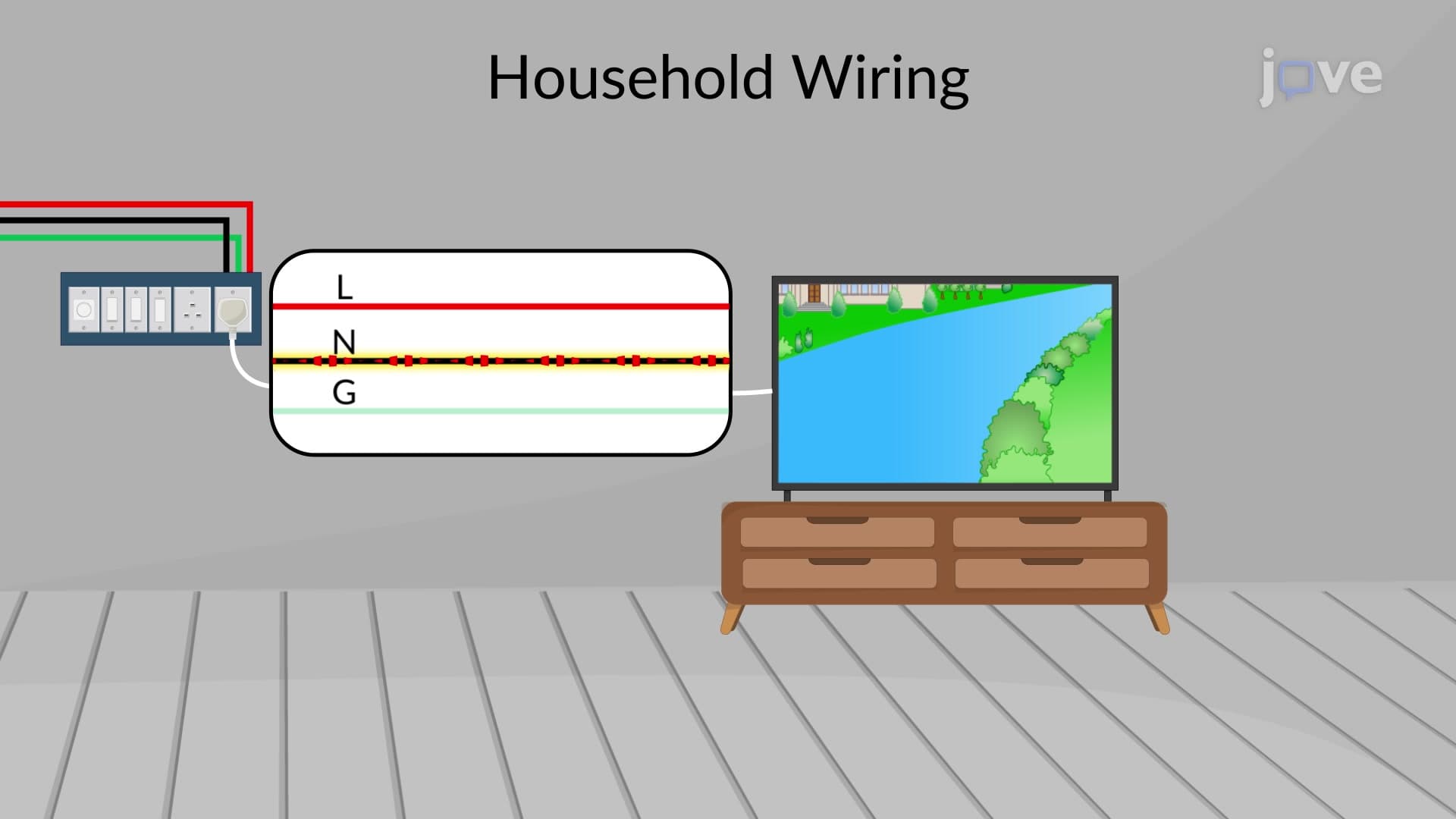
Kirchhoff's rules application appears throughout modern American infrastructure. Power grid engineers use these principles to analyze transmission networks feeding cities like New York and Los Angeles. Hospital biomedical technicians apply these concepts when troubleshooting patient monitoring equipment. Even automotive technicians rely on Kirchhoff's rules when diagnosing electrical problems in hybrid vehicles manufactured by companies like General Motors and Ford.
Frequently Asked Questions
Kirchhoff's rules application is a systematic method for analyzing complex electrical circuits using two fundamental laws: current conservation at junctions and voltage conservation around loops. It's essential because it allows engineers and students to solve circuits with multiple batteries and resistors that cannot be simplified using basic series-parallel techniques. This method is crucial for understanding power grids, electronic devices, and automotive electrical systems.
AP Physics C: Electricity and Magnetism frequently features multi-loop circuit problems requiring Kirchhoff's rules application. Students typically encounter free-response questions worth 10-15 points where they must set up systems of equations and solve for unknown currents or resistances. The College Board expects students to demonstrate proper sign conventions and systematic equation setup. Practice with past AP exam questions helps students master the required problem-solving approach.
Ohm's law (V = IR) works perfectly for simple circuits with single loops or clear series-parallel combinations. However, Kirchhoff's rules application becomes necessary for complex circuits with multiple voltage sources or interconnected loops where current paths aren't obvious. While Ohm's law provides the foundation, Kirchhoff's rules offer the systematic framework needed for advanced circuit analysis in engineering applications.
Absolutely! Kirchhoff's rules application primarily requires setting up equations systematically rather than advanced mathematical techniques. Most problems involve solving 2-3 linear equations with basic substitution or elimination methods taught in Algebra I. The key is understanding the physical principles behind current and voltage conservation. Many students find the logical, step-by-step approach easier than memorizing numerous circuit formulas.
Power system engineers apply Kirchhoff's rules when designing electrical grids for cities like Chicago or Houston. They analyze how current flows through transmission lines, transformers, and distribution networks under various load conditions. During peak demand periods, engineers use these principles to prevent overloading and ensure reliable power delivery to hospitals, schools, and residential areas. Smart grid technology relies heavily on real-time Kirchhoff's rules calculations.
Start by practicing systematic equation setup rather than rushing to solve for numbers. Create a checklist: identify unknowns, assign current directions, apply KCL at junctions, then KVL around loops. Work through progressively complex circuits, beginning with two-loop problems before tackling three-loop systems. Focus on understanding sign conventions thoroughly, as this prevents most common errors on physics exams and MCAT problems.
After mastering Kirchhoff's rules application, explore AC circuit analysis including impedance, phasors, and reactive components. Network theorems like Thevenin's and Norton's provide powerful shortcuts for complex circuits. Students planning engineering careers should investigate computer-aided circuit simulation software used by companies like Intel and Texas Instruments. These advanced topics build directly on Kirchhoff's fundamental principles.
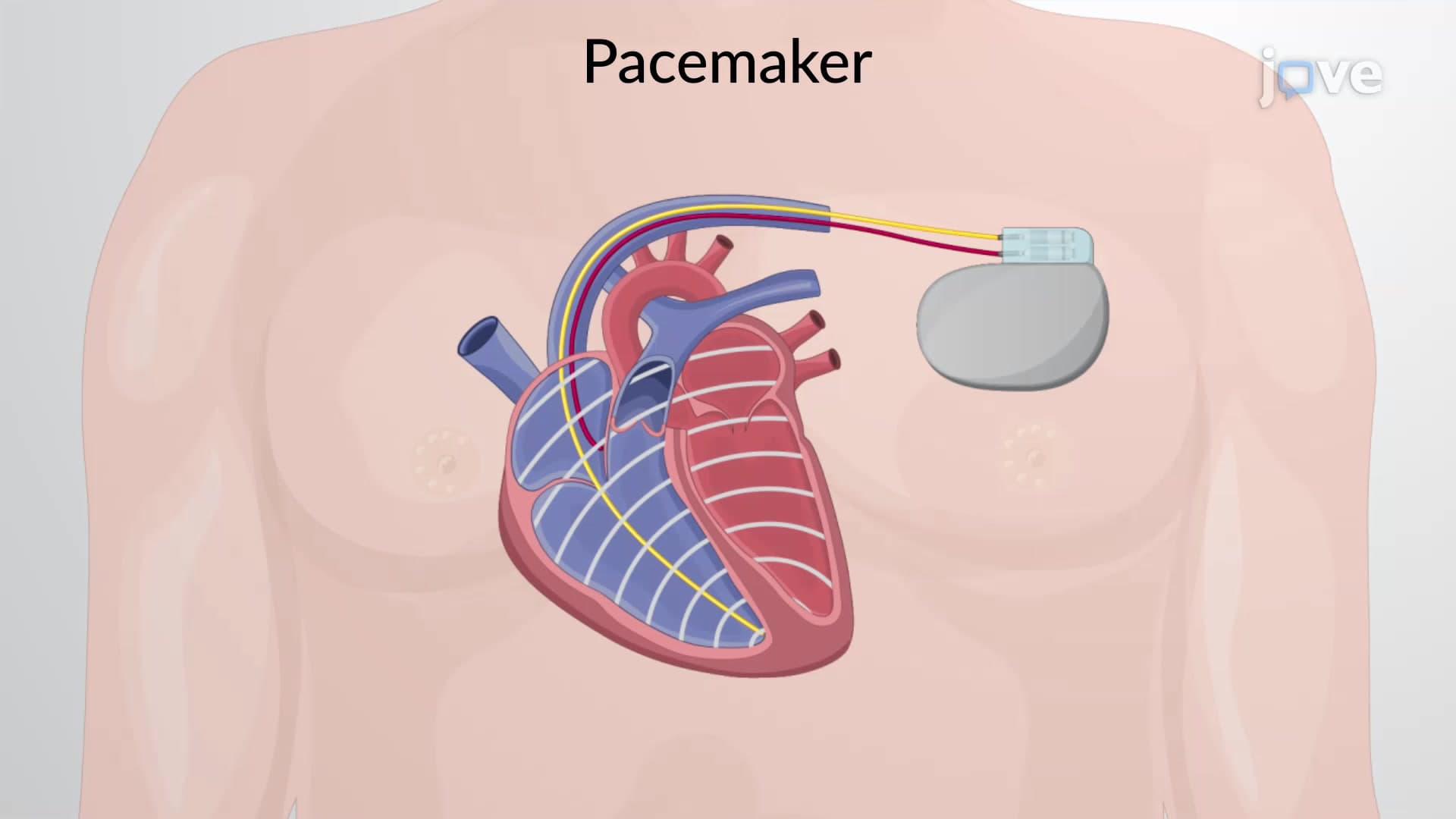
Medical devices like ECG machines, defibrillators, and patient monitors contain complex circuits analyzed using Kirchhoff's rules application. Biomedical engineers design these systems to ensure precise current delivery and accurate signal processing. When troubleshooting equipment at hospitals like Mayo Clinic or Johns Hopkins, technicians apply these principles to identify faulty components and maintain patient safety standards required by FDA regulations.
Related Micro-courses

Related Subjects
 Math Fundamentals 11 micro-courses›
 Statistics 17 micro-courses›