Loading…
Loading video…

52,444 views
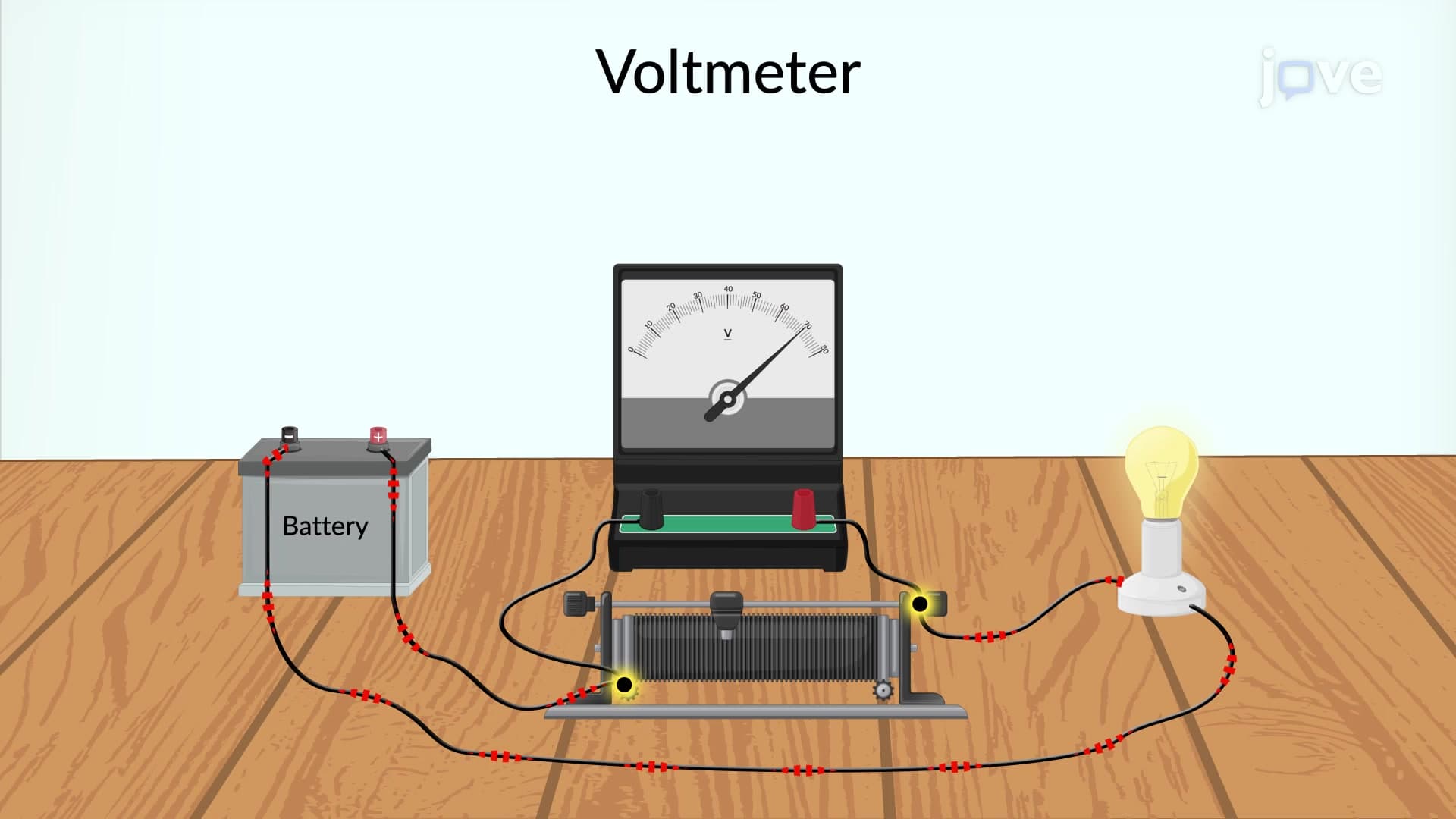
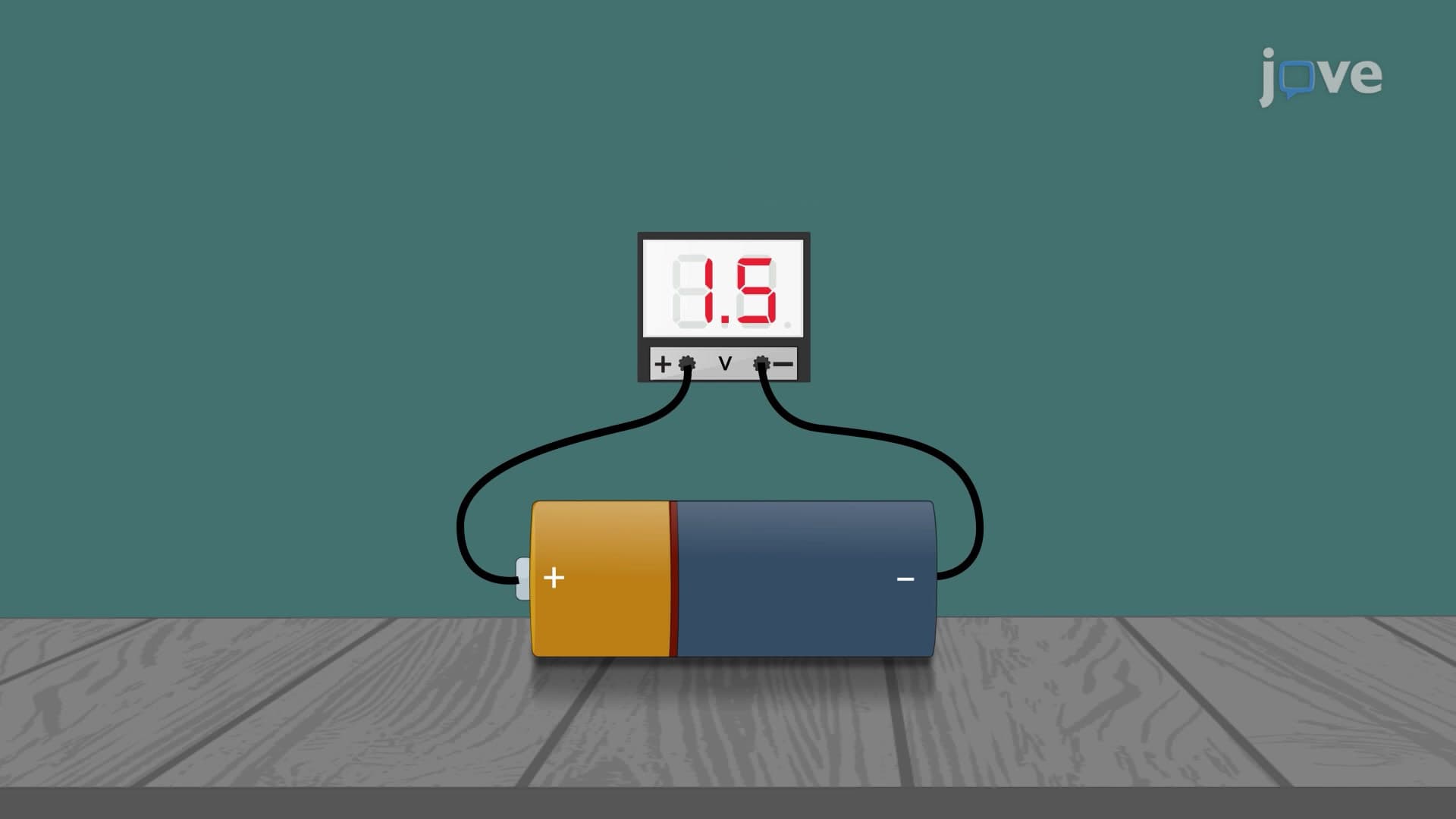
Ever wondered how technicians safely measure the electrical potential in your home's outlets without getting shocked? A voltmeter is the essential instrument that measures voltage by connecting in parallel across circuit elements, requiring high internal resistance to avoid disrupting the circuit. For instance, electrical inspectors across the United States use digital voltmeters to verify that standard household outlets deliver the required 120 volts AC. Understanding what is voltmeter functionality involves recognizing how galvanometers can be converted into voltmeters through series resistor additions. Watch the full video on JoVE Coach to master this concept with expert-led visuals and step-by-step explanations.
A voltmeter represents one of the most crucial measuring instruments in electrical engineering and physics education. Unlike ammeters that measure current flow, voltmeters specifically measure potential difference (voltage) between two points in an electrical circuit. The fundamental voltmeter definition centers on its unique parallel connection method, which allows voltage measurement without significantly disrupting the original circuit conditions.
The voltmeter concept involves understanding the critical distinction between theoretical and practical performance. An ideal voltmeter possesses infinite internal resistance, ensuring zero current draw from the measured circuit. However, real voltmeters exhibit finite resistance, typically ranging from thousands to millions of ohms depending on their design and intended applications.
This voltmeter basics principle becomes particularly important in sensitive electronic circuits where even minimal current draw could affect measurements. For example, when measuring voltage across high-impedance components in audio amplifier circuits used in American-made guitar amplifiers, technicians must use voltmeters with exceptionally high internal resistance to maintain measurement accuracy.
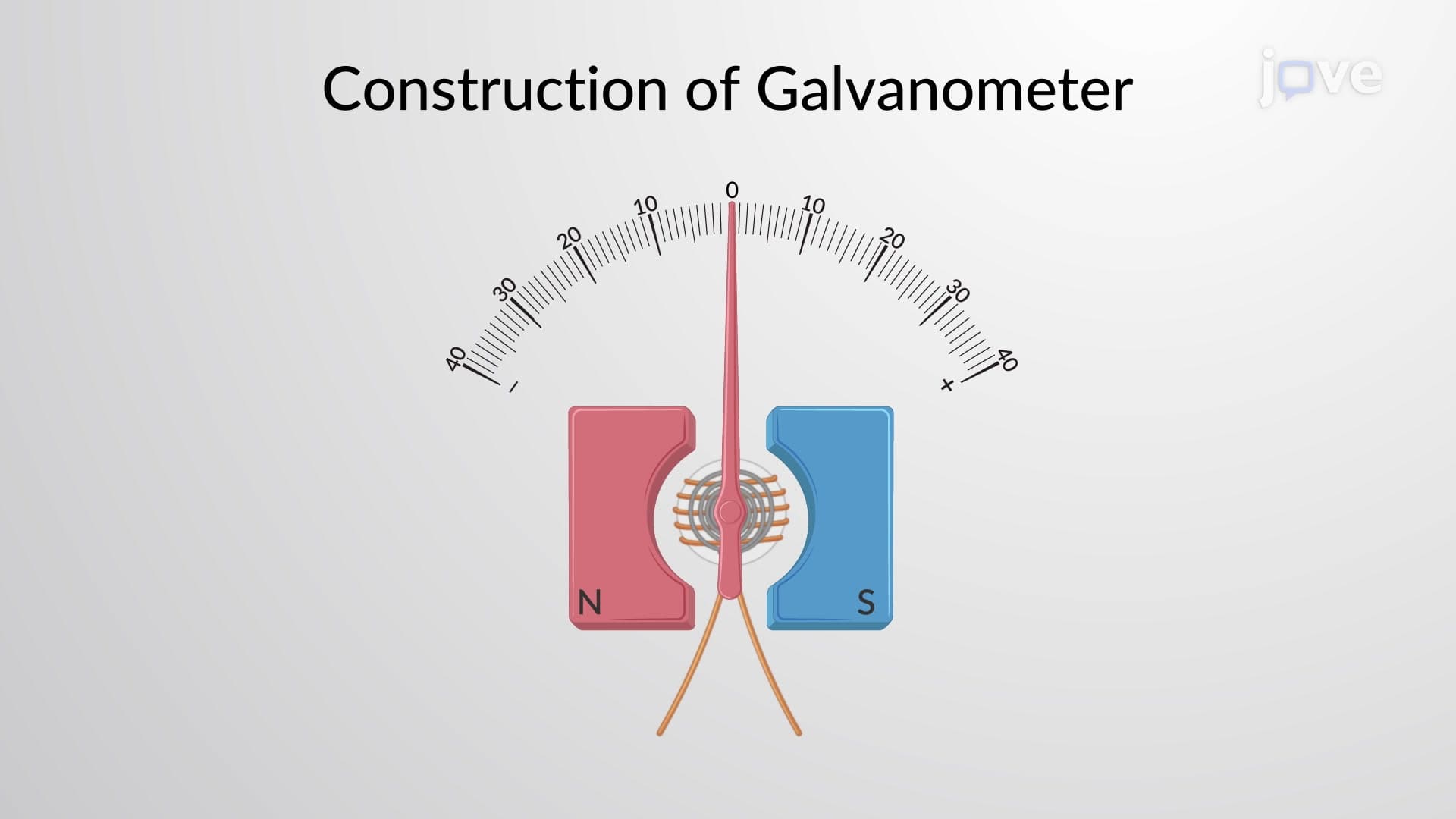
The understanding voltmeter construction involves recognizing how sensitive galvanometers transform into practical voltage-measuring instruments. A galvanometer alone can only measure tiny potential differences, typically in millivolts, with full-scale deflection. Engineers extend this range by adding precision resistors in series with the galvanometer coil.
This series resistor configuration creates a voltage divider circuit where the total measured voltage splits between the galvanometer and the series resistor. By carefully calculating the series resistance value, manufacturers can create voltmeters capable of measuring everything from millivolts to thousands of volts safely.
Students preparing for AP Physics exams frequently encounter voltmeter problems involving circuit analysis and measurement calculations. College-level courses in electrical engineering programs at universities like MIT and Stanford extensively cover voltmeter applications in both DC and AC circuits.
Professional applications span from automotive diagnostics (measuring car battery voltage at 12.6V) to industrial power systems where utility companies monitor transmission line voltages exceeding 500,000 volts using specialized high-voltage voltmeters with appropriate safety ratings and isolation systems.
Frequently Asked Questions
A voltmeter is an electrical instrument that measures potential difference (voltage) between two circuit points by connecting in parallel across the component being measured. Unlike ammeters that measure current flow and connect in series, voltmeters must have very high internal resistance to avoid drawing significant current from the circuit. This parallel connection method allows voltage measurement without disrupting the original circuit operation, making voltmeters essential for electrical troubleshooting and system verification.
AP Physics and college-level electrical engineering exams frequently test voltmeter concepts through circuit analysis problems requiring students to calculate series resistor values for specific voltage ranges. Students might encounter problems asking them to determine the internal resistance needed to convert a galvanometer into a voltmeter with a particular full-scale reading. MCAT preparation also includes voltmeter applications in biological systems, such as measuring bioelectric potentials in nerve conduction studies.
College laboratory voltmeters should feature high input impedance (typically 10 megohms or higher), multiple voltage ranges from millivolts to hundreds of volts, and digital displays for precise readings. Many American universities like UC Berkeley and University of Michigan equip their physics labs with digital multimeters that include voltmeter functions, offering accuracy within 0.1% for most undergraduate experiments involving DC circuits, AC measurements, and electronic component testing.
Real voltmeters cannot achieve infinite resistance due to practical limitations in materials and manufacturing processes. Even the best insulators and circuit components exhibit some level of conductivity, resulting in finite resistance values. However, modern digital voltmeters approach the ideal by using input amplifiers with extremely high input impedance, often exceeding 10 gigohms, which draws negligible current from most circuits while maintaining measurement accuracy.
American electricians and technicians use voltmeters extensively for safety verification in residential and commercial buildings, ensuring outlets deliver standard 120V AC and 240V AC for major appliances. Automotive technicians rely on voltmeters to diagnose charging system problems, battery conditions, and sensor malfunctions in vehicles. Manufacturing facilities use voltmeters to monitor industrial equipment operating at various voltage levels, from control circuits at 24V DC to motor drives operating at 480V AC.
Voltmeter concepts require only basic algebra and understanding of Ohm's law, making them accessible to high school students in Physics 1 courses. The mathematical calculations involve simple ratios and proportions when determining series resistor values or voltage division in circuits. Students comfortable with solving for unknown variables in linear equations can successfully master voltmeter principles without needing calculus or advanced mathematical concepts.
Focus on practicing voltage divider calculations and understanding the relationship between galvanometer sensitivity and required series resistance values. Create a step-by-step approach: identify the galvanometer's full-scale voltage, determine the desired voltmeter range, calculate the voltage that must appear across the series resistor, then apply Ohm's law to find the required resistance value. Working through multiple practice problems from textbooks like Halliday, Resnick, and Walker builds confidence for exam success.
Students ready for deeper exploration should investigate AC voltmeters that measure RMS values, oscilloscope applications for time-varying voltage measurements, and digital voltmeter design principles including analog-to-digital conversion. Advanced courses in electrical engineering programs explore specialized voltmeters like differential voltmeters, high-frequency RF voltmeters, and precision instruments used in calibration laboratories, building toward careers in instrumentation engineering or metrology science.
Related Micro-courses


Related Subjects
 Math Fundamentals 11 micro-courses›
 Statistics 17 micro-courses›