Loading…
Loading video…

52,444 views
Ever wonder why Christmas lights today stay lit even when one bulb burns out, unlike older strings? This improvement comes from resistors in parallel circuits, where each component connects independently across the same voltage source. In household electrical systems across the US, outlets in your room operate in parallel—allowing you to plug in multiple devices simultaneously without affecting each other's performance. What is resistors in parallel becomes clear when you understand that parallel circuits provide multiple pathways for current flow, ensuring reliability and consistent voltage delivery. Watch the full video on JoVE Coach to master this concept with expert-led visuals and step-by-step explanations.
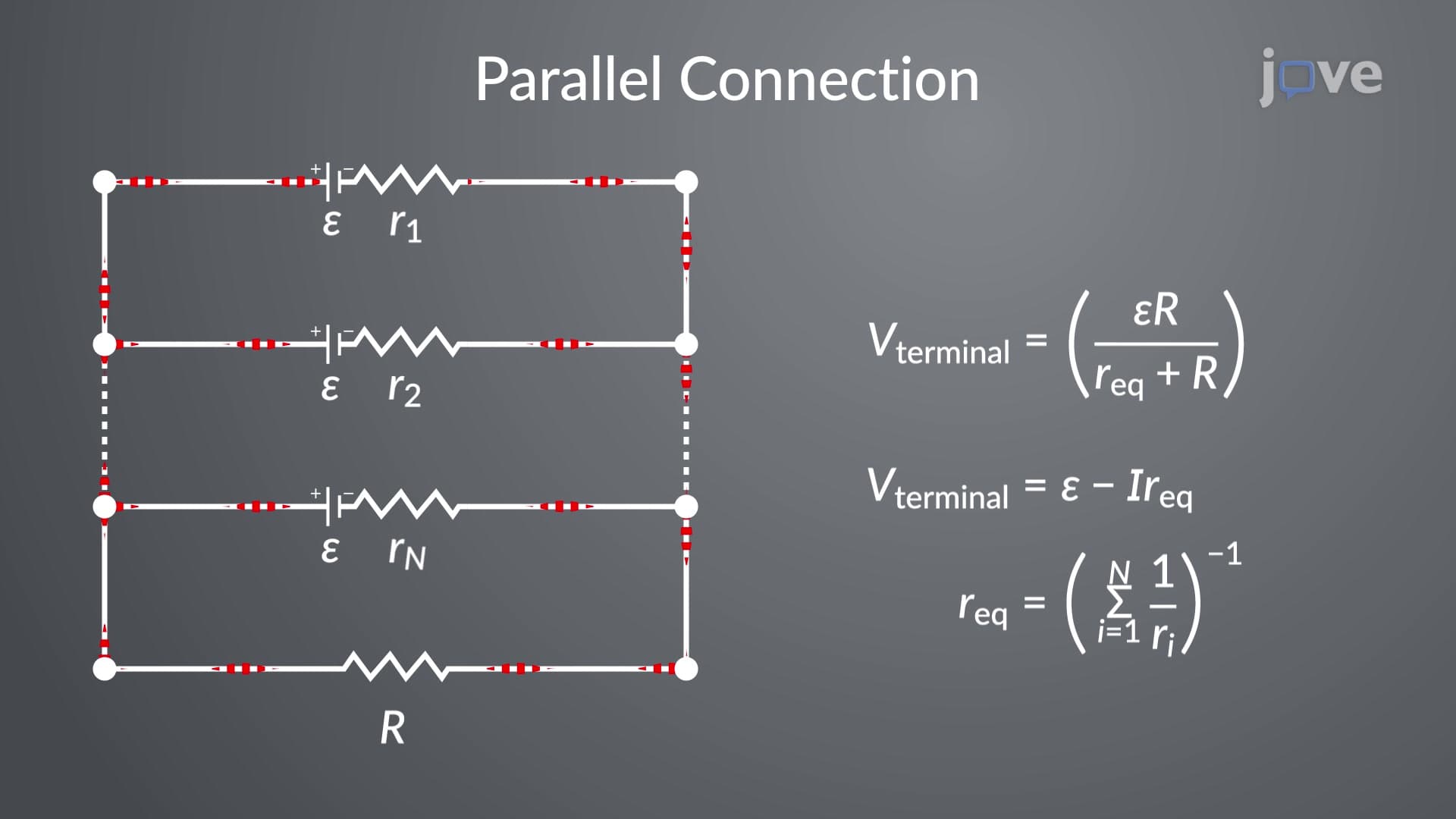
Resistors in parallel represent a fundamental circuit configuration where multiple resistive elements connect between the same two terminal points, creating independent current pathways. Unlike series circuits where components share a single current path, parallel circuits offer multiple routes for electrical current, making them essential for modern electrical systems.
The defining feature of parallel resistance lies in voltage distribution: every resistor experiences identical voltage drop equal to the source voltage. However, current divides among branches inversely proportional to resistance values. High-resistance components restrict current flow, while low-resistance paths allow greater current passage. This principle governs everything from household wiring to automotive electrical systems throughout the United States.
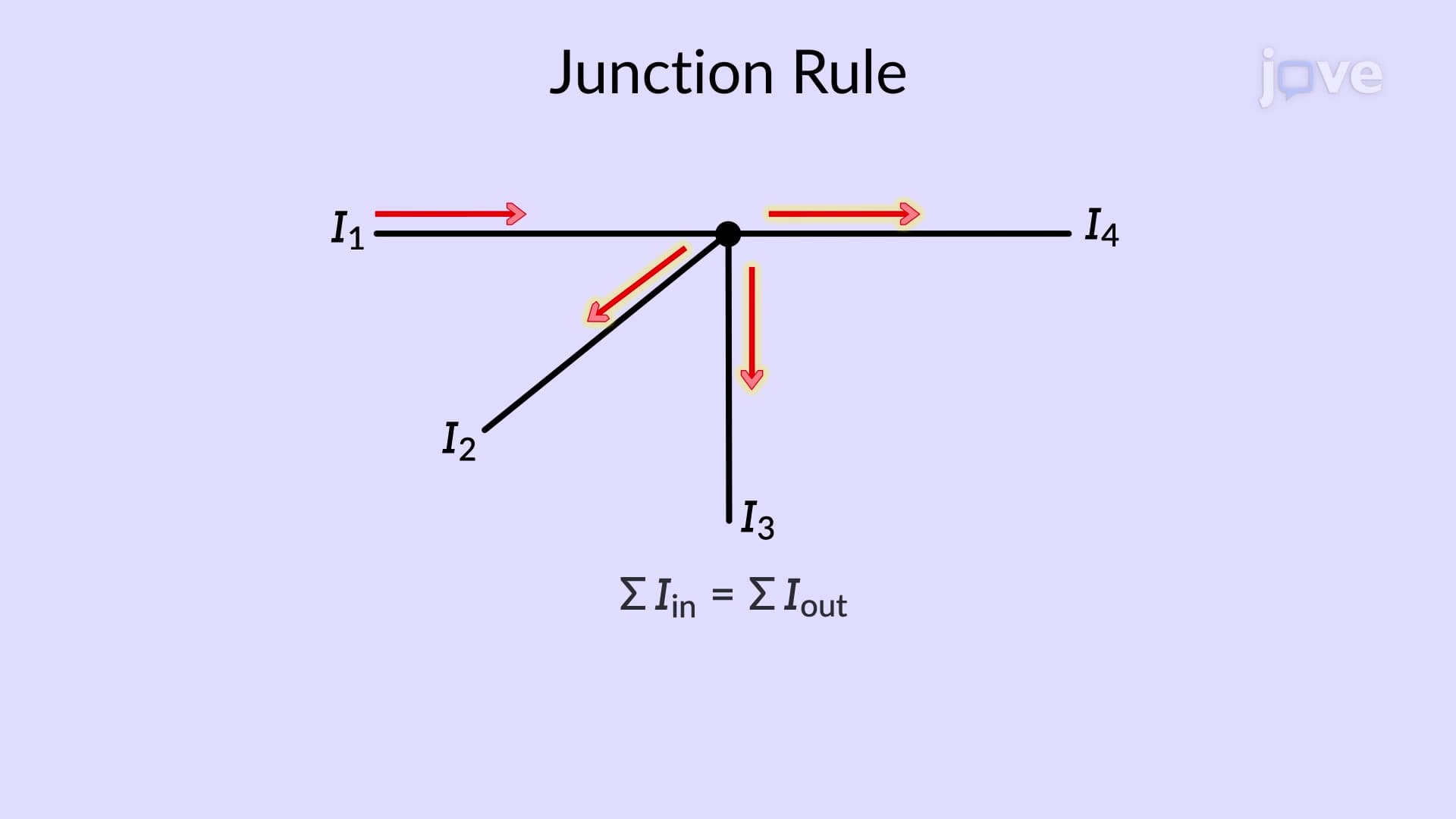
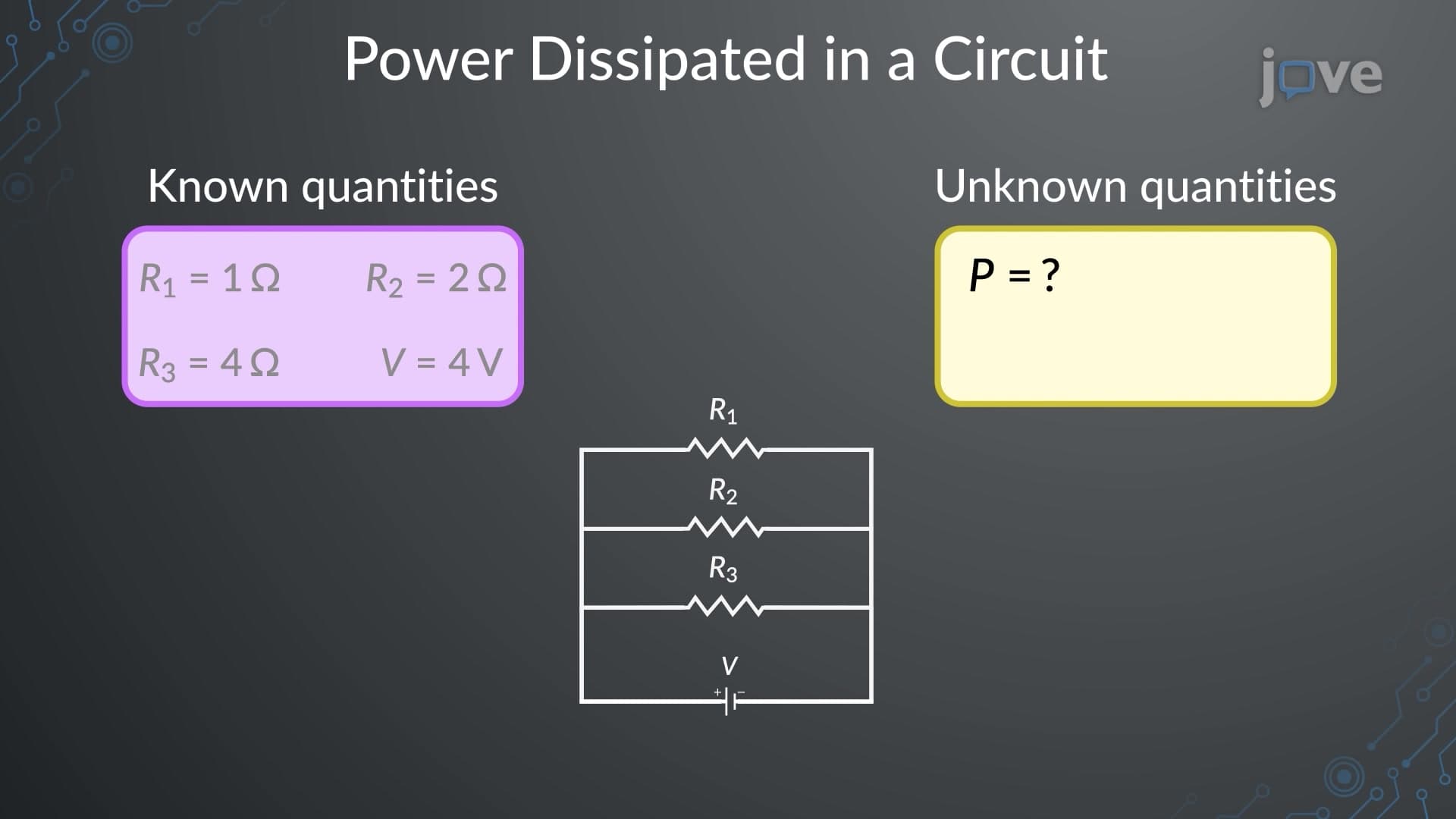
For AP Physics students, remember that Kirchhoff's current law applies directly: the sum of branch currents equals total circuit current. If a 12V battery powers three parallel resistors (4Ω, 6Ω, and 12Ω), each experiences 12V, but currents differ: 3A, 2A, and 1A respectively, totaling 6A from the source.
Parallel resistance calculations use the reciprocal formula: 1/R(eq) = 1/R1 + 1/R2 + 1/R3. This mathematical relationship ensures equivalent resistance always remains smaller than the smallest individual resistor—a counterintuitive concept for many students. Adding parallel paths reduces overall circuit resistance by providing additional current routes.
Consider two 10Ω resistors in parallel: 1/R(eq) = 1/10 + 1/10 = 2/10, yielding R(eq) = 5Ω. This principle enables electrical engineers to design circuits requiring specific resistance values by combining standard resistor ratings.
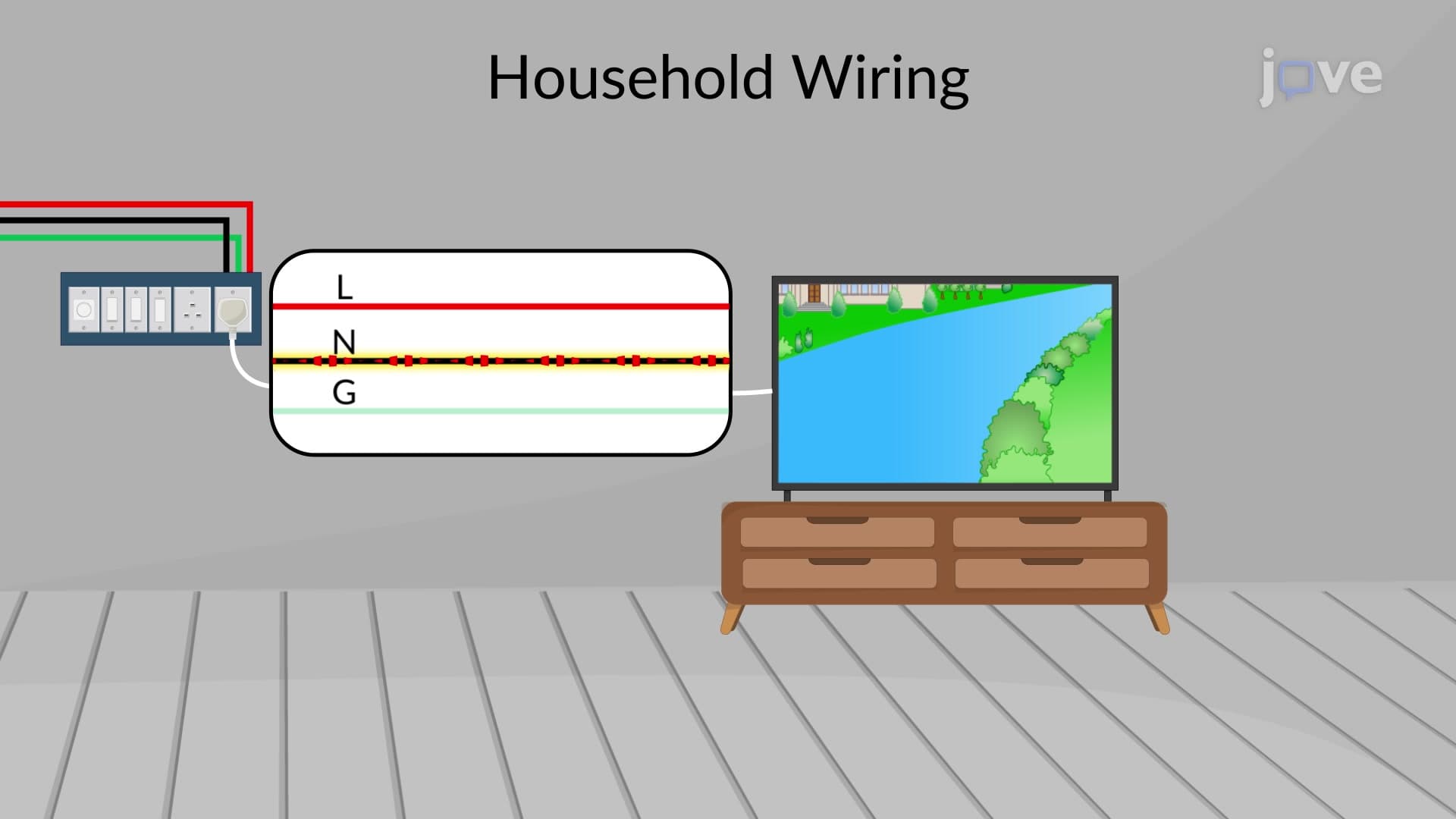
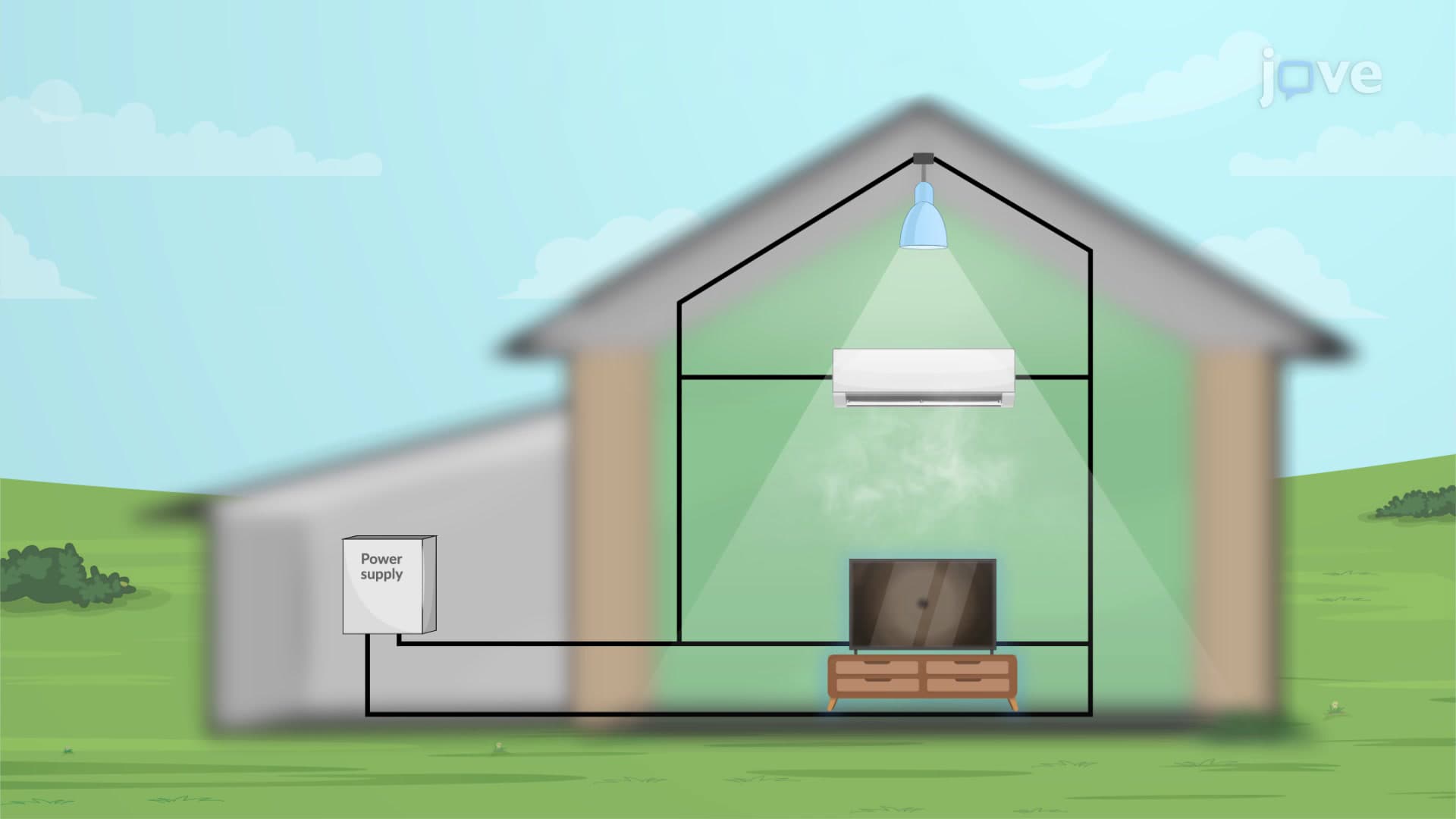
US residential electrical systems exemplify parallel circuit benefits. Each outlet, light fixture, and appliance connects in parallel, ensuring individual control and operation independence. When one component fails, others continue functioning—critical for safety and convenience.
Automotive applications include dashboard lights, headlights, and electronic systems. Parallel wiring prevents total system failure when individual components malfunction. For college physics and electrical engineering students preparing for MCAT or engineering exams, understanding these practical applications reinforces theoretical concepts while demonstrating real-world relevance of parallel resistance principles in American infrastructure and technology systems.
Frequently Asked Questions
Resistors in parallel connect between the same two terminal points, sharing voltage but dividing current among separate paths. Unlike series circuits where current flows through one path, parallel circuits offer multiple independent current routes. Each parallel resistor experiences the full source voltage, while current divides based on individual resistance values.
Use the reciprocal formula: 1/R(eq) = 1/R1 + 1/R2 + 1/R3 + ... for any number of resistors. The equivalent resistance always equals less than the smallest individual resistor. For just two resistors, the shortcut formula is R(eq) = (R1 × R2)/(R1 + R2), making calculations faster during timed exams.
AP Physics 1 typically includes calculating equivalent resistance, determining branch currents, and analyzing power dissipation in parallel circuits. Expect combination series-parallel networks, voltage divider applications, and real-world scenario problems. College Board emphasizes conceptual understanding alongside mathematical problem-solving skills for comprehensive assessment.
MCAT physics passages often feature biological applications like nerve conduction, cardiac electrical systems, and medical device circuits operating on parallel principles. Questions focus on current distribution, voltage relationships, and circuit analysis within physiological contexts. Understanding parallel resistance helps with bioelectrical phenomena and medical instrumentation topics.
US household electrical systems use parallel wiring extensively: wall outlets, ceiling fans, kitchen appliances, and lighting circuits all operate in parallel. This design ensures individual control—you can turn off one light without affecting others. Automotive electrical systems, computer circuits, and smartphone charging networks also rely on parallel resistance principles for reliable operation.
Basic algebra and fraction manipulation suffice for most parallel resistance calculations. The reciprocal formula requires comfort with fractions, but calculator use is typically permitted during exams. Focus on conceptual understanding first—recognizing that parallel paths reduce total resistance—then practice computational techniques for speed and accuracy.
Practice drawing circuit diagrams to visualize current paths, then apply formulas systematically. Create reference cards with common resistance combinations (like two equal resistors yielding half the individual value). Work through progressively complex problems, starting with two-resistor circuits before tackling multiple-branch networks. Time yourself to build exam-day confidence.
Study complex series-parallel combinations, AC circuit analysis with impedance, and Kirchhoff's voltage and current laws for comprehensive circuit analysis. Explore practical applications in electrical engineering, including filter circuits, amplifier design, and power distribution systems. These concepts form foundations for advanced physics, engineering, and pre-medical coursework.
Related Micro-courses


Related Subjects
 Math Fundamentals 11 micro-courses›
 Statistics 17 micro-courses›