Loading…
Loading video…

54,321 views
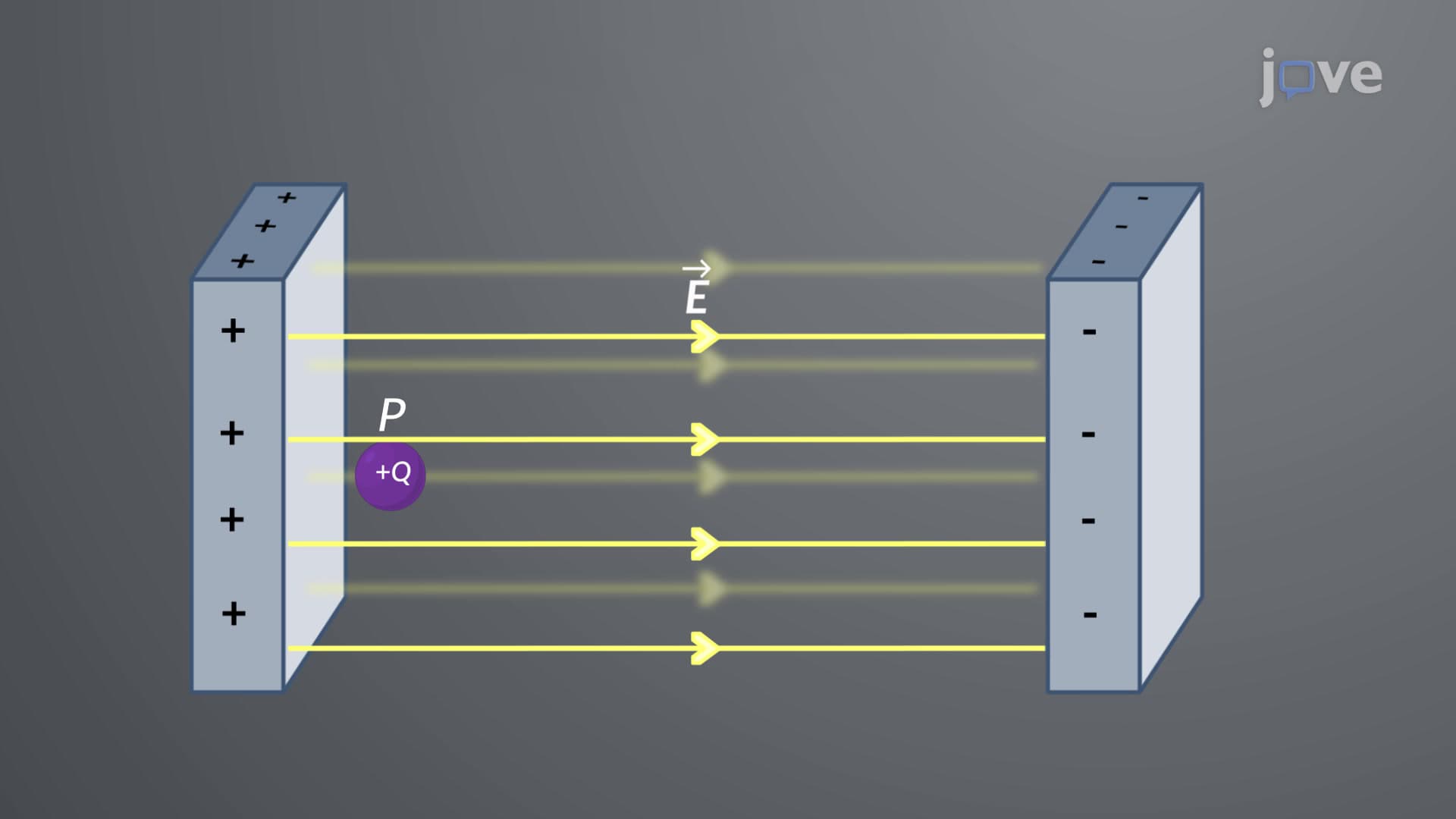
Why does your smartphone battery deliver consistent power? The answer lies in electric potential energy in a uniform electric field, where charged particles behave predictably between parallel plates. In capacitors powering everything from pacemakers to Tesla vehicle systems, positive charges naturally move from high to low potential regions, converting stored electrical energy into useful work. This fundamental concept explains how uniform electric fields create organized energy landscapes that drive countless technologies. Watch the full video on JoVE Coach to master this concept with expert-led visuals and step-by-step explanations.
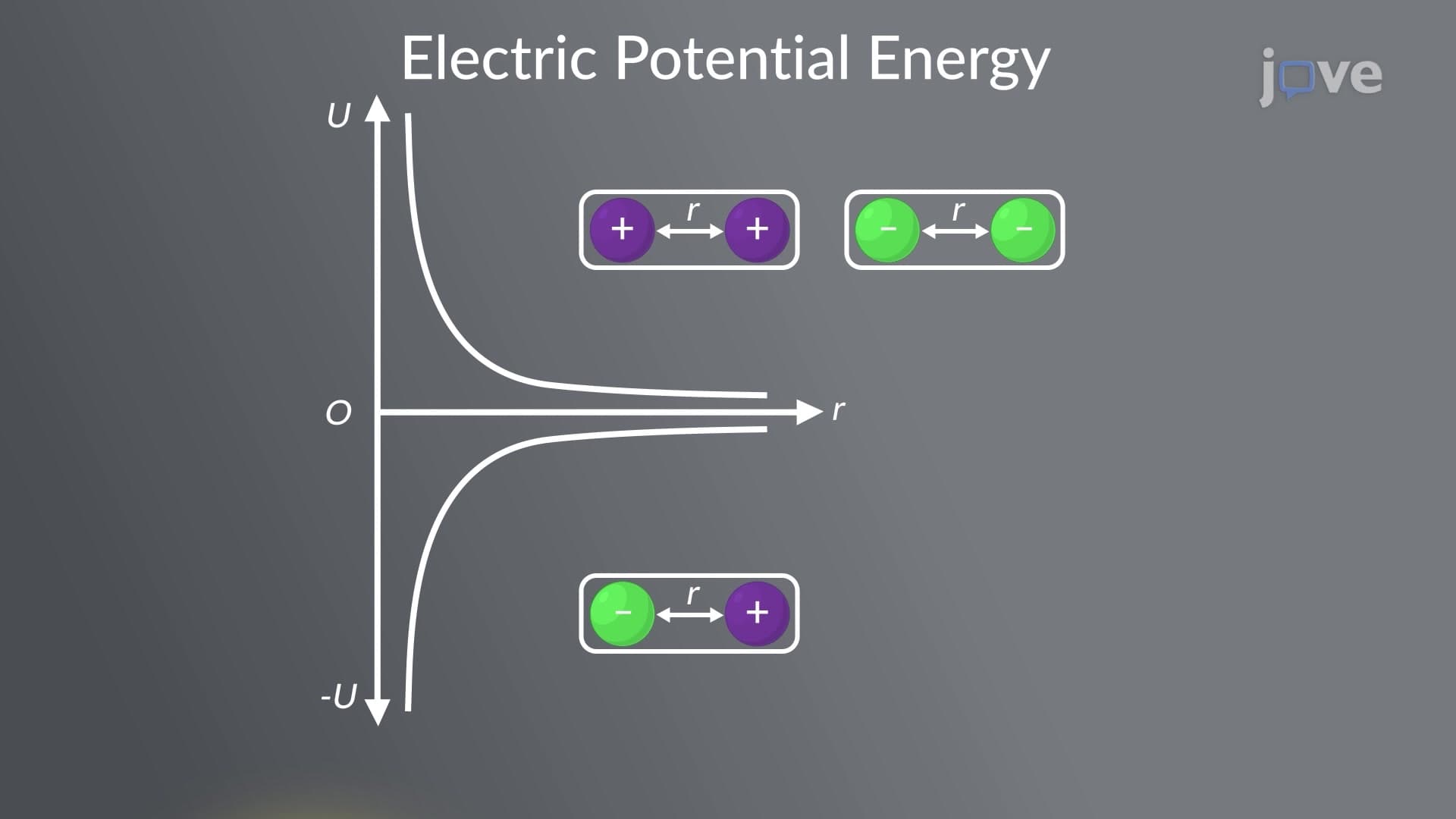
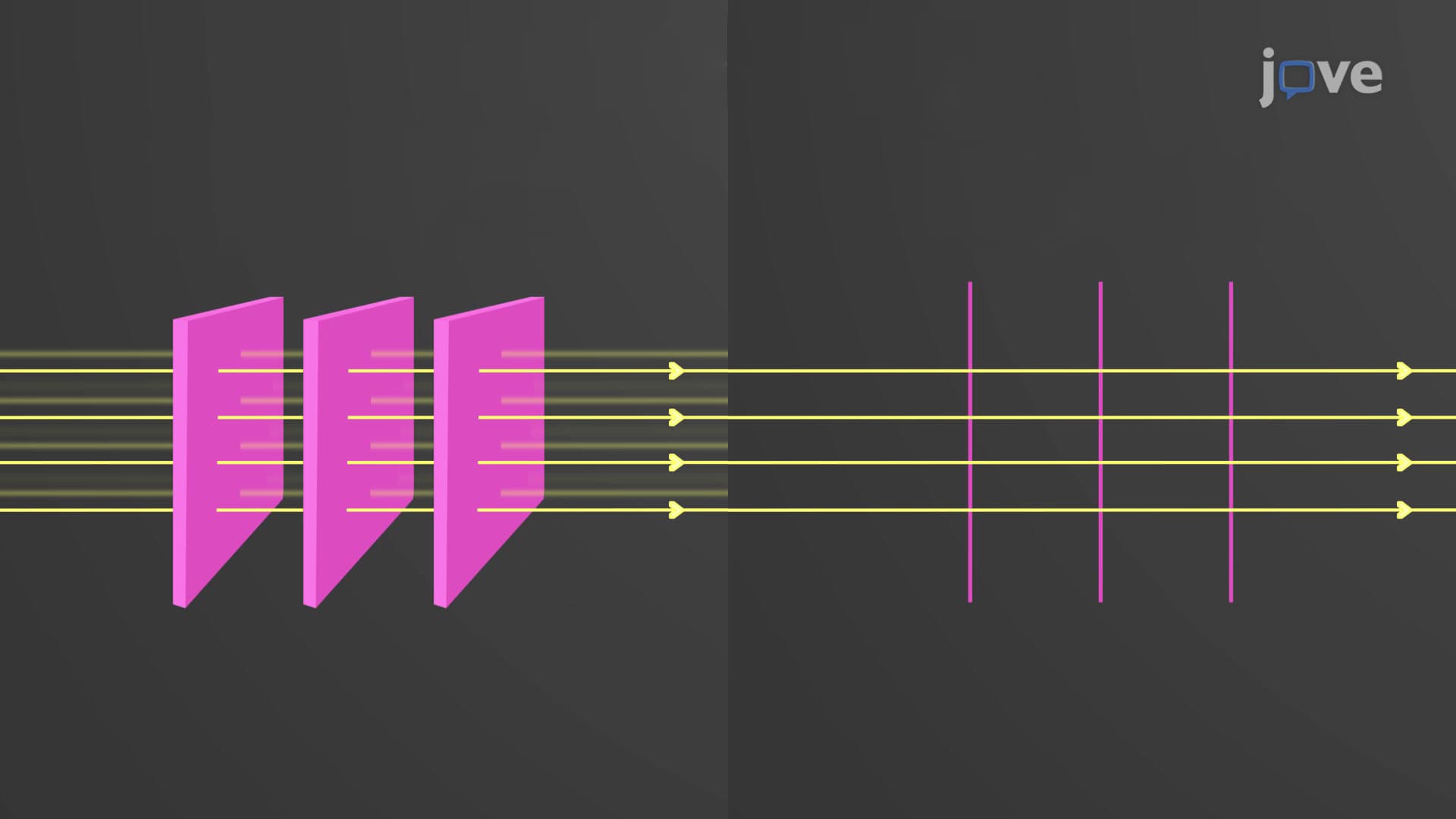
Electric potential energy in a uniform electric field represents stored energy that charged particles possess due to their position within the field. Unlike gravitational potential energy, which depends on height, electrical potential energy depends on a charge's location relative to the electric field's source. In uniform fields created by parallel plates, this energy relationship becomes elegantly predictable and forms the foundation for countless technologies from smartphone screens to medical defibrillators.
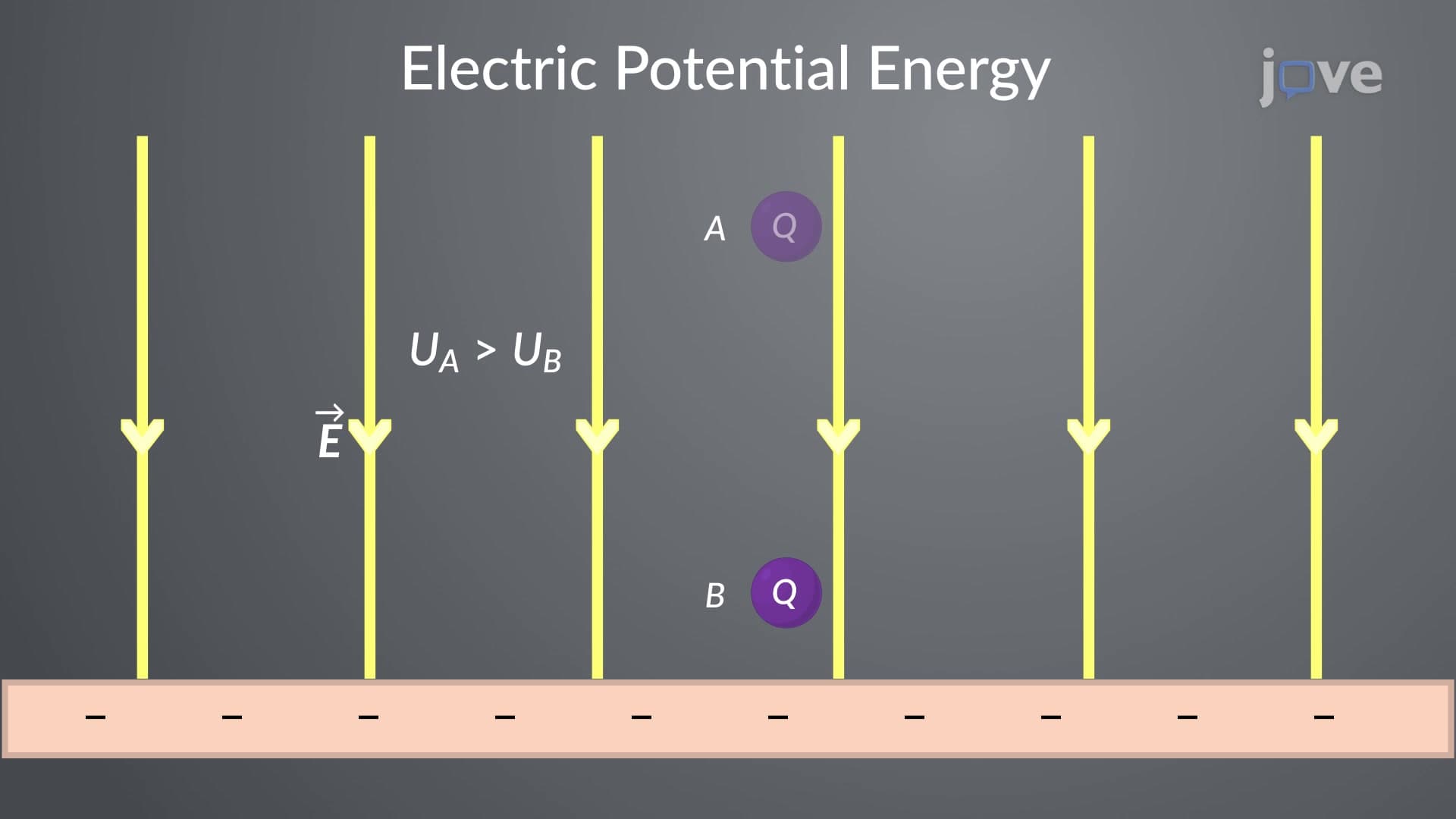
When a test charge moves through a uniform electric field, the electrostatic force remains constant throughout the journey. For a positive charge moving in the field direction, the electric force F = qE performs positive work, converting potential energy into kinetic energy. The work calculation W = F × d × cos(θ) simplifies beautifully in uniform fields since force magnitude stays constant. This principle explains why electrons flow consistently through circuit components and why capacitor plates maintain steady voltage differences.
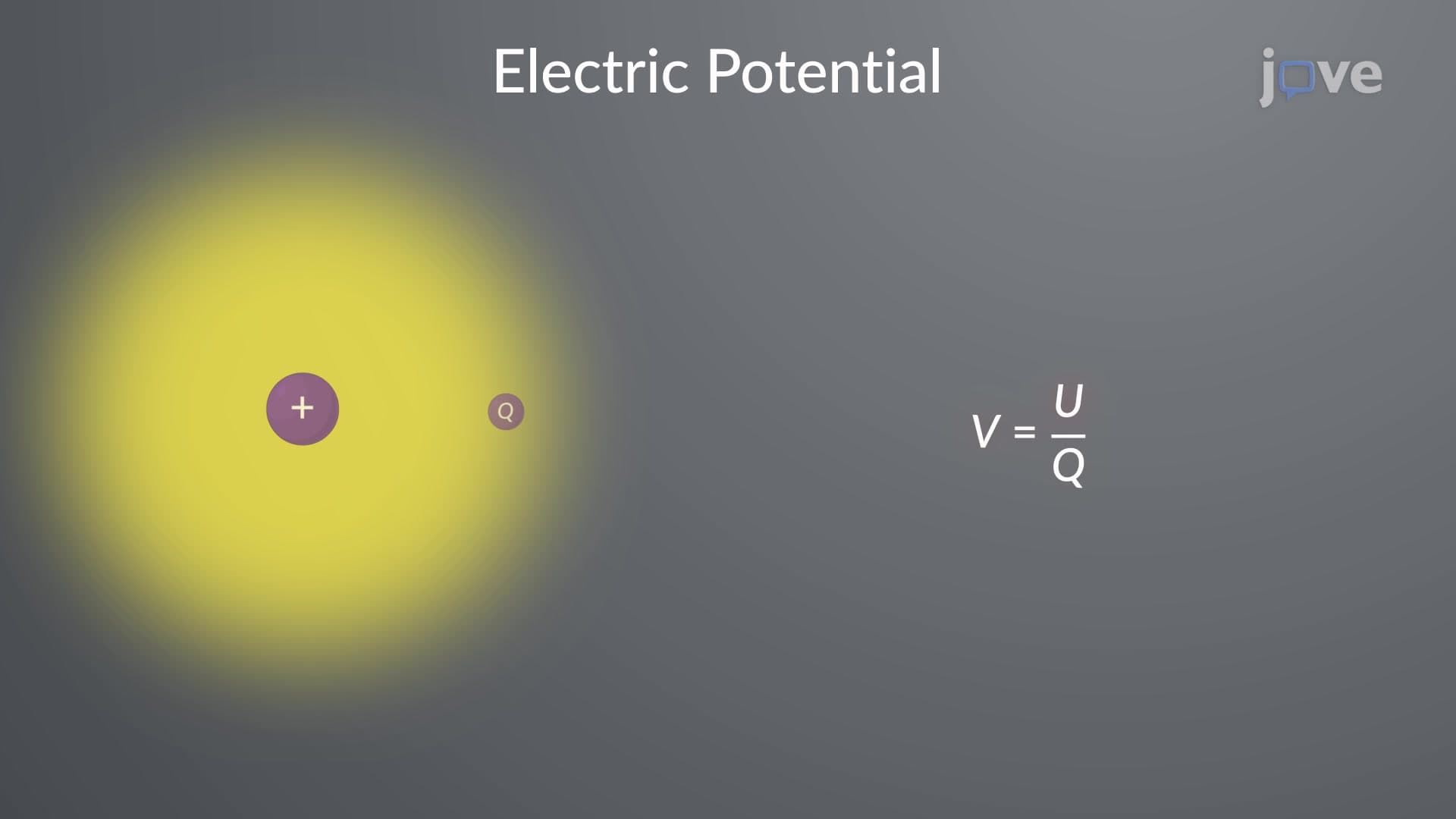
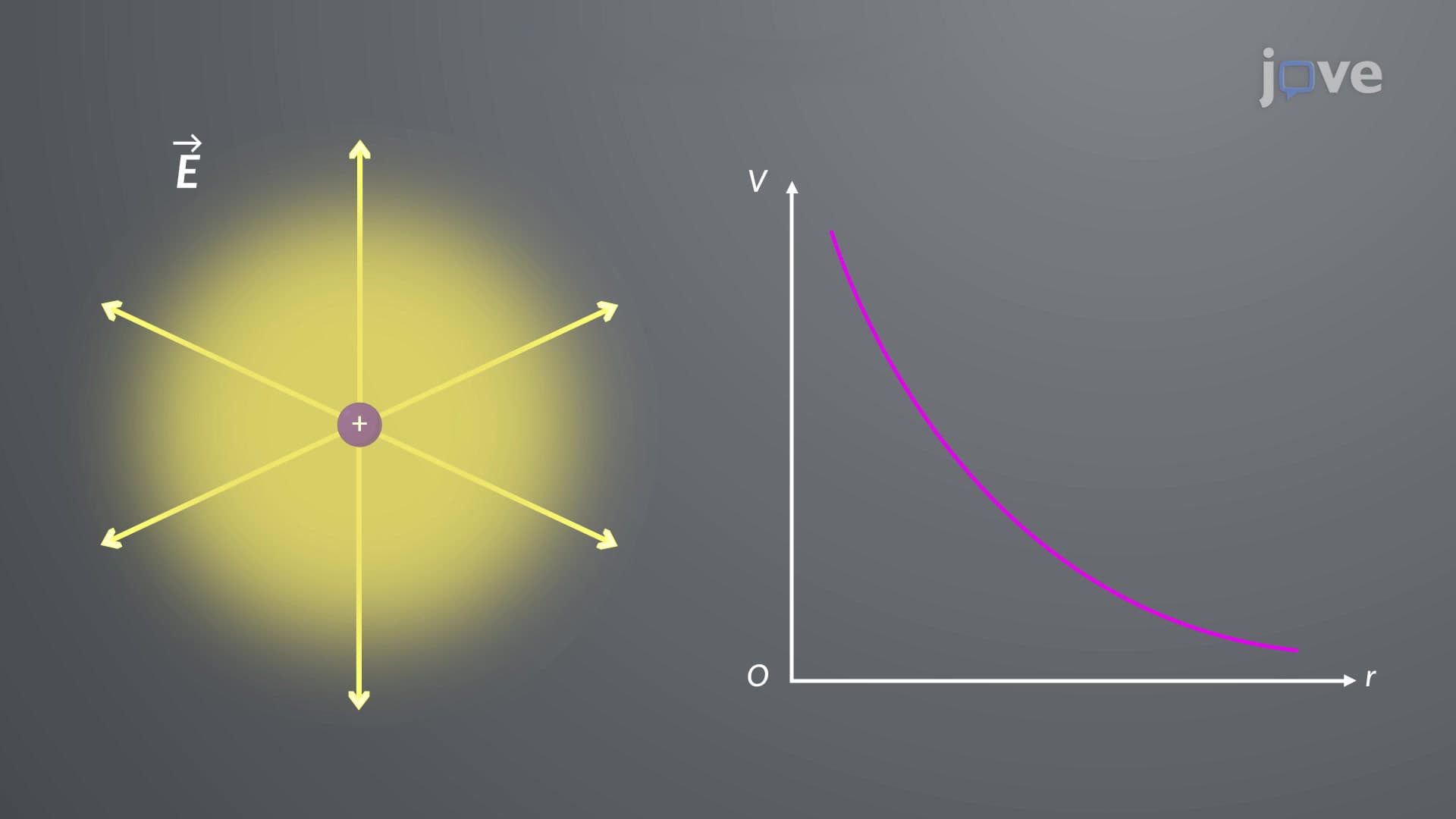
The electrostatic force exhibits conservative behavior, meaning work done depends only on starting and ending positions, not the path taken. This property allows us to define electric potential energy changes as ΔU = q × ΔV, where ΔV represents the potential difference between two points. In AP Physics courses, students frequently encounter problems involving charges moving between capacitor plates, where this energy conservation principle provides the key to solving complex scenarios involving multiple charges and varying distances.
Uniform electric fields power essential technologies throughout American industries. Inkjet printers use controlled electric fields to direct charged ink droplets precisely onto paper. Medical defibrillators store energy in capacitors with uniform fields, then release it rapidly to restore heart rhythm. Touch screens in smartphones and tablets detect finger position by measuring capacitance changes in uniform electric fields. Even particle accelerators at national laboratories like Fermilab use uniform electric field sections to accelerate charged particles to incredible speeds, demonstrating how fundamental physics principles scale from microscopic to massive applications.
Frequently Asked Questions
Electric potential energy in uniform fields describes how charged particles store energy based on their position between parallel plates or conductors. This concept is crucial because it explains how batteries, capacitors, and countless electronic devices function reliably. Understanding this behavior helps predict charge movement and energy conversion in electrical systems.
AP Physics frequently tests this concept through capacitor problems, electric field calculations, and energy conservation scenarios. Students encounter questions about work done on charges, potential difference calculations, and comparing energy states at different positions. Mastering uniform field behavior typically accounts for 10-15% of the electricity and magnetism section.
Absolutely - MCAT physics heavily emphasizes electric potential energy, especially in biological contexts like nerve signal transmission and medical device operation. Understanding uniform field behavior provides the foundation for more complex topics like electric circuits in the human body and electromagnetic medical imaging techniques.
Uniform electric fields are essential in semiconductor manufacturing (Silicon Valley), aerospace electronics (NASA, SpaceX), medical device development (Boston Scientific, Medtronic), and renewable energy systems (Tesla, First Solar). Engineers use these principles daily in designing everything from electric vehicle batteries to MRI machines in hospitals nationwide.
Not at all - this concept builds naturally on basic algebra and introductory physics principles. If you understand force, work, and energy from mechanics, you already have the mathematical tools needed. The key is visualizing how charges behave in organized electric field patterns, which becomes intuitive with practice.
Focus on drawing field diagrams showing charge positions and force directions, then practice calculating work and energy changes step-by-step. Work through capacitor problems systematically, always checking whether your energy calculations make physical sense. Creating comparison charts between positive and negative charge behaviors helps cement the concepts.
Build toward non-uniform electric fields, magnetic field interactions, and electromagnetic wave propagation. These advanced topics appear in upper-level college physics courses and prepare you for specialized fields like electrical engineering, medical physics, or materials science research.
Remember that positive charges naturally want to move from high to low potential (like rolling downhill), losing potential energy and gaining kinetic energy. Negative charges behave oppositely, gaining potential energy when moving against the field direction. Think of it like gravitational potential energy, but with electric forces instead of gravity.
Uniform fields provide the simplest mathematical framework for understanding electric forces and energy relationships without complex calculus. Once you master uniform field concepts, you can tackle more challenging non-uniform situations using the same fundamental principles. This systematic approach builds confidence and problem-solving skills essential for advanced physics success.
Related Micro-courses
Related Subjects
 Math Fundamentals 11 micro-courses›
 Statistics 17 micro-courses›