Loading…
Loading video…

54,321 views
Ever wonder why you don't get shocked touching both terminals of a car battery at the same voltage? Equipotential surfaces and field lines reveal this mystery through the fundamental relationship between electric potential and field direction. From the high-voltage power lines crossing Texas to the GPS satellites orbiting Earth, understanding how Equipotential Surfaces And Field Lines Explained governs electrical behavior is crucial for physics success. Watch the full video on JoVE Coach to master this concept with expert-led visuals and step-by-step explanations.
The relationship between equipotential surfaces and electric field lines forms one of the most elegant concepts in electromagnetism. An equipotential surface represents a three-dimensional region where every point maintains identical electric potential. This means moving a test charge anywhere along this surface requires zero net work, since potential energy remains constant throughout the journey.
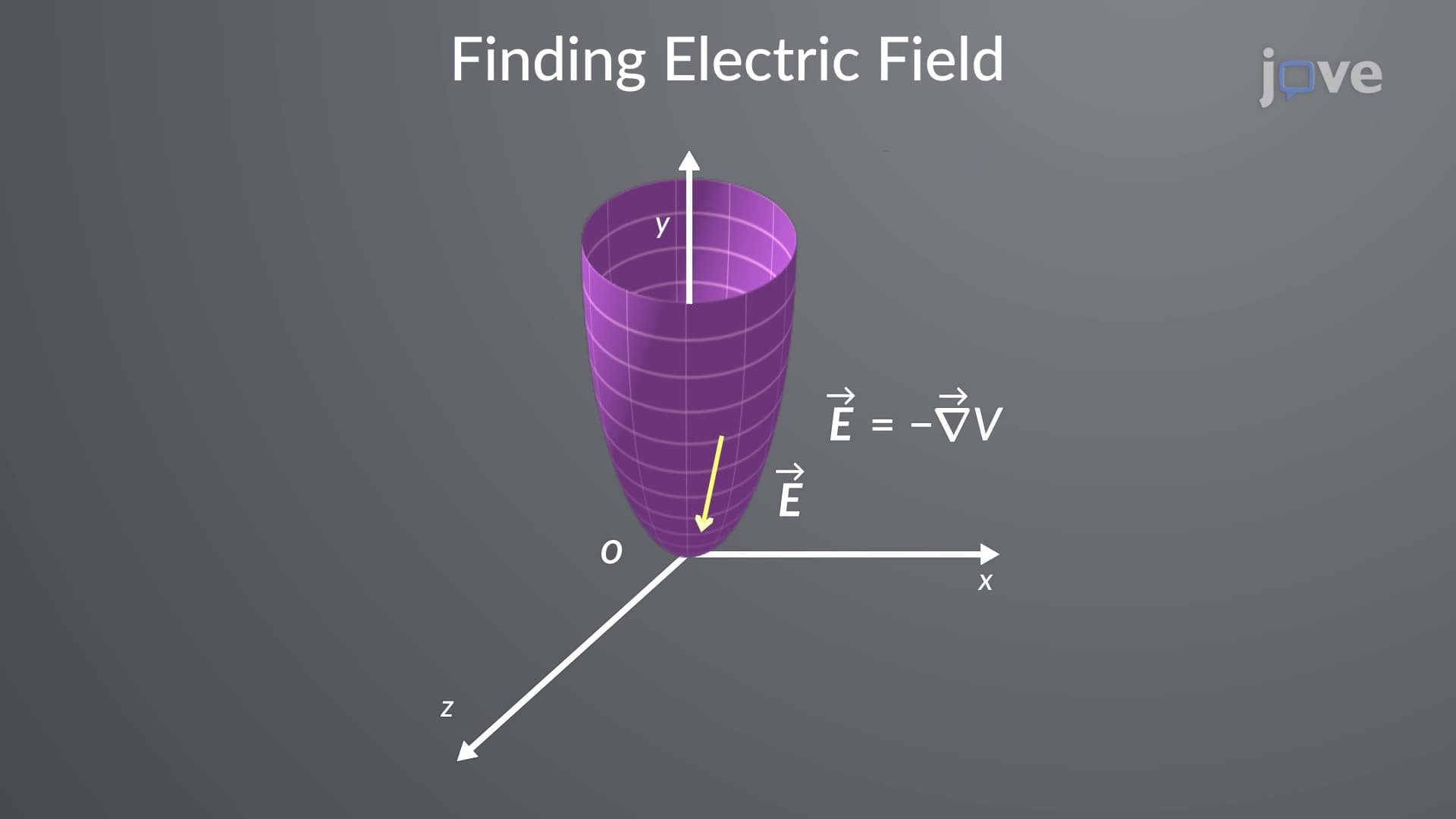
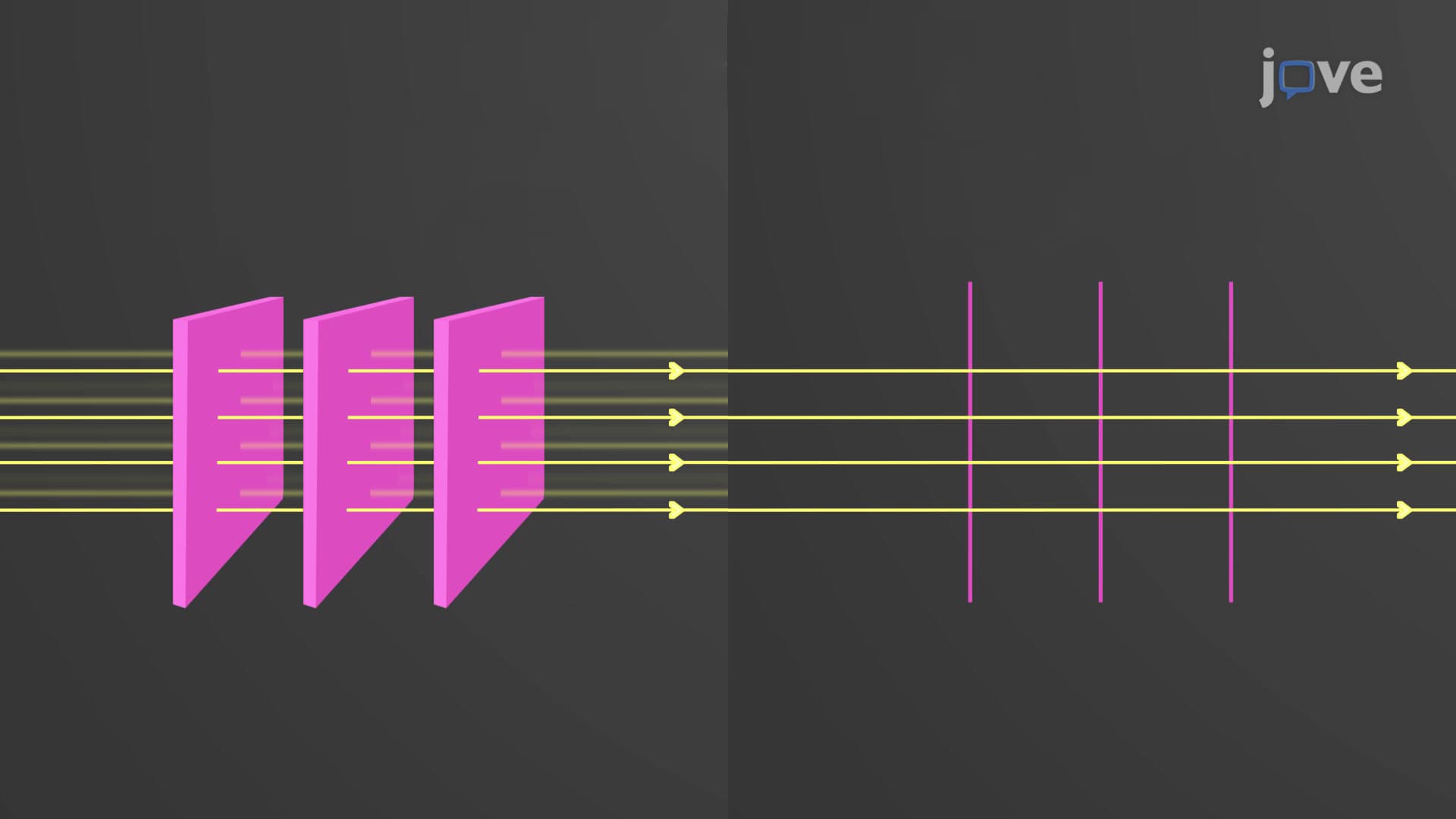
The most crucial rule governing equipotential surfaces and field lines is their perpendicular intersection. Electric field lines always cross equipotential surfaces at right angles, never tangentially. This perpendicular relationship exists because electric fields point in the direction of maximum potential decrease. If field lines weren't perpendicular to equipotential surfaces, there would be a component of the field along the surface, contradicting the constant potential requirement.
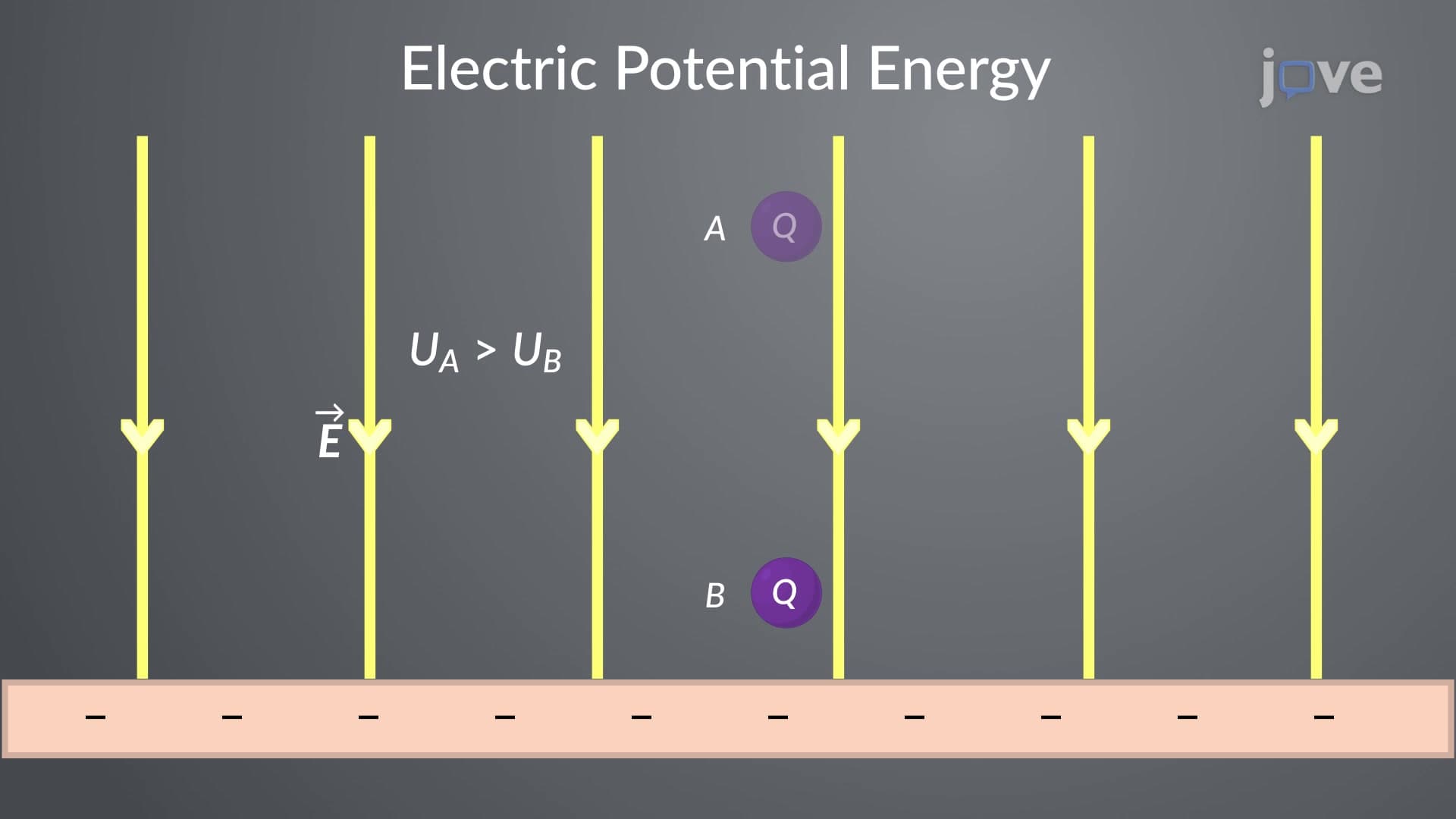
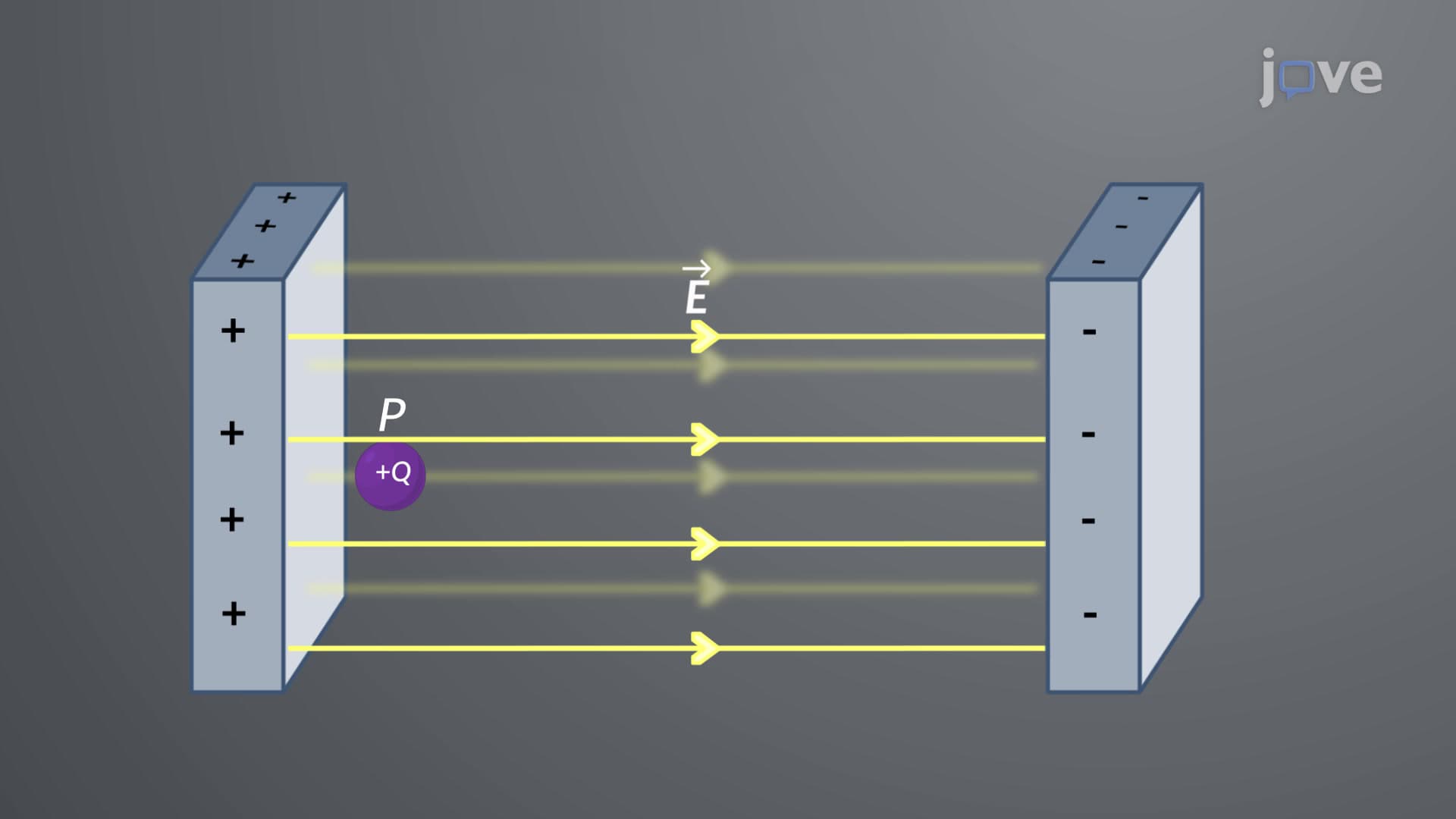
In uniform electric fields—like those found between parallel capacitor plates in laboratory experiments at MIT or Stanford—equipotential surfaces appear as parallel planes. These planes remain equally spaced and perpendicular to the straight, parallel field lines. Students preparing for AP Physics exams frequently encounter problems involving this configuration, particularly when calculating potential differences and electric field strength.
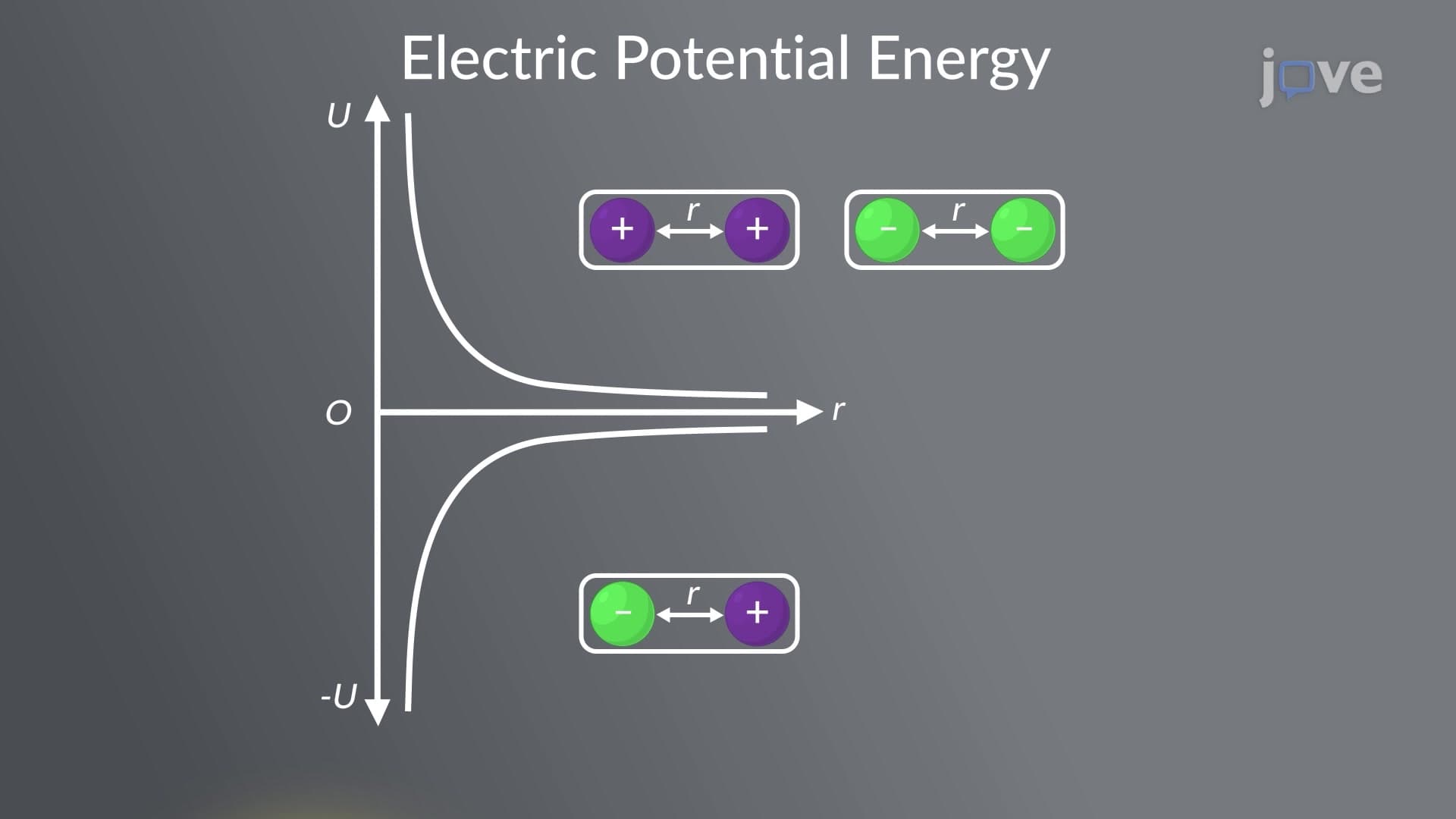
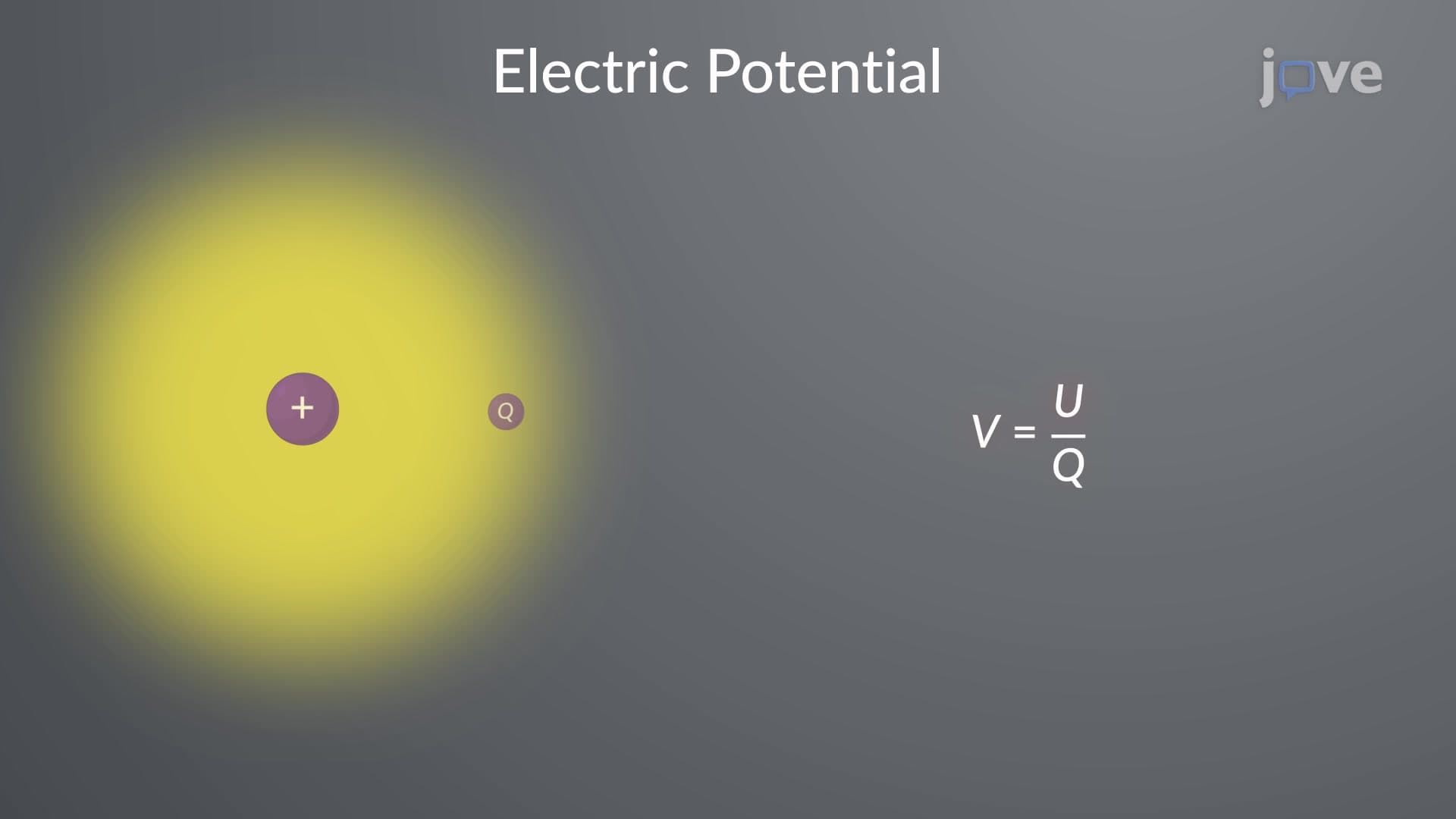
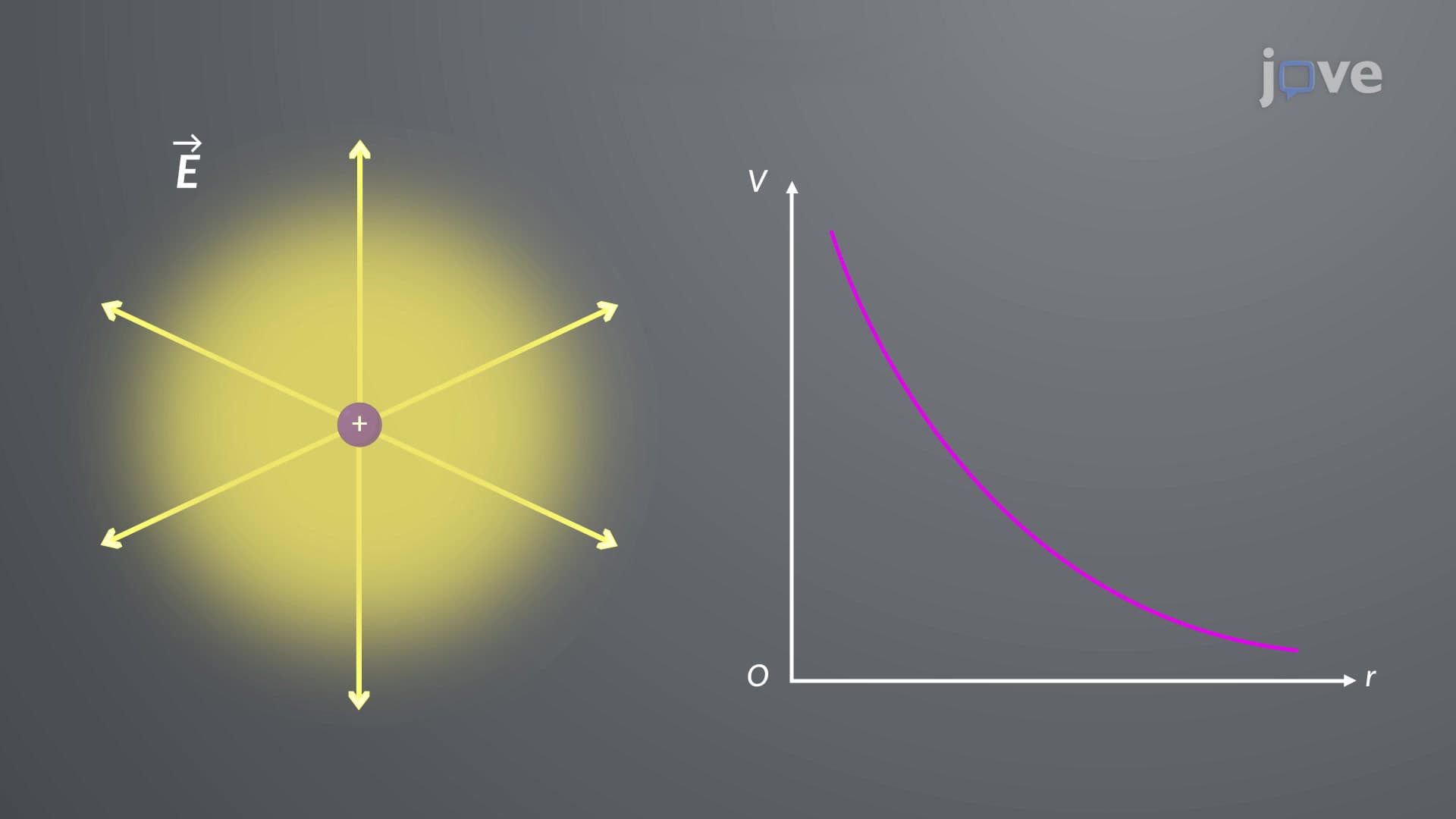
For isolated point charges, the electric field pattern becomes radial, extending outward (positive charges) or inward (negative charges) from the source. The corresponding equipotential surfaces form concentric spheres centered on the charge. Students at University of California campuses often visualize this using the Earth's gravitational analogy—just as gravitational potential is constant at any given altitude, electric potential remains constant at any fixed distance from a point charge.
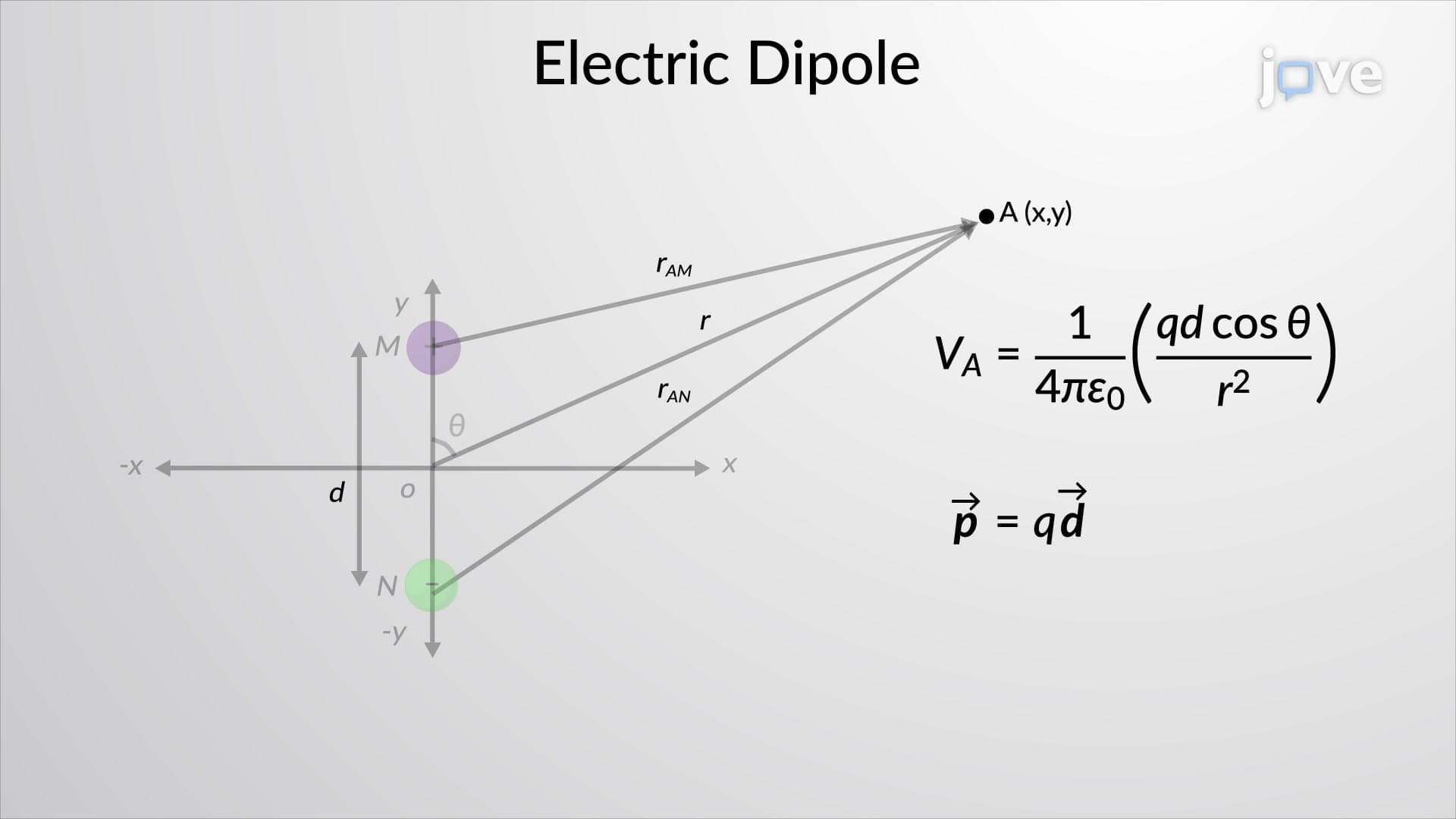
Electric dipoles create fascinating equipotential patterns that appear frequently on MCAT physics sections. Near the positive charge, equipotential surfaces cluster tightly, indicating strong fields and rapid potential changes. Conversely, regions near the negative charge show different curvatures, reflecting the opposite polarity's influence.
When two identical positive charges are present, equipotential surfaces exhibit unique "figure-eight" intersections at specific points between the charges. These intersection points, where equipotential surfaces cross, represent locations of zero electric field—concepts that challenge students in advanced placement courses and college physics midterms nationwide.
Understanding equipotential mapping proves essential for electrical engineers designing circuit boards, medical physicists operating MRI machines at hospitals like Johns Hopkins, and aerospace engineers working on satellite communications systems across the United States.
Frequently Asked Questions
Equipotential surfaces are imaginary 3D regions where electric potential stays constant, while field lines show electric field direction. They always meet at right angles, creating predictable patterns that help visualize how electric charges interact in space.
AP Physics C frequently tests perpendicular relationships, work calculations along equipotential surfaces (always zero), and pattern recognition for different charge configurations. Students must identify field strength from equipotential spacing and solve quantitative problems involving potential differences.
MCAT physics sections emphasize equipotential applications in biological systems, particularly nerve conduction and cell membrane potentials. Understanding these concepts helps with electrocardiogram interpretation and bioelectric field questions that appear regularly on medical school entrance exams.
University exams focus on mathematical relationships, requiring students to calculate work done moving charges, derive field strength from potential gradients, and analyze complex multi-charge systems. Problem-solving often involves integration and vector analysis applications.
GPS satellites use equipotential mapping for precise positioning, while power companies map equipotential lines around high-voltage transmission systems from California to New York. Medical devices like defibrillators and MRI machines rely on controlled equipotential fields for safe, effective operation.
Basic algebra and geometry suffice for foundational understanding, though calculus helps with advanced applications. High school students can grasp core concepts through visualization and pattern recognition before tackling mathematical derivations in college courses.
Focus on the perpendicular rule first, then practice sketching standard configurations: parallel plates (uniform fields), concentric circles (point charges), and figure-eight patterns (multiple charges). Creating flashcards with different charge arrangements improves pattern recognition for exam success.
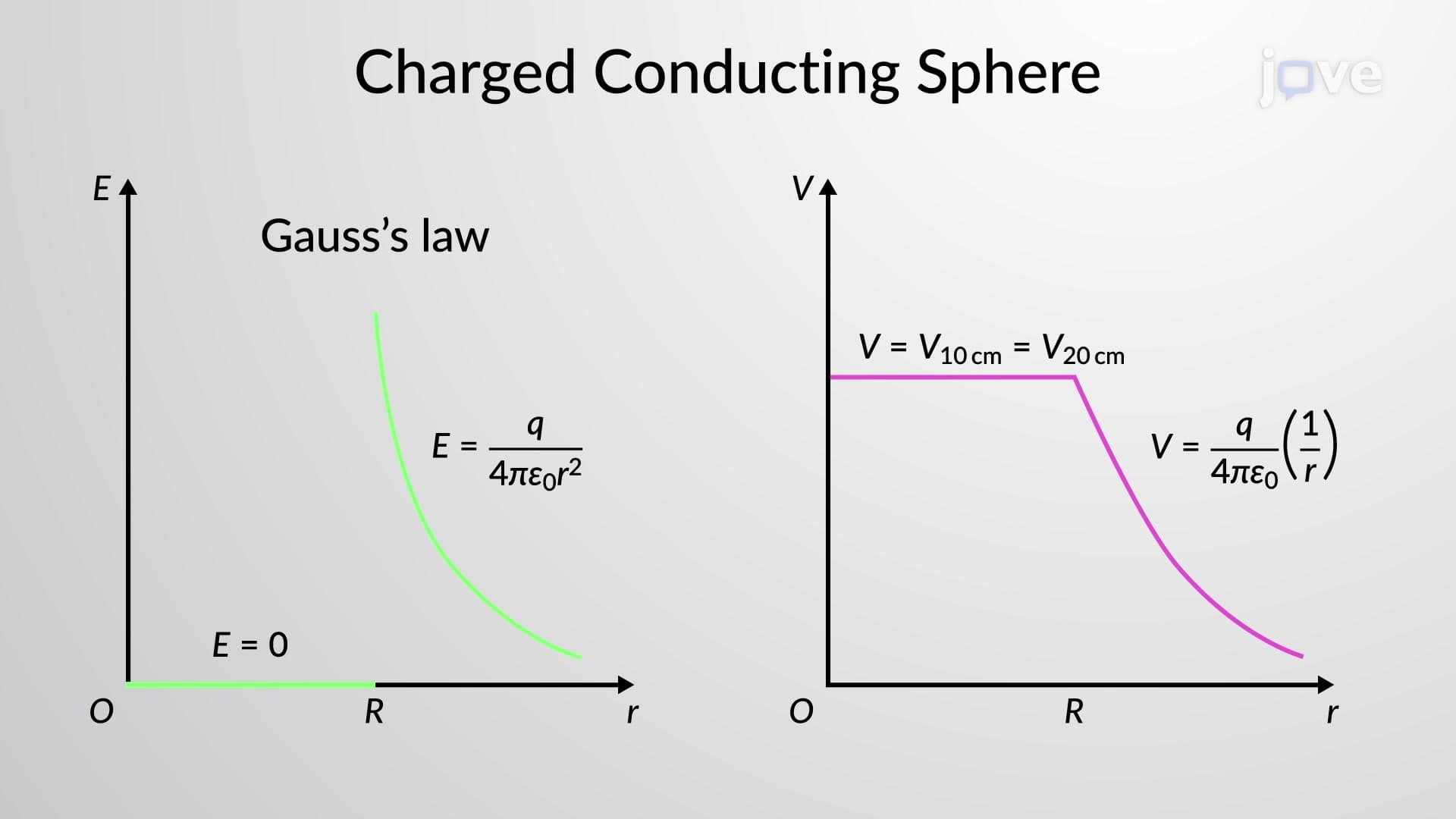
Explore Gauss's law applications, electric field mapping in conductors, and electromagnetic induction principles. These concepts appear in advanced physics courses, electrical engineering programs, and graduate school entrance exams across American universities.
Related Micro-courses
Related Subjects
 Math Fundamentals 11 micro-courses›
 Statistics 17 micro-courses›