Loading…
Loading video…

54,321 views
Ever wondered how your smartphone's touchscreen detects your finger's exact location? Determining electric field is the fundamental physics concept that makes this technology possible by calculating how electric forces vary across space. This process involves using mathematical relationships between electric potential and field strength to predict how charged particles will behave in systems ranging from computer circuits to medical imaging equipment used in US hospitals. Watch the full video on JoVE Coach to master this concept with expert-led visuals and step-by-step explanations.
Determining electric field is the process of calculating the electric field vector at any point in space using the relationship between electric field and electric potential. This fundamental concept bridges the gap between potential energy concepts and force calculations, making it essential for understanding how charged particles interact in everything from particle accelerators at Fermilab to the ion channels in our nervous systems.
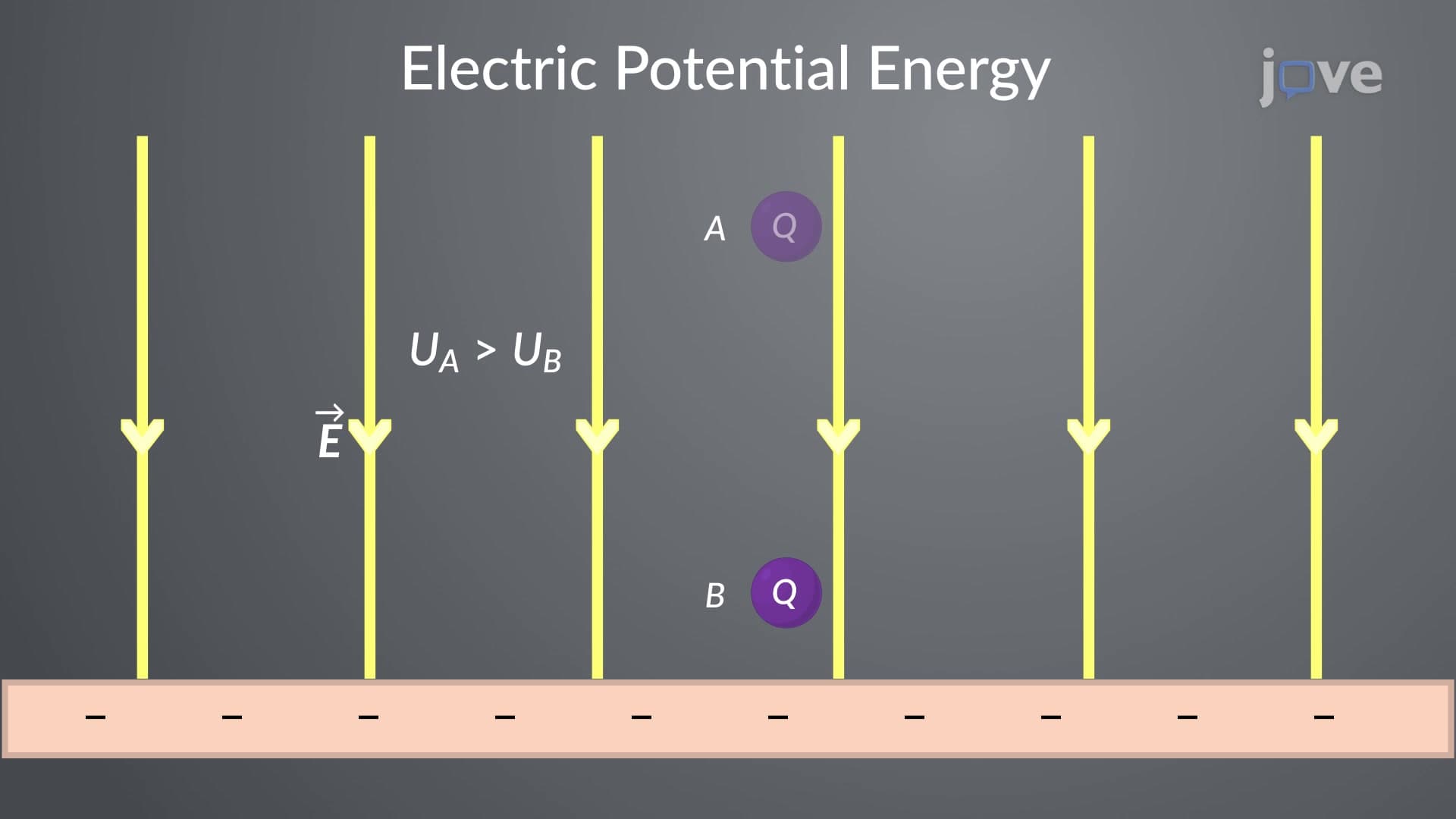
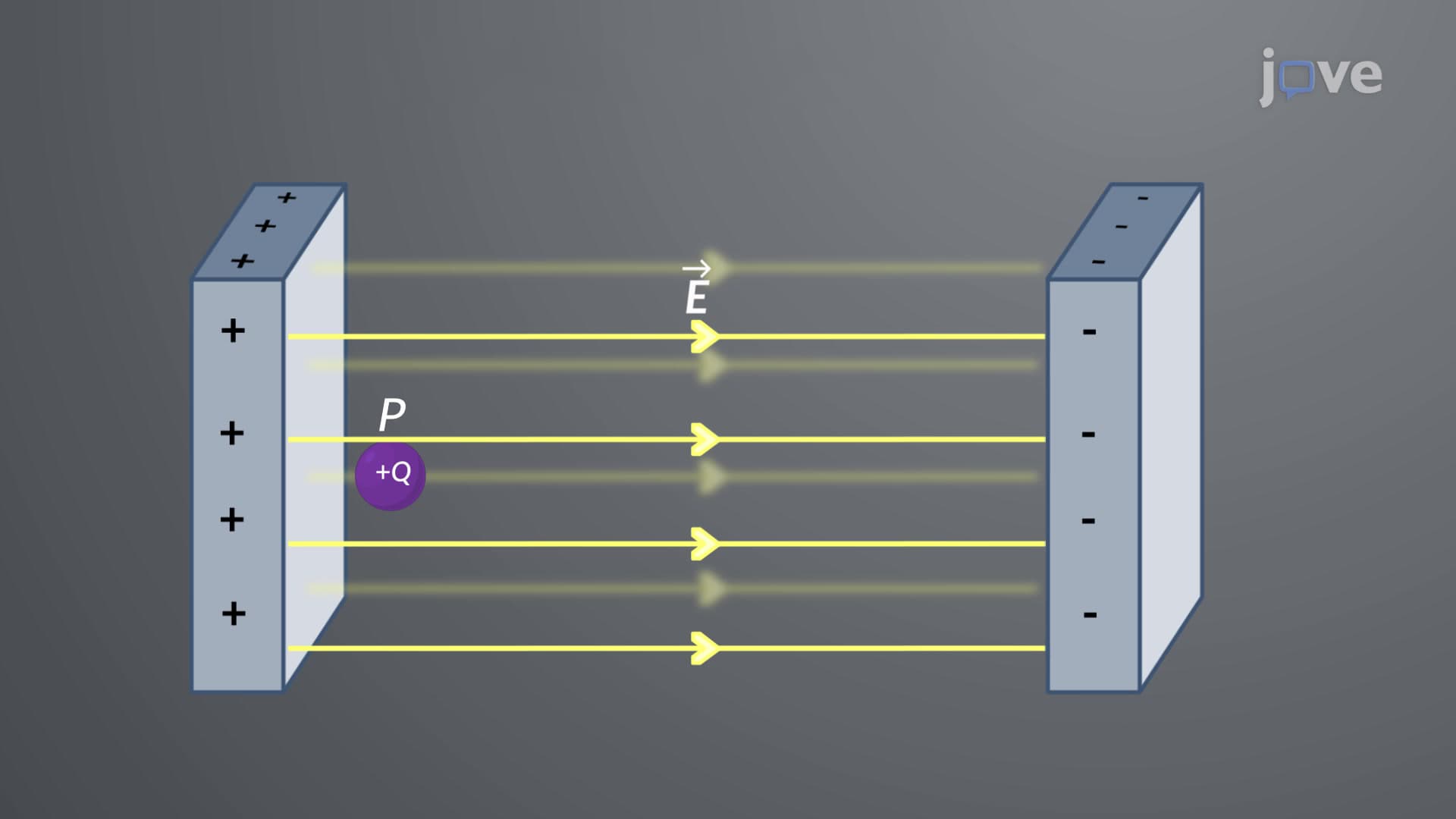
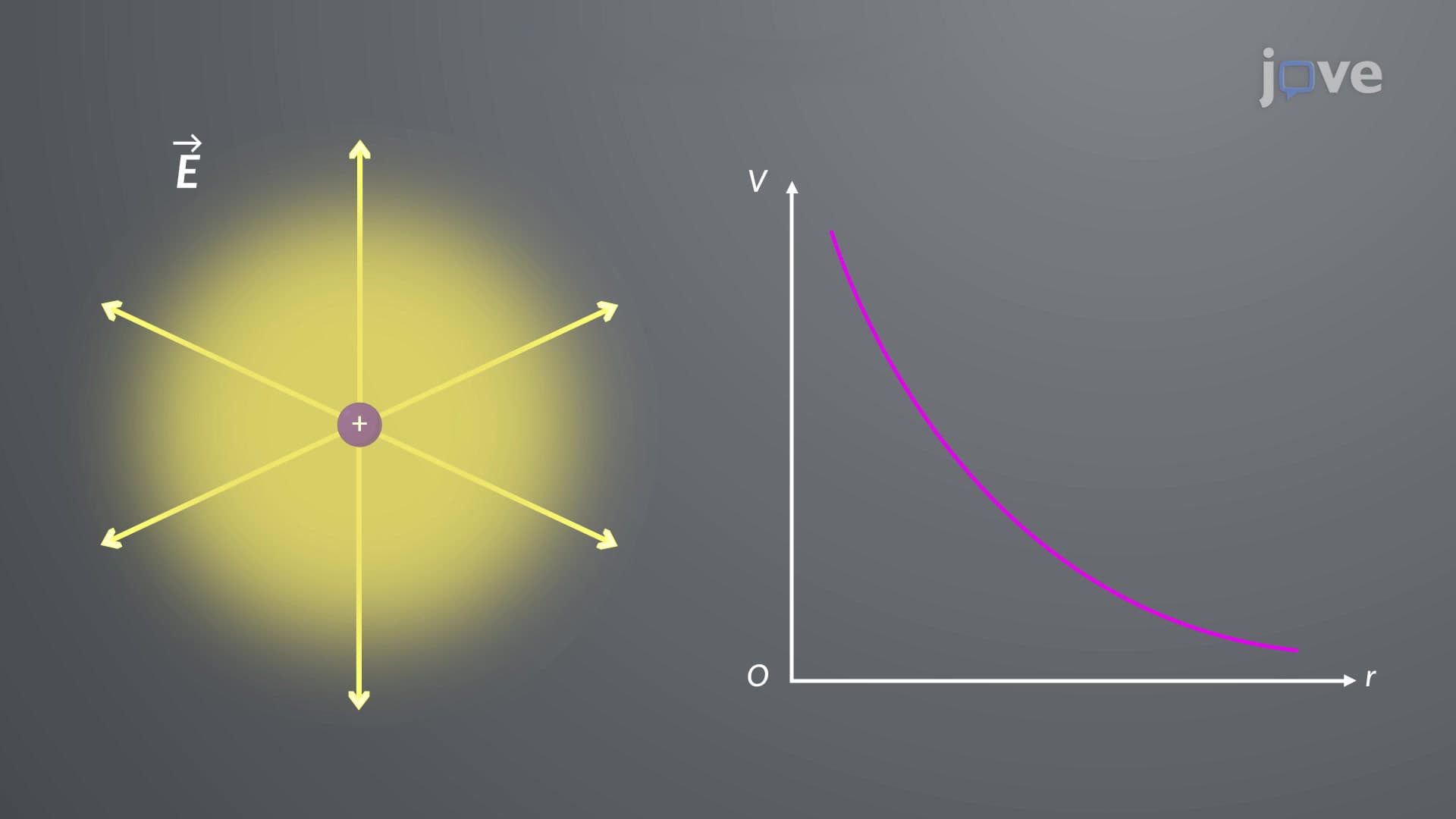
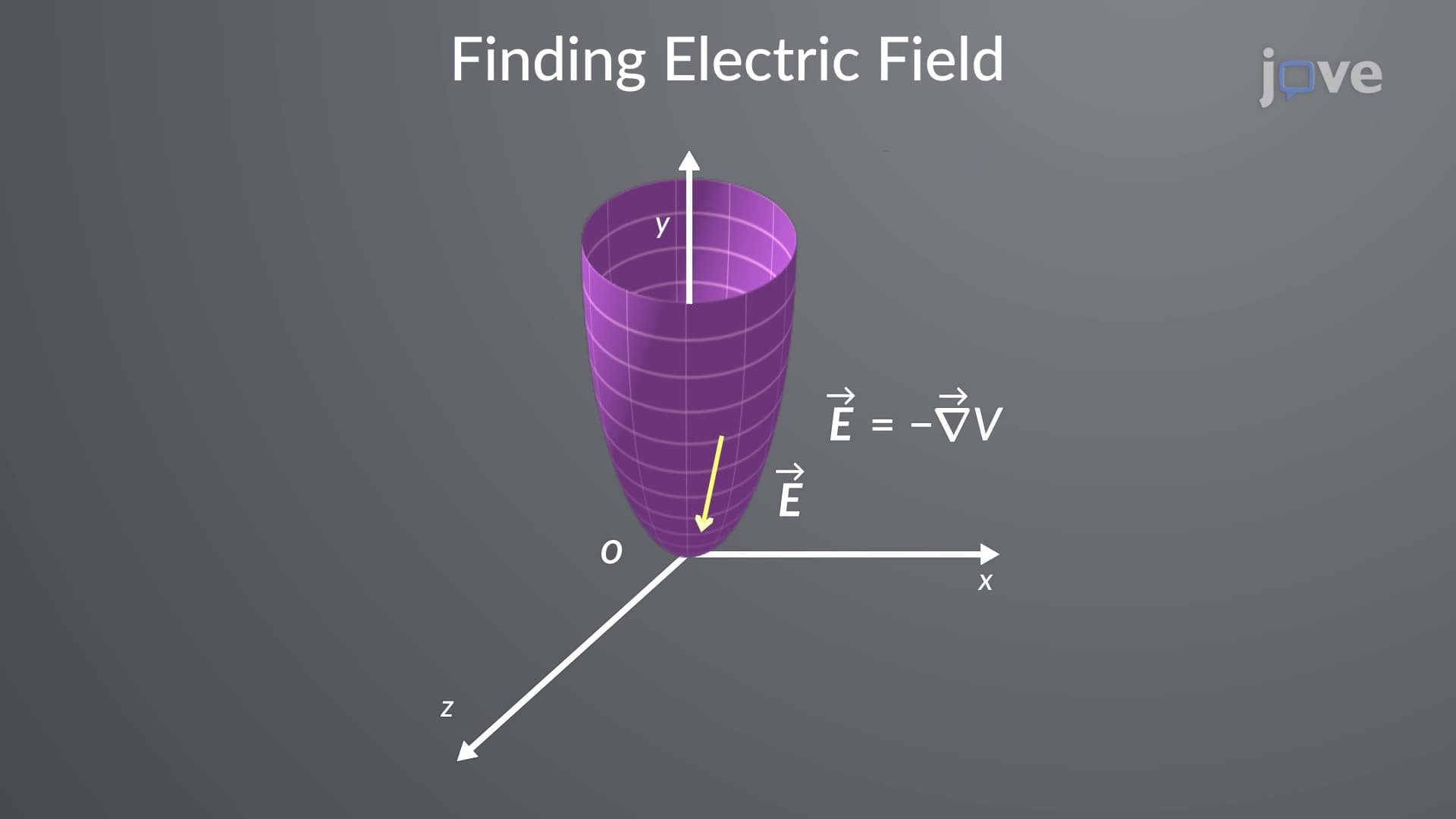
The mathematical foundation rests on a key insight: electric field points in the direction where electric potential decreases most rapidly. Think of it like a topographical map where potential represents elevation—the electric field vector always points "downhill" toward lower potential values.
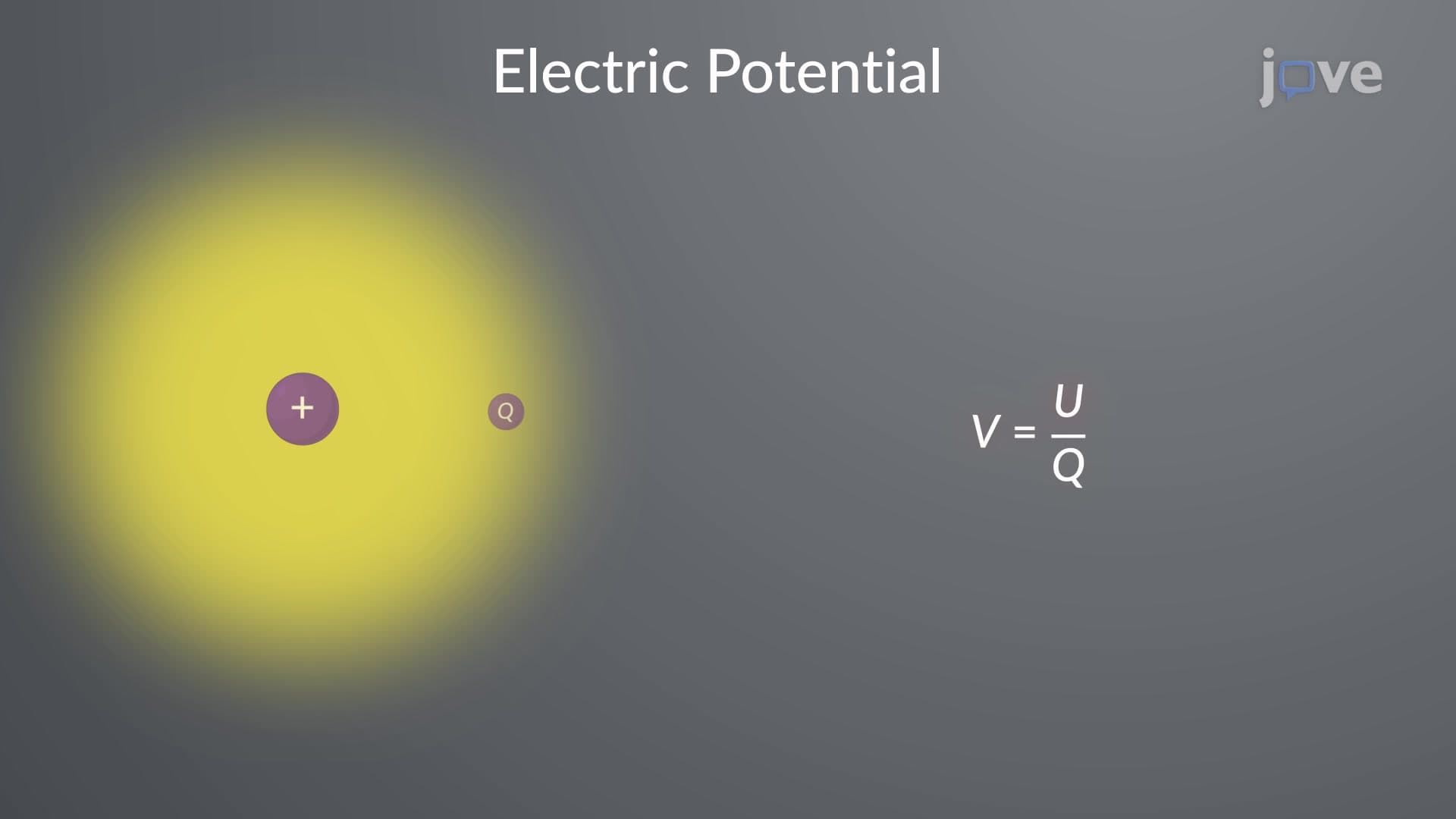
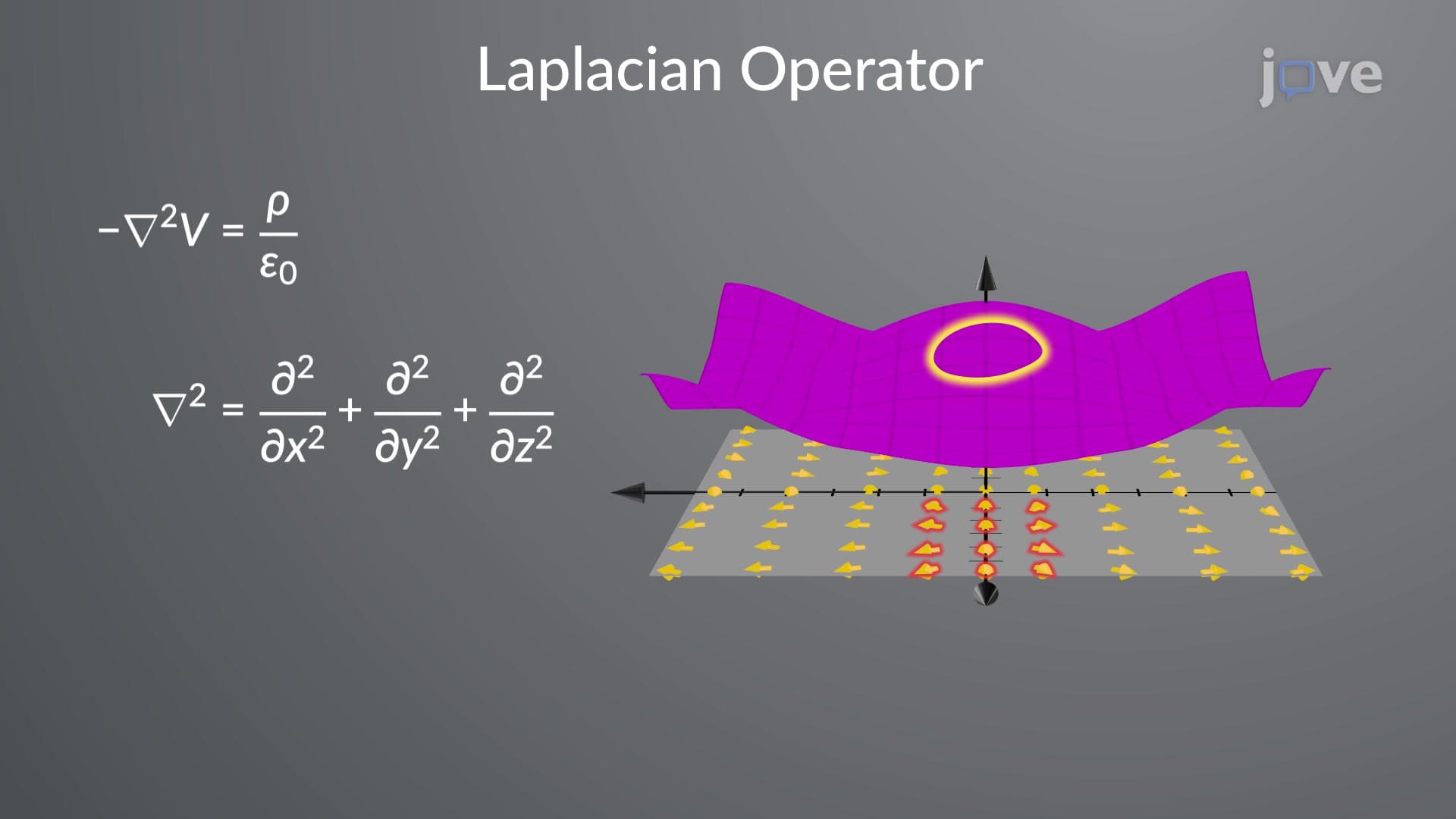
The core relationship for determining electric field uses the gradient operator: E = -∇V, where E represents the electric field vector and V represents electric potential. The negative sign indicates that electric field points toward decreasing potential.
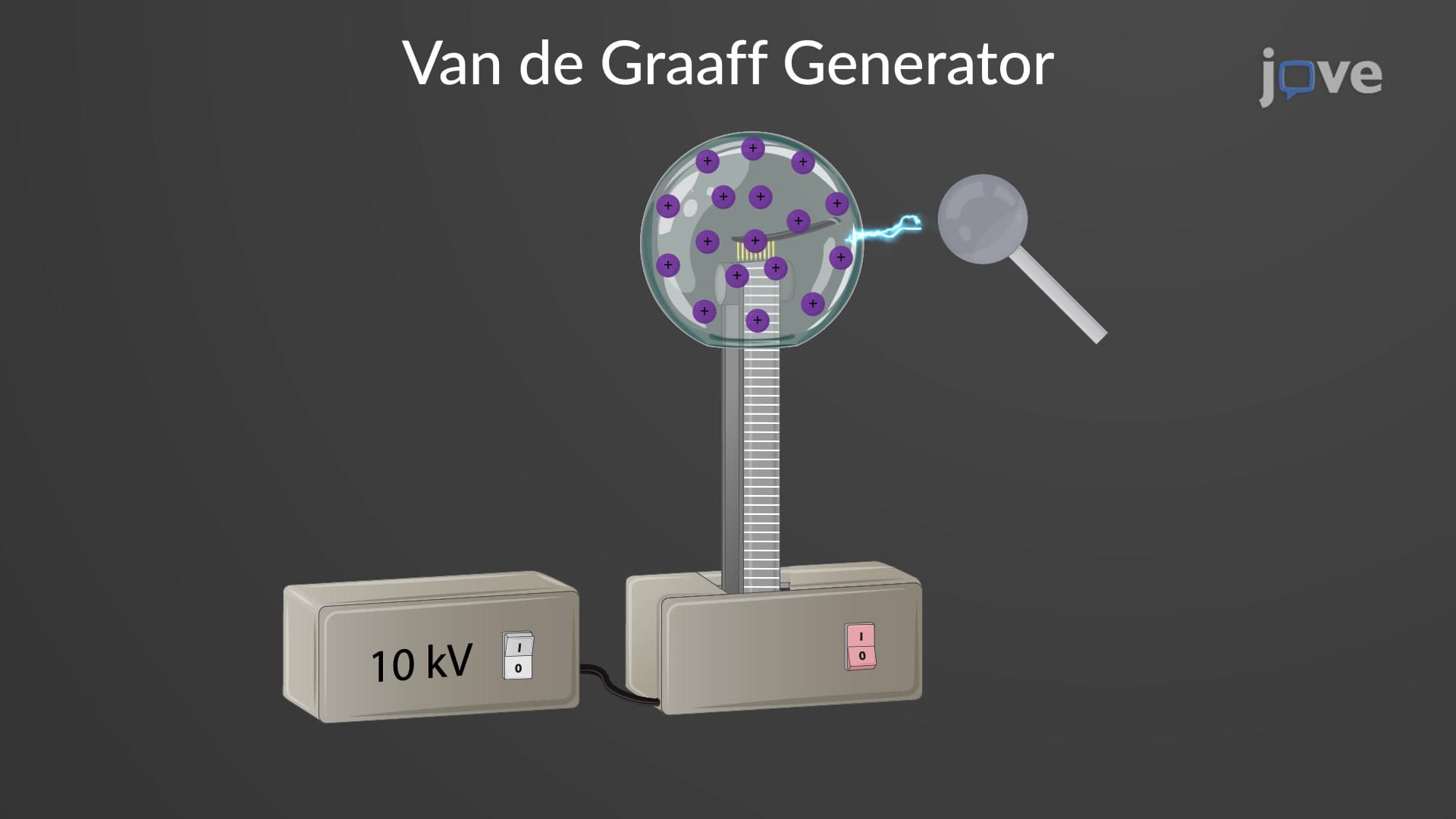
In Cartesian coordinates, this becomes: E = -(∂V/∂x, ∂V/∂y, ∂V/∂z). Each component represents how rapidly potential changes along that particular axis. For a point charge, this calculation yields the familiar inverse-square law that governs everything from atomic structure to the operation of Van de Graaff generators used in physics demonstrations across US high schools.
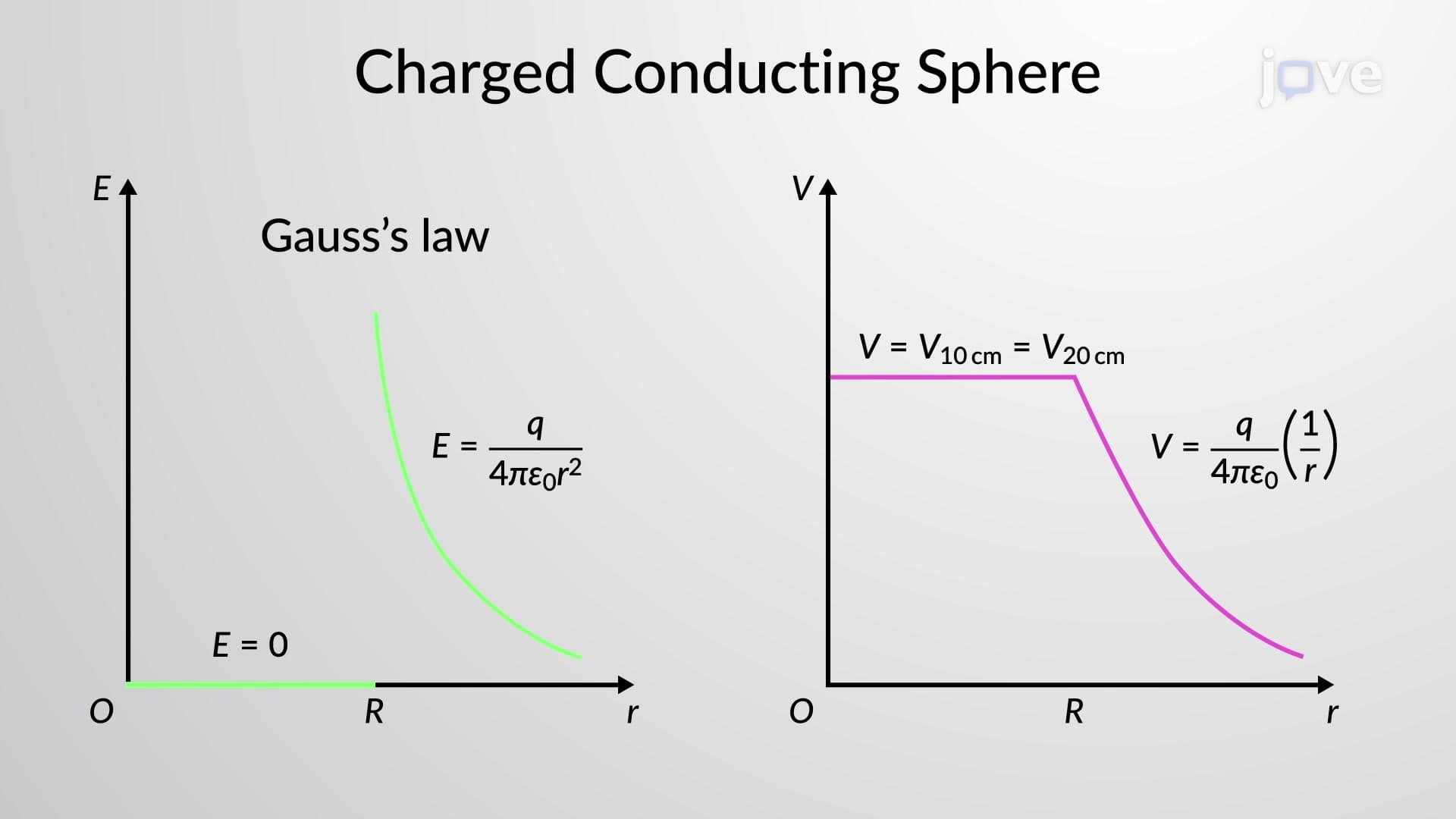
Determining electric field becomes significantly simpler when you match your coordinate system to the problem's symmetry. For spherically symmetric charge distributions—like isolated point charges or uniformly charged spheres—spherical coordinates streamline calculations. The del operator in spherical coordinates focuses on radial variations, since potential depends only on distance from the center.
Cylindrical symmetry appears in problems involving long charged wires or coaxial cables used in electrical engineering applications. Here, the cylindrical del operator emphasizes radial and angular components while often ignoring length variations.
Students preparing for AP Physics or college-level courses should master determining electric field through systematic practice. Start with simple geometries like point charges, then progress to line charges and surface charges. Many MCAT physics passages test this concept through biological applications—understanding how neurons generate electrical signals requires determining electric field across cell membranes.
Real-world applications span from designing cathode ray tubes in older television sets to optimizing electric field configurations in mass spectrometers used by pharmaceutical companies for drug analysis. The same principles govern lightning rod placement on buildings and the design of electrostatic precipitators that clean emissions from power plants across the United States.
Frequently Asked Questions
Determining electric field is the process of calculating electric field vectors from electric potential using mathematical derivatives. This concept is crucial because it connects potential energy concepts with force calculations, enabling predictions about how charged particles move in electric fields. It's fundamental to understanding everything from atomic behavior to electronic device operation.
AP Physics C frequently tests determining electric field through free-response questions involving charge distributions and potential calculations. Students typically encounter problems requiring gradient calculations in Cartesian coordinates, along with conceptual questions about field direction and magnitude. The exam often combines this topic with Gauss's law and conservation of energy principles.
You primarily need comfort with basic calculus, specifically partial derivatives and vector operations. Most high school students who have completed AP Calculus AB possess sufficient mathematical background. The key is understanding that derivatives measure rates of change—in this case, how potential changes with position determines field strength and direction.
Medical applications include MRI machines, which use precisely controlled electric and magnetic fields for imaging, and defibrillators that apply electric fields to restart hearts. Electrocardiograms (EKGs) measure the heart's natural electric fields, while electrocautery devices used in surgery rely on concentrated electric fields for precise tissue cutting.
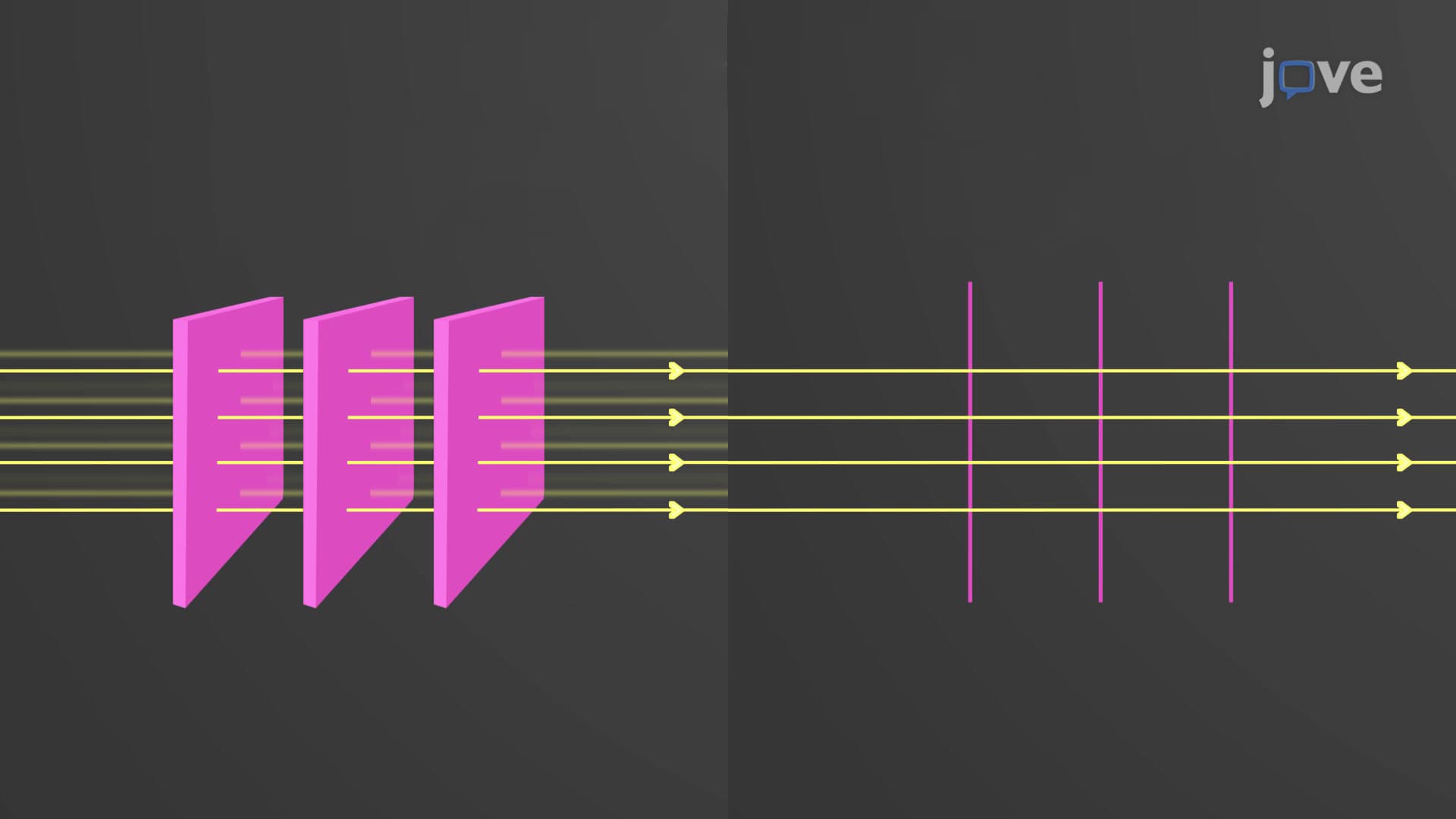
Practice systematically with increasingly complex geometries, starting with single point charges and progressing to multiple charges and continuous distributions. Create visual representations showing both equipotential lines and field vectors. Focus on recognizing symmetry patterns that simplify calculations, and always check your answers by verifying that field vectors point toward decreasing potential.
This concept bridges electrostatics with dynamics through the relationship F = qE, connects to energy conservation via potential differences, and links to Gauss's law for symmetric charge distributions. Understanding these connections helps solve complex problems involving electric circuits, electromagnetic induction, and wave propagation.
Avoid sign errors—remember the negative sign in E = -∇V means field points toward decreasing potential. Don't confuse scalar potential with vector field components. Always verify your coordinate system matches the problem's symmetry, and remember that electric field has both magnitude and direction while potential is purely scalar.
Progress to magnetic fields and electromagnetic induction, which extend these concepts to moving charges and changing fields. Explore AC circuit analysis and wave theory, both of which rely heavily on field concepts. Advanced topics include Maxwell's equations and electromagnetic wave propagation.
Related Micro-courses
Related Subjects
 Math Fundamentals 11 micro-courses›
 Statistics 17 micro-courses›