Loading…
Loading video…

54,321 views
Ever wonder why your phone battery drains faster in cold weather? Finding electric potential explains how electric charges create energy landscapes that govern everything from smartphone circuits to Tesla's electric vehicle charging systems. This fundamental physics concept describes how electric fields create potential differences that drive current through conductors and power the technology around us. Watch the full video on JoVE Coach to master this concept with expert-led visuals and step-by-step explanations.
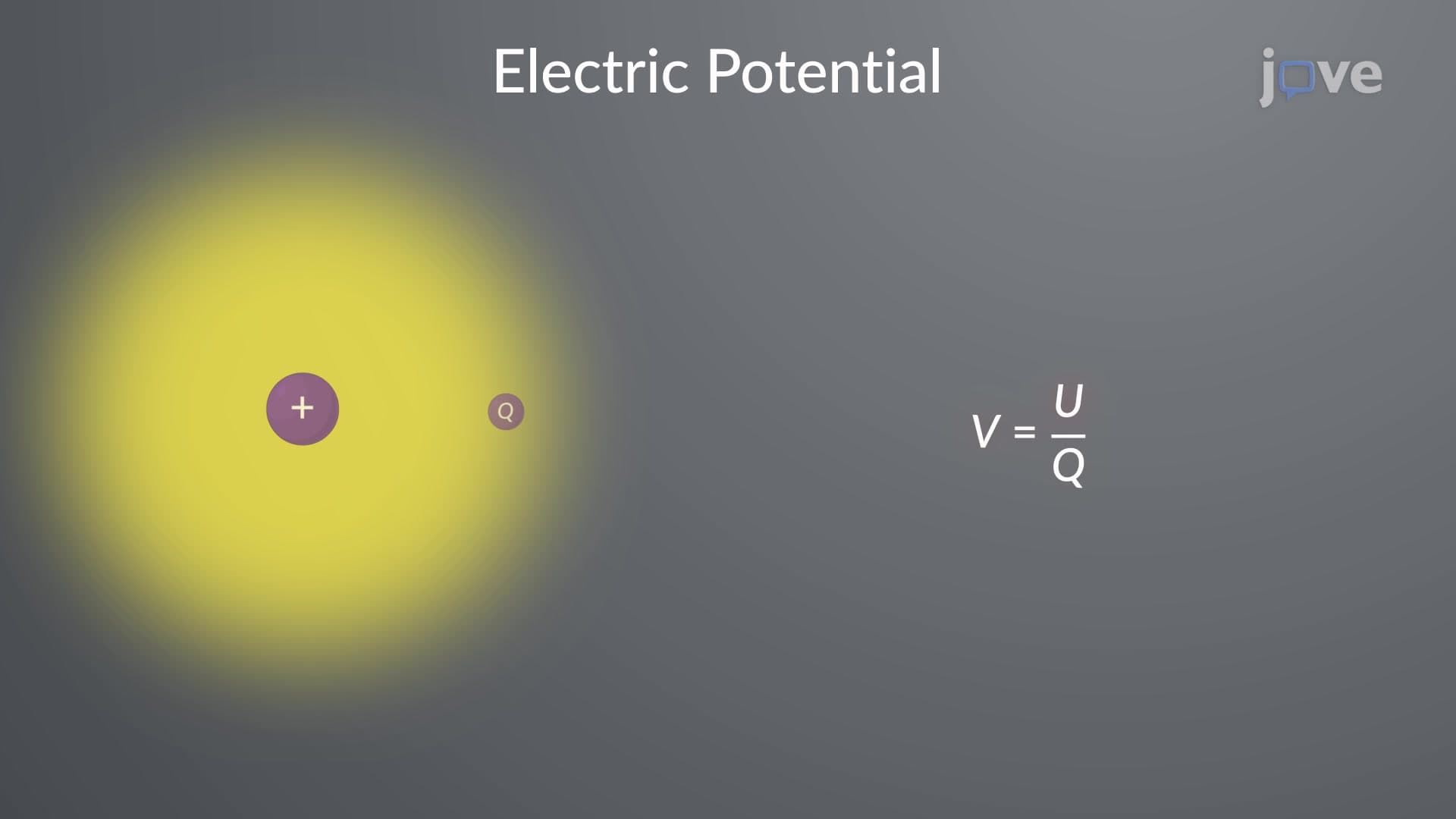
Finding electric potential involves determining the electric potential energy per unit charge at any point in an electric field. This concept serves as a cornerstone of electrostatics and circuit analysis, appearing frequently on AP Physics exams and college-level physics courses. Unlike electric field, which is a vector quantity, electric potential is a scalar quantity measured in volts, making calculations often more straightforward for students.
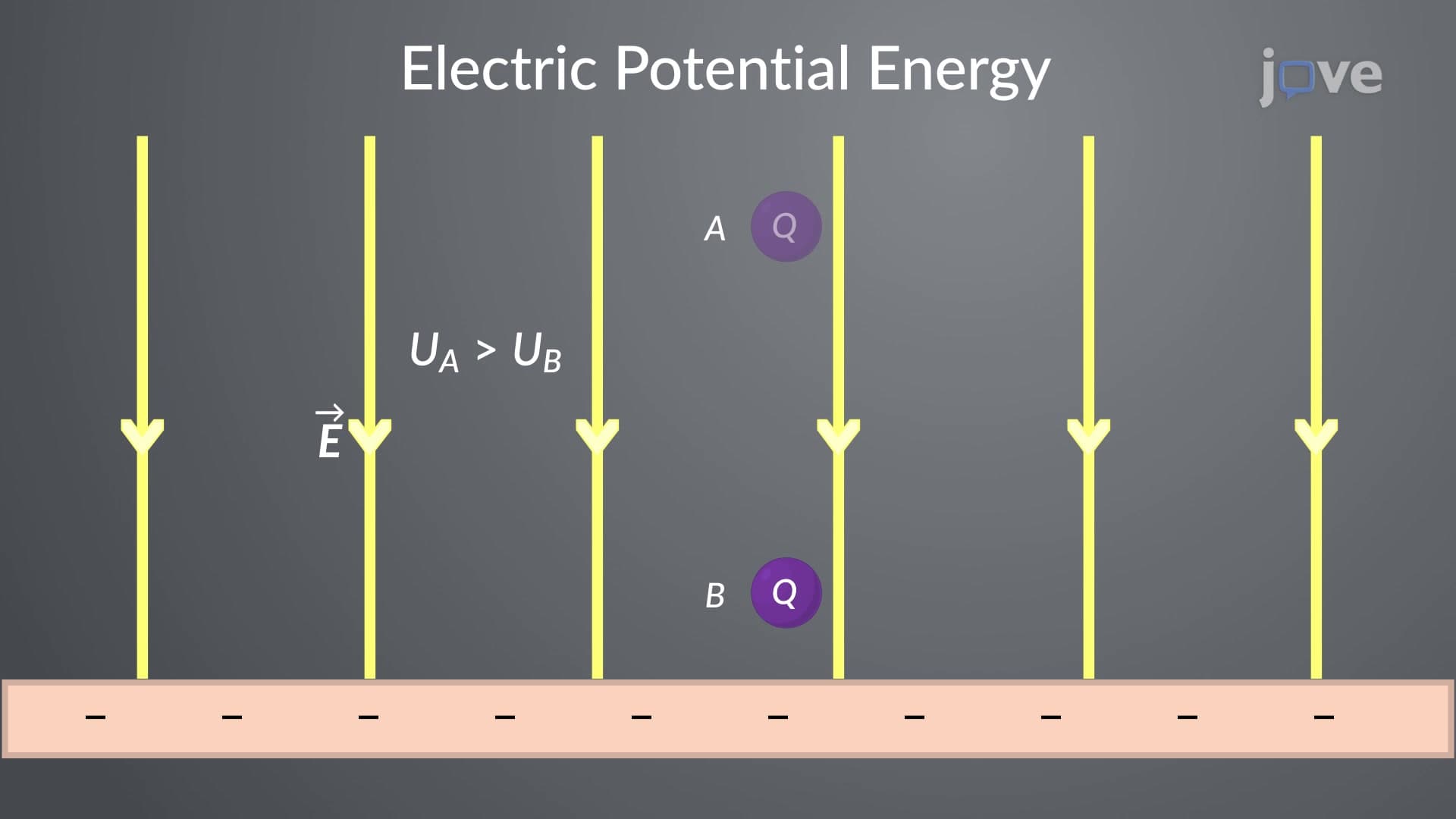
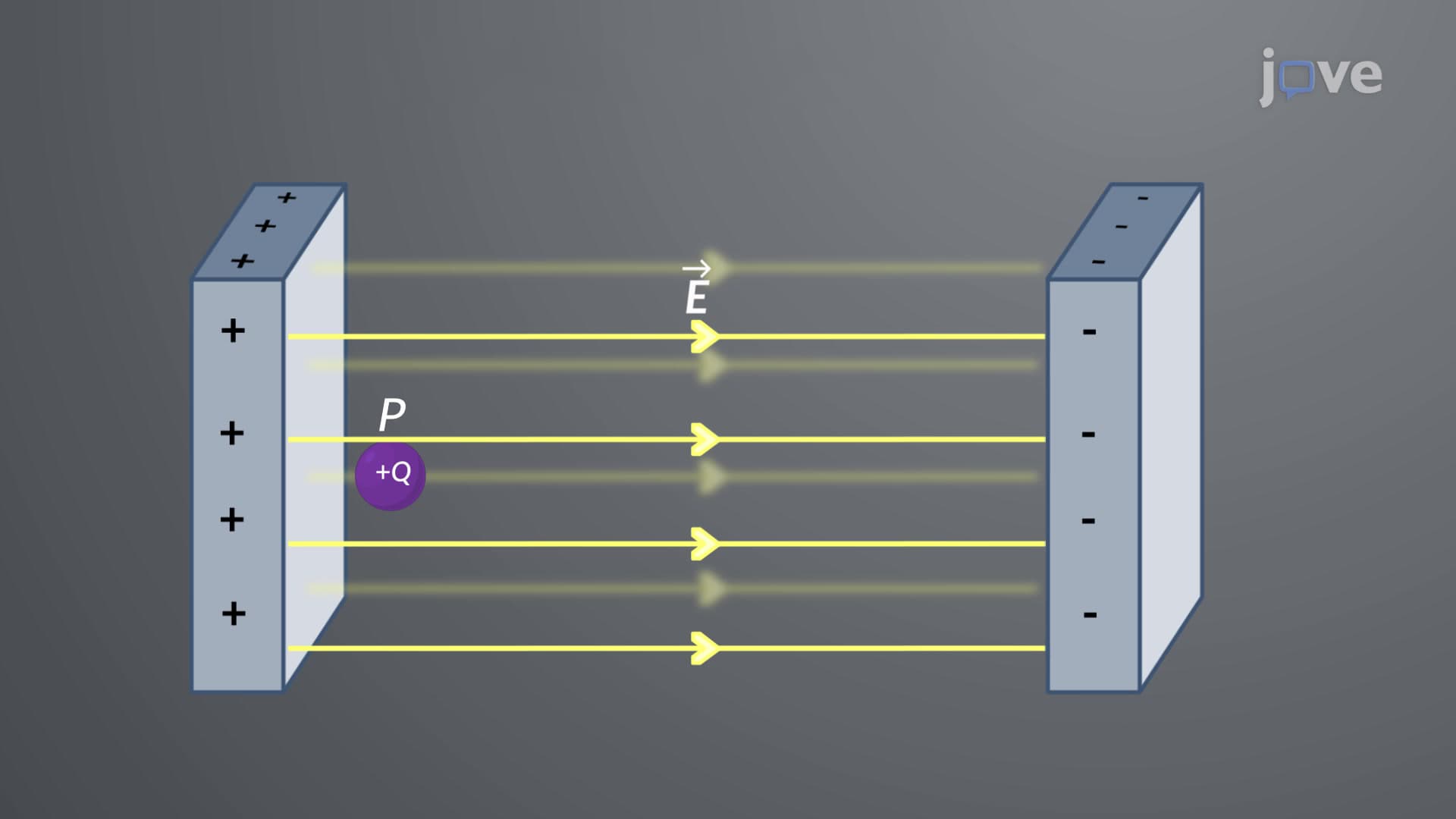
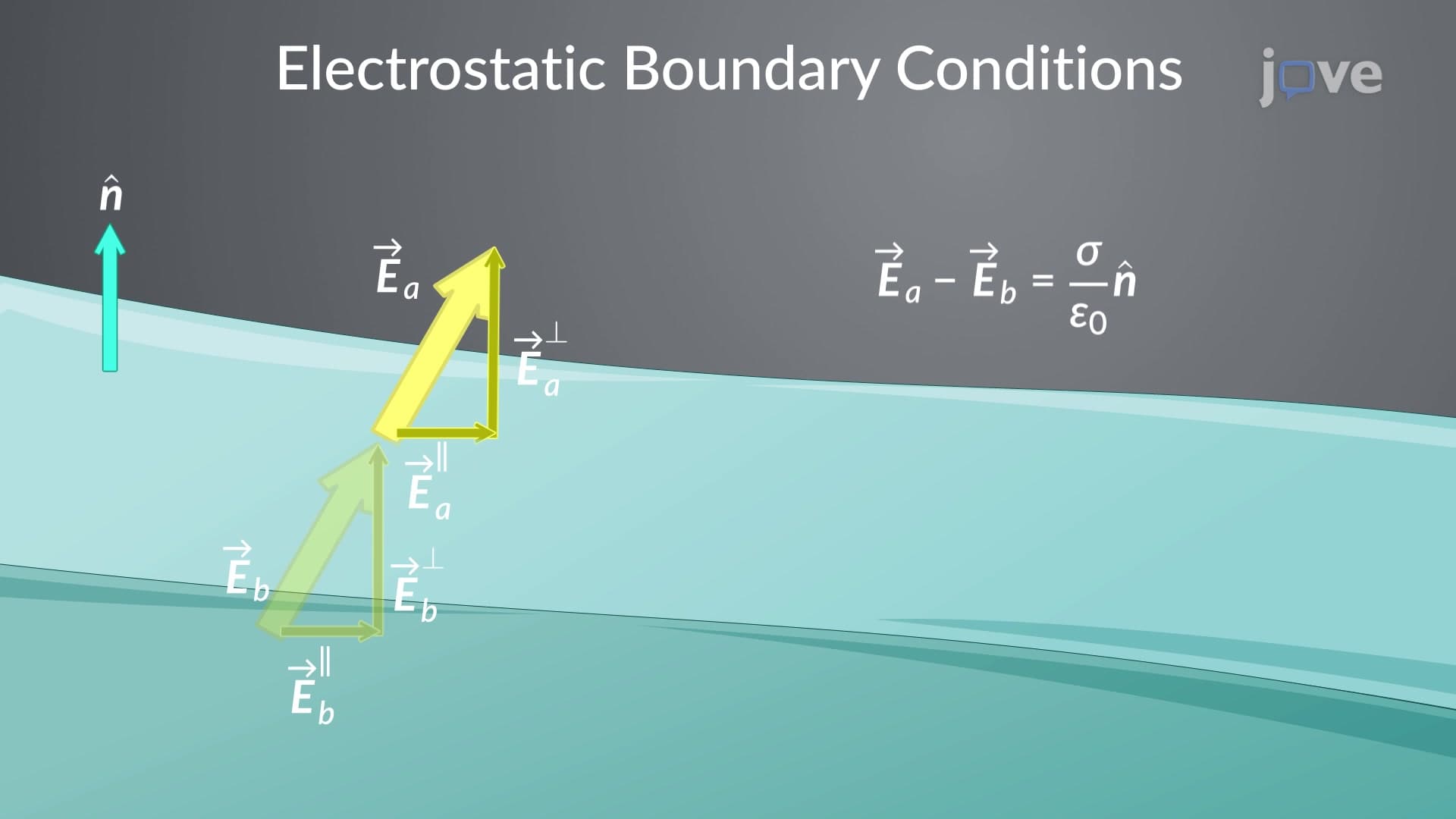
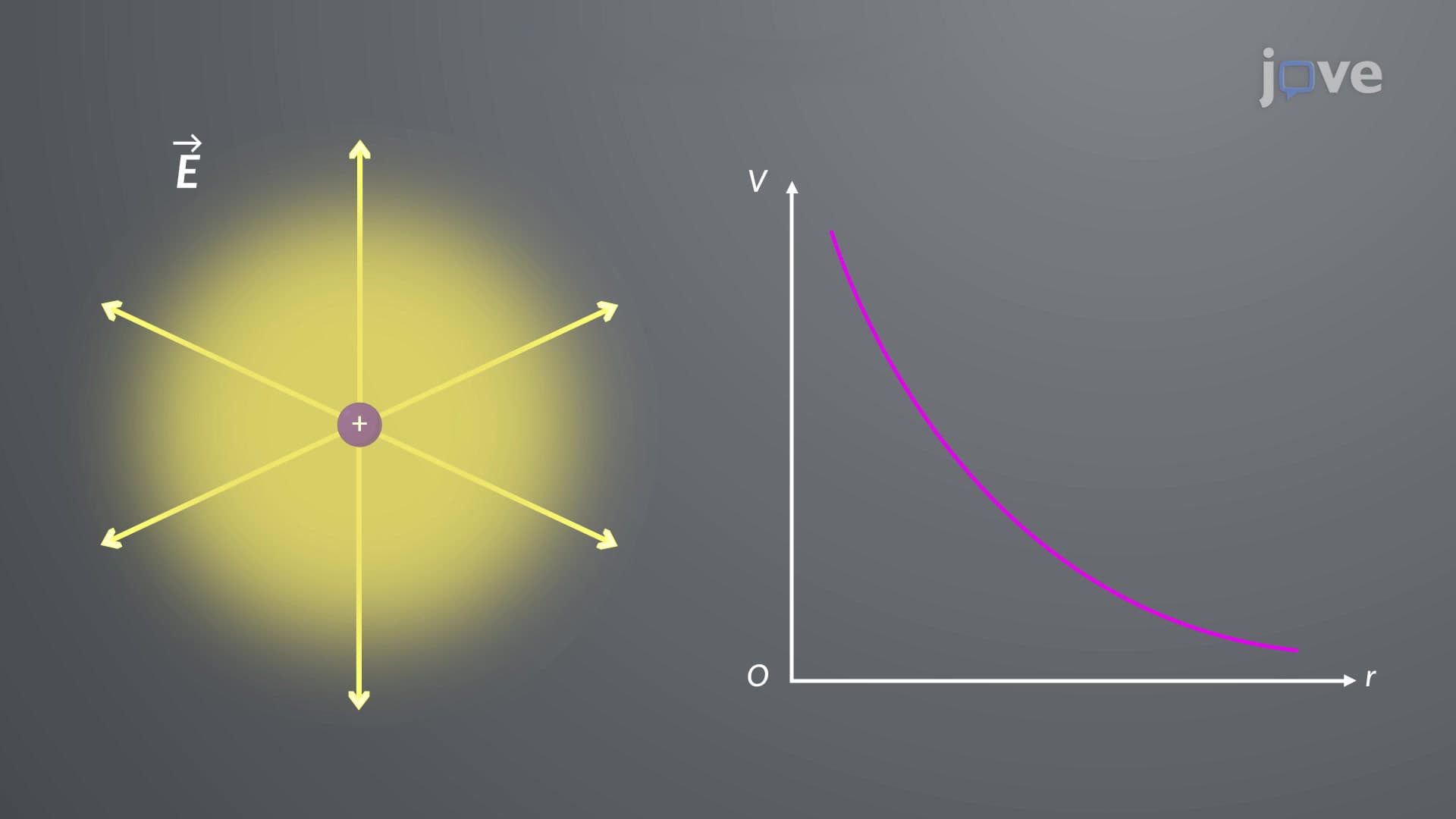
The relationship between electric field direction and potential change follows a fundamental principle: electric potential decreases in the direction of the electric field for positive charges. When a positive test charge moves from point A to point B along field lines, the electric field does positive work on the charge, reducing its potential energy. This concept explains why electrons flow from negative to positive terminals in batteries—they move toward higher potential regions.
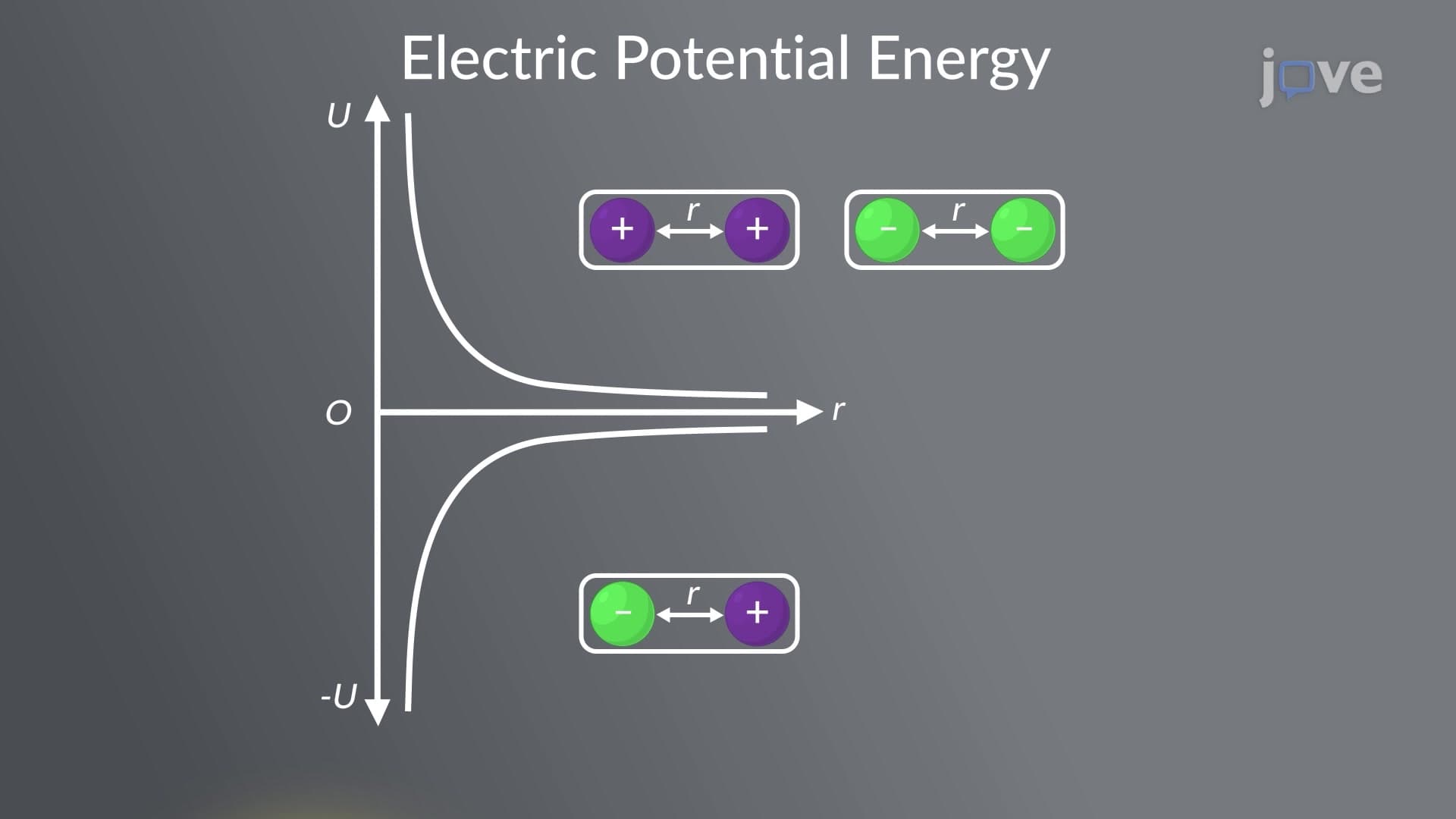
For negative source charges, the situation reverses. A test charge moving away from a negative charge experiences increasing electric potential, as the attractive force does negative work. This principle governs the operation of cathode ray tubes in older television sets and oscilloscopes used in electronics laboratories across US universities.
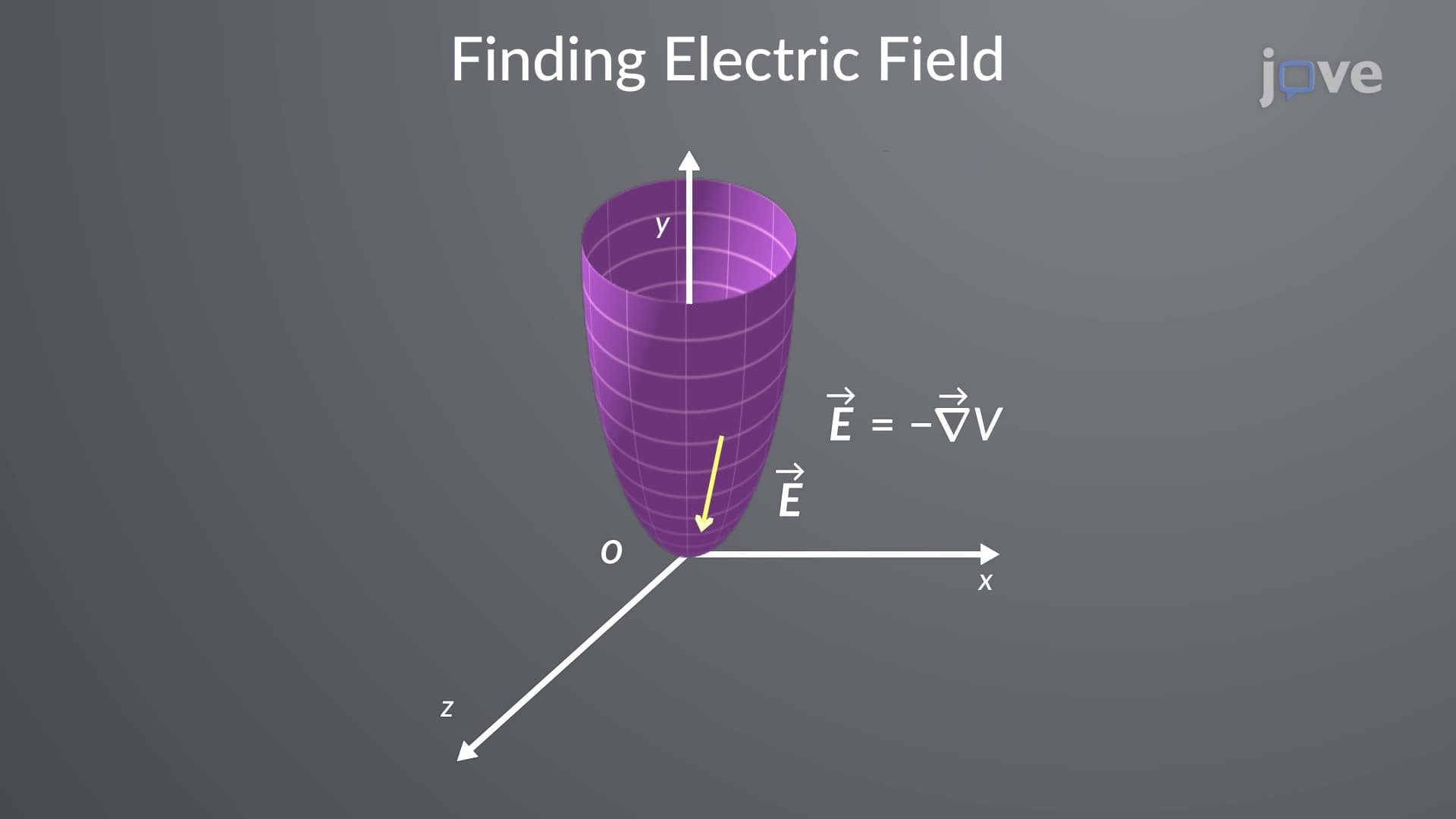
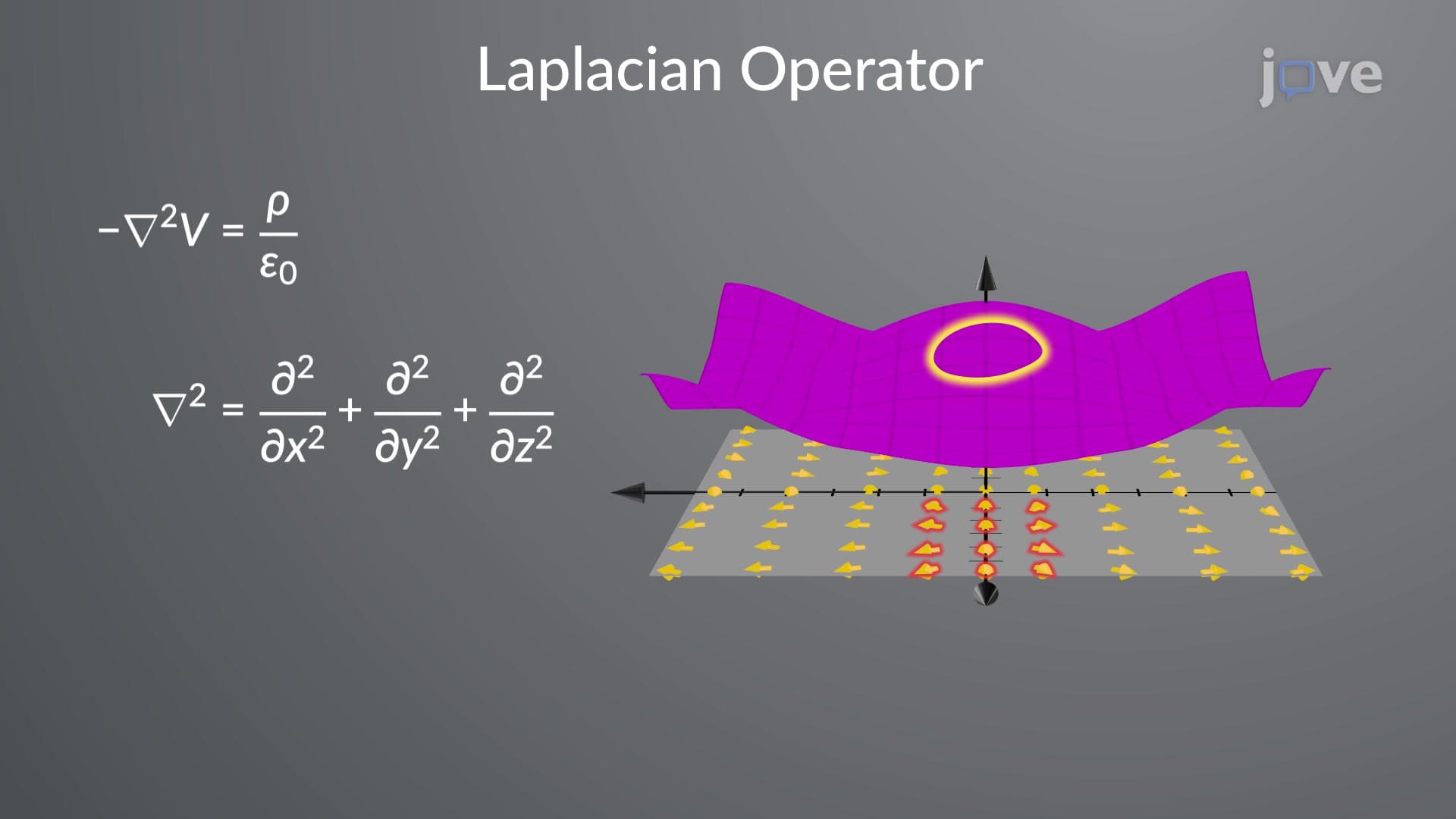
The mathematical relationship between electric field and potential provides the foundation for solving complex electrostatics problems. When electric field strength is known, potential differences can be calculated using integration techniques taught in AP Calculus and college physics courses. The resulting unit relationship—volts per meter for electric field—connects two fundamental electrical quantities.
This relationship proves essential for electrical engineering students at institutions like MIT and Stanford, where circuit design requires precise potential calculations. Power grid engineers use these principles to manage voltage distributions across transmission lines, ensuring stable electricity delivery to millions of American homes.
The electron volt (eV) unit represents the energy gained by an electron moving through a one-volt potential difference. This unit becomes crucial in atomic physics, nuclear engineering, and medical physics applications. For example, X-ray machines in US hospitals operate at potential differences of thousands of volts, producing photons with energies measured in keV (kiloelectron volts).
Students preparing for the MCAT encounter electron volt calculations when studying molecular bond energies and ionization processes. Understanding this unit helps explain everything from LED light emission in smartphones to the particle accelerators at Fermilab and other American research facilities.
Frequently Asked Questions
Finding electric potential means determining the electric potential energy per unit charge at any location in an electric field. This concept is crucial because it helps predict how charges will move and explains how batteries, circuits, and electronic devices function. It's a fundamental topic covered extensively in AP Physics courses and college-level electromagnetism classes.
AP Physics exams frequently test electric potential through both multiple-choice and free-response questions. Students encounter problems involving potential differences between points, work-energy relationships, and equipotential surfaces. The College Board emphasizes conceptual understanding alongside mathematical problem-solving, often presenting scenarios with parallel plates, point charges, and simple circuits.
The MCAT requires understanding of basic calculus concepts and vector relationships for electric potential problems. You'll need to know how to calculate work done by electric forces, apply conservation of energy principles, and understand the relationship between potential and field strength. Most problems focus on conceptual understanding rather than complex mathematical derivations.
Electric potential principles govern many medical devices used in US hospitals. EKG machines measure potential differences across heart muscle, while defibrillators apply high-voltage potential differences to restore normal heart rhythm. MRI machines use precisely controlled electric and magnetic fields, and X-ray equipment relies on high-voltage potential differences to generate diagnostic radiation.
Finding electric potential builds naturally on concepts you already know from basic physics and algebra. If you understand gravitational potential energy and basic electric field concepts, you have the foundation needed. The key is visualizing how charges create "energy landscapes" similar to hills and valleys, making this topic accessible to students in Physics 1 and AP Physics courses.
Focus on understanding the relationship between electric field direction and potential change, then practice with progressively complex problems. Start with single point charges, advance to multiple charge systems, and finish with continuous charge distributions. Use dimensional analysis to check your answers, and always verify that your solutions make physical sense.
Electric potential differences drive current flow in circuits, making this concept essential for understanding Ohm's law and power calculations. When you grasp how potential differences create the "pressure" that pushes electrons through wires, circuit analysis becomes much more intuitive. This foundation proves invaluable for students pursuing electrical engineering or electronics technology careers.
After mastering finding electric potential, explore capacitance and energy storage in electric fields. Study equipotential surfaces and their relationship to electric field lines, then advance to time-varying fields and electromagnetic induction. These topics prepare you for advanced physics courses and electrical engineering programs at top US universities.
Related Micro-courses
Related Subjects
 Math Fundamentals 11 micro-courses›
 Statistics 17 micro-courses›