Loading subject page…

- Physics
- Linear Momentum, Impulse and Collisions
- Rocket Propulsion in Empty Space - I
Micro-course: Linear Momentum, Impulse and Collisions
196,000 views
Learn key concepts and earn your certificate.


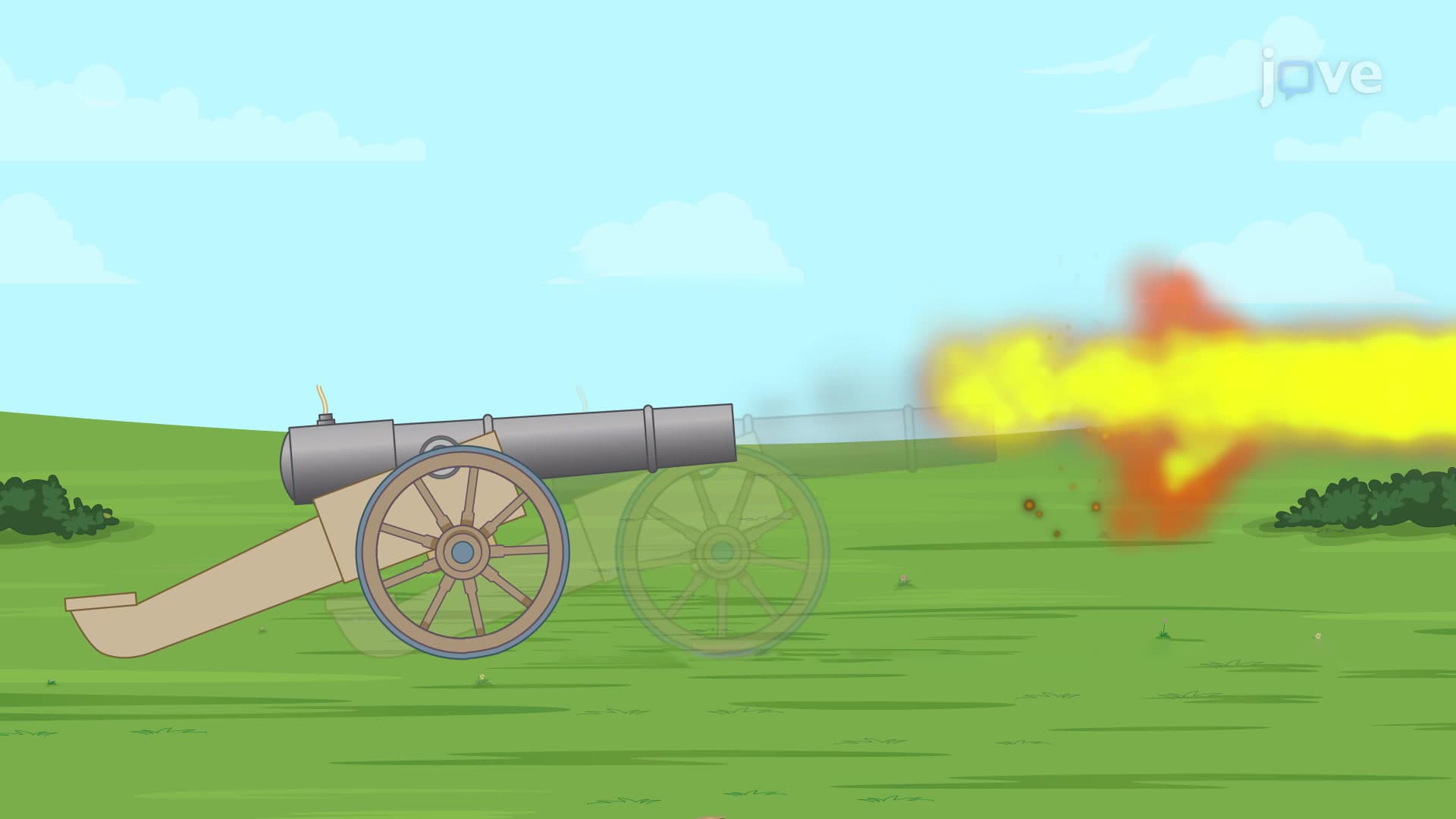
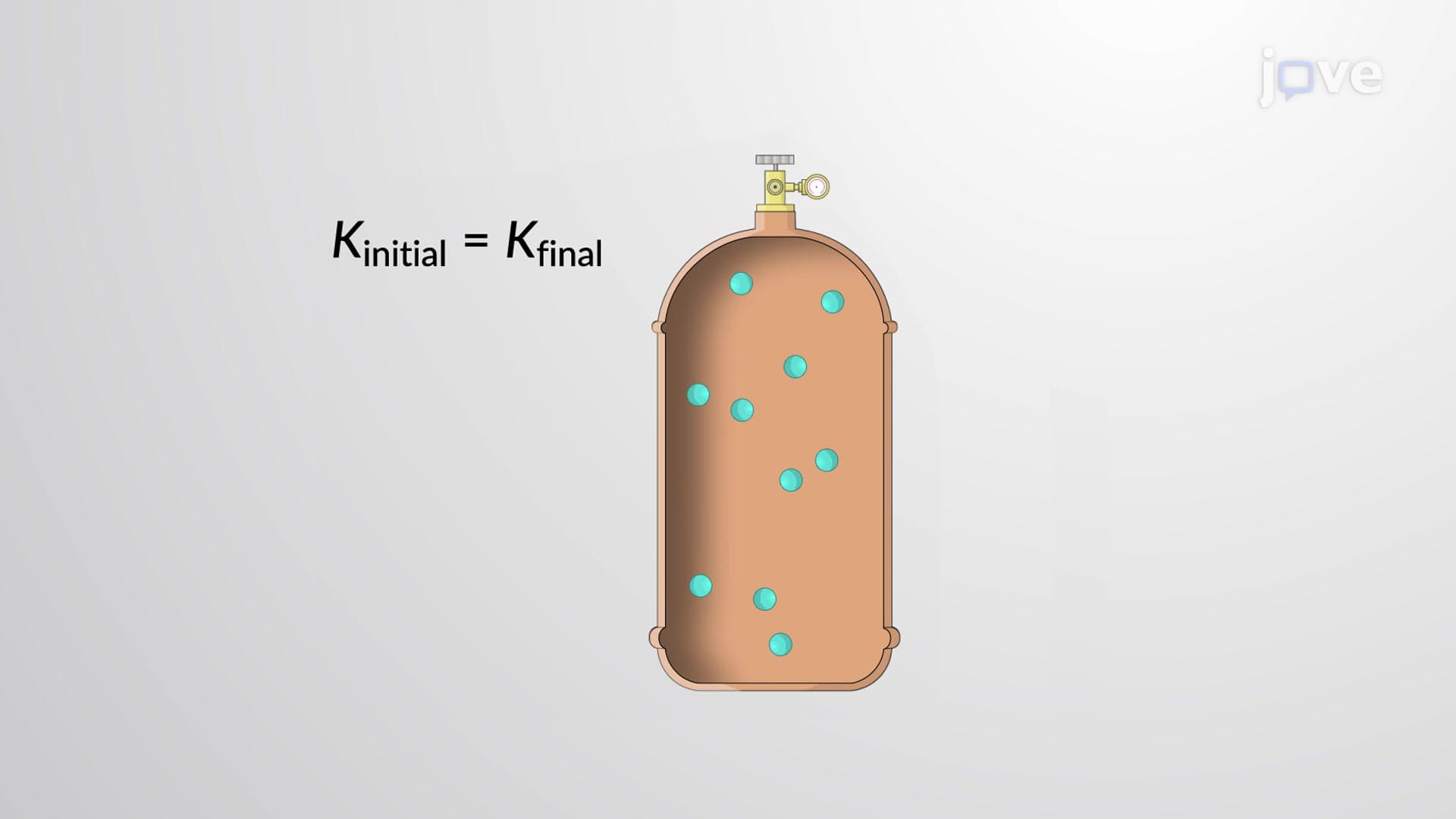


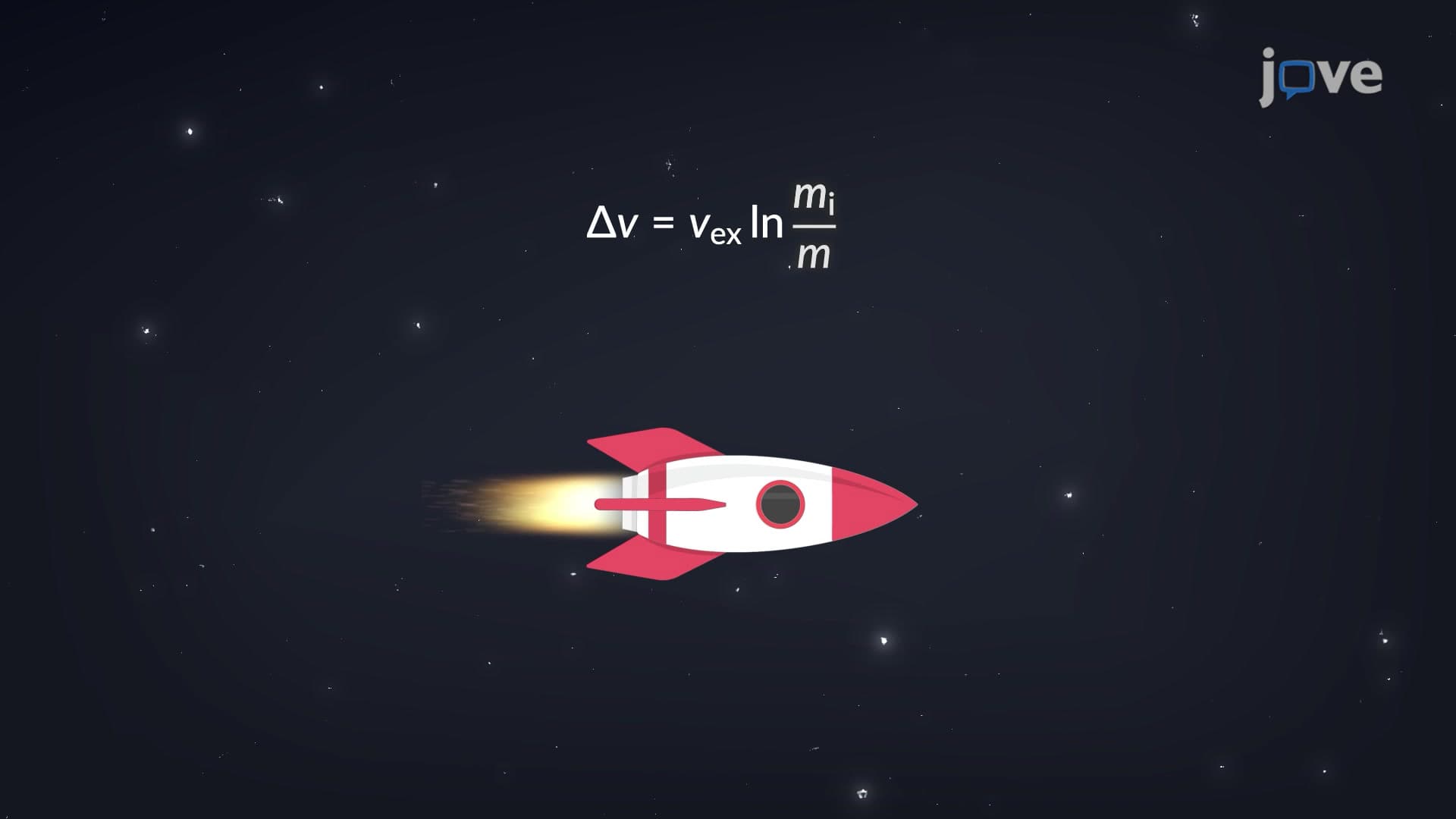


Rocket Propulsion in Empty Space - I

00:00
01:13
Video Summary: Rocket Propulsion in Empty Space Fundamentals
Ever wondered how NASA's SpaceX rockets accelerate through the vacuum of space without any air to "push against"? Rocket propulsion in empty space: fundamentals relies on Newton's third law and momentum conservation principles that seem counterintuitive but power every spacecraft mission. When SpaceX's Falcon Heavy launches satellites into orbit, it demonstrates how expelled fuel gases create thrust by conserving momentum in the rocket-fuel system. This fundamental physics concept explains why rockets can maneuver in the complete vacuum of space. Watch the full video on JoVE Coach to master this concept with expert-led visuals and step-by-step explanations.
- Understand rocket propulsion in empty space: fundamentals through Newton's third law and momentum conservation principles
- Identify how fuel combustion creates high-velocity gas ejection that generates propulsive force in vacuum conditions
- Analyze the mathematical relationship between rocket mass, expelled gas velocity, and resulting spacecraft acceleration
- Apply conservation of linear momentum equations to solve rocket propulsion problems in space environments
- Recognize why rockets function more efficiently in vacuum compared to atmospheric flight conditions
- Evaluate the role of mass ratio and exhaust velocity in determining spacecraft performance and mission capabilities
- Compare different rocket engine types and their effectiveness for various space missions and orbital maneuvers
- Explore real-world applications in NASA missions, satellite deployment, and interplanetary spacecraft navigation
Understanding Rocket Propulsion in Empty Space: Fundamentals
The physics behind rocket propulsion in empty space challenges our everyday intuition. Unlike cars that push against roads or airplanes that generate lift through air, rockets operate on momentum conservation-a principle that works perfectly in the vacuum of space. This fundamental concept explains how NASA's Artemis missions will reach the Moon and how the Mars rovers arrived at their destinations.
Newton's Third Law in Action
When a rocket engine burns fuel, it expels hot gases at extremely high velocities-often exceeding 3,000 meters per second. Newton's third law states that for every action, there's an equal and opposite reaction. The "action" is the rocket pushing gases downward and backward; the "reaction" is those gases pushing the rocket upward and forward. This principle works regardless of whether there's air present, making rockets the only practical propulsion method for space travel.
Momentum Conservation Mathematics
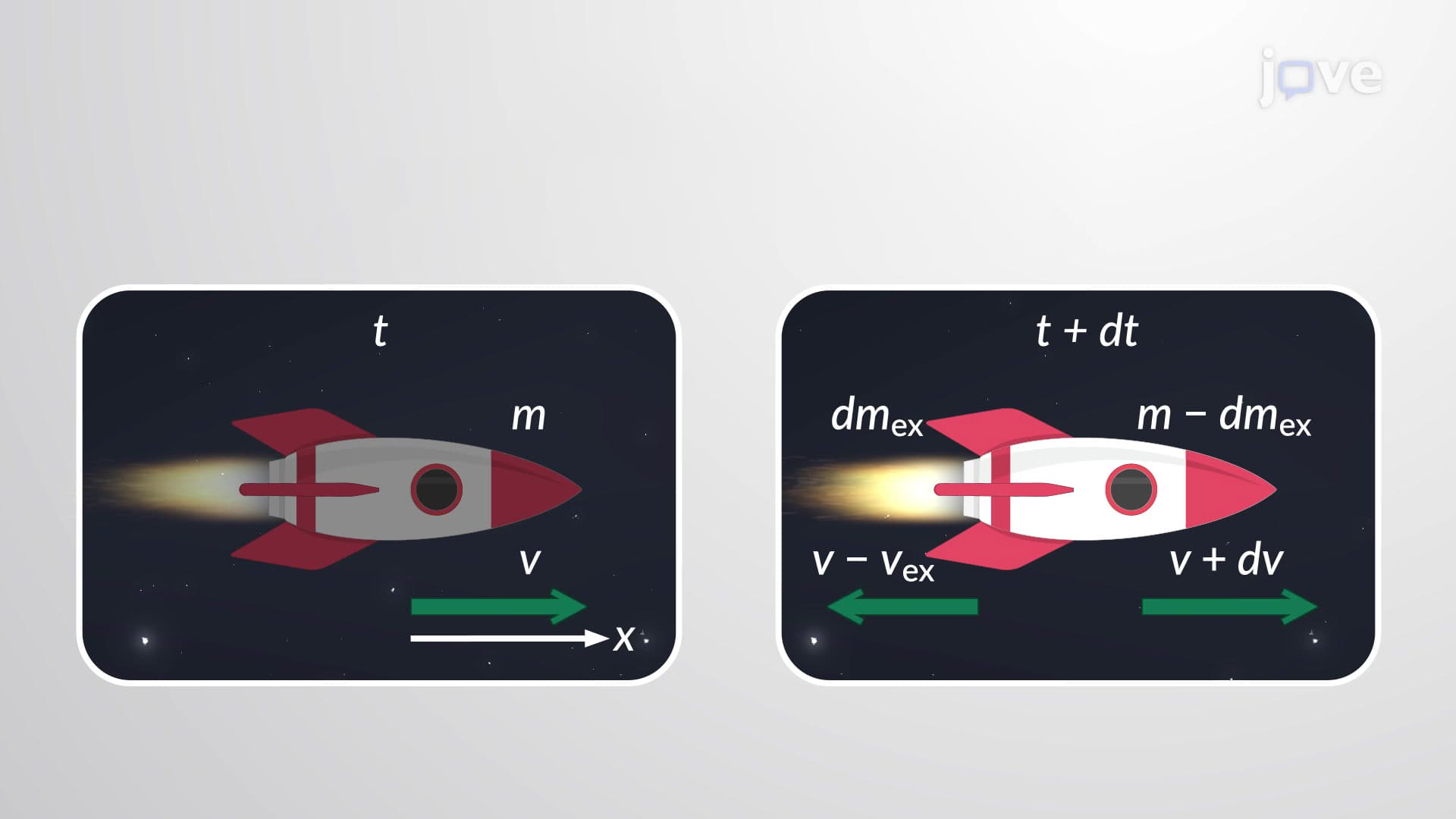
The mathematical foundation involves the conservation of linear momentum equation: initial momentum equals final momentum. If we consider a rocket with initial mass m moving at velocity v, and it expels fuel mass dm at velocity v(ex) relative to the rocket, the momentum equation becomes: mv = (m - dm)(v + dv) + dm(v - v(ex)). Simplifying this equation while neglecting second-order terms yields the fundamental rocket equation used by aerospace engineers.
Real-World Applications and Exam Relevance
This concept appears frequently on AP Physics exams, particularly in mechanics sections dealing with momentum and impulse. College-level physics courses explore the rocket equation's derivation, while engineering students apply these principles in spacecraft design. NASA's Space Launch System (SLS) and commercial rockets like Blue Origin's New Shepard demonstrate these principles daily. Understanding rocket propulsion helps students grasp why space missions require multiple stages, why fuel efficiency matters critically for deep space missions, and how trajectory corrections work during interplanetary flights.
The efficiency advantage in space occurs because rockets don't waste energy overcoming air resistance or gravitational drag from atmospheric flight, making vacuum operation ideal for achieving the high velocities needed for orbital mechanics and escape trajectories.
Frequently Asked Questions
Rocket propulsion in empty space fundamentals explains how spacecraft generate thrust in vacuum using Newton's third law and momentum conservation. When rocket engines expel high-velocity gases, the equal and opposite reaction propels the spacecraft forward. This principle works better in space than in atmosphere because there's no air resistance to overcome.
AP Physics frequently tests rocket propulsion through momentum conservation problems and Newton's laws applications. Students typically solve problems involving mass ratios, exhaust velocities, and final spacecraft speeds. The College Board often includes rocket scenarios in free-response questions requiring mathematical analysis and conceptual explanations.
Yes, MCAT physics sections include momentum conservation and Newton's laws, often featuring rocket propulsion examples. The exam tests your ability to apply these principles to biological and physical systems. Understanding rocket fundamentals helps with broader momentum problems involving collisions and propulsion mechanisms.
NASA's Artemis program uses multi-stage rockets where each stage demonstrates momentum conservation by expelling fuel to accelerate the remaining spacecraft. The Space Launch System achieves lunar trajectories by sequentially shedding mass while maintaining thrust, perfectly illustrating the rocket equation's practical applications in human spaceflight missions.
No, the basic principles only require algebra and understanding of Newton's laws that high school students learn. While deriving the rocket equation involves calculus, grasping the fundamental concepts relies on momentum conservation and basic physics. Most introductory treatments focus on conceptual understanding rather than mathematical complexity.
Practice momentum conservation problems starting with simple examples before tackling multi-stage rockets. Draw diagrams showing before-and-after scenarios, identify system boundaries, and always check that momentum is conserved. Focus on understanding why rockets work in vacuum rather than just memorizing equations.
Rocket propulsion reinforces momentum conservation, Newton's laws, and energy concepts that appear throughout mechanics courses. This knowledge connects to collision problems, projectile motion, and rotational dynamics. The mathematical techniques transfer to other conservation law applications in physics and engineering.
After mastering fundamentals, explore multi-stage rocket analysis, specific impulse calculations, and orbital mechanics. Advanced topics include ion propulsion, nuclear thermal rockets, and trajectory optimization. These concepts bridge into aerospace engineering and advanced physics coursework.
Related Micro-courses

14 Concepts
14 Concepts

12 Concepts