Loading video…


 19 Concepts
 196K views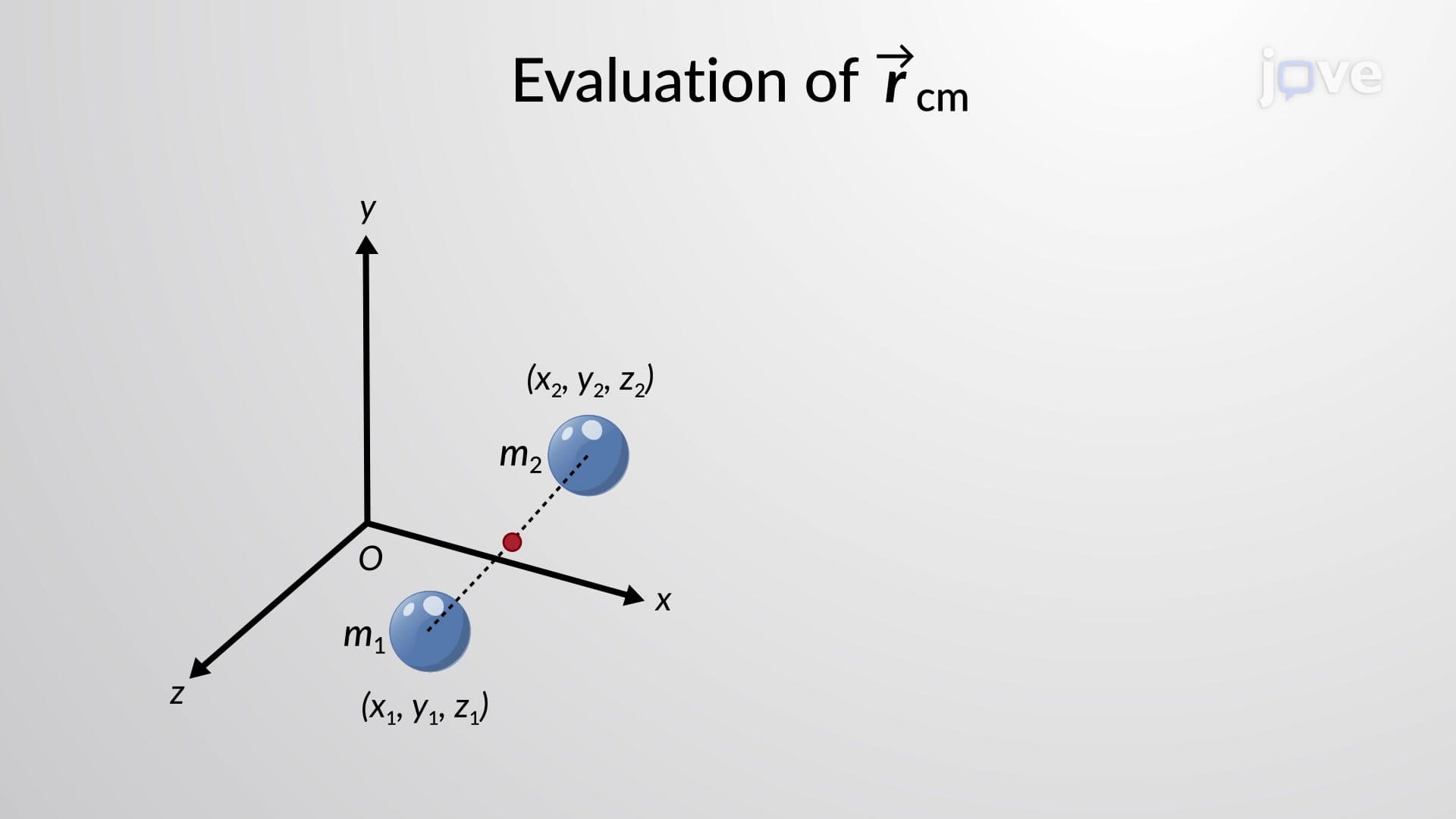

Video Summary: Significance of Center of Mass Explained
Ever wonder why NASA engineers can predict exactly where a spinning spacecraft will land? The significance of center of mass lies in its power to simplify complex multi-particle systems into a single, predictable point. When the Space Shuttle separated from its external tank during launch, mission control tracked the center of mass to ensure safe trajectories for both components. This fundamental physics concept transforms chaotic-looking particle collections into manageable calculations by treating the entire system as if all mass were concentrated at one strategic location. Watch the full video on JoVE Coach to master this concept with expert-led visuals and step-by-step explanations.
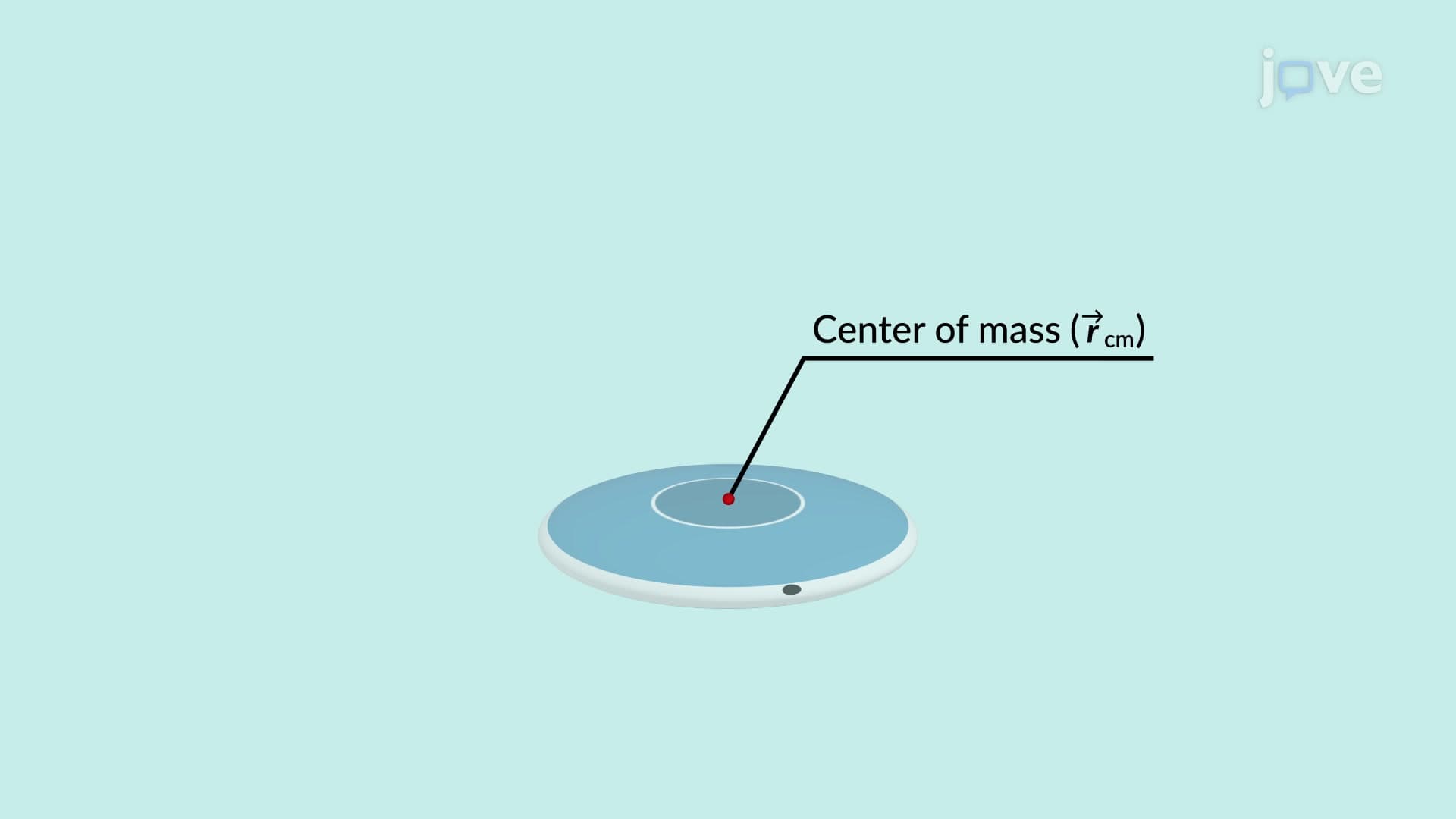
The center of mass represents one of physics' most elegant solutions to complexity. Rather than tracking every individual particle in a system-imagine following each molecule in a thrown baseball-we can predict the entire system's behavior by focusing on a single point where all the mass appears to be concentrated.
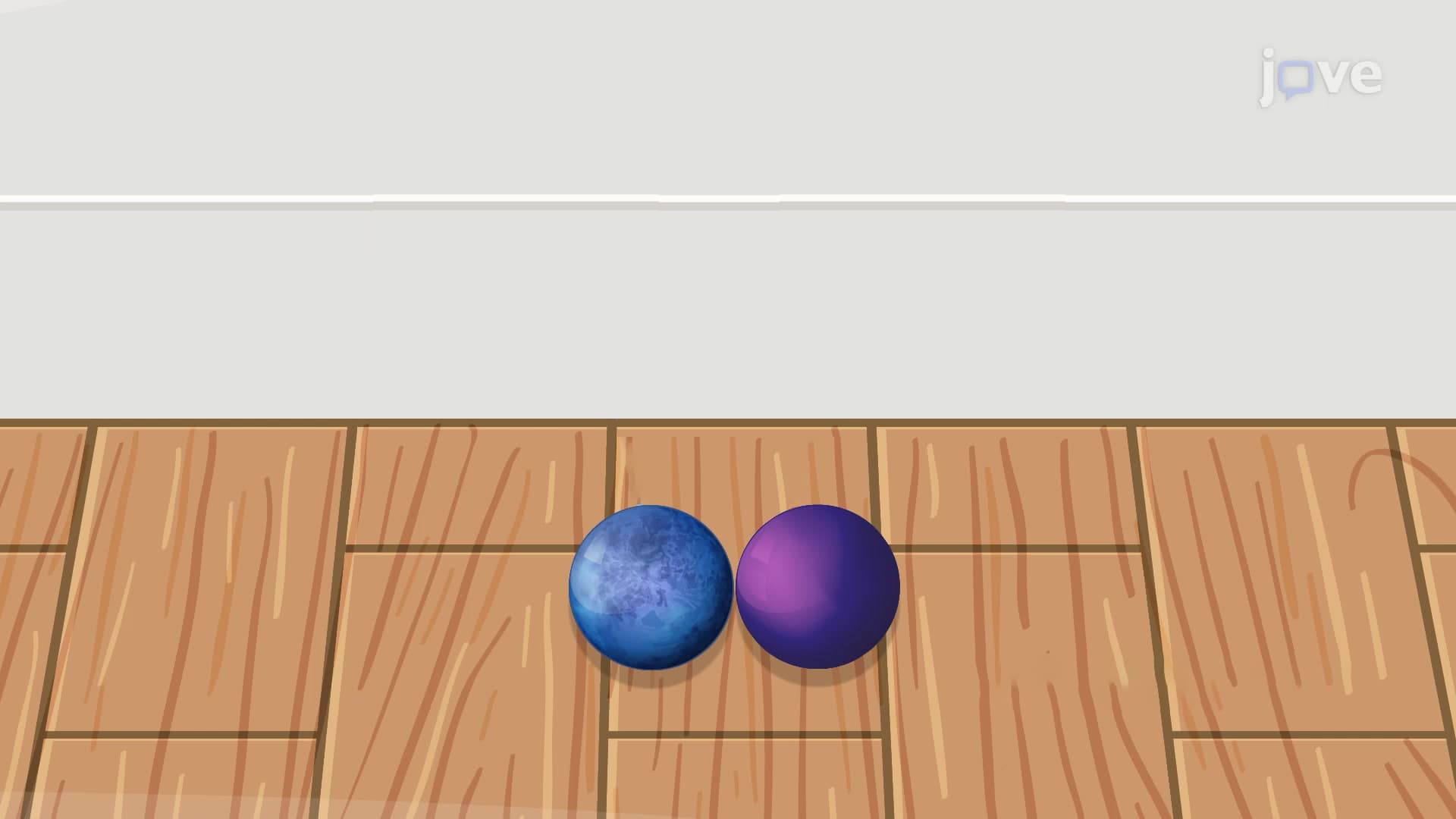
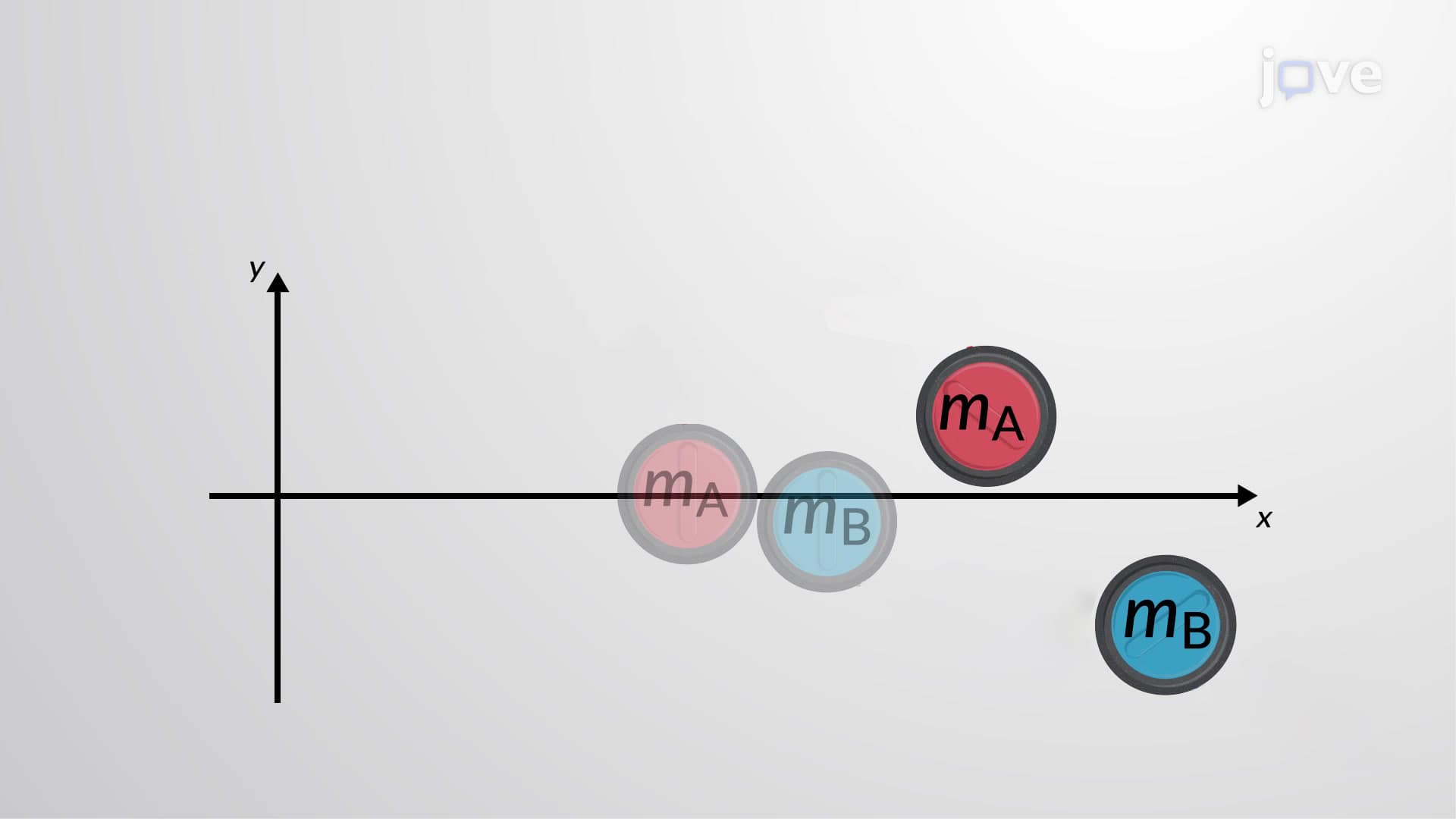
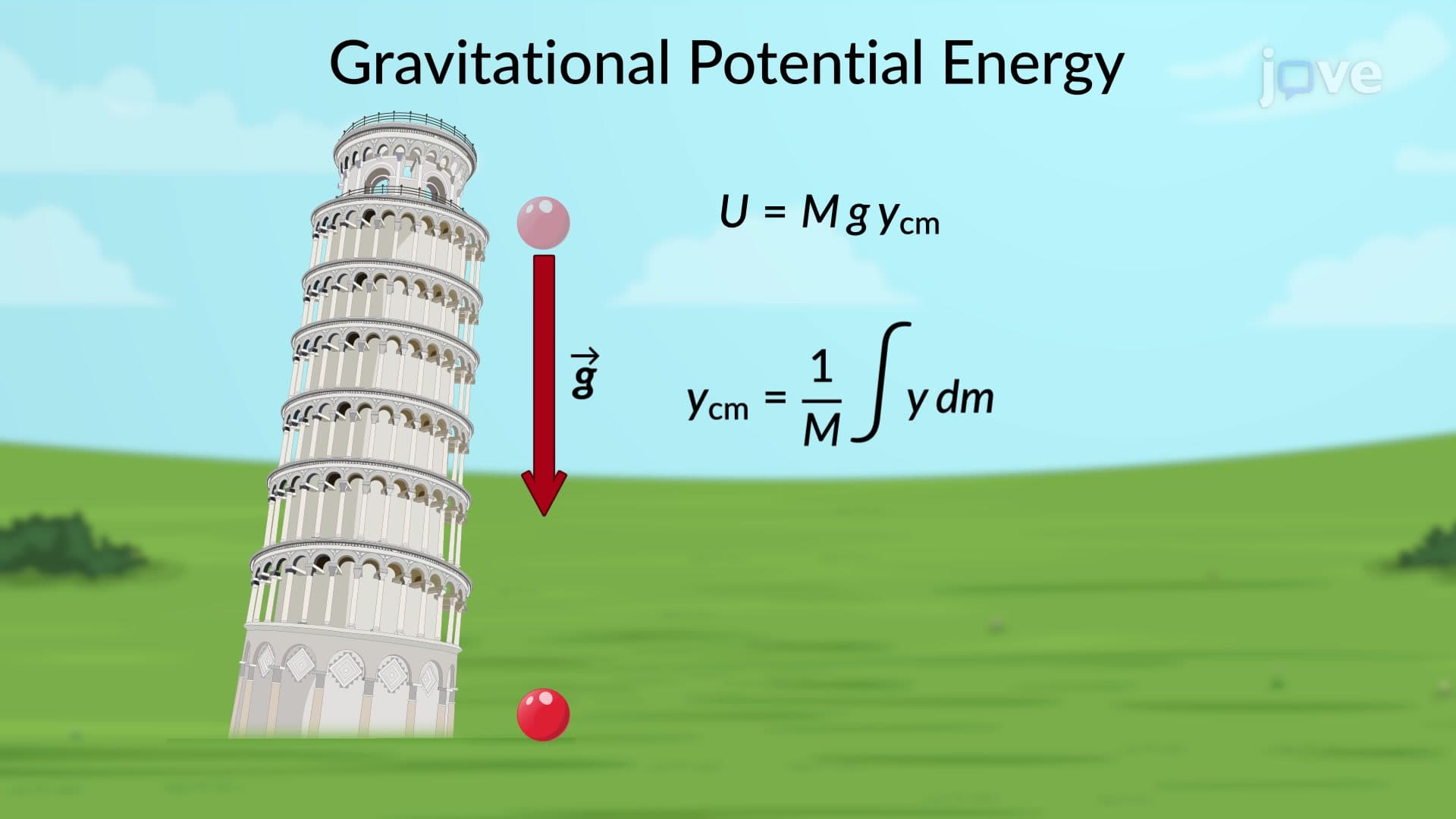
For any collection of particles, the center of mass position follows a straightforward formula: x(cm) = (m1×x1 + m2×x2 + ... + mn×xn) / (m1 + m2 + ... + mn). This mass-weighted average means heavier particles have greater influence on the center of mass location, just as a bowling ball would dominate the center of mass in a bowling ball-ping pong ball system.
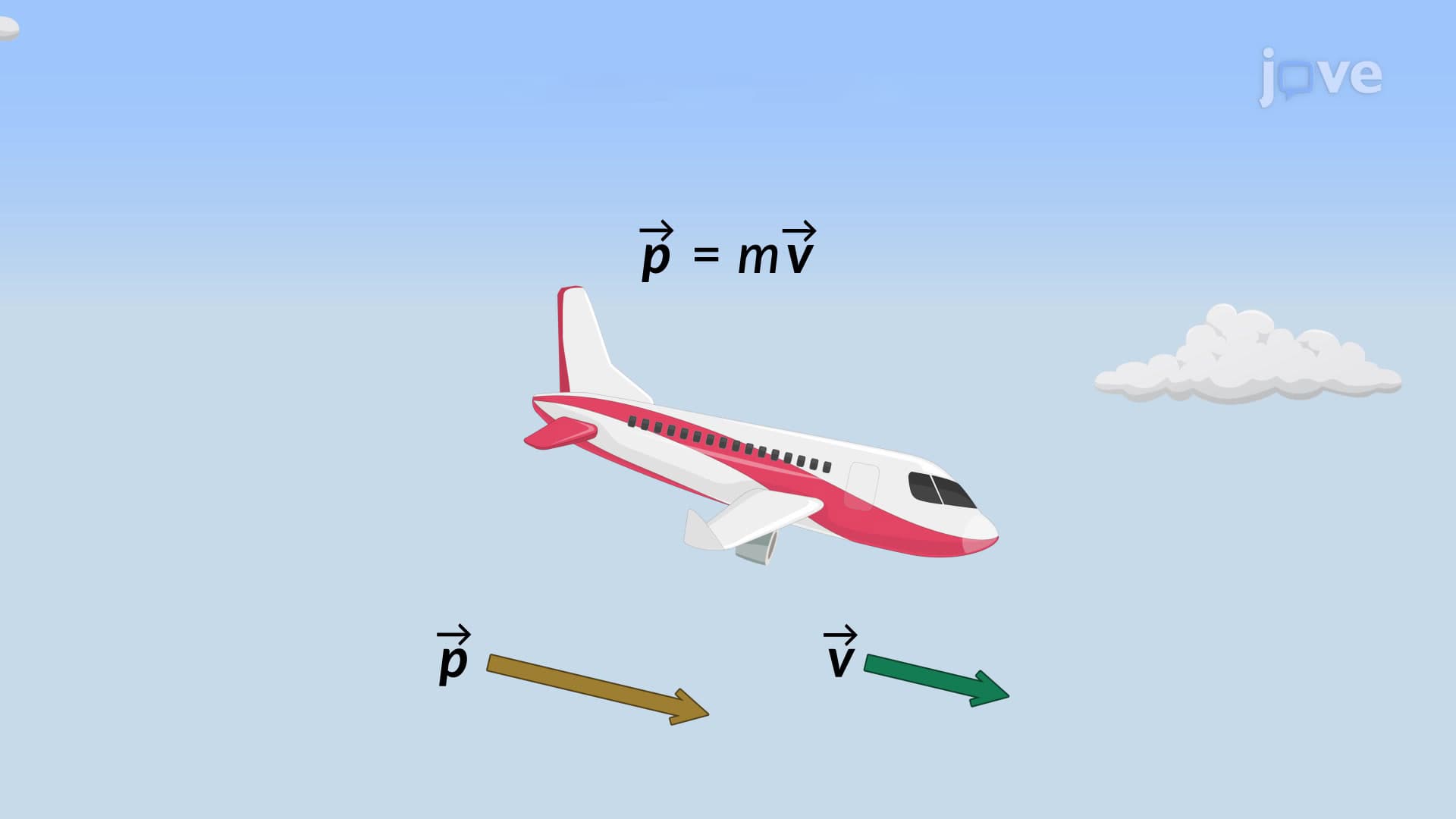
When dealing with velocity, the relationship becomes even more powerful. The center of mass velocity equals the total momentum divided by total mass: v(cm) = p(total) / m(total). This connection reveals why NASA can predict spacecraft trajectories so precisely-the center of mass moves predictably even when individual components spin or separate.
Consider a gymnast performing a complex flip routine. Despite her arms and legs moving in intricate patterns, her center of mass follows a simple parabolic path determined by gravity and her initial launch conditions. Olympic diving judges unconsciously track this principle when evaluating form and entry angles.
In automotive safety, engineers design crumple zones based on center of mass principles. During a collision, the car's center of mass continues moving forward predictably, even as different parts of the vehicle deform at varying rates. This allows safety systems to be precisely calibrated for maximum protection.
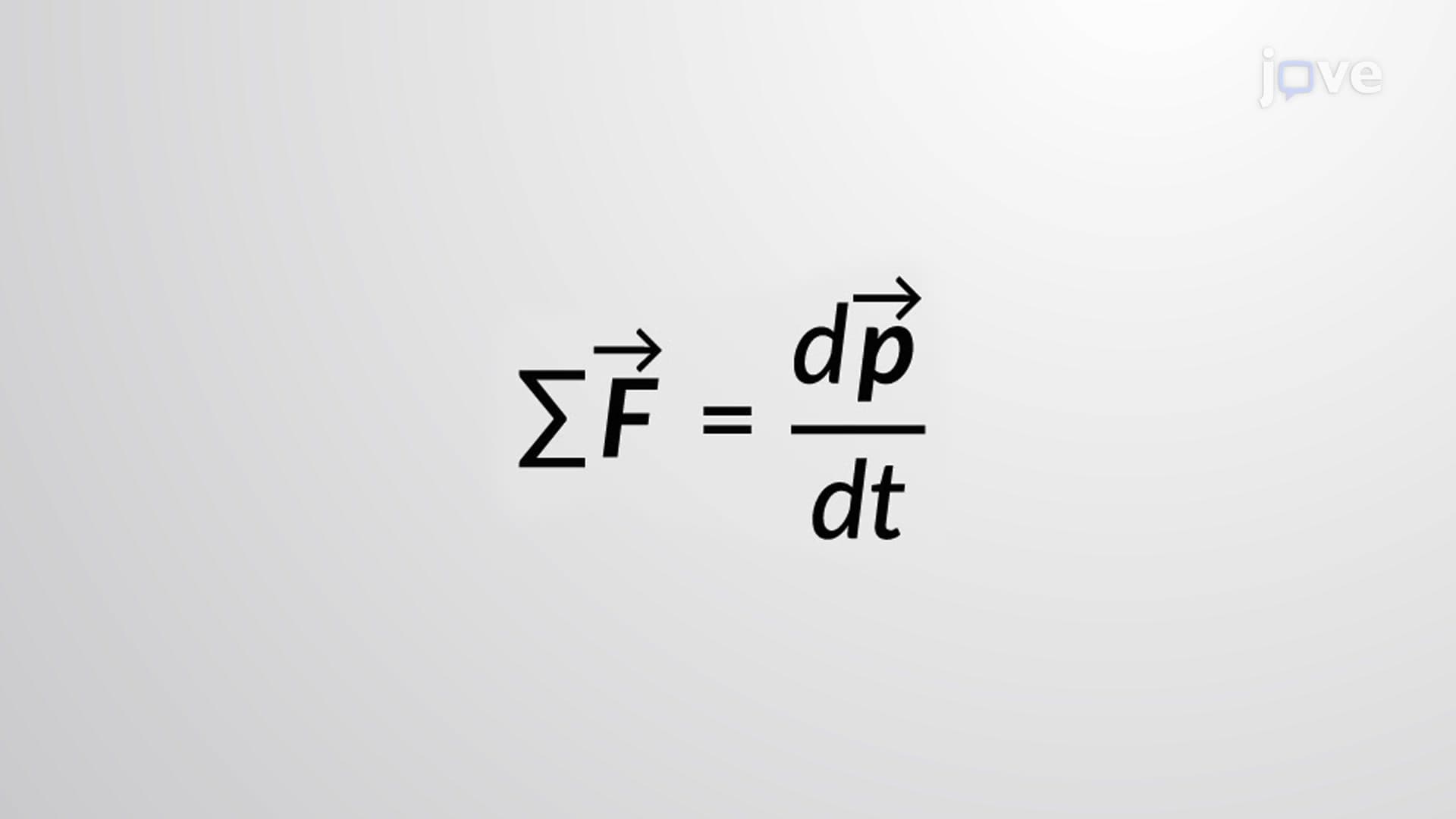
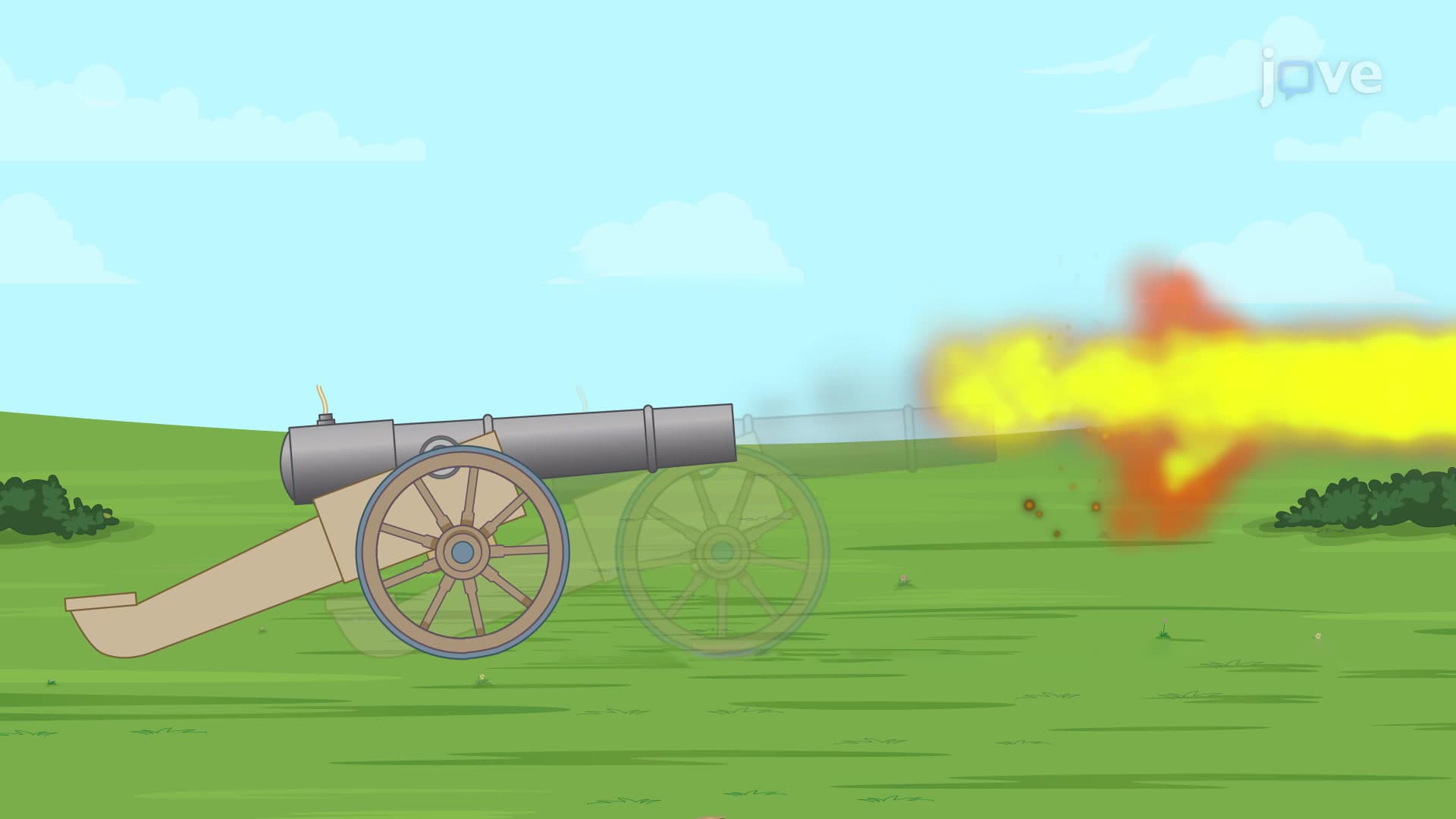
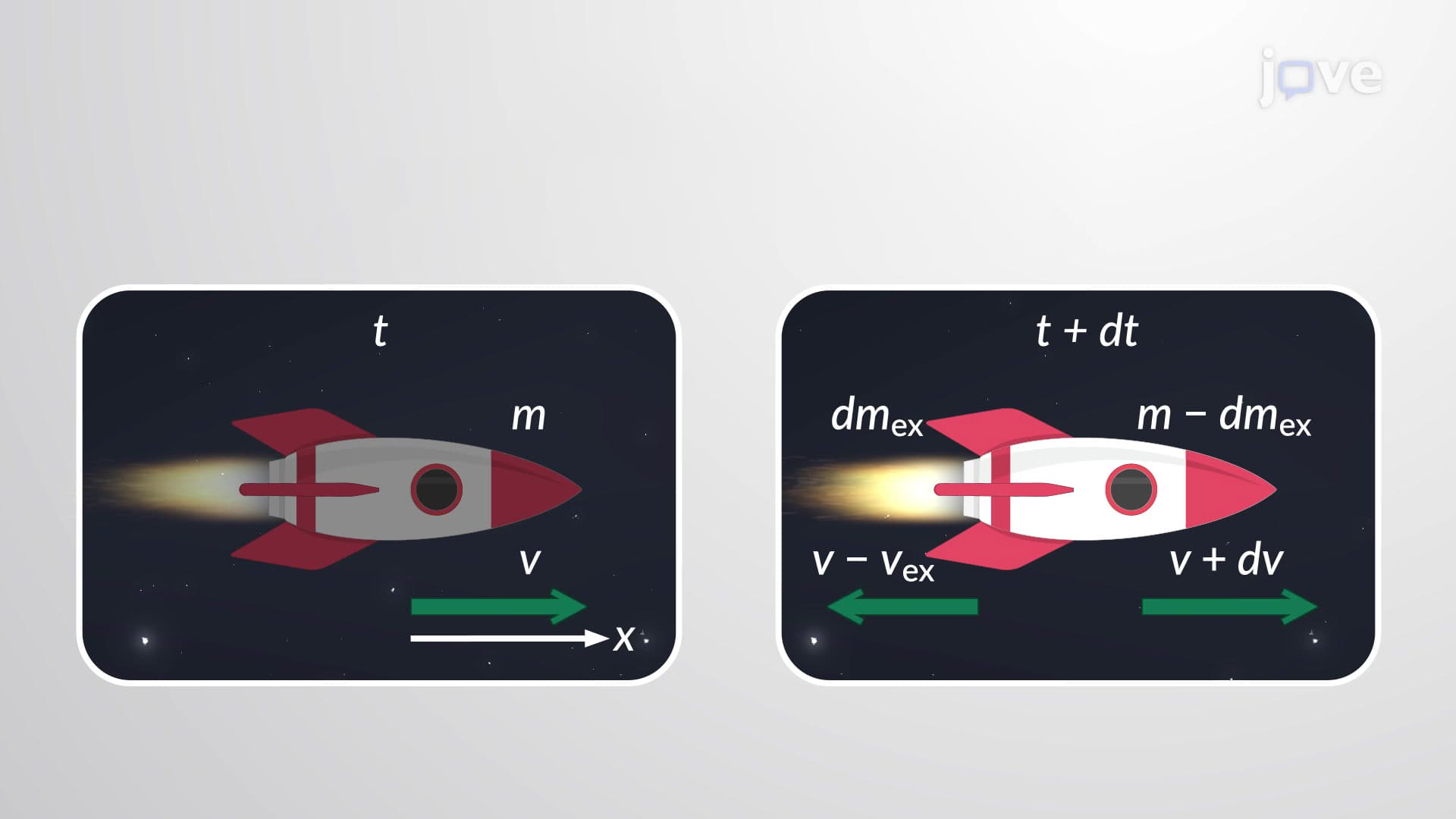
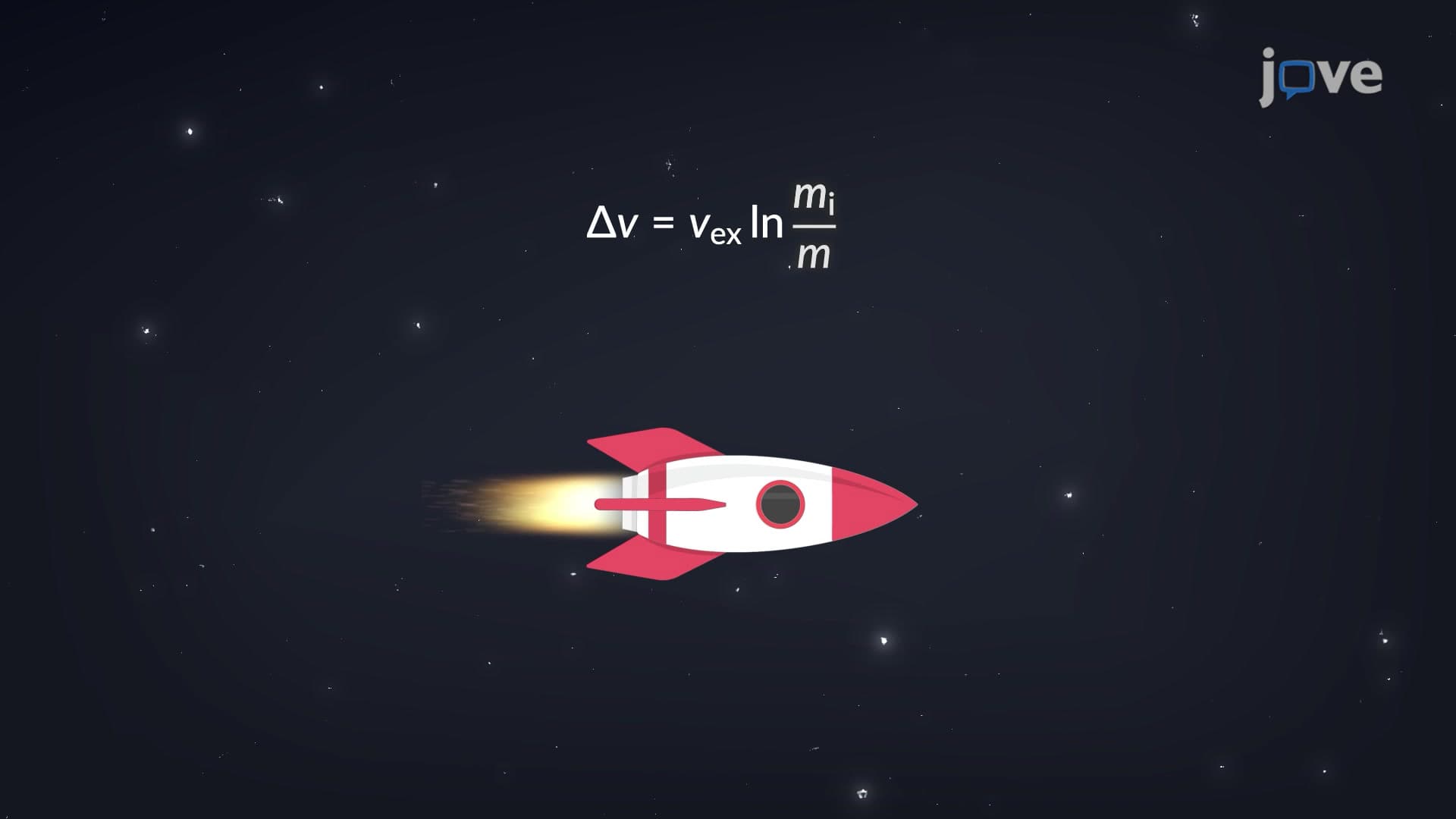
Students preparing for AP Physics exams frequently encounter center of mass problems involving exploding projectiles, colliding objects, or rocket propulsion. The key insight is recognizing that internal forces-like explosion fragments pushing against each other-cancel out completely. Only external forces like gravity or air resistance affect the center of mass motion.
The center of mass concept bridges classical mechanics with more advanced topics. In quantum mechanics, wave functions have centers of mass. In relativity, the concept extends to include energy considerations. For pre-med students preparing for the MCAT, understanding center of mass helps explain everything from molecular rotations to biomechanical leverage in human joints.
Related Micro-courses