Loading subject page…


196,003 views

Video Summary: What are Types of Collisions I
Ever wondered why airbags save lives during car crashes, or how NASA spacecraft use gravitational slingshots to reach distant planets? Understanding types of collisions i reveals the fundamental physics behind these life-saving and space-exploration technologies. In automotive safety engineering across the US, engineers design crumple zones based on collision principles to protect passengers during impacts. What are types of collisions i encompasses the study of elastic and inelastic interactions, where momentum conservation determines the outcome of every collision from molecular interactions to vehicle accidents. Watch the full video on JoVE Coach to master this concept with expert-led visuals and step-by-step explanations.
Physics collisions occur everywhere around us, from the microscopic interactions between gas molecules to the macroscopic impacts in automotive crashes. The types of collisions i classification system provides a framework for understanding how objects interact during brief contact periods. When the US National Highway Traffic Safety Administration (NHTSA) tests vehicle safety, they rely on collision physics to design protective systems that minimize injury during impacts.
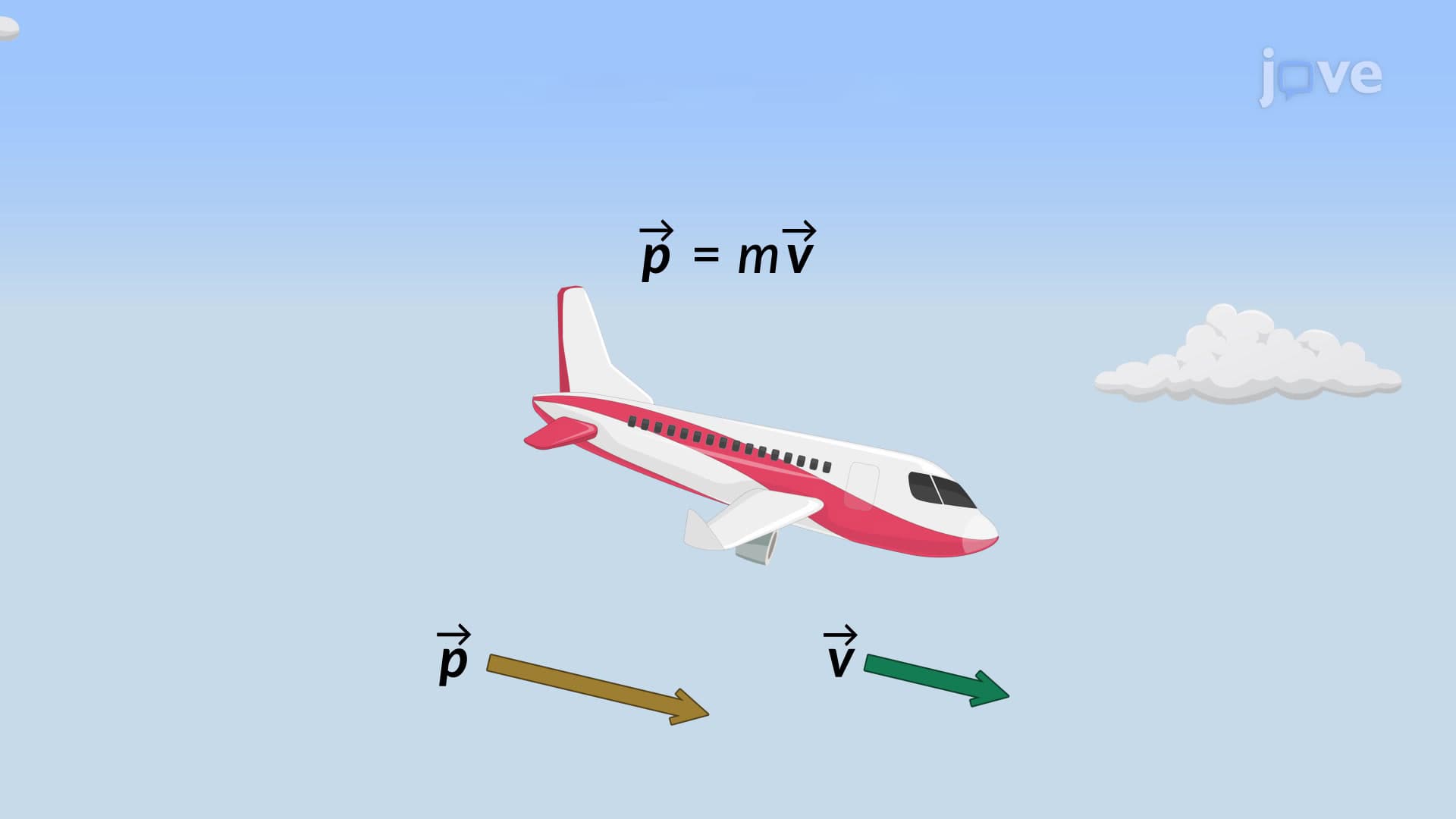
The cornerstone of collision analysis lies in momentum conservation. When objects interact without external forces-or when external forces cancel out-the total momentum before collision equals the total momentum after collision. This principle holds true whether we're examining billiard balls on a pool table in Las Vegas or studying molecular collisions in a chemistry lab at MIT. For AP Physics students, mastering momentum conservation is essential for success on both the AP Physics 1 and AP Physics C exams.
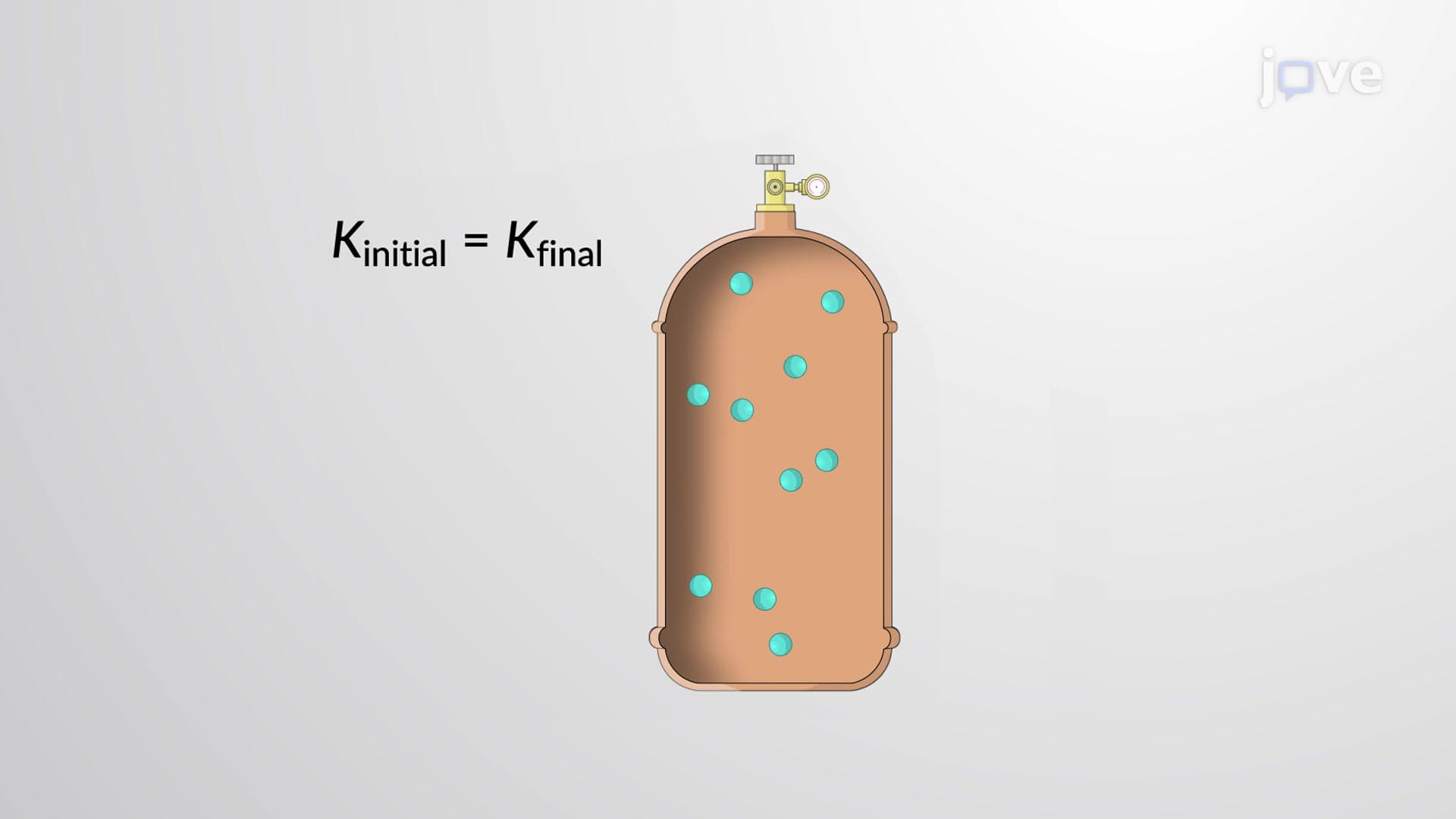
Elastic collisions represent idealized interactions where both momentum and kinetic energy remain conserved. Gas molecules in a sealed container exemplify near-perfect elastic collisions. When methane molecules collide inside natural gas pipelines across Texas, they bounce off each other with minimal energy loss. College physics courses, including those required for pre-med students preparing for the MCAT, emphasize elastic collision calculations because they demonstrate fundamental conservation laws clearly.
While elastic collisions provide theoretical insight, most real-world collisions involve energy transformation. Inelastic collisions conserve momentum but convert kinetic energy into other forms-heat, sound, or deformation energy. Vehicle crash tests conducted by automotive manufacturers in Detroit demonstrate perfectly inelastic collisions, where vehicles crumple and stick together, converting kinetic energy into the work needed to deform metal structures. Understanding this energy conversion helps engineers design safer vehicles and protective equipment used by NFL players during tackles.
Related Micro-courses