Loading subject page…


196,004 views


Video Summary: What are Types of Collisions Ii
Ever wonder why car crashes produce different outcomes despite similar speeds? The answer lies in understanding types of collisions II and how energy behaves during impact. When NASA's DART mission deliberately crashed into asteroid Dimorphos in 2022, it demonstrated a perfectly inelastic collision where both objects remained together post-impact. What are types of collisions II explores how collisions vary based on kinetic energy changes-from inelastic collisions that lose energy to explosive reactions that gain it. Watch the full video on JoVE Coach to master this concept with expert-led visuals and step-by-step explanations.
When studying collision physics, types of collisions II focuses specifically on how kinetic energy changes during particle interactions. Unlike the basic momentum-based classification, this advanced framework examines energy transformations that occur when objects collide, providing crucial insights for AP Physics students and college-level mechanics courses.
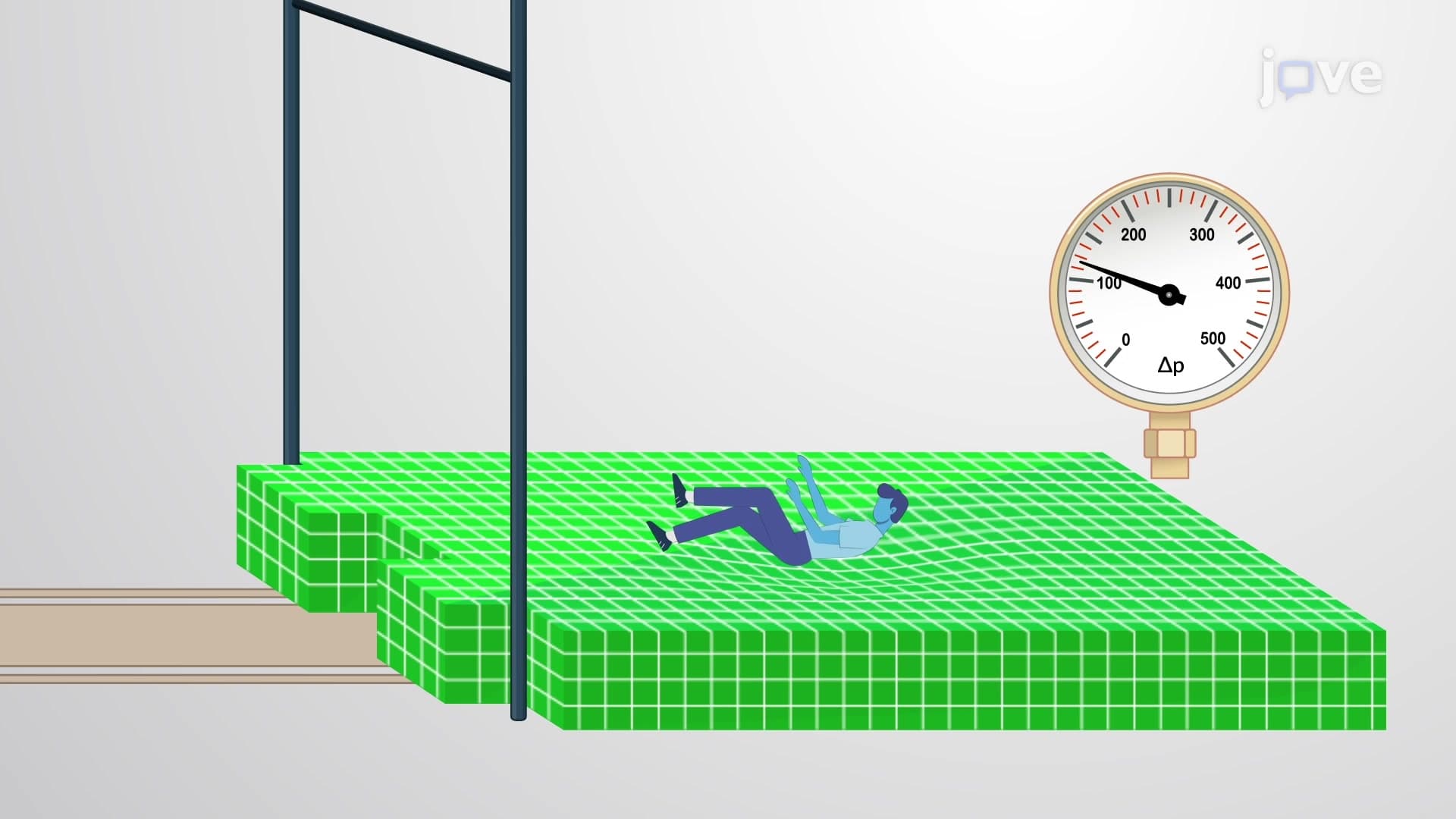
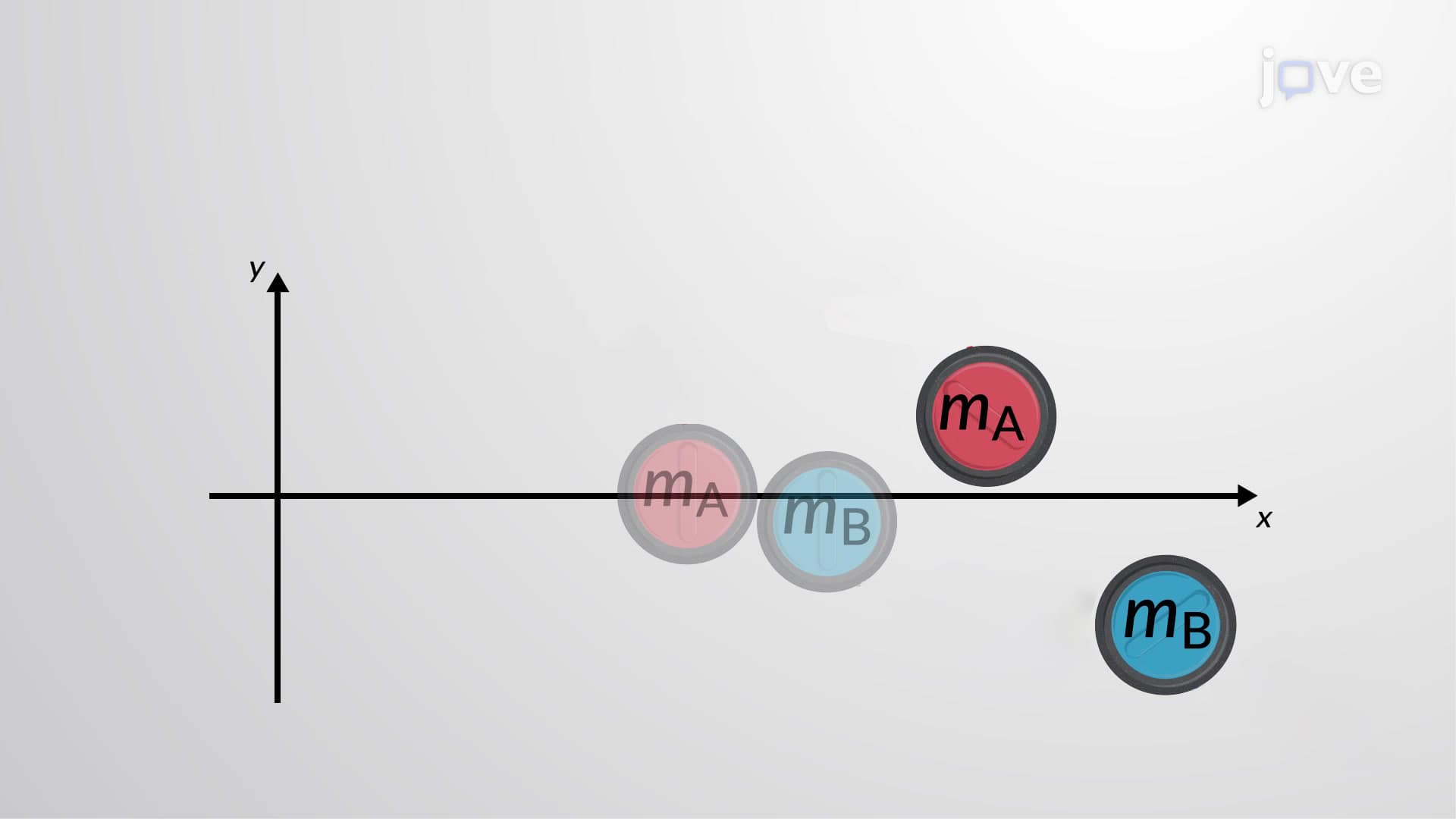
In inelastic collisions, the system's total kinetic energy decreases after impact. This energy doesn't vanish-it transforms into other forms like heat, sound, or deformation energy. Consider automotive crash testing at facilities like the Insurance Institute for Highway Safety (IIHS) in Virginia. When a test vehicle strikes a barrier at 40 mph, the crumpled metal, deployed airbags, and heat generated all represent kinetic energy conversion.
The mathematical relationship follows: KE(initial) > KE(final), while momentum remains conserved. Students preparing for the MCAT Physics section frequently encounter problems involving asteroid impacts, where space debris loses kinetic energy through crater formation and heat generation upon striking planetary surfaces.
Perfectly inelastic collisions represent the extreme case where colliding objects stick together, resulting in maximum kinetic energy loss while maintaining momentum conservation. NASA's Deep Impact mission exemplified this when the impactor spacecraft collided with comet Tempel 1 in 2005, creating a crater while the objects remained together.
For college physics students, these scenarios appear in problems involving ballistic pendulums or clay ball experiments. The key insight: when objects unite post-collision, they move with identical final velocities, making calculations more straightforward for SAT Subject Test Physics problems.
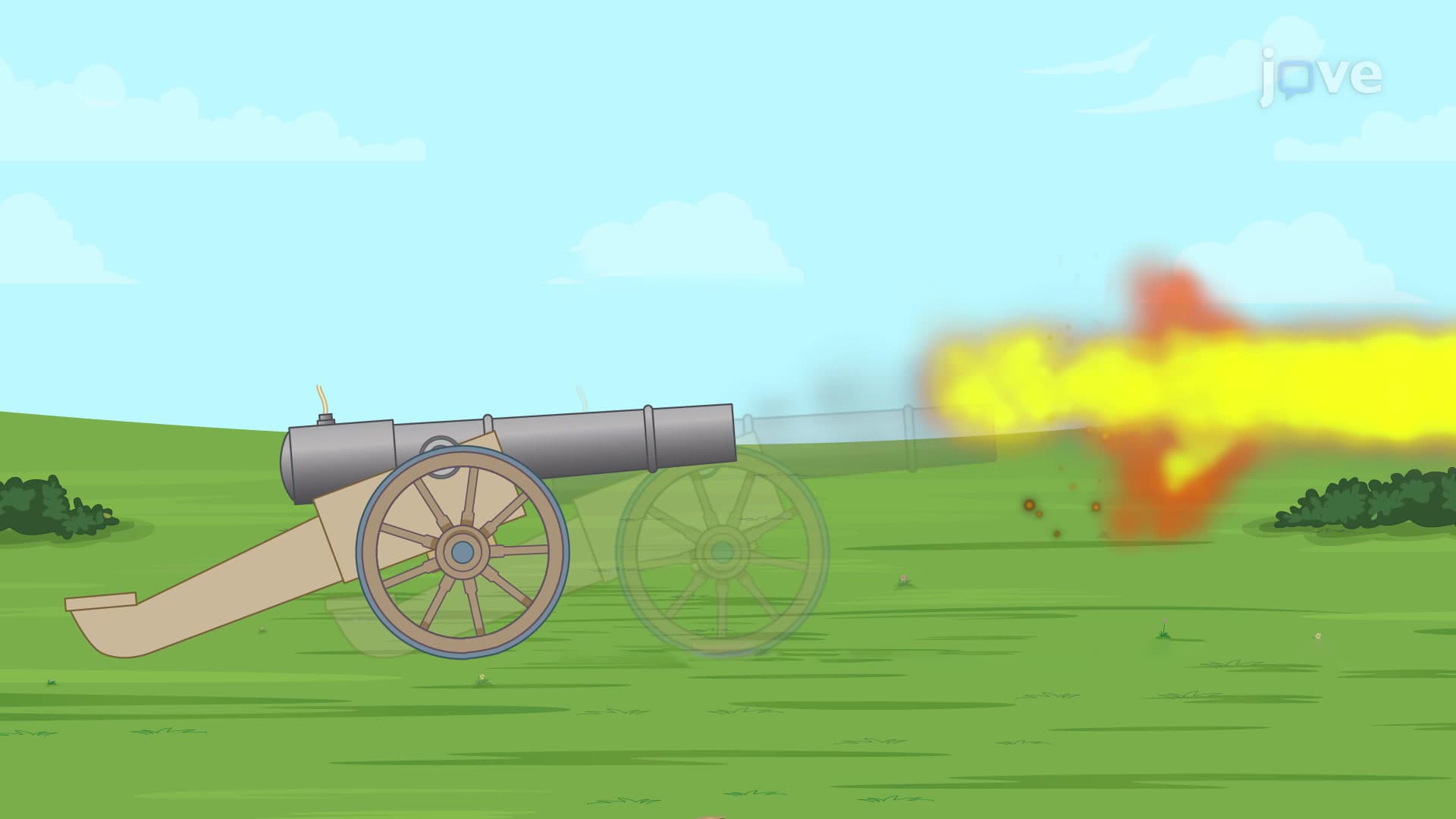
Unlike inelastic collisions, explosions increase a system's kinetic energy through chemical potential energy conversion. When SpaceX conducts controlled explosive bolt separations during rocket staging, chemical energy rapidly converts to kinetic energy, propelling components in opposite directions.
This concept proves essential for students tackling AP Chemistry connections to physics, where understanding energy transformations helps explain everything from fireworks displays to automotive airbag deployment mechanisms used in vehicles across American highways.
Related Micro-courses