Loading subject page…


196,004 views


Video Summary: What Is Conservation of Momentum Introduction
Ever wonder why a NASCAR driver experiences such devastating forces during a crash, even when wearing safety gear? The conservation of momentum introduction explains this phenomenon through one of physics' most fundamental principles. When a 3,400-pound stock car traveling at 180 mph collides with a concrete barrier at Daytona International Speedway, the total momentum before and after impact remains constant, but the dramatic transfer of momentum creates the massive forces involved. What is Conservation of Momentum Introduction reveals how this universal law governs everything from billiard balls to spacecraft launches. Watch the full video on JoVE Coach to master this concept with expert-led visuals and step-by-step explanations.
The conservation of momentum introduction serves as a gateway to understanding one of physics' most powerful and universal principles. This fundamental concept reveals that in any closed system-whether it's colliding hockey pucks on ice or merging galaxies in space-the total momentum remains constant regardless of how dramatically individual objects within that system change their motion.
At its core, momentum conservation stems from Newton's third law of action and reaction. When a 200-pound linebacker tackles a 180-pound running back during an NFL game, both players experience equal and opposite forces. The linebacker's momentum decreases while the running back's momentum changes direction, but their combined momentum vector remains constant throughout the collision.
This principle requires two essential conditions: first, the system's total mass must remain unchanged during the interaction, and second, no net external forces can act on the system. These conditions define what physicists call a "closed system"-an idealized concept that, while rarely perfect in reality, provides excellent approximations for many real-world scenarios.
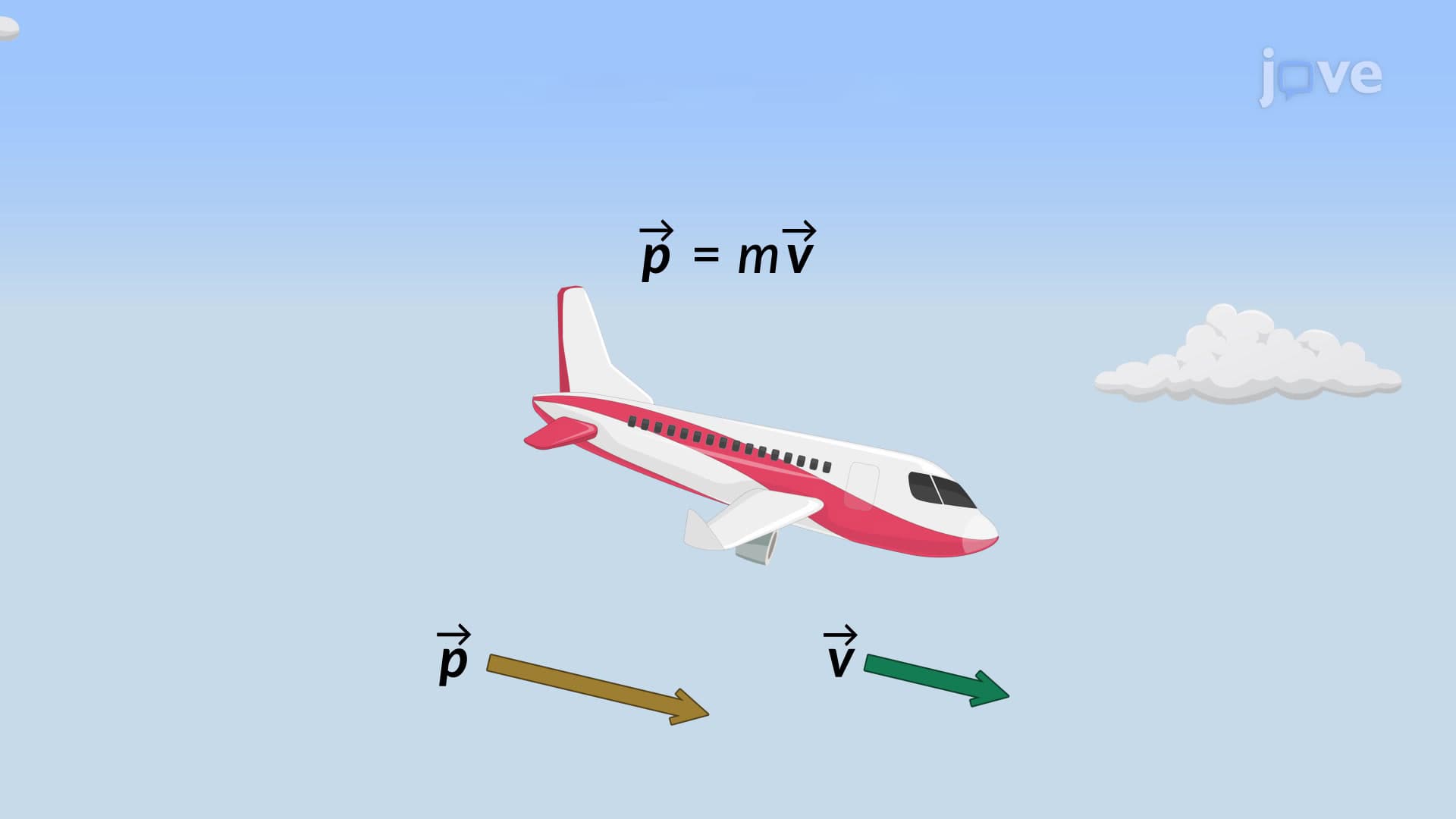
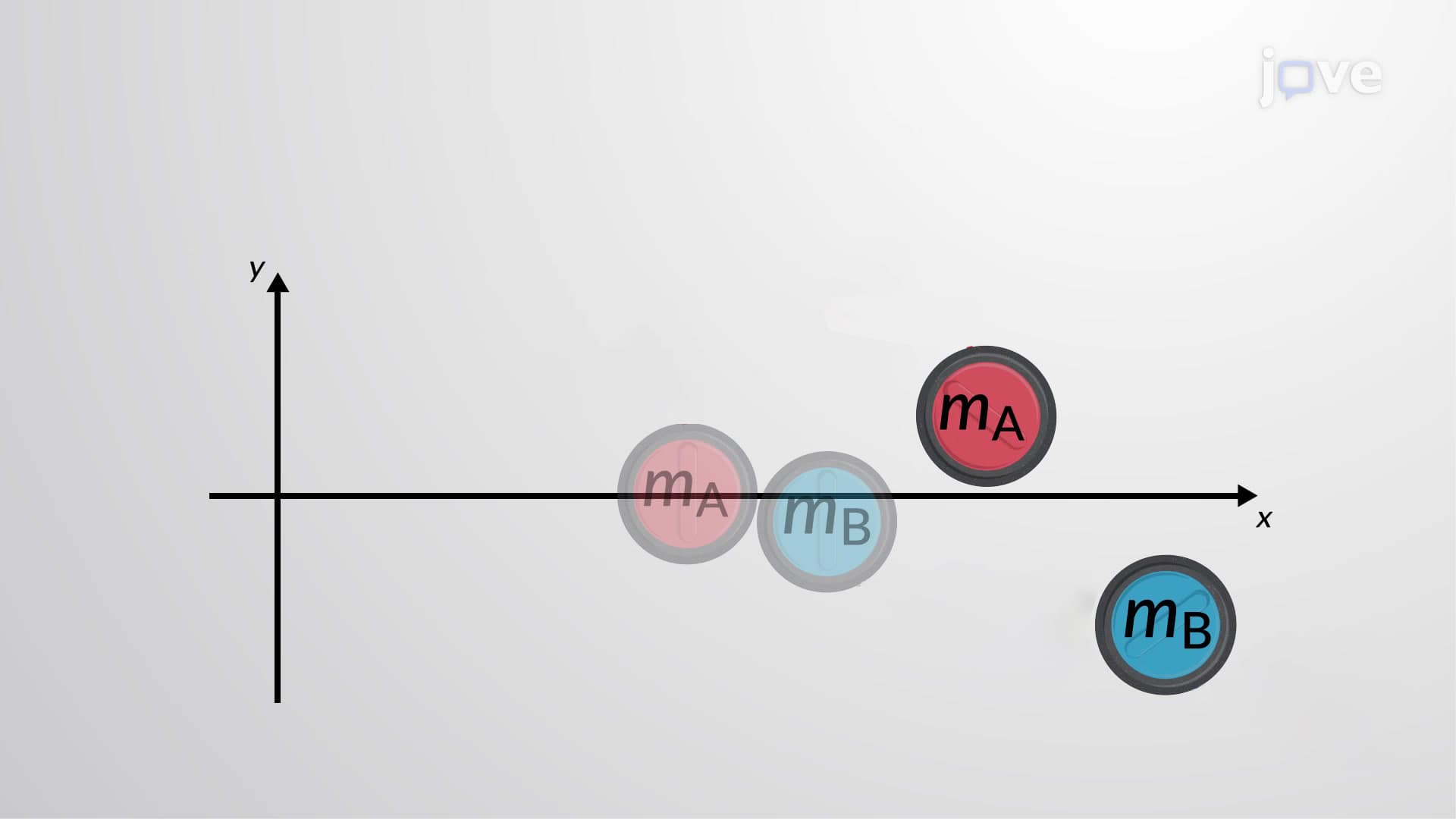
The conservation of momentum follows the equation: momentum initial = momentum final, or m1 × v1 + m2 × v2 = m1 × v1' + m2 × v2'. This relationship proves invaluable in AP Physics courses, where students analyze everything from elastic collisions between air hockey pucks to inelastic crashes between railroad cars.
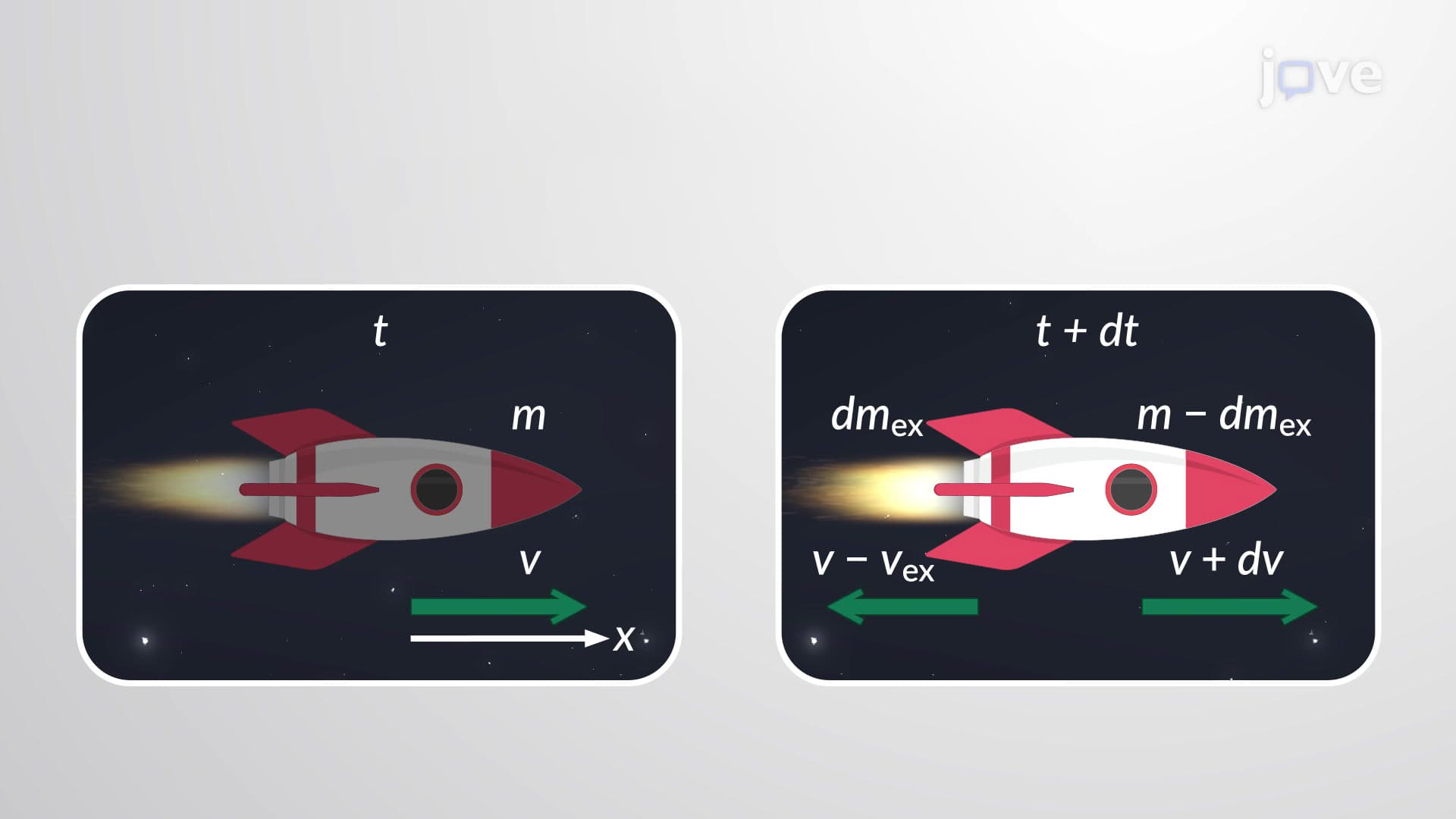
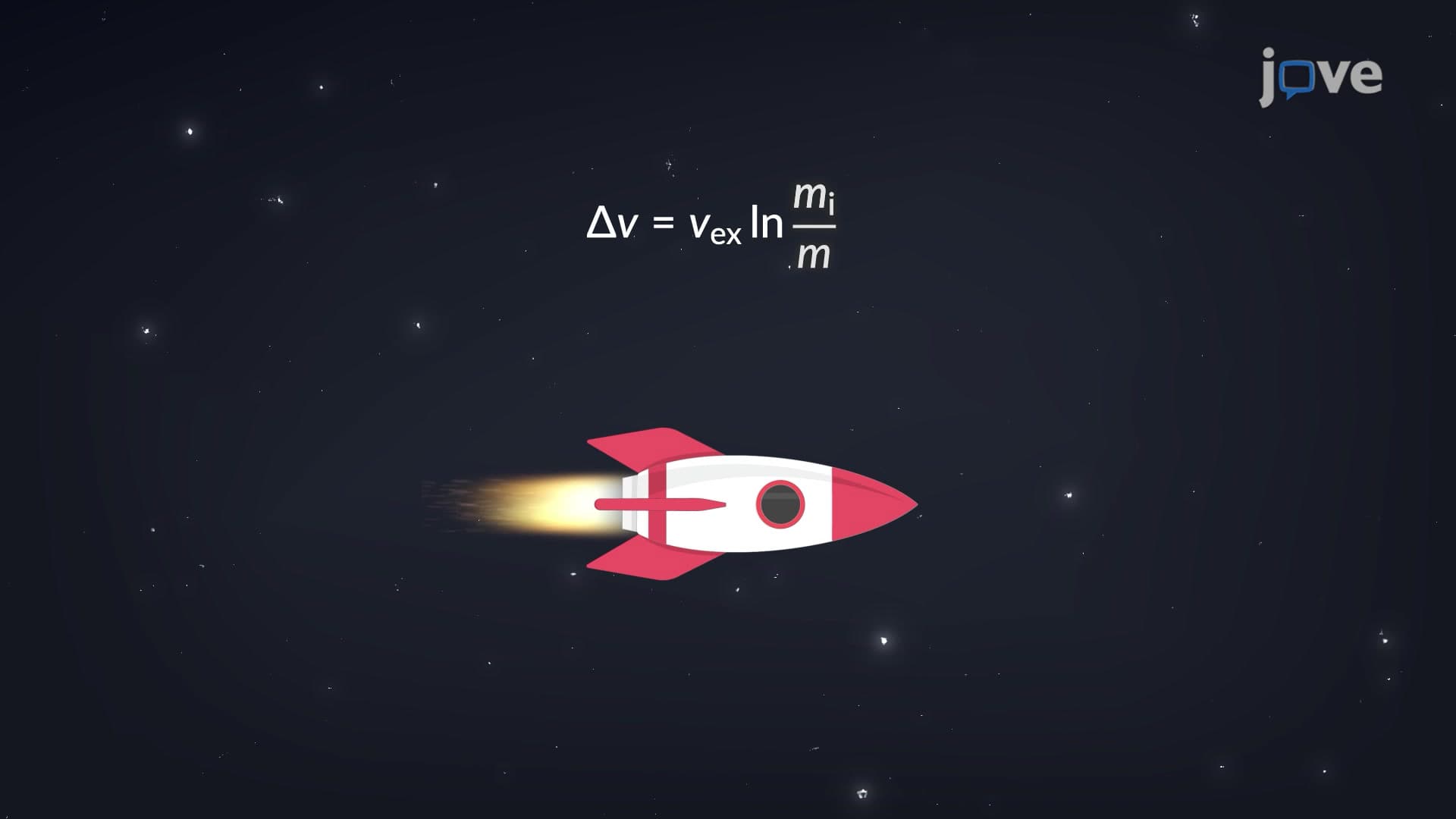
Consider a practical example: when SpaceX launches a Falcon 9 rocket from Cape Canaveral, the spacecraft gains upward momentum while the expelled exhaust gases gain downward momentum. The total momentum of the rocket-fuel system remains zero, demonstrating conservation on a massive scale.
Understanding momentum conservation proves crucial for students preparing for standardized tests like the AP Physics exam, SAT Subject Tests, and college-level assessments. The concept frequently appears in multiple-choice questions involving collision analysis and in free-response problems requiring mathematical calculations of final velocities.
Beyond academic success, this principle underlies technologies from airbag deployment systems to satellite orbital mechanics. Engineers at NASA's Johnson Space Center in Houston routinely apply momentum conservation when planning spacecraft trajectories and orbital maneuvers, making this seemingly abstract concept profoundly practical for America's space program.
Related Micro-courses