Loading subject page…

- Physics
- Linear Momentum, Impulse and Collisions
- Elastic Collisions: Case Study
Micro-course: Linear Momentum, Impulse and Collisions
196,000 views
Learn key concepts and earn your certificate.




Elastic Collisions: Case Study

00:00
01:15
Video Summary: What Is Elastic Collisions Case Study
Ever wonder why professional pool players can predict exactly where balls will go after impact? An elastic collisions case study reveals the physics behind these precise interactions, where both momentum and kinetic energy remain perfectly conserved. Consider NASA's spacecraft trajectory calculations during planetary flybys-engineers use the same principles demonstrated when studying marble collisions in physics labs across American high schools. What is Elastic Collisions Case Study becomes clear through systematic analysis of how objects transfer energy and momentum during impact. Watch the full video on JoVE Coach to master this concept with expert-led visuals and step-by-step explanations.
- Understand What is Elastic Collisions Case Study and how conservation laws govern collision outcomes
- Identify the mathematical relationships between initial and final velocities in one-dimensional elastic collisions
- Analyze momentum and kinetic energy conservation equations to solve collision problems systematically
- Compare collision outcomes when objects have equal masses versus different mass ratios
- Evaluate how mass differences affect post-collision velocities and energy distribution patterns
- Apply elastic collision principles to predict motion in real-world scenarios like sports and transportation
- Recognize the significance of relative velocity relationships before and after elastic impacts
- Explore advanced collision scenarios involving multiple objects and complex mass configurations
Understanding What is Elastic Collisions Case Study
An elastic collisions case study provides a comprehensive framework for analyzing interactions where objects collide and separate without losing kinetic energy to heat, sound, or deformation. This fundamental physics concept serves as the foundation for understanding more complex collision scenarios in engineering, sports science, and space exploration.
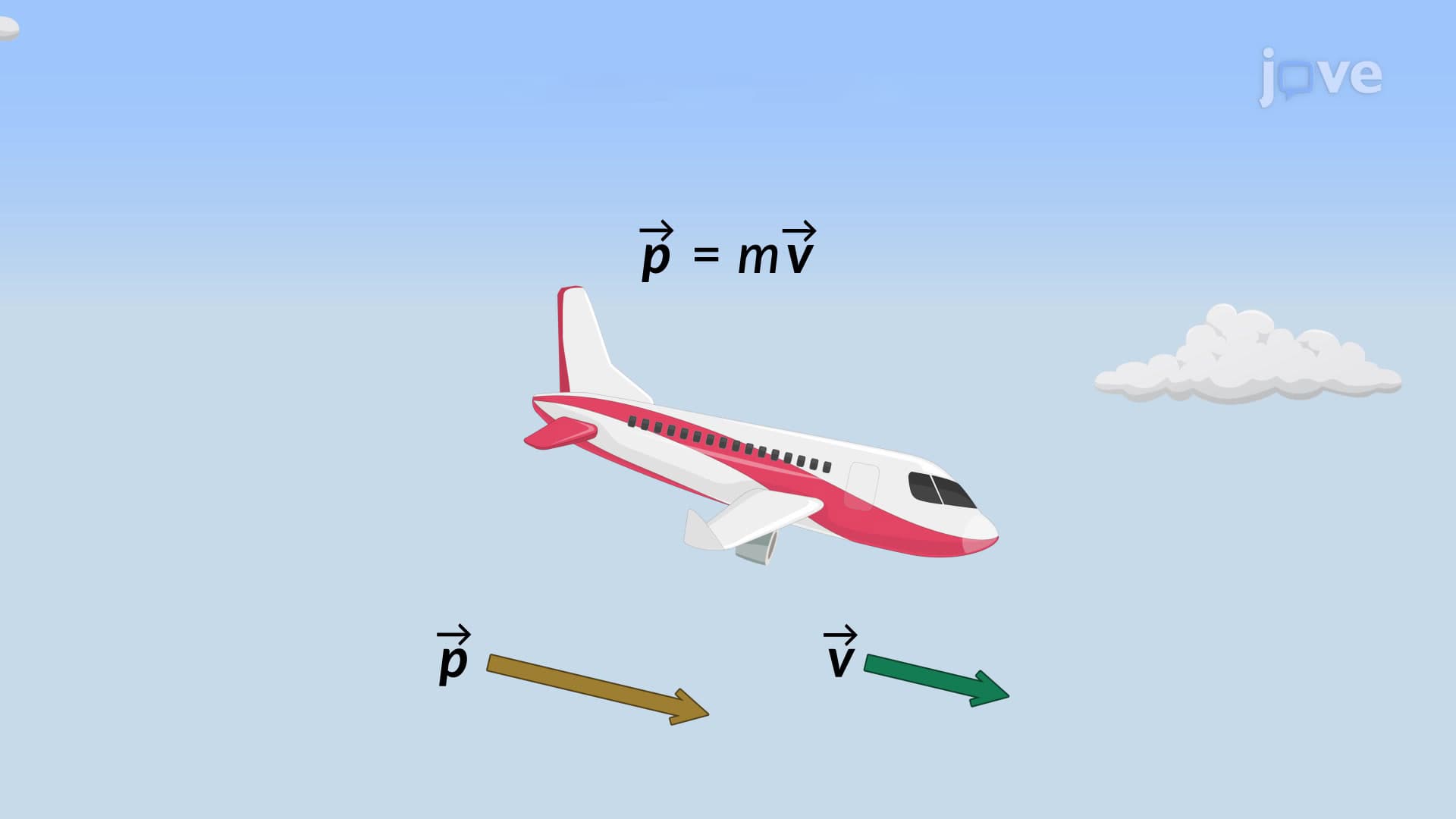
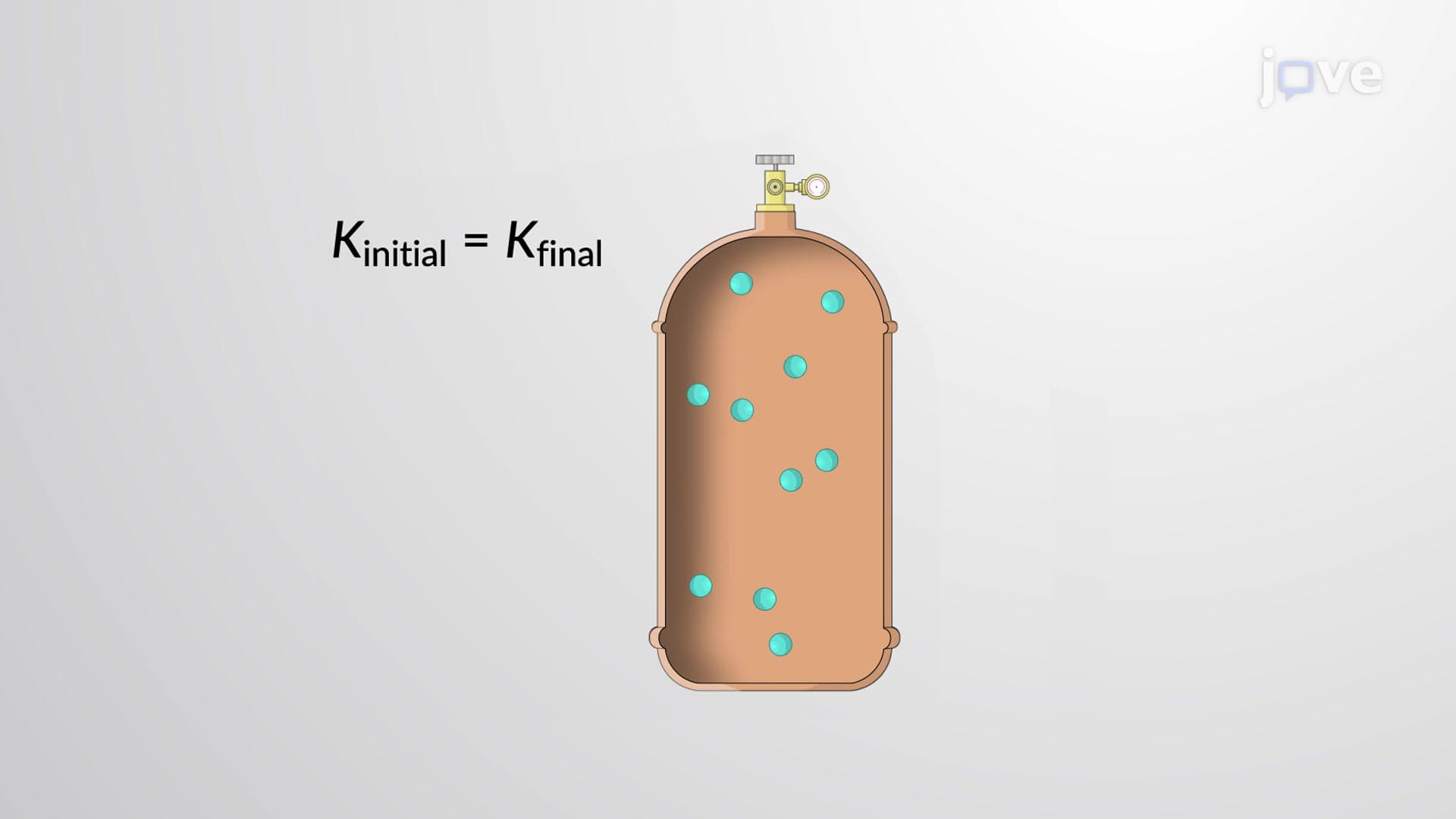
The mathematical beauty of elastic collisions lies in two conservation principles working simultaneously: conservation of momentum (p = mv) and conservation of kinetic energy (KE = 1/2 mv²). These dual constraints create a system of equations that uniquely determines post-collision velocities for any given initial conditions.
Mathematical Framework and Mass Relationships
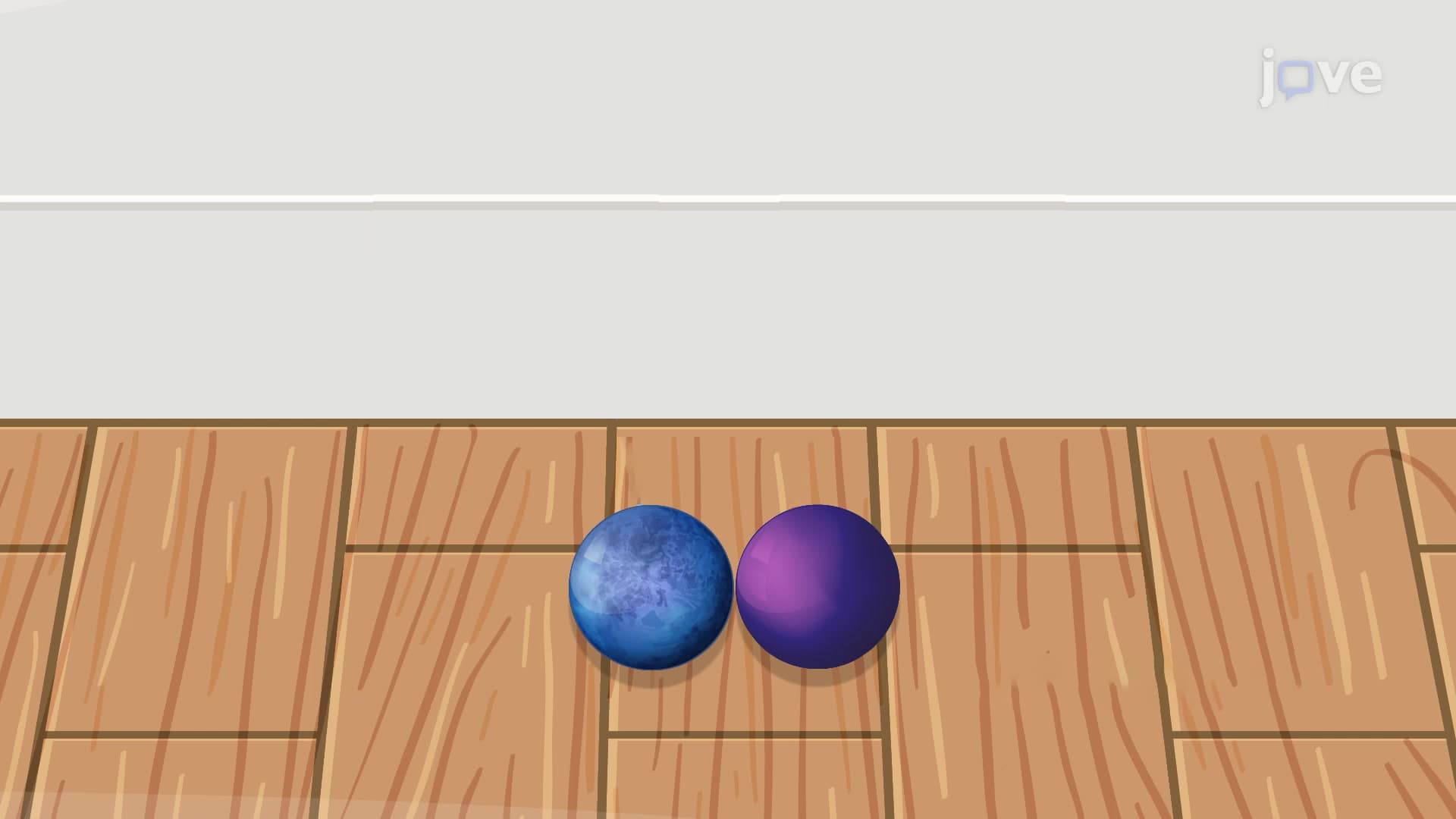
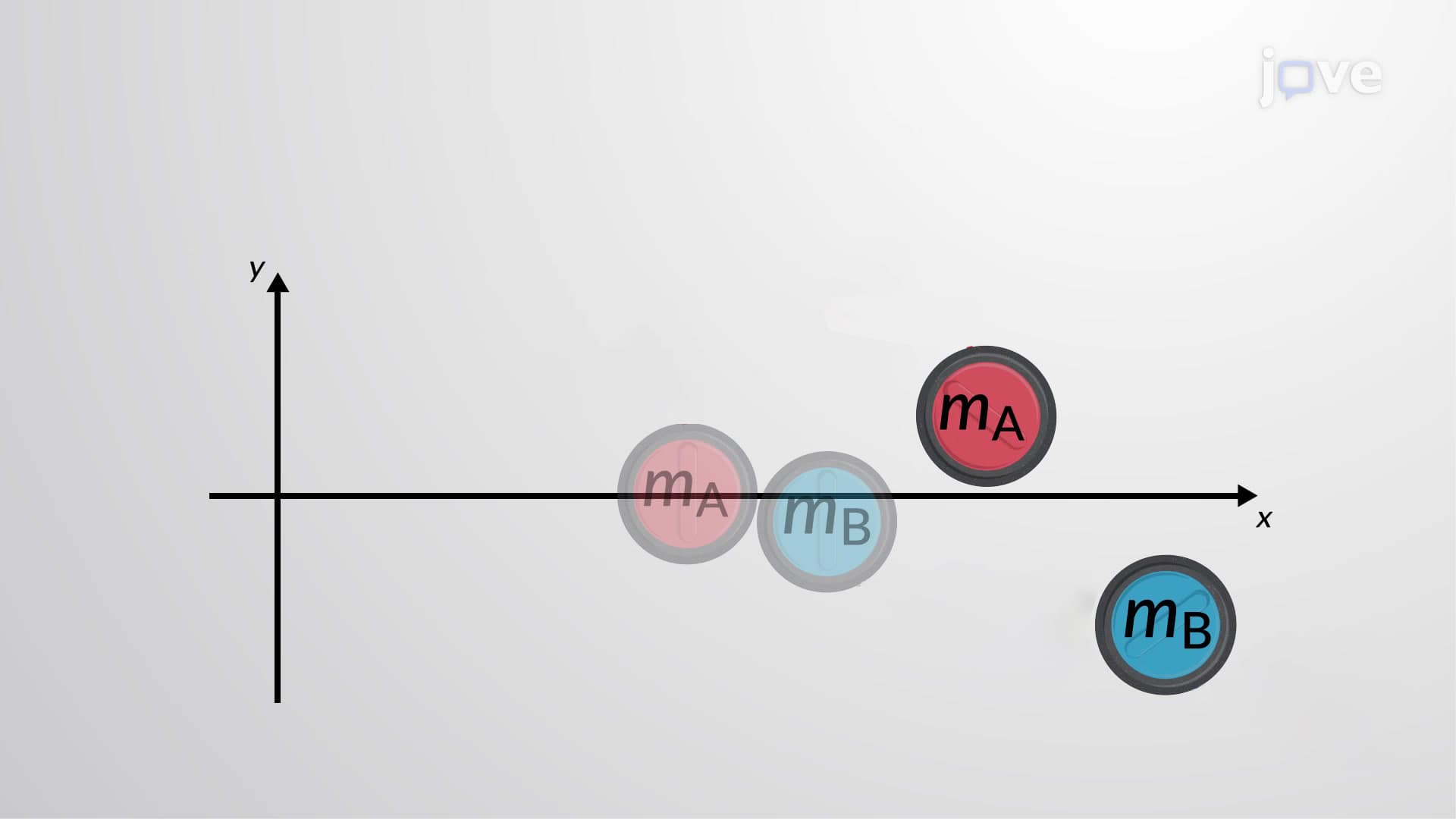
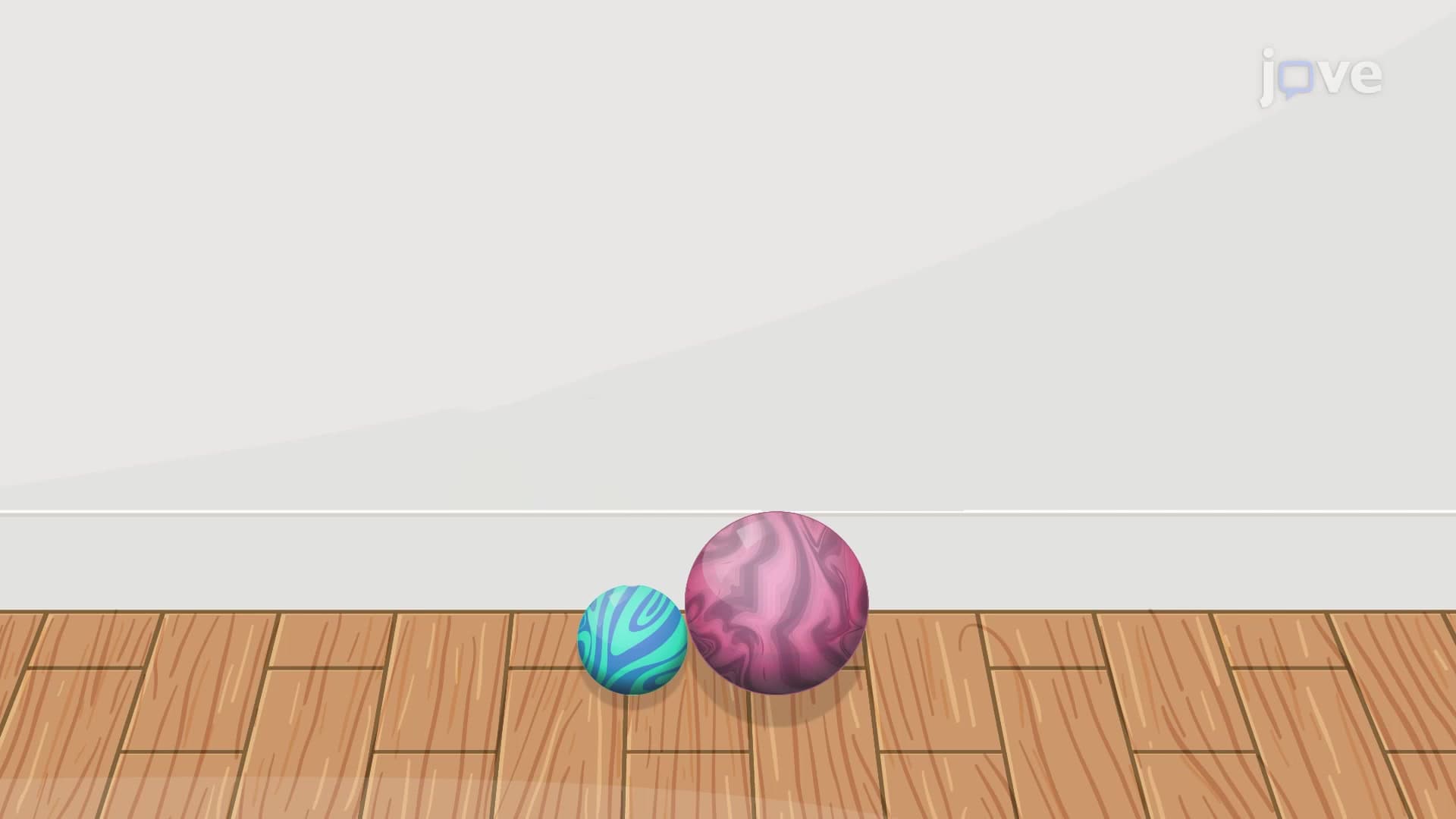
When analyzing marble collisions in laboratory settings, students encounter three distinct scenarios based on mass relationships. In equal-mass collisions, the moving marble transfers all its momentum to the stationary target, coming to a complete stop while the target marble continues with the original velocity-a phenomenon clearly demonstrated in Newton's cradle demonstrations common in American science museums.
For collisions involving different masses, the outcomes become more nuanced. When a lighter object strikes a heavier stationary target, the lighter object rebounds with nearly its original speed but in the opposite direction, while the heavier object gains minimal velocity. Conversely, when a heavier object strikes a lighter stationary target, the heavy object barely slows down while the light object accelerates to speeds exceeding the original impact velocity.
Real-World Applications and Academic Relevance
These principles appear frequently on standardized tests including the AP Physics 1 exam and MCAT physical sciences section. Students at institutions like MIT and Caltech apply these concepts in advanced mechanics courses, while high school physics teachers across America use marble collision experiments to demonstrate conservation laws.
Professional applications extend from automotive safety testing-where engineers analyze crash scenarios-to NASA mission planning for spacecraft gravitational slingshot maneuvers around planets. The elastic collision model provides baseline calculations for more complex real-world interactions where some energy loss occurs.
Problem-Solving Strategies
Successful problem-solving requires systematic application of conservation equations. Students should always identify initial conditions, apply momentum conservation (m₁v₁ᵢ + m₂v₂ᵢ = m₁v₁f + m₂v₂f), then apply energy conservation (1/2 m₁v₁ᵢ² + 1/2 m₂v₂ᵢ² = 1/2 m₁v₁f² + 1/2 m₂v₂f²). This methodical approach ensures accurate solutions and builds conceptual understanding essential for advanced physics coursework.
Frequently Asked Questions
An elastic collisions case study examines interactions where both momentum and kinetic energy are conserved during impact. Unlike inelastic collisions where objects stick together or lose energy, elastic collisions maintain total system energy while allowing complete analysis through mathematical modeling. This makes them ideal for teaching fundamental physics principles in American high schools and colleges.
AP Physics 1 typically includes 2-3 collision problems requiring conservation law applications. Students must analyze before-and-after scenarios, calculate final velocities, and sometimes determine whether collisions are elastic or inelastic based on energy calculations. Practice with marble collision case studies provides excellent preparation for these standardized test questions.
No advanced mathematics beyond algebra is required for basic elastic collision analysis. The core concepts use simple conservation equations that high school students can master with consistent practice. Most American physics textbooks introduce these topics using straightforward mathematical relationships accessible to students in grades 9-12.
While true elastic collisions rarely occur in vehicle accidents, the principles help engineers design safer car bumpers and analyze crash test data. Understanding momentum transfer helps predict injury risks and optimize protective systems. NASCAR engineers also use these calculations to analyze high-speed impacts on superspeedways like Daytona and Talladega.
Focus on understanding the physical meaning rather than rote memorization. Remember that momentum always conserves (what goes in must come out) and energy conserves in elastic collisions (no energy disappears). Practice solving problems step-by-step, starting with momentum conservation, then applying energy conservation to find unique solutions.
MCAT physics sections often include collision problems in biological contexts, such as analyzing molecular interactions or biomechanical impacts. Understanding elastic collision principles provides the foundation for more complex scenarios involving protein folding, drug-receptor binding, and cardiovascular fluid dynamics that appear in medical school admissions testing.
Progress to two-dimensional collisions, inelastic collision analysis, and rotational collision scenarios. Advanced topics include coefficient of restitution, oblique impacts, and collision analysis in relativity. These concepts prepare students for upper-level physics courses at universities like Stanford and University of California system schools.
Related Micro-courses

14 Concepts
14 Concepts

12 Concepts