Loading subject page…


196,000 views

Video Summary: What Is Force and Momentum
Ever wonder why a bowling ball moving slowly can knock down pins more effectively than a tennis ball moving fast? The answer lies in understanding force and momentum, two fundamental physics concepts that govern motion in everything from NFL tackles to NASA rocket launches. A shot put with nine times the mass of a javelin but one-third its velocity actually carries greater momentum, making it harder to stop despite moving slower. This demonstrates how both mass and velocity determine an object's resistance to stopping. Watch the full video on JoVE Coach to master this concept with expert-led visuals and step-by-step explanations.
Force and momentum represent two of the most crucial concepts in classical mechanics, forming the foundation for understanding motion in everything from car crashes to space exploration. While force describes the push or pull acting on an object, momentum quantifies an object's "quantity of motion" - essentially how difficult it is to stop a moving object.
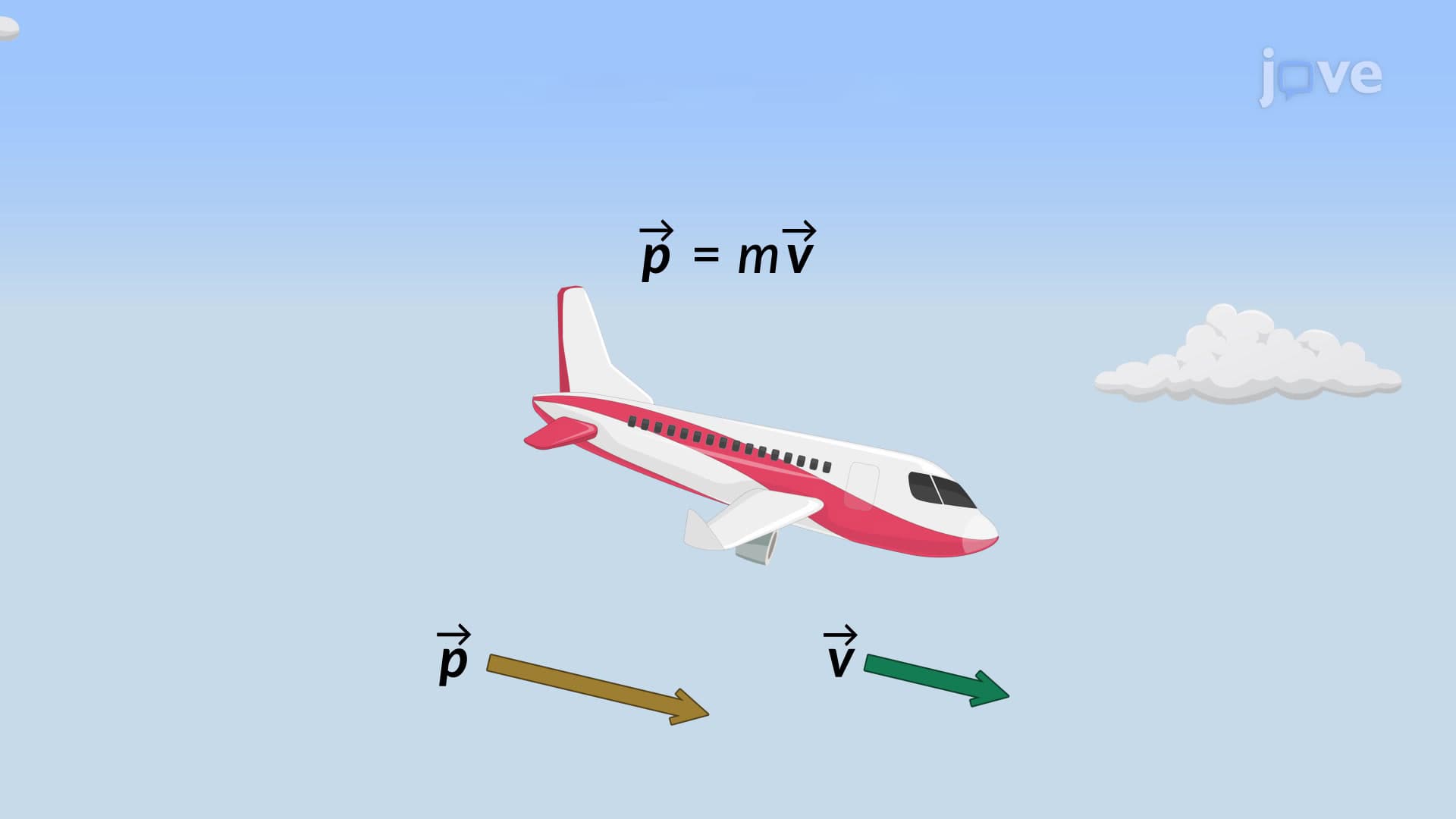
Momentum is calculated as p = mv, where p represents momentum, m is mass, and v is velocity. This deceptively simple equation reveals why a slow-moving freight train is far more dangerous than a speeding baseball. The train's enormous mass compensates for its lower velocity, resulting in tremendous momentum that requires massive forces to change.
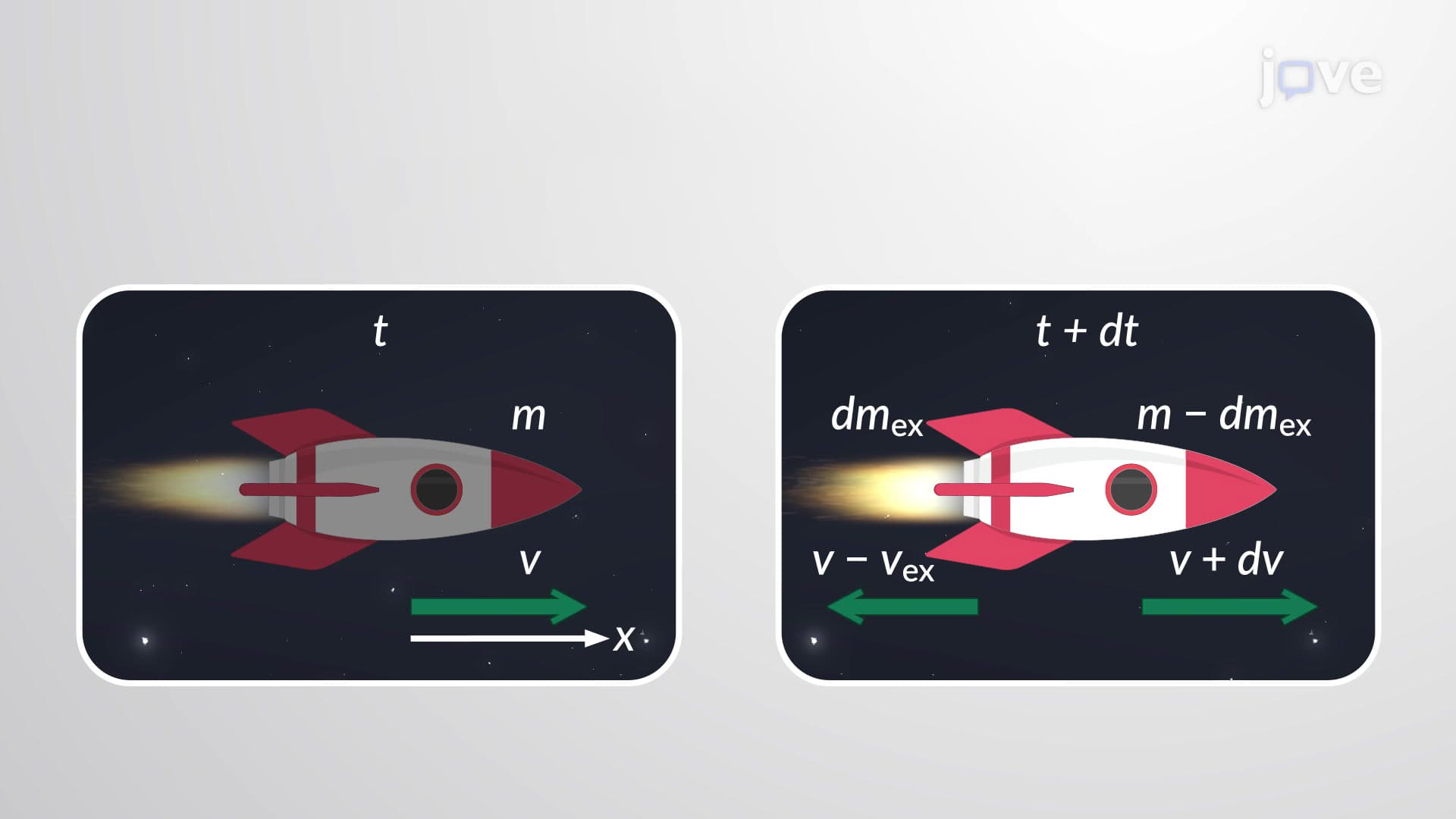
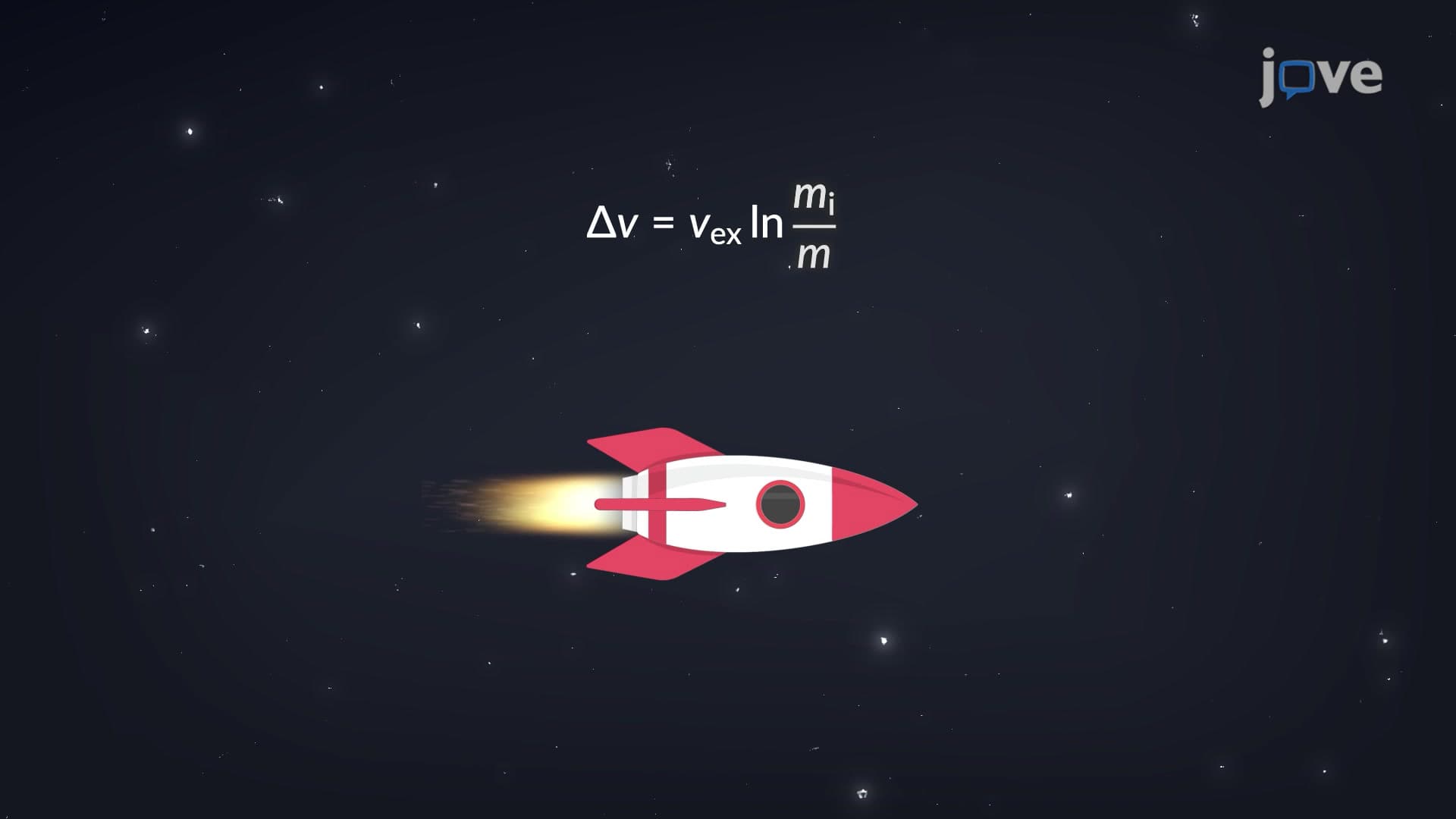
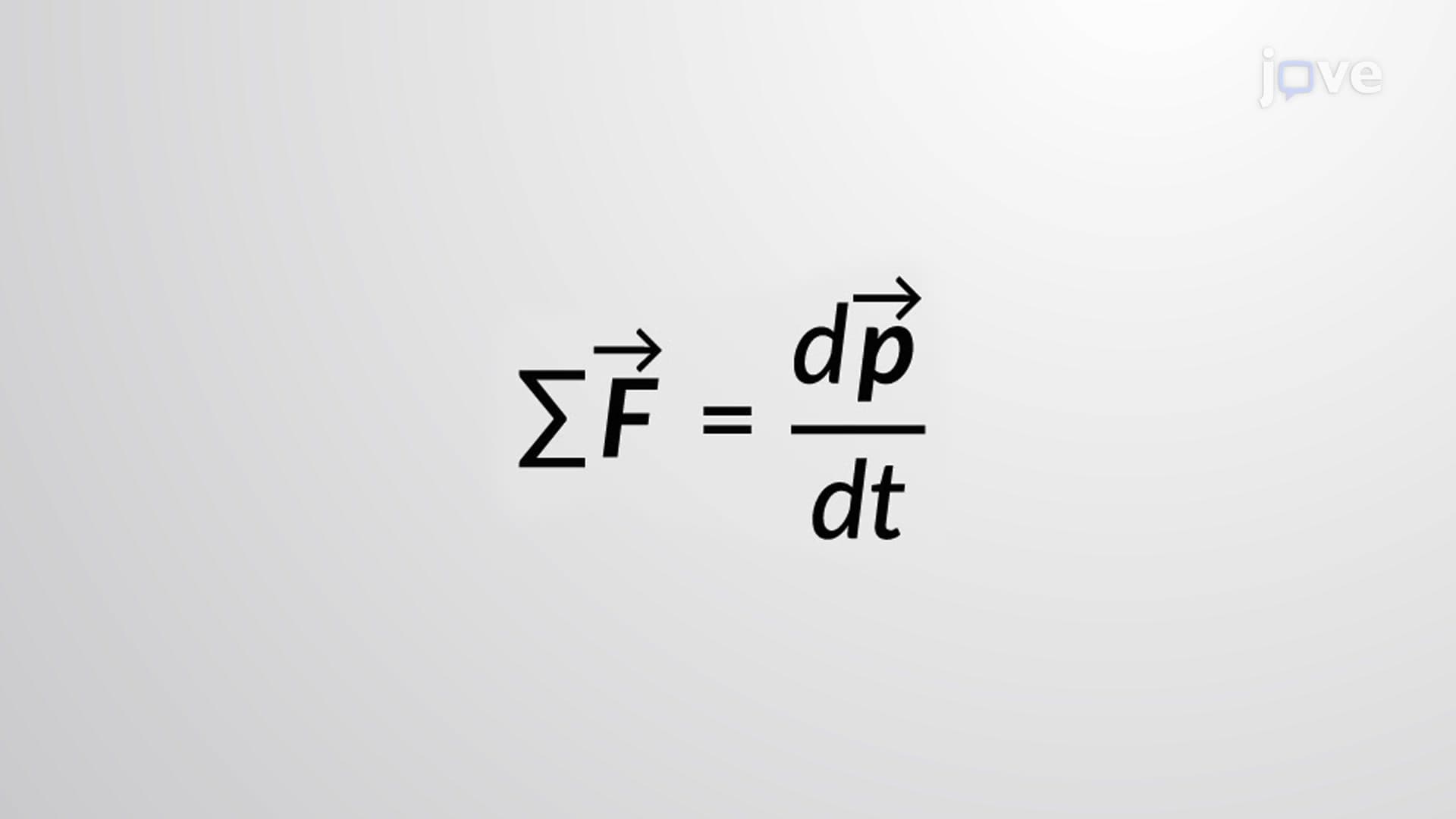
Newton's second law traditionally appears as F = ma, but it can be more fundamentally expressed in terms of momentum: F = dp/dt (force equals the rate of change of momentum). This momentum-based formulation proves especially valuable when dealing with variable mass systems, such as rockets burning fuel or collisions where objects stick together.
For objects with constant mass, this relationship simplifies back to the familiar F = ma, since acceleration represents the rate of velocity change. However, understanding the momentum perspective helps explain phenomena like why airbags reduce injury during car crashes - they extend collision time, reducing the rate of momentum change and therefore the force experienced by passengers.
Consider an NFL linebacker weighing 250 pounds running at 15 mph versus a 180-pound wide receiver running at 20 mph. Using p = mv, the linebacker carries significantly more momentum (approximately 1.7 times greater), explaining why defensive coordinators value size alongside speed. This principle applies across American sports, from baseball pitch selection to hockey checking strategies.
In industrial applications, momentum concepts guide safety protocols at ports where cargo containers move slowly but carry enormous momentum due to their mass. Understanding these relationships helps engineers design safer conveyor systems and loading equipment used throughout American manufacturing and logistics operations.
AP Physics and college-level courses frequently test momentum concepts through collision problems and impulse-momentum theorem applications. Students preparing for the MCAT encounter momentum in biological contexts, such as blood flow dynamics and biomechanical movement analysis. Engineering students use these principles in fluid mechanics and mechanical design courses.
Successful problem-solving requires identifying whether mass remains constant, determining initial and final momentum values, and applying conservation principles appropriately. Practice with real scenarios - calculating stopping distances for vehicles or analyzing sports collisions - builds intuitive understanding that proves invaluable during high-stakes examinations.
Related Micro-courses