Loading subject page…

- Physics
- Linear Momentum, Impulse and Collisions
- Linear Momentum
Micro-course: Linear Momentum, Impulse and Collisions
196,000 views
Learn key concepts and earn your certificate.

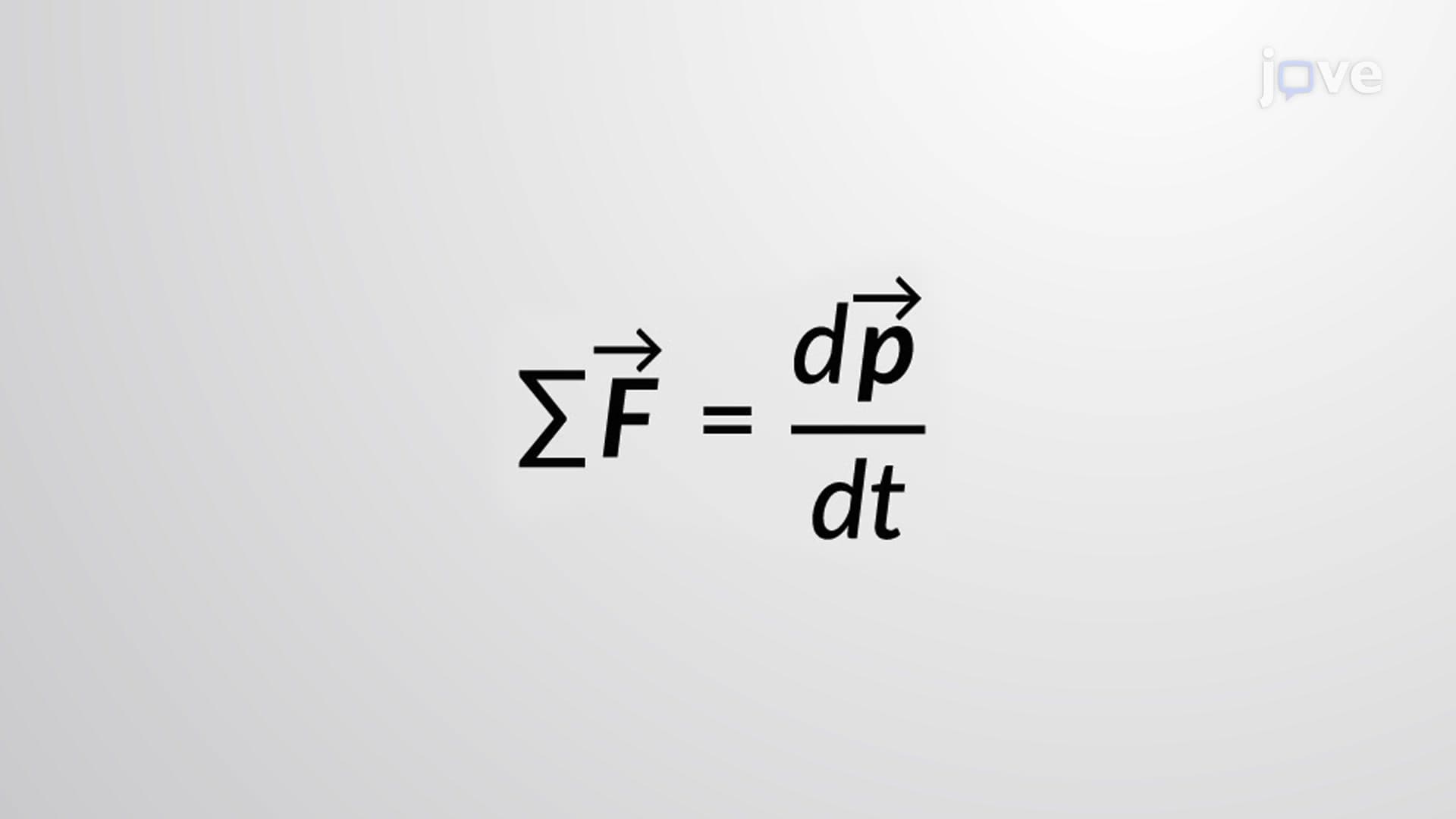
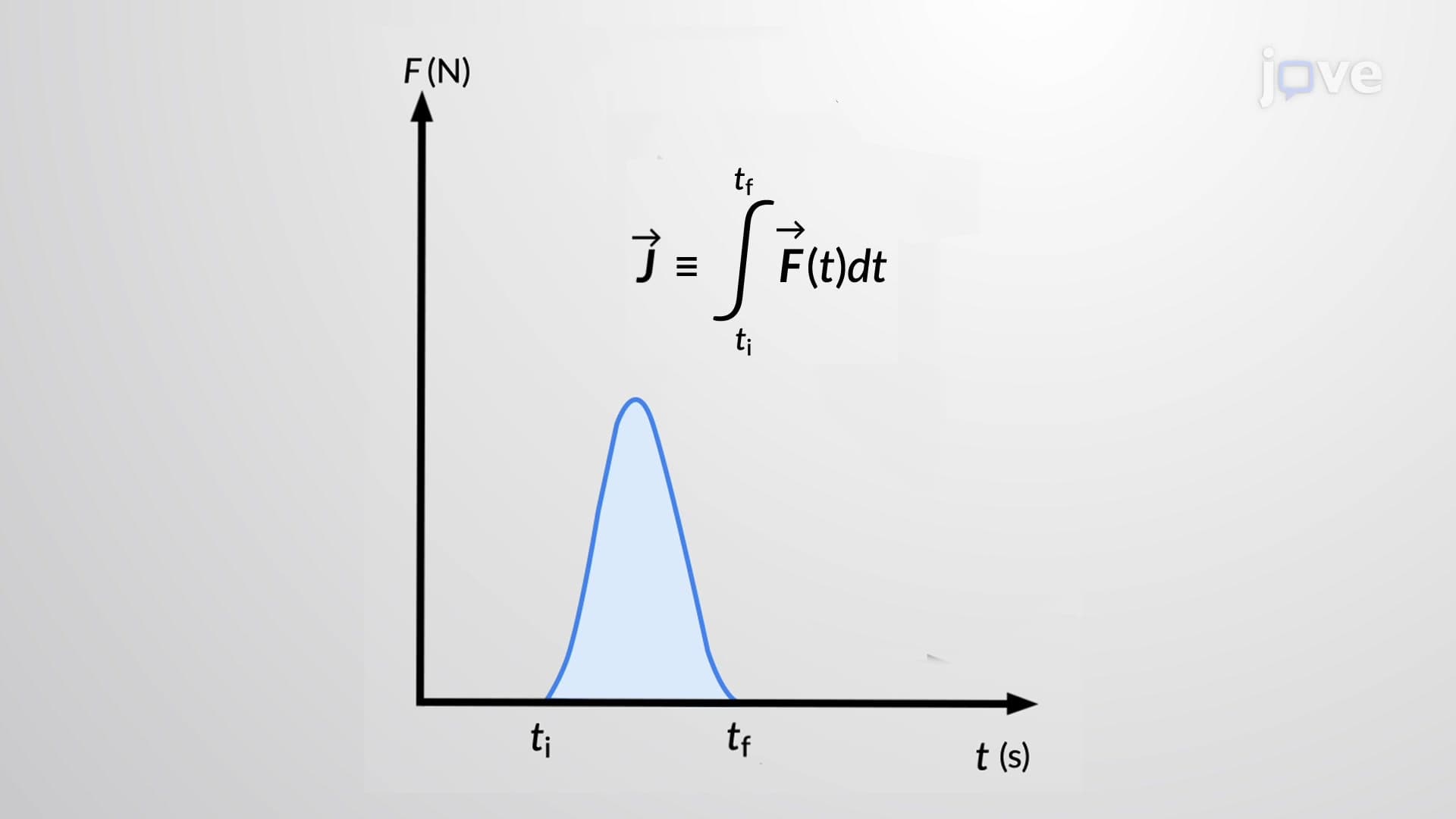



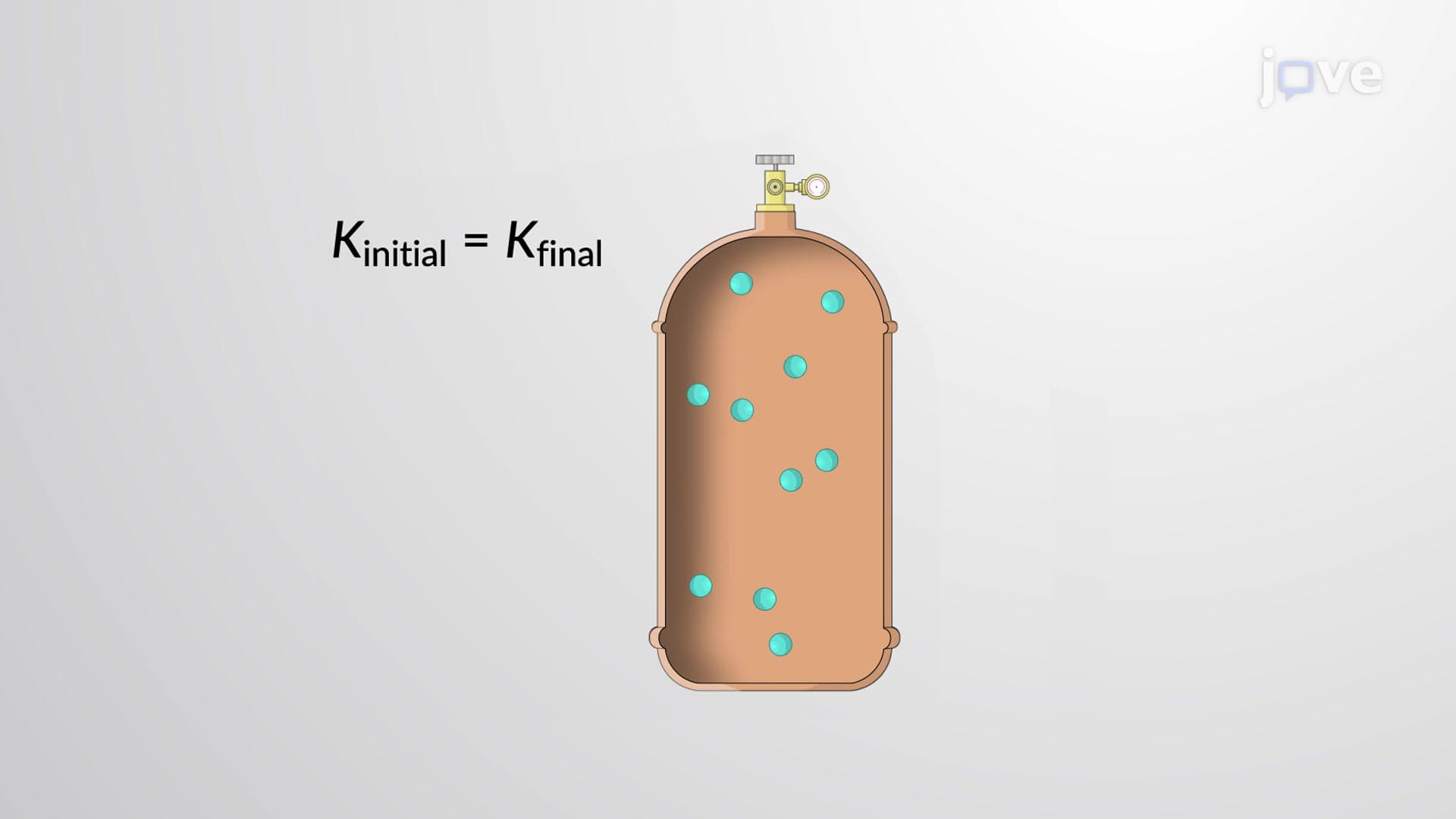



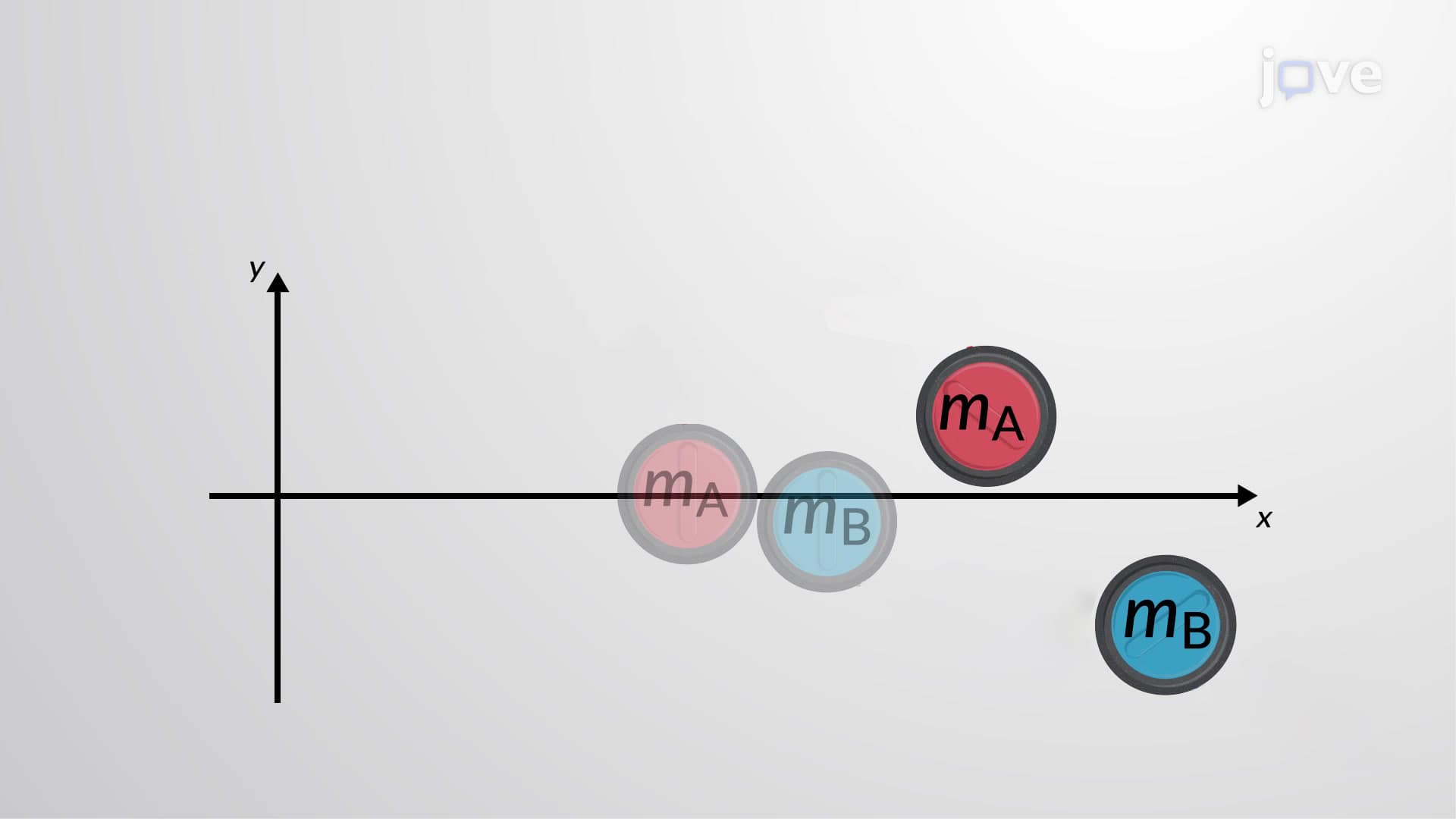




Linear Momentum

00:00
00:55
Video Summary: What Is Linear Momentum
Ever wonder why a 150-pound football player can tackle a 300-pound lineman if they're running fast enough? Linear momentum explains this physics phenomenon that governs collisions in everything from NFL games to NASA spacecraft maneuvers. The concept combines an object's mass and velocity to determine how difficult it is to change its motion - whether stopping a speeding Dodge Challenger or redirecting the International Space Station. Watch the full video on JoVE Coach to master this concept with expert-led visuals and step-by-step explanations.
- Understand what is linear momentum and how it quantifies an object's "quantity of motion"
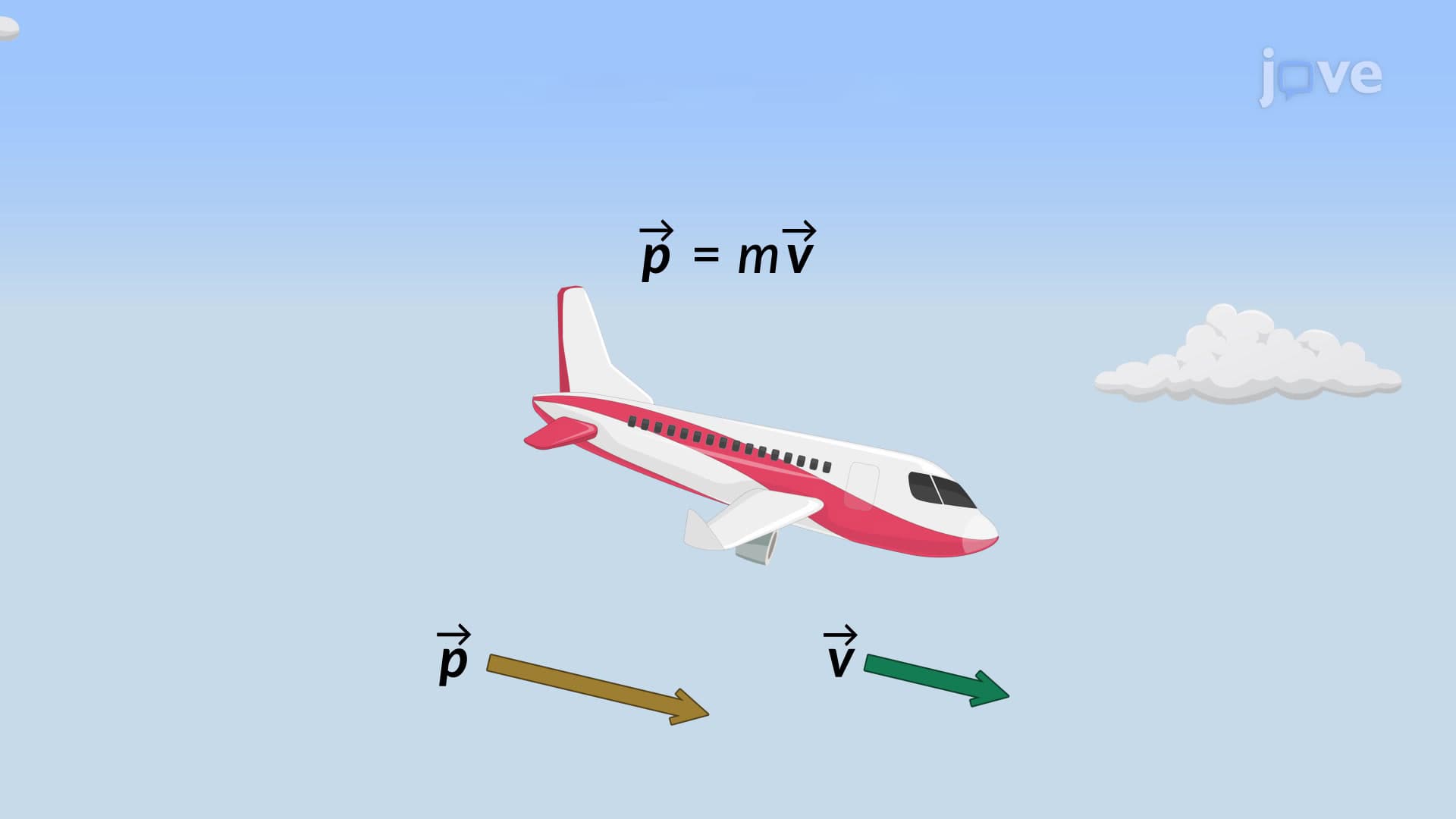
- Identify the mathematical relationship between mass, velocity, and momentum using the formula p = mv
- Analyze how both mass and velocity contribute equally to an object's total momentum
- Recognize momentum as a vector quantity that shares the same direction as velocity
- Apply momentum concepts to predict collision outcomes in real-world scenarios
- Compare the momentum of different objects to determine which motion is harder to change
- Evaluate the SI units of momentum (kg⋅m/s) and their physical significance
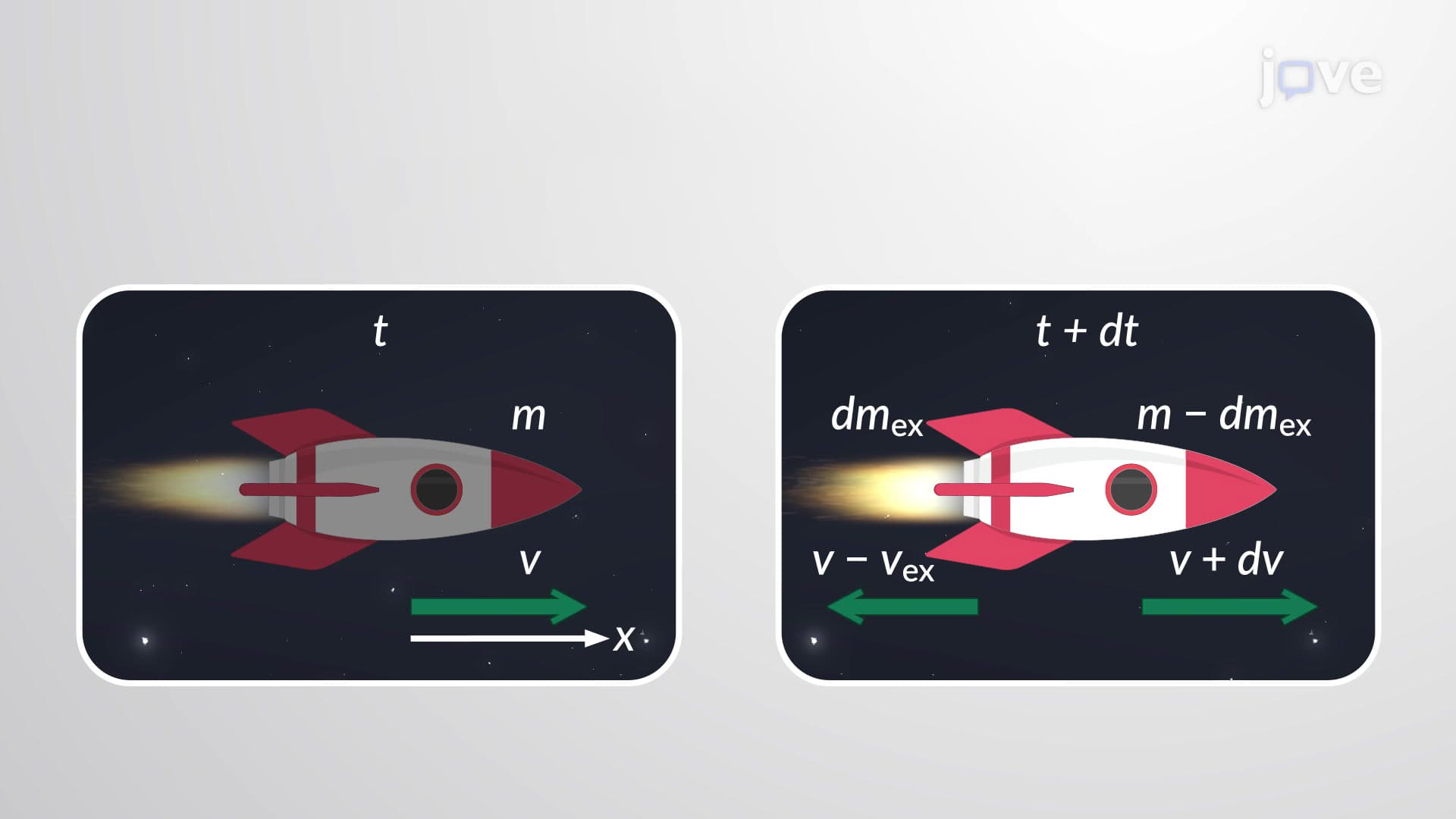
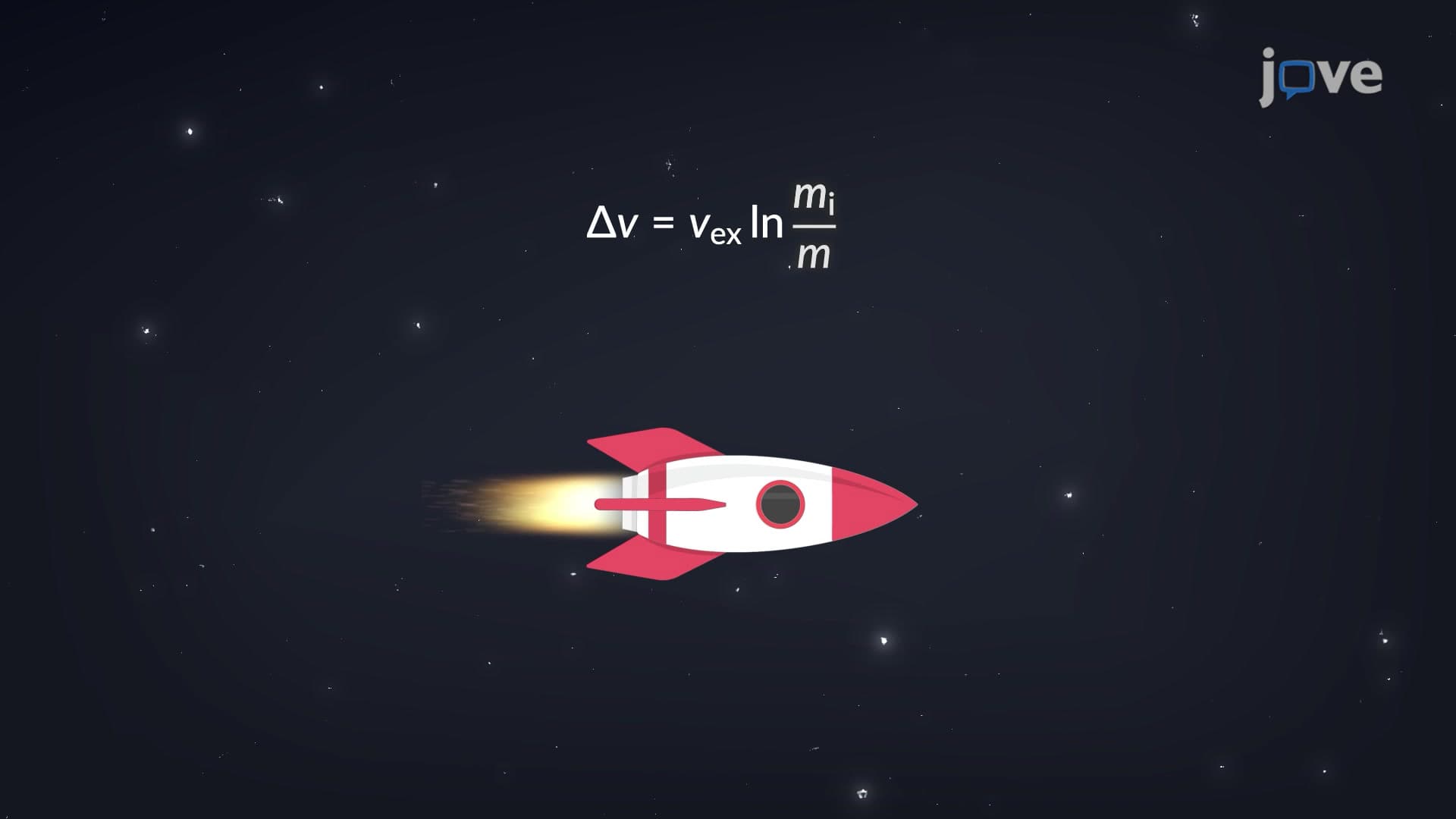
- Explore how momentum conservation principles govern everything from car crashes to rocket launches
Understanding What is Linear Momentum
Linear momentum represents one of physics' most fundamental concepts for describing motion. Unlike velocity, which only considers how fast something moves, momentum captures the complete "oomph" of a moving object by combining both its mass and speed. This makes momentum incredibly useful for predicting what happens when objects collide, from billiard balls to vehicles in traffic accidents.
The mathematical definition is elegantly simple: p = mv, where p represents momentum, m is mass, and v is velocity. This equation reveals that momentum increases proportionally with both factors - doubling either mass or velocity doubles the momentum.
The Vector Nature of Momentum
Since velocity is a vector quantity with both magnitude and direction, momentum inherits this property. A 2,000-kg car traveling north at 30 m/s has different momentum than the same car traveling south at the same speed, even though their speeds are identical. This directional aspect becomes crucial when analyzing collisions and explosions.
Real-World Applications and Examples
Consider why NFL safety regulations focus on both player size and speed limits during kickoffs. A 180-pound safety running at full speed can generate enormous momentum - enough to cause serious injury despite weighing much less than a 300-pound lineman walking slowly. Similarly, NASA engineers must carefully calculate spacecraft momentum when planning orbital maneuvers, as even small objects moving at thousands of miles per hour carry tremendous momentum.
Academic and Exam Relevance
Linear momentum appears extensively in standardized tests including the MCAT physics section, AP Physics 1 and C exams, and college-level introductory physics courses. Students typically encounter momentum problems involving collisions, explosions, and conservation principles. The concept serves as a gateway to understanding impulse, conservation laws, and advanced dynamics topics that appear throughout undergraduate engineering and physics curricula.
Understanding momentum also provides essential preparation for careers in aerospace engineering, automotive safety design, sports science, and any field involving moving objects and collision analysis.
Frequently Asked Questions
Linear momentum is the "quantity of motion" an object possesses, calculated by multiplying its mass times its velocity (p = mv). Think of it as measuring how hard it would be to stop a moving object - a bowling ball and ping pong ball moving at the same speed have vastly different momenta because of their mass difference.
MCAT physics sections frequently test momentum in collision problems, while AP Physics 1 and C exams include momentum conservation scenarios. Expect questions involving car crashes, ball collisions, and rocket propulsion where you'll need to apply p = mv and conservation principles to solve for unknown velocities or masses.
Velocity only describes how fast and in what direction something moves, while momentum includes the object's mass as well. A feather and rock falling at the same velocity have dramatically different momenta - the rock's greater mass gives it much more momentum and makes it harder to stop.
Momentum governs every collision around us, from why airbags work in car crashes to how billiard balls behave. Engineers use momentum calculations to design safer vehicles, sports equipment, and spacecraft trajectories. Even walking involves momentum transfer between your feet and the ground.
No advanced mathematics required! Linear momentum uses only basic algebra (multiplication and division) and vector addition concepts typically taught in high school physics. If you can multiply mass times velocity and understand that vectors have direction, you can master momentum.
Practice identifying "before and after" scenarios in collision problems, memorize that momentum = mass × velocity, and always check if momentum is conserved (total momentum before equals total momentum after). Draw diagrams showing directions and label all known/unknown values clearly.
Linear momentum naturally leads to impulse-momentum theorem, conservation of momentum, angular momentum, and collision analysis. These concepts build the foundation for advanced mechanics, fluid dynamics, and modern physics topics in upper-level college courses.
Related Micro-courses

14 Concepts
14 Concepts

12 Concepts