Loading…
Loading video…

56,314 views
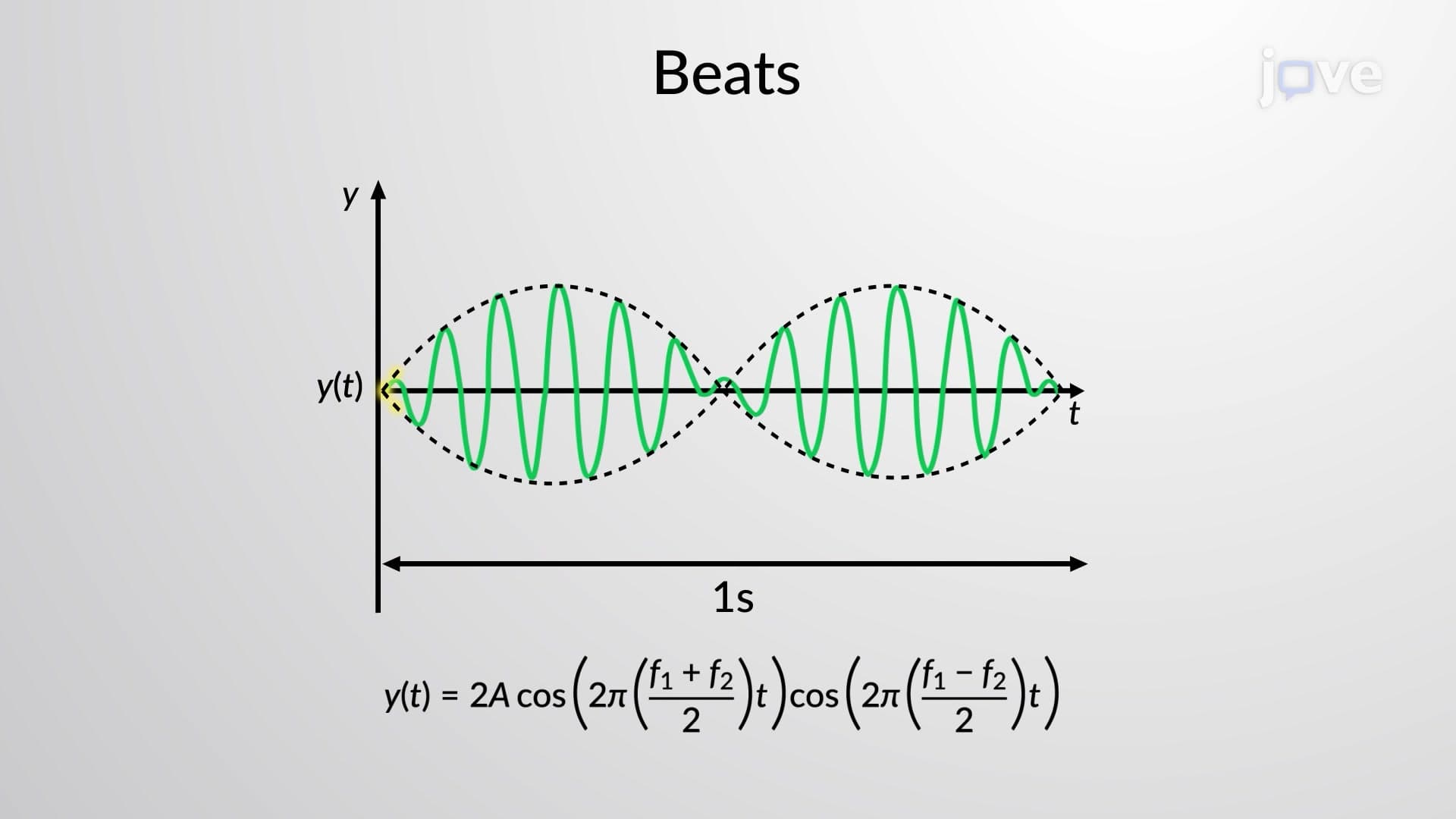
Ever notice how a slightly out-of-tune guitar string creates that characteristic "wah-wah-wah" sound? This phenomenon, called beats, occurs when two sound waves with nearly identical frequencies interfere with each other, creating periodic variations in sound intensity. Musicians at prestigious institutions like Juilliard School use this principle to tune their instruments perfectly. What is beats becomes clear when you understand that the beat frequency equals the difference between the two original frequencies. Watch the full video on JoVE Coach to master this concept with expert-led visuals and step-by-step explanations.
Beats represent one of the most elegant demonstrations of wave interference in physics. When two sound waves of nearly identical frequencies combine, they create a distinctive pattern where the resulting amplitude oscillates between maximum and minimum values. This creates the characteristic pulsing sound that musicians and engineers encounter regularly.
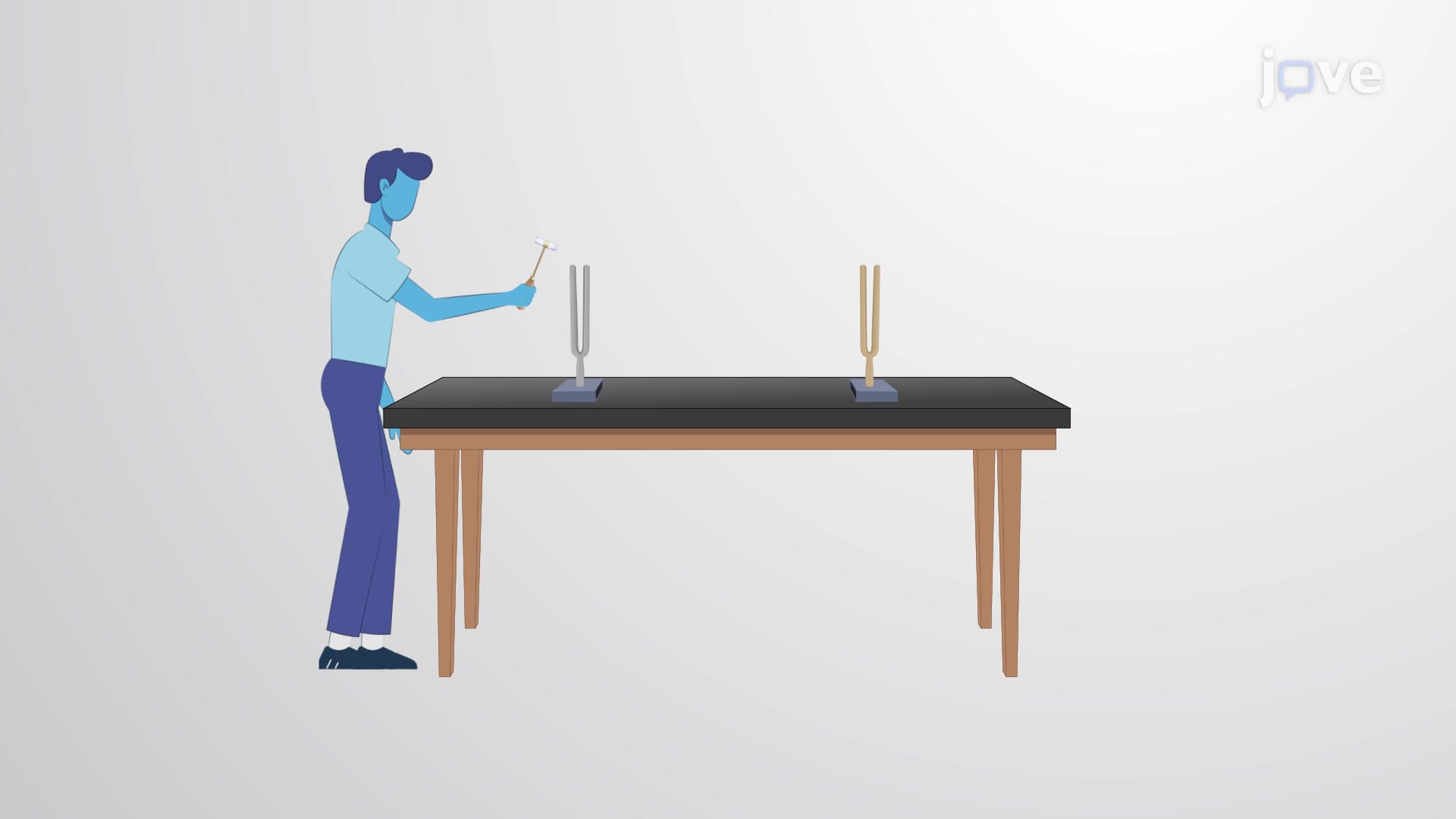
The beat frequency equation provides the key relationship: beat frequency = |f₁ - f₂|, where f₁ and f₂ are the frequencies of the two interfering waves. For example, if a tuning fork vibrates at 440 Hz (concert A) and another at 442 Hz, the resulting beat frequency is 2 Hz, meaning you'll hear two distinct pulses per second.
This mathematical relationship appears frequently on standardized exams like the AP Physics exam and college-level physics courses across universities such as MIT and Stanford. Students often encounter beat problems in wave mechanics units, where they must calculate beat frequencies or determine unknown frequencies using beat observations.
Professional piano tuners rely on beats to achieve perfect pitch accuracy. When tuning a piano string against a reference tone, they listen for the beats to disappear, indicating the frequencies match exactly. Similarly, audio engineers at recording studios in Nashville and Los Angeles use beat detection in sound mixing and acoustic analysis.
Aircraft maintenance technicians use beat frequency principles in vibration analysis to detect engine irregularities. The Federal Aviation Administration (FAA) requires specific acoustic testing procedures that often involve beat frequency measurements to ensure flight safety.
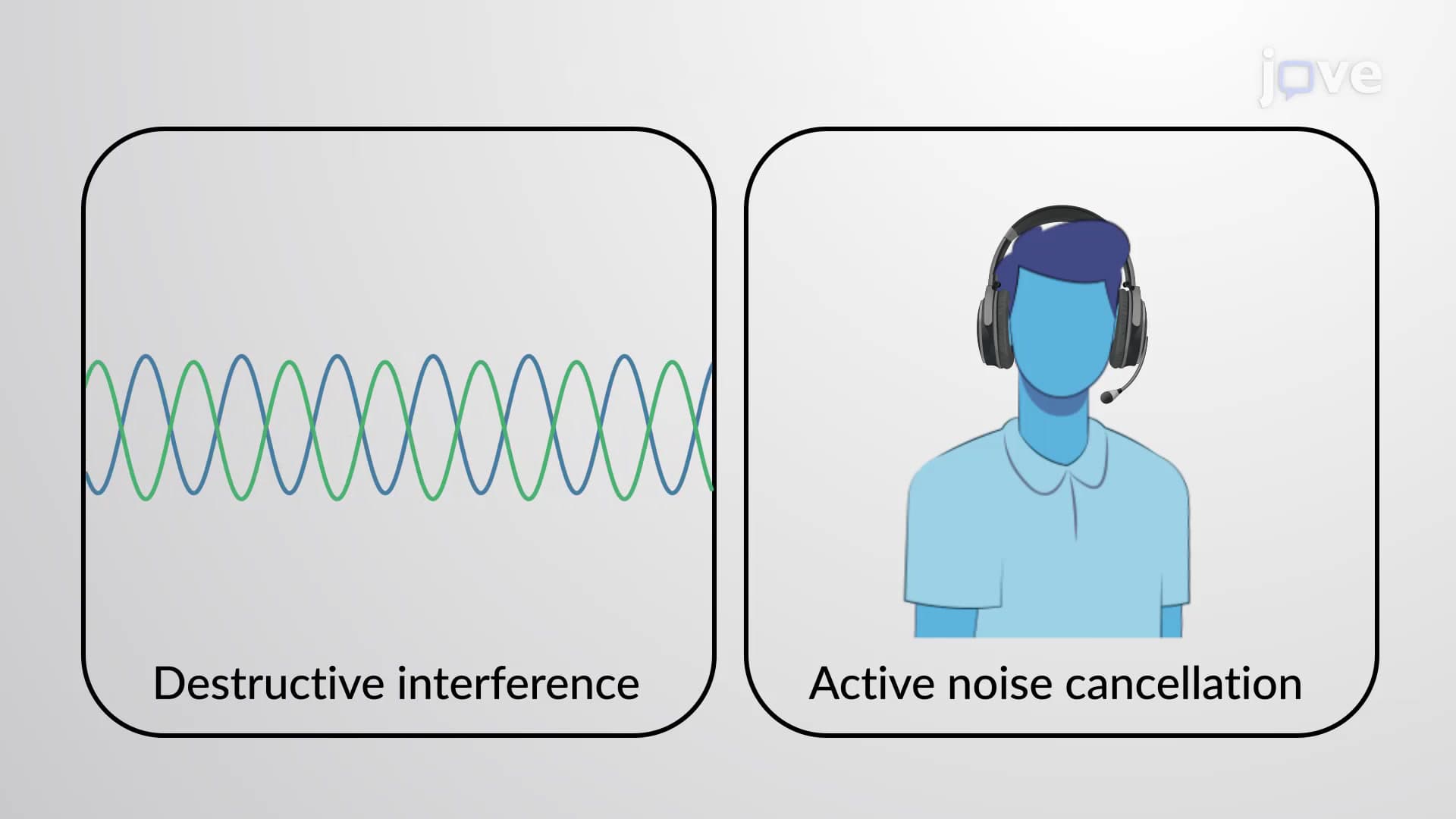
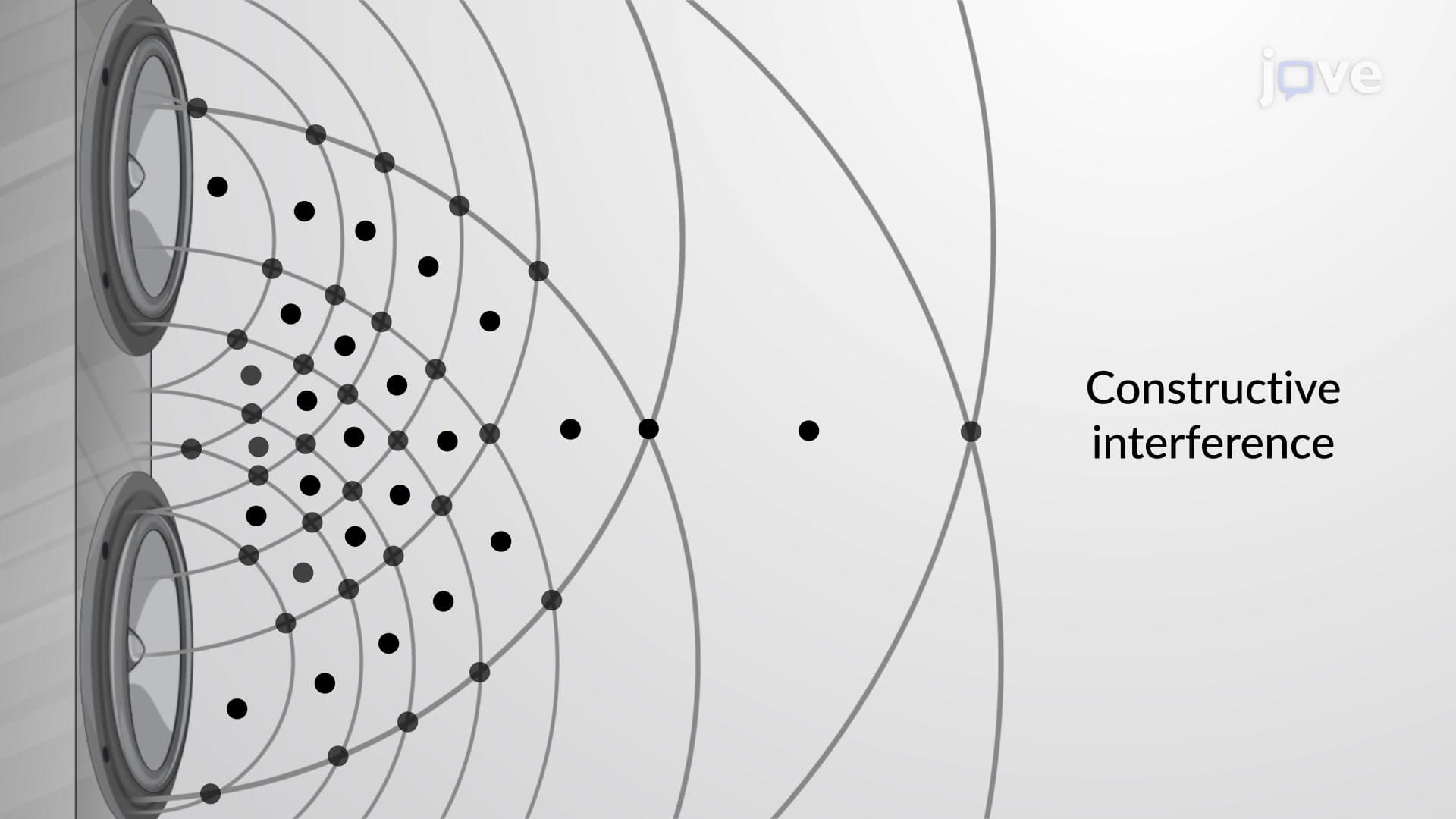
The beat period, defined as the reciprocal of beat frequency, determines the time interval between successive amplitude maxima. In one complete beat cycle, the combined wave experiences two amplitude peaks and two amplitude nulls. This occurs because the waves alternate between constructive interference (amplitudes add) and destructive interference (amplitudes cancel).
Understanding these amplitude variations proves crucial for students preparing for physics competitions like the USA Physics Olympiad or advanced placement exams, where beat analysis frequently appears in both multiple-choice and free-response sections.
Frequently Asked Questions
Beats are the periodic variations in sound intensity that occur when two sound waves of slightly different frequencies interfere with each other. You hear this as a "wah-wah-wah" pulsing sound, like when two guitar strings are almost but not perfectly in tune. The beat frequency equals the difference between the two original frequencies.
Beat problems commonly appear in wave mechanics units on AP Physics 1 and college physics courses. Students typically calculate beat frequencies from given wave frequencies, determine unknown frequencies using observed beat rates, or analyze beat patterns in oscilloscope displays. These questions often combine with topics like wave interference and sound wave properties.
MCAT physics sections include beat frequency problems in acoustics and wave behavior questions. Test-takers must apply the formula: beat frequency = |f₁ - f₂| and understand that beats result from wave interference. Questions often involve medical applications like ultrasound frequency analysis or hearing threshold measurements.
Musicians tuning instruments experience beats when strings or notes are slightly off-pitch - this happens in school bands, church choirs, and professional orchestras like the New York Philharmonic. Radio interference creates beats when stations broadcast on similar frequencies. Even emergency vehicle sirens can create beat patterns when multiple vehicles respond together.
No advanced mathematics is required to grasp beats conceptually. The basic beat frequency formula uses simple subtraction: |f₁ - f₂|. Students with algebra skills from high school geometry and trigonometry can handle all beat calculations. The physics concept focuses more on wave interference understanding than complex mathematical derivations.
Practice identifying beat frequencies in audio examples, then work through numerical calculations systematically. Create frequency diagrams showing wave interference patterns, and memorize that beat frequency always equals the difference between component frequencies. Focus on unit conversion practice since exam problems often mix Hz, kHz, and other frequency units.
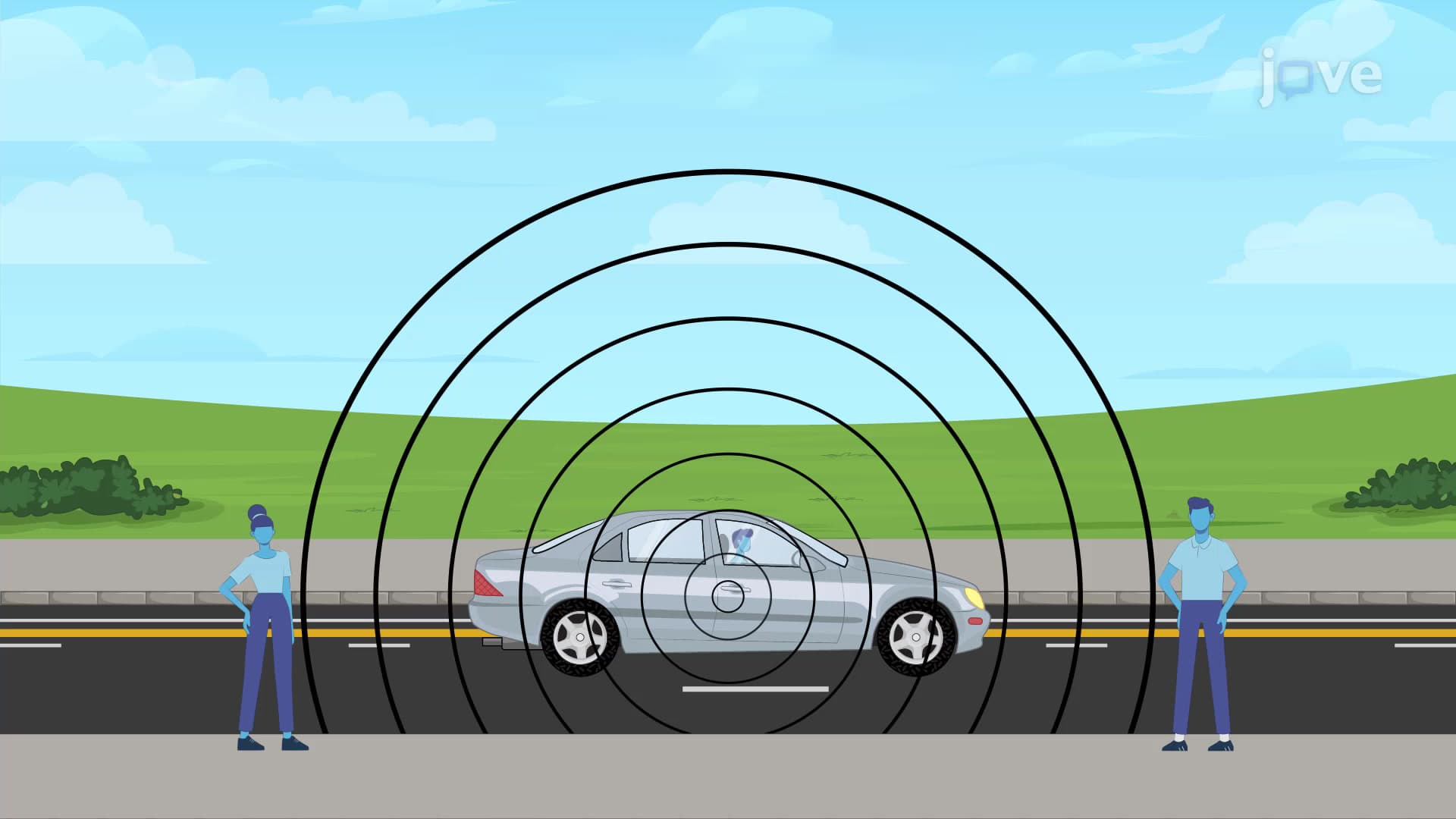
Beats demonstrate fundamental wave interference principles that apply to electromagnetic waves, water waves, and seismic waves studied in advanced physics courses. Understanding beats prepares students for topics like wave superposition, standing waves, and Doppler effect analysis. These concepts frequently appear together in university physics sequences and graduate school entrance exams.
Medical applications include ultrasound imaging where beat frequencies help determine blood flow velocities, and audiology testing where beat detection measures hearing sensitivity. Doppler ultrasound systems used in American hospitals rely on beat frequency analysis for cardiac diagnostics and prenatal monitoring, making this concept relevant for MCAT preparation and medical school coursework.
Related Micro-courses


Related Subjects
 Math Fundamentals 11 micro-courses›
 Statistics 17 micro-courses›