Loading subject page…

Micro-course: Sound
56,314 views
Learn key concepts and earn your certificate.



Perception of Sound Waves

00:00
01:01
Video Summary: What Is Perception of Sound Waves
Ever wonder why a piano and violin playing the same note sound completely different to your ears? The perception of sound waves involves three fundamental characteristics that determine how we experience sound: loudness, pitch, and timbre. When a marching band performs at a high school football game in Texas, these acoustic properties work together to create the rich, layered soundscape we perceive. Understanding what is perception of sound waves helps explain why identical musical notes from different instruments maintain their unique sonic signatures. Watch the full video on JoVE Coach to master this concept with expert-led visuals and step-by-step explanations.
- Understand what is perception of sound waves and identify the three primary characteristics that define how we perceive sound: loudness, pitch, and timbre
- Analyze the relationship between wave amplitude and perceived loudness in acoustic environments
- Compare how frequency variations directly influence pitch perception across different sound sources
- Evaluate the role of timbre in distinguishing between instruments producing identical amplitude and frequency combinations
- Apply knowledge of harmonic content to explain why musical instruments have distinctive sound qualities
- Recognize how these acoustic principles appear in standardized tests like AP Physics and college-level acoustics courses
- Explore real-world applications of sound perception in audio engineering, music production, and hearing assessment
- Identify the physical properties of sound waves that correspond to psychological perceptions of audio stimuli
Understanding What is Perception of Sound Waves
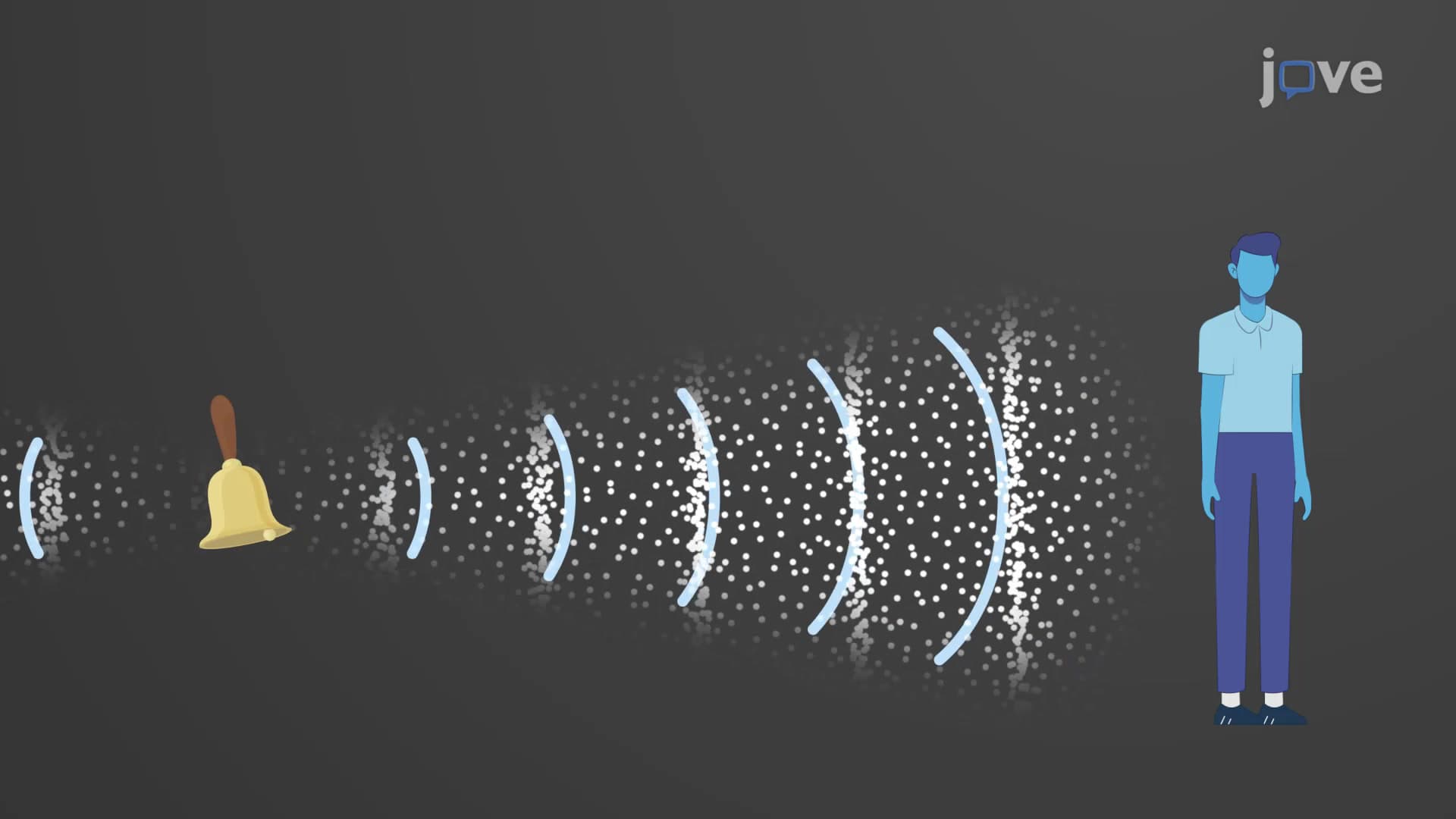
The perception of sound waves represents one of the most fascinating intersections between physics and human sensory experience. When sound waves travel through air and reach our ears, our auditory system interprets these mechanical vibrations as distinct acoustic experiences. This perceptual process transforms objective physical phenomena into subjective auditory sensations that vary significantly between individuals and contexts.
Loudness and Amplitude Relationships
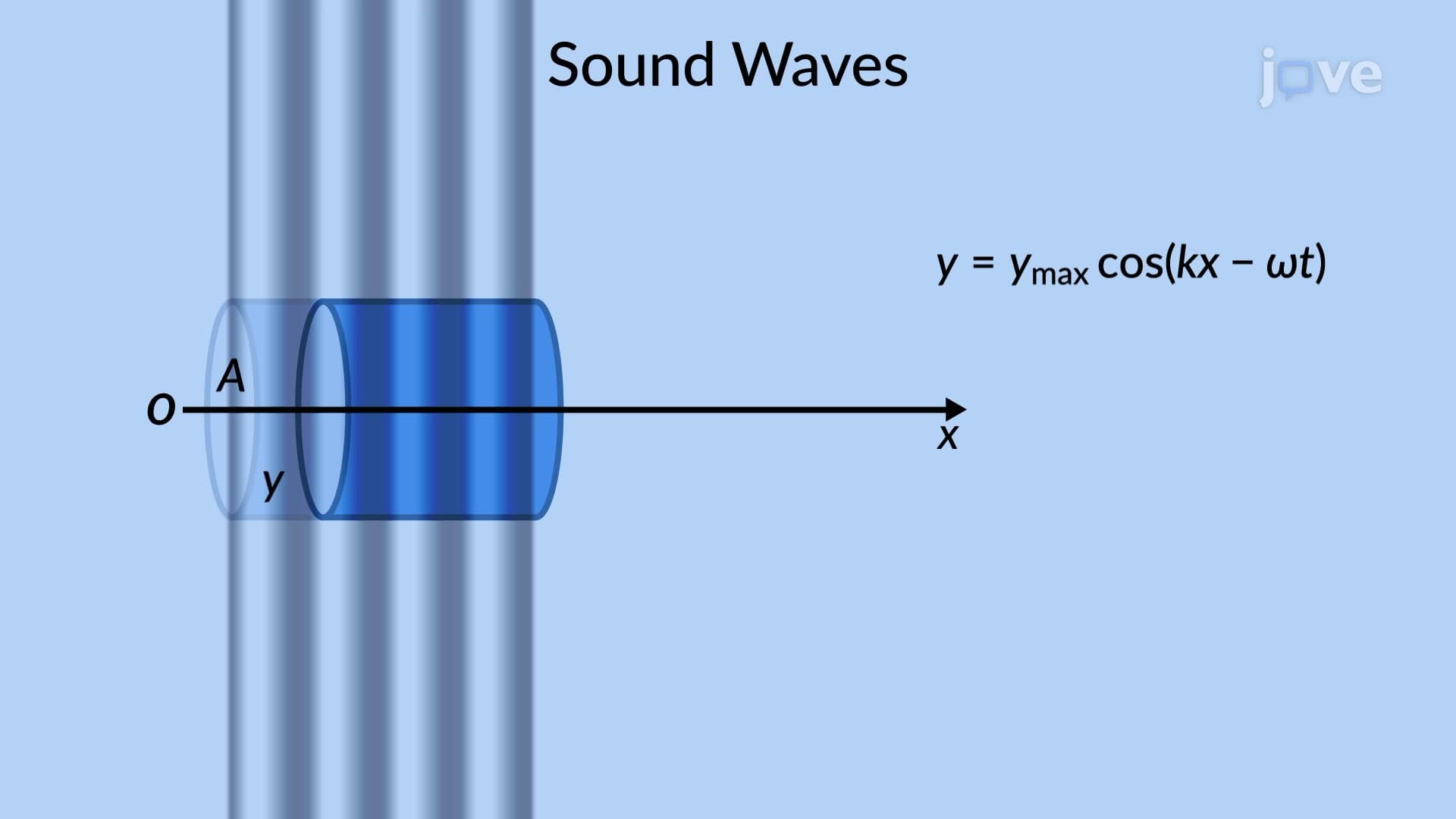
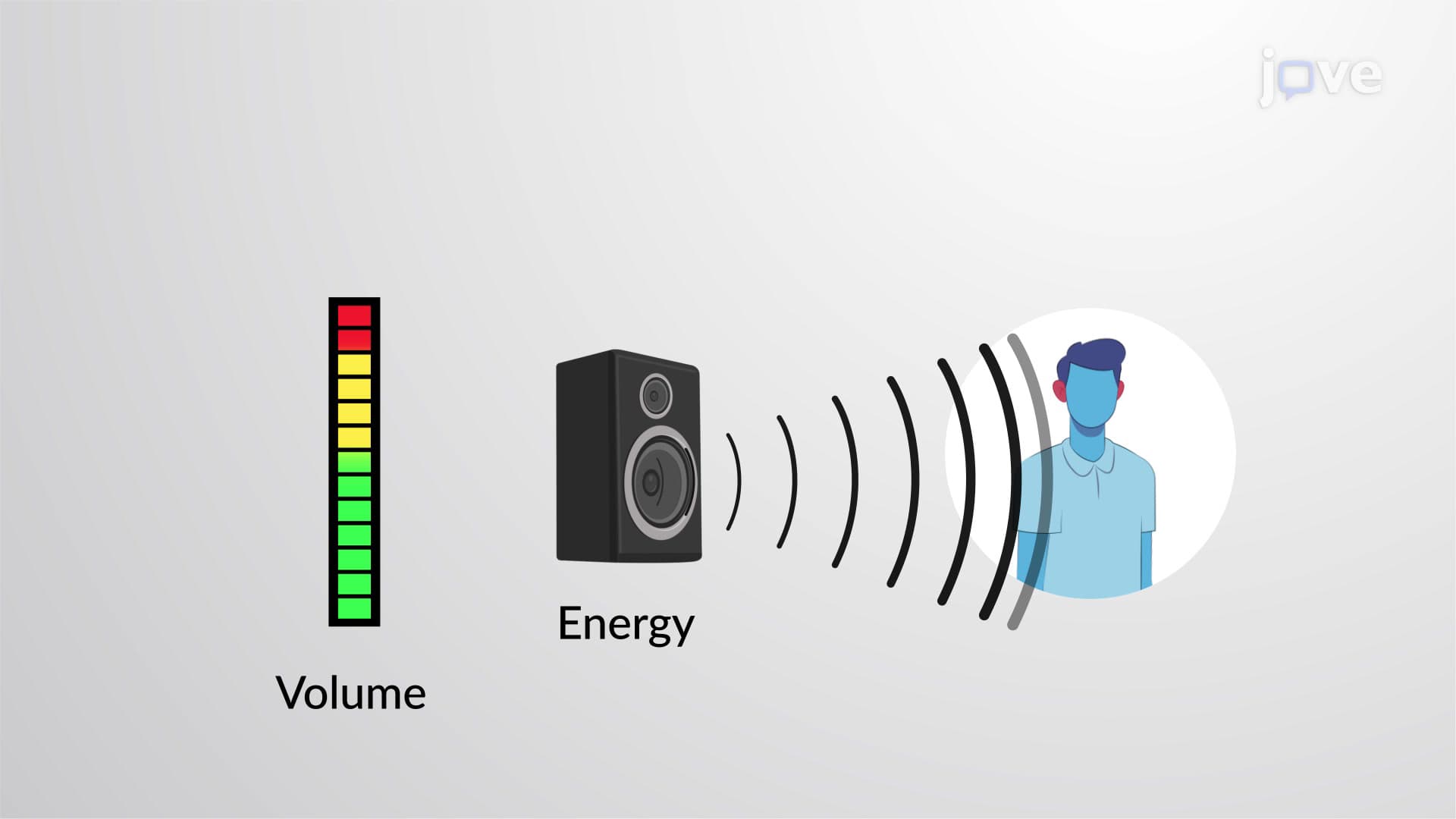
Loudness perception directly correlates with wave amplitude-the maximum displacement of air particles from their equilibrium position. In practical terms, when a drummer at a Boston Symphony Orchestra performance strikes a timpani with greater force, the resulting sound waves have larger amplitudes, producing louder perceived volume. This relationship follows a logarithmic scale, meaning doubling the amplitude doesn't simply double the perceived loudness. Students preparing for AP Physics exams should understand that decibel measurements reflect this non-linear relationship between physical intensity and human perception.
Frequency and Pitch Perception
Pitch perception depends entirely on sound wave frequency-the number of vibrations per second measured in hertz (Hz). A typical piano's middle C vibrates at approximately 262 Hz, while the C above it vibrates at 524 Hz, exactly double the frequency. This doubling relationship creates what musicians call an octave. For college physics students, understanding frequency-pitch relationships proves essential for acoustics coursework and appears frequently on MCAT physics sections. The human ear typically perceives frequencies between 20 Hz and 20,000 Hz, with sensitivity varying across this range.
Timbre and Sound Quality Distinction
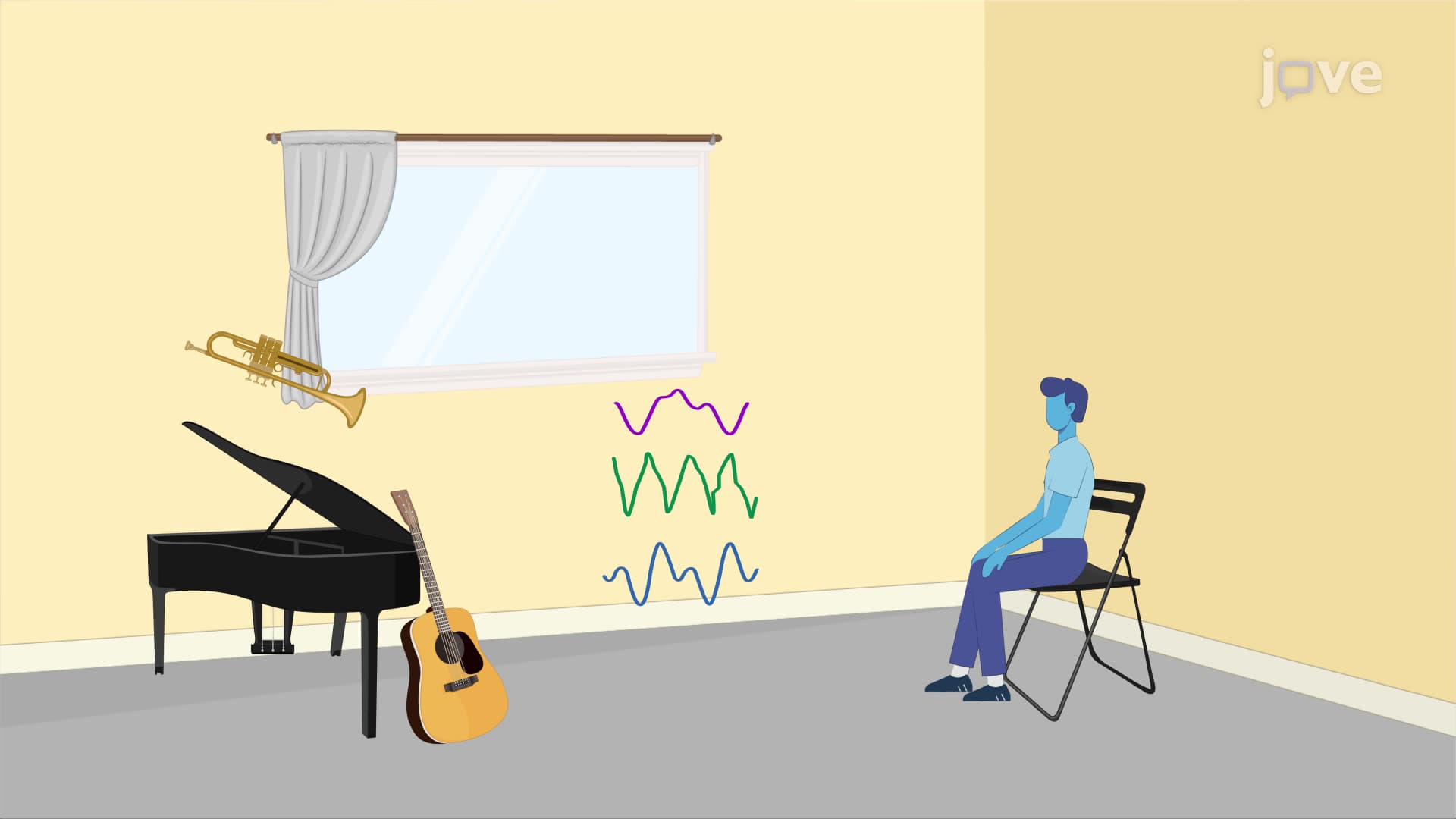
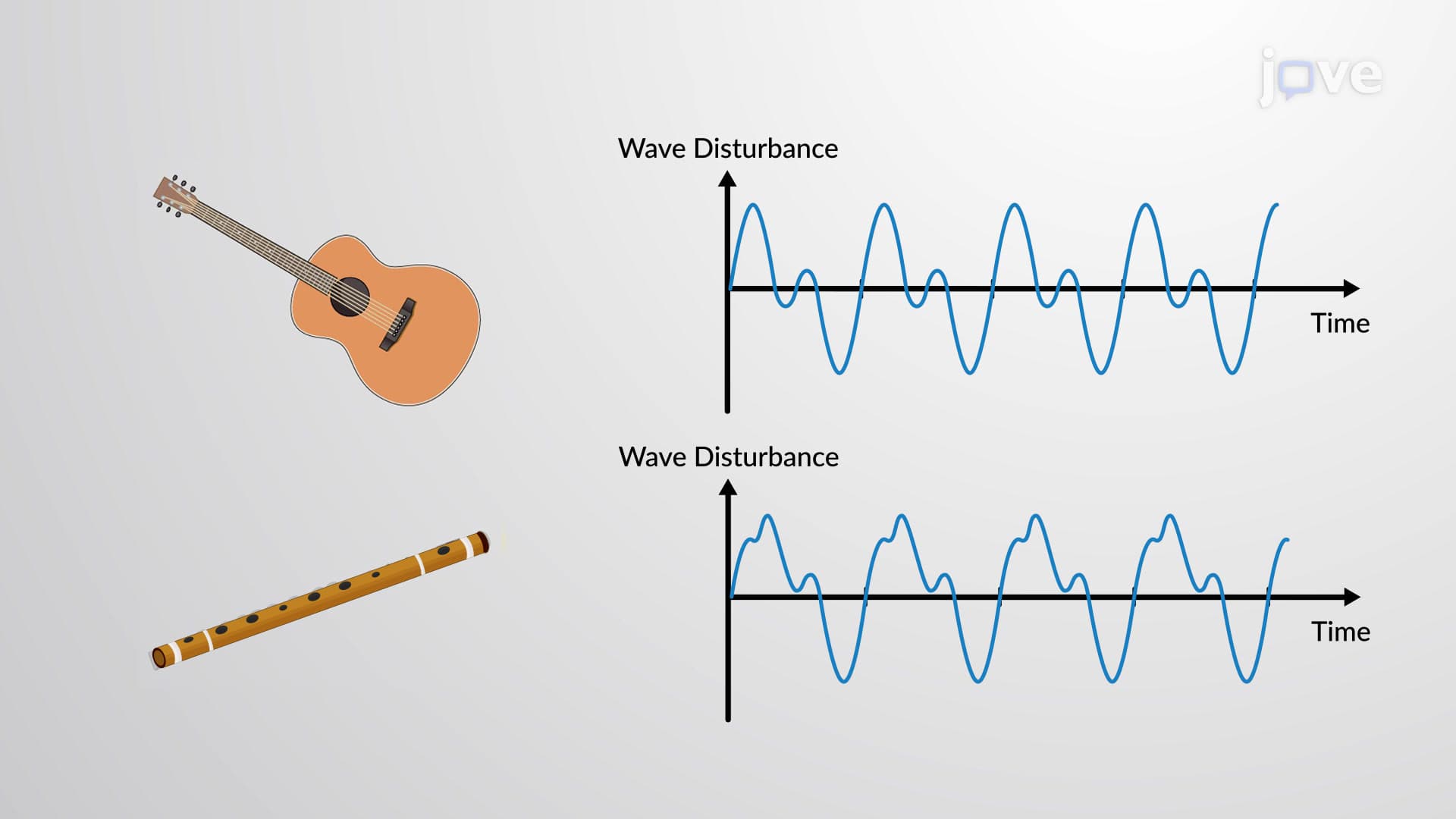
Timbre represents the most complex aspect of sound perception, enabling us to distinguish between a saxophone and trumpet playing identical notes. This quality difference results from harmonic content-additional frequencies that accompany the fundamental frequency. When Yo-Yo Ma plays cello at Carnegie Hall, his instrument produces not just the primary frequency but also specific combinations of overtones that create the characteristic cello sound. These harmonic patterns, called spectral signatures, remain consistent across different volumes and pitches for each instrument type. Students studying for college music theory or audio engineering courses must master timbre concepts to understand how digital audio processing recreates realistic instrument sounds.
Frequently Asked Questions
Perception of sound waves refers to how our ears and brain interpret mechanical vibrations in air as distinct auditory experiences. This process involves three main characteristics: loudness (related to amplitude), pitch (determined by frequency), and timbre (sound quality from harmonic content). These physical wave properties combine to create every sound we hear, from music to speech.
AP Physics 1 commonly tests relationships between wave amplitude and loudness perception, plus frequency and pitch connections. Students encounter problems calculating decibel levels, wave speed using frequency and wavelength, and harmonic analysis. College Board emphasizes understanding how physical wave properties translate into human auditory experiences rather than just memorizing formulas.
The MCAT Physics section frequently includes sound perception questions within wave mechanics and sensory systems topics. Test-takers should understand decibel calculations, Doppler effect applications, and how the human ear processes different frequencies. Psychology sections may also cover auditory processing and perception concepts.
At a Chicago Cubs baseball game, fans hear the crack of a bat hitting a baseball differently than the thud of a ball hitting a glove, even at similar volumes. The bat produces higher-frequency components (sharper pitch) while the glove creates lower frequencies (duller tone), demonstrating how timbre helps identify sound sources in everyday situations.
Basic algebra and trigonometry knowledge suffices for most sound perception concepts in high school and introductory college courses. While advanced acoustics involves complex mathematics, understanding fundamental relationships between amplitude-loudness, frequency-pitch, and harmonic content-timbre requires only basic mathematical reasoning and graphical interpretation skills.
Create comparison charts linking physical properties (amplitude, frequency, harmonics) with perceptual experiences (loudness, pitch, timbre). Practice with audio examples when possible, and work through decibel calculation problems. Focus on conceptual understanding rather than formula memorization, as most exams test application rather than recall.
Consider studying psychoacoustics (how the brain processes sound), digital audio processing, architectural acoustics, or hearing science programs. Many universities offer specialized courses in audio engineering, music technology, or audiology that build upon fundamental sound perception principles.
Physics departments offer acoustics courses, while psychology programs include sensation and perception classes covering auditory processing. Music technology, audio engineering, and communication sciences programs also provide comprehensive sound perception education. Pre-medical students encounter these concepts in physics prerequisites and neuroscience coursework.
Related Micro-courses

15 Concepts

13 Concepts

19 Concepts