Loading…
Loading video…

56,314 views
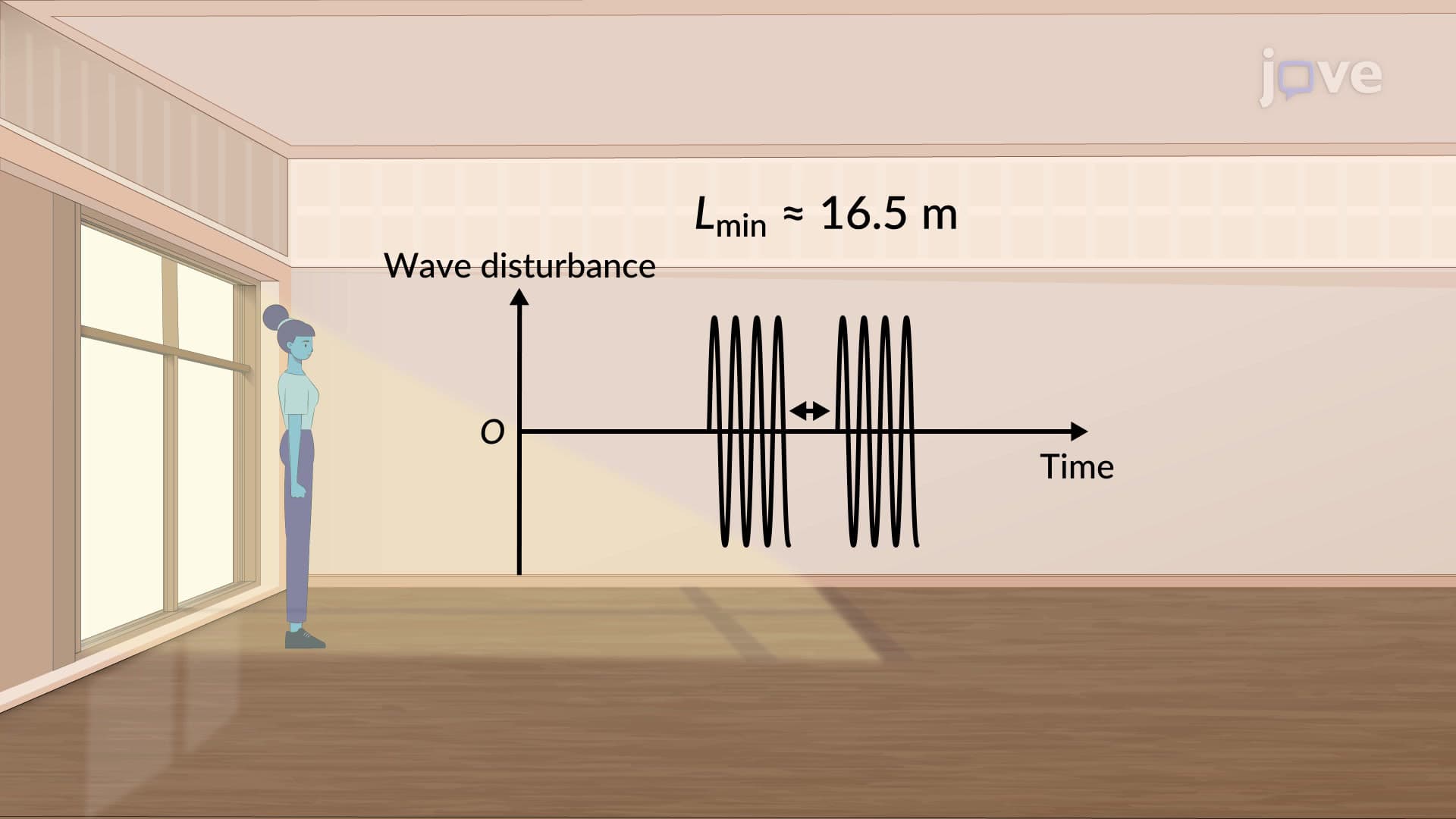
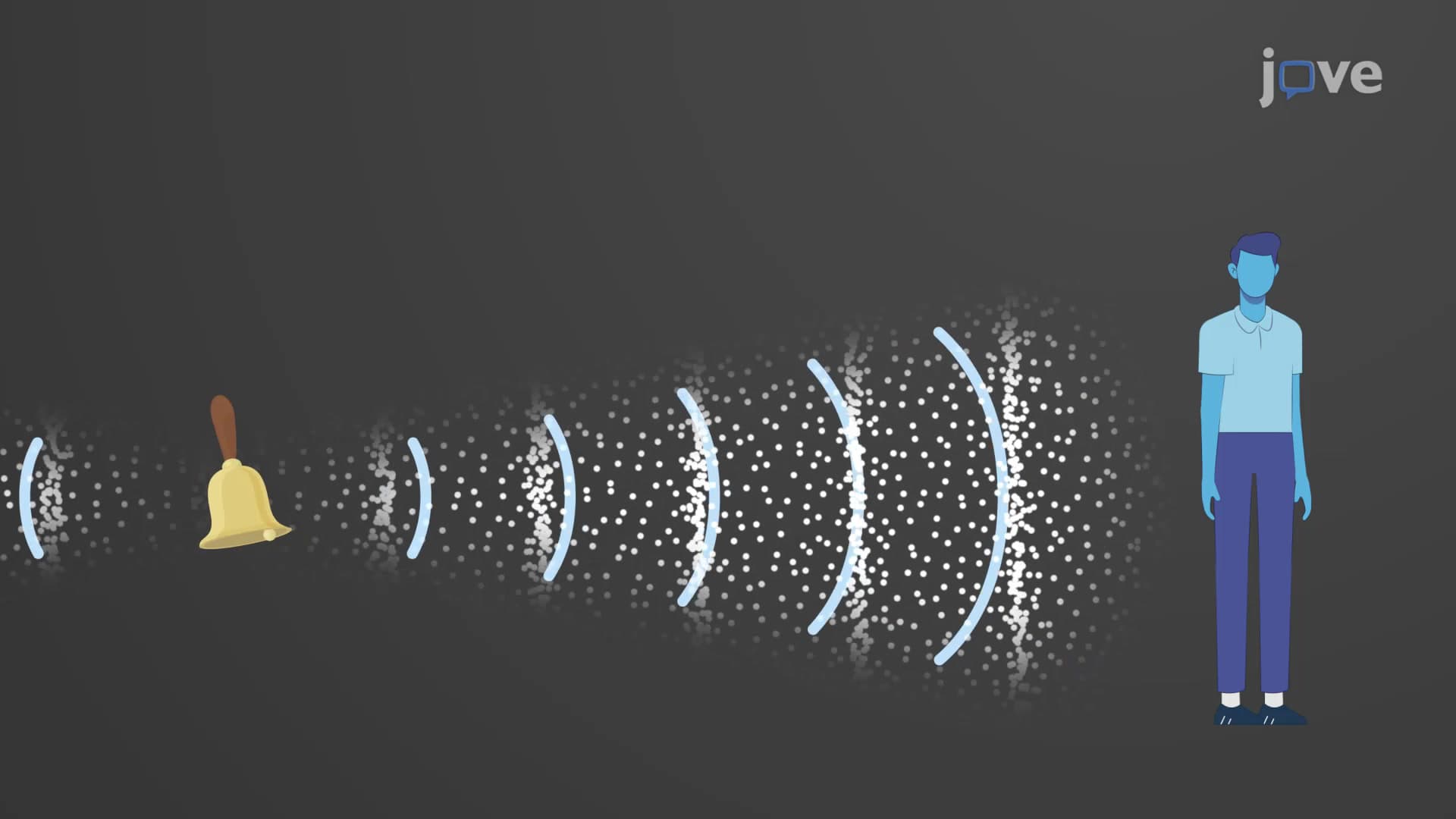
Ever wondered why your voice bounces back when you shout in the Grand Canyon? An echo occurs when sound waves reflect off surfaces and return to your ears after a distinct time delay. This fascinating acoustic phenomenon requires specific conditions—the reflected sound must travel far enough that your brain perceives it as separate from the original sound, typically needing at least 0.1 seconds between emission and return. Ships use echo principles in sonar technology to map the ocean floor and detect underwater obstacles. Watch the full video on JoVE Coach to master this concept with expert-led visuals and step-by-step explanations.
An echo represents one of nature's most recognizable acoustic phenomena, occurring when sound waves encounter a boundary between different mediums and reflect back to the source. This process follows fundamental wave physics principles that govern how energy travels through space and interacts with materials.
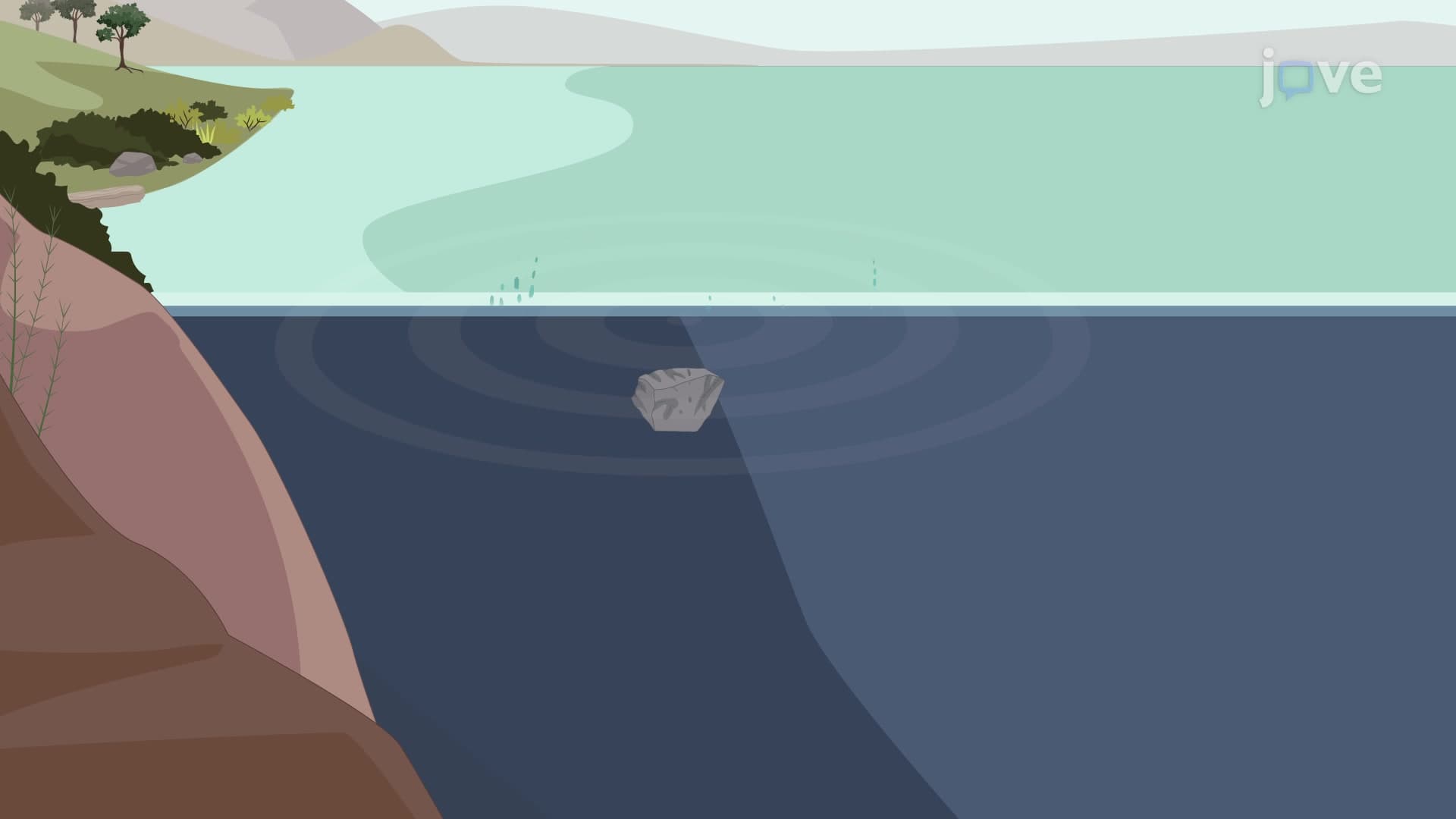
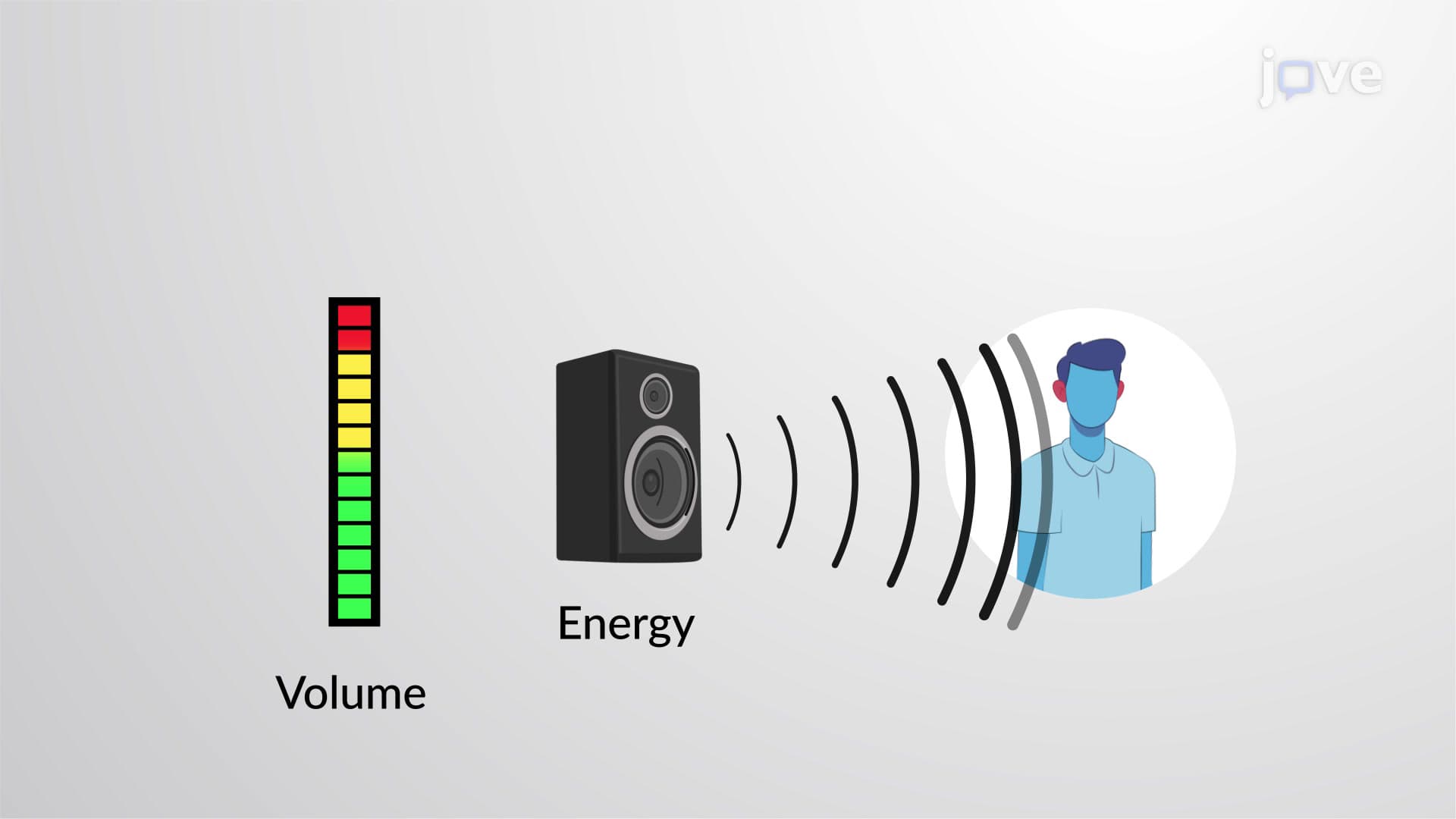
When you produce a sound—whether speaking, clapping, or shouting—you create compression waves that travel through air at approximately 343 meters per second (1,125 feet per second) at room temperature. These waves carry energy outward until they strike a surface capable of reflection, such as a canyon wall, building facade, or mountain face.
The human auditory system possesses a remarkable limitation that makes echo perception possible: we cannot distinguish between two sounds arriving less than 0.1 seconds apart. This biological constraint, known as the "persistence of audition," means reflected sound waves must travel a minimum distance before we perceive them as distinct from the original sound.
Using the speed of sound in air (343 m/s), we can calculate this minimum distance: if sound travels to a reflector and back in 0.1 seconds, the total distance is 343 × 0.1 = 34.3 meters. Since the sound travels to the reflector and back, the minimum distance to the reflecting surface is 17.15 meters (about 56 feet).
Echo calculations frequently appear on AP Physics exams and college acoustics courses. The fundamental equation is straightforward: Distance = (Speed of Sound × Time) ÷ 2. The division by two accounts for the round-trip nature of echo travel.
For example, if you hear an echo 0.5 seconds after shouting toward a cliff, the distance calculation becomes: Distance = (343 m/s × 0.5 s) ÷ 2 = 85.75 meters. This principle forms the basis for sophisticated measurement technologies used across multiple industries.
Echo principles power numerous technologies essential to modern life. The U.S. Navy employs sonar systems based on echo principles for submarine navigation and ocean floor mapping. Medical professionals use ultrasound imaging—essentially medical echo technology—for prenatal care and diagnostic imaging in hospitals across America.
Architectural acoustics also relies heavily on echo understanding. Concert halls like Carnegie Hall in New York and the Walt Disney Concert Hall in Los Angeles are designed with precise echo control to optimize musical performance quality.
Frequently Asked Questions
An echo is the reflected sound you hear after making a noise, like when you shout in a canyon and hear your voice come back. It occurs when sound waves bounce off surfaces and return to your ears with enough delay (at least 0.1 seconds) for your brain to recognize it as separate from the original sound.
AP Physics typically includes echo problems involving distance calculations using the formula Distance = (Speed × Time) ÷ 2. Students must remember to divide by two since sound travels to the reflector and back. These problems often combine with wave speed and frequency concepts in free-response questions.
The MCAT frequently tests echo principles through sonar and medical ultrasound scenarios. Expect problems calculating distances using echo timing, understanding how sound speed varies in different mediums, and applying echo principles to diagnostic imaging contexts relevant to medical practice.
Echo quality depends on surface materials and geometry. Hard, smooth surfaces like canyon walls or building facades reflect sound efficiently, while soft materials like grass or fabric absorb sound waves. The distance and angle of reflecting surfaces also affect echo clarity and timing.
Ships employ sonar systems that send sound pulses toward the ocean floor and measure return times. By calculating Distance = (Sound Speed in Water × Time) ÷ 2, they determine water depth and detect underwater obstacles. The U.S. Coast Guard uses this technology for safe navigation and search-and-rescue operations.
No advanced mathematics required! Echo calculations use basic multiplication and division with the simple formula Distance = (Speed × Time) ÷ 2. If you can work with fractions and decimals, you can master echo problem-solving for high school and introductory college courses.
Practice identifying whether problems ask for distance, time, or speed, then apply the appropriate formula variation. Create flashcards with the speed of sound in air (343 m/s) and the minimum echo time (0.1 seconds). Work through problems involving real scenarios like sonar and architectural acoustics.
Explore Doppler effect applications, ultrasound medical imaging principles, and architectural acoustics design. These topics build on basic echo understanding and appear in advanced physics courses and professional programs like engineering and medicine.
Related Micro-courses


Related Subjects
 Math Fundamentals 11 micro-courses›
 Statistics 17 micro-courses›