Loading…
Loading video…

56,314 views
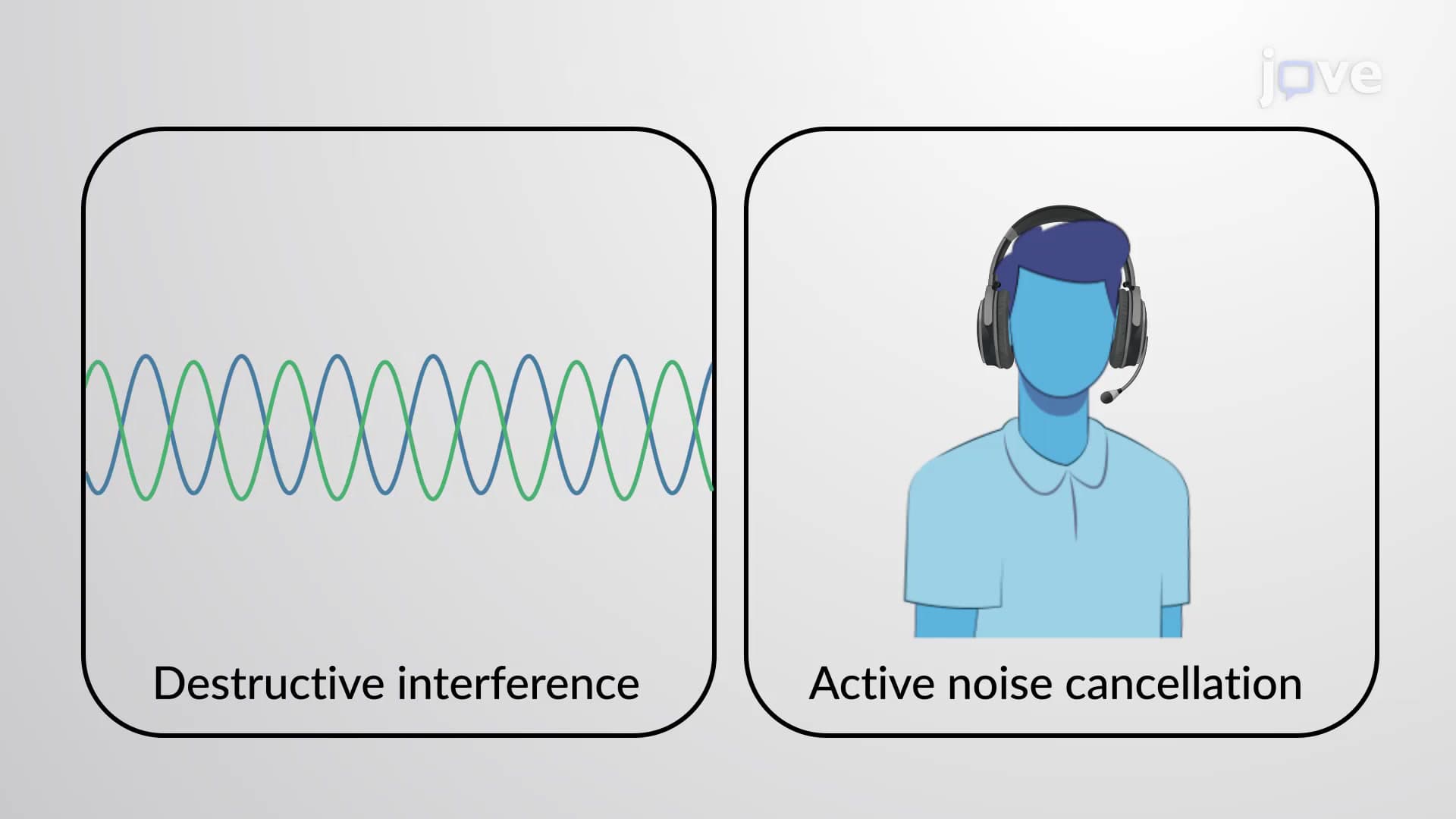
Ever wonder how noise-canceling headphones create silence from sound? Sound waves interference occurs when two or more waves combine, either amplifying or canceling each other out completely. Boeing's aircraft engineers use destructive interference principles in designing quieter cabins, where strategically placed sound sources cancel engine noise. Understanding what is sound waves interference reveals the physics behind these everyday technologies that transform how we experience sound in our environment. Watch the full video on JoVE Coach to master this concept with expert-led visuals and step-by-step explanations.
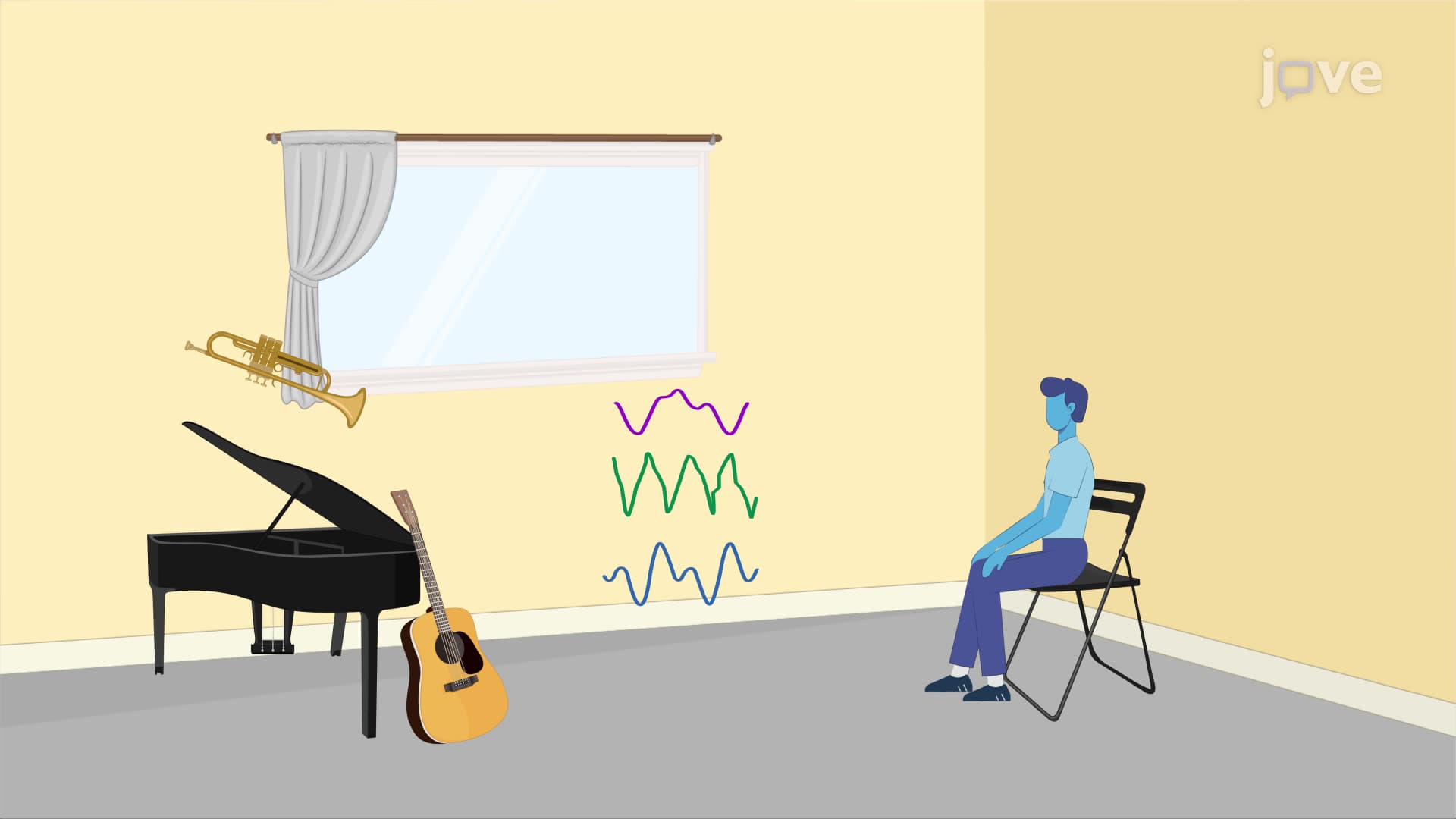
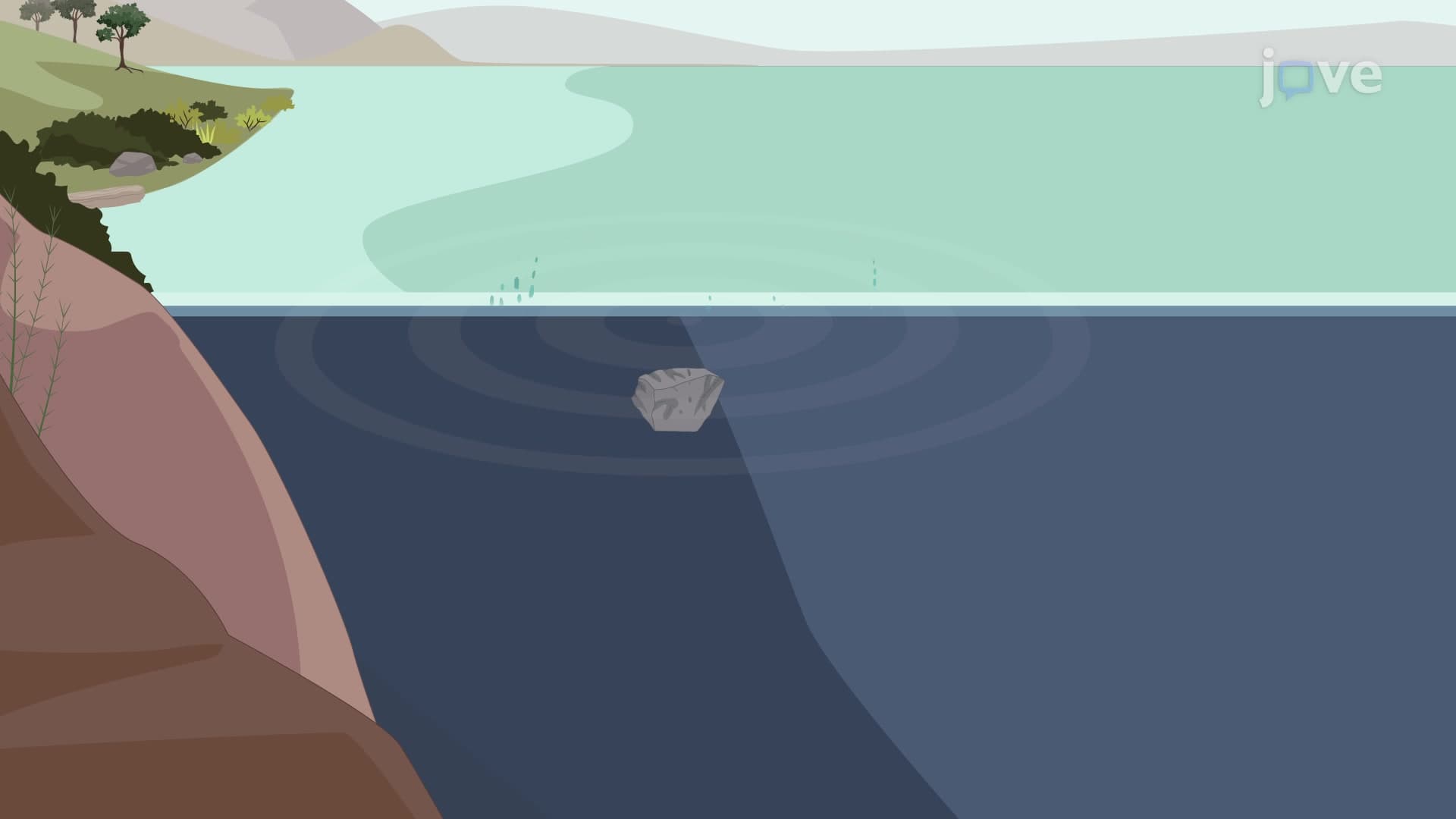
Sound waves interference represents one of the most fundamental principles in wave physics, occurring whenever two or more sound waves occupy the same space simultaneously. This phenomenon governs everything from the acoustics in concert halls to the technology in your smartphone's noise-canceling earbuds. When waves meet, they don't bounce off each other like colliding balls—instead, they pass through one another while temporarily combining their effects.
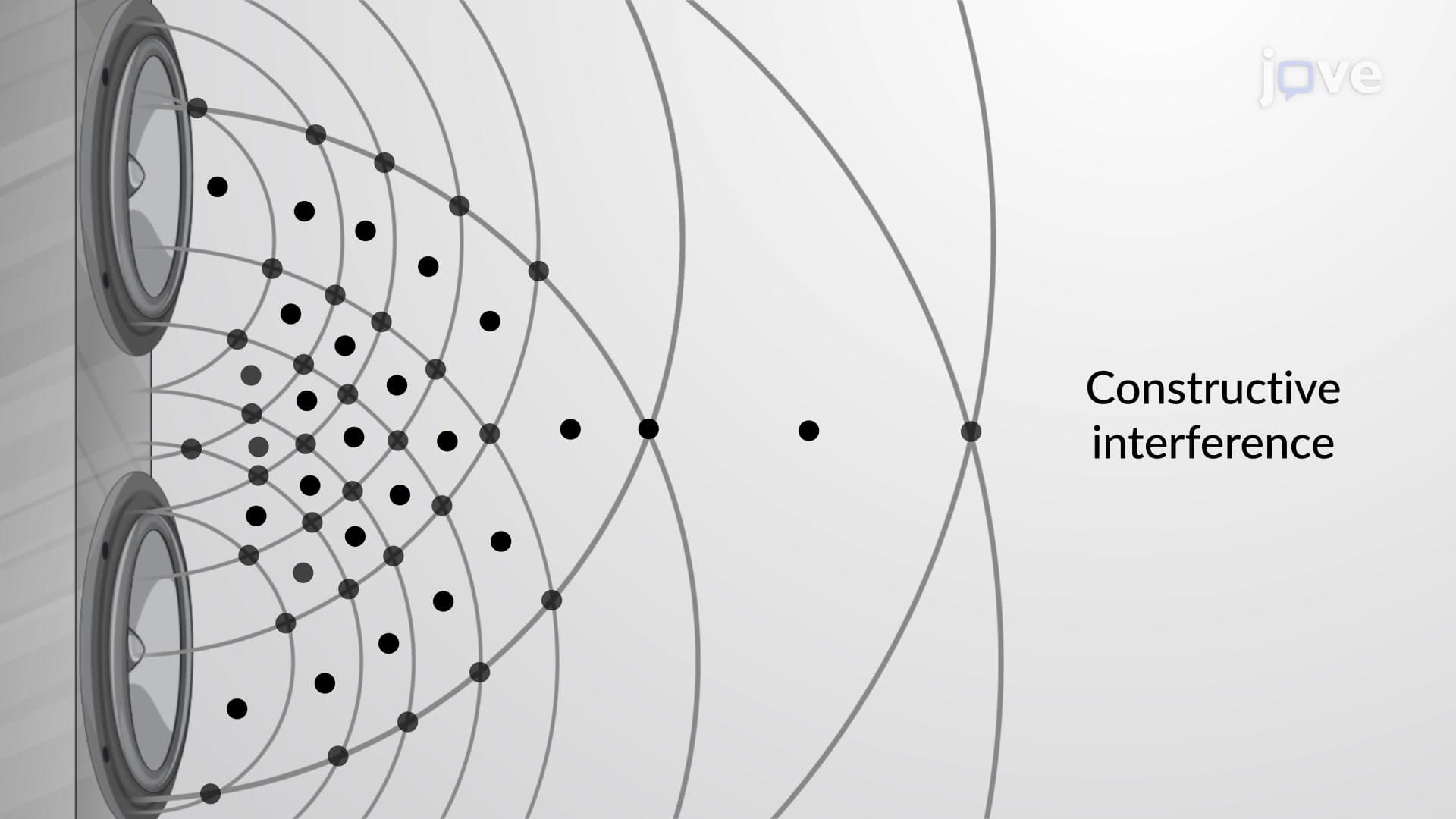
Constructive interference occurs when sound waves align perfectly in phase, meaning their peaks and troughs match up precisely. When two identical waves with the same frequency and amplitude combine constructively, the resulting wave doubles in amplitude while maintaining the original frequency. This principle explains why multiple speakers playing the same audio can create louder sound in certain locations. Audio engineers at major US venues like Madison Square Garden strategically position speakers to create constructive interference zones, ensuring optimal sound quality throughout the audience area.
Destructive interference happens when waves are 180 degrees out of phase—one wave's peak aligns with another's trough. Under ideal conditions with identical amplitudes, these waves completely cancel each other out, creating zones of silence. Companies like Bose and Apple leverage this principle in active noise-canceling headphones, using microphones to detect ambient noise and generating precisely inverted sound waves to cancel unwanted frequencies. This technology proved crucial during the COVID-19 pandemic, helping healthcare workers concentrate in noisy hospital environments.
Understanding sound waves interference proves essential for AP Physics students tackling wave mechanics problems and college students studying acoustics in engineering programs. The MCAT frequently includes interference questions in its physics sections, particularly regarding medical ultrasound technology. Ultrasound machines used in US hospitals rely on interference patterns to create detailed images—when sound waves reflect off different tissues and interfere with the original signal, sophisticated computer algorithms interpret these patterns to generate diagnostic images. Students should master calculating resultant amplitudes, determining phase relationships, and predicting interference outcomes for both standardized tests and practical applications in fields ranging from audio engineering to medical imaging.
Frequently Asked Questions
Sound waves interference occurs when two or more sound waves meet and combine to create a new wave pattern. This can result in louder sound (constructive interference) when waves align, or quieter sound or even silence (destructive interference) when waves cancel each other out. It's the same principle used in noise-canceling headphones.
AP Physics commonly tests interference through calculations involving wave amplitude, phase relationships, and superposition principles. Students typically solve problems determining resultant wave amplitudes when two waves combine, analyzing standing wave patterns, and explaining real-world applications like noise cancellation technology.
The MCAT focuses on medical applications where constructive interference amplifies waves (useful in ultrasound imaging), while destructive interference cancels waves (applied in noise reduction for medical equipment). You'll need to calculate resultant amplitudes and understand how phase differences affect wave interactions in diagnostic technologies.
Companies like Bose and Sony use microphones to detect ambient noise, then generate sound waves exactly 180 degrees out of phase with the incoming noise. When these opposing waves combine through destructive interference, they cancel each other out, creating a quieter listening environment without blocking all sound completely.
Basic algebra and trigonometry suffice for most interference concepts taught at the high school and introductory college level. You'll work with amplitude addition, phase relationships, and simple wave equations, but calculus isn't required for fundamental understanding of constructive and destructive interference principles.
Practice drawing wave diagrams showing in-phase and out-of-phase combinations, memorize that constructive interference occurs when waves align while destructive interference happens with 180-degree phase differences. Work through amplitude calculation problems and understand real-world applications like acoustical engineering and medical imaging.
Progress to standing waves, resonance phenomena, and Doppler effect concepts. These build directly on interference principles and appear frequently in advanced physics courses, engineering programs, and professional exams like the MCAT, where understanding wave behavior in medical contexts becomes crucial.
Perfect destructive interference requires identical amplitudes, frequencies, and precise 180-degree phase relationships, which are difficult to maintain in practical environments. Factors like air temperature, humidity, and surface reflections cause slight variations that prevent complete wave cancellation, though significant noise reduction still occurs in quality noise-canceling devices.
Related Micro-courses


Related Subjects
 Math Fundamentals 11 micro-courses›
 Statistics 17 micro-courses›