Loading subject page…

- Physics
- Temperature and Heat
- Thermal expansion and Thermal stress: Problem Solving
Micro-course: Temperature and Heat
62,505 views
Learn key concepts and earn your certificate.






Thermal expansion and Thermal stress: Problem Solving

00:00
01:27
Video Summary: Thermal Expansion and Thermal Stress Explained
Ever notice how expansion joints in bridges prevent cracking during hot summers? Thermal expansion and thermal stress govern how materials change size with temperature, creating forces that can buckle railroad tracks or crack concrete sidewalks across American cities. Understanding Thermal Expansion And Thermal Stress Explained helps predict material behavior in everything from aircraft engines to building foundations. Watch the full video on JoVE Coach to master this concept with expert-led visuals and step-by-step explanations.
- Understand the fundamental principles of Thermal Expansion And Thermal Stress Explained and how temperature changes affect material dimensions
- Identify the key variables in thermal expansion calculations: initial length, temperature change, and coefficient of linear expansion
- Analyze how constraining thermal expansion creates thermal stress in materials and structures
- Evaluate thermal stress using Young's modulus, temperature gradients, and material properties
- Apply thermal expansion formulas to solve real-world engineering problems involving metal structures
- Compare different materials based on their thermal expansion coefficients and mechanical properties
- Recognize common materials like aluminum through their thermal and mechanical characteristics
- Explore the relationship between thermal expansion, material constraints, and structural failure modes
Understanding Thermal Expansion And Thermal Stress Fundamentals
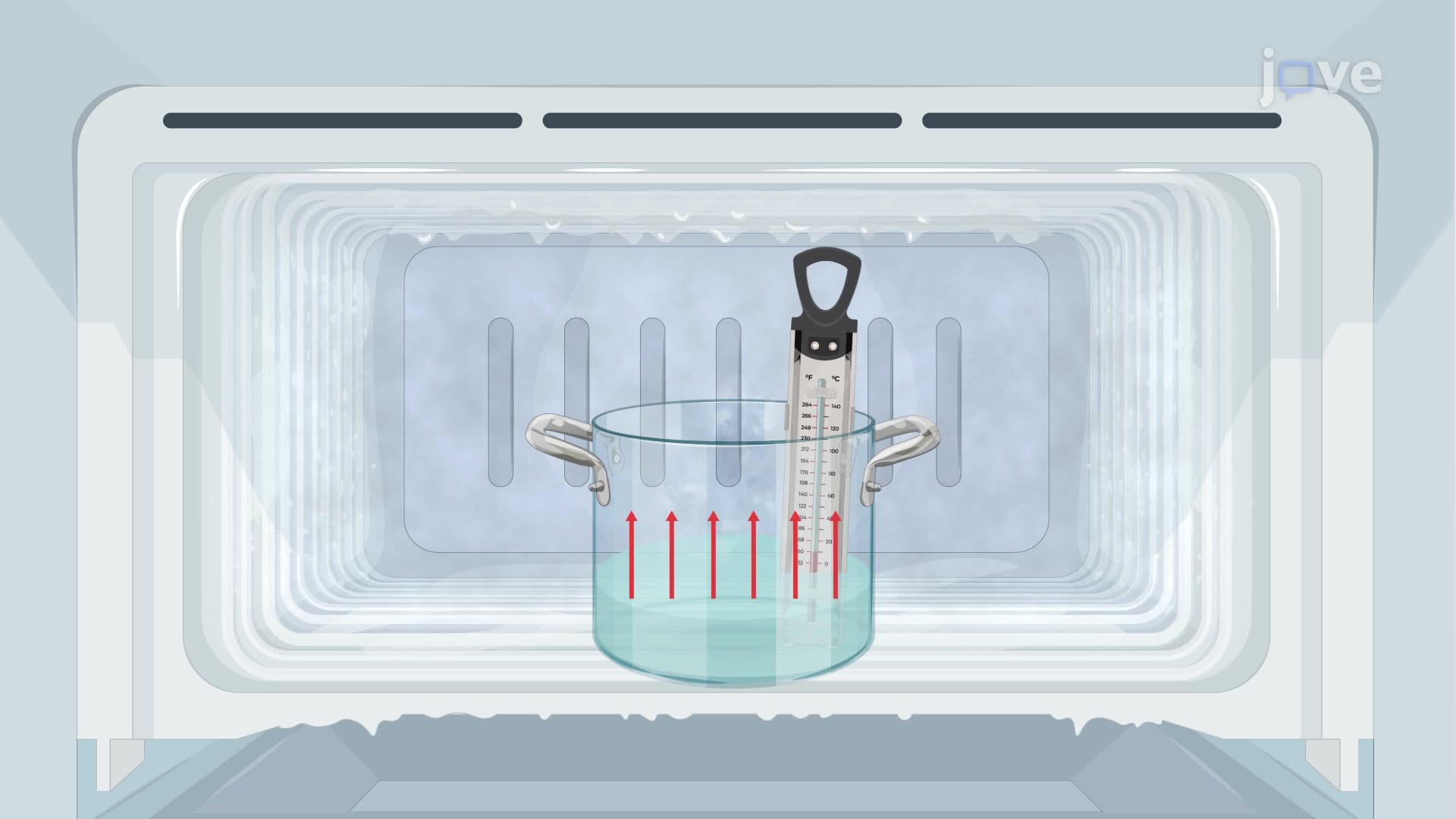
Thermal expansion and thermal stress represent interconnected phenomena that govern how materials respond to temperature changes. When heated, most materials expand predictably according to their coefficient of linear expansion (α), which quantifies the fractional change in length per degree of temperature change. This fundamental property varies significantly among materials-aluminum expands roughly twice as much as steel for the same temperature increase.
Calculating Thermal Expansion in Engineering Applications
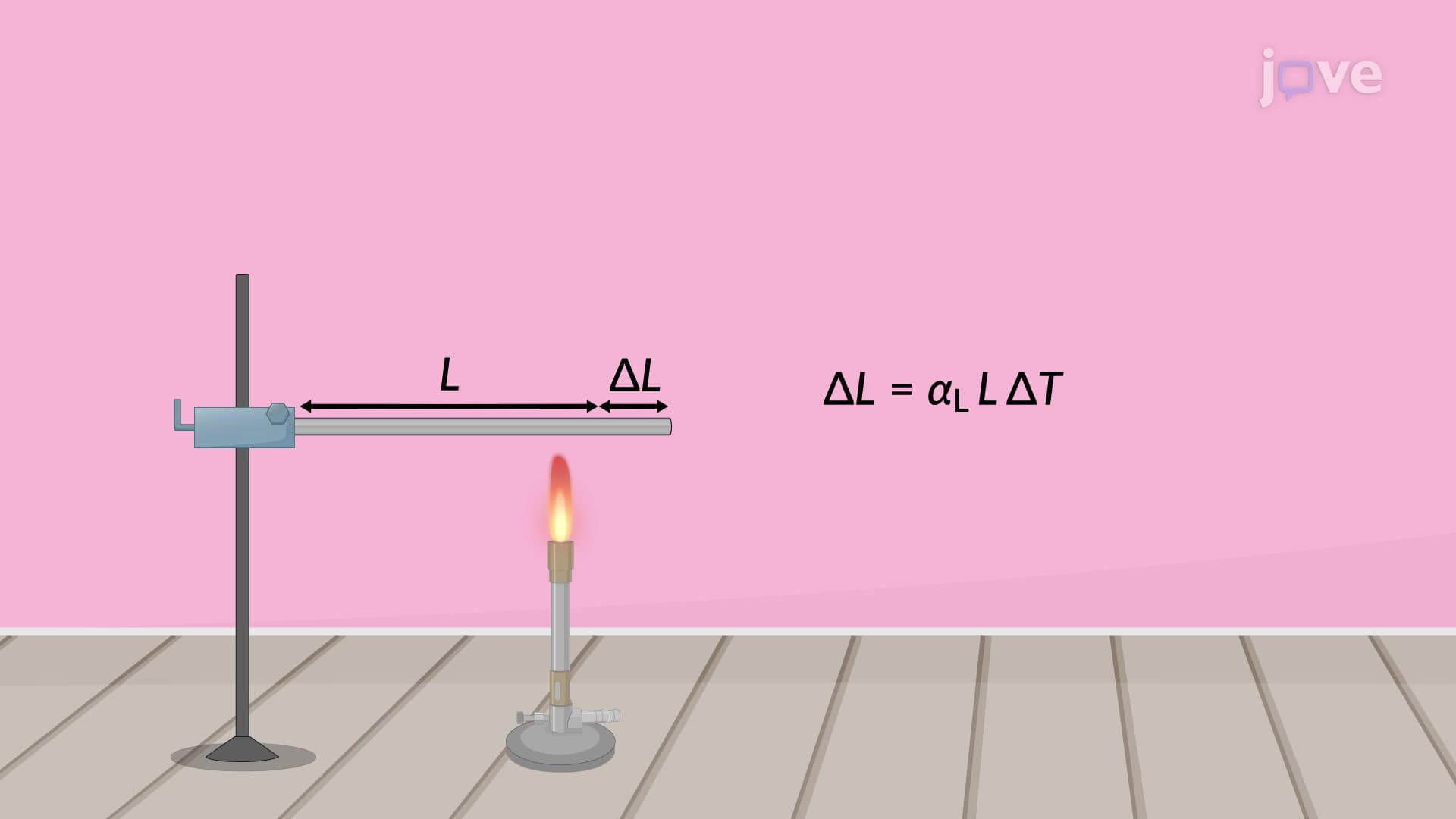
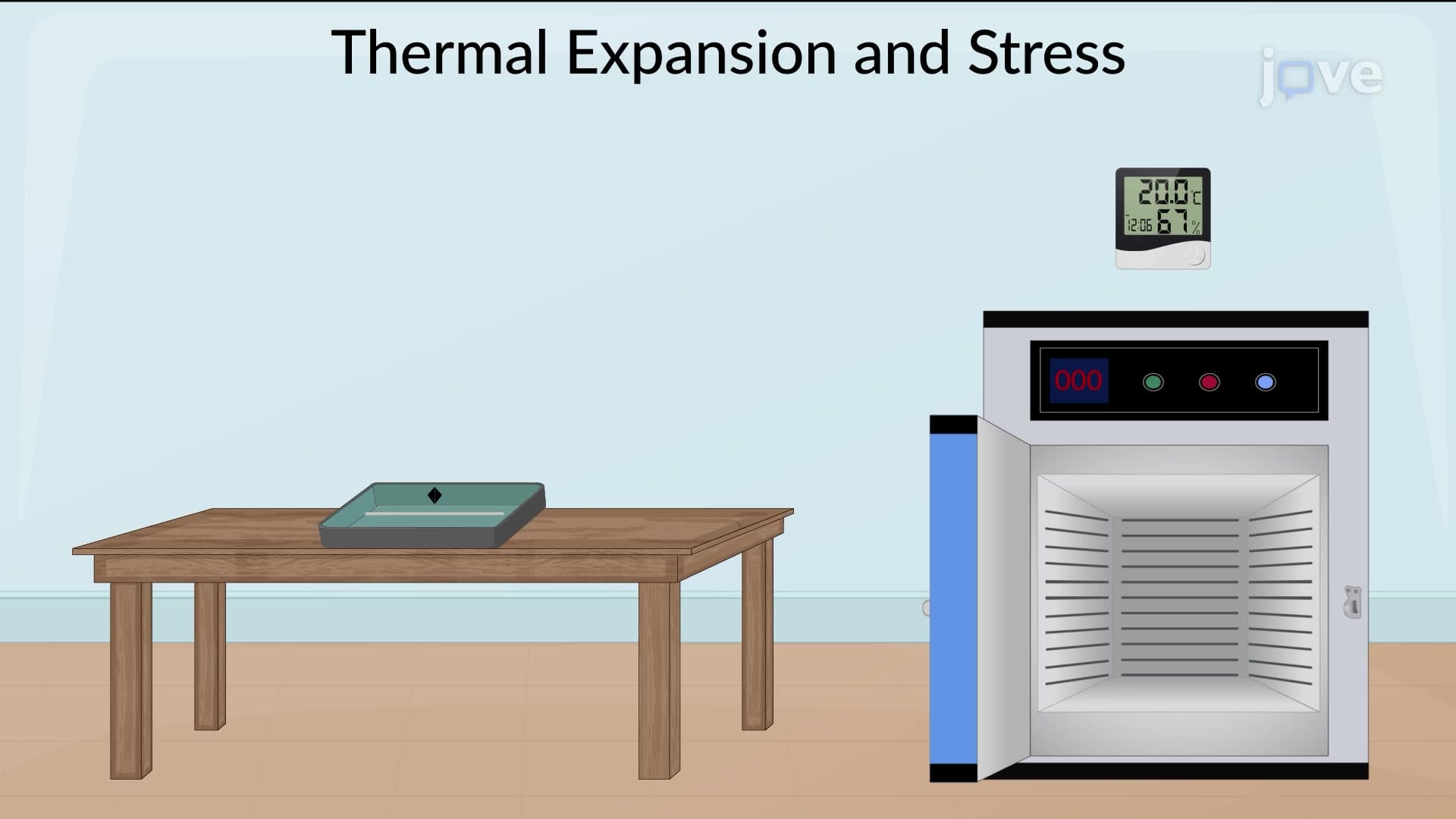
The linear thermal expansion formula ΔL = α × L₀ × ΔT reveals how initial length (L₀), temperature change (ΔT), and material properties (α) determine dimensional changes. For the aluminum wire example, with α = 2.4 × 10⁻⁵ per °C, a 75 cm wire expands 0.77 cm when heated from 20°C to 450°C. This calculation appears frequently on AP Physics exams and engineering coursework, requiring students to manipulate units and apply scientific notation effectively.
Thermal Stress Development and Material Constraints
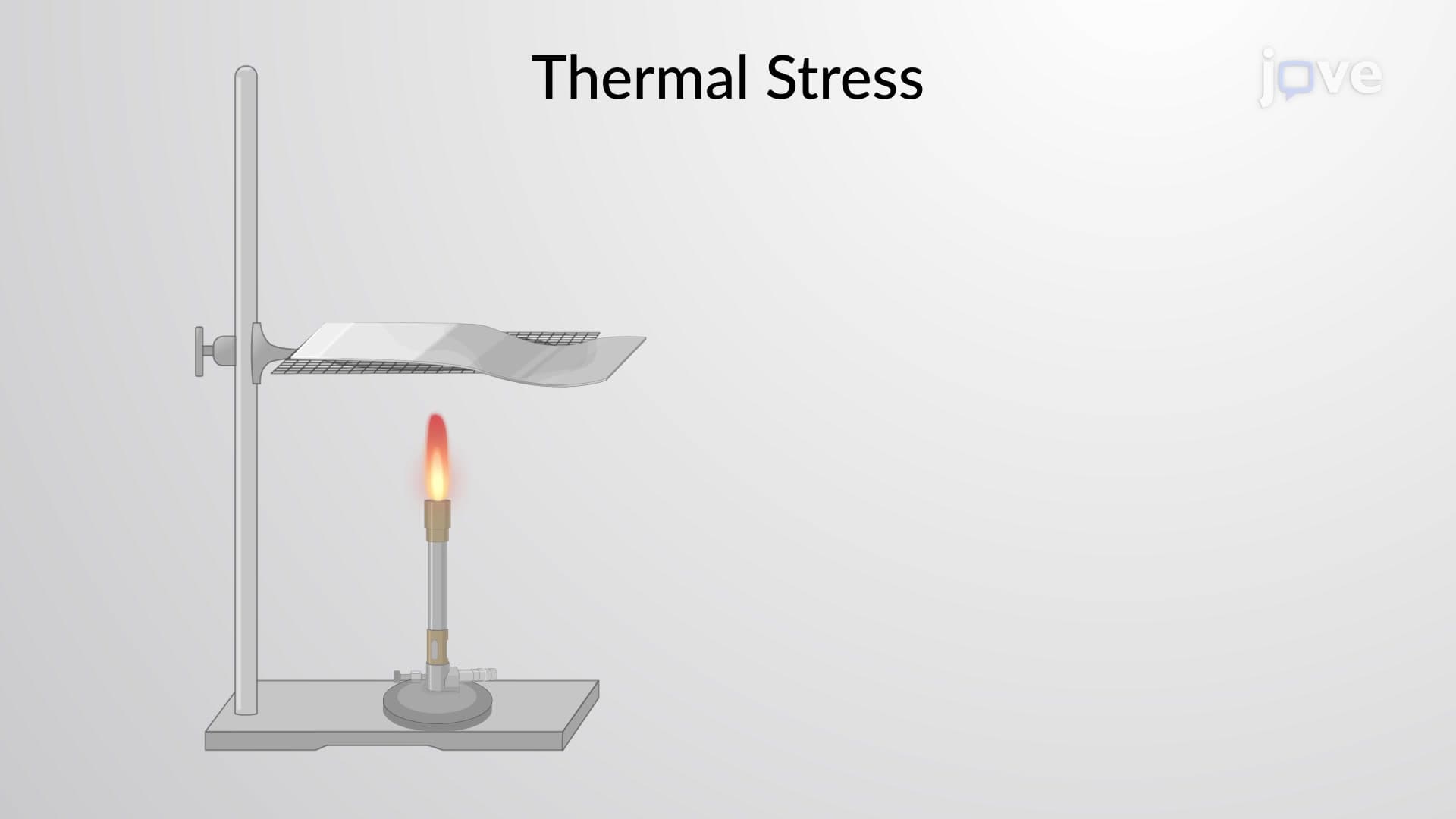
When thermal expansion is constrained-like bolting both ends of a heated rod-thermal stress develops as the material attempts to expand against fixed boundaries. The thermal stress equation σ = E × α × ΔT combines Young's modulus (E), thermal expansion coefficient (α), and temperature change (ΔT) to predict internal forces. In our example, constraining the aluminum wire generates 302 MPa of stress, approaching the material's yield strength and potentially causing permanent deformation.
Real-World Applications in American Infrastructure
Understanding thermal expansion and thermal stress proves critical in American engineering projects. The Golden Gate Bridge incorporates expansion joints allowing 1.6 feet of movement between deck sections. Similarly, railroad companies leave gaps between rail segments to prevent track buckling during summer heat waves. Nuclear power plants like those operated by Duke Energy must account for thermal expansion in reactor vessel design, where temperature differentials create enormous stresses requiring careful material selection and structural analysis.
College-level thermodynamics and materials science courses extensively cover these concepts, particularly in mechanical and civil engineering programs at institutions like MIT and Stanford. MCAT preparation also includes thermal properties of materials in physics sections, emphasizing practical problem-solving skills students will encounter in advanced coursework.
Frequently Asked Questions
Thermal expansion describes how materials grow larger when heated and shrink when cooled. Thermal stress occurs when this natural expansion is prevented by constraints, creating internal forces that can damage or deform materials like bridges, buildings, and mechanical components.
AP Physics commonly tests thermal expansion through calculation problems involving the formula ΔL = α × L₀ × ΔT. Students must identify given variables, convert units properly, and solve for unknown quantities like expansion coefficients or temperature changes in realistic scenarios.
MCAT physics sections include thermal expansion in passages about biological systems and medical devices. Expect questions about thermal stress in dental materials, expansion of blood vessels, or temperature effects on medical instrument calibration requiring both conceptual understanding and quantitative problem-solving.
Bridge expansion joints accommodate thermal expansion preventing structural damage during temperature fluctuations. Without these joints, concrete and steel components would crack or buckle as they expand in summer heat, requiring expensive repairs and potentially creating safety hazards for vehicle traffic.
Thermal expansion concepts are very manageable for high school students with basic algebra skills. The mathematical relationships are straightforward, and real-world examples like railroad tracks and bridge joints help students visualize abstract concepts making the material both accessible and memorable.
Practice identifying given information, organizing variables systematically, and checking unit consistency in your calculations. Focus on memorizing key formulas and understanding when to apply thermal expansion versus thermal stress equations based on problem constraints and what quantities you're solving for.
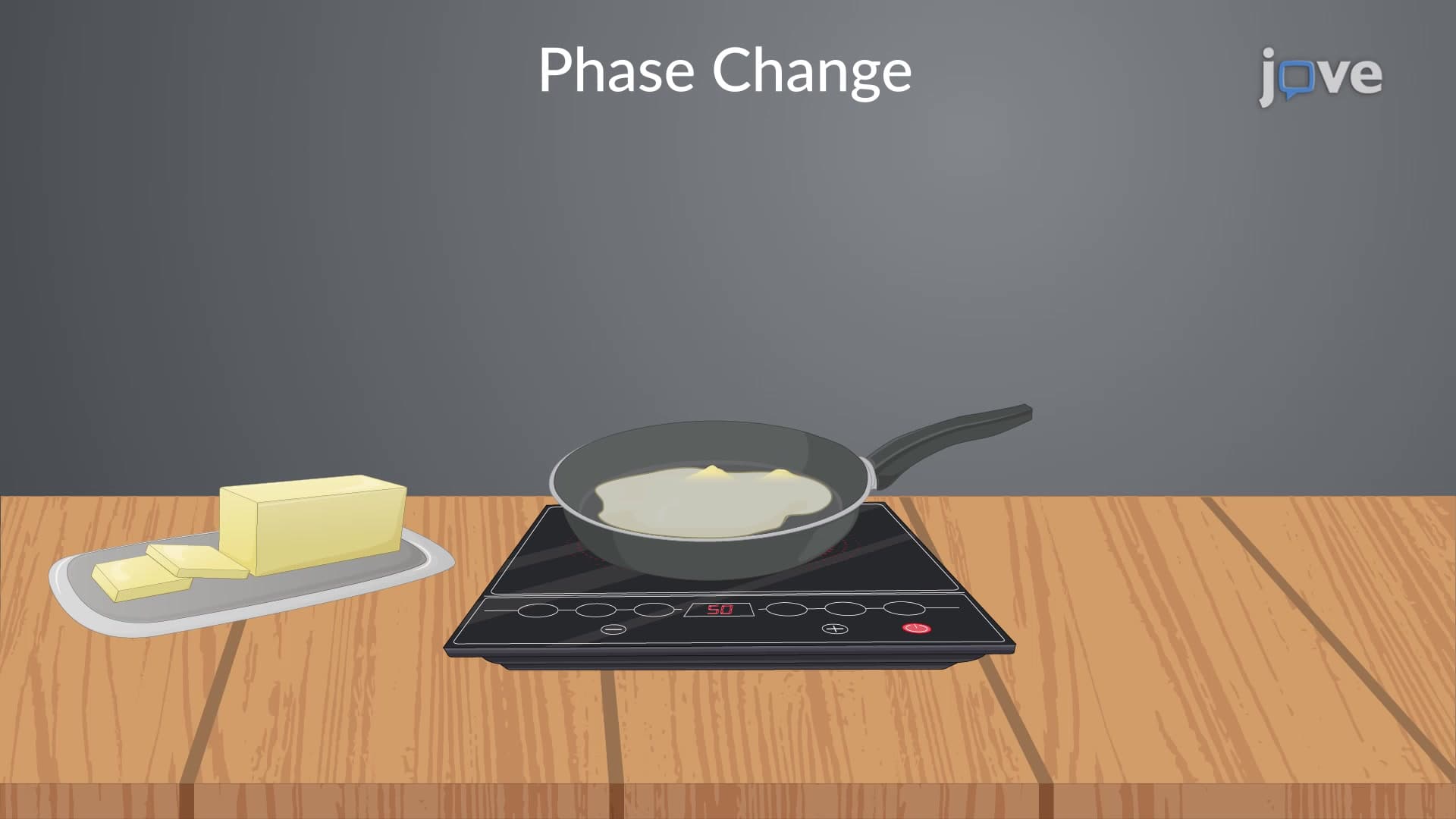
Thermal expansion foundations support advanced studies in materials science, thermodynamics, and structural engineering. Students can explore topics like thermal fatigue, composite material behavior, phase transitions, and thermal shock resistance in specialized engineering or physics graduate programs.
Related Micro-courses

13 Concepts

19 Concepts

12 Concepts