Loading video…


 15 Concepts
 62.5K views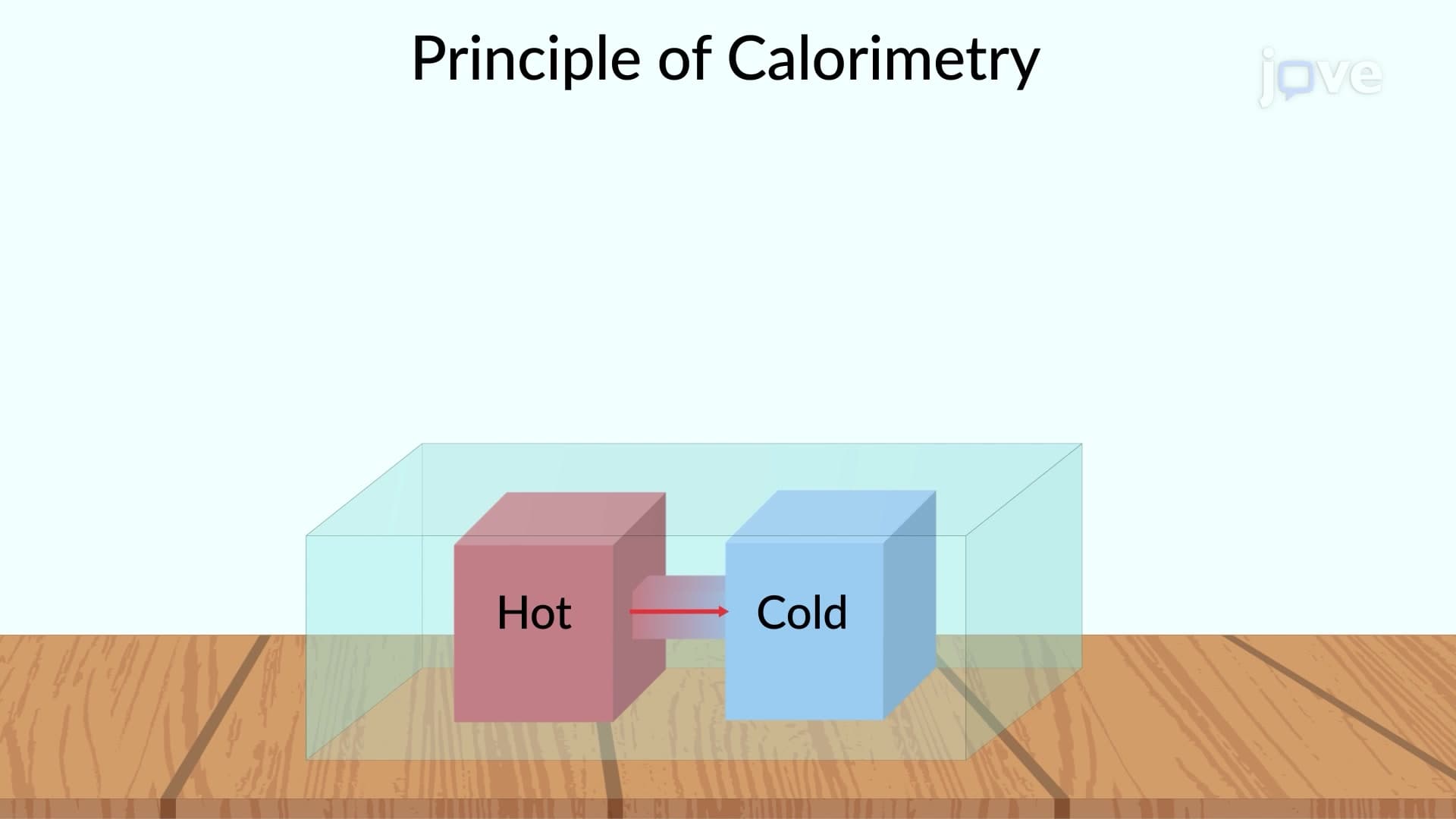

Video Summary: What Is Calorimetry
Ever wonder why adding ice to your hot coffee cools it down to the perfect drinking temperature? Calorimetry is the fascinating science that explains exactly how heat transfers between objects, allowing us to predict and measure these temperature changes with mathematical precision. From designing more efficient car engines at Ford Motor Company to calculating medication dosages in hospital pharmacies, calorimetry principles govern countless processes in American industry and healthcare. Watch the full video on JoVE Coach to master this concept with expert-led visuals and step-by-step explanations.
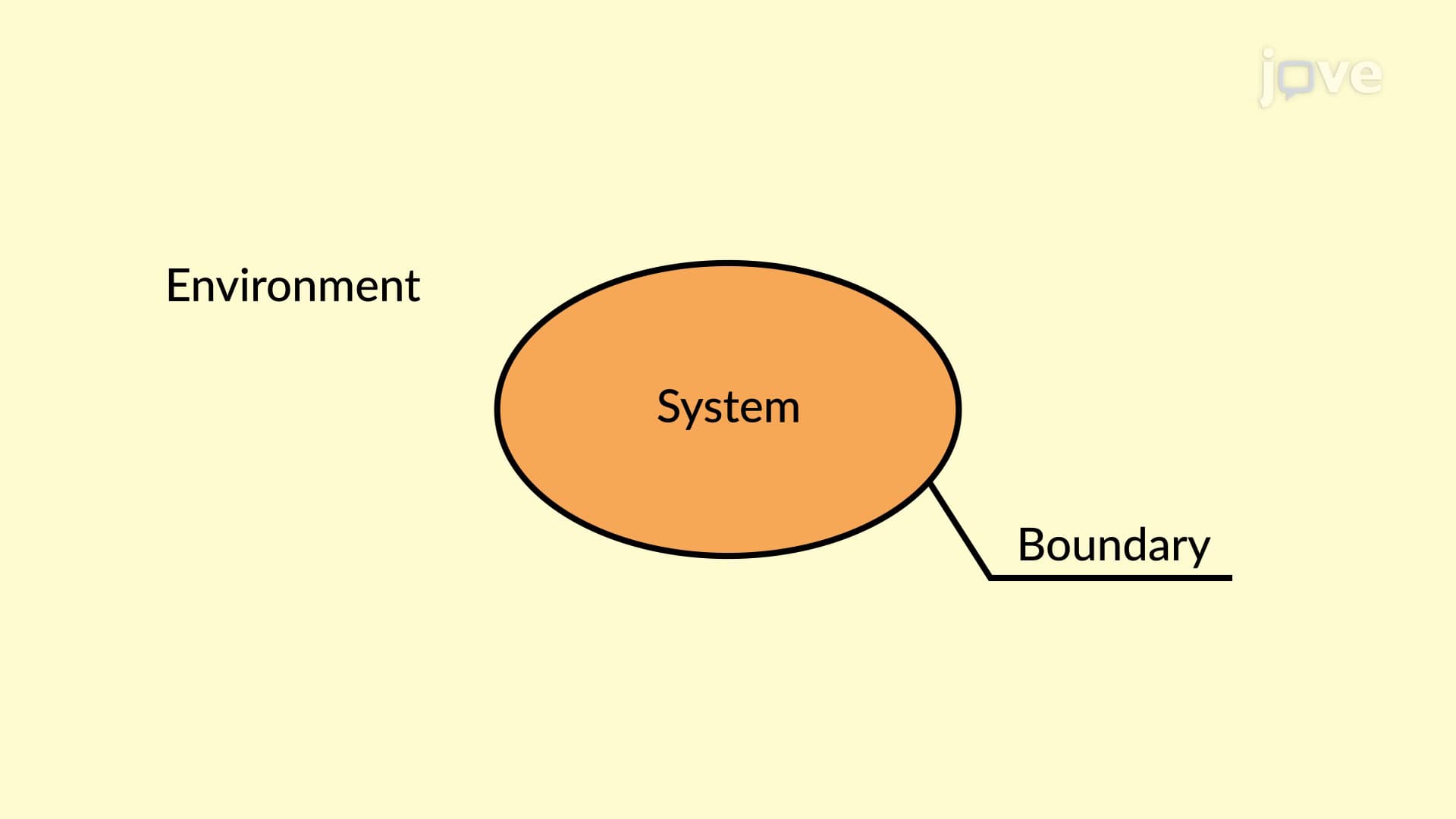
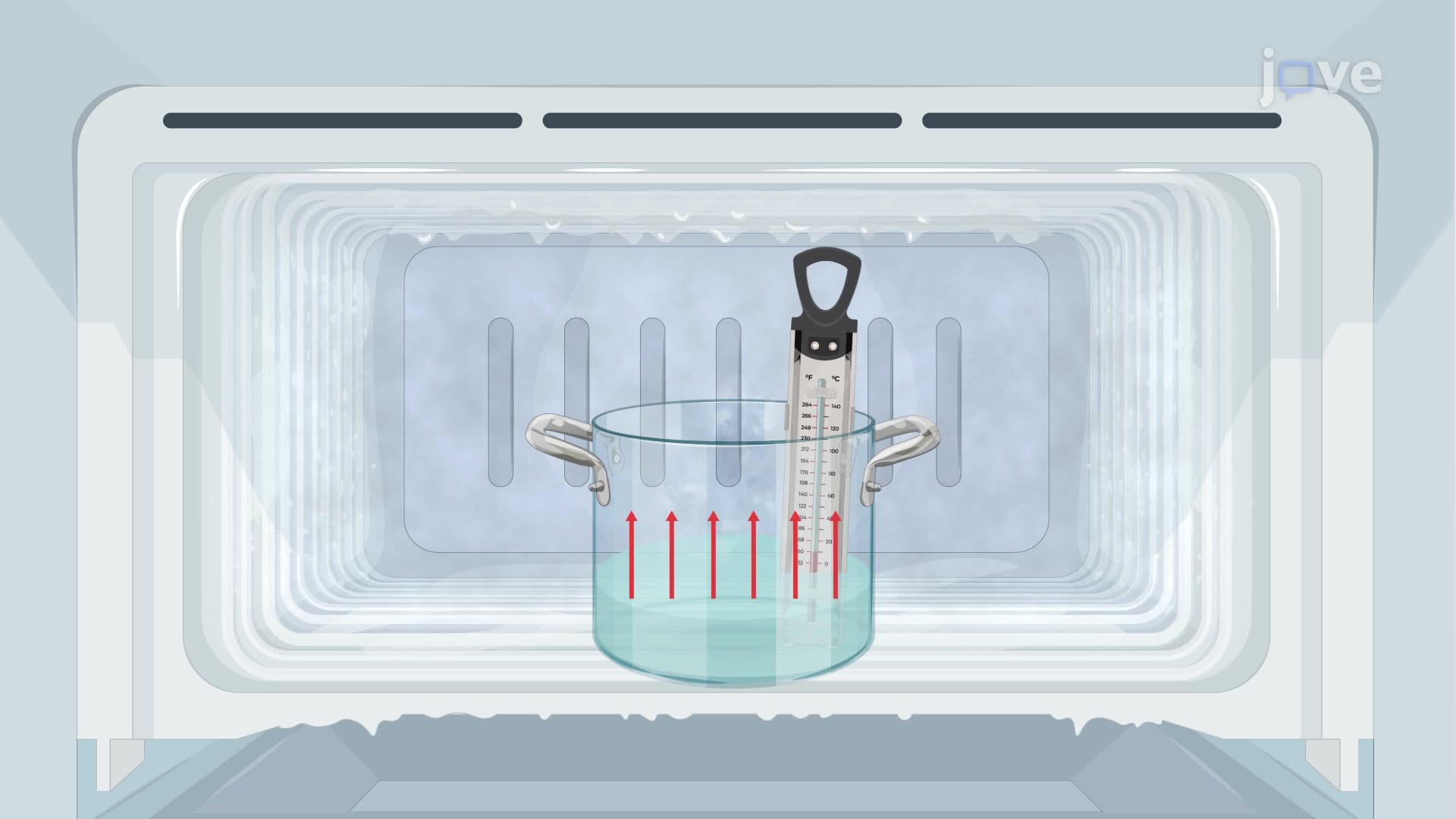
Calorimetry represents one of thermodynamics' most practical applications, providing the scientific framework for measuring and predicting heat transfer. At its core, calorimetry operates on the principle of energy conservation: in an isolated system, the total energy remains constant, meaning heat lost by one object exactly equals heat gained by another.
This concept becomes particularly relevant for students preparing for AP Chemistry, AP Physics, or college-level thermodynamics courses. The mathematical foundation involves the equation Q = mcΔT, where Q represents heat transfer, m is mass, c is specific heat capacity, and ΔT is temperature change.
Calorimetry principles drive innovation across numerous US industries. Food scientists at companies like General Mills use calorimetric techniques to determine nutritional content and optimize cooking processes. Pharmaceutical manufacturers rely on differential scanning calorimetry to ensure drug stability and effectiveness. Even NASA engineers apply these concepts when designing heat shields for spacecraft reentry.
In everyday applications, calorimetry explains why aluminum cookware heats quickly compared to cast iron, and why coastal cities like San Francisco experience milder temperature variations than inland areas like Phoenix.
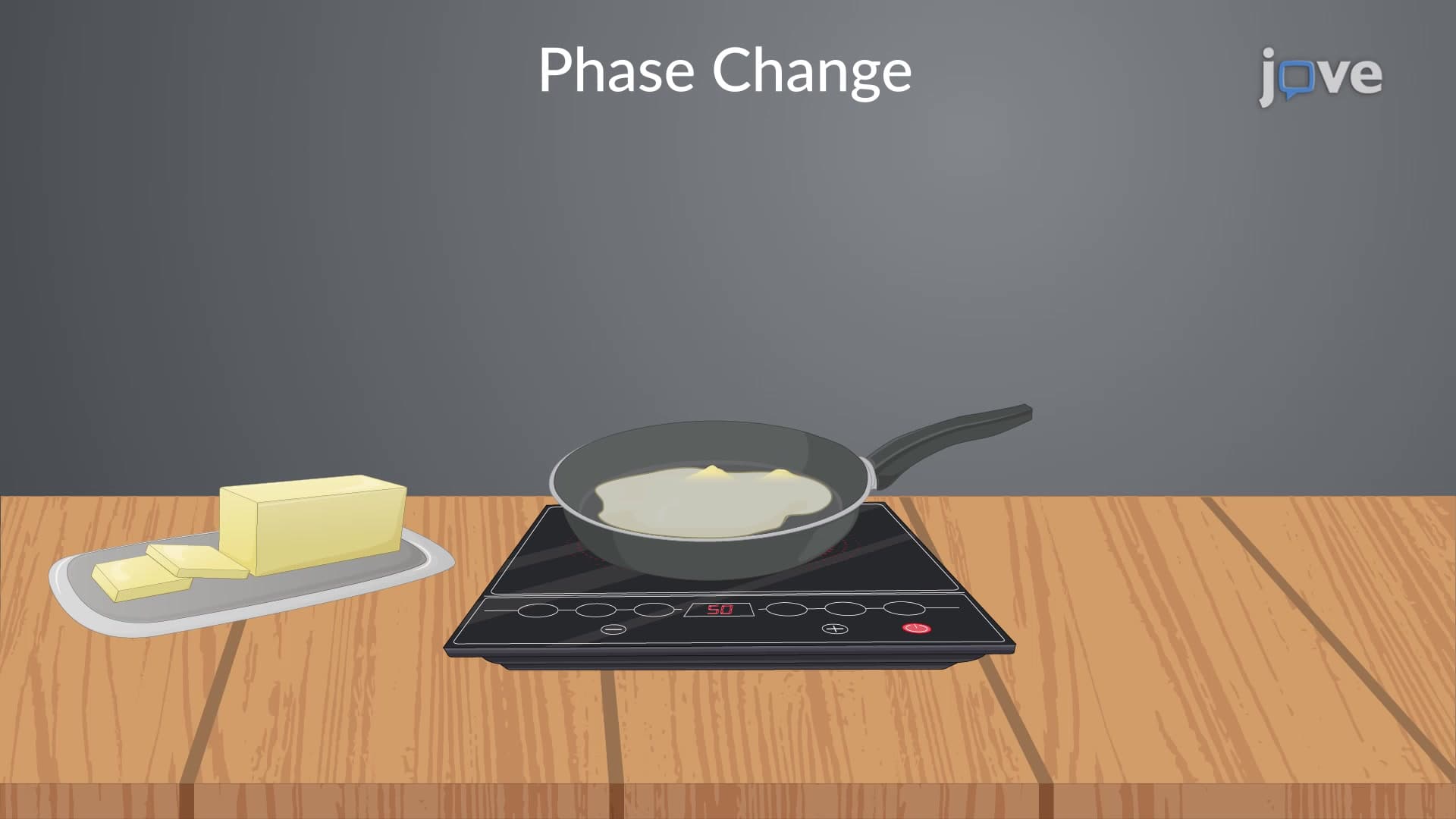
Advanced calorimetry calculations must account for phase transitions, where substances change states without temperature changes. When ice melts or water vaporizes, latent heat values become crucial. The heat of fusion for ice (334,000 J/kg) represents the energy required to break molecular bonds during melting, while specific heat values determine temperature changes within phases.
Successful problem-solving requires systematic approaches: identifying known and unknown quantities, applying conservation principles, and carefully tracking energy transfers through multiple phases. Students should practice with varied scenarios, from simple mixing problems to complex industrial applications involving multiple materials and phase changes.
Related Micro-courses