Loading subject page…


62,510 views

Video Summary: What Is Temperature and Thermal Equilibrium
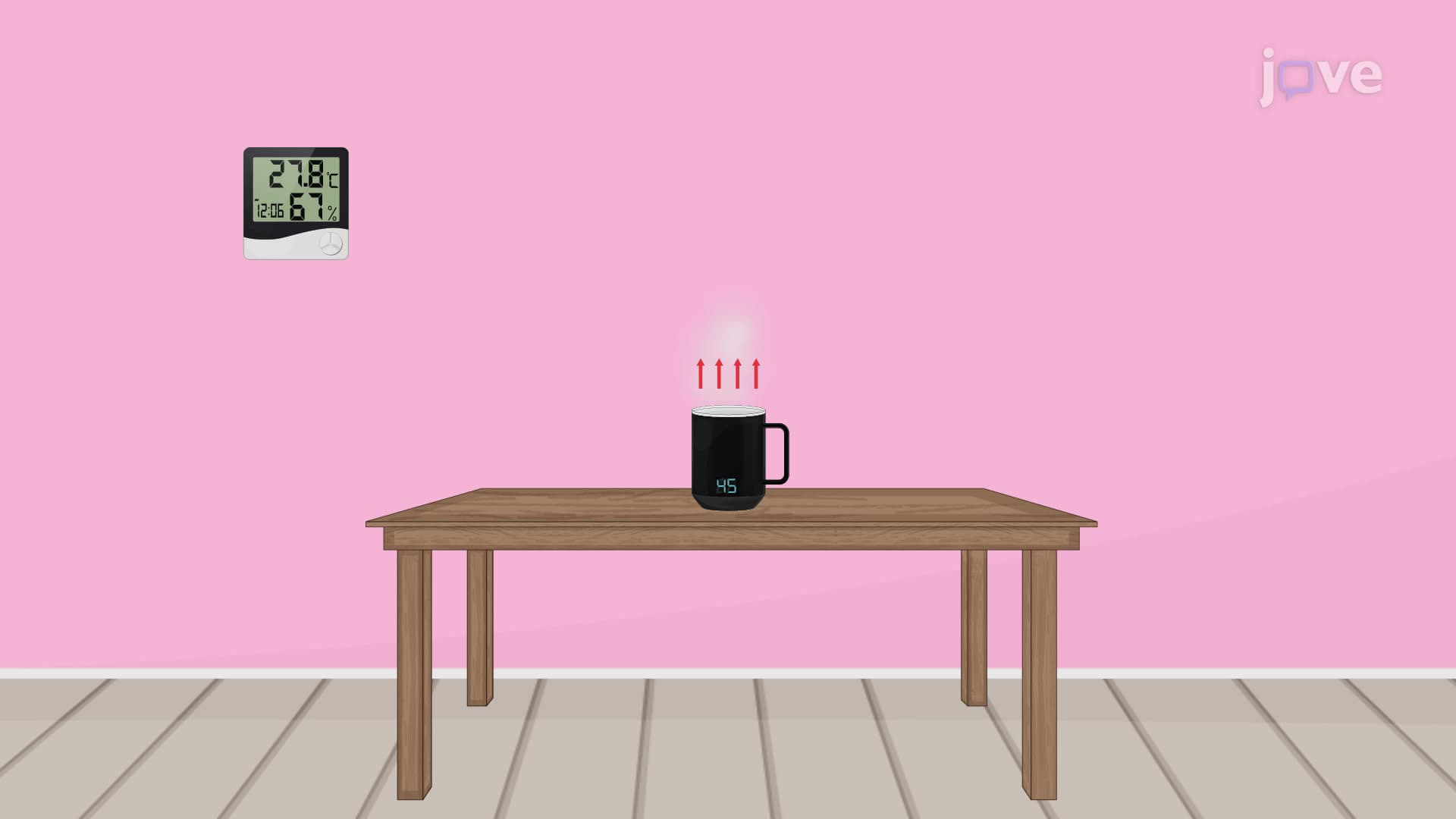
Ever wonder why your morning coffee eventually matches your kitchen's temperature? Temperature and thermal equilibrium govern this everyday phenomenon that affects everything from your thermostat settings to NASA's spacecraft thermal management systems. Temperature measures a substance's molecular kinetic energy, while thermal equilibrium occurs when heat transfer between systems ceases. Consider how a McDonald's hot apple pie burns your tongue initially but becomes safe to eat after cooling-this demonstrates both concepts working together in real-time. Watch the full video on JoVE Coach to master this concept with expert-led visuals and step-by-step explanations.
Temperature and thermal equilibrium represent cornerstone concepts in physics and chemistry that explain how energy flows between systems. Temperature serves as a quantitative measure of the average kinetic energy of particles within a substance. When molecules move faster, they possess higher kinetic energy, resulting in higher temperature readings on instruments like digital thermometers used in American hospitals or infrared temperature guns employed by U.S. food safety inspectors.
Temperature measurement relies on calibrated instruments that respond to thermal energy changes. The Celsius and Fahrenheit scales dominate American scientific and everyday applications respectively. For instance, the FDA requires restaurants to maintain hot foods above 140°F (60°C) to prevent bacterial growth. This temperature threshold demonstrates practical applications students encounter on AP Chemistry exams and college-level thermodynamics courses.
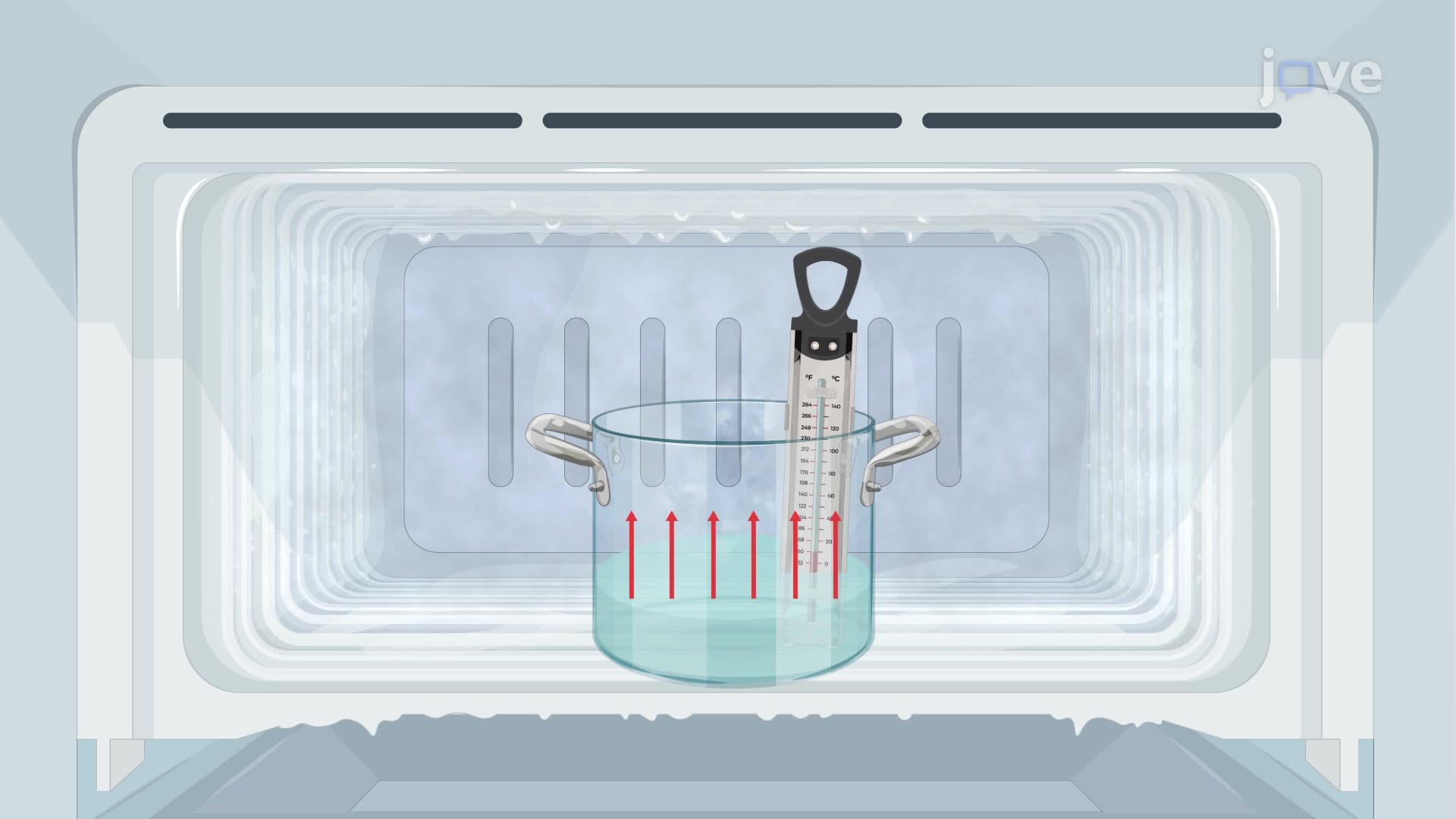
At the molecular level, temperature reflects particle motion intensity. In boiling water at 212°F (100°C), water molecules vibrate and move rapidly enough to transition from liquid to gas phase. Conversely, in ice at 32°F (0°C), molecular motion decreases significantly, allowing hydrogen bonds to create rigid crystalline structures.
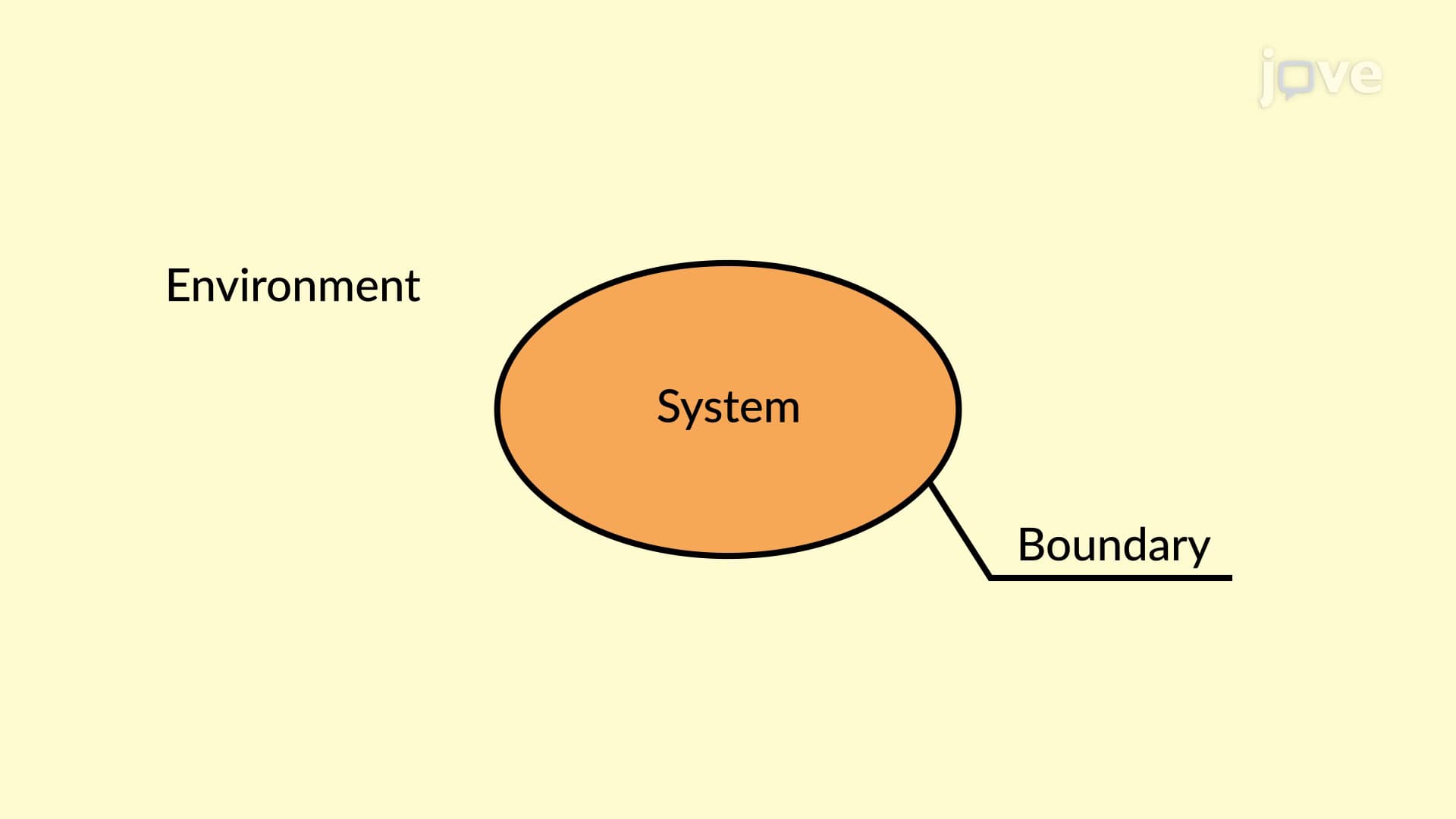
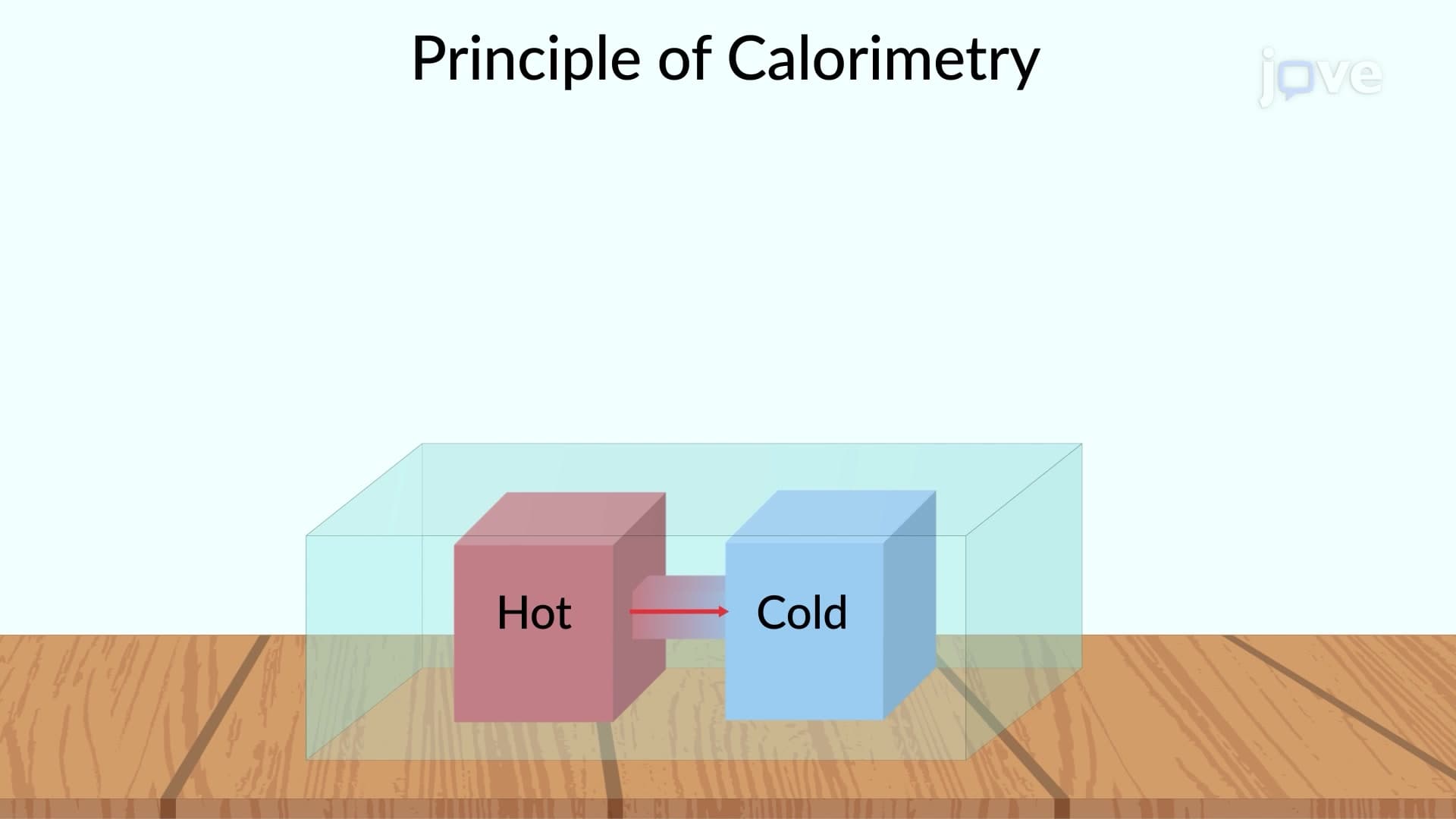
Thermal equilibrium occurs when two systems reach identical temperatures, eliminating the driving force for heat transfer. This principle governs countless applications, from HVAC systems in American buildings to the thermal regulation systems in Tesla electric vehicles. When you place a cold soda can in a warm room, heat flows from the higher-energy air molecules to the lower-energy liquid until both reach the same temperature.
The equilibrium process follows predictable patterns that appear frequently on MCAT physics sections and college thermodynamics midterms. Students must understand that equilibrium doesn't mean no molecular motion exists-rather, it indicates equal average kinetic energies between systems.
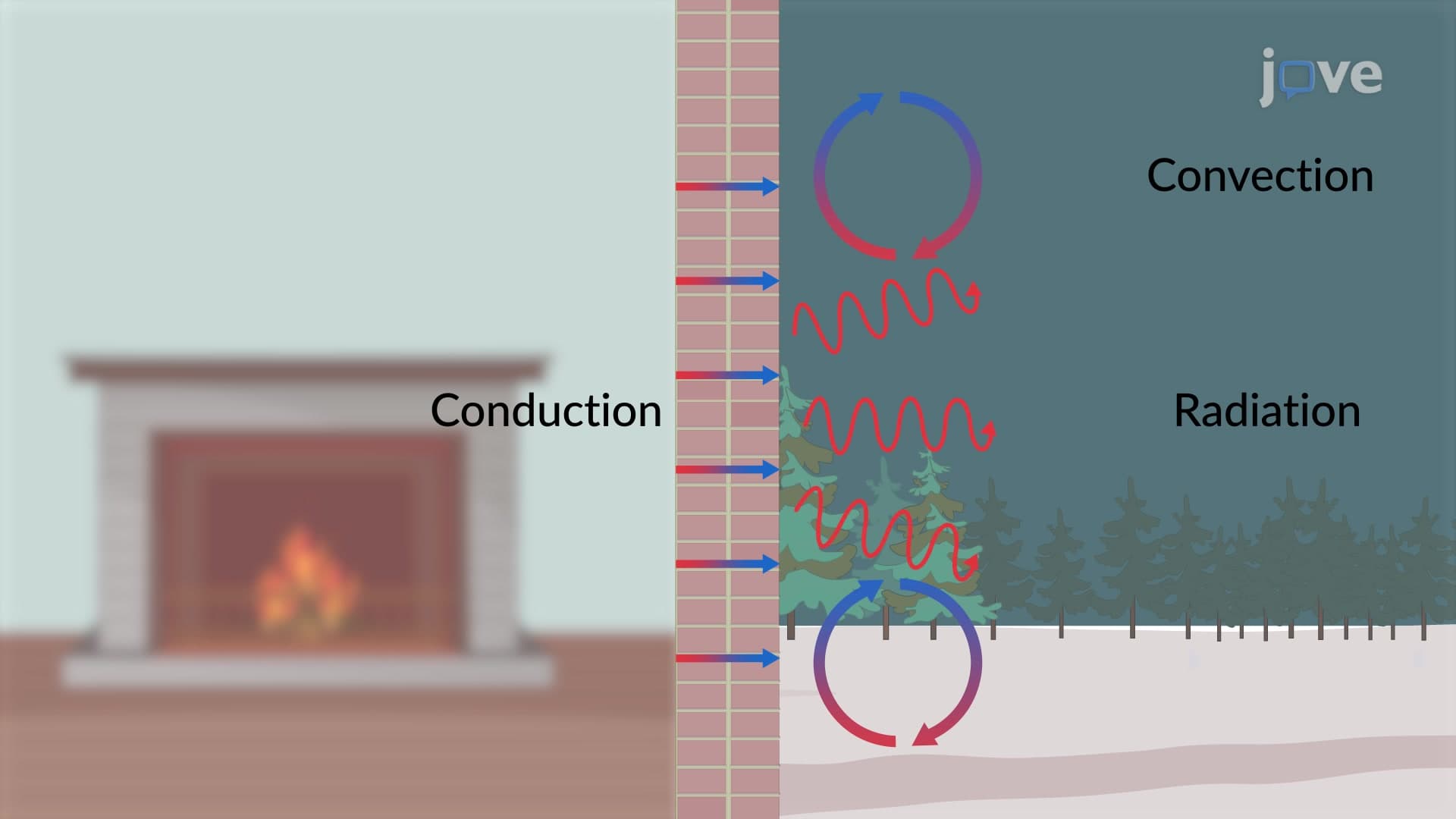
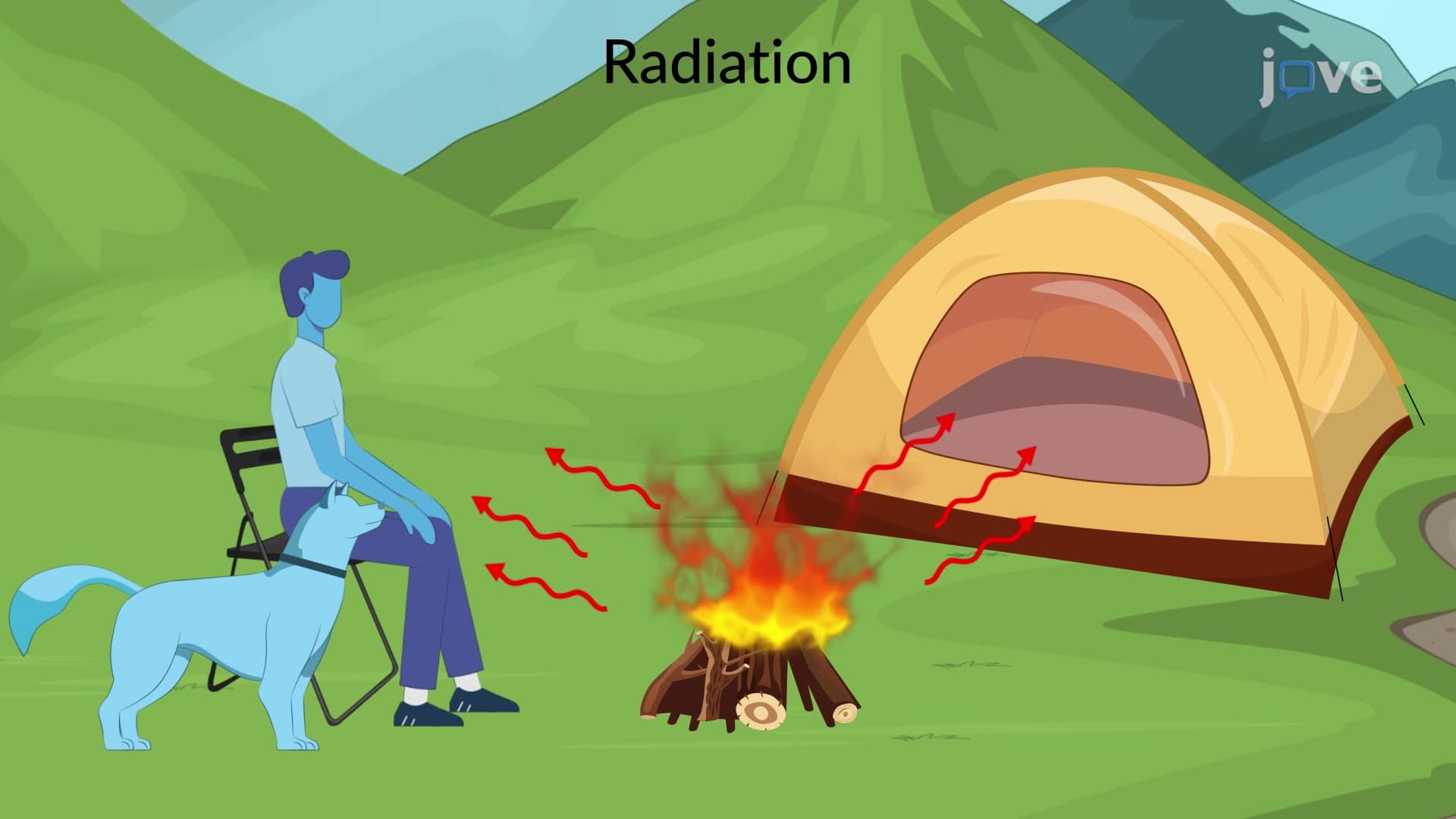
Thermal insulators significantly impact equilibrium timing without preventing it entirely. Yeti coolers, popular among American outdoor enthusiasts, use advanced insulation to delay thermal equilibrium for hours or days. The vacuum-sealed walls minimize heat conduction, while reflective surfaces reduce radiative heat transfer.
Medical applications demonstrate critical importance-hypothermic patients in emergency rooms require controlled rewarming to prevent thermal shock. Understanding these principles helps pre-med students excel on MCAT physical sciences sections and prepares nursing students for NCLEX questions about temperature regulation.
Related Micro-courses